




י״ג תשרי ה׳תשפ״ו | October 4, 2025
The Life and Passing of the Rechitser Rebbe
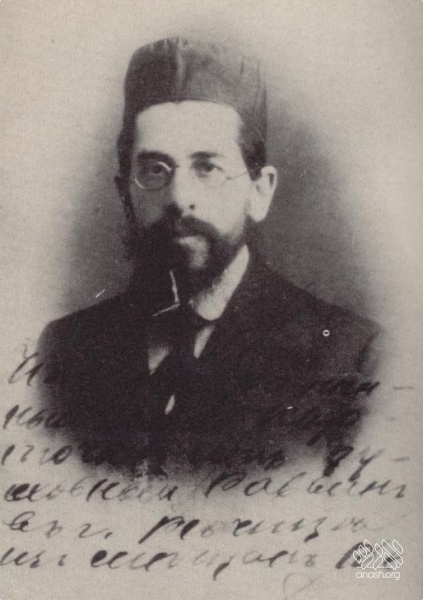
The second day of Sukkos is the 117th yahrtzeit of the Chabad Rebbe of Rechitsa, Harav Sholom Ber Schneersohn. “From the Margins of Chabad History” presents unpublished intimate first-hand accounts of his youth in the chatzer of the Tzemach Tzedek, his chatzer in Rechitsa, his passing, and his descendants.
By Shmuel Super
Introduction
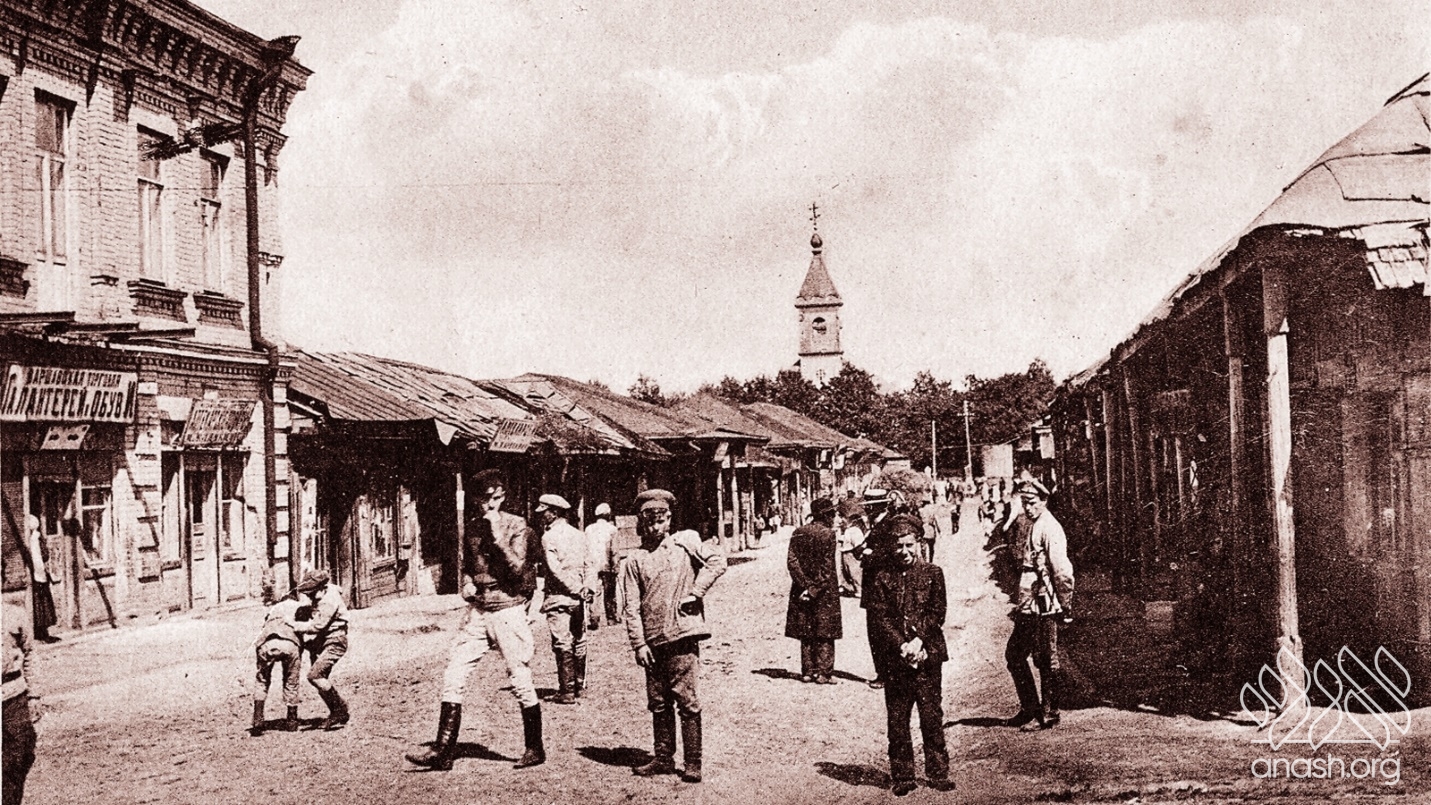
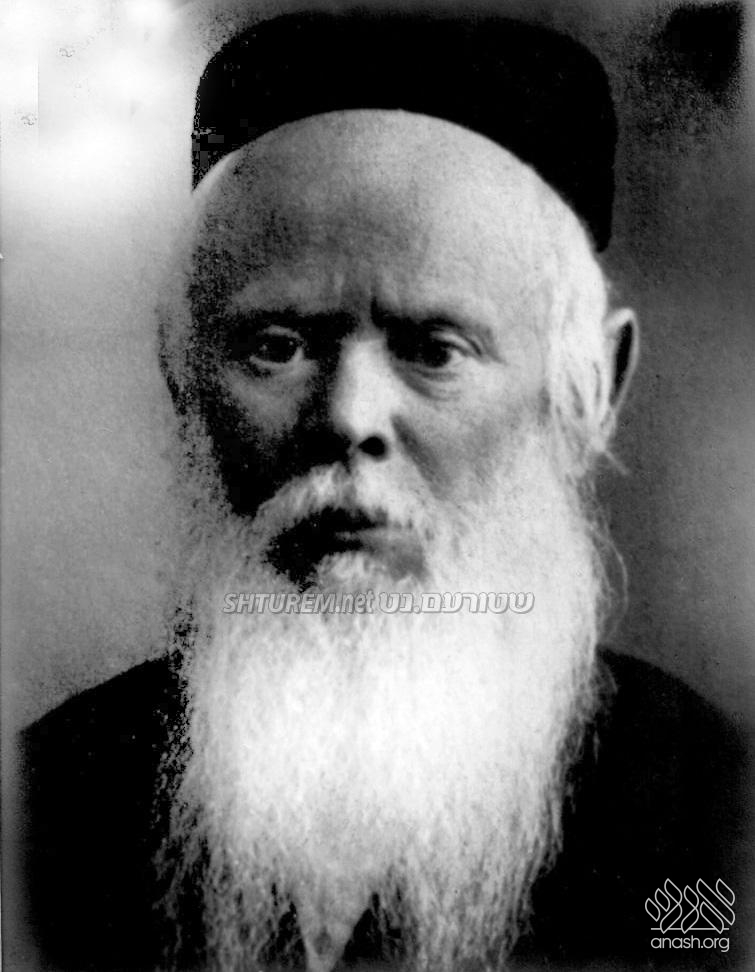
Harav Sholom Dov Ber Schneersohn of Rechitsa (רעציצא, רעטשיצא) was born in Lubavitch in 5596 to his father, Harav Yehudah Leib (Maharil), the son of the Tzemach Tzedek. After the Tzemach Tzedek’s passing, Harav Sholom Ber accompanied his father to Kopust, where Maharil assumed the position of Rebbe. After Maharil passed away a few months later, he was succeeded by his oldest son, Harav Shlomo Zalman. Harav Sholom Ber remained in Kopust for a few years before moving to Rechitsa to serve as the rov of the city.
In addition to serving as the rov of the Rechitsa, Harav Sholom Ber gradually began functioning as a Chabad rebbe as well, attracting many Chabad chasidim from the nearby Belarus and Ukraine (Malarussya) regions. After the passing of his brother, Harav Shlomo Zalman, many Kopuster chasidim accepted him as their new rebbe. Harav Sholom Ber passed away on the second day of Sukkos, 16 Tishrei 5669.
A biography of the Rechitser Rebbe appears in R. Amram Bloi’s Benei Hatzemach Tzedek, pp. 289–304. However, this biographical sketch suffers from a dearth of information, particularly firsthand descriptions. In the present article, we will publish new fascinating firsthand accounts about the Rechitser Rebbe that help round out the picture of his life.
In the Tzemach Tzedek’s Chatzer
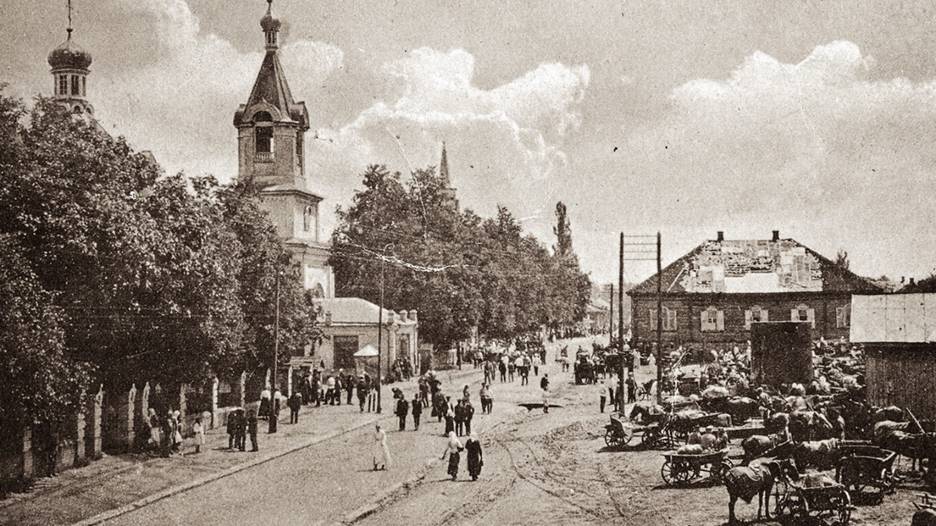
The classic Chabad historical work Beis Rebbe informs us that Harav Sholom Ber married the daughter of Harav Yaakov Yosef, the chasidishe rebbe in Orzishtchov, Ukraine, a descendant of Harav Yaakov Yosef of Ostroh (Rav Yeivi), a talmid of the Mezritcher Magid. Beis Rebbe goes on to state that Harav Sholom Ber lived in Lubavitch for the duration of the Tzemach Tzedek’s life.
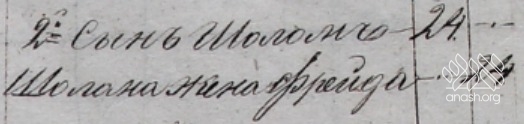
Our research completes and modifies these details. Harav Sholom Ber’s wedding was held in approximately 5615 in Orzishtchov, and his rebbetzin’s name was Freida (Mibeis Hagenazim, p. 367; 5620 Lubavitch census). The story we will publish below also reveals that Harav Sholom Ber lived in his father-in-law’s city of Orzishtchov for a period after his chasunah.
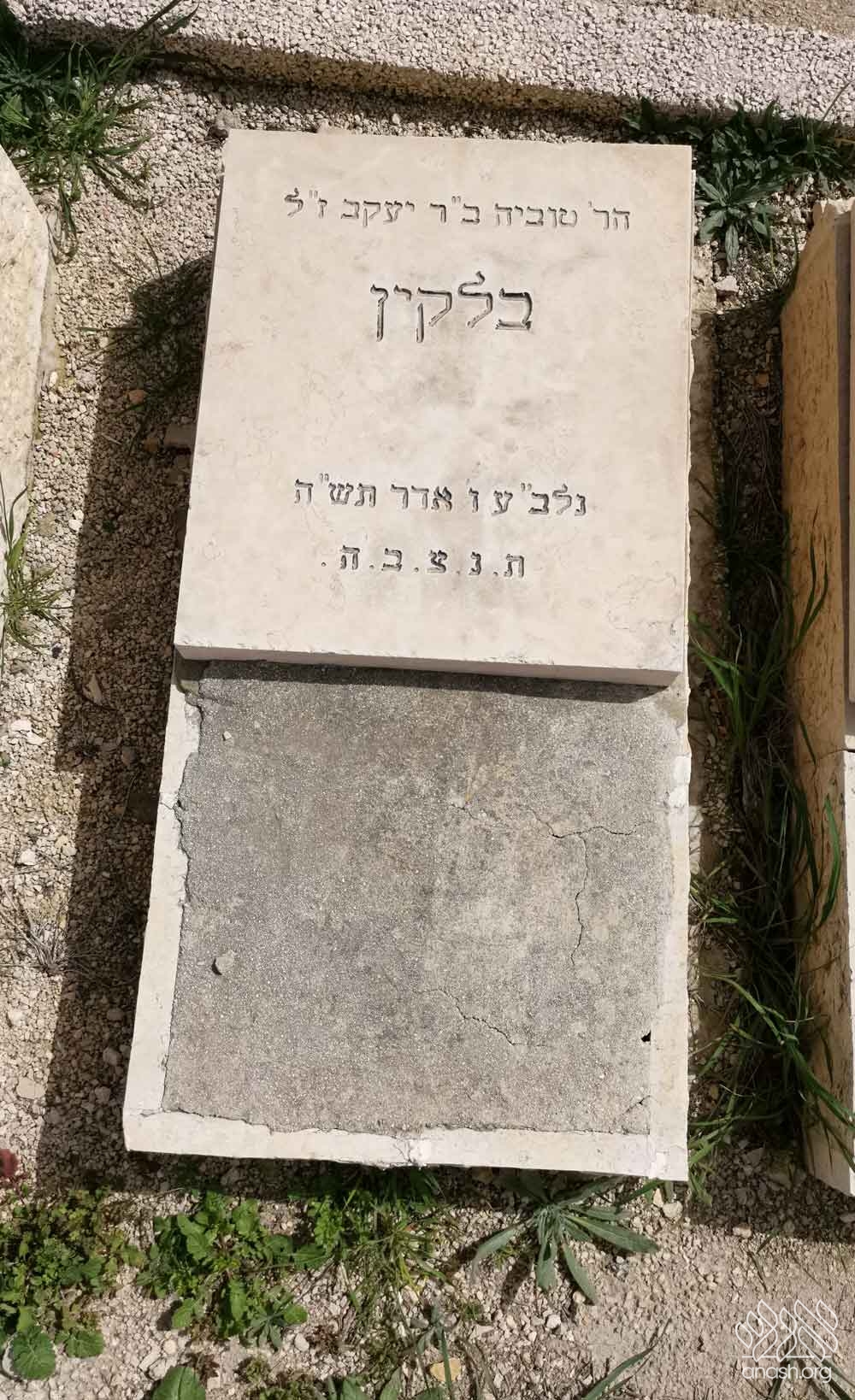
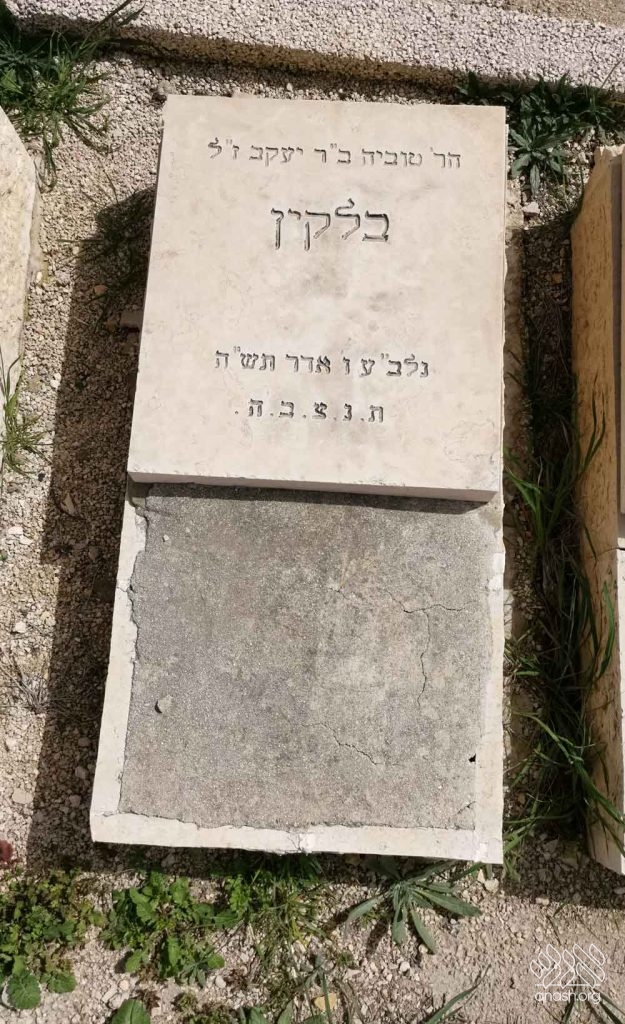
In this article, we will publish three stories about the Rechitser Rebbe, written by R. Tuvia Belkin. R. Tuvia was born in Homel, in approximately 5620. A talmid of the renowned chasid R. Mordechai Yoel Duchman of Homel, he served as a melamed in Homel and was a devoted chasid of the Rechitser Rebbe. In 5666, R. Tuvia moved to America with his family, where he served as a melamed and taught Chasidus at various shuls in Brooklyn. In 5692, he moved to Eretz Yisrael, where he lived out his final years until his passing in 5705.
After the passing of the Rechitser Rebbe, R. Tuvia became a chasid of the Frierdiker Rebbe, and merited to meet him and participate in his farbrengens during his 5690 visit to America.
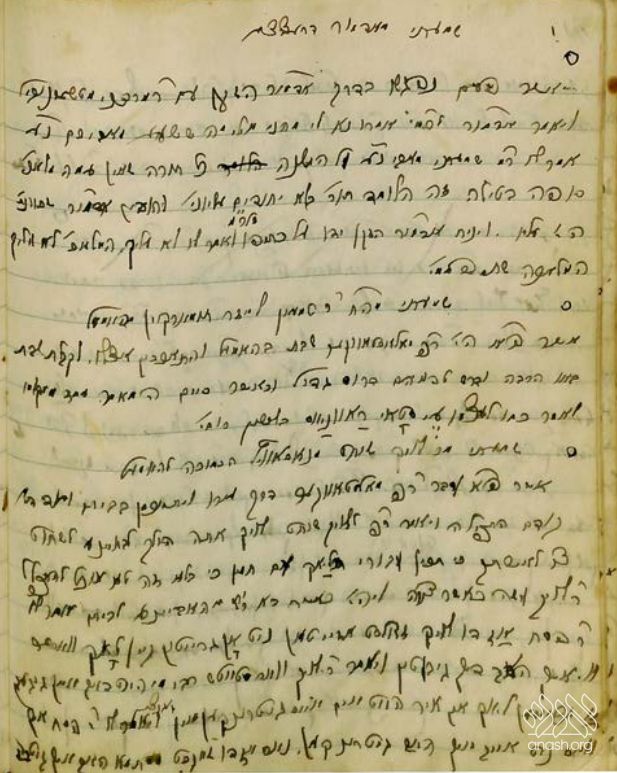
At the Frierdiker Rebbe’s personal request, R. Tuvia wrote down many sipurei chasidim that he heard, primarily from R. Mordechai Yoel Duchman and the Rechitser Rebbe. Some of these stories were published in the second volume of Shemuos Vesipurim, and more were published in a recent Mondshine family teshurah. A complete edition of R. Tuvia Belkin’s stories, including much unpublished material and detailed footnotes, is currently being prepared by this writer. Further information about R. Tuvia can be found in this writer’s article in Heichal Habaal Shem Tov, vol. 43, pp. 269–285.
The following stories about the Rechitser Rebbe are drawn from the unpublished part of R. Tuvia Belkin’s writings. Thanks are due to the Library of Agudas Chasidei Chabad for making these stories available, and particularly to librarian R. Yitzchak Wilhelm for his dedicated efforts.
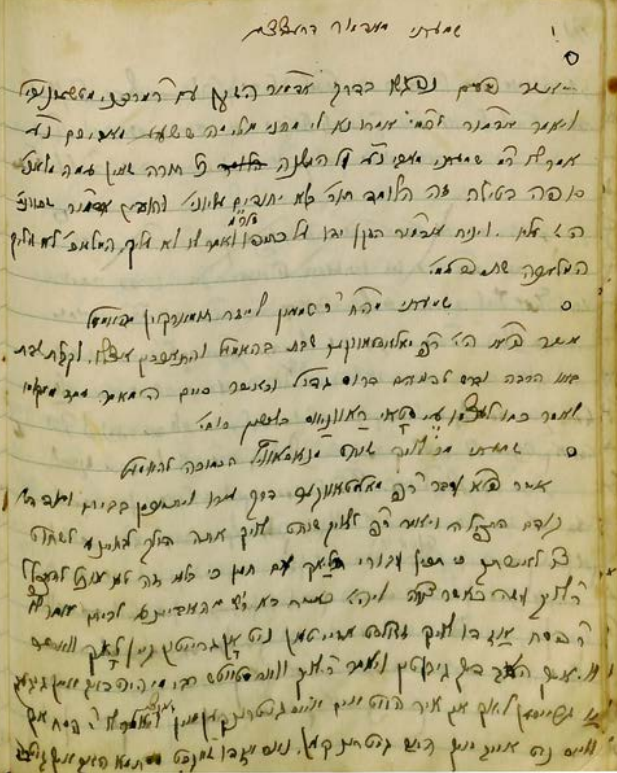
Our first story is from the period following Harav Sholom Ber’s chasunah, in the chatzer of his grandfather, the Tzemach Tzedek. R. Tuvia Belkin heard it directly from the Rechitser Rebbe himself. Here is the story, in English translation:
I heard from Harav Sholem Ber of Rechitsa:
About half a year after his wedding, he traveled to Lubavitch to visit his family—his father, Maharil, and, in particular, the Rebbe the Tzemach Tzedek. He traveled by post-chaise and arrived in Lubavitch between minchah and ma’ariv, in very cold weather. He entered the holy hall of his grandfather, the Tzemach Tzedek, where he also met his father.
When he greeted him, the Tzemach Tzedek said to him: “You haven’t heard chasidus for a long time; sit with me and I will say chasidus for you.”
At that moment, the Rebbetzin, the wife of the Tzemach Tzedek, entered, groaning heavily from a toothache. The Tzemach Tzedek said to her: “Your grandson Sholom Berke is your guest; ask him, and he will give you a berachah for a refuah sheleimah.”
The Rebbetzin turned to her grandson and said, “Did you hear what your grandfather said, to give me a berachah?” He was very embarrassed in the presence of his grandfather and father. His grandmother, the Rebbetzin, took the Tzemach Tzedek’s shtreimel and placed it on her grandson’s head. She took his hand and placed it on her cheek, and said to him: “Say: yehi ratzon that I should have a refuah sheleimah from my toothache.’” A few moments later, she felt relief.
After the conclusion of the maamar, Maharil approached and took his son by the hand to take him home. The Tzemach Tzedek said to Maharil: “Today he is my guest; tomorrow he will be your guest.”
***
Rosh Hashanah in Rechitsa
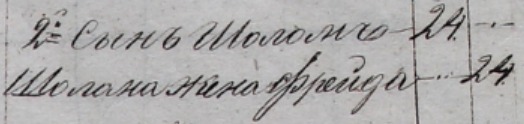
The details regarding Beis Harav from the 5620 census will be published in a forthcoming edition of the Merchav journal. Thanks to Peretz (ben R. Dovid Aba) Mochkin for sharing this document with us.
R. Tuvia Belkin also provides us with a glimpse into the chatzer of the Rechitser Rebbe over Rosh Hashanah, describing the Rebbe’s conduct and the deep impact he had on his chasidim. As of now, this is the only account we have about the chatzer of the Rechitser Rebbe.
R. Tuvia relates:
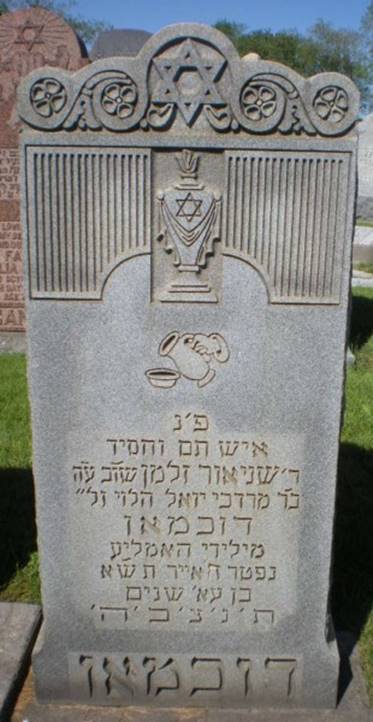
In the year after Harav Sholom Ber of Rechitsa was widowed from his first Rebbetzin, I, the writer, was in Rechitsa for Rosh Hashanah together with R. Zalman, the son of the chasid R. Mordechai Yoel [Duchman] (now a shochet in Toronto, Canada).
On the second night of Rosh Hashanah, the two of us sat at the Rebbe’s table. The meshamesh Nisan Kom forgot to place honey on the table, as is customary. When the Rebbe sat down and made the berachah hamotzi, he looked for the honey but did not find it. One of the guests noticed the honey was missing and began shouting, “Ah! Ah! Honey! Honey!” But the Rebbe did not wait for the honey and ate the hamotzi slice as it was. Afterwards, he said: “Devash is begematria isha (woman; wife). If there is no wife, there is no honey.”
Before we departed to return home, the two of us went to receive a parting berachah. The Rebbe said to R. Zalman, the son of the chasid R. Mordechai Yoel, that he can testify about his father that hesech hadaas from Elokus for more than ten minutes was an impossibility for him.
Many of the chasidim from Homel would travel to Rechitsa for Rosh Hashanah, even if they didn’t understand Chasidus. Even though the Rebbe said chasidus with great dveikus, this was not what made a great impact on them; the main motivation for their journey was to hear the maftir and the pesukim of the tekios. As I heard from many of them, by hearing the maftir and the pesukim of the tekios, they would become full ba’alei teshuvah at that moment.
Indeed, for many months, we would derive our chayus only from our memory of hearing the maftir and the pesukim of the tekios. When we remembered this, we would feel hisorerus as if we had just heard it from his mouth at that very moment.
We heard from the elders among us that not only did his appearance resemble that of his holy father, Maharil, but even the sound of his voice in reading the maftir, saying the pesukim of the tekios, and saying maamarei chasidus, was exactly like that of his father.
***
We learn from this account that the Rechitser Rebbe was widowed from his first wife, and by implication, we also learn that he later remarried. We have been unsuccessful in finding any record of his second wife.
The gematria of ishah—devash appears in a number of seforim. First highlighted by Rabeinu Bechaye (Vaykira 2:11), it is quoted a number of times by the Chida (e.g., Dvash Lefi, maareches daled, os alef), and by the mekubal Harav Meir Poppers (Meorei Or, os hadaled, dvash). The Tzemach Tzedek cites it twice in Or Hatorah (Vayikra, vol. 1, p. 8; Bamidbar, vol. 2, pp. 462–463). However, none of these sources connect this with the minhag of dipping in honey on Rosh Hashanah, so the full depth of the Rechitser Rebbe’s words still requires further study.
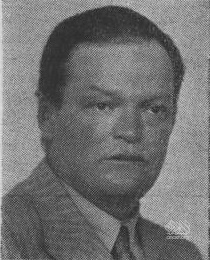
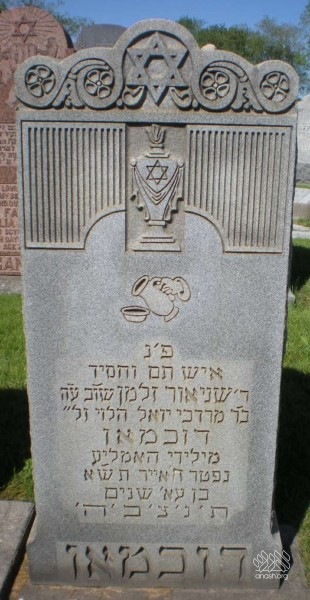
R. Zalman Duchman, the shochet from Toronto, was born in Homel in 5630, and passed away in Toronto on 8 Iyar 5701. The Toronto-based Haderech—The Way journal reported on his passing and levayah and described his chasidishe personality.
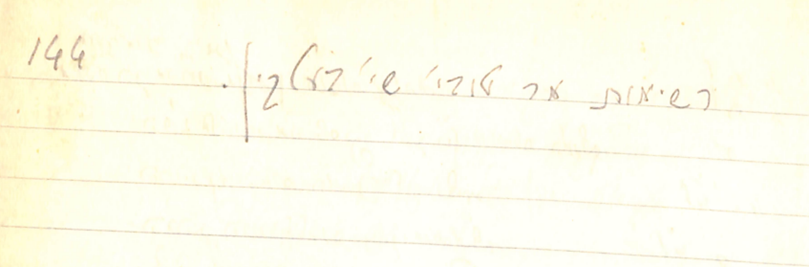
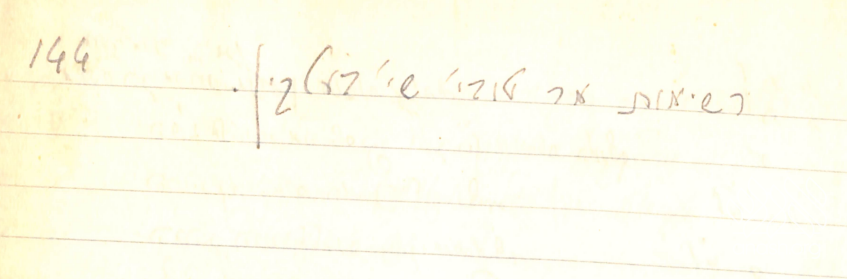
The Rechitser Rebbe’s dveikus while delivering a maamar is also noted by Harav Baruch Schneur Schneersohn, the Rebbe’s grandfather, who also heard chasidus from him (Reshimos Harabash, p. 110). A fascinating eye-witness description of Maharil’s reading of the haftorah and delivery of a maamar is cited in Benei Hatzemach Tzedek, pp. 88–92.
Remarkable Advice
R. Tuvia Belkin continues to describe the great respect the great elder chasidim of Homel had for the Rechitser Rebbe, and relates a mofes story about the Rechitser Rebbe’s counsel to one of them:
All the great Chabad chasidim of Homel at that time, such as R. Shimon Leizer Tumarkin, R. Hersh Ber Lotker, and the chasid R. Mordechai Yoel, cherished his trait of anavah and shiflus far more than that of the Rebbe of Kopust (the author of Magen Avos) and the Rebbe of Liadi.
The chasidishe gvir R. Dov Nichamkin, the brother of the chasid R. Tzadok, would regularly seek his advice in his business affairs. R. Dov’s entire business in his later years was with non-Jews from Dobranke, giving them loans under promissory notes. Many of his debtors failed to repay him and left no assets from which he could collect.
When he was undergoing a very difficult time, he traveled to Rechitsa to seek advice on what to do. He brought along his large bundle of promissory notes and began sorting them one by one. He placed the notes he thought he might still have a chance of recovering on one side, and the ones that were certainly lost on the other side.
The Rebbe didn’t comment on any of the notes in the “lost” pile except for one large one. “Why did you place this one among the ‘lost’ notes?” the Rebbe asked. “I think this one may well turn out good.”
And that is exactly what happened. He didn’t recover even a penny from all the other debts, but that particular debt he collected in full.
I heard this directly from R. Dovber Nichamkin himself.
***
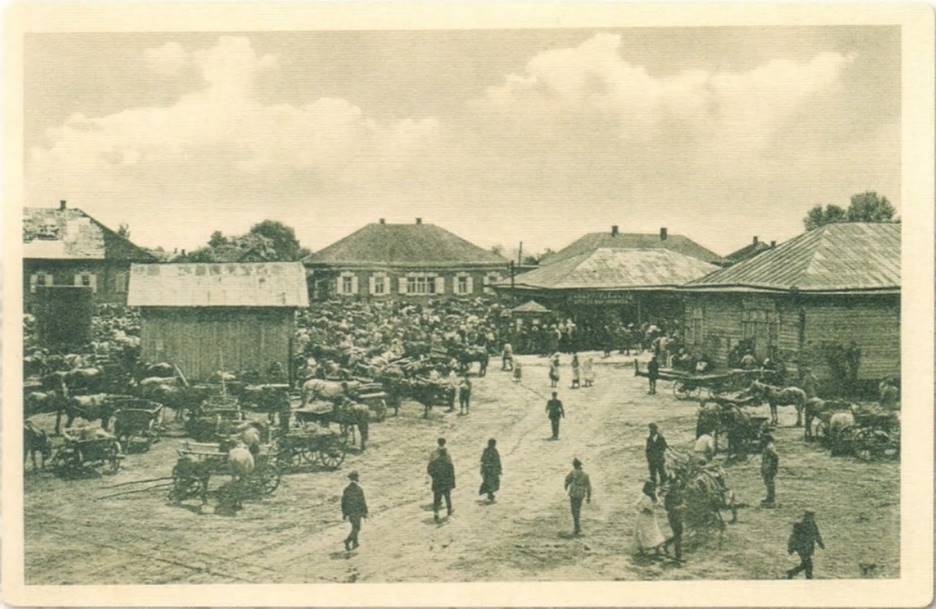
All of the elder chasidim mentioned here had been chasidim of the Tzemach Tzedek in their youth. R. Shimon Leizer Tumarkin and R. Berel Nichamkin were later chasidim of the Rebbe Maharash and Rebbe Rashab; R. Hersh Ber Lotker was a chasid of Kopust; and R. Mordechai Yoel Duchman was a chasid of Harav Chaim Shneur Zalman of Liadi and later traveled to the Rechitser Rebbe, who was his chavrusa as a bochur.
The fact that all these chasidim were close with the Rechitser Rebbe shows us that during this period of multiple Chabad rebbes, the allegiances of many chasidim were somewhat fluid. Many chasidim had a primary branch of Chabad that they were mekushar to, but this didn’t prevent them from respecting and visiting the rebbes of other branches. Rechitsa is near Homel, so it was natural for the chasidim from Homel to visit Rechitsa even if their primary hiskashrus was to other Chabad rebbes.
This is particularly true about Lubavitcher chasidim during the period between the histalkus of the Rebbe Maharash in 5643 and the full acceptance of the nesius by the Rebbe Rashab eleven years later in 5654. It is possible that R. Berel Nichamkin’s relationship with the Rechitser Rebbe may have been primarily during this period of vacuum in Lubavitch.
The Frierdiker Rebbe remembered R. Berel Nichamkin (and his brother R. Tzadok) well from Lubavitch in his youth, and related a number of stories about him (see Sefer Hasichos 5697, p. 260 and 301; Sefer Hamaamarim 5698, p. 307; Igros Kodesh, vol. 4, p. 181; Zikaron Libnei Yisrael, p. 22).
The Histalkus
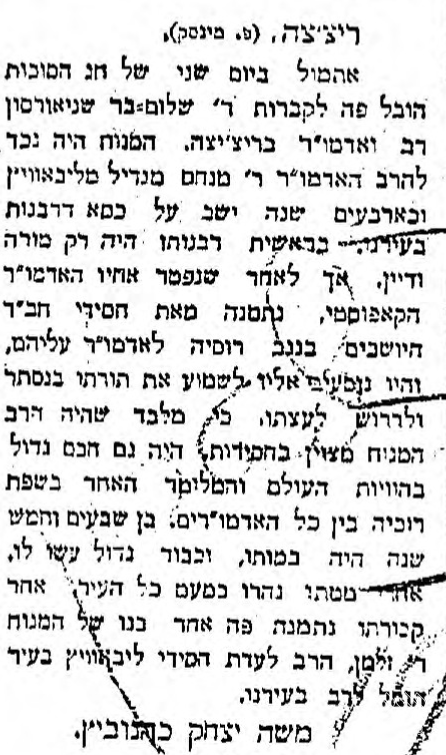
The Rechitser Rebbe passed away on the second day of Sukkos, 5669. Following Yom Tov, the Petersburg-based Hazman newspaper reported on his passing and levayah:
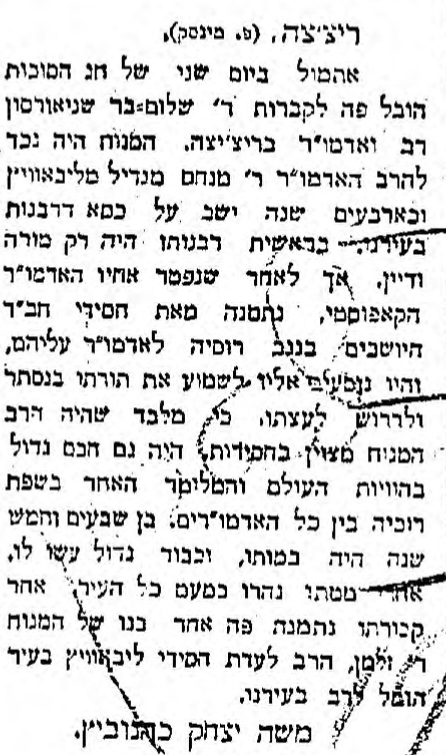
Rechitsa (Minsk District)
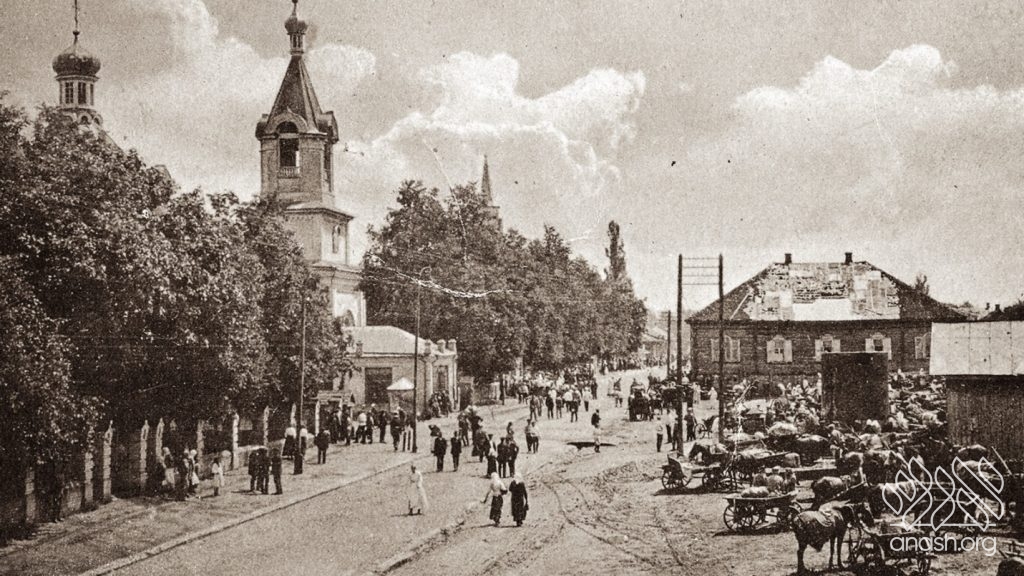
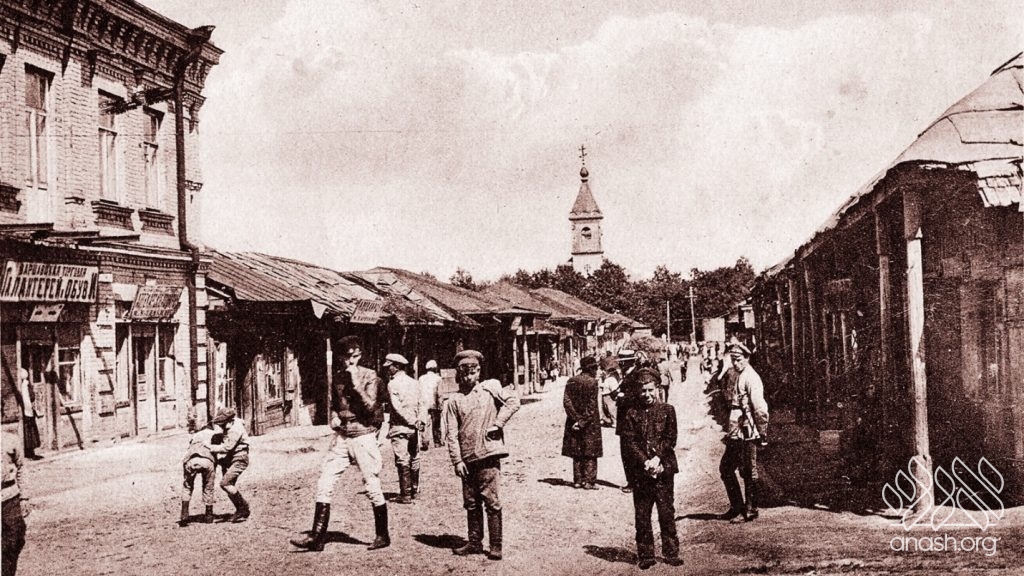
Yesterday, on the second day of Sukkos, Harav Sholom Ber Schneersohn, the rov and Rebbe of Rechitsa, was brought to rest here. The deceased was the grandson of the Rebbe Harav Menachem Mendel of Lubavitch, and he served as the rov of our city for about forty years. In the early years of his rabbonus, he was only a rov and dayan, but after the passing of his brother, the Kopuster Rebbe, he was appointed by the Chabad chasidim of southern Russia to serve as their Rebbe. They would travel to him to hear his teachings in nistar and to seek his counsel, for in addition to his excellence in chasidus, the late rov was also very wise in worldly matters, and he was the only Rebbe who knew Russian.
He was seventy-five years old at the time of his death, and great honor was shown to him, with almost the entire city walking after his mitah. After his burial, the deceased’s son, R. Zalman, the rov of the Lubavitcher chasidim in Homel, was unanimously appointed as rov in our city.
Moshe Yitzchak Kahanovich
***
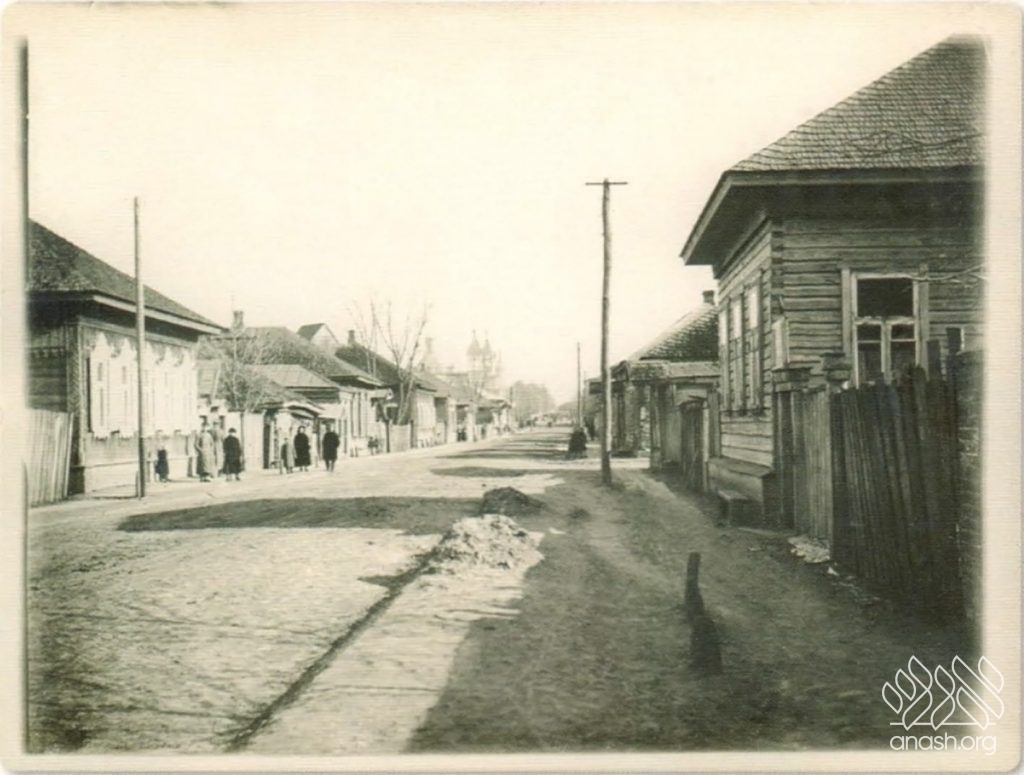
According to this article, Harav Sholom Ber settled in Rechitsa around 5630. The earliest hard evidence we have of him in Rechitsa is in a newspaper article from 5641, but it is evident from the article that he had already been living there for a few years.
The description that the Rechitser Rebbe originally came to Rechitsa as a rov, and later began to serve as a rebbe as well, is supported by other sources. However, he was already functioning as a rebbe many years before the passing of his brother in Kopust; although the number of his chasidim grew significantly after his brother’s passing.
It is interesting to note that the Rechitser Rebbe’s levayah was held on the second day of Yom Tov. While not commonly practiced today for various reasons, halachah allows for kevurah on Yom Tov, for the sake of kavod hames (Shulchan Aruch, Orach Chaim 526:4; Igros Moshe, Orach Chaim 3:76).
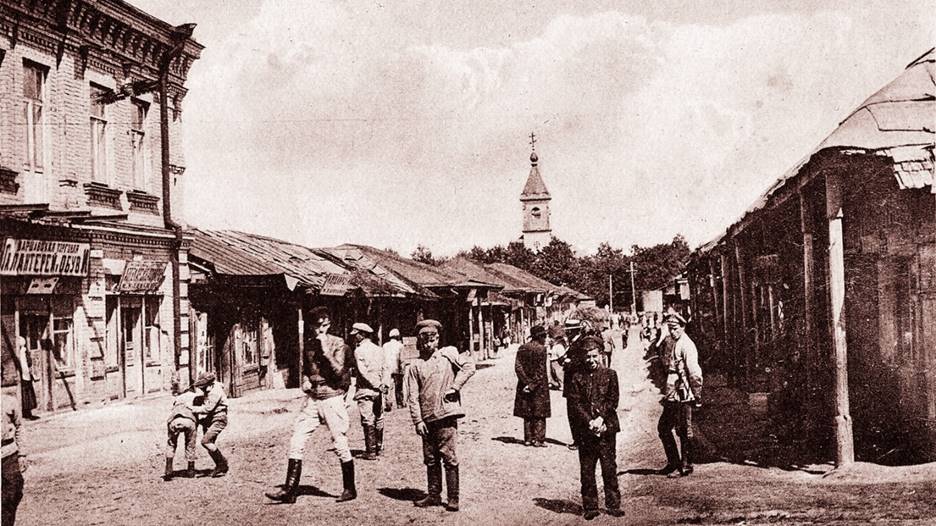
The article also asserts that the Rechitser Rebbe knew Russian, a rarity for a rov of his age. This unusual feature can be explained by a story recorded by R. Zalman Duchman, in the name of his grandfather, R. Mordechai Yoel, who heard directly from the Rechitser Rebbe. R. Zalman Duchman relates that when the Rechitser Rebbe was a boy, the Tzemach Tzedek was compelled by the authorities to send two of his grandsons to the Russian Jewish public school opened in Lubavitch. Harav Sholom Ber was one of the two grandsons selected, and as compensation, he and his cousin merited to have a private Tanya shiur with the Tzemach Tzedek (Leshema Ozen, Tzemach Tzedek 27—see there for a story about this shiur).
The reported appointment of Harav Zalman Schneersohn of Homel to fill his father’s place did not eventuate. A few months later, on Rosh Chodesh Tammuz, the Rebbe Rashab wrote to the chasidishe rov Harav Yehoshua Nimoytin, who had expressed interest in the rabbonus of Rechitsa. The Rebbe Rashab explained that the Rechitser Rebbe’s son Harav Zalman had written to him that he had not yet made a final decision about whether to take the post. As a result, the Rebbe Rashab advised Harav Yehoshua to contact Harav Zalman, and if the latter was not interested in the position he should seek it for himself (Igros Kodesh, vol. 2, p. 478).
A few weeks later, Harav Zalman apparently made up his mind to decline the rabbonus, and the Hazman newspaper of 25 Tammuz 5669 (July 14, 1909) carried an advertisement from the community of Rechitsa looking for a new rov:
Wanted: A rov and moreh tzedek in the city of Rechitsa, Minsk district.
Filling the place of the late rov and rebbe R. Sholom Dov Schneersohn ZTZL.
The rov must be well-known and great in Torah and chasidus, possess good social skills, and know how to lead the community. The yearly salary will be up to 2000 rubles, aside from other income. Suggestions can be submitted to the following address…
***
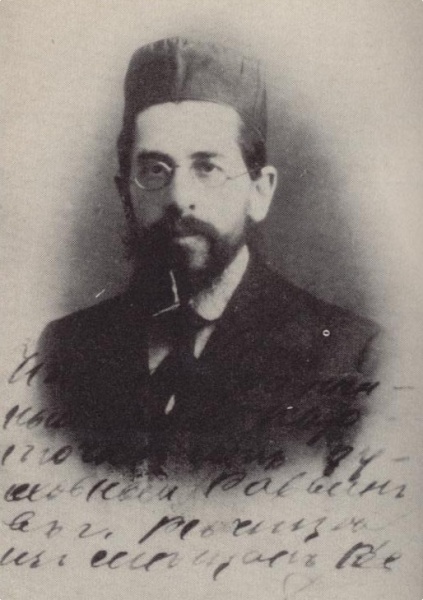
The position of the chasidishe rov of Rechitsa was eventually filled by Harav Shimon Lazarov, a tomim from Lubavitch, who served in the position from approximately 5670 to 5681, when he moved to Leningrad (Petersburg). By hashgachah peratis, Harav Shimon Lazarov’s yahrtzeit is today, 13 Tishrei.
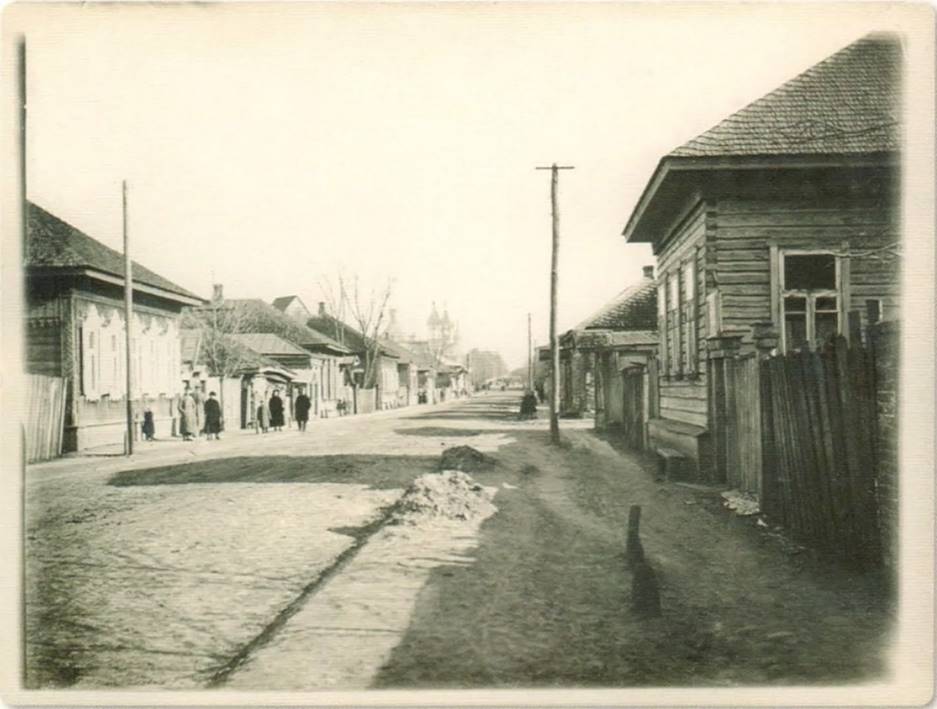
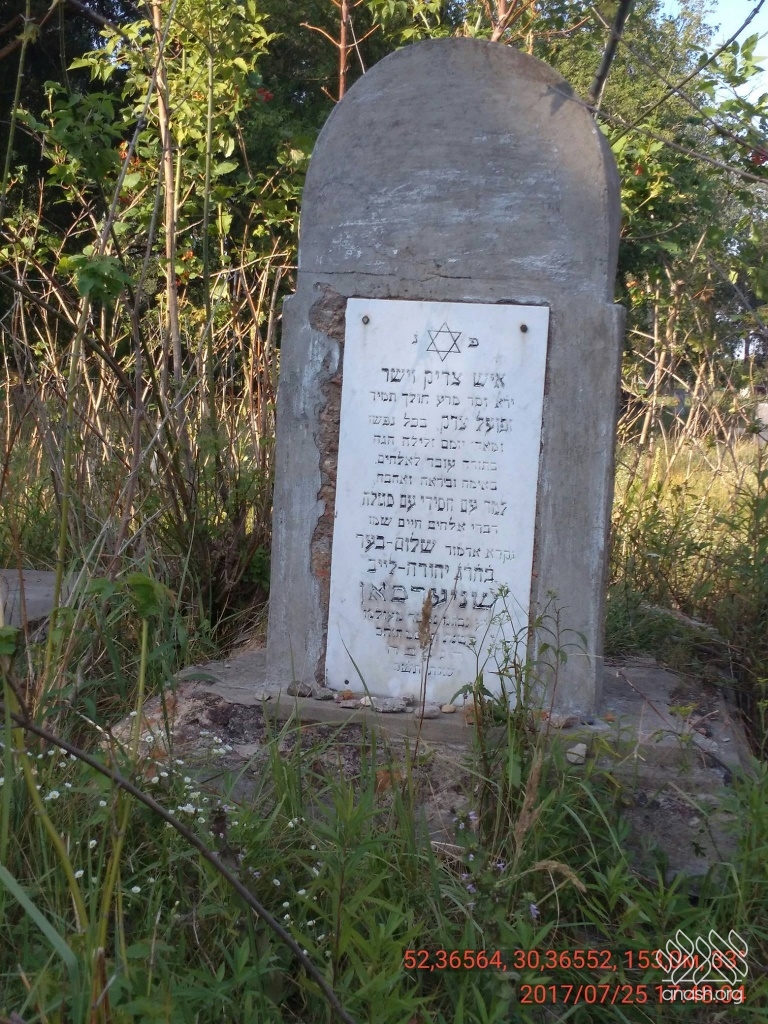
The Rechitser Rebbe was buried in the old Jewish cemetery of Rechitsa, and his kever was moved to the new cemetery in 5682. His matzeivah was destroyed during the years of Nazi occupation, most likely by machine-gun fire when the Nazis executed Jews near his kever. A new matzeivah was erected in 5720 (Albert Kaganovich, The Long Life and Swift Death of Jewish Rechitsa, pp. 161–162).
Impressions of the Rebbe and Family
Our next piece, written by a native of Rechitsa, gives us a general impression of the Rebbe, a description of his levayah, and information about some of his children and grandchildren who lived in Rechitsa.
The author of this article was born in Rechitsa in 5657, as Moshe Tzvi Reichenstein. After moving to Canada in his youth, he went on to live in America for several decades before living his final years in Eretz Yisrael. Adopting the name MZ Frank, he was a prolific journalist writing in Yiddish, Hebrew, and English, writing for a broad range of publications. He was best known for his longstanding column in the Indianapolis-based Jewish Post and Opinion. In 5735, while on a visit to Montreal, Frank was killed in a tragic car accident, together with his wife.
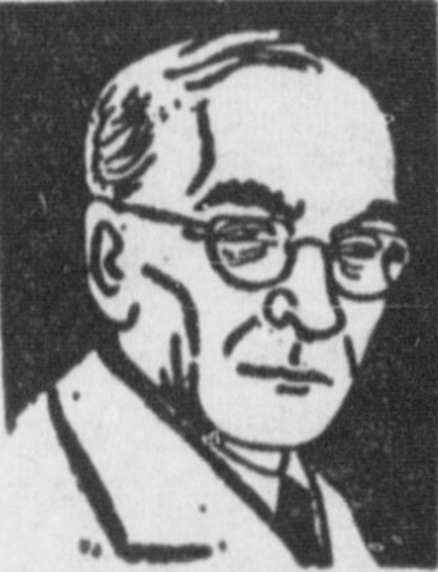
MZ Frank wrote about his childhood memories of Rechitsa in a number of articles over the years. The following article, published in the 9 Nissan 5722 (April 13, 1962) edition of Der Yiddisher Kempfer, the weekly publication of the left-wing Poalei Zion organization in America, provides the most detailed description of the Rechitser Rebbe and his family.
The writer was only 11 years old when the Rechitser Rebbe passed away, so he is only capable of giving a general impression. Nevertheless, this description is valuable for what it tells us about the high regard in which the Rechitser Rebbe was held locally, even by people distant from Chasidus. Here is the relevant piece of the article, translated from the original Yiddish:
The only great person who once lived in Rechitsa was R. Sholom Ber Schneersohn, a “guter Yid.” He was born in Lubavitch, but was from an offshoot of the famous dynasty. Our Rechitsa R. Sholom Ber was, I believe, a close cousin of the Lubavitcher R. Sholom Ber who founded the first Lubavitcher yeshiva some sixty years ago.
However, our Rechitsa “guter Yid” did not establish a yeshivah, did not leave behind any seforim, and also left no successors to his rebbistive. One son, R. Zshame, became famous as a rov in Homel—a rov, but not a Rebbe. One of R. Zshame’s sons, Yitzchak Schneersohn (now living in Paris), served for some time as a “crown rabbi.” Another son, the late Fishel Schneersohn, spent a period of time under his grandfather’s wing in Rechitsa. He wrote what is perhaps the best Chabad novel, Chaim Gravitzer. In this book, he did not describe life in his grandfather’s chatzer in Rechitsa, but rather his great-grandfather’s chatzer in Lubavitch.
Fishel was a professor of psychology and developed his own system, which he called the “Science of Man.” The scoffers say that he tried to bring his grandfather’s rebbishkeit into the field of psychology. He wrote, by the way, almost entirely in Yiddish. His novel Chaim Gravitzer was later translated into Hebrew by Avraham Shlonsky, with Fishel’s involvement.
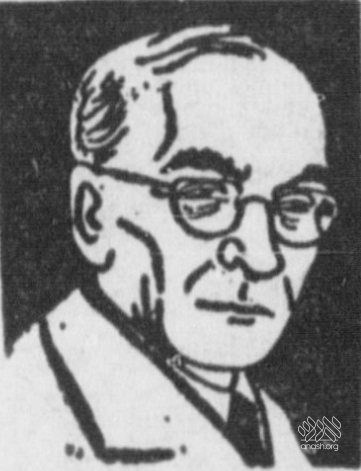
But his grandfather, the Rechitsa R. Sholom Ber, had far greater success. He distinguished himself through his guidance to chasidim, most of whom would come to him from northern Ukraine. Many came to his levayah (in 1909 or 1910), and at that funeral there were more Jews present than all of Rechitsa possessed—about eight thousand. Hillel Tzeitlin wrote of the “tzadik of Rechitsa,” saying he was one of the greatest people he had ever known.
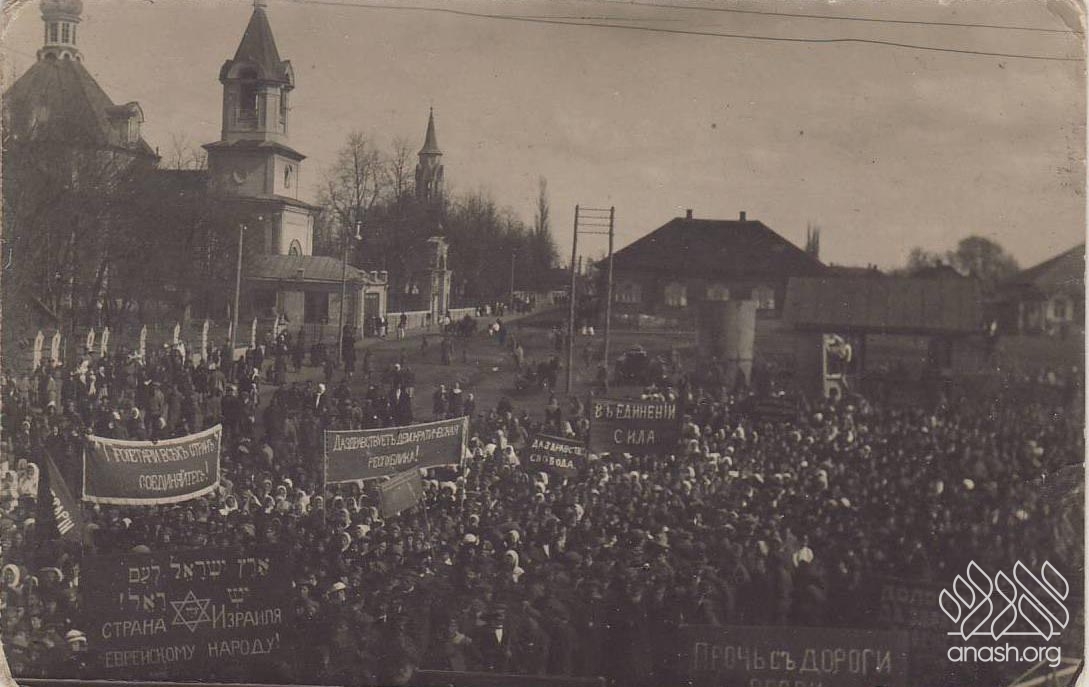
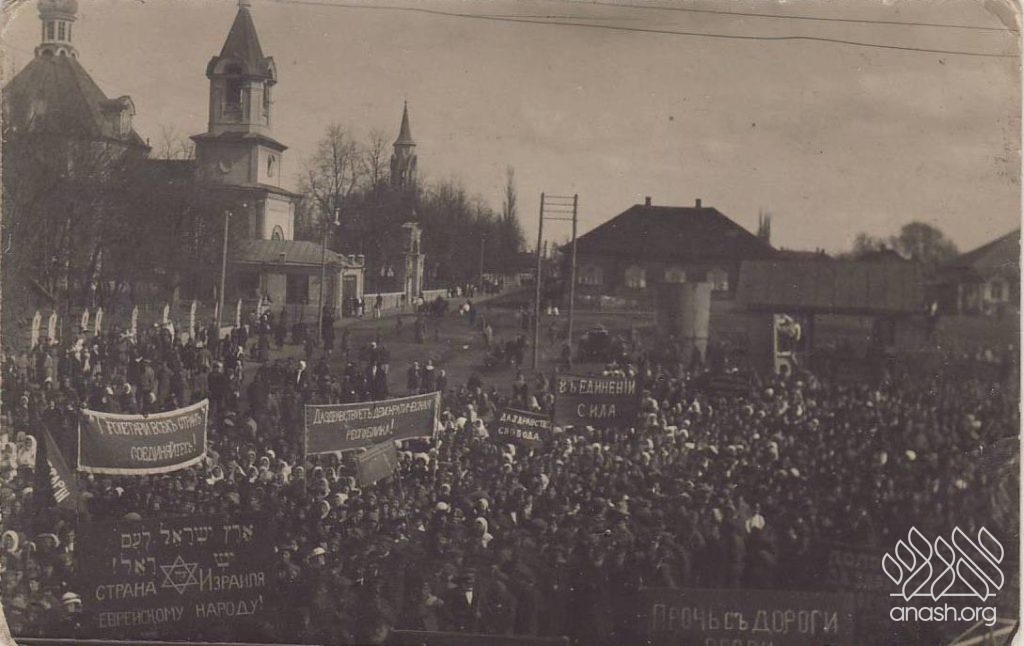
I remember his levayah well. The crowd pressing onto the main street; the serious, downcast faces; the tears in people’s eyes, even among the non-believers and treifos-eaters; the choir of Talmud Torah boys reciting repeatedly “tzedek lefanav yehalech veyasem lederech pe’amav”—more devoutly, more earnestly, and with greater kavanah than at any other levayah.
My father’s brother, my uncle Tzefanya, was not a frumme Yid. He was a well-off lumber merchant, somewhat of a Zionist, and a lover of Sholom Aleichem’s literature. Nevertheless, he gave one of his eight sons the name “Sholom Ber,” after the recently deceased rebbe. “He was a great man,” he explained to the scoffers.
(I heard that my uncle Tzefanya perished in Babi Yar, along with four of his sons. They were in Kiev when the Germans entered. I don’t know whether “Sholml” (as I remember him), or “Boria,” as he was called in Russian, was among them.)
I remember the Rebbe’s three grandchildren named Pinye: Pinye-Zshame’s, the son of the Homler rov, was a student in Berlin in my time. He used to speak Hebrew with a Sefardi pronunciation. I met him in Homel and in Rechitsa when he came on vacations. He died of typhus during the war years.
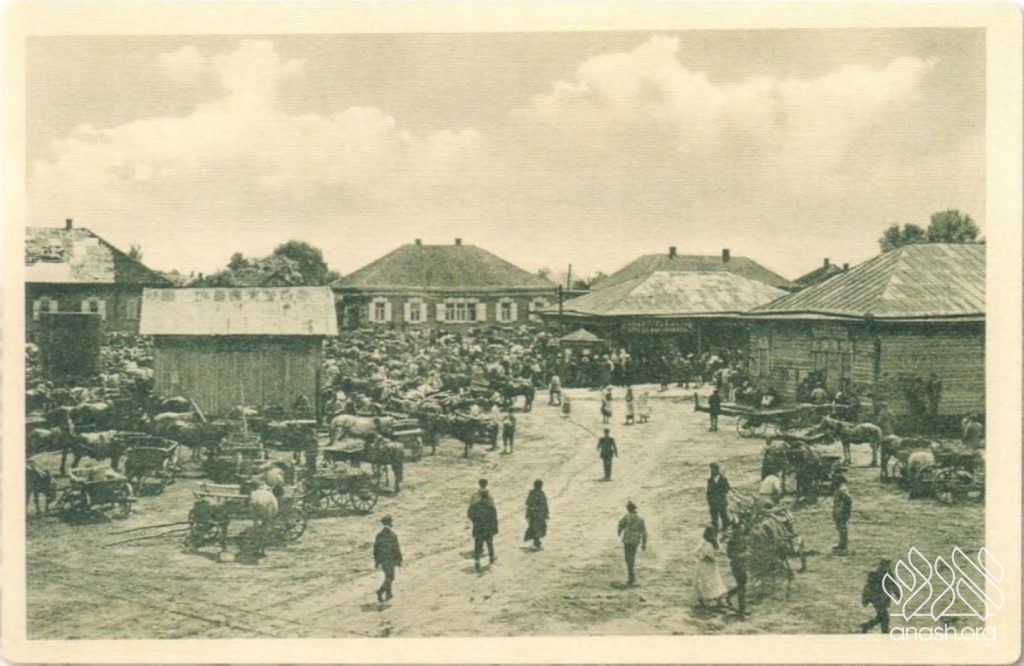
Pinye-Moshe’s, or Pinye-Meishke-dem rov’s, was my friend in Rechitsa. His father, Meishke-dem rov’s, ran a textile store at the market. The Russian sign said that the store belonged to a “Pot. Potsh. Grazhd.” (“Potomstveni potsotni grazhdanin”—“hereditary honorary citizen”), a title which, as I was told, had been given by the great R. Shneur Zalman of Liadi (the Baal HaTanya) for his opposition to Napoleon. He fought the French invader not out of Russian patriotism, but out of fear of the emancipation, which would cause the Jews to grow wealthy and forget G‑d’s Torah.
At Meishke-dem rov’s clothing store, his eshes chayil would preside. She was a beautiful woman, elegantly dressed with a fine sheitel. She was originally from somewhere in the Warsaw area. The Rechitsa women liked her and enjoyed doing business with her, even though she was Polish and spoke a heavily accented Poilishe Yiddish with a distinct intonation.
Meishke himself was a quiet man, somewhat shorter than his eshes chayil, dressed in a clean chassidishe coat and a chassidishe kasket, but somewhat of a maskil. His only son, Pinye, studied with private teachers, learning Jewish studies, Russian, and violin. I often spoke Hebrew with him and borrowed Hebrew books from him. I later heard that the Bolsheviks exiled him in the 1920s for Zionist activity.
The third Pinye-dem rov’s—Pinye-Leibe’s, or Pinye-Leibe-dem rov’s—was Pinchas Schneersohn of Tel Aviv, one of the original members of Hashomer, who took over the command at Tel Chai when Trumpeldor fell. Meishke-dem rov’s and Leibe-dem rov’s were the two sons of R. Sholom Ber. Neither became rabbonim.
Leibe was a tall, lively man—like his son Pinye. He was a fervent chasid, as committed a Chabadnik as his son was a fervent Mapamnik. I remember Pinye-Leibe’s from Rechitsa. Once, in 1904 or 1905, a friend from cheder pointed him out to me and said that this was Pinye, the rov’s grandson, who had decided to go to Eretz Yisrael.
***
Some concluding notes about the Rechitser Rebbe’s descendants:
Yitzchak Schneersohn, the government-recognized “crown rabbi” of Chernigov and later head of the Center of Contemporary Jewish Documentation in Paris, was discussed in a previous article in this series.
Despite turning to the secular academic world and becoming a professor of psychology, Fishel Schneersohn was a frum Jew, and maintained a warm connection with Chabad and the Rebbeim. A book review of his classic Chaim Gravitzer novel was published by this writer here.
Pinchas (Pinye-Leibe-dem rov’s) Schneersohn was one of the founders of Hashomer, an early Jewish self-defense organization in Eretz Yisrael that was a forerunner of today’s IDF. He is considered a Zionist hero for his role in the famous battle defending the Tel Chai farm outpost against an attacking Arab militia.
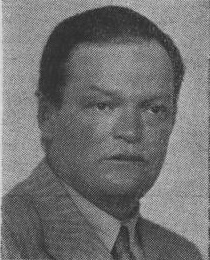
A member of the left-wing socialist Mapam party, Pinchas Schneersohn’s lifestyle was very distant from that of his father and grandfather. Nevertheless, he remembered them fondly, and described them with warm nostalgia in an interview (Sefer Hatzeetzaim, p. 292):
These were people full of life, full of joy, full of dancing, full of song. In davening, in everything—and also much crying… I never remember my grandfather, my father, or anyone around them davening in complete silence; it was always with shouting and crying. And at the same time, there was always song, always cheerfulness, and stories—not tearful, but on the contrary: full of life, full of humor.
What did the chasidim have? Every day after davening in the morning, everyone in the beis medrash would give a kopeck or two to buy a small bottle of vodka, and they would drink and sing.
There are moments when one remembers childhood, family, and the surroundings—it’s a completely different world… a completely different life. That entire Shabbos, what they would feel… How my father, who was busy all week long with bills, money, people, forests—he was actually a lumber merchant. He would come one Friday afternoon, go to the mikvah, and when he returned from the mikvah, he would drink tea, and that was it… nothing else until motzei Shabbos.
***
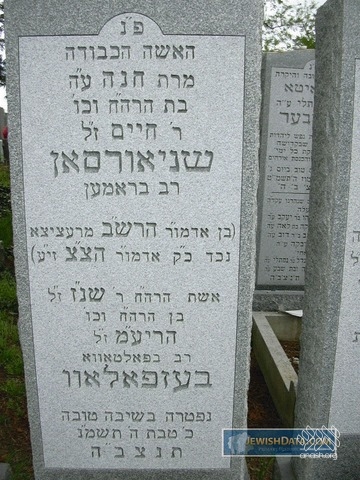
MZ Frank apparently didn’t know the Rechitser Rebbe’s fourth son, Harav Chaim Yeshaya, the rov of Paritch, and then Romen. Harav Chaim Yeshaya was a son-in-law of the Horensteipler Rebbe Harav Mordechai Dov Twersky—himself a descendant of the Alter Rebbe—and two of his sons, Harav Yaakov Yochanon and Harav Shneur Zalman, learned in Tomchei Temimim in Lubavitch. These brothers were tragically killed in a pogrom in Cherson in 5679.
Harav Chaim Yeshaya’s son-in-law was R. Shneur Zalman Bezpalov, the son of the Rebbe Rashab’s close chasid and friend Harav Yaakov Mordechai, the rov of Poltava. R. Shneur Zalman was a talmid of the Rechitser Rebbe, and when Yeshivas Tomchei Temimim opened in Lubavitch, the Rechitser Rebbe sent him to learn there (Nitzutzei Or, p. 70). Later, a resident of S. Francisco, R. Shneur Zalman and his wife are buried near the Ohel in New York, at the Rebbe’s personal request.
To view all installments of From the Margins of Chabad History, click here.
 COMMENTS


These are the best articles on this site. A big thanks to the author.
I agree
There was a photo publicized a few years ago. On the photo it was written Reb Sholom Dovber Schneerson.
There was a controversy then if it was actually the Rebbe RaSha”B. Conclusion was it’s not.
At that it was assumed it was a cousin of the Rebbe RaSha”B
Is it possible -if anyone knows –
If that photo is this Rabbi Sholom Dovber Schneerson???
Thank you & a Gutin Shabbos Beraishis & Shabbos Mevorichim Cheshvon.