




י״א אדר ה׳תשפ״ו | February 27, 2026
‘Why Do You Want Moshiach?’ Hub Launched on Rebbe’s Last Maamar
A new learning hub from The Moshiach Office at Merkos 302 offers booklets, shiurim, kids’ resources, and more — all centered on Ve’ata Tetzaveh, the final maamar distributed by the Rebbe.

On Purim Katan 5752, just days before the stroke that would change everything, the Rebbe distributed the maamar Ve’ata Tetzaveh. It would be the final maamar we merited to receive from him. More than a maamar, it reads as a directive — a clear framework for how our generation is meant to approach Geulah.
The Rambam writes that we do not long for the era of Moshiach because of material comfort or political peace. We yearn for it so that we can study Torah without distraction and serve Hashem fully.
In Ve’ata Tetzaveh, the Rebbe takes that idea deeper. There were generations when Jews were forced to give up their lives for Yiddishkeit. That mesirus nefesh revealed the soul’s incredible strength. But the Rebbe explains something powerful. There’s another way to access that deep connection to Hashem’s Essence: when a Jew lives in physical comfort, in a free society, with the ability to practice Torah and mitzvos openly, yet still feels a profound yearning for Moshiach.
That longing does not emerge from suffering. It emerges from essence. It reflects the awareness that even when life is stable and blessed, something fundamental is still missing. Hashem’s presence remains concealed. And that concealment is intolerable to a soul that recognizes what reality is meant to be.
This maamar deserves not just to be studied, but to be lived with. To make that possible, The Moshiach Office at Merkos 302 created a dedicated learning resource.
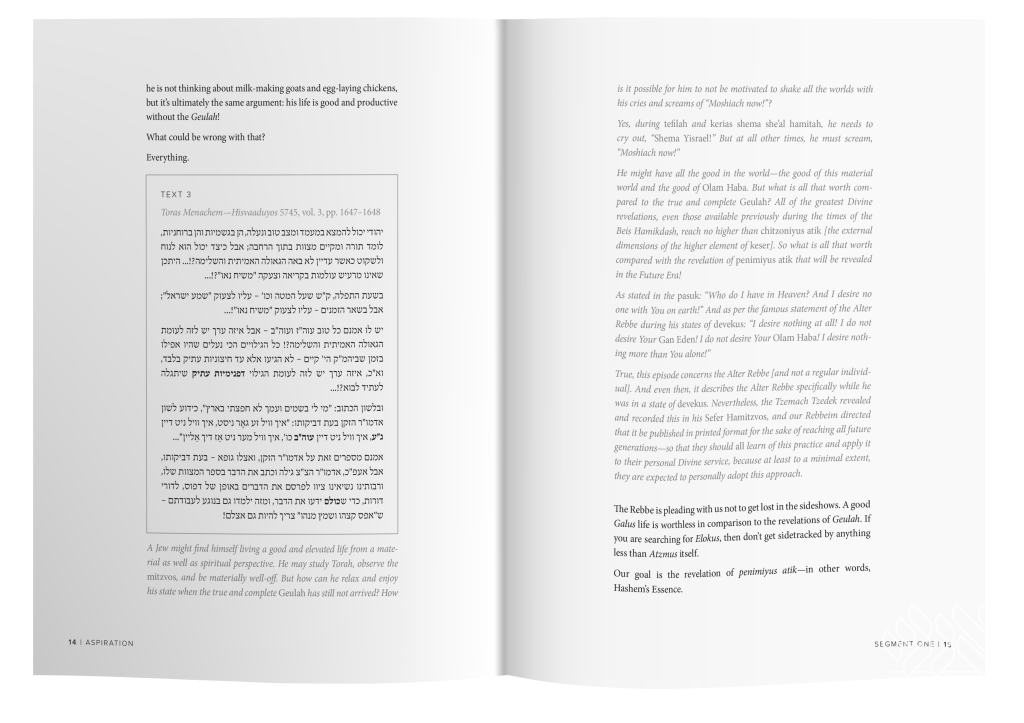
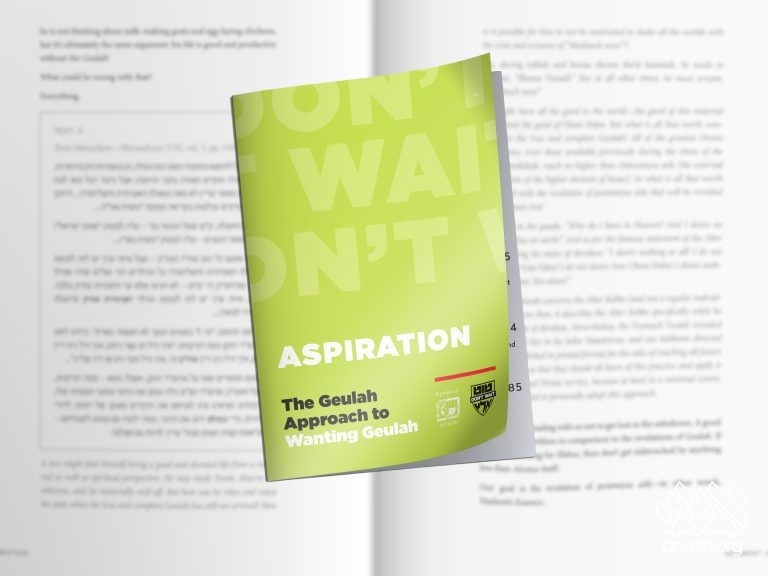
At www.tutaltz.com/aspiration, you can download a free booklet titled Aspiration, adapted from the larger Moshiach Mindset textbook. While not the full maamar, it guides the learner through its central themes. The material is divided into clear sections, includes original sources with translation, offers structured explanations, and provides reflective prompts to facilitate thoughtful engagement.
The site also features the full maamar text, an audiobook version of the booklet, shiurim from respected mashpi’im, a recorded farbrengen, and a kids’ curriculum.
If this was the final maamar we received from the Rebbe, it demands careful attention. Its message is not about enduring exile more comfortably. It is about refusing to become comfortable within it.
“Ad Mosai?” is not meant as a slogan, but as a sincere expression of awareness — and a call to act accordingly.
Check out tutaltz.com/aspiration today to learn more!

 COMMENTS


We appreciate your feedback. If you have any additional information to contribute to this article, it will be added below.