



ט״ו אלול ה׳תשפ״ה | September 7, 2025
What Does Tomchei Temimim Mean Today? Montreal Mashpi’im Reply
On Tes Vav Elul, we mark the birth of Tomchei Tmimim. What is special about Tomchei Tmimim? What is the role of a Tomim? How should the Hanhala be Mechanech Tmimim? Three prominent Mashpiim from Montreal Yeshiva share some pointers.
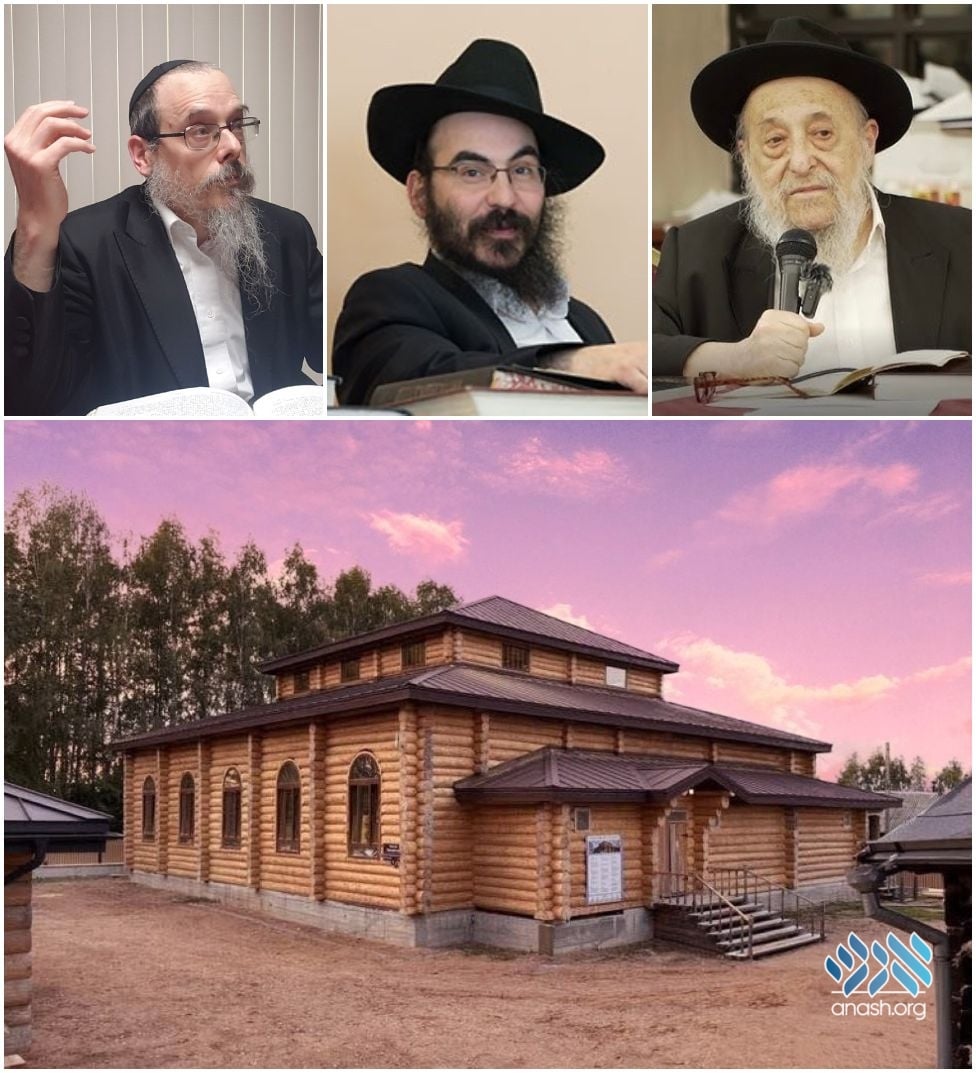
On Tes Vav Elul, we mark the birth of Tomchei Tmimim. What is special about Tomchei Tmimim? What is the role of a Tomim? How should the Hanhala be Mechanech Tmimim? Three prominent Mashpiim from Montreal Yeshiva share some pointers.
On Tes Vav Elul, we mark the birth of Tomchei Tmimim. What is special about Tomchei Tmimim? What is the role of a Tomim? How should the Hanhala be Mechanech Tmimim?
Three prominent Mashpiim from Montreal Yeshiva share some pointers:
Reb Itche Meir Gurary
I was Zoche to hear from the Rebbe what a Mashpia’s role is on two separate occasions, both in Yechidus.
In one Yechidus, the Rebbe told me that my job is: “To influence each bochur with chayus in learning Chassidus, and Hanhaga accordingly”.
When a Bochur learns Chassidus with passion, he becomes aware of his absolute importance to Hashem, that only he can fulfill his unique mitzvos. The holiness of every moment of his life is beyond measure. This, once internalized, will automatically result in conduct in the right and Chassidishe path.
In another Yechidus, the Rebbe said that the goal is for a bochur “to become a living Sefer Torah”.
That means that his entire existence, from his hands to his thoughts, becomes holy like a physical Sefer Torah. This takes time, effort, and learning with a Chayus.
All the above applies to the Tmimim of today. While each generation has its own unique challenges and yetzer hara that may require specific advice according to Chassidus, the fundamental point and tasks remain unchanged.
Before establishing Tomchei Tmimim, the Rebbe Rashab traveled uncomfortably for 10 years to the Oholim of the Rabbeim, seeking haskama (approval). The challenges were multi-layered: It was an enormous financial undertaking. Many wealthy people opposed the idea, and the Rebbe Rashab had to endure great opposition, even on the basic logistical front.
Additionally, the Haskala movement was very powerful; they invested tremendous resources into weakening Yiddishkeit. Tomchei Temimim was created as an army to fight this battle. Tmimim with vareme hertzer, fiery and warm hearts, who could confront and counter the challenges of Haskala.
The danger was real even in Lubavitch itself, they once succeeded in dragging a bochur into their clutches. He was expelled from Yeshiva, and the situation became so dire that they actually shot at the Frierdiker Rebbe r”l. This was mesirus nefesh in the most literal, physical sense.
The founding of Tomchei Temimim also contained a much deeper revolution: Young bochurim would learn Chassidus in depth for four hours a day. They would internalize what they learned through avoda’dike davening. This was a whole new level of Giluy Pnimiyus haTorah.
This approach produced not merely Torah scholars, but soldiers—Bochurim who were completely steeped in Elokus, whose yiras Shamayim was grounded not only in faith, but in deep sechel and comprehension, Tmimim who lived mesirus nefesh daily. Not a one-time act of sacrifice, but an entire lifestyle of mesirus nefesh.
Tomchei Temimim is therefore not just another yeshiva. It is an exceptional yeshiva, with an exceptional derech.
Rabbi Sholom Ber Cohen
Rabbi Sholom Ber Cohen noted that although the majority of a Tomim’s day is devoted to Nigleh, the relationship between Nigleh and Chassidus can be compared to meat and salt. Nigleh is the substance, while Chassidus is the salt; without it, the Nigleh is lacking in vitality, in ahava and yira.
In our generation, Rabbi Cohen continued, this has been expanded even further. As the Rebbe said, “לא באתי אלא להוסיף” — “I have come only to add.” The Rebbe added the mission of hafatzas hamaayanos (during a Bochurs free time) in a way of chutzah, spreading the wellsprings of Chassidus outward, in direct preparation for the imminent arrival of Moshiach.
Rabbi Cohen stressed – citing the Rebbes Sicha from תשל״ו – that the only way to accomplish all these varied inyanim — Nigleh, Chassidus, avodas haTefillah, and hafatzah — is through hanachas atzmusoi, putting one’s self aside. Rising above one’s personal considerations and focusing on what the Aibershter wants from him, rather than building his own tziyur.
Rabbi Tzvi Hirsh Gurary
Rabbi Tzvi Hirsh Gurary pointed to the well-known sicha of the Rebbe Rashab at the founding of Tomchei Temimim, based on the saying of Chazal: “Kol hayotzei l’milchemes Beis Dovid” — The Temimim are the chayalei Beis Dovid, who in the generation of ikvesa d’Meshicha go out to fight the war of Beis Dovid, at a time when there are those who “mock the footsteps of Moshiach. (חרפו עקבות משיחיך).
For this, they must write a “get krisus” to their Gashmiyusdike inyanim, their bodily matters — detaching from material concerns, personal ambitions, or worldly pursuits, and devoting themselves solely to the fulfillment of the Ratzon HaElyon.
“The Temimim,” Rabbi Gurary explained, “are the Rebbe’s soldiers to bring about the revelation of Moshiach. The Rebbeim invest enormous kochos into them to succeed. Their only task is to devote themselves wholeheartedly to this mission according to the Rebbeim’s directives — and with that dedication, they are guaranteed success, both spiritually and materially.”
 COMMENTS


We appreciate your feedback. If you have any additional information to contribute to this article, it will be added below.