




כ״ז תשרי ה׳תשפ״ו | October 18, 2025
The Rebbe’s Messengers: The Untold Story of Shadarim and Chozerim
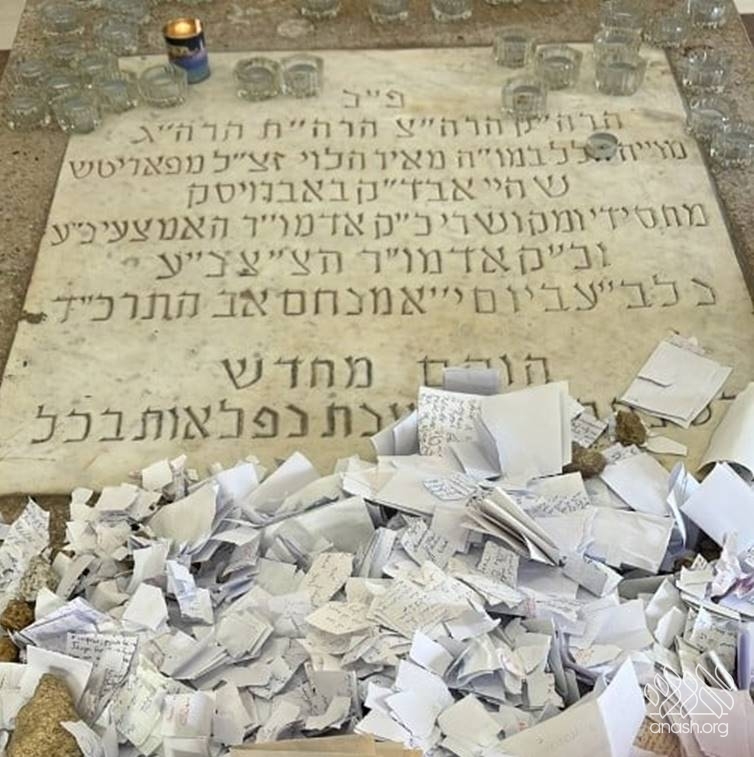
6 Cheshvan marks the 128th yahrtzeit of the legendary shadar and chozer, Reb Gershon Ber Paharer. The present installment of From the Margins of Chabad History presents accounts of the travels and influence of Reb Gershon Ber and fellow shadarim and chozerim.
By Shmuel Super
Introduction
Shadarim and chozerim are Chabad institutions since the generation of the Alter Rebbe. The role of a shadar (shelucha derabanan) is to collect money. Historically, this term was used primarily for meshulachim collecting funds to support the Jews living in Eretz Yisrael. When the Alter Rebbe established Colel Chabad to support the Chabad chasidim in Eretz Yisrael, Chabad shadarim were dispatched. Shadarim were also sent to collect maamad money for the Rebbe’s personal expenses, as well as other urgent tzedakah causes.
Chozerim who repeat the Rebbe’s maamarei Chasidus also date back to the generation of the Alter Rebbe. The original role of the chozer was in the chatzer of the Rebbe: a chasid with an exceptional memory would listen intently to the Rebbe’s maamar, and then repeat it afterward for the chasidim to help them learn the new Torah that did not yet have any written form.
The Frierdiker Rebbe describes the role and history of the chozer in the chatzer of the Rebbeim at length in Divrei Yemei Hachozerim, and other places in his sichos and writings. Here is a beautiful description of a chozer in the Rebbe’s chatzer from the margins of Chabad, from a short story of historical fiction written by Fishel Schneerson, the grandson of the Rechitser Rebbe (Sod Hatemimut, Hatzofeh, 11 Elul 5713):
The chozer adjusts the woven silk gartel above his Shabbos coat, strokes his beard, a radiant smile on his face, and begins to chazer the maamar.
And then the great wonder occurred: Indeed, thanks to his extraordinary memory, the chozer is able to repeat the maamar word for word, exactly as it had been said by the Rebbe, without missing a single letter.
And yet, seemingly effortlessly, with his very manner of speech, with infinite shades and nuances of expression, he successfully hones, emphasizes, and highlights not only the content of the words themselves, but all their hidden depths, the secrets that lie beyond the words.
In the middle of the maamar, the words seem to play themselves and shift naturally into melody; but as soon as the melody is ignited, it halts, only to blaze forth again as the maamar continues.
Then the chozer takes a small sip of mashkeh, and raises his voice like a turbulent storm. The words then shift into a fiery whisper, and then they escalate anew. The chasidim drink his words thirstily, once again experiencing all of the subtle sweetnesses contained within the original maamar.
***
In addition to the chozerim in the chatzer, there were also informal temporary chozerim: a chasid who had spent time by the Rebbe and heard maamarim would chazer them to the chasidim of his town after returning home.
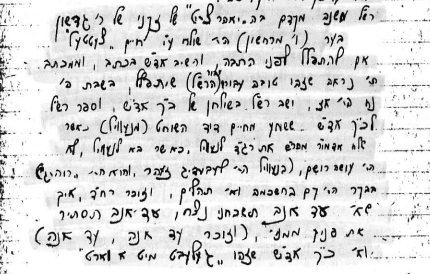
In the generation of the Mitteler Rebbe, the roles of chozer and shadar were fused. The best known shadar-chozer—and perhaps the first—was Harav Hillel Paritcher. The Frierdiker Rebbe relates the story of his appointment and the Mitteler Rebbe’s classic definition of the new role (Sefer Hasichos 5703, p. 80):
The Mittler Rebbe instructed R. Hillel in 5578 to travel to the colonies [farming settlements in the Cherson region]. He told him: reap gashmiyus, and sow ruchniyus. From then on, R. Hillel took this as his life mission.
***
Since the time of R. Hillel, shadarim have borne this dual role: collecting money on the Rebbe’s behalf, and chazering chasidus for the chasidim. For many Chabad chasidim living far away from Lubavitch and without the convenience of modern communications, the shadar’s visit was a lifeline connecting them to the Rebbe. The shadar shared the Rebbe’s recent maamarim, told stories about the Rebbeim, and updated them about news in the chatzer.
The best-known shadarim after R. Hillel Paritcher were his three leading talmidim: R. Sholom R. Hillel’s, R. Bere Volf Kozevnikov, and R. Gershon Ber Paharer.
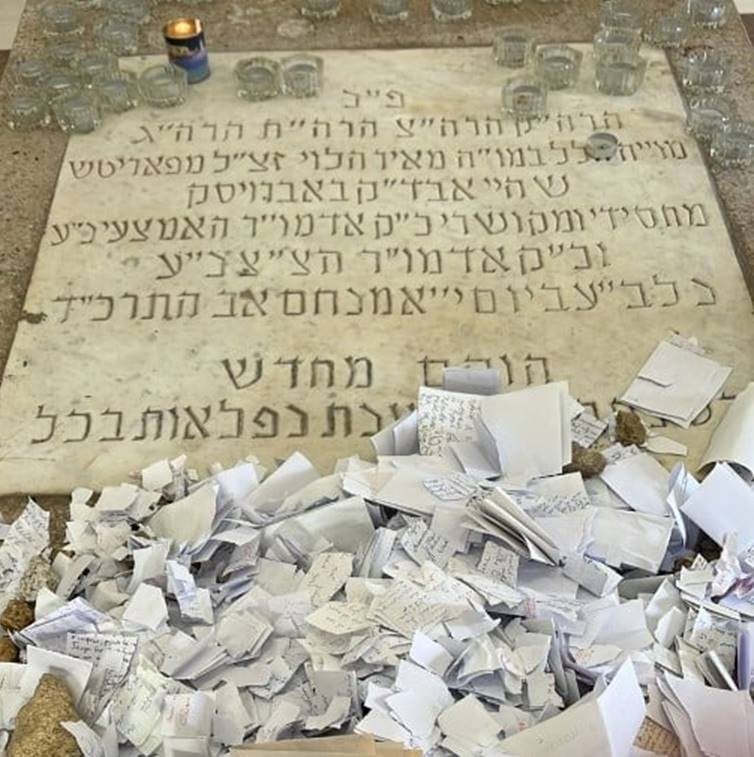
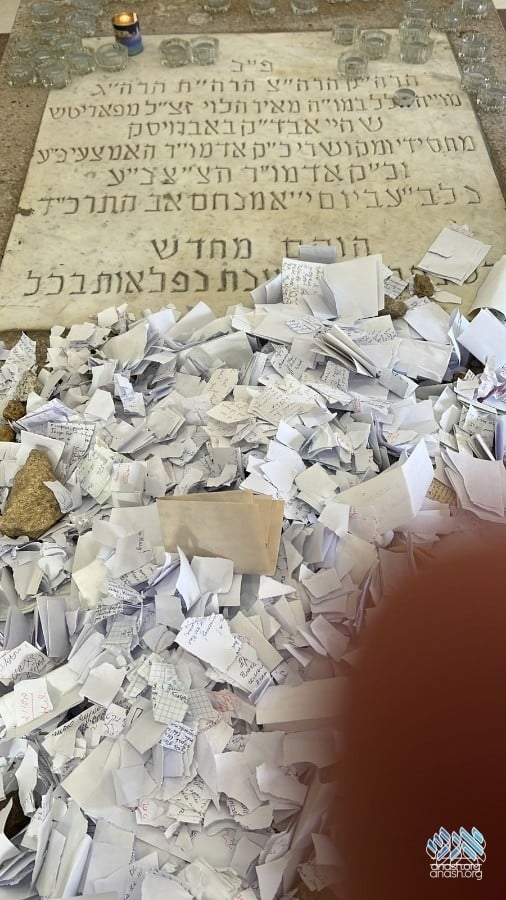
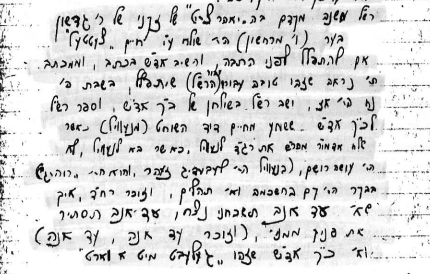
The Rebbe records in Reshimas Hayoman (p. 260) that R. Gershon Ber Paharer passed away in 5658, but the precise date of his yahrtzeit has apparently not been noted until now. A hanachah of a sichah of the Frierdiker Rebbe from Shabbos Parshas Noach 5706 records that there was a yahrtzeit for R. Gershon Ber Paharer, and the Frierdiker Rebbe shared some stories about him and discussed his chasidishe personality with his grandson, Harav Shmuel Levitin.
The hanachah of the sichah doesn’t specify the exact date of the yahrtzeit, and as a result, the approximate date of “Cheshvan 5658” is often given for R. Gershon Ber’s passing. However, the unpublished reshimos of R. Avraham Weingarten from 5708 record the date of 6 Cheshvan as the yahrtzeit, as he heard from R. Shmuel Levitin. Shabbos Parshas Noach 5706 was in fact the actual day of the yahrtzeit.
In honor of the upcoming yahrtzeit of this legendary shadar, From the Margins of Chabad History presents accounts from people on the periphery of Chabad about the visits of the shadarim-chozerim and the deep impact they had on the people in the towns they visited. We will begin with an account about R. Gershon Ber Paharer himself.
R. Gershon Ber Paharer
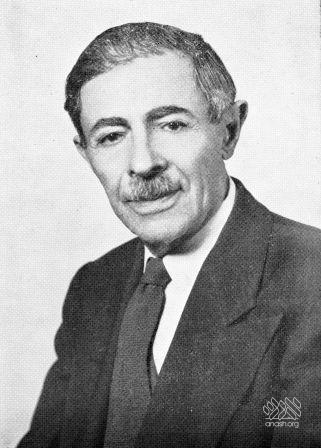
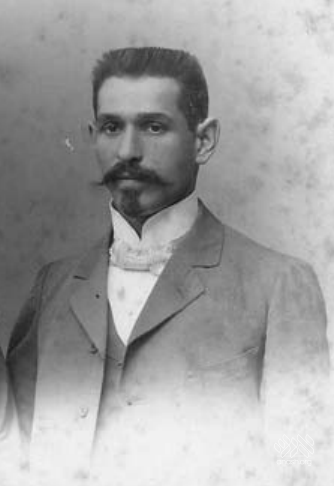
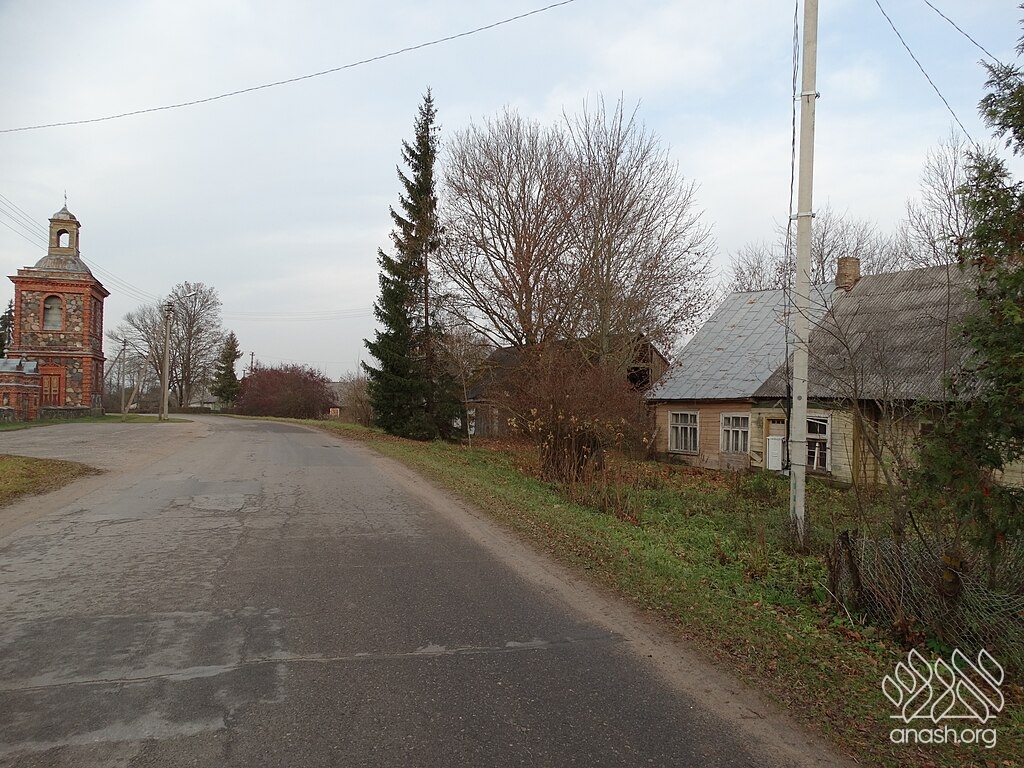
Menachem Mendel (Manuel Morris) Tumaroff was born in Pahar (now Lubiane, Ukraine) in 5638. He learned in the yeshivah in Volozhin and later became a modern Jewish educator. He moved to America in 5667, where he was one of the founders of the Hebrew Teachers College in Boston and wrote textbooks for teaching Hebrew to children.
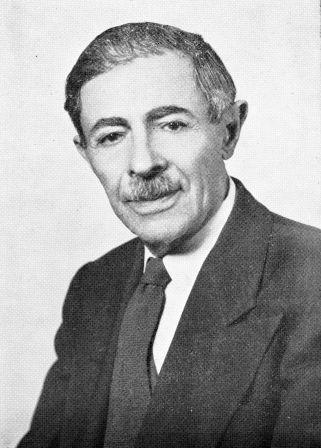
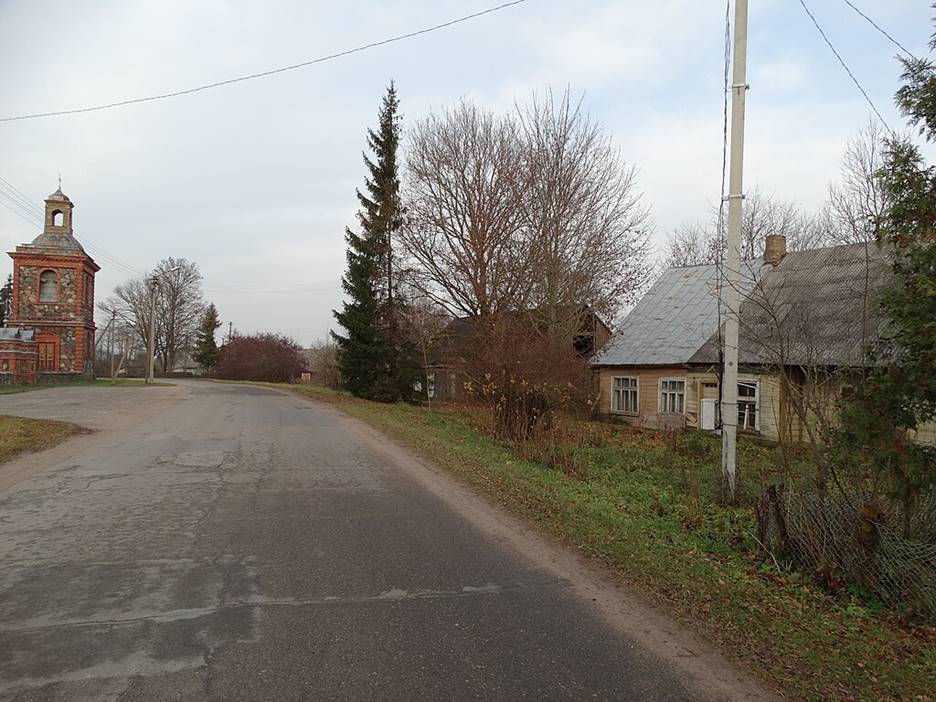
Tumaroff’s autobiography, Misaviv Leorot Vetzlalim, reflects his warm memories of his chasidishe upbringing and his positive attitude towards Chabad throughout his life. A passage in the book recounts his childhood memories of R. Gershon Ber Paharer’s visits to Pahar. In the later period of his life, R. Gershon Ber lived in Nevel, and visited Pahar as a shadar.
We will also include his description of the chasidishe melamdim of the town, R. Binyamin and R. Ze’ev (Volf) Levitin. R. Volf was R. Gershon Ber’s son-in-law, and he went on to serve as the mashgiach in Yeshivas Tomchei Temimim in Lubavitch. R. Shmuel Levitin was his son.
Tumaroff writes:
The residents of this town were passionate chasidim. Emissaries of the Lubavitcher Rebbes would visit the town frequently, illuminating its darkness with a sublime light.
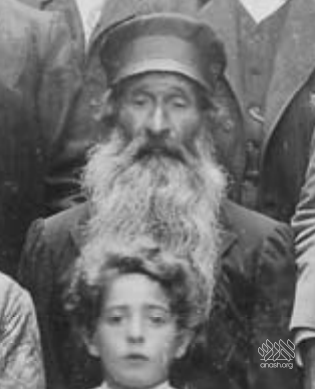
One of these emissaries, who traveled through the towns of the Chernigov district, was R. Gershon Ber, who had attended to the holy R. Hillel Paritcher. This revered chozer would come to town twice a year, and would be received with the appropriate honor: all the stores closed, and the tailors and cobblers would cease their work.
This emissary was like a divine angel in human form. His face radiated nobility, and his heart was filled with immense love for every creature created in the image of G‑d. He was a flowing fountain of the secrets of Chabad, but he was not endowed with a fluent tongue. His wise listeners absorbed the essence of his teachings through his movements and hand gestures. His simple followers sat hunched forward, gazed upon his radiant face with reverence, and moved in harmony with his motions. Their gentle swaying lulled them to sleep, and in their dreams they beheld worlds in the expanse of infinity, worlds they could never have imagined seeing in their waking minds. . . .
There were two advanced melamdim in town, R. Binyamin and R. Ze’ev Levitin—the father of the well-known R. Shmuel—who taught older students and didn’t even make a minimal living. The Torah teachers of this town suffered from poverty and deprivation, but they didn’t wallow in their destitution and didn’t become embittered by their suffering. They absorbed the poison of life and transformed it into a life-giving elixir. They subscribed to the chasidic motto of “bitul hayesh,” and sought no pleasure from this world. On yomei depagra they entered the places designated for joy and celebration and came out content and merry, cheerful and refreshed.
***
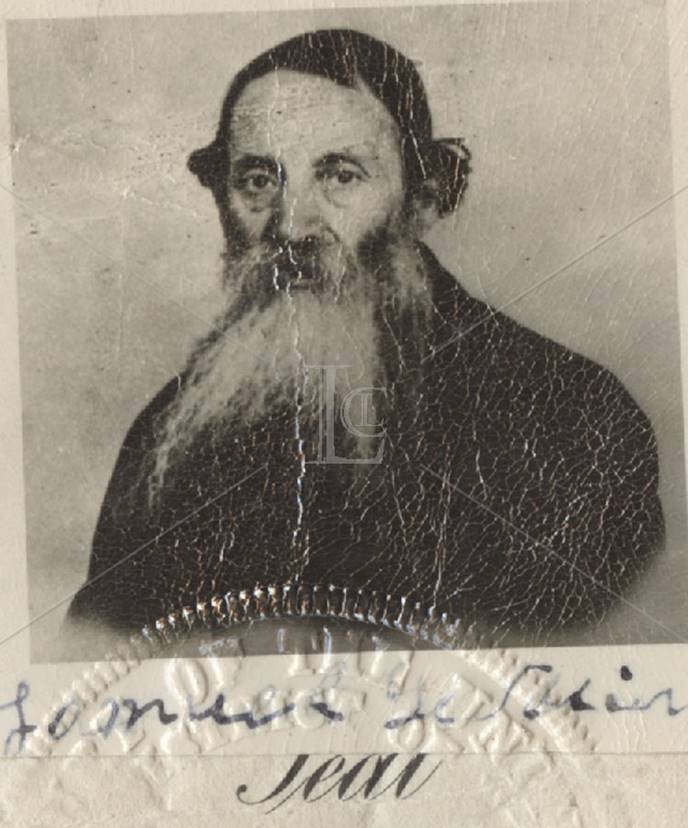
Tumaroff’s account of R. Gershon Ber matches well with the existing knowledge about him. This famous chozer was actually not a skilled orator at all; he spoke unclearly and was difficult to understand. What attracted people to him and his chazarah was the intense and palpable yiras shamayim that he radiated.
The mashpia in Lubavitch R. Gronem told R. Shmuel Levitin that he had stood next to his grandfather, R. Gershon Ber, while he davened maariv: “Believe me, you could smell his yiras shamayim from his sirtuk. I heard him say the words with such yiras shamayim, and I started crying” (Reshimos R. Avraham Weingarten, summer 5707).
The Chozer’s visits to Kvatki
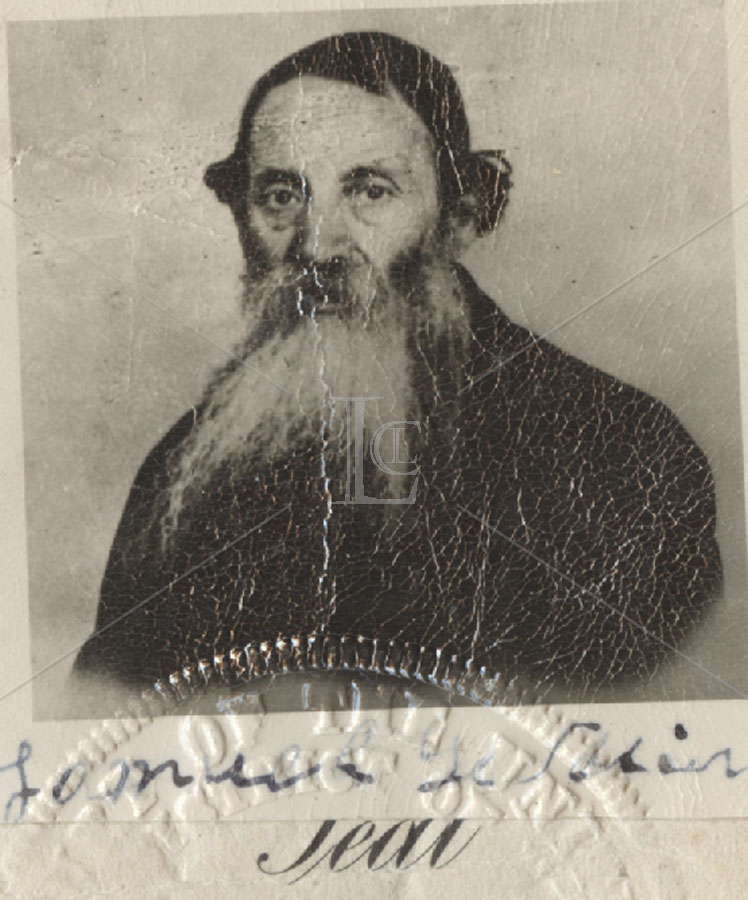
Our next description of a chozer’s visit comes from the town of Kvatki, in Lita. The author, Menachem Mendel Freiden, was born in 5639 to a family who were chasidim of the Chabad Rebbes of Liadi. Freiden learned in yeshivos in his youth, but, influenced by the times, he became more modern. However, he remained a committed Jew and was shomer Torah umitzvos. He moved to America in 5665, and then to Eretz Yisrael in 5681.
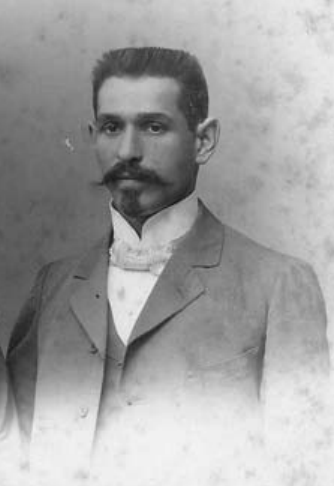
Freiden wrote a memoir of his life in Hebrew, and the book was published in English translation with commentary and footnotes by his grandson, Lee Shai Weissbach, a professor of history. We don’t have the author’s original Hebrew, and it is evident that the translator didn’t always grasp the Jewish and chasidishe nuance of the text, but the memoir, published under the title A Jewish Life on Three Continents, is a fascinating read. We will have occasion to cite from it in the future as well.
In the following passage (pp. 29–30), Freiden eloquently describes the periodical visits of Chabad chozerim to his hometown of Kvatki (the word translated as “rehearse” in English was clearly chazarah in the original):
Hasidism instilled a sense of new life into the dry bones of traditional Judaism.
I would see this effect with my own eyes when the various emissaries of rebbes would be hosted in my father’s home. Father was a follower of the rabbi of Lyady, but his home was nonetheless open to every Hasidic emissary, be he from Kapust or be he from Sirutzina. All would be welcomed in our house, and all enjoyed the hospitality that was customary in our home.
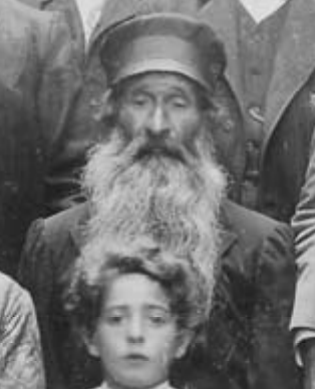
When an emissary arrived, a celebration was declared in our town, and this sort of festive occasion usually lasted a week. Every evening, all the Hasidim of our town would gather at our house. The emissary would rehearse for them Hasidic sayings from his rebbe; every evening something new.
Among those gathered were many who understood nothing about the channels of Divine energy or about emanation, but they nonetheless listened attentively so as not to miss a thing, and they breathed a sigh of relief when the emissary had finished. They knew that now he would get to the fundamental element that interested them most: tales of the miracles and wondrous deeds of the rebbe and, especially, swigs of whiskey for all those assembled while the tales were told.
And when they were feeling good, full of liquor and the desserts that my mother served in generous portions, the emissary would begin a tune. He would always bring a new melody that had emerged from the mouth of the rebbe and his followers at their festive gatherings and that was destined to be spread among his many far-flung adherents.
From this first new melody, they moved on to old melodies that all the Hasidim remembered, and a new spirit immediately took over in the room. The singing grew stronger, the faces grew redder, wrinkles got smoother, and eyes shone with a new sparkle. Hands began to clap and feet lifted themselves up in an ecstatic Hasidic dance.
These Jews, who were occupied all day long in their difficult labors, toiling and working to keep their households going, suddenly got a new lease on life, an extra soul. A new spirit was evident in their faces. Weariness and exhaustion were forgotten. A heavenly inspiration hovered over them all, and they felt an exquisite sense that life, even as it is, was worth living; that it is worthwhile being a Hasidic Jew. This is the influence of Hasidism on the masses of the people. If Chabad Hasidism had come along only to shed this momentary ray of light, it would have been worthy of its existence.
***
Zalman Shazar and the Chozer in Steybetz
The third president of the State of Israel, Zalman Shazar, was born in 5650 as Shneur Zalman Rubashov in the town of Mir (now in Belarus), to a family that had been chasidim of Chabad from the times of the Alter Rebbe. His maternal grandfather, R. Moshe Ginzberg of Mir, was a chasid of Lubavitch and then of Liadi.
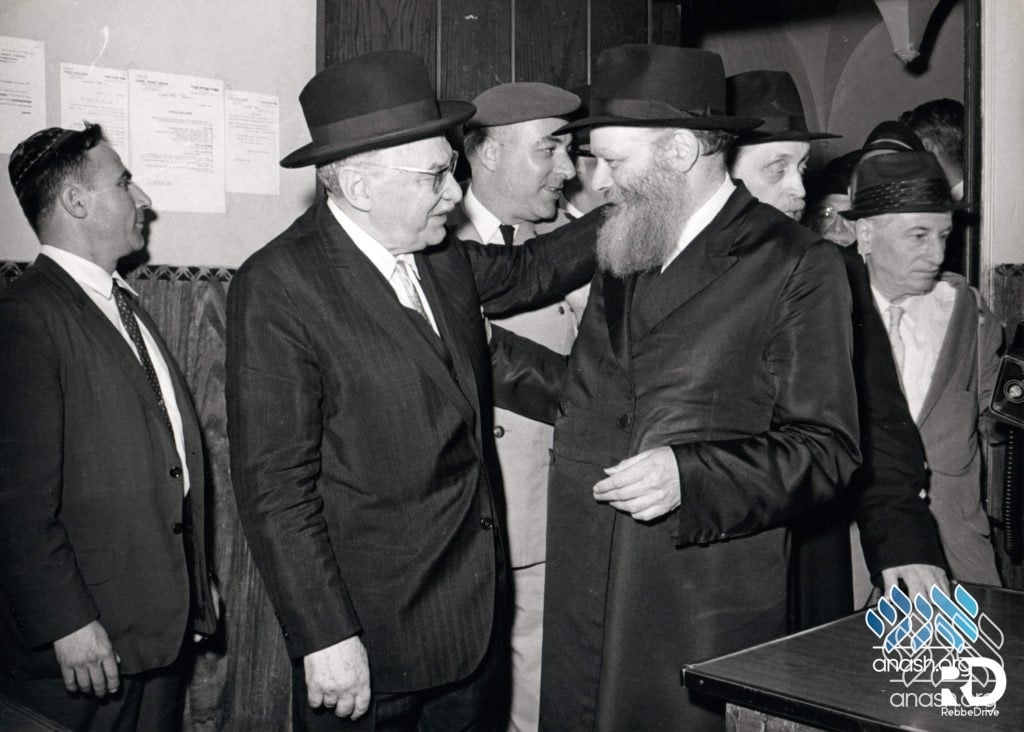
Despite becoming a leading secular Zionist, Shazar maintained a connection to Chabad and had a uniquely warm relationship with the Rebbe. In his later years, he became more observant of Torah and mitzvos.
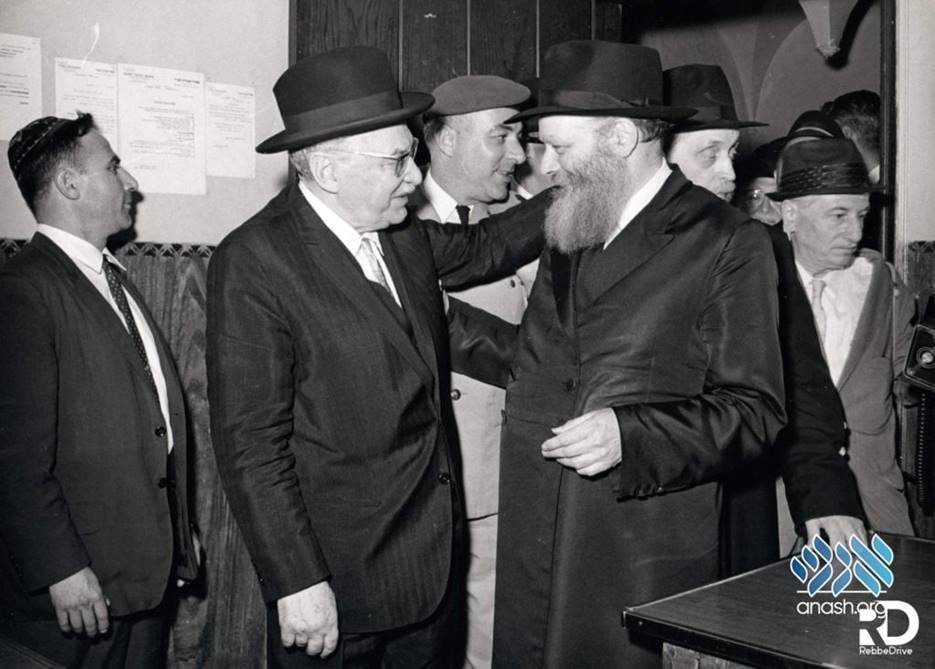
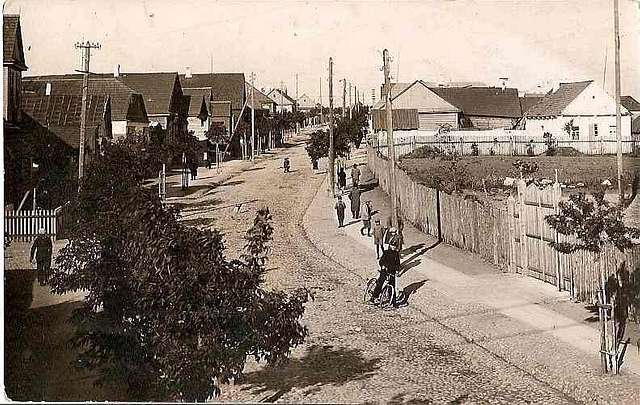
The story of Shazar’s relationship with Chabad and the Rebbe is told in detail in the Hebrew book, Nasi Vechasid. Of relevance to us now is a chapter from Shazar’s memoir Kochvei Boker, in which he describes the visit of an unidentified Chabad chozer to the shtetl of Steybetz, where Shazar’s family moved when he was three years old, after their home in Mir was destroyed in a fire.
This chapter describes the chasidishe shtiebel in Steybetz, shared by chasidim of Chabad and Koidanov, and the ups and downs of their relationship. First published in the left-wing Israel Davar newspaper of 25 Kislev 5710, this chapter is also cited in Nasi Vechasid, pp. 50–56. We will translate only the section that describes the chozer’s visit:
Over the years, a status quo of friendship and tolerance developed between the two factions of the shtiebel. When the meshulach of Koidanov came to town, the Chabad chasidim would also contribute to his maamad collection, and when the Chabad chozer came to us, the leading Koidanov chasidim would come to hear divrei Elokim chayim from him.
I became very deeply connected to all the members of the shtiebel; a heartfelt, almost familial bond. I could easily distinguish—even while walking in the street—between a man of the shtiebel and a man of the Beis Medrash Hagadol…
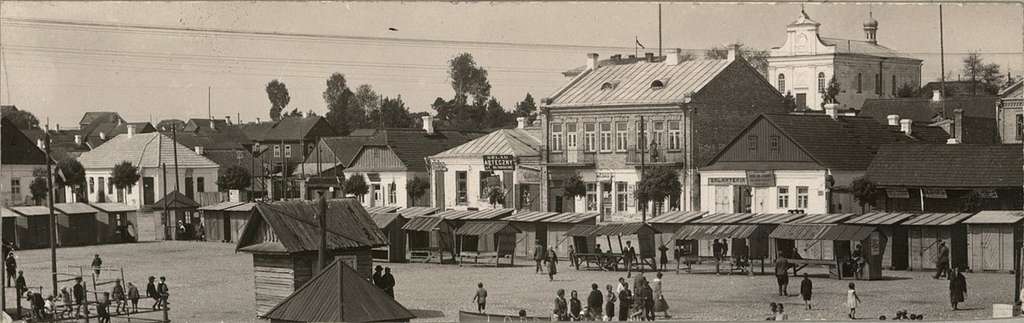
For Chanukah, the Chabad chozer would come to our home. He came every year: Yud Tes Kislev, he would celebrate with my grandfather in nearby Mir, and for Chanukah, he would come to us. He was short in stature, with a broad beard, and all of his conduct was graceful.
Even the girls loved to pause their studies and care for the guest, who would eat in our home and stay with us for about a week. Throughout the week, I would accompany him to the Koidanov shtiebel, appreciating the spiritual elevation of pure Chabad devotion. In those days, every tefilah took on a special character. After each tefilah, he would quietly say, little by little, some words of Chasidus. He would say it in a matter-of-fact manner, not from the bimah chas veshalom, and not even seated at the table. He would just say it as he stood in his place after davening and removing his talis, before coming over for some lechaim, which my father had already prepared.
And in the evenings of those days, the chasidim of the town—Chabad and Koidanov together—would gather in our home to hear the chozer make the berachah over the Chanukah candles. And with what festivity he would perform the hadlakah! The chasidim would sit around the dining room table, and my mother was careful, of course, not to serve the tea before the candles were lit.
He would pace alone through the spacious hall, back and forth, girded with his wide gartel, as he prepared for maariv. The novelty of his davening was that he would recite Hallel before lighting the candles. This was something unheard of in the town. The Koidanov chasidim did not dare to disturb him, but their hearts were not entirely comfortable with this innovation. My father explained to me that this is the minhag of unique individuals.
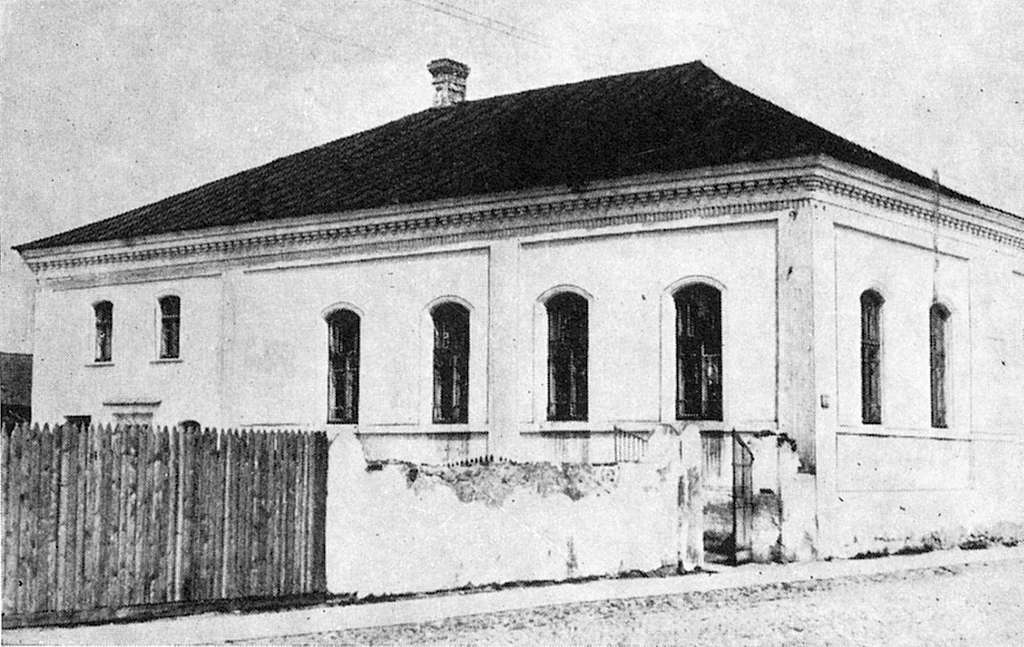
I must admit, this unusual Hallel—in the middle of a Chanukah evening in our hall—made an extraordinary impression on me as well. His prayer was very festive, accompanied by the crisp ring of his snapping fingers, his thumb under his gartel, and his voice exalted and rising:
Mekimi me’afar dal, me’ashpos yarim evyon…
After davening, the chozer approached the silver menorah with its branches and intricate shapes, with its small oil cups at the bottom. This menorah had been kept hidden in its case all year, and now it was hung on the doorpost between the dining room and the hall. My father had prepared its wicks in advance. I stood ready with the match in hand, prepared to assist the esteemed chozer. All the people gathered rose, along with all the members of the household, as if our otherwise mundane hall had been transformed into the heichal, and my eyes are witnessing the kohen performing his avodah, while I, a child, am one of the junior kohanim myself.
Seeing the Koidanover chasidim, their faces disapproving of the chozer’s innovation, I knew that perhaps they were justified in thinking so. But I could not understand how they could fail to fully appreciate the awesome splendor of the hadlakah. At the moment, they were almost like misnagdim in my eyes.
***
The chozer’s minhag of reciting Hallel before lighting the Chanukah candles is unknown from other Chabad sources, and doesn’t seem to be the minhag in other kehilos either. We don’t know who this chozer was, and it should be noted that we also don’t know which branch of Chabad he was from.
Conclusion
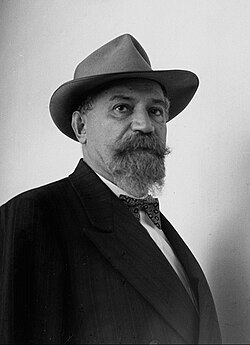
We will conclude our survey of shadarim and chozerim in Chabad history with a literary account by Zalman Shneur. Born in Shklov in 5647 to a Chabad family, Zalman Shneur strayed from his frum roots and became a writer and poet in Hebrew and English, living in Paris, New York, and Eretz Yisrael. He died in Eretz Yisrael in 5719.
Many of his books have Chabad-centric storylines and protagonists, including one of his best-known books, Pandre Hagibor (Noach Pandre in the Yiddish version). In the following excerpt from Pandre Hagibor (originally serialized in Davar, 28 Tishrei 5706), one of the characters provides an excellent description of the function of the chozer. This account is from a work of fiction, but it is an accurate historical portrayal. The figure of “Itche the chozer” may be based on the well-known chozer of Kopust R. Yisroel Yitzchak of Rudniye:
You don’t even know who Itche the chozer is? Between you and me—how would you know the name of a talmid chacham like him? This Itche was the chozer of the Rebbe of Kopust. I’m sure you don’t even know what the term chozer means.
A chozer is part mekubal and part meshulach. He is very close to the Rebbe and says over all his chasidus, and disseminates them throughout the holy kehilos of Chabad chasidim.
If I were to explain to you the meaning of Chabad, an entire night would not suffice. In short: the Rebbe, may he live, delivers a teaching of Chasidus before Havdalah on Shabbos, and the chozer absorbs it in his mind, word by word. Days and weeks later, he teaches the Rebbe’s words from memory, as if reading directly from a book—line by line, word for word. Not a single drop is lost, for there is no memory like the memory of a chozer! He possesses a mind of a unique kind. The Rebbe, may he live, is weak and cannot visit every kehilah that requires Chasidus. So he sends the chozer.
The chozer travels from town to town, spreading the Rebbe of Kopust’s teachings to Anash. Do you think that our moreh horaah, shlita, travels to Kopust every Monday and Thursday to hear a new discourse of Chasidus? If you think so—you are mistaken. His absence would be deducted from his salary, and the few coins he received from the gabai, R. Yisrael, at the end of every week would not suffice for him.
In our days, R. Baruch the chozer is alive and well. In the days I am telling you about, it was R. Itche the Chozer. The chozerim come and go, but the teachings of Chabad endure forever—they will endure until the coming of Mashiach…
To view all installments of From the Margins of Chabad History, click here.
For additional exclusive content, follow the column on X: x.com/ChabadMargins
 COMMENTS


One of the impressions these articles have left on me is the crying shame that frum Yidden generally did not write autobiographies. We can appreciate evermore both the voluminous output of the Frierdiker Rebbe and his insistence that Chassidim write their memories.
That’s why “The Schochet” is such a treasure. It’s a genuine Frum biography from that period of history.
i dont know if this feeling is correct, it sometimes bothers me that we quote so much from them and their outlooks, sometimes cynicism is muvla in their writing as well. especially describing who they were and how they left, why is that important to highlight, what does that teach the next generation? even if necessary to quote them, just put a name and veiter
Once again an amazing article from shmuel super!
Thank you very much!!!
Yes, Super really is super!