




כ״ב טבת ה׳תשפ״ו | January 10, 2026
The Poilishe Chabad Rebbe Almost Lost to History
Harav Levi Yitzchak Guterman of Sirotshin was born into Poilishe chasidishe royalty, as a grandson of the Radziminer Rebbe. But after becoming the son-in-law of the Tzemach Tzedek’s son, Harav Chaim Shneur Zalman of Liadi, he became a staunch Chabad chasid, and eventually—a Rebbe. In honor of his 121st yartzeit on 22 Teves, we present detailed accounts of his remarkable personality.

Introduction
Of all the descendants of the Tzemach Tzedek who served as Chabad rebbes, Harav Levi Yitzchak Guterman of Sirotshin (also known as Sirotin) is unique. He was the only one who was not a direct descendant of the Tzemach Tzedek, and had never even met him. And his roots were distant from Chabad, born in Warsaw as the grandson of the famous Radziminer Rebbe.
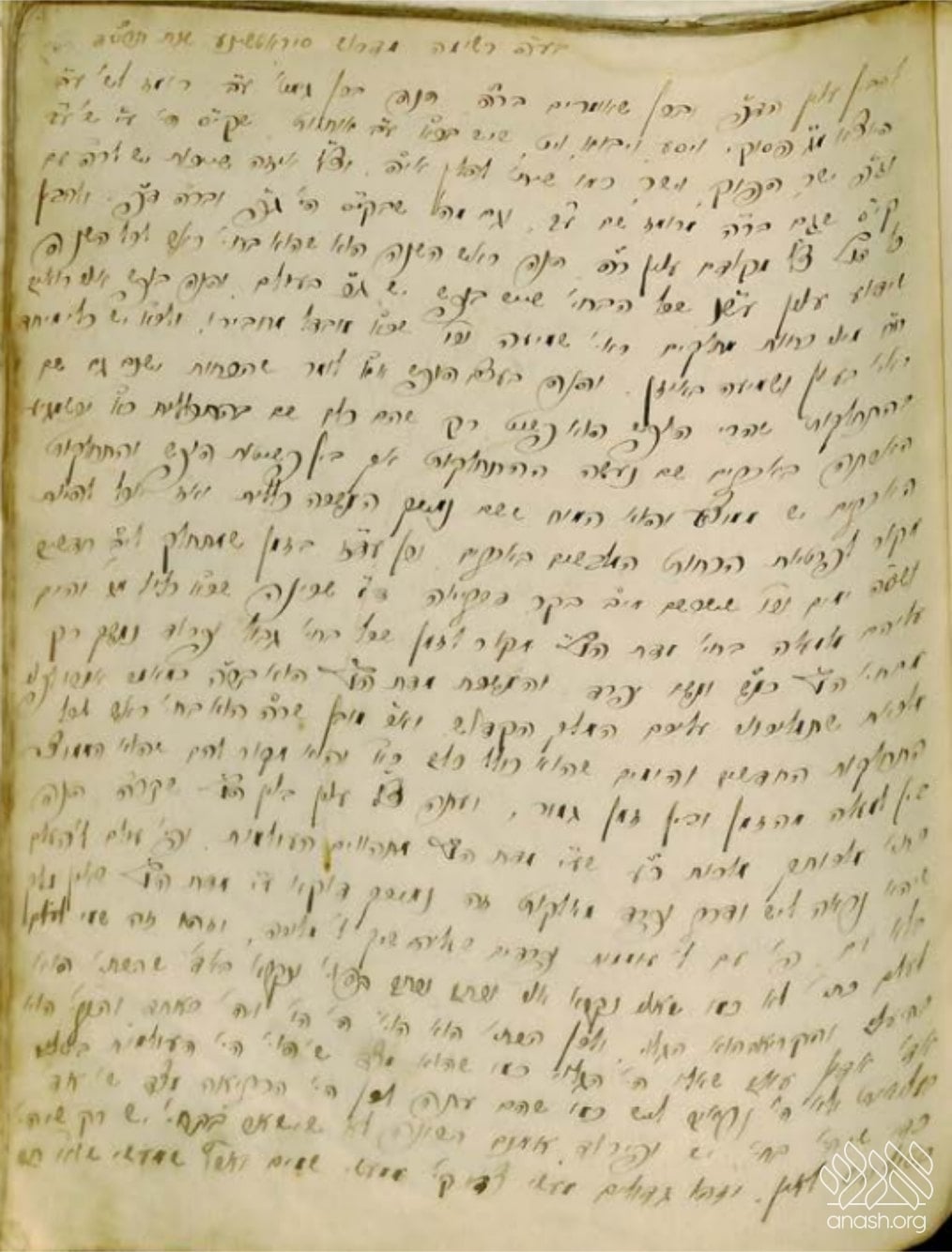
The Sirotshiner Rebbe is also the least-known of all the Chabad rebbes. The only source we have for his biography is the brief description of him written by R. Chaim Meir Heilman in his classic Beis Rebbe. We will first quote this biographical sketch—published during Harav Levi Yitzchak’s lifetime in 5662—and then add two new intimate descriptions of him, giving us a glimpse of his remarkable personality.
Beis Rebbe writes (5774 edition, p. 388-389):
Harav Hakadosh R. Levi Yitzchak of Sirotin
His son-in-law, the Rebbe, Harav Levi Yitzchak shlita of Sirotshin (in the Vitebsk district), was himself born in Warsaw. He was a grandson of Harav Hakadosh R. Yaakov of Radzymin, of blessed memory. He devoted himself completely to Torah study and avodah in Warsaw, where he had a wife and children. The people in that region wished to appoint him as a rebbe rav to serve as a faithful shepherd for them in ruchniyus and gashmiyus matters.
But then his wife passed away, and through a course of events, the Rebbe Harav R. Chaim Schneur Zalman, of blessed memory, took him as a husband for his daughter, the widow of Harav Schneur, the son of Harav Yaakov, of blessed memory, the son of our Rebbe the Tzemach Tzedek, of blessed memory. Harav R. Chaim Schneur Zalman stipulated with him that he would remain with him in Liadi and would not take his daughter with him to his hometown. He therefore established his residence in Liadi.
His father-in-law, the Rebbe, then began to teach him the path of Chabad Chasidus. He studied with him with great depth and diligence, withholding nothing of his goodness from him, and he was very precious in his eyes. On his end, Harav Levi Yitzchak devoted his heart and mind to this study, drinking thirstily the holy words of his revered and holy father-in-law, of blessed memory, until he grew, flourished, and bore fruit. In the course of time, he began to chazer Chasidus before the devoted and mekushar members of Anash. So he lived in Liadi, immersed in Torah and avodah, through all the years of his father-in-law’s lifetime.
When his father-in-law, the Rebbe, passed away in the year 5640, he remained in Liadi for several years. Then, toward the end of 5642, he established his residence in the city of Sirotshin. From then on, many of the chasidim of his holy father-in-law began traveling to him to receive instruction from his mouth and to seek his counsel in both ruchniyus and gashmiyus matters. On his part, he received those who came to him with a pleasant and welcoming countenance, involving himself personally in their affairs, and those who traveled to him are satisfied and pleased with him. Some years ago, his wife, the daughter of the Rebbe, of blessed memory, passed away. May Hashem grant him long life.
***
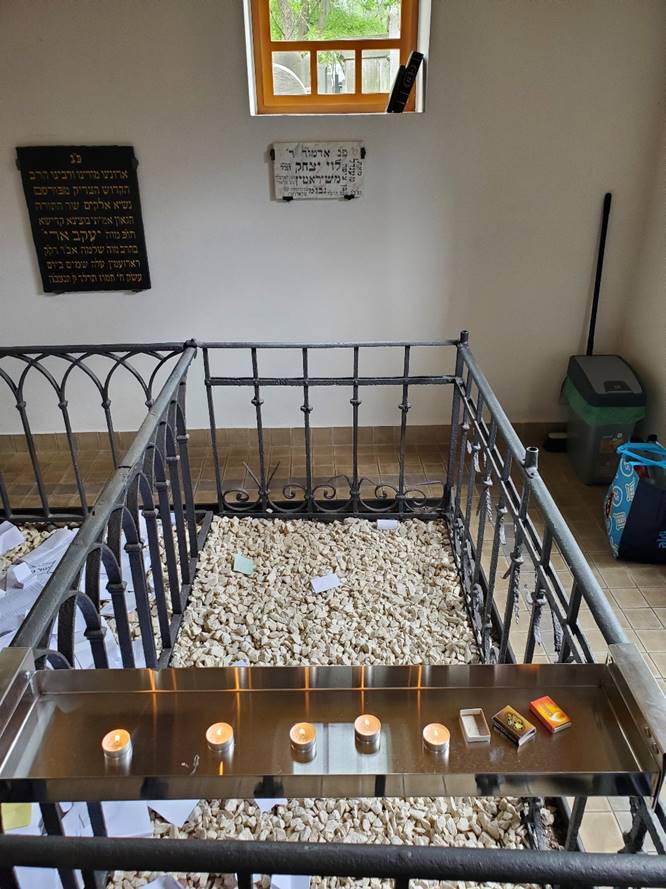
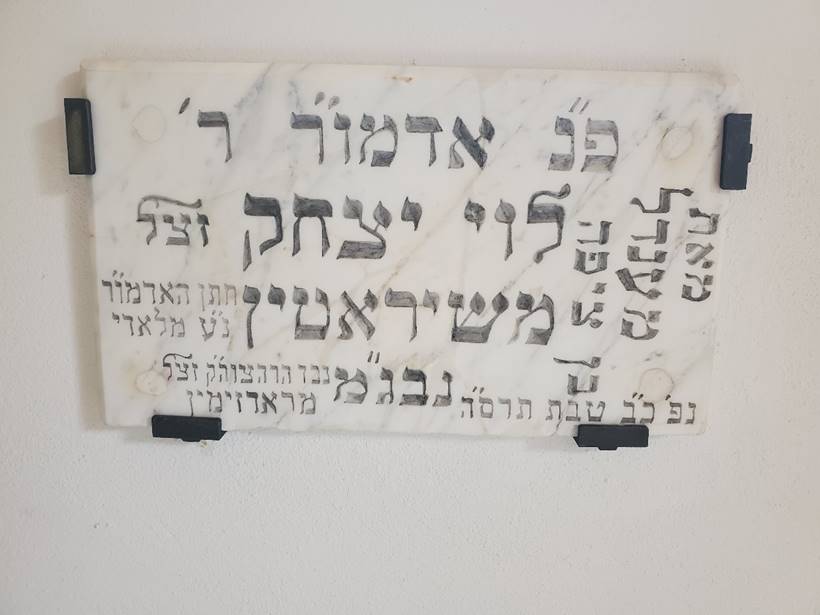
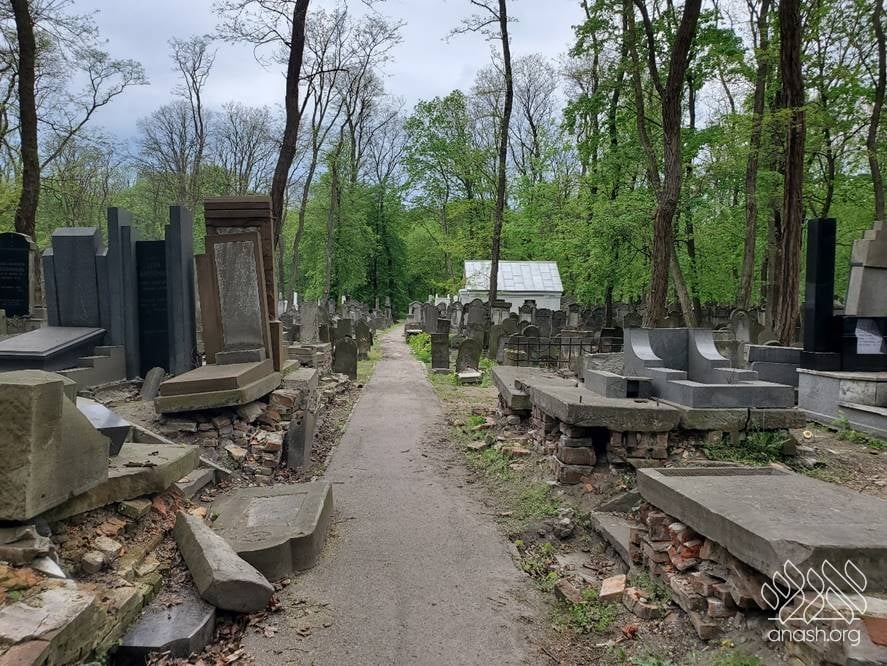
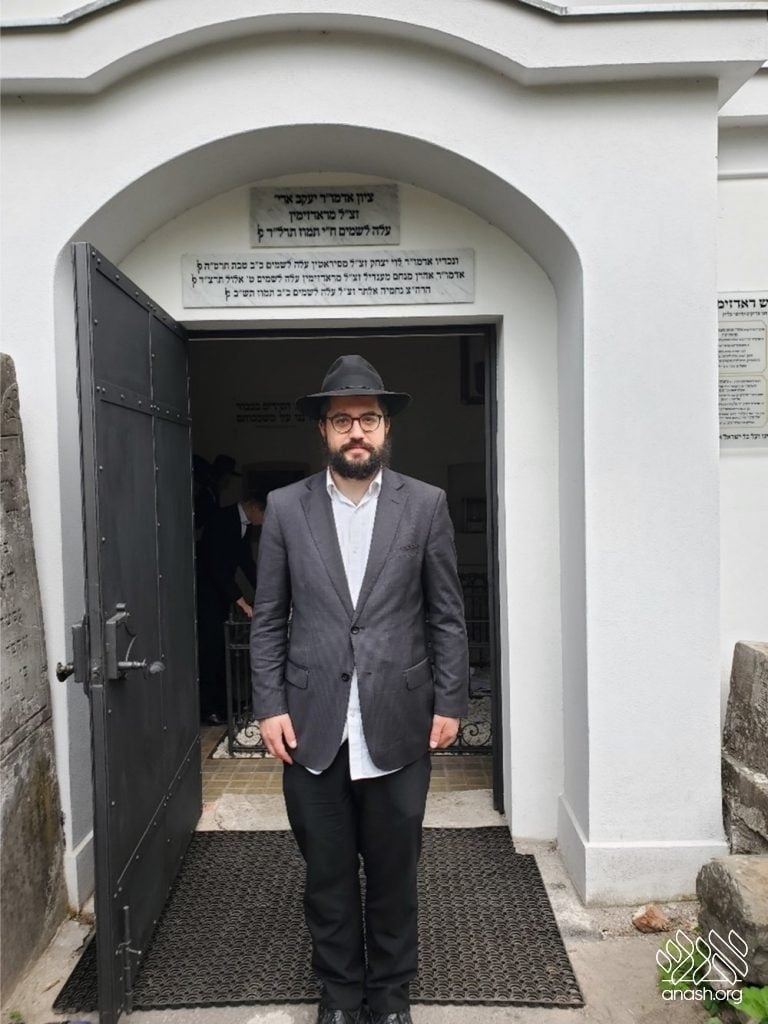
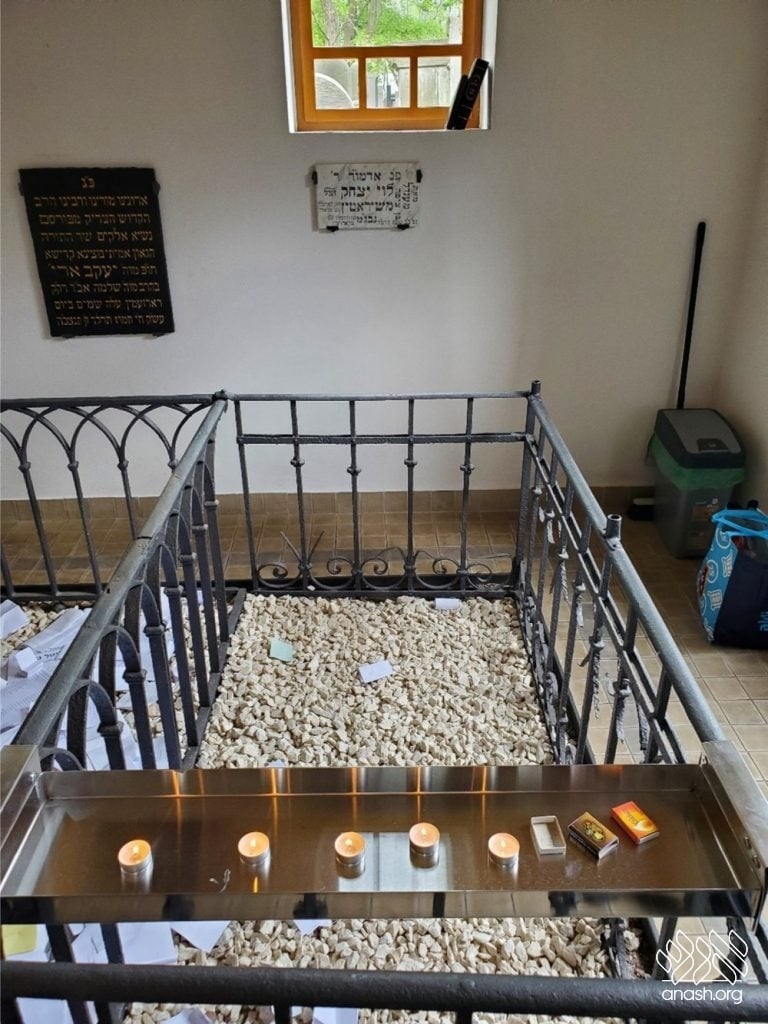
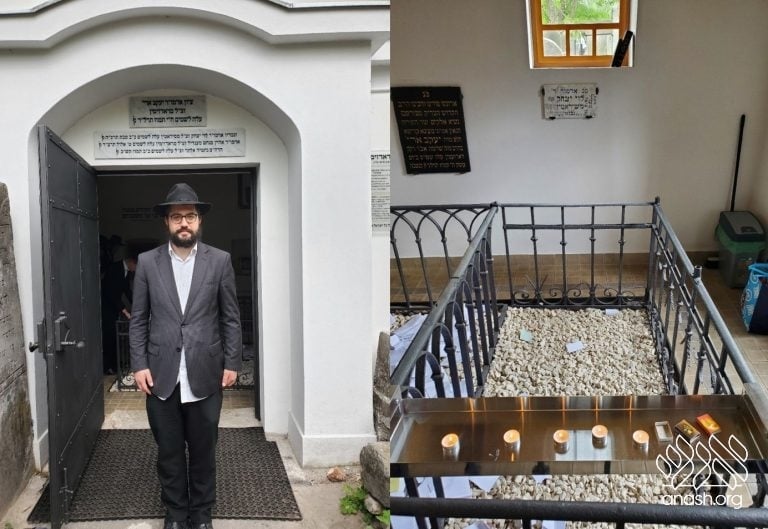
A brief chapter is devoted to Harav Levi Yitzchak in R. Amram Bloi’s excellent book Bnei Hatzemach Tzedek (pp. 365-367), and one of his maamorim is published as an appendix. However, R. Bloi did not have any new information to add about Harav Levi Yitzchak himself, aside from noting that he passed away during a visit to Warsaw in 5665 and was buried in the Radzimin ohel in the Warsaw cemetery.
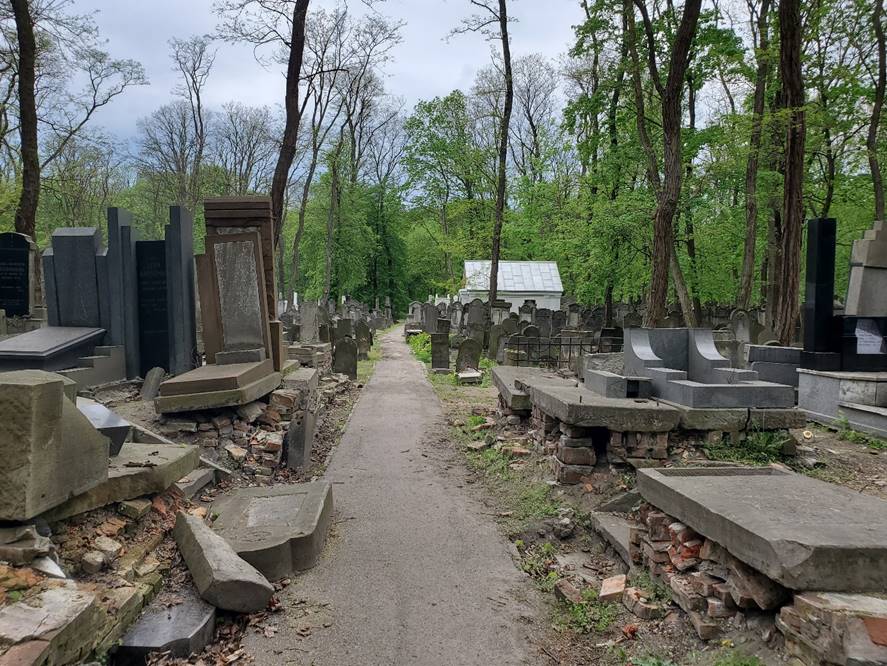
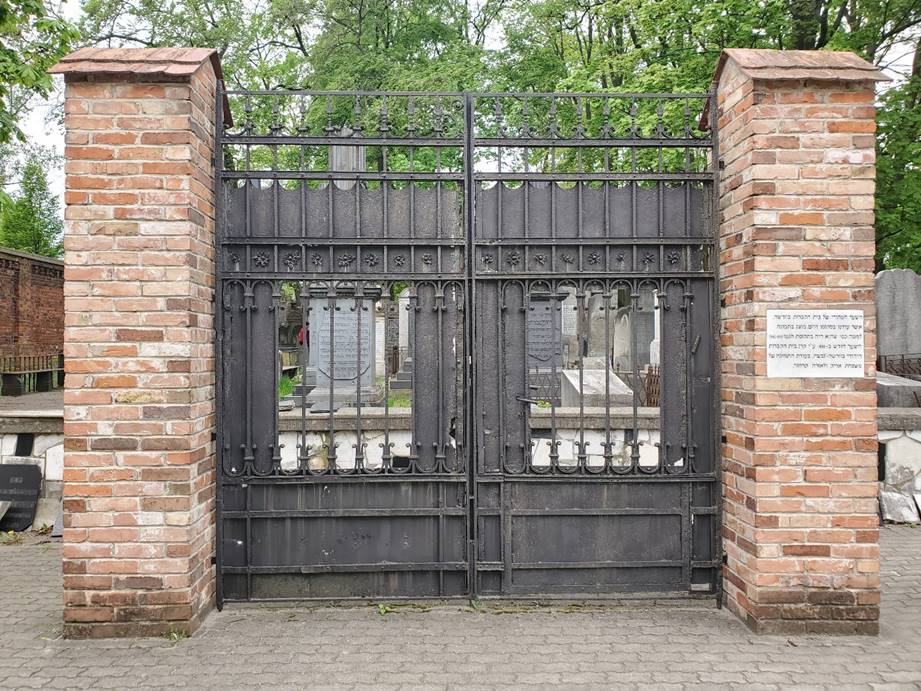
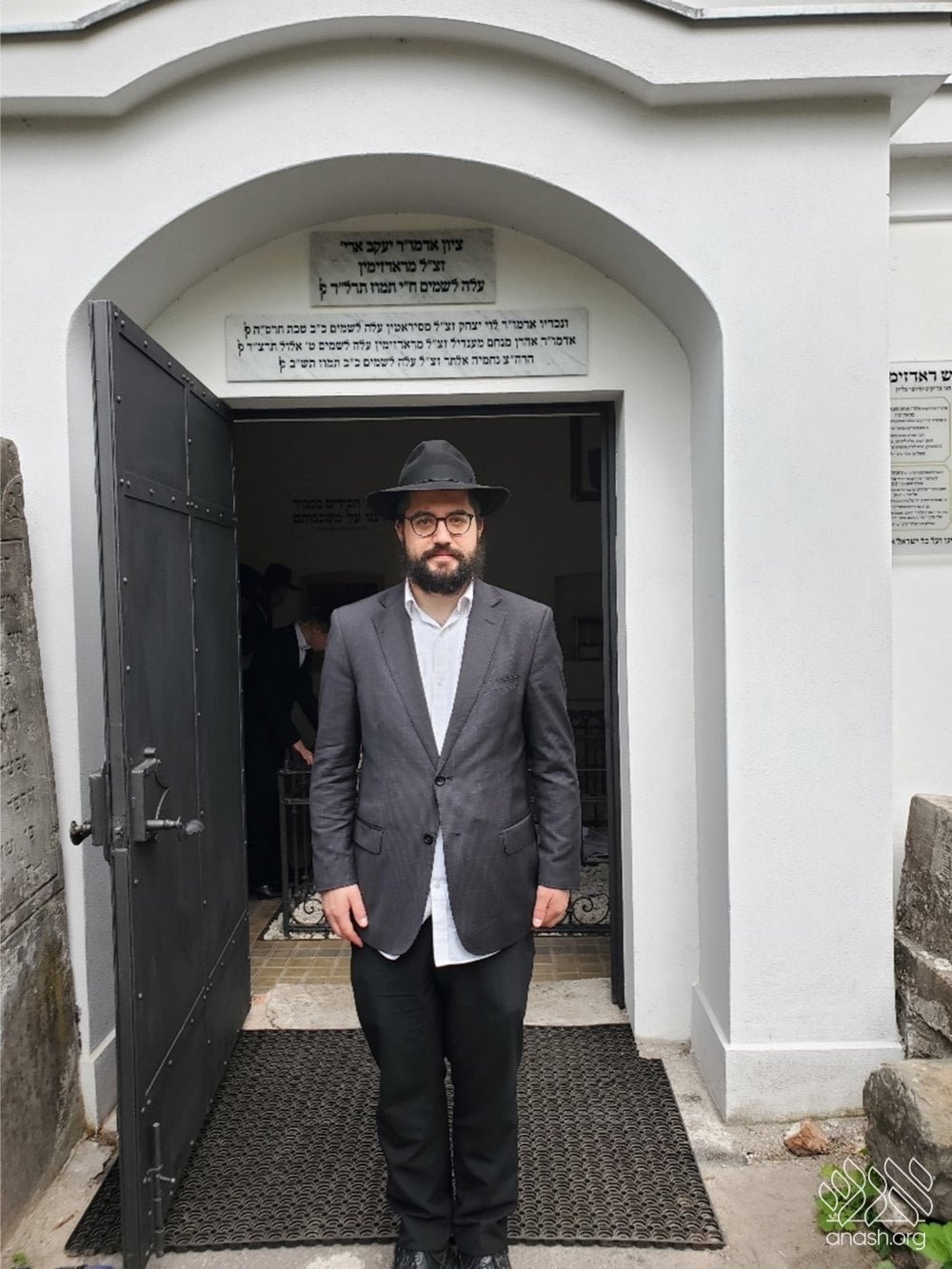
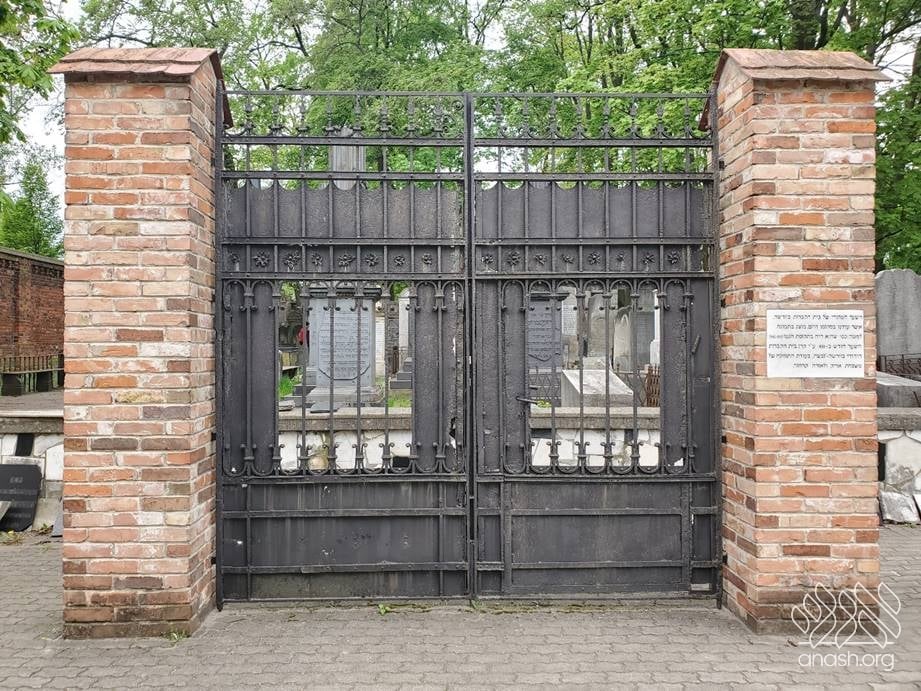
“Everything needs mazel, even a sefer Torah in the heichal (aron kodesh)” (Zohar 3:134a, see the linked pages for details). Harav Levi Yitzchak had double mazel with his histalkus: since he passed away in Warsaw and not in his shtetl of Sirotin, his kever survives until today. And since the current Gerrer Rebbe, Harav Yaakov Aryeh Alter, is a descendant and namesake of Harav Yaakov Aryeh of Radzimin, the Radziminer ohel is well maintained and visited.
It should be noted that while some sources record Harav Levi Yitzchak’s yartzeit as 23 Teves (following Toldos Mishpachas Harav Miliadi, p. 83), the correct date is in fact 22 Teves, as stated on the matzeivah.
Today, on Harav Levi Yitzchak’s 121st yartzeit, we present two intimate descriptions of him.
Sage Advice
Our first description of Harav Levi Yitzchak is firsthand, written by Menachem Mendel Freiden. Freidin was born in 5639 to a family who were chasidim of the Chabad Rebbes of Liadi. He learned in yeshivos in his youth, but, influenced by the times, he became more modern. However, he remained a committed Jew and was shomer Torah umitzvos. He moved to America in 5665, and then to Eretz Yisrael in 5681, where he lived until his passing in 5724.
Freiden wrote a memoir of his life in Hebrew, and the book was published in English translation with commentary and footnotes by his grandson, Lee Shai Weissbach, a professor of history. We don’t have the author’s original Hebrew, and it is evident that the translator didn’t always grasp the Jewish and chasidishe nuance of the text, but the memoir, published under the title A Jewish Life on Three Continents, is a fascinating read.
When he was 19-20 years old, in 5658-5659, Mendel Freiden had to contend with the problem of the draft to the Russian army. His father, R. Avraham, sent him to the Sirotshiner Rebbe for a brachah and advice on how to evade the physical and spiritual danger of Russian military service. Freidin gives us an intimate description of the Sirotshiner Rebbe and offers his naturalistic perspective on his sage advice (A Jewish Life on Three Continents, pp. 192-194):
Now, because Father was a Hasid, as were others in the family as well, they decided that we should go to a rebbe, who would provide a blessing and some advice. It was decided that, even though Father was a Lyady Hasid, I should go to the rebbe of Sirutzina, who was closer to our town. . . .
And so I traveled to Sirutzina, also a substantial distance. In those days, Hasidim used to bring every difficult matter requiring a serious decision to their rebbe. They believed in the saintliness of the rebbe and in his ability to render proper advice. And indeed the rebbe could give good advice because, on the basis of their connections with thousands of Hasidim throughout the Jewish Diaspora, they became expert in many matters and it was not difficult for them to offer sound advice on almost any subject. Furthermore, the deep faith in the rebbe and in his advice had a psychological effect on the Hasid and he did everything he could to follow through on the advice, usually succeeding. Reports of these successes were passed by word of mouth and spread throughout the Hasidic community, which drew even more Hasidim to come to the rebbe for advice. And so the rebbe gained more and more information, and his sound advice was based on the multifaceted experience he acquired through his Hasidim.
An emissary of the rebbe of Sirutzina used to come to our town with two purposes in mind: to recruit Hasidim, specifically for this rebbe, and also to collect contributions from all the local Hasidim, for, according to Hasidic principles, they were not exempt from supporting another rebbe even if they were the adherents of a different sect. And like all the emissaries, he too would stay at our house when he came to our town.
I arrived in Sirutzina early in the morning and the wagon driver took me to the emissary’s house. The emissary had many children and when I came into his home so early in the day, only he and his wife were awake, but the house was full of sleeping youngsters, some in beds and others on straw mattresses on the floor. I had to step over the heads of boys and girls in order to get to where the emissary was seated in an empty corner. He offered me some tea and then took me immediately to the “court,” as they called the rebbe’s home.
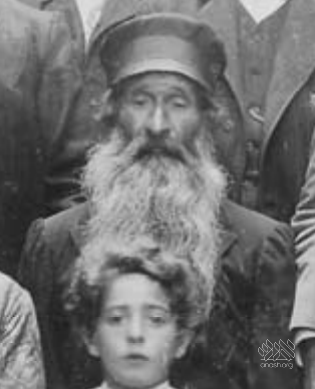
I prayed a portion of the shacharit service in the rebbe’s small synagogue and when the service was over, the rebbe’s sexton prepared a slip for me, since there was no disturbing the rebbe with a private conversation without first indicating in a note what was being asked of him. The sexton took me into the rebbe’s room with the note in my hand. The rebbe was seated in a chair next to a table opposite the entrance to the room. On his head was a fur-trimmed hat and he was bedecked in tallit and tefillin. He looked at me with his deep, bright eyes, reflecting great wisdom. His face was round and white. A thick medium-size beard adorned his face and his entire appearance radiated a holy splendor.
The rebbe does not offer a handshake; it is the practice among Hasidim not to shake the hallowed hand of the rabbi. I was very much affected by what I witnessed and I betrayed my feelings with quiet sobbing. The rebbe asked me something—I don’t remember what—read my note, and looked at me again. I overcame my nervousness, put 3 rubles on the table, and the rebbe said: “You will get the document from ______ and he lives in Dvinsk. Ask for him at the inn. Go in peace.” The whole business, which cost me several days of travel and much expense, was straightforward and completed in about ten minutes. I did not remember the name I was given, or perhaps did not hear it well, and the sexton wrote it down for me, together with the name of the inn. On the same day, I started for home, fully convinced that my problem had been solved. On the basis of his many contacts, the rebbe knew where to get a certificate, and even in a place somewhere not far from us. This was not a miracle; it was nothing out of the ordinary, only some good advice based on the wide experience and the wealth of information that he acquired from his many Hasidim.
When I returned home and told Father the details, he straightaway left for Dvinsk, which he knew very well. He immediately found the Jew and the man took it upon himself to produce the required item. The price was 50 rubles. Father paid the money and returned home. We waited a month, two months, and we heard nothing. We contacted the Jew and he informed us that I had to go to the well-known town of Dusiat where this matter would be handled. He had given my particulars to a local man who was his partner in acquiring documents such as these.
I remained in that place for two weeks and didn’t leave until I was told that my papers had been sent to our district capital and that I was to wait until I was again called before the district military board in order to clarify the matter. In time, I received the summons, went, appeared, and was released on the strength of the document that attested to my being twenty-one years old and on the strength of the law which permitted me an exemption based upon my brother’s military service. And so I was free.
***
The Miracle Baby
A second account of the Sirotshiner Rebbe appeared in the Riga Yiddish-language Haynt newspaper, 21 Av, 5696 (August 9, 1936). The writer signs simply as א. ל-ף and doesn’t tell us the source of his information. However, the description is quite detailed and appears to be accurate.
Notably, this article informs us that the Sirotshiner Rebbe was particularly renowned for his mofsim, a characteristic perhaps influenced by his Poilishe chasidishe background. Here is the complete article, in English translation:
The Dispute Between the Riga Obstetrician, Dr. Hoch Senior, and the Sirotiner Guter Yid R. Levi Yitzchak Guterman Regarding a Difficult Birth
You will find many chasidim in Riga who can recount this story we present here today for our readers. After all, this event took place barely 25 years ago.
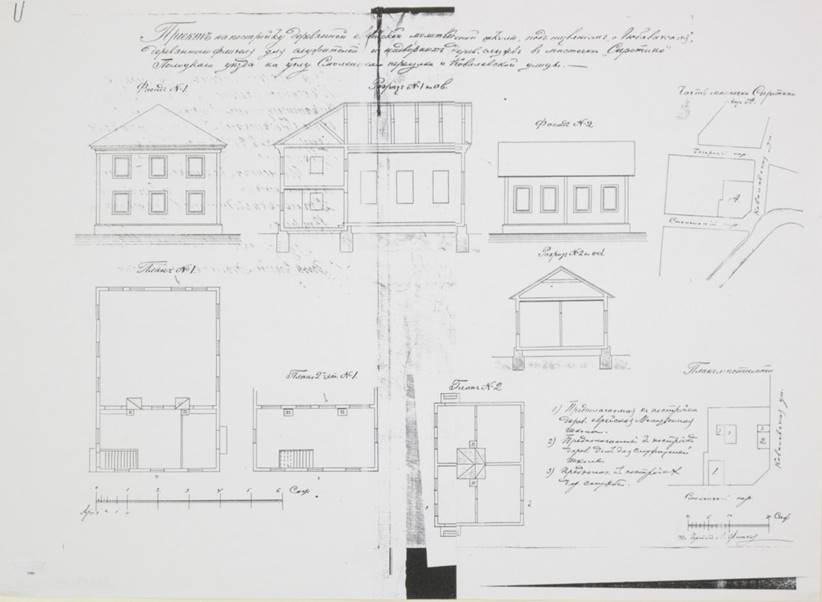
The Sirotiner guter Yid, R. Levi Yitzchak Gutman, a son-in-law of the Liadier Rebbe, was known throughout all of Russia as a great baal-mofes (miracle worker). From all over the world, people would turn to him for advice, berachos, and the like. It happened many times that before they were even able to enter the Rebbe’s and pour out everything that was on their hearts, he would already offer advice and berachah and tell them to go home. And just as the Rebbe had said, it came to pass. Not only chasidim relate this, but even complete misnagdim.
The Sirotiner appeared truly angelic, with a special grace and majestic appearance. He wore a silk kapote, white stockings, and light morning slippers. Looking at his patriarchal face with the long silver-white beard, one could see a deep inner contemplation, constantly absorbed in the higher spiritual realms and completely detached from the world.
It happened often that a distressed individual was not satisfied with the Rebbe’s response and would begin to ask again, trying to explain the particulars of their situation to the Rebbe. Irritated, the Rebbe would repeat his earlier words and tell them to go home, assuring them that everything would be fine.
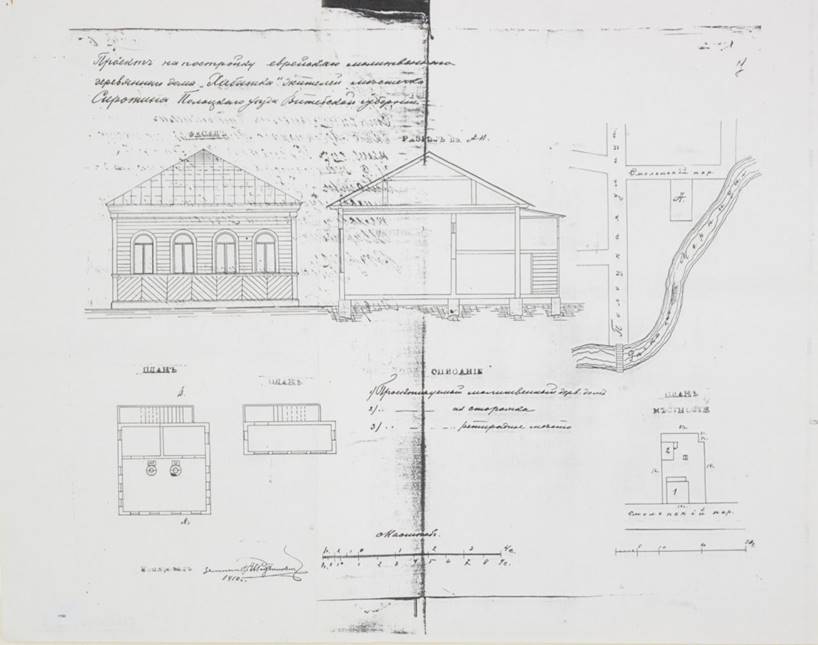
Indeed, the Sirotiner guter Yid’s home was always full of people. People who needed to make a business deal would come to seek the Rebbe’s advice; people who needed to report for the draft would come for a berachah, and so on.
An incident once occurred in Sirotin that further elevated the Rebbe’s fame and saintly reputation throughout the entire region, and in our city of Riga as well. This is what happened:
The Sirotiner Rebbe’s major gvir, a well-known Russian timber merchant named Orshansky, had a daughter who was in labor but could not give birth. Of course, the greatest doctors were called, but none of them could help the woman. A professor was brought in from Vitebsk, and recognizing that this birth was very complicated, he didn’t want to rely on his own judgment. He recommended that the woman’s case be referred to the doctor from Riga, Dr. Hoch (the late father of the current Dr. Hoch), whom the professor regarded as a great specialist in this field.
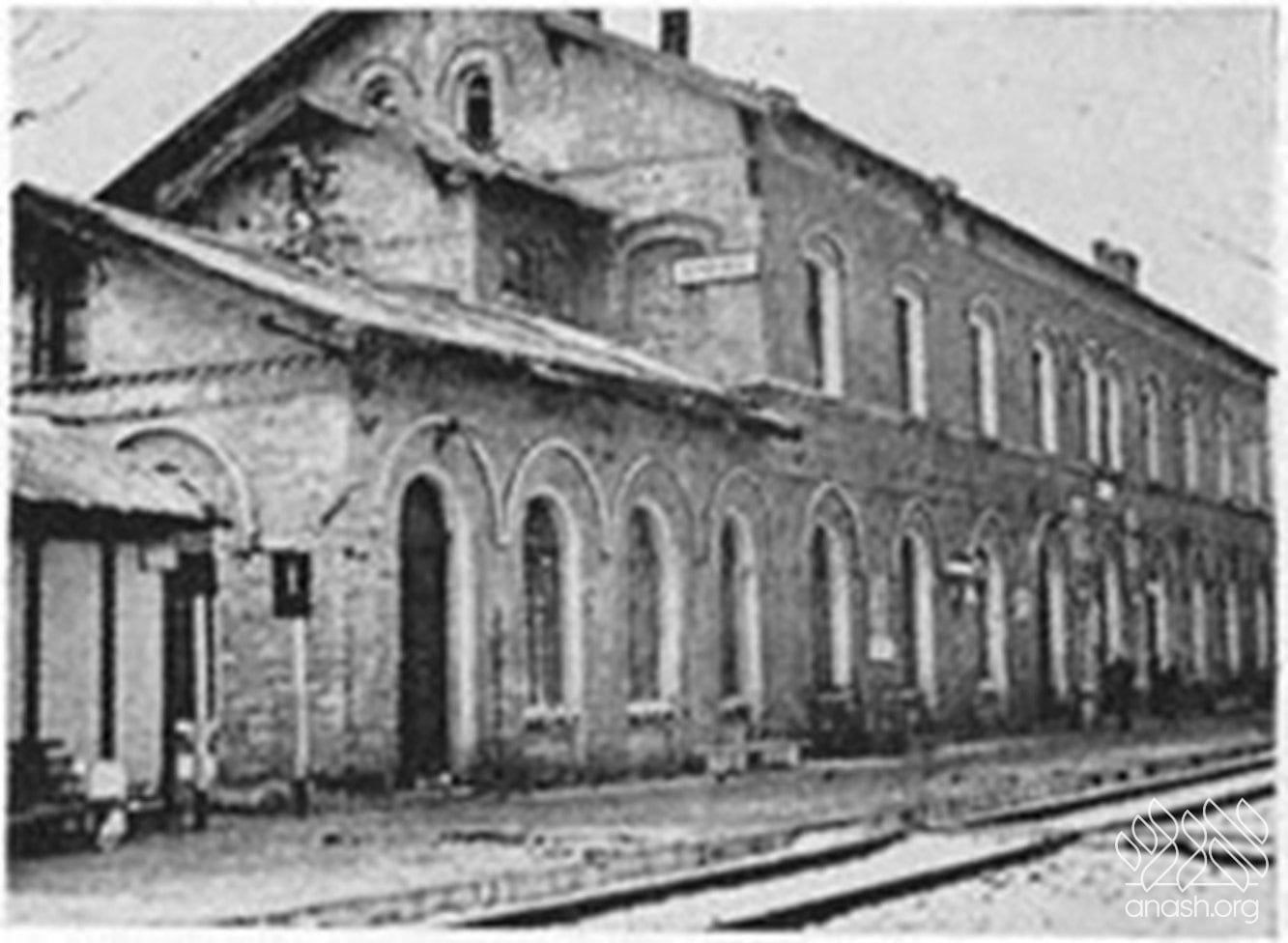
A telegram was immediately sent to Riga to Dr. Hoch, and he traveled to Sirotin.
After some deliberation, the doctors concluded that there was no other option but to deliver the child by Caesarean section.
When the doctors communicated their decision to the woman’s family, her father, Mr. Orshansky, said that he would first go and consult the Rebbe.
At first, the doctors couldn’t understand what the Rebbe could possibly understand about such matters. They started to ask what kind of person the Rebbe is, etc.
The doctors became even more bewildered and quite upset when they heard Mr. Orshansky’s response. He said that the Rebbe had instructed them not to perform the surgery, adding that when the child would be born naturally when the right time comes.
Despite the doctors’ strong agitation, they were curious about the whole matter. They asked to be taken to the Rebbe, hoping to see who this person was and to discuss the matter directly with him.
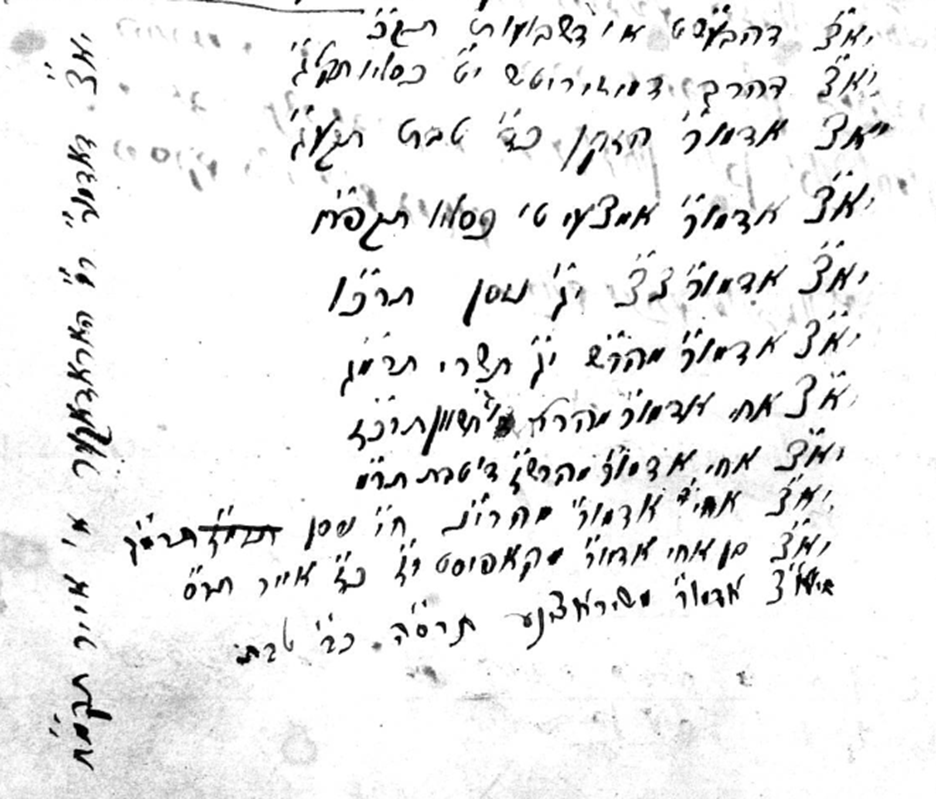
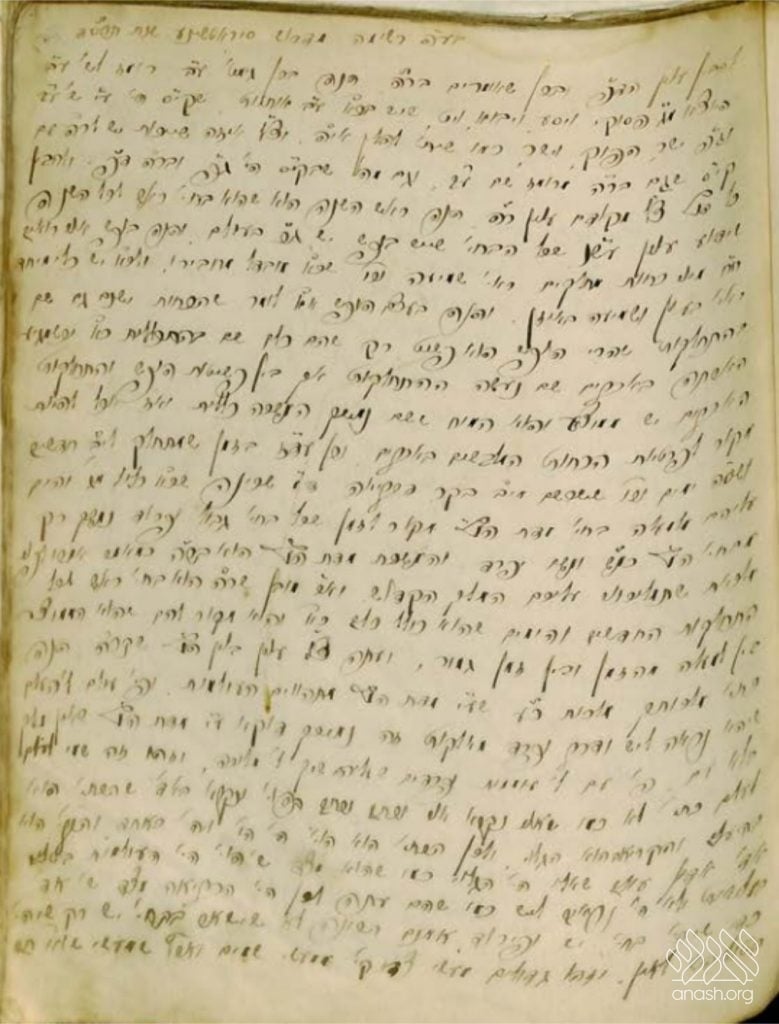
From a manuscript belonging to Agudash Chassidei Chabad, currently held in The Russian State Library, Fond 182, no. 28.
When the doctors entered the Rebbe’s home and saw him, they were struck by his appearance. They were filled with respect and awe and began speaking with him.
The Riga doctor asked the Rebbe which university he had studied at, and why he maintained that Orshansky’s daughter should not be operated on.
The Sirotiner responded that he had never studied at any university. He pointed to the shelf of seforim and explained that he had learned all branches of wisdom from these holy books.
He continued and said that the birth would proceed naturally and that there was no need for surgery. The reason the woman was unable to give birth yet was that the proper time had not yet arrived. Our holy seforim teach that a woman cannot give birth before the proper time has come.
The doctors listened to the Rebbe’s explanation, and then bid him farewell and left his residence.
On their way, the doctors and Mr. Orshansky were met by a messenger rushing from the house where the woman had been in labor, and he told them the good news that a baby boy had been born.
The doctors later confirmed that the birth had been completely normal, with no complications.
Before leaving, the doctors asked Mr. Orshansky to convey heartfelt regards to the Rebbe on their behalf and to express their deep appreciation.
Many older Riga Jewish women relate that when they would come to Dr. Hoch senior with fertility problems, he would send them to the Sirotiner.
***
To view all installments of From the Margins of Chabad History, click here.
For additional exclusive content, follow the column on X: x.com/ChabadMargins
 COMMENTS


Thank you for posting this “margins”, they are very interesting.