




י״א מרחשון ה׳תשפ״ו | November 1, 2025
The Chabad Mashpia Who Challenged Lord Balfour
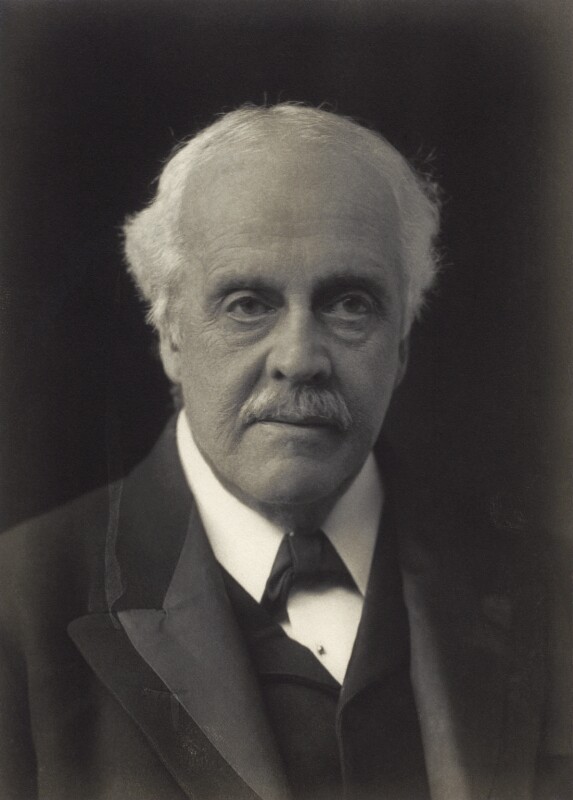
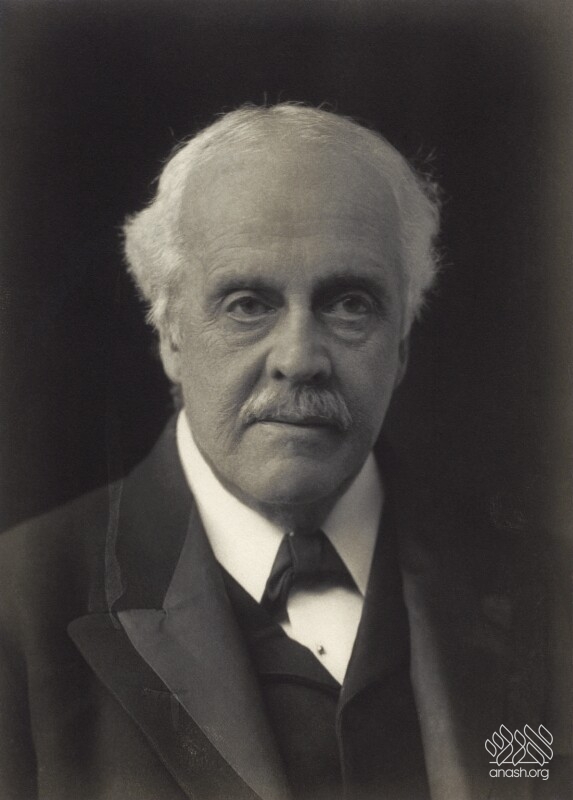
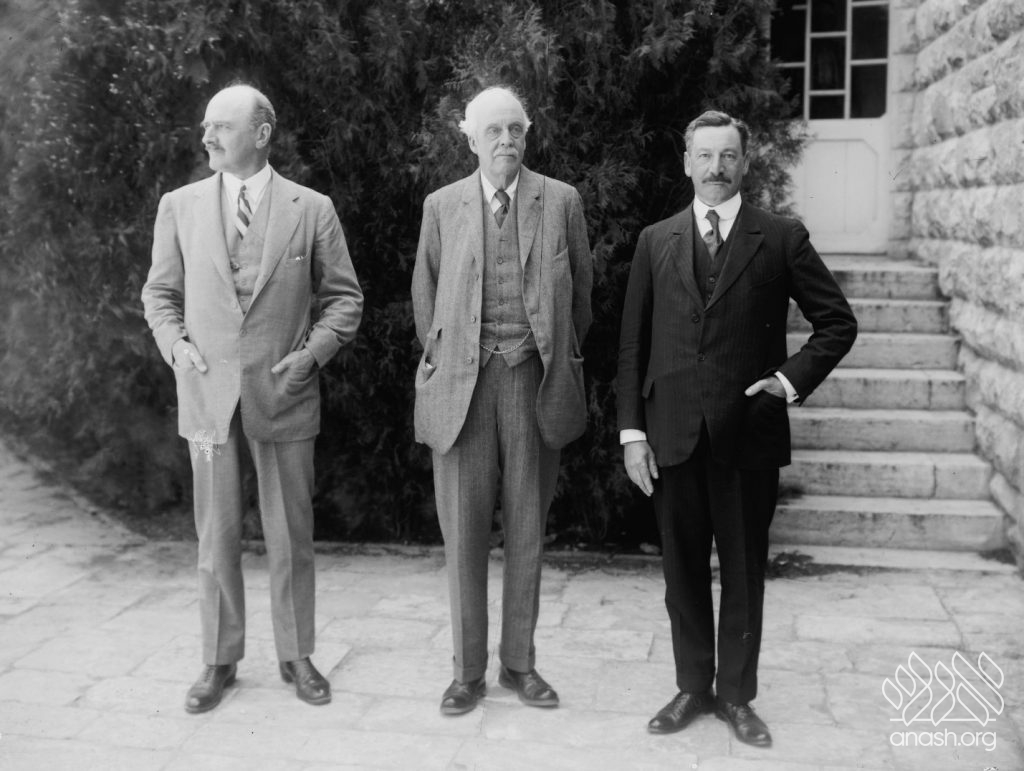
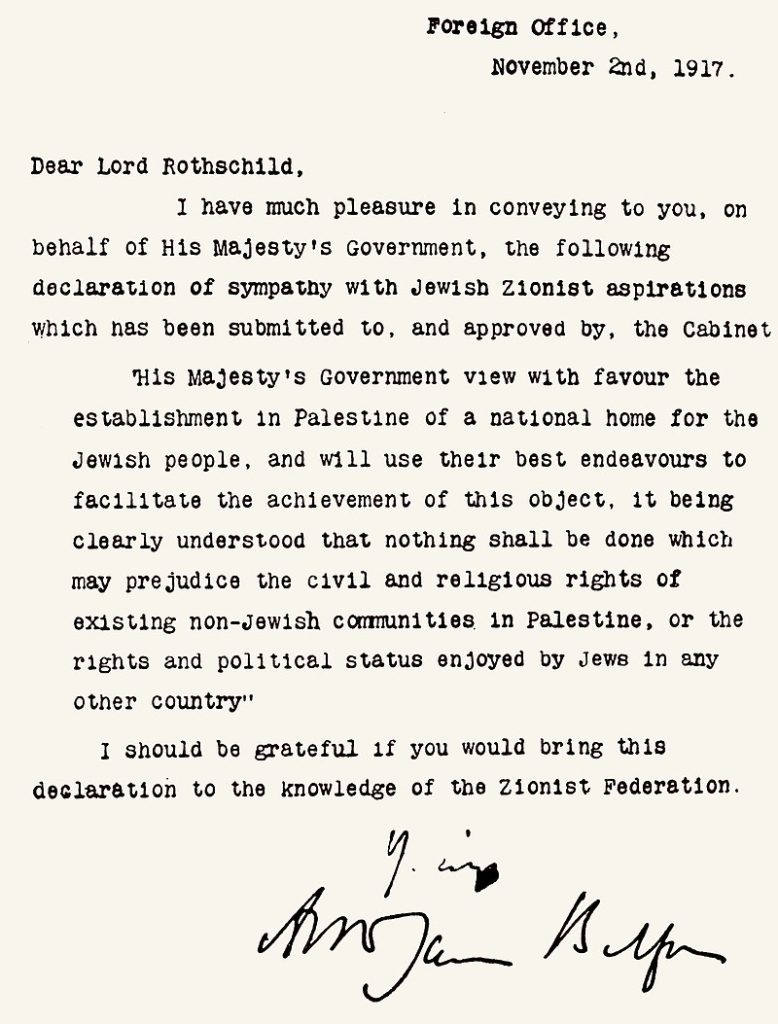
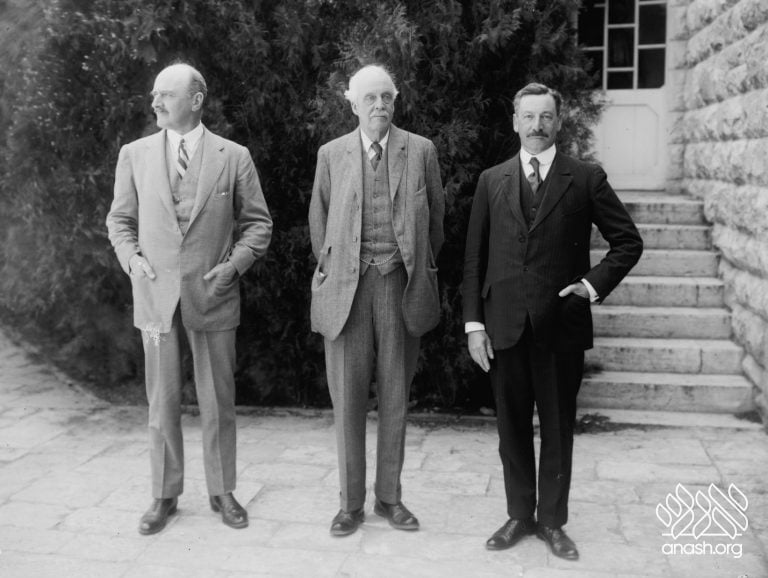
108 years ago, on November 2, 1917, British Foreign Secretary Arthur Balfour issued a declaration of support for the “establishment in Palestine of a national home for the Jewish people.” Many Jews rejoiced, seeing this as a salvation from antisemitic persecution. But the Chabad Rebbeim and chasidim saw things differently.
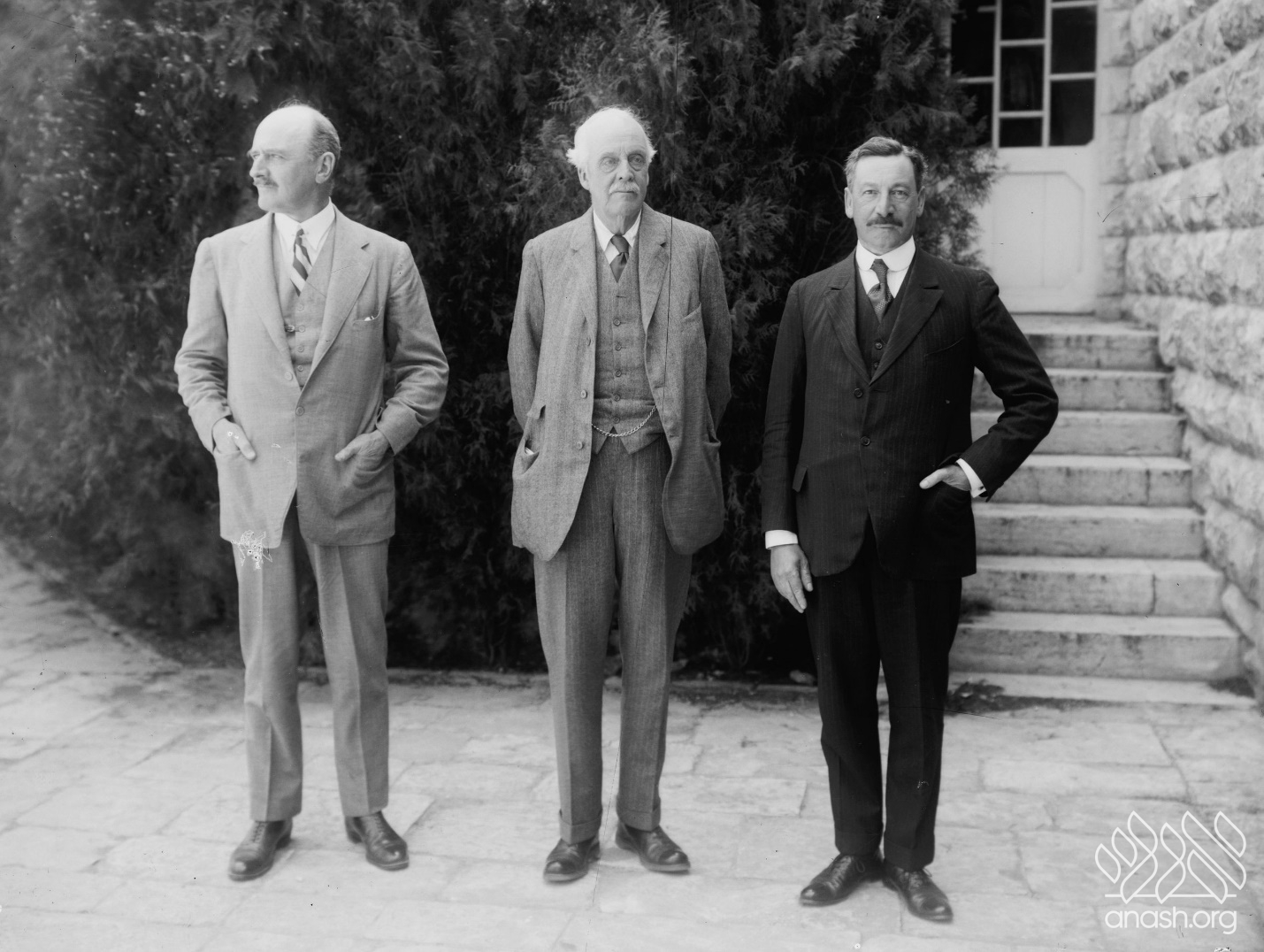
The Balfour Declaration and the Rebbeim’s Response
The Balfour Declaration was a public statement issued by the British government on November 2, 1917, during World War I, announcing support for the “establishment in Palestine of a national home for the Jewish people.” The declaration was conveyed in a 67-word letter from British Foreign Secretary Arthur Balfour to Lord Rothschild, a leader of the British Jewish community.
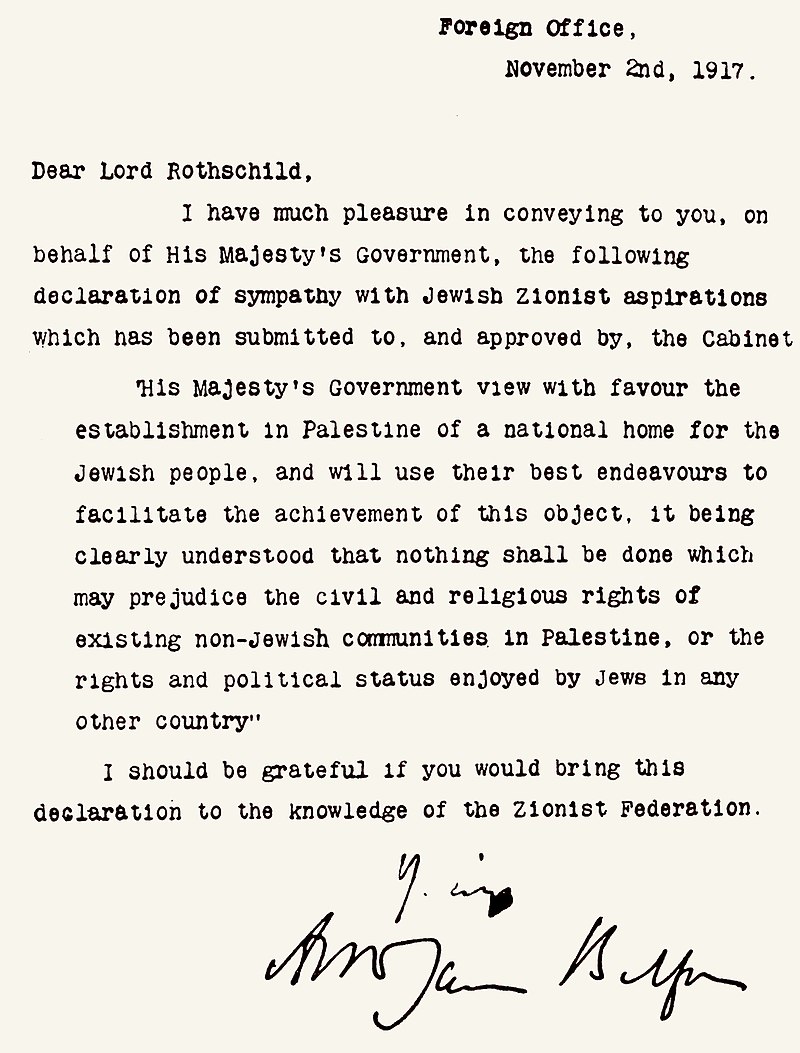
As the first public statement of support for Zionism by a major political power, the Balfour Declaration galvanized the Zionist Movement. Many Jews in Eastern Europe celebrated the news, seeing the promised establishment of a Jewish state in Eretz Yisrael as a salvation from the pogroms and persecution they were subjected to.
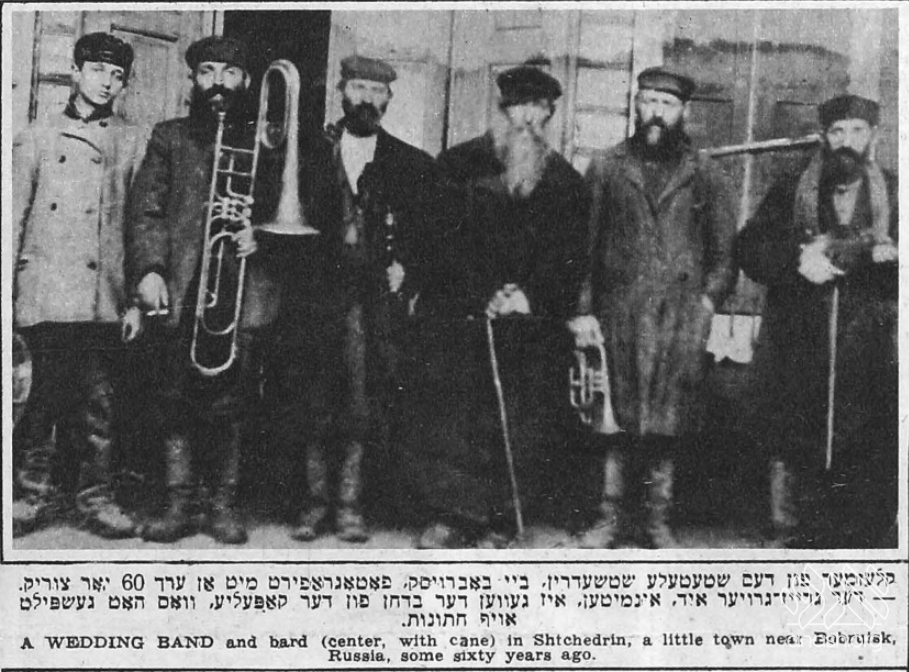
Yisrael Gutin (5663-5746), then a student in Yeshivas Tomchei Temimim in Schedrin, describes the reaction of the local Jews when the news reached them several months later (Kur Oni, available here):
In the summer of 1918, word of the Balfour Declaration reached Schedrin. The town erupted with excitement; people saw in it the very footsteps of Mashiach. Rumor had it that anyone who came to Eretz Yisrael would receive a plot of land. Everyone was ready to drop everything and go to Eretz Yisrael—only, how was it to be done?
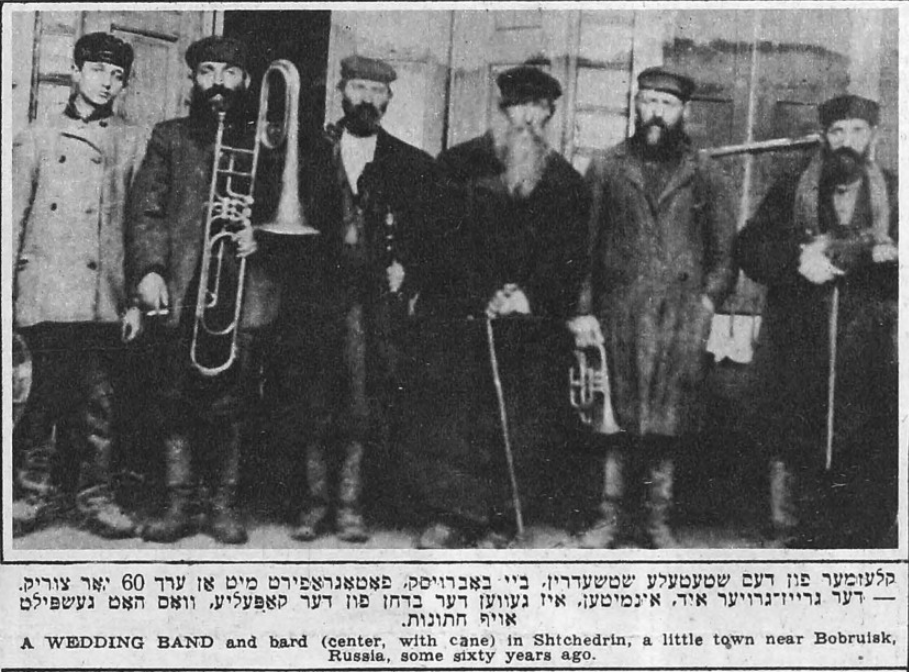
Schedrin was a farming town established by the Tzemach Tzedek and populated by Lubavitcher chasidim. However, by this period, most of the simple residents were not actively connected to Chasidus and the Rebbeim. As longstanding opponents of the Zionist movement, the Lubavitcher Rebbeim and their committed chasidim saw things differently.
The Rebbe Rashab didn’t react to the Balfour Declaration in a public or official way. However, R. Yehudah Chitrik reports a comment the Rebbe Rashab made in a private conversation (Reshimos Devarim, p. 180):
In 5678 the newspapers reported about the Balfour Declaration, which was also adopted by the League of Nations in Geneva, Switzerland, that the Jews would be given a place to establish a state in Eretz Yisrael, and that, for the time being, a mandate would be given to England to prepare the place for implementing this.
These reports were read to the Rebbe Rashab, and he said: “They are preparing, G-d forbid, new pogroms against the Jewish people.”
(I believe I heard this from R. Shmuel Katzman, but I’m not certain.)
As recorded here, the meaning of this comment isn’t entirely clear: Who is preparing pogroms against the Jewish people? What does the Balfour Declaration have to do with this?
One option is to read this as a criticism of the British. The Rebbe Rashab, in effect, is saying that people shouldn’t trust the English generosity; they will treat us just as badly as everyone else. Another possible interpretation is that the Rebbe Rashab was expressing concern about the local Arabs attacking the Jews in revenge for the declaration. However, it doesn’t seem that the Rebbe Rashab ever paid any consideration to the Arab response in his writings against Zionism.
Perhaps the most likely interpretation is that the Rebbe Rashab was responding to the popular Jewish sentiment on the street. As we have seen, many saw the creation of a Jewish homeland in Eretz Yisrael as a form of redemption from centuries of persecution and oppression. Rather than putting an end to antisemitism and pogroms, the Rebbe Rashab is saying, a Jewish state in Eretz Yisrael will just cause hatred and persecution of the Jews to take a new form. If this was the prediction, history has certainly proven it accurate.
(When mentioning the Balfour Declaration, R. Chitrik also refers to its endorsement at the San Remo Conference and the League of Nations mandate, events that occurred after the histalkus of the Rebbe Rashab. However, this detail does not affect the core of his story.)
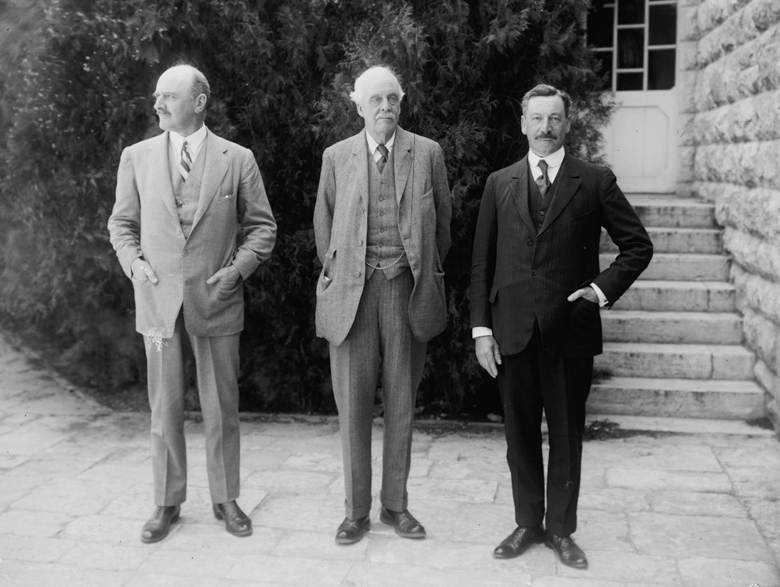
Many frum Jewish leaders also saw the Balfour Declaration as a watershed moment. Following the declaration, Agudas Yisrael and its Moetzes Gedolei Hatorah adopted a more positive attitude toward the mass settlement of Jews in Eretz Yisrael. The traditional frum model of yishuv haaretz was spiritual, where individuals moved to Eretz Yisrael to devote themselves full-time to davening and learning, supported by tzedakah from Jewish communities around the world. Now, as the British began allowing Jews to immigrate more freely, these rebbes and rabbonim began to support mass immigration of working Jews and the establishment of factories in Eretz Yisrael to provide parnasah for them.
In his lengthy 5682 (Teves-Adar) letter to the Gerrer Rebbe published in Tikum Olam (Munkatch, 5696; pp. 42-55), the Frierdiker Rebbe sharply rejects this approach, arguing forcefully that the Balfour Declaration hasn’t changed anything. For more on this theme from the Frierdiker Rebbe, see also Igros Kodesh, vol. 10, p. 421-422.
In our generation, the Rebbe also referenced the Balfour Declaration a number of times, in a different context. The Rebbe rejected the hasbarah approach taken by many in the Jewish community of basing the Jewish claim to Eretz Yisrael on the argument of international agreements and law. Rather, the Rebbe said, we must proclaim that Eretz Yisrael belongs to the Jewish people because Hashem gave it to us in his Torah. This, the Rebbe taught, is the only argument that the world will eventually accept.
In this context, the Rebbe often mentioned the Balfour Declaration—usually referring to it as “the paper of a non-Jew from London”—as one of the pillars of the misguided approach. One example of this is found in the sichah of 3 Sivan 5737 (Sichos Kodesh 5737:2, p. 41):
The Jewish people must stand firm and proclaim that our ownership over Eretz Yisrael is not a matter of our own making. It has nothing to do with the fact that fifty or so years ago there was a non-Jew in London who signed a particular paper, and this paper should be interpreted in this way or that way. Rather, we must declare that we received Eretz Yisrael from Moshe Rabeinu, who taught in Toras Emes that from the time of Yehoshua’s conquest, the land belonging to the seven nations belongs to the Jewish people. . . .
The result of this will be “I will grant peace in the land”—a true peace. For when we deceive the nations and don’t tell them the truth, they sense that we aren’t saying what we really think. As a result, they too do not say what they think, and then act in the exact opposite way, and the outcome is the opposite of peace.
***
R. Alter Simchovitch’s Reaction to the Balfour Declaration
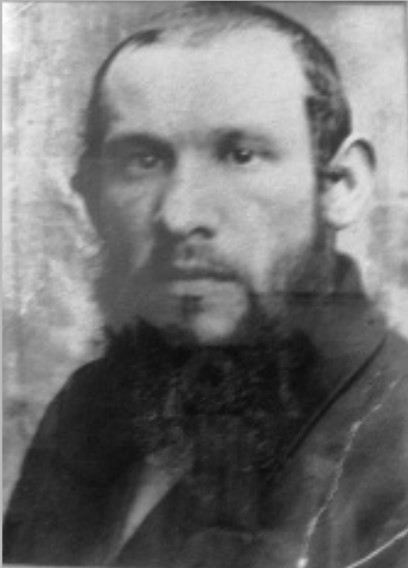
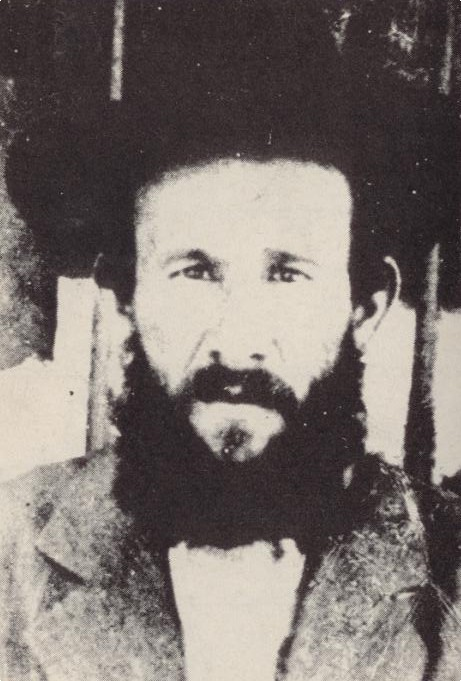
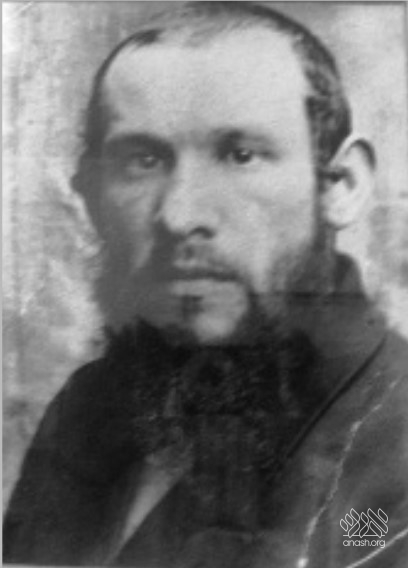
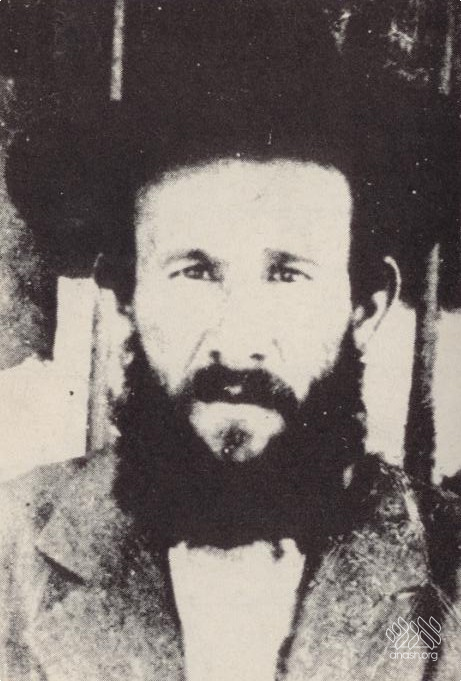
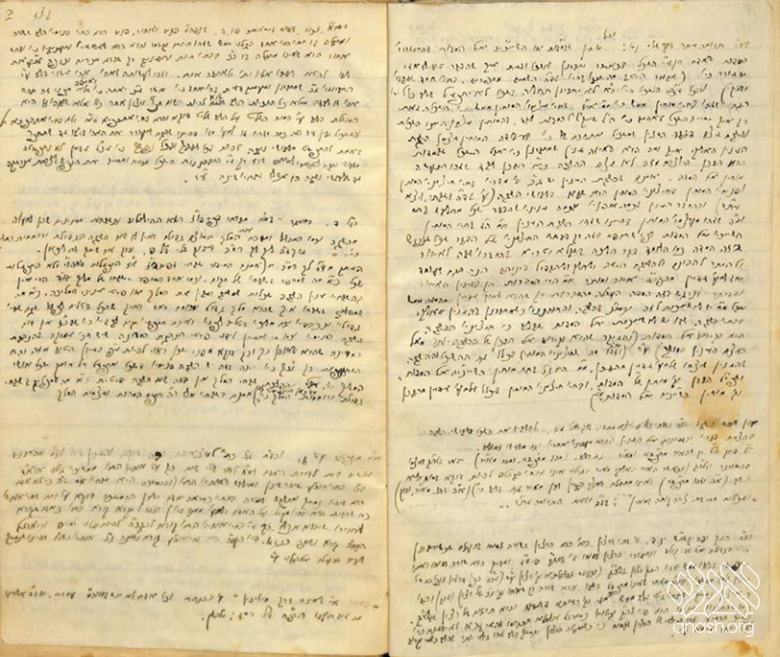
Another interesting and surprising record of a Chabad reaction to the Balfour Declaration comes from a newspaper article about the legendary Chabad mashpia in Yerushalayim, R. Alter Simchovitch.
Writing two months after R. Alter’s untimely passing, his talmid R. Shimon Glitzenshtein presents a biographical sketch of R. Alter’s life and describes his remarkable personality. R. Glitzenshtein, the secretary of Yeshivas Toras Emes, and was a prominent Chabad askan and writer in Eretz Yisrael. One of the interesting anecdotes he relates about R. Alter concerns his reaction to the Balfour Declaration and the related discussions that followed it.
We will quote (in translation) the article from the Israeli secular right-wing Haboker newspaper of 5 Sivan 5699 (May 23, 1939) in full. We will then add additional articles and information about R. Alter.
A Remarkable Personality Who Has Passed
After the passing of the chasid R. Alter Simchovitch, of blessed memory, menahel ruchani of Yeshivas Toras Emes of Chabad in Yerushalayim.
R. Alter Simchovitch, who passed away on 7 Nissan of this year, was a remarkable, one-of-a-kind individual—a exceptional multifaceted personality among Chabad chasidim of this generation.
He was a distinguished talmid chacham, a master of Chabad Chasidus and outstanding in its Haskalah—sharp, profound, and with broad knowledge. He had a swift mind, absorbing the treasures of chasidishe scholarship with ease and teaching them effectively. Some of those treasures he shared generously with anyone who wished to receive, and others he cultivated in spiritual corners within the Chabad world.
He was born forty-seven years ago in the town of Pochep (Chernigov province) to a family of distinguished yichus, descending from the Vilna Gaon. From early childhood he showed exceptional gifts. He learned under the gaon and chasid R. Hershel Nota Gnessin, of blessed memory, who was renowned both as an eminent lamdan and a learned chasid. When he reached the age of sixteen, R. Hershel Nota recommended him to the hanhalah of Yeshivas Tomchei Temimim in Lubavitch for admission.
Yeshivas Tomchei Temimim—founded by the famed Rebbe, R. Sholom Dov Ber of Lubavitch, of blessed memory—earned renown throughout Russia as a prominent institution of Torah and Chasidus. Its students were outstanding: great in nigleh and steeped in the study of Chasidus and the avodah of the heart, davening.
Young Alter Simchovitch stepped into this palace of Torah and immediately drew the attention of the Roshei Yeshivah and mashpiim. Before long, he earned a sterling reputation.
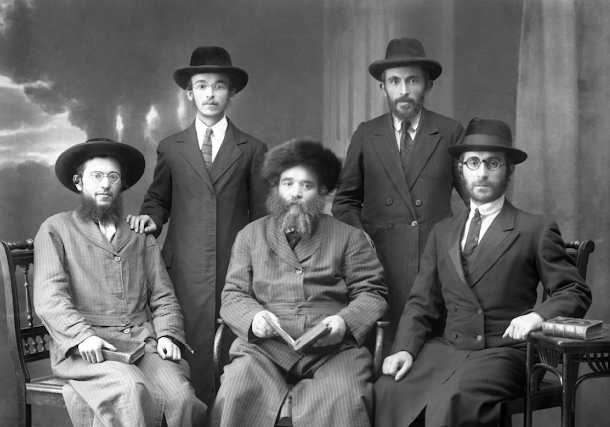
After a period in Lubavitch, the hanhalah of the central yeshivah chose him to travel to Chevron to study at Yeshivas Toras Emes, which the Rebbe, of blessed memory, founded in 5672 as a branch of the Lubavitch yeshivah. In 5673, he returned to Lubavitch and was appointed a mashpia. During the war, when the yeshivah went into exile together with its founder, the Rebbe—first to Rostov-on-Don, and later to Kremenchug—he served as its menahel ruchani and devoted mechanech.
After the Bolshevik revolution, the Rebbe sent R. Alter to Warsaw to establish a yeshivah in the mold of Tomchei Temimim of Lubavitch. At that time, it was nearly impossible to leave Soviet territory. The dangers on the roads and lack of regular transport forced R. Alter to travel for a long time on a freight train during the harsh winter cold. He contracted pulmonary tuberculosis as a result, and suffered terribly from this illness for sixteen years, until it finally overcame him.
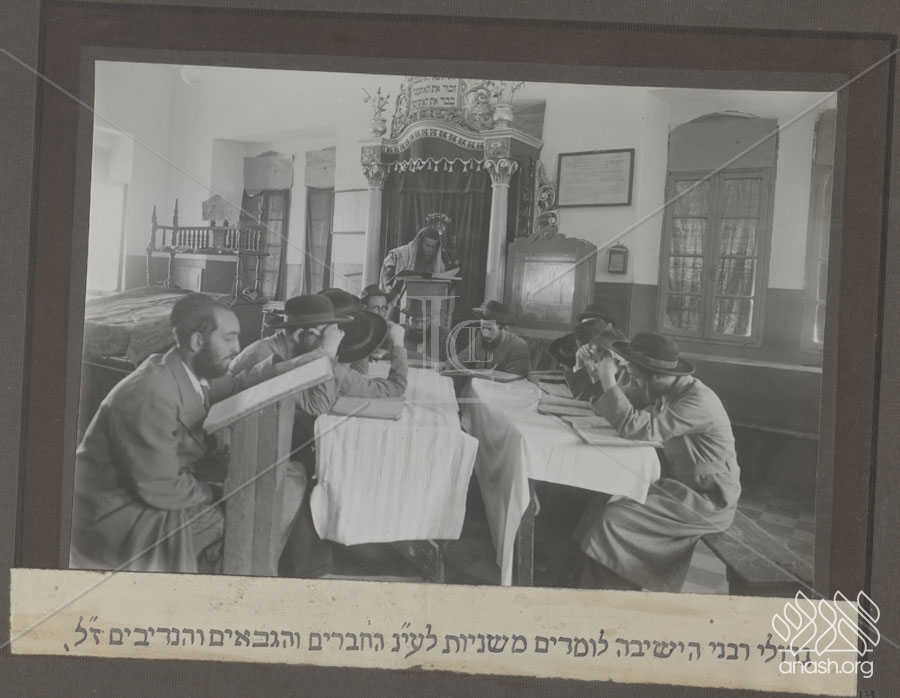
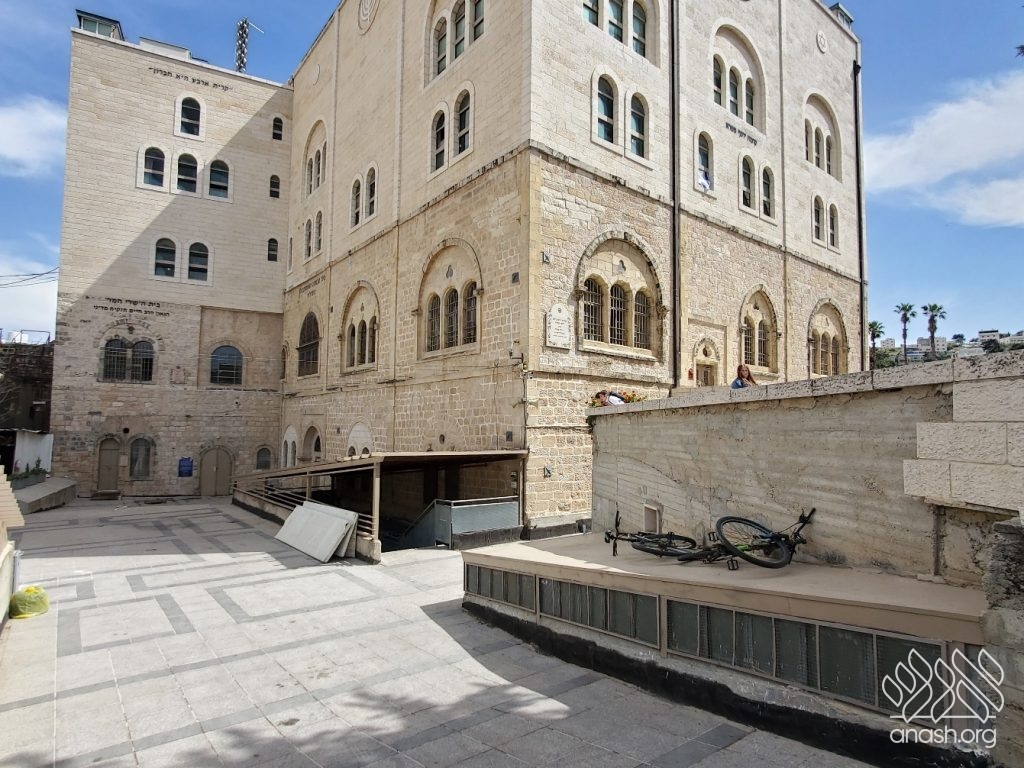
In 5684, he returned to Yerushalayim. When his illness eased somewhat, he resumed his educational work as a mashpia at Yeshivas Toras Emes of Chabad in Yerushalayim. After the passing of his father-in-law, the menahel of the yeshivah, the gaon and chasid R. Zalman Havlin, he was appointed by the Rebbe, the yeshivah’s nasi, as its menahel ruchani.
Beyond his educational duties, which he performed diligently and thoroughly, he worked to enrich the field of Chasidus. During the periods when his illness loosened its grip, he would take pen in his weakened hands and write down his pearls of wisdom, the chidushim he developed in Chasidic thought. To his credit, he succeeded in tracing the source of every kernel from which the concepts of Chasidus spring and flow.
Traditionally, we regard the Tanya as the classic work of Chabad Chasidus. Yet until now no one had succeeded in demonstrating, in a clear and reasoned way, how the entire breadth of Chabad literature, with all of its vast and wondrous expanse, is contained within that classical source known as the Tanya—until R. Alter came and revealed this through deep and penetrating study. He was the first among the maskilim of Chabad to develop and cultivate this most valuable field. It is a great shame that this work of his remained unpublished and is not sufficiently organized for publication.
In worldly matters, R. Alter maintained a characteristically Chabad perspective. About two months before his passing, we spoke about the situation of our brethren in the German exile, and he expressed his opinion in these words:
“Our Rebbe, of blessed memory (the Rebbe Rashab), in his chasidishe address at the festive Simchas Torah gathering in the year 5676, spoke about the downfall Germany would soon experience. Among other things, he said: ‘I have a tradition that the Maggid of Mezritch transmitted to the Alter Rebbe certain yichudim for each of the lands of the world—except for Germany. But for that country he gave none, saying that it no longer possesses even a spark of kedushah, and is utterly evil. This is why it tramples arrogantly—with no trace of shame—even the basic standards of morality and derech eretz accepted among civilized humanity. There is no rectification for Germany; it must descend to the lowest depths.’”
When I related to him—at his request—about the negative position the British government had taken in the London Conference regarding the political rights included in the Balfour Declaration, he said:
“Our Rebbeim have already revealed to us the truth about the promises made in political declarations granted to the Jewish People regarding our Holy Land. All these promises that are based on the deception of politics, of chesed leumim chatas (the kindness of the nations is sin), that many of our people have blindly followed and placed their trust in—such promises must ultimately be nullified and erased from our hearts as if they never existed. Then we will place our trust in Hashem alone, returning to our faith in the coming of our Mashiach tzidkeinu, and from this our salvation will soon sprout.”
With the passing of R. Alter Simchovitch, a shining star has fallen from the heavens of Chabad Chasidus. This illustrious community has been orphaned—it has lost its precious gem that cannot be replaced.
Upon his fresh grave falls the warm tear of a loyal friend: May he come in peace and rest in his place.
By S. Glitzenshtein
***
R. Alter’s writings on Tanya were sent to the Frierdiker Rebbe and are held in the Library of Agudas Chasidei Chabad. In 5774, librarian R. Yitzchak Wilhelm edited the unfinished work and published it in a kuntres titled Tziyunim Letanya, also available online in text format.
In this work, R. Alter proved to be a visionary ahead of his time. In the following years, the Rebbe began working on a project titled Tanya Hashalem, one of the elements of which was supposed to be a likut from the Chasidus of all of the rebbeim that pertains to Tanya. The Rebbe later instructed R. Aharon Chitrik to work on such a likut, published in six volumes. In recent weeks, Kehos has published two volumes of Tanya Hashalem which include an expanded likut from Chasidus, following the Rebbe’s original vision.
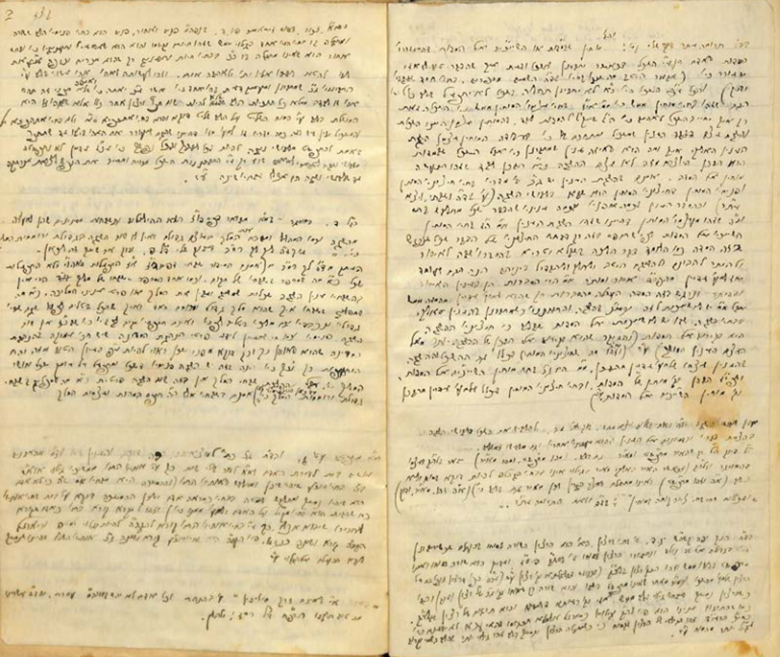
R. Alter also left other writings on Chasidus. Manuscript 1999 in the Library of Agudas Chasidei Chabad contains almost 80 pages of R. Alter’s unpublished notes and references on Likutei Torah.
*
R. Alter—Article #2
Another article appeared in the Israeli press about R. Alter Simchovitch, immediately following his passing. Published in the frum Kol Yisrael newspaper on 10 Nissan 5699 (March 30, 1939), this article is signed “ג-ני”. Based on the content and style, it seems this is a pen name for the same R. Shimon Glitzenshtein, containing letters from his last name.
Harav Hachasid R. Alter Simchovitch ztz”l
This week, the renowned gaon and chasid, R. Alter Simchovitch, passed away. He was born in the town of Pitov [Pochep] to his father, the chasid R. Yitzchak, in the year 5651.
In his youth he traveled to Yeshivas Tomchei Temimim in Lubavitch, where he devoted himself fully to Torah, Chasidus, and avodah. Blessed by Hashem with sublime talents, he stood out among his peers. Everyone who knew him marveled at the brilliance of his mind, his clear and profound comprehension, and his systematic and soundly logical understanding of Chabad Chasidus. In Lubavitch they would say that there are only three who understand Chasidus clearly and thoroughly, and he was one of those three. The Rebbe, R. Sholom Dov Ber, of blessed memory, immediately noticed him and cherished him like the apple of his eye, recognizing that he would one day become a shining beacon who will spread the study of Chasidus.
At a young age he was appointed by the Rebbe to serve as a mashpia ruchni in various towns, including Horodoshitz, Charkov, Kremenchug, and Rostov. In 1922, he was appointed to serve as a mashpia at the large Tomchei Temimim yeshivah in Warsaw.
The deceased was endowed with an extraordinary gift for explanation, and he was able to explain deep maamarei Chasidus even to beginner students. His words were like gems, and he raised hundreds of students who learned Toras Chaim from him.
His noble character traits added splendor and grace to his spiritual image. He had a pure soul and a gentle nature, and every troubled soul found in him a listening ear. He always empathized with the suffering of others and strove with all his might to ease their burdens.
In 5696, after the passing of his father-in-law, the great gaon and chasid R. Zalman Havlin ztz”l, the mashpia and menahel of Yeshivas Toras Emes in Yerushalayim, he was appointed by the Lubavitcher Rebbe to serve as one of the menahalim of the yeshivah. He was also appointed as a general mashpia in Yerushalayim, and was instructed to visit Anash communities throughout Eretz Yisrael.
Fifteen years ago, he fell ill with a severe illness that caused him immense suffering and drained his spirit. Despite his suffering, he remained devoted to his talmidim like a father, and his mind was entirely focused on their well-being—both physical and spiritual. His face radiated kindness, warmth, and generosity to every talmid, and he took a personal interest in everything happening in their lives, both big and small.
A week ago, he suffered a severe attack, and he wrestled with death for three days until his soul departed. He passed away on Monday, 7 Nisan, in the prime of his life, in the middle of his work. “Woe to this beauty that will decompose in the earth” [Berachos 6b].
May his memory and soul be bound up in the eternal life.
***
R. Alter—Article #3
We conclude with a third article about R. Alter by R. Shimon Glitzenshtein. Published over 15 years after R. Alter’s passing in Biton Chabad, issue 8, pp.18-19 (11 Nissan 5715), this article is well-known and has served as the basis for every subsequent biographical sketch of R. Alter. To complete the picture of R. Alter, we present a full translation of this moving piece.
A Distinguished Man of Noble Spirit
A brief outline of the personality of Harav Hachasid R. Alter Simchovitch, of blessed memory, menahel of Yeshivas Toras Emes in Yerushalayim.
I take my pen in my hand to write words of appraisal for a distinguished friend and a remarkable personality. A sense of fear arises in my heart as I wonder if I can truly capture the essence of the subject I wish to address. Yet, I feel it is my duty to honor the memory of this precious and remarkable soul and highlight a few aspects of his exceptional character, whose absence we feel to this day.
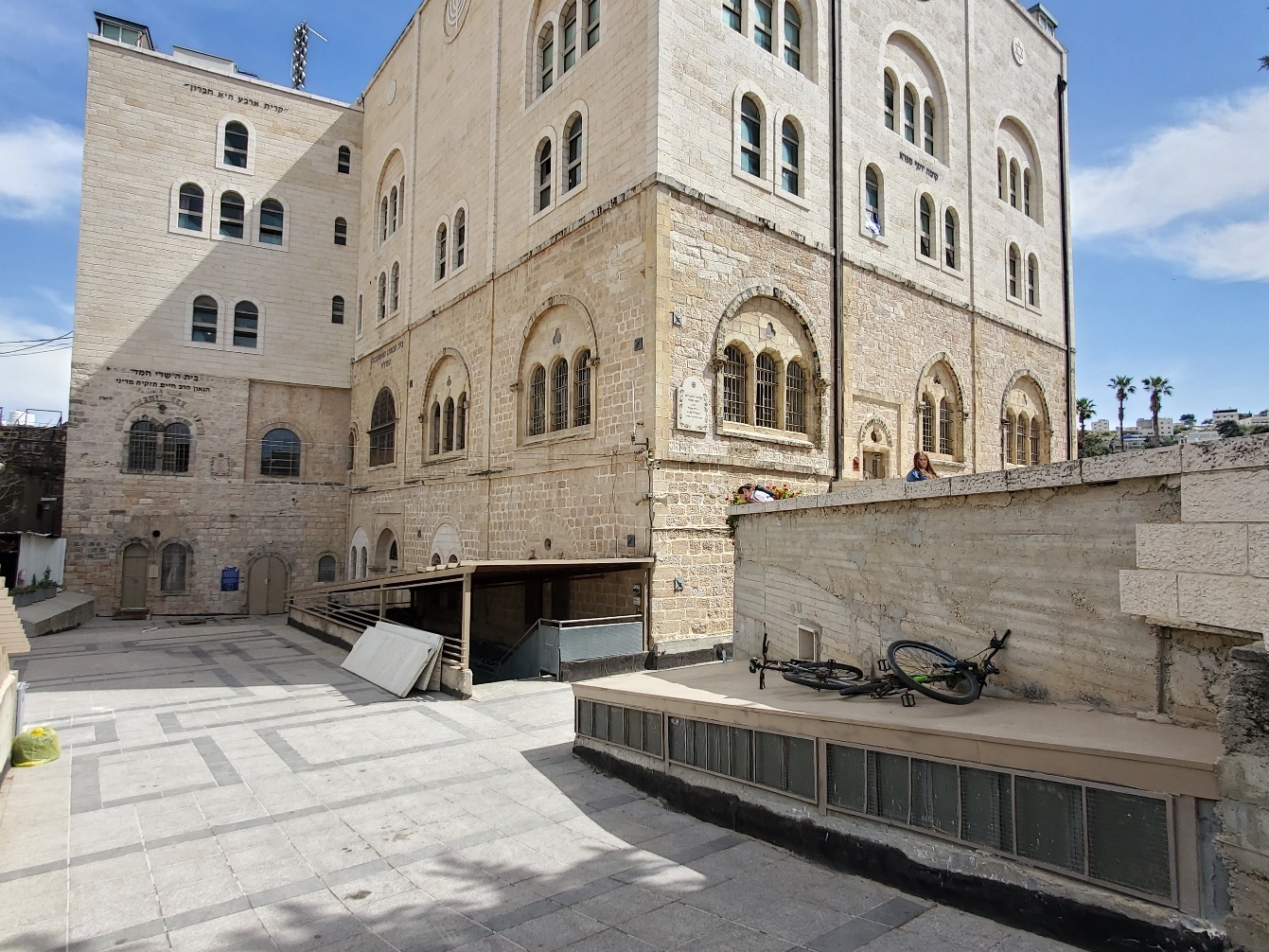
When I entered Yeshivas Toras Emes in its first year of establishment in Chevron, at the conclusion of 5672, I did not find R. Alter Simchovitch there. He was one of the members of the group of temimim who traveled to Chevron at the instruction of the Rebbe Rashab, to establish the yeshivah. The goal was to plant the study of Chasidus in the hearts of talented young men in Eretz Yisrael, transforming them into chasidim who would proudly carry the banner of Chabad Chasidus in the Holy Land.
This group consisted of some of the finest talmidim from Yeshivas Tomchei Temimim in Lubavitch. They were chosen to serve as representations of the vision and desire of its founder, the Rebbe, so that the new talmidim of Toras Emes in Chevron would learn from their example, emulating their conduct, devotion, diligence, and virtuous character—the products of the study of Chabad Chasidus.
While he was here, R. Alter felt as though he had been cut off from the great cedar of Lubavitch, as though he had been momentarily distanced from the very source of life. After spending a short time in Chevron, he made the decision to leave the yeshivah in the city of our forefathers and return to his roots in Lubavitch.
When I entered Yeshivas Toras Emes in Chevron, I met the five remaining temimim, who continued learning here for some time, until the outbreak of World War I at the end of 5674, after which they all returned to Lubavitch. But R. Alter—known to all as Alter Pocheper—left a lasting impression here, and his name was mentioned with reverence. Everyone extolled his virtues and outstanding talents as a maskil in Chasidus, with clear understanding and a swift, penetrating grasp.
When he returned to Lubavitch, to the shade of the great tree, he grew further in stature. He successfully ascended the heights of chasidishe wisdom and was appointed by the Rebbe to serve as one of the primary mashpiim in Yeshivas Tomchei Temimim in Lubavitch. Sometime later, he rose to the position of menahel of Yeshivas Tomchei Temimim in Kremenchug. After World War I, the Rebbe Rayatz sent him to serve as the menahel of the branch of Yeshivas Tomchei Temimim he had founded in Warsaw.
R. Alter enjoyed the complete trust of the rebbes of Chabad, and they always spoke highly of him. On one occasion, when someone offered R. Alter employment as a cashier at a well-known business in Russia, the Rebbe Rashab responded by saying: “Alter’s job is not to count banknotes, but rather to count the pages of Likutei Torah.”
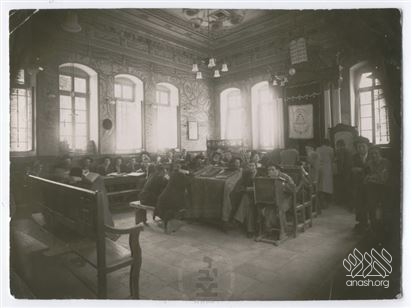
Once, at the festive seudah on Yud Tes Kislev, the Rebbe Rashab proclaimed, “Alter is mine.” One of the temimim asked, “Am I not also yours?” The Rebbe answered, “Yes, you are also mine, but Alter is mine…”
The chasid R. Yechezkel Feigin wrote to R. Alter in a letter: “The Rebbe [Rayatz] enumerated the qualities you are endowed with, but I cannot reveal them to you because, after all is said and done, you are still human.”
R. Alter was a descendant of the Vilna Gaon, and the gaon R. Yitzchak Elchanan of Kovno was his father’s uncle.
Ten years of upheaval passed, during which the war and its bitter consequences ravaged the great Jewish community of Russia. R. Alter, who survived the revolution, arrived in Eretz Yisrael broken and shattered. He was gravely ill, suffering from pulmonary tuberculosis, the illness that cut his life prematurely short.
But this terrible disease did not fully overpower him. He steadfastly stuck to his mission to instill the study of Chasidus in the hearts of talented young men and guide them along the straight path that our holy Rebbeim charted for us by giving us toras chaim. He pursued this path, succeeded in it, and found fulfillment.
Indeed, R. Alter returned to Eretz Yisrael in 5684 and never left it since. His path was clear: to teach Chasidus to young and old, in the form he received it from his great teachers in Yeshivas Tomchei Temimim in Lubavitch. His style of teaching found receptive soil and yielded fruitful results.
R. Alter was endowed with an incredible ability to impart his spirit to others. His speech was fiery, his movements swift, and his gaze penetrating. This figure, typical of a Lubavitcher mashpia, took me aback somewhat when I first encountered it. His personality inspired admiration. He was unassuming and always sought to remain in the background. His davening was devoid of outwardly visible excitement, but those who were familiar with him knew that a holy fire burned in his heart, and his every movement was leshem shamayim.
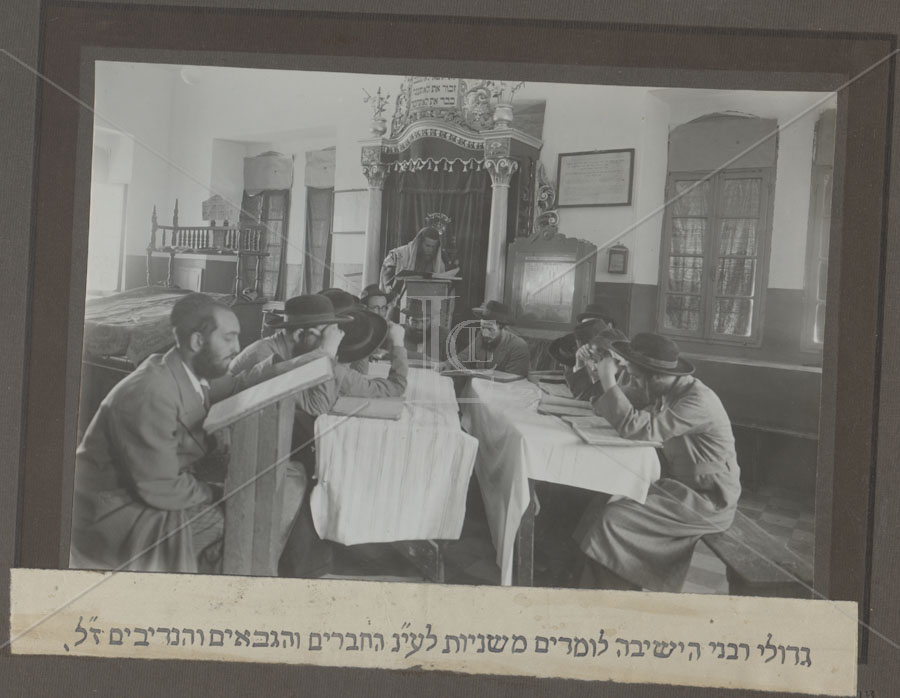
R. Alter accepted the leadership of Lubavitcher Yeshivas Toras Emes in Yerushalayim, and his impact on the talmidim was soon evident. He opened the gates to Chasidus before them and opened their hearts to understand, heed, and dedicate themselves fully to the study of Chasidus and follow its path.
We can honestly say that R. Alter revived the dry bones, instilling the fresh vitality of Chabad Chasidus into the hearts of the precious young men of Eretz Yisrael. The popularity of the study of Chabad in Eretz Yisrael is to his credit.
R. Alter was blessed with the talent for clear explanation, not only with his mouth but also with his pen. This is attested to by his essays on topics in Chasidus that were published in the HaTamim journal: Issue 1 in 5695, Issue 5 in 5697, and Issue 6 in 5697.
He also left behind a large book—both in quantity and quality—where he assembled all the explanations on Tanya scattered throughout sifrei Chasidus, such as Likutei Torah, Torah Or, the works of the Mitteler Rebbe and the Tzemach Tzedek, and the writings of the Rebbe Rashab. He organized the material properly, and at the request of the Rebbe Rayatz, this manuscript, along with other writings R. Alter left behind, was sent to him.
Sixteen years have passed since R. Alter is no longer with us. Like a shining star in the skies of Chasidus, young students gazed at his light and basked in his glow, enjoying the good fortune of attaching themselves to their teacher and guide.
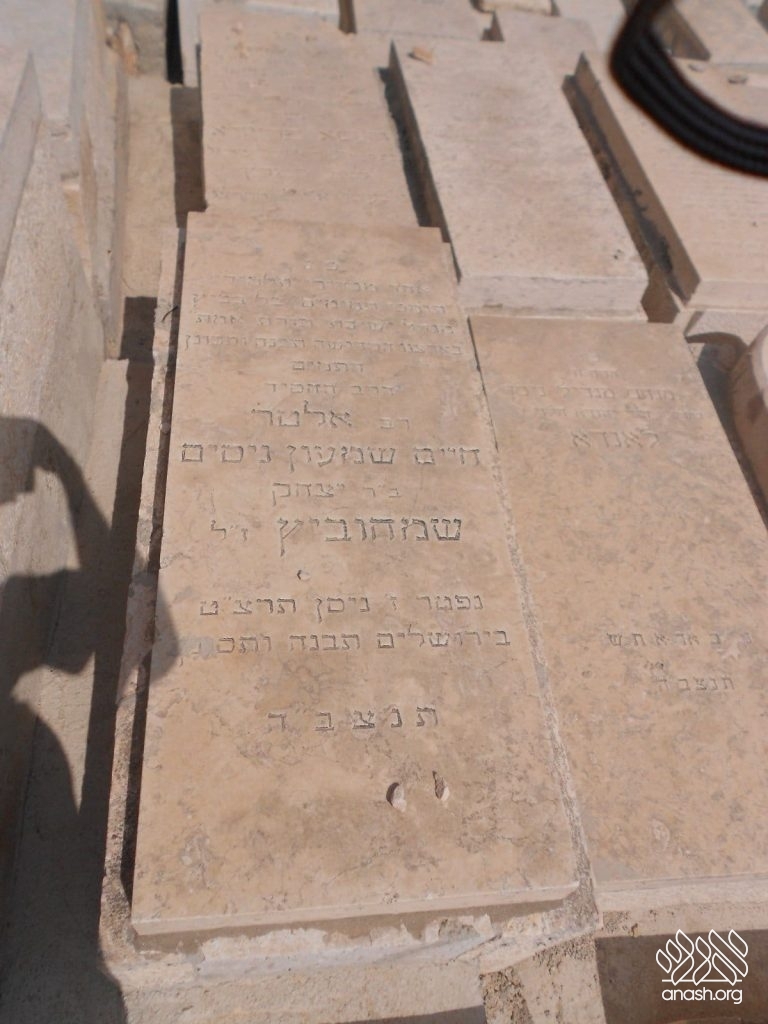
His demeanor, his pleasant ways, the purity of his actions, his unassuming conduct, the clarity of his speech, and the depth of his feelings caused all who encountered him to love him. This is why so many sought the teachings of Chasidus from his mouth. He shared these generously with them, blessed as he was with both the ability to absorb and the talent to express.
His approach to influencing others was idealistic, full of selflessness, until his last day. He knew how to respond to every student and anyone who approached him. He passed away prematurely. We still need someone like him today—who can fill the void he left?
To view all installments of From the Margins of Chabad History, click here.
For additional exclusive content, follow the column on X: x.com/ChabadMargins
 COMMENTS


IT GIVES ME GREAT PLEASURE TO LET YOU ALL KNOW THAT REB ALTER SIMCHOVITCH WAS A GREAT GRANDFATHER OF LEIBA SCHWARTS,OBM
ישר כח!
According to the bio following her passing in 5782, Lieba a”h was his niece