




י׳ כסלו ה׳תשפ״ו | November 29, 2025
Reb Yisroel Noach’s Rule: Ask the Baalei Batim, Then…
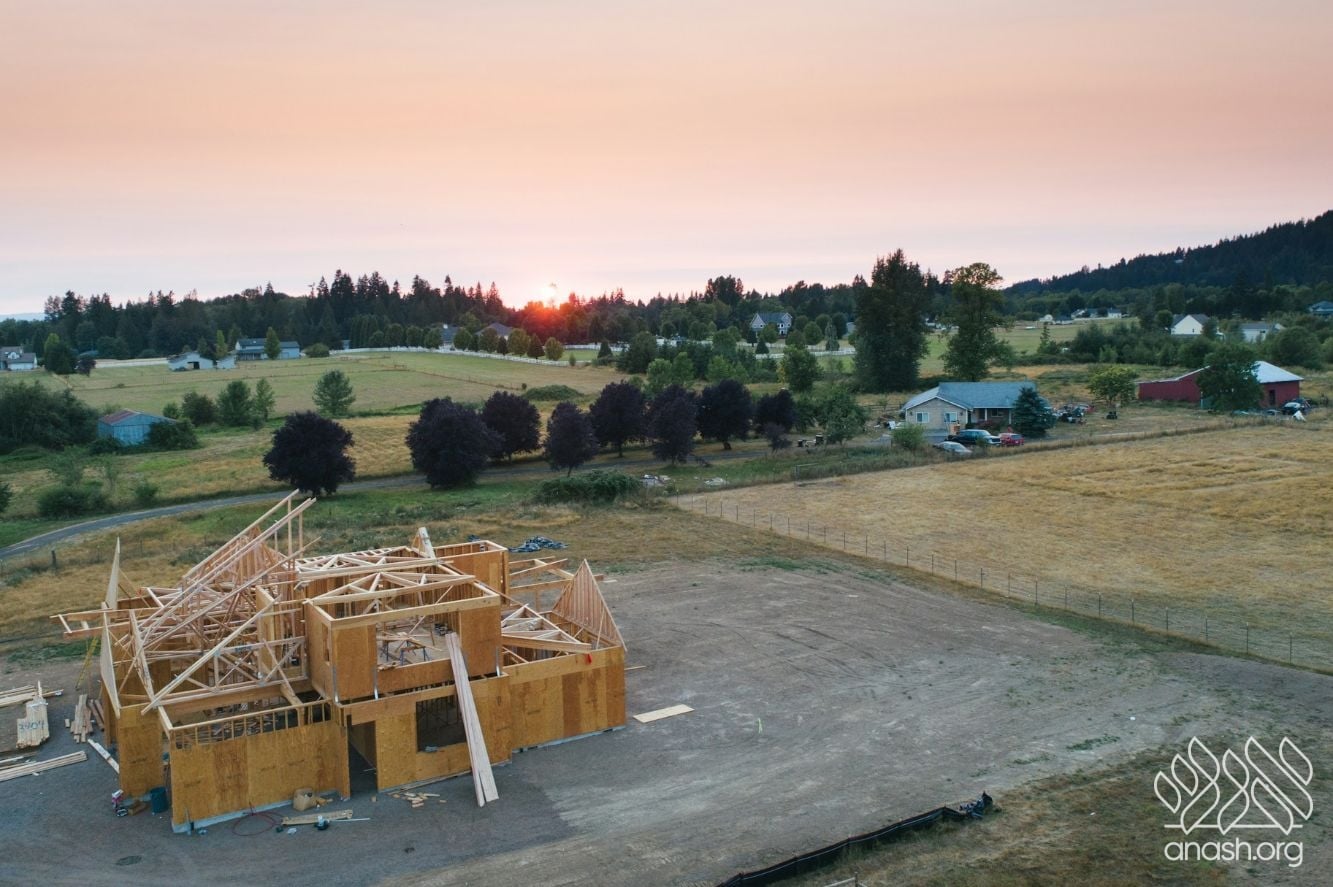
When Reb Yisroel Noach, the Tzemach Tzedek‘s son, set out to build his home in Niezhin, he gathered the local baalei batim for advice. After hearing them out, he calmly explained that his father had taught him to do the opposite of whatever baalei batim suggest.
Reb Yisroel Noach, the fourth son of the Rebbe, the Tzemach Tzeddek, was born in the year 5575 (1815). In his first marriage, he was the son-in-law of Reb Yekusiel Zalman Valles, son-in-law of the Mitteler Rebbe. After his first wife passed away, he married the daughter of Reb Nochum, son of the Mitteler Rebbe.
He lived in Lubavitch, where he served as the rosh yeshiva in his father’s yeshiva (founded in 5602/1842). The Tzemach Tzeddek also appointed him to respond to many of the halachic queries sent to him, leaving only the more difficult ones for the Rebbe to answer himself.
In 5628 (1868), two years after his father’s passing, he moved to Niezhin and became a rebbe.
He passed away on the first day of Chol Hamoed Pesach 5643 (1883), and is buried in Niezhin. He was the last of the Tzemach Tzedek’s sons to pass away.
*
Reb Yisroel Noach would cry a lot, especially during davening. Not even knowing why, those davening along with him would also cry uncontrollably.
He was once standing in the adjacent room before going into yechidus with his father and noticed the sefer Chovas Halevovos on the table. When he opened the sefer, it opened to Shaar Hakniah (Gate of Submission) and tears flowed freely from his eyes. By the time he went into yechidus, the pages were soaked.
Reb Mordechai Yoel Duchman once asked Reb Yisroel Noach, “Since you are a leading tzaddik of the generation, when you cry, you draw down bitterness into the world. Why do you do so?” Reb Yisroel Noach replied, “But you know Mordechai Yoel, for us it’s a different type of tears.”
*
When Reb Yisroel Noach needed to build his house in Niezhin, he called together a few baalei batim to hear their opinion. After they offered their suggestions, he explained, “My father, the Tzemach Tzedek, said that when one needs to do something and is unsure how to do it, he should ask the opinion of the baalei batim and do the opposite.”
 COMMENTS


We appreciate your feedback. If you have any additional information to contribute to this article, it will be added below.