




י״ח אב ה׳תשפ״ה | August 12, 2025
Partial Mechitza Installed Between Men and Women at the Ohel
Following major renovations to improve accessibility at the Ohel ahead of Gimmel Tammuz, an additional metal mechitzah was now installed to more clearly separate the areas for men and women inside the Ohel itself.
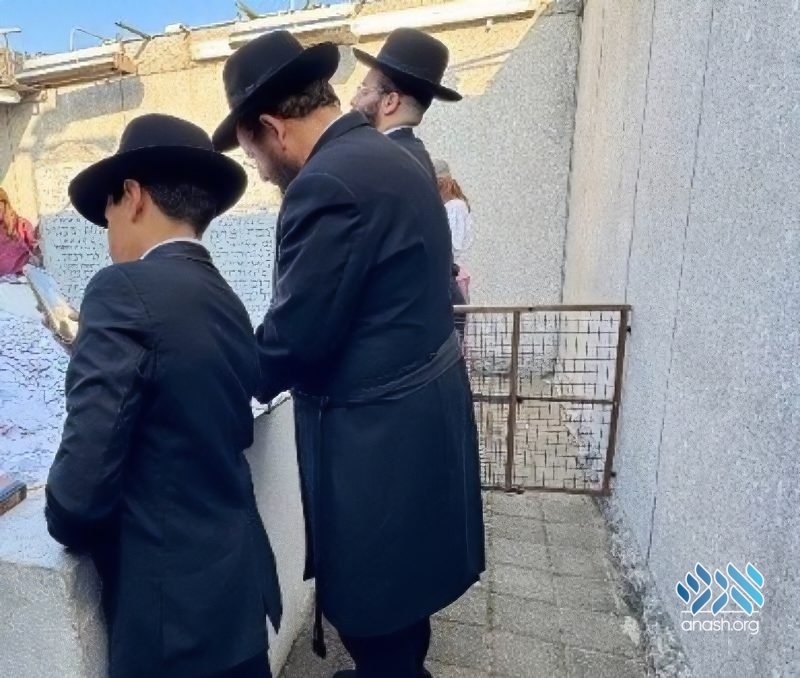
Following major renovations to improve accessibility at the Ohel ahead of Gimmel Tammuz, a metal divider was now installed to more clearly separate the areas for men and women inside the Ohel itself.
By Anash.org reporter
Following major renovations to improve accessibility at the Ohel ahead of Gimmel Tammuz, as reported by Anash.org, an additional metal divider was now installed to more clearly separate the men’s and women’s areas inside the Ohel itself.
Until now, the Ohel had only one divider near the entrance doors. However, in light of the growing influx of visitors – hundreds of men and women who come daily to daven – it was decided to add a second divider opposite the first.
It should be noted that in the past, there were several attempts to install full mechitzahs both inside the actual Ohel and in the preparation tent.
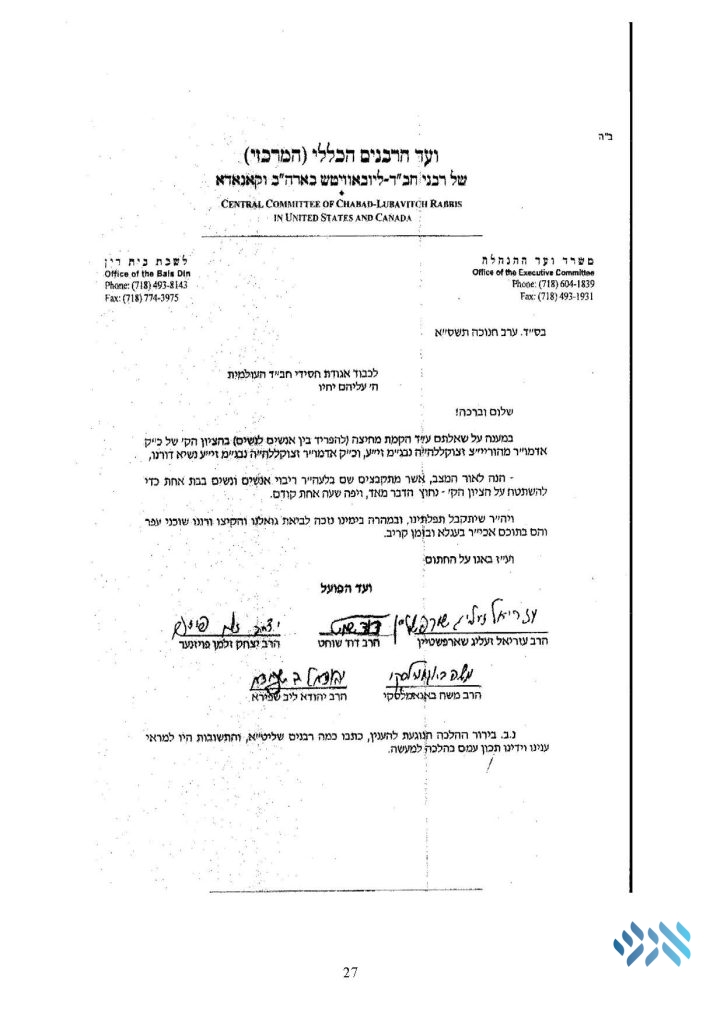
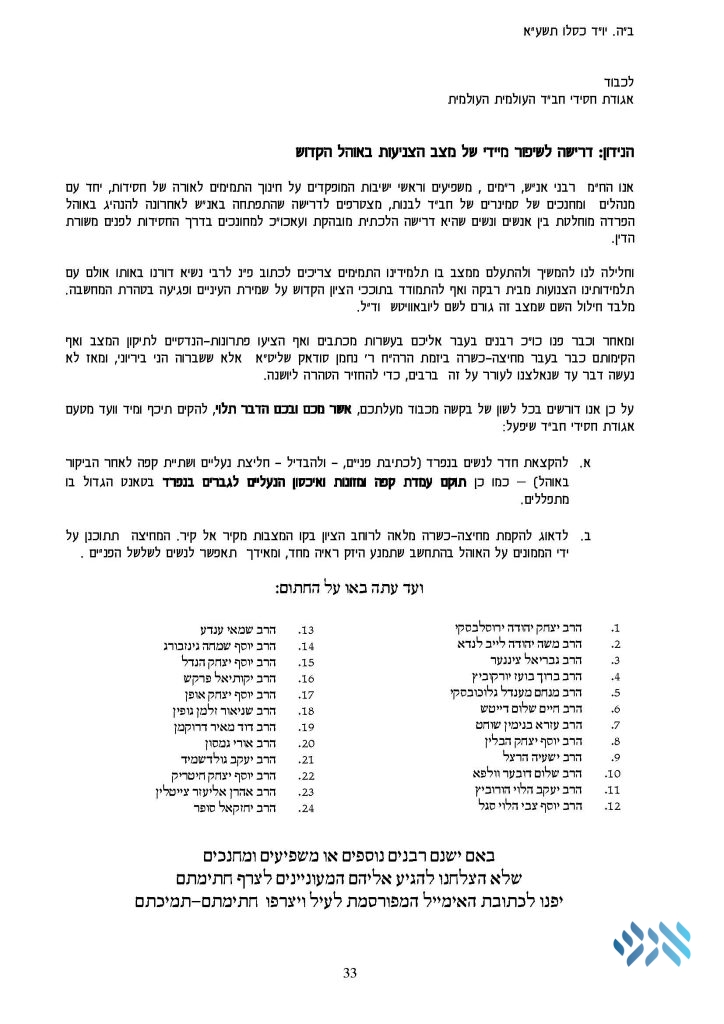
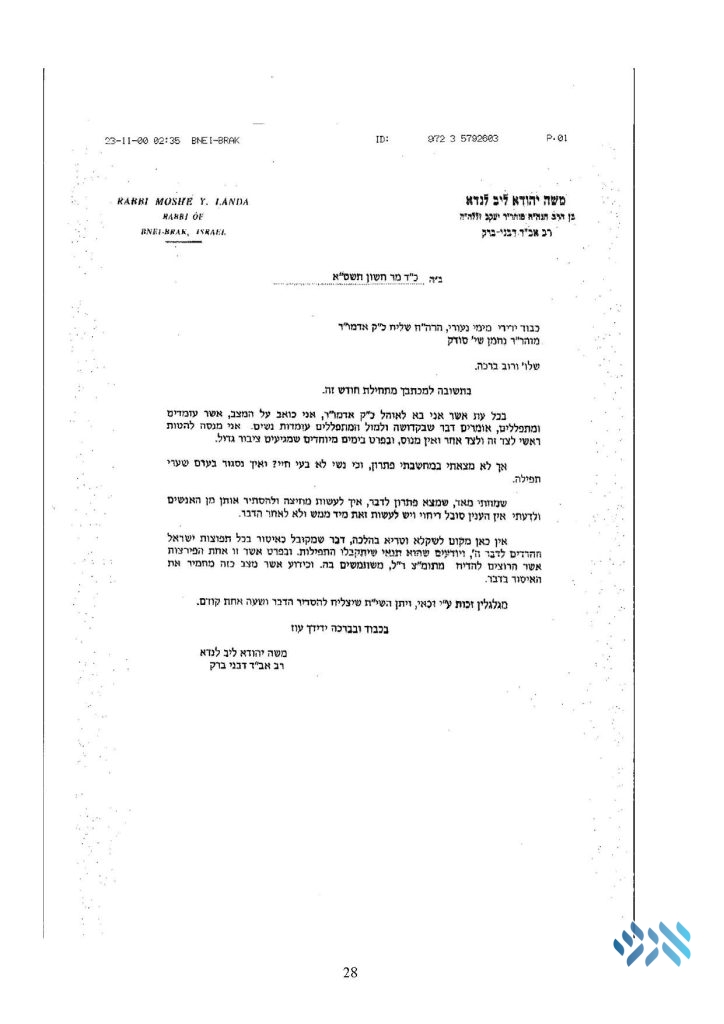
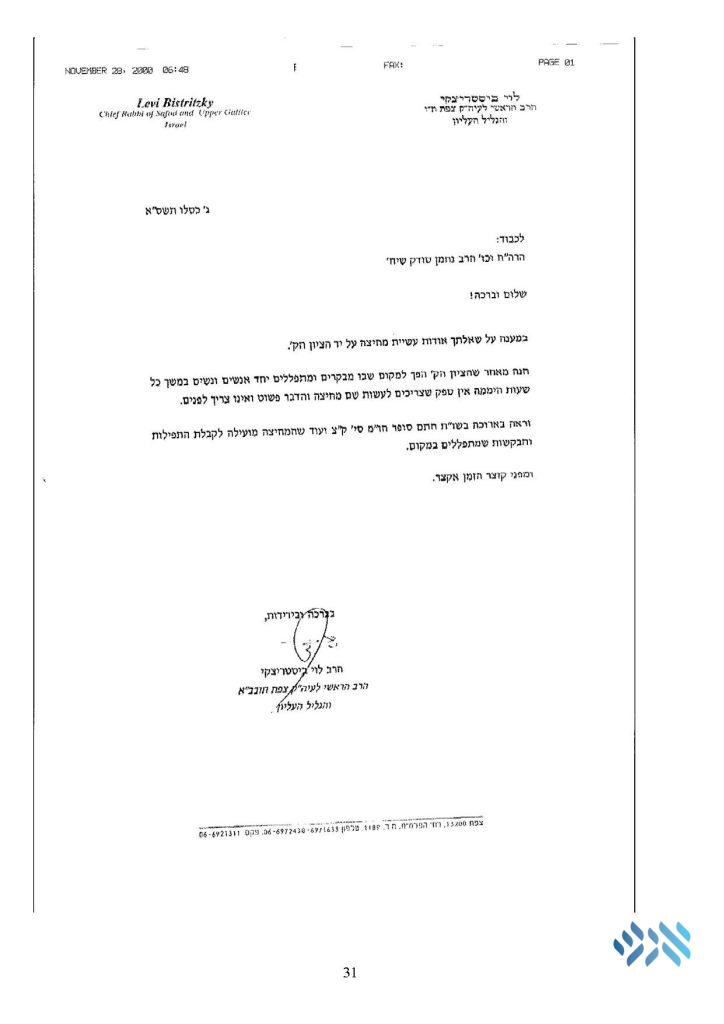
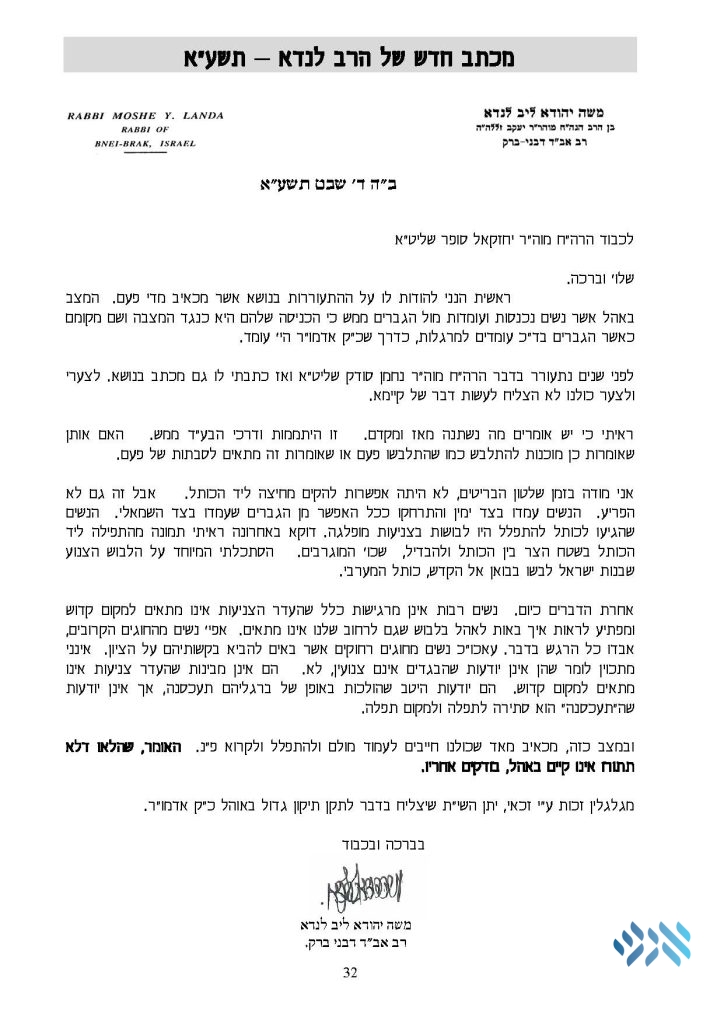
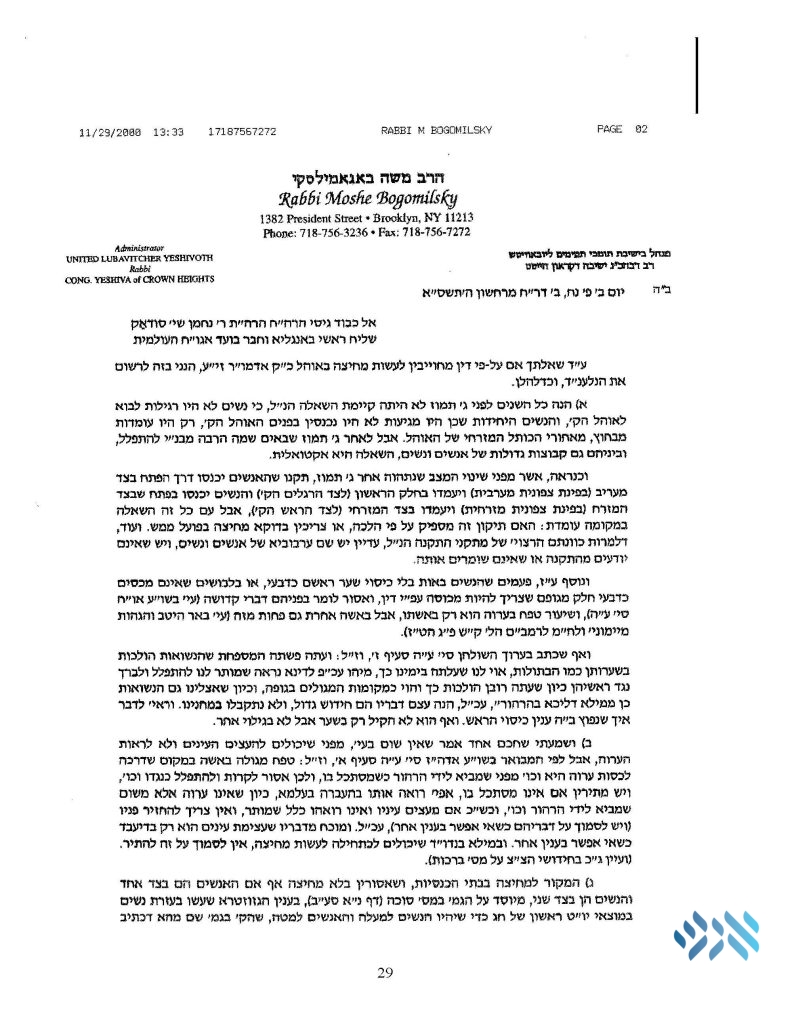
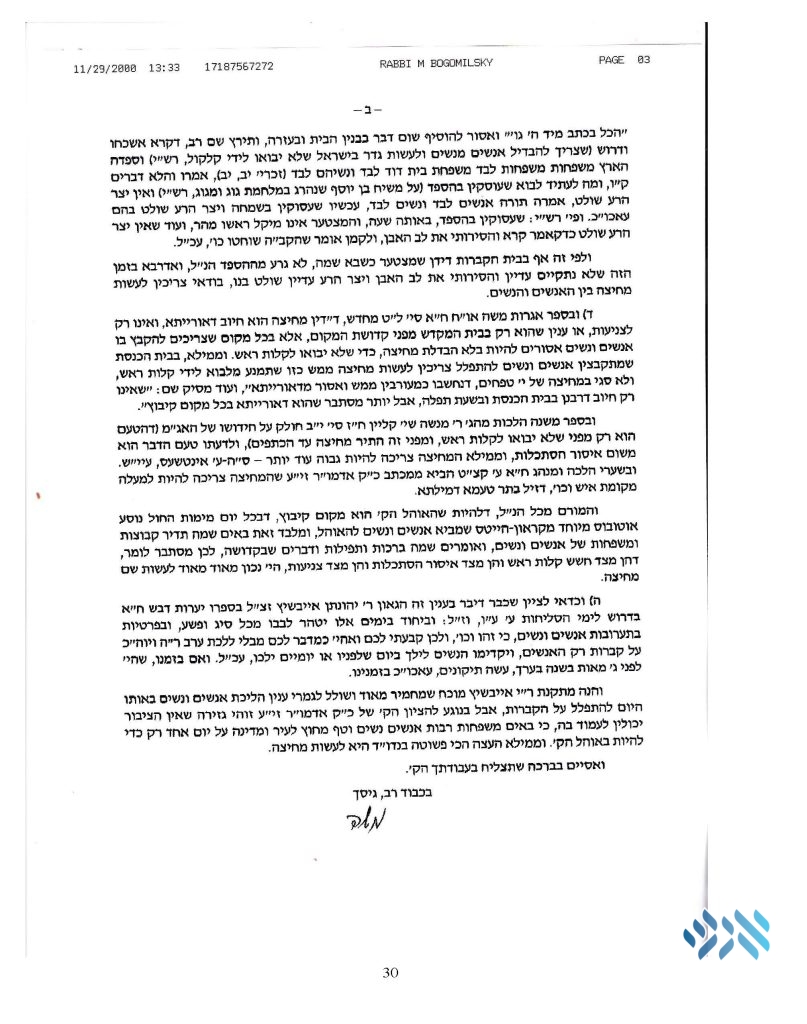
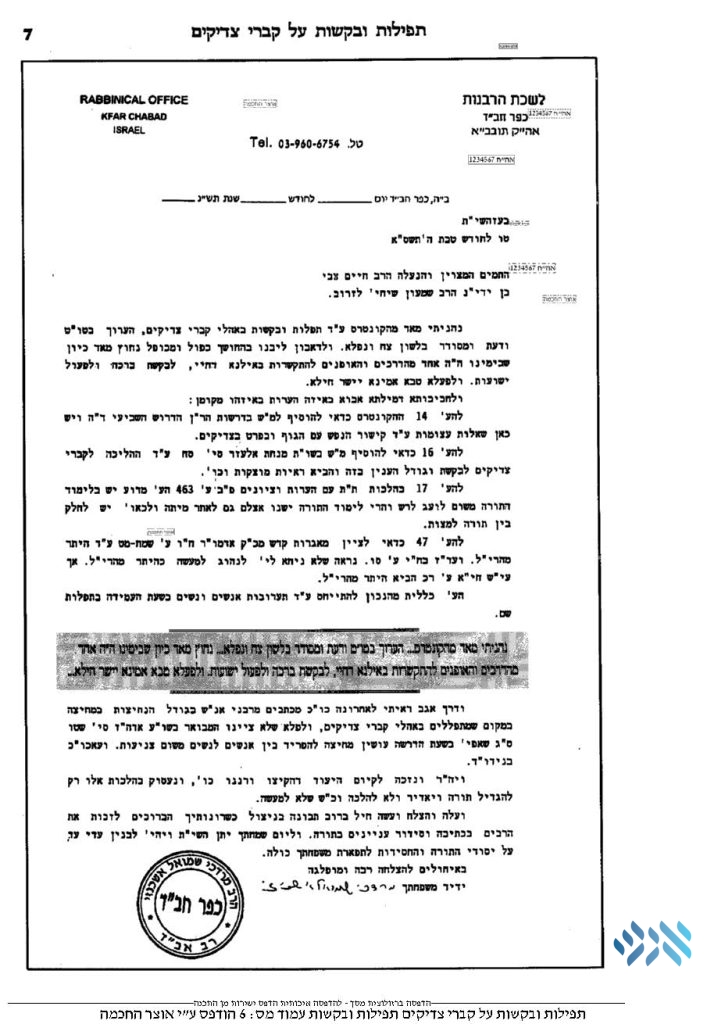
In 5761, in response to a query posed by Agudas Chasidei Chabad (Aguch), who is responsible for the setup at the Ohel, Lubavitch rabbonim from across the world penned responsa on the need to install a proper mechitza at the Ohel. Signees included Rabbi Dovid Schochet, Rabbi Moshe Landau, Rabbi Zelig Sharfstien, and yblc”t Rabbi Leibel Schapiro, Rabbi Moshe Bogomilsky, Rabbi Ezra Schochet, Rabbi Yekusiel Farkash, Rabbi Menachem Mendel Gluckowsky, Rabbi Chaim Shalom Deitsch, and many more. Mashpiim R’ Zalman Gopin and R’ Fitche Ofen also joined the call.
A dedicated publication called Kedusha Hareu’ya Letziyun by Rabbi Yechezkel Sofer of Yerushalayim elaborated on the requirement for a kosher mechitza between men and women in this holy place.
However, these efforts faced resistance from some, who argued for the need to preserve the Ohel’s original design and structure as established by the Rebbe, as well as the arrangement as it was before Gimmel Tammuz, when the Rebbe himself visited the Ohel.
Others counter, however, that the use of the Ohel today is radically different than as it was before Gimmel Tammuz – when chassidim rarely visited the Ohel – and suitable updates are appropriate. They point to the various adjustments made to the Ohel and the surrounding areas to accommodate the crowds, including the recent cutout in the structure of the Ohel.
The lack of a mechitza at the Ohel has also caused fallout regarding mechitzos in holy settings. During a time when proper mechitzos at the Kosel were a hot debate, opposers used a picture of Israel’s Chief Rabbi Yitzchak Yosef davening at the Ohel without a mechitza. Knowing the Rebbe’s strong push for mechitza wherever men and women gather regularly, it would seemingly be right to give the Rebbe that same standard.

 COMMENTS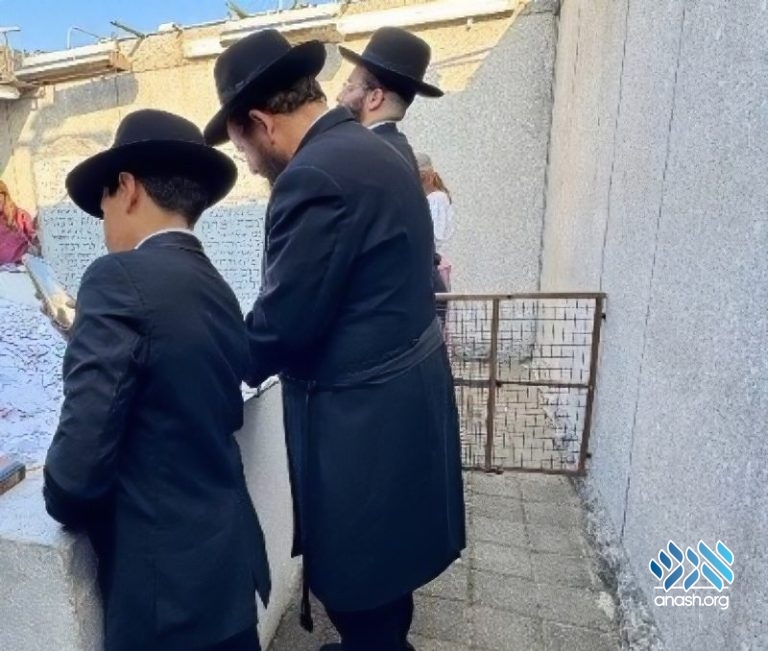


How can you even call this a “partial mechitza”? A mechitza, the Rebbe writes, is meant to conceal so that the men cannot see the women. This doesn’t accomplish that even remotely…
Why is the unequivocal Chavos Daas of dozens of Rabbonim ignored except for a meaningless pseudo-Mechitza?
this is not a mechitza at all, maybe you can call it a divider but not a mechitza
This mechitza is apparently to keep men and women from mingling. Is it meant to be the same as a place where shmone esre is said? (which is the case by the kosel, but not in the ohel)
where they write based on the sources that it is a problem.
At the risk of opining on matters beyond human knowledge, I suspect there is a underlying reason why the opinion of the halacha as stated by the rabbonim is being ignored by otherwise halacha abiding Yidden. The Rebbe said (sicha 2nd Adar 5748 on the recording) that his mesorah l’yehoshua (he is passing on the leadership of Chabad) is to three Chabad rabbonim in every community. That being the case, there is a unique yetzer horah to ignore an diminish the leadership role of rabbonim, because taking them seriously is so to speak agreeing to the Rebbe abdicating his position after Gimmel Tammuz.
Maybe its a mechitza for reform not for a Lubavitch and chasidim of the Rebbe
someone should make a go fund me page to raise the necessary funds to build a kosher mechitzah
DONT TRIP OVER THE MECHITZAH!
It’s not a shul. There isn’t even ad hoc minyan there, like when davening in an airport, where no mechitzah is required. The Kosel has established minyanim and is an open-air shul.
Mechitzah here is being used in the sense of divider, and the Ohel has ownership established by the Rebbe – Agudas Chasidei Chabad – and they have whichever Rabbonim they consult with, and there’s no need for any of the rest of us to have opinions on this.
Haven’t you noticed the letter from vaad rabanei chanad posted in this article?