




כ״ח אלול ה׳תשפ״ה | September 20, 2025
Marching to the Water: From Lubavitch Rivers to Brooklyn Gardens
Tashlich is a unique Rosh Hashanah minhag, practiced outdoors on the riverbank. Drawing on sources From the Margins of Chabad History, this article presents unknown accounts of tashlich with the Rebbeim throughout the generations, from Lubavitch to Riga to Brooklyn.
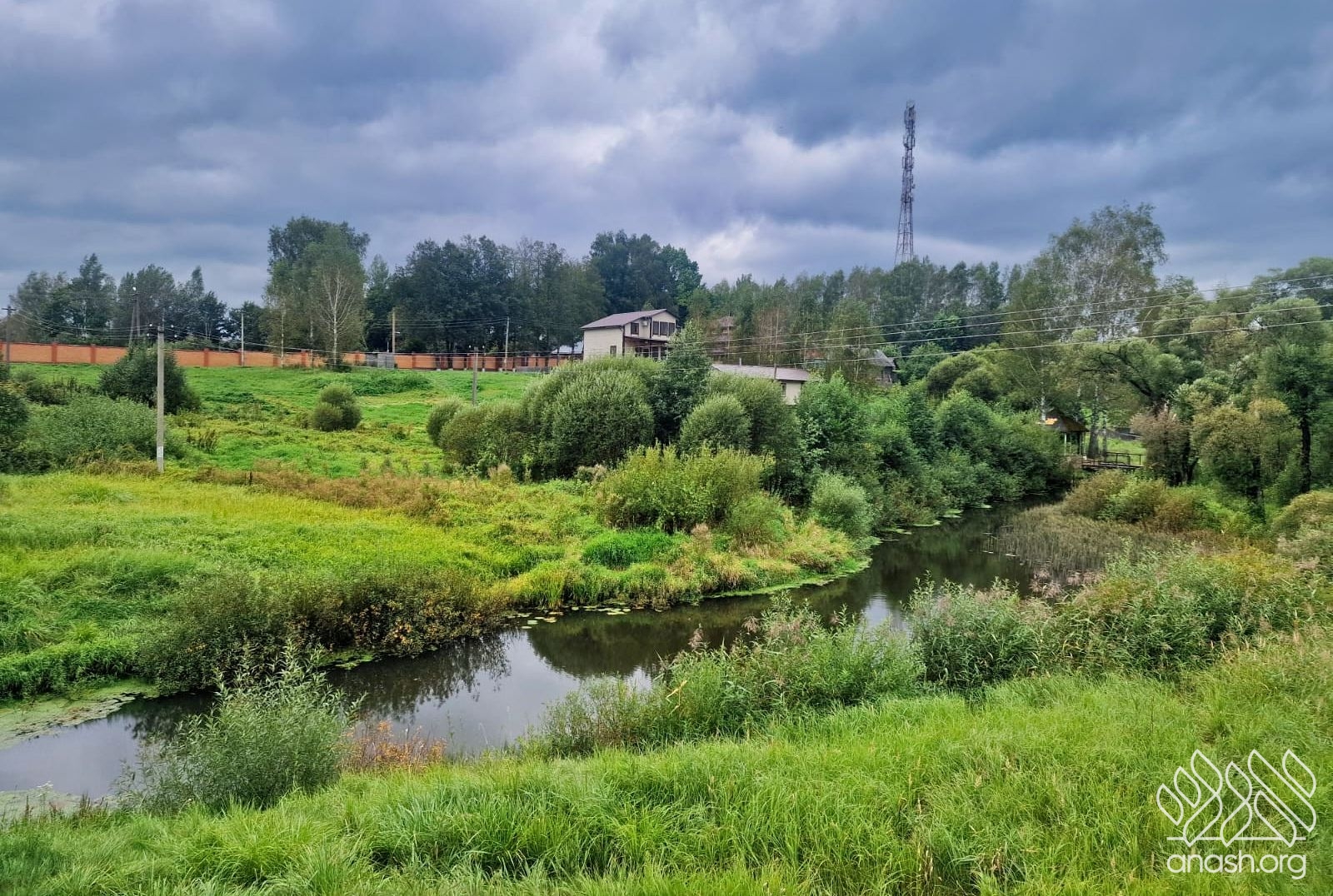
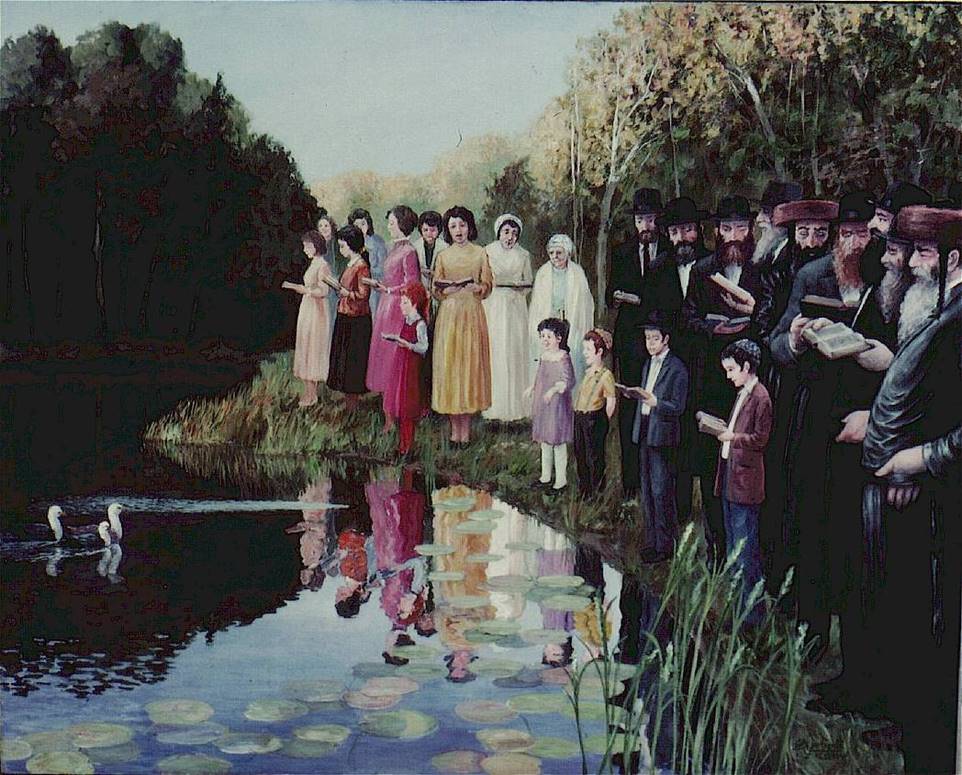
Among the many practices we observe on Rosh Hashanah, tashlich is unique. Instead of being recited in the shul like all the tefilos of the day or observed privately at home, it is performed outdoors, at a river or other source of water. Traditionally, the entire community walks together after minchah on the first day of Rosh Hashanah to a nearby body of water.
In Lubavitch, chasidim’s focus on Rosh Hashanah was on the tefilos, tekias shofar, and the Rebbe’s maamar. In the many pages of zichronos of chasidim from Rosh Hashanah in Lubavitch, there is no actual description of tashlich—only brief matter-of-fact mentions, or a story about something that happened in connection with it.
But for people on the periphery, tashlich was one of the most memorable events on Rosh Hashanah—precisely because it was less central to the avodah of the day and performed outdoors with a procession. In the general memoir literature, tashlich stands out as one of the most cherished memories of people who grew up in the shtetl.
In the present article, we will draw on material from the margins to gain a glimpse into tashlich throughout the generations of Lubavitch. The new material we will publish here describes tashlich with the Rebbe Rashab, Frierdiker Rebbe, and the Rebbe, but for the sake of giving a complete picture, we will begin with the known information about tashlich in the first generations of Chabad.
The Alter Rebbe—Tzemach Tzedek
We don’t possess any descriptions of tashlich with the first three Rebbeim—the Alter Rebbe, Mitteler Rebbe, and Tzemach Tzedek. However, we do have a story about the Alter Rebbe and his young grandson, the Tzemach Tzedek, that occurred on the way to tashlich. The Mitteler Rebbe is not mentioned in this story, but he was presumably present as well.
This story appears in the Yiddish edition of R. Chaim Meir Heilman’s Beis Rebbe. The original Hebrew edition of this classic biography of the first three rebbeim of Chabad was published in 5662, and it was an instant success. A few years later, in 5664–5665, a Yiddish edition appeared in two volumes. The Yiddish version was reprinted by Kehos in 5713.
The Yiddish edition of Beis Rebbe was aimed at a more popular, less educated audience. The book was edited accordingly, including by adding more stories to the biographical account. The Yiddish edition was edited by the original author, so the added material is also quite reliable. The changes and additions in the Yiddish Beis Rebbe remain somewhat underexplored and underappreciated, as researchers tend to look only at the Hebrew edition.
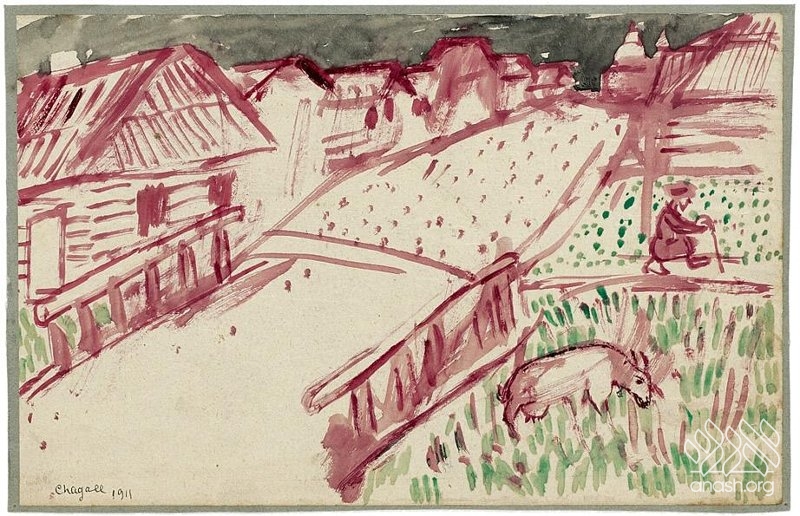
Our story regarding tashlich appears in Beis Rebbe—Yiddish, part 4, ch. 7 (p. 71). As the Tzemach Tzedek is described as a young child, this story must have taken place in Liozna, where the Tzemach Tzedek grew up until the family moved to Liadi when he was 11 years old.
The Alter Rebbe once went on Rosh Hashanah to the river to say tashlich, accompanied by many chasidim. He also brought his grandson, the Tzemach Tzedek, along.
When they arrived at the river, the Rebbe saw that his grandson was missing. He immediately asked the chasidim to find the boy and bring him to him, because otherwise he could not say tashlich.
All the chasidim rushed to search for him, and they found him playing with the other children. They brought him to the Rebbe, and then the Rebbe said tashlich.
The chasidim were very surprised by this and asked the Rebbe why he is so indulgent of him. The Alter Rebbe gave them the same answer he had given another group of chasidim [after a separate incident: “His mother was moser nefesh for me, so I must do everything he asks of me”].
The Alter Rebbe then added: “Many neshamos are waiting for him—should I not wait for him?”
***
Another version of this story appears in the reshimos of R. Eliyahu Mishulovin, published in Teshurah Gluckowsky, Kislev 5772, p. 39. This version combines details that appear in two separate stories in Beis Rebbe—Yiddish.
Rebbe Maharash
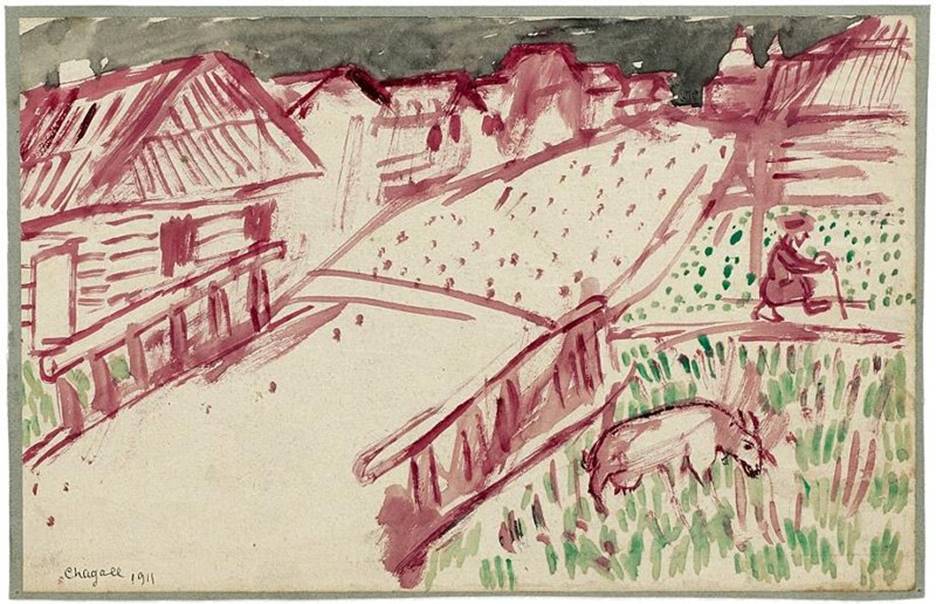
Regarding the Rebbe Maharash, we have a brief description of the tashlich scene in Lubavitch.
R. Tzvi Har Shefer (Lokshin; 5630–5719) was raised in Lubavitch, and later lived in Tel Aviv and Raanana, where he served as a shochet and gave shiurim. He penned a fascinating account of his childhood memories of the Rebbe Maharash and the chatzer in Lubavitch. Originally published in the Haavar journal (vol. 2), this account has been reprinted in several Chabad publications over the years and was recently published with footnotes by Yisrael Barda in Teshurah Barda-Guberg 5779, pp. 42–52.
Here is a translation of Har Shefer’s account of Rosh Hashanah, ending with a description of tashlich:
On Rosh Hashanah, the Maharash would blow the shofar. Guests would come from near and far to hear his tekios. The crowding was intense—people stood packed, and there was no room when they bowed down either. They would open the doors of the large room that stood across, but only less fervent chasidim would go to daven there. Most insisted on squeezing into the regular shul used throughout the year.
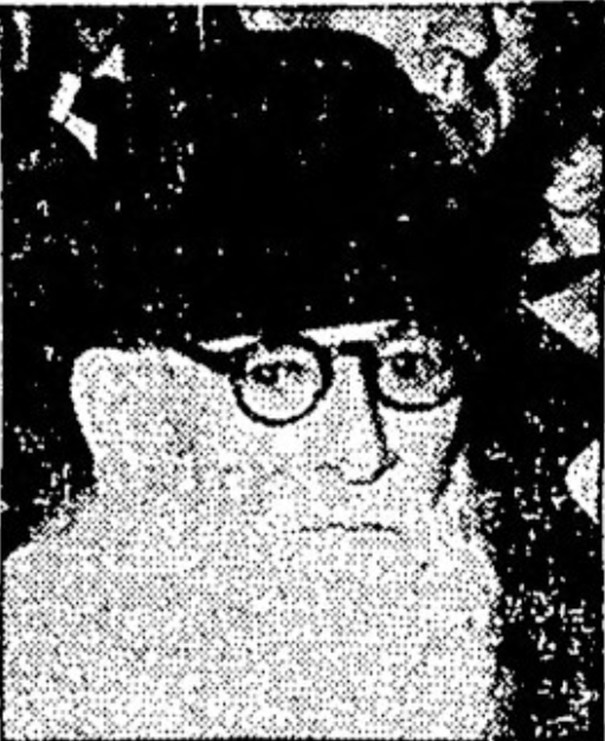
It was a remarkable sight: the entire crowd merged into a single mass, with only the heads distinguishing individuals from one another. All stood in awe and trepidation of the Yom Hadin. Everyone held their breath, and for a few moments, the room fell into a deep, total silence.
And then, suddenly, Maharash’s clear voice rang out: “min hameitzar…” A powerful cry burst out from every mouth, tears streaming down together with the sweat on their faces.
After the tekios ended, everyone took a breath together, as if a heavy weight had been lifted off their heads.
All the guests accompanied the Rebbe to tashlich with nigunim and song. The younger chasidim formed a chain around the Rebbe, his family members, and the prominent elder chasidim.
***
Rebbe Rashab
As mentioned earlier, accounts written by the well-known chasidishe temimim from Lubavitch make only brief mention of tashlich and don’t paint a picture of the scene. Such mentions can be found in Hatamim, vol. 4, p. 86 (apparently written by R. Shmuel Zalmanov—see Yisrael Barda, Merchav, vol. 1, pp. 57–71); Reshimos Devarim, p. 357; and Lubavitch Vechayaleha, p. 29.
The latter source, written by R. Foleh Kahn, does give some basic details about tashlich:
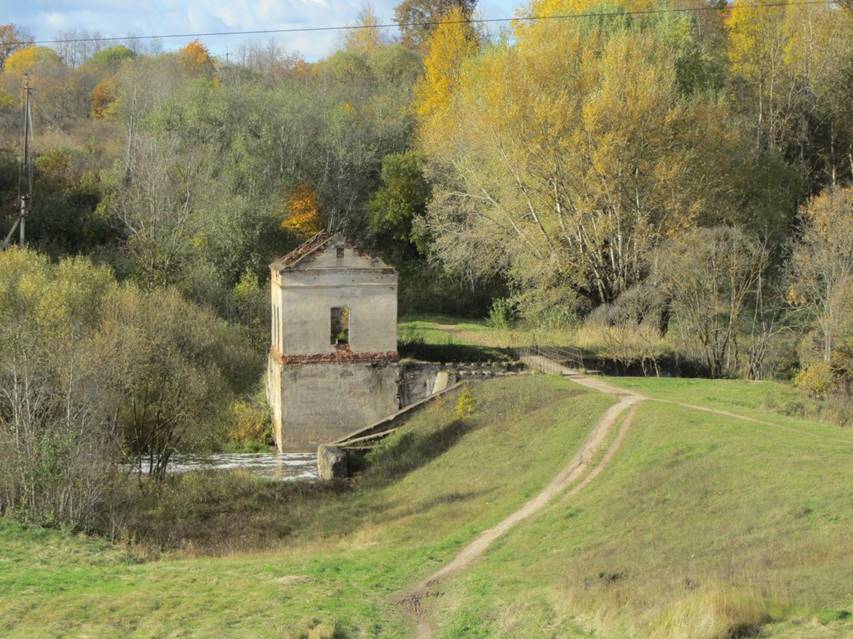
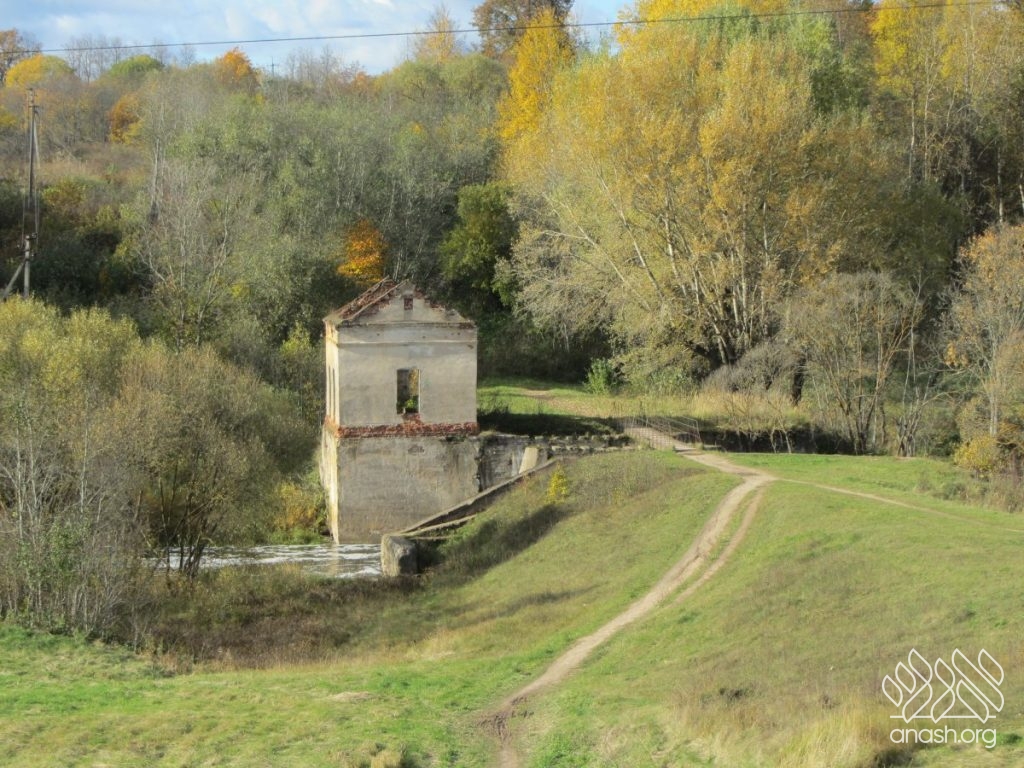
For tashlich the Rebbe Rashab would walk via Shileve Street to Zareche Street, where the watermill stands. As they walked, tall bochurim would conceal the Rebbe Rashab’s face from people who wished to photograph him (the Rebbe Rashab never wanted to be photographed). People came from Vitebsk with cameras and stood on the rooftops to photograph the Rebbe Rashab as he walked to tashlich wearing his shtreimel, so tall bochurim were selected to conceal him.
***
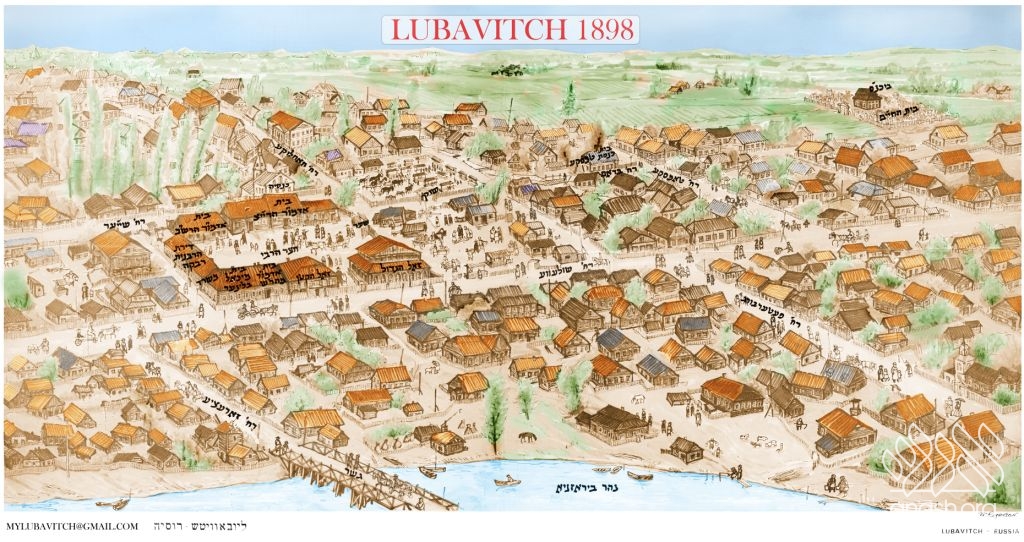
R. Foleh Kahn also relates a story about the Rebbe Rashab’s minhag not to carry anything on Yom Tov.
Further details about attempts to photograph the Rebbe Rashab at tashlich are related by the Frierdiker Rebbe (diary published in Sefer Hamaamarim 5666–5667, p. 288):
In the year 5666, something occurred that pained the Rebbe. While the Rebbe was standing on the riverbank holding the siddur, a small boat passed by at a distance of 25–30 steps. The people sitting in the boat—the two brothers of the owner of the nearby Biela Nar estate—had a camera, and they took pictures of the Rebbe and the whole crowd gathered at the riverside. I won’t deny that I would be happy if the picture came out well.
***
The Rebbe related once in a sichah (Toras Menachem 5730:1, pp. 42–43) that the Rebbe Rashab stopped going to tashlich at the river after someone tried to take a picture of him. We have multiple mentions of tashlich with the Rebbe Rashab at the river through to his final years in Lubavitch, so it would appear that this stop was only temporary.
Our next source, published here for the first time, provides a detailed and vivid description of tashlich in Lubavitch with the Rebbe Rashab. This description comes from an article written by Noach Yitzchak Gotlib, a Yiddish poet who learned in Lubavitch in approximately 5674–5675 as a 10–11-year-old. We published a separate article by Gotlib about Lubavitch in the previous installment of this column, and further details about him are provided there.
Gotlib’s article describes Rosh Hashanah in Lubavitch in general, but the main part of the article—and its headline—focuses on tashlich. It seems that as a young boy who wasn’t fully invested in the maamar and avodah of Rosh Hashanah, it was specifically the unique scene of tashlich that stuck in Gotlib’s mind.
This article appeared in the Nayer Folksblat Yiddish newspaper in Lodz, Poland, 29 Elul 5696 (September 16, 1936). Credit is due to Mendel Nemanov for locating it. We will cite the article, in translation, and then comment on a few points it raises.
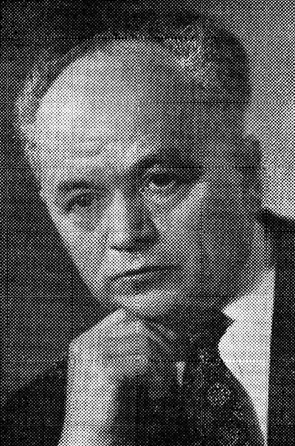
Tashlich in Lubavitch
The Elul days… still and blue, sun-golden, early-autumn. The early mornings are dewy, cool, with a fresh, invigorating breeze… The days are monotonous and melancholy, bees humming, heavy with honey… The evening—rose-lilac sunset, yearning and reflective… Elul days in the far-flung little shtetl of Lubavitch… Elul days and Elul memories.
On erev Rosh Hashanah, the town is already full of chasidim, and more still keep arriving—the very late stragglers. They are already speaking about five hundred guests. The very prominent people are already present: the Levitans, the Guraries, the Persitzes, the Kupers, and other heads of multi-million-dollar companies.
The chatzer is already completely ready for the Yamim Noraim—everything is in place, cleaned, and polished. All is ready to take in Reb Chaim the chazan’s sweet nightingale song and the magnetic, stirring voice of the Rebbe himself…
And then—already before midday—the yeshivah bochurim have closed their Gemaras or Tanyas. Everyone hurries—one to the mikveh, another to the cool river. The place is bustling; everyone is preparing for the first night of Rosh Hashanah.
The big zal is packed to overflowing, a sea of tightly packed heads. Up front, surrounding the Rebbe and his son, stand the important people. Reb Chaim the chazan stands by the amud. The yeshivah bochurim are pressed to the doors, crowding the passageways, humming like bees in a hive. Shmuel the shamash, a short, broad-shouldered man with a black beard and a pair of angry, thieving eyes, bangs repeatedly on the table.
Reb Chaim the chazan begins to sing a piece. He sings it, and each word settles on the heart like balm. Hundreds of heads sway in all directions, mainly toward the Rebbe’s side. Fingers snap, hands wave; a stormy wind sweeps through the zal. Voices like the waves of the ocean, roaring, frothing, surging—up and down, down and up. Then, it finally falls quiet—maariv is over.
A Chabad nigun is sung, and after the nigun a narrow circle forms—the Rebbe in the center, hundreds of heads surrounding him… The Rebbe begins to speak Torah, inyana deyoma, Rosh Hashanah themes:
Tik’u bachodesh shofar, bakeseh leyom chagenu…
The next day, the first day of Rosh Hashanah, talk of tashlich was already on everyone’s lips from the morning. The sky was gray and overcast; it had rained the entire night. The mud became deep and thick. A cold wind blows—a northern wind, rustling the trees with their yellowing crowns, bending the withering grass, rattling on the low rooftops, and sounding its own shofar for itself, on its own achrayus…
The town is misnagdish, with a hostile attitude to the Rebbe’s chatzer. But that is only true during the ordinary times of the year. When the Yamim Noraim arrive, the misnagdishe town’s attitude toward the chatzer shifts. First of all, the town makes a good buck from the hundreds of chasidishe guests. Secondly, there is something about Rosh Hashanah itself, especially the unique tashlich procession. Something about it pulls and magnetizes, something about it excites the town’s misnagdishe inhabitants. The town feverishly awaits tashlich…
Thus, the first half of the day passes. It’s already the end of davening, with the beautiful hayom te’amtzenus, where Chaim the chazan displays the full power of his artistry… Davening finishes with a nigun, then with a short Torah derashah “from his holy mouth”… Then everyone goes home for the splendid Yom Tov meal.
Meanwhile, around the Lubavitcher river, it is already lively. The town gathers early—young and old, feeble old men and nursing babies… They gather on the left side of the river, on the low, bright sunlight bank, where the yeshivah bochurim had spent the whole summer swimming and splashing. Now the left bank is filled with the idle folk of the shtetl, curious girls and boys, mischievous children who gathered early to witness the beautiful, grand tashlich procession of the Lubavitcher chatzer.
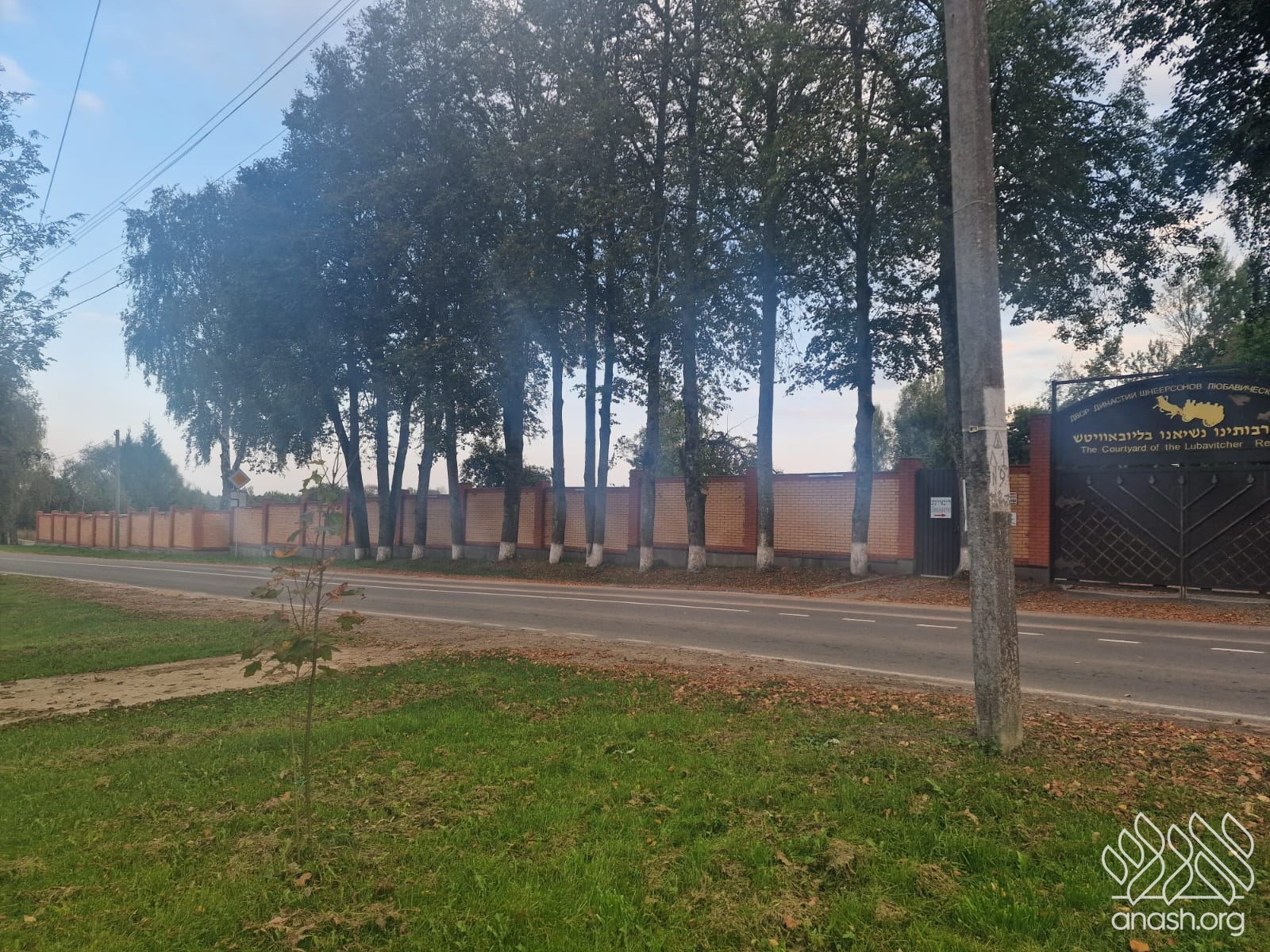
At four o’clock in the afternoon, an extraordinary procession begins through Zareche Street. In front walks the Rebbe, his flame-red beard blazing like a fiery banner, his eyes turned inward in deep contemplation.
At his right side walks the elder Gurarie—a tall, full-bodied man with a full, dignified face, framed with a grayish-white beard, a beard of distinction, of a millionaire…
At the Rebbe’s left side strides, with calm grandeur, Persitz, a gvir from Moscow of the first guild, a robust man in his middle years, with an aristocratic appearance and refined big-city mannerisms—a true Muscovite.
Behind the Rebbe and his two millionaire escorts, the entire chasidishe community marches: beards, beards, and… beards. Even the very young yeshivah students seem to have sprouted respectable little beards overnight.
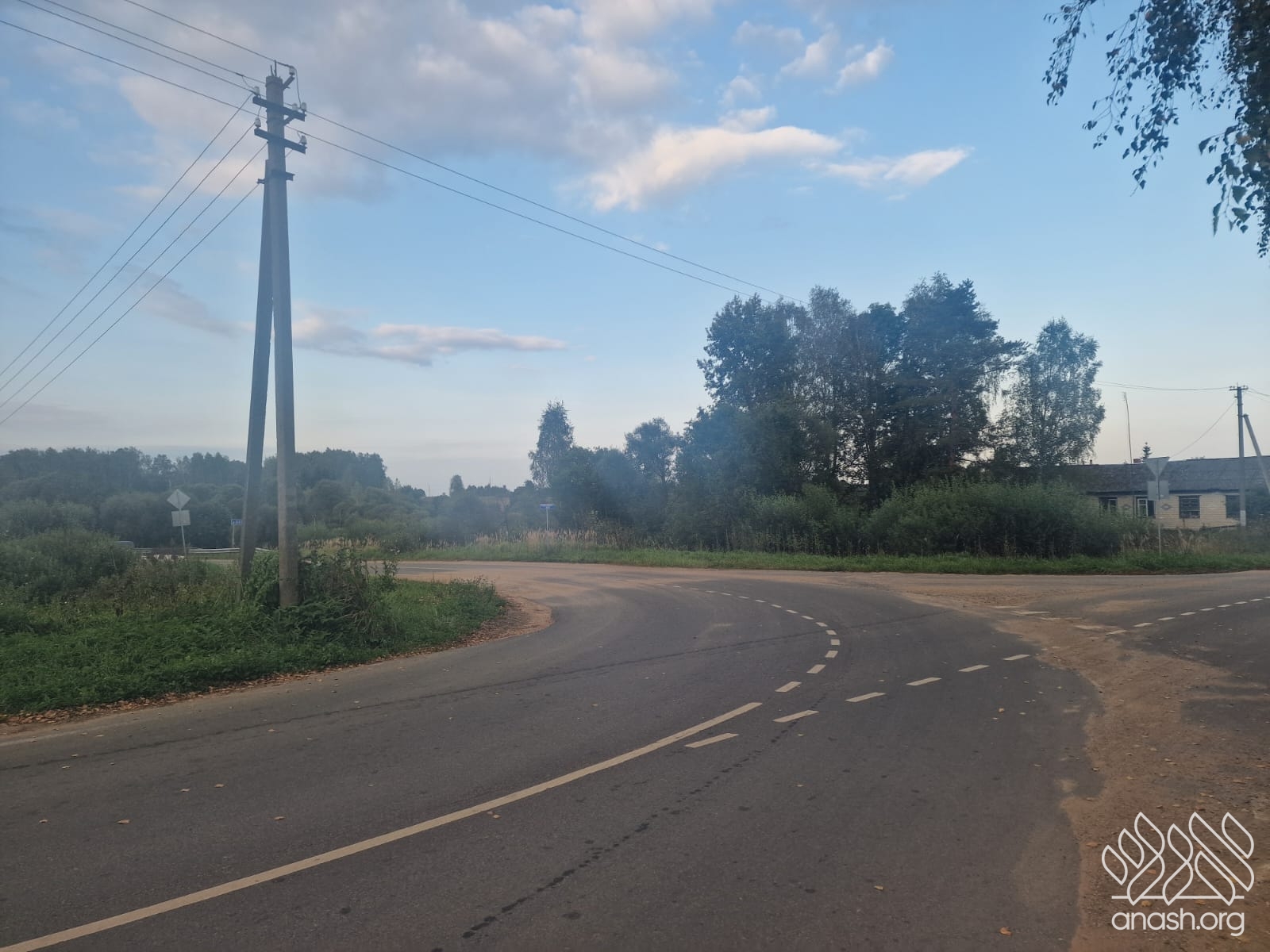
They march calmly, in a festive Yom Tov spirit, and with a certain reverence. From the windows, from the doors, from the small courtyards, women and girls peer out with curious eyes… The procession stretches endlessly. They walk and walk…
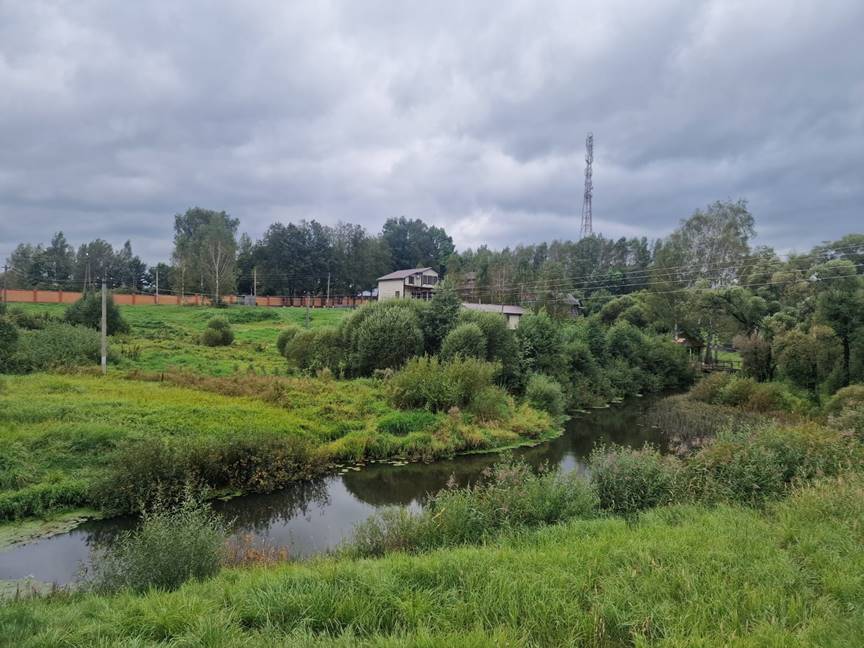
The Lubavitcher river waits submissively. It knows that today is Rosh Hashanah, and that the chatzer will soon come to it, to the river, to cast into its calm, flowing waters all the aveiros of the entire year. What can the river do? Resist? How could it possibly resist a Rebbe with so many chasidim?
The river has no choice but to allow itself to be filled with some aveiros; it has to… For even the river itself is a little sinful—it too has aveiros of its own… For example, the entire summer it acted like a sheigetz, playing with the young people who bathed in it. . . . Sometimes it even tried to drown someone, to drag them down into its cold, dark depths, and leave them there for good…
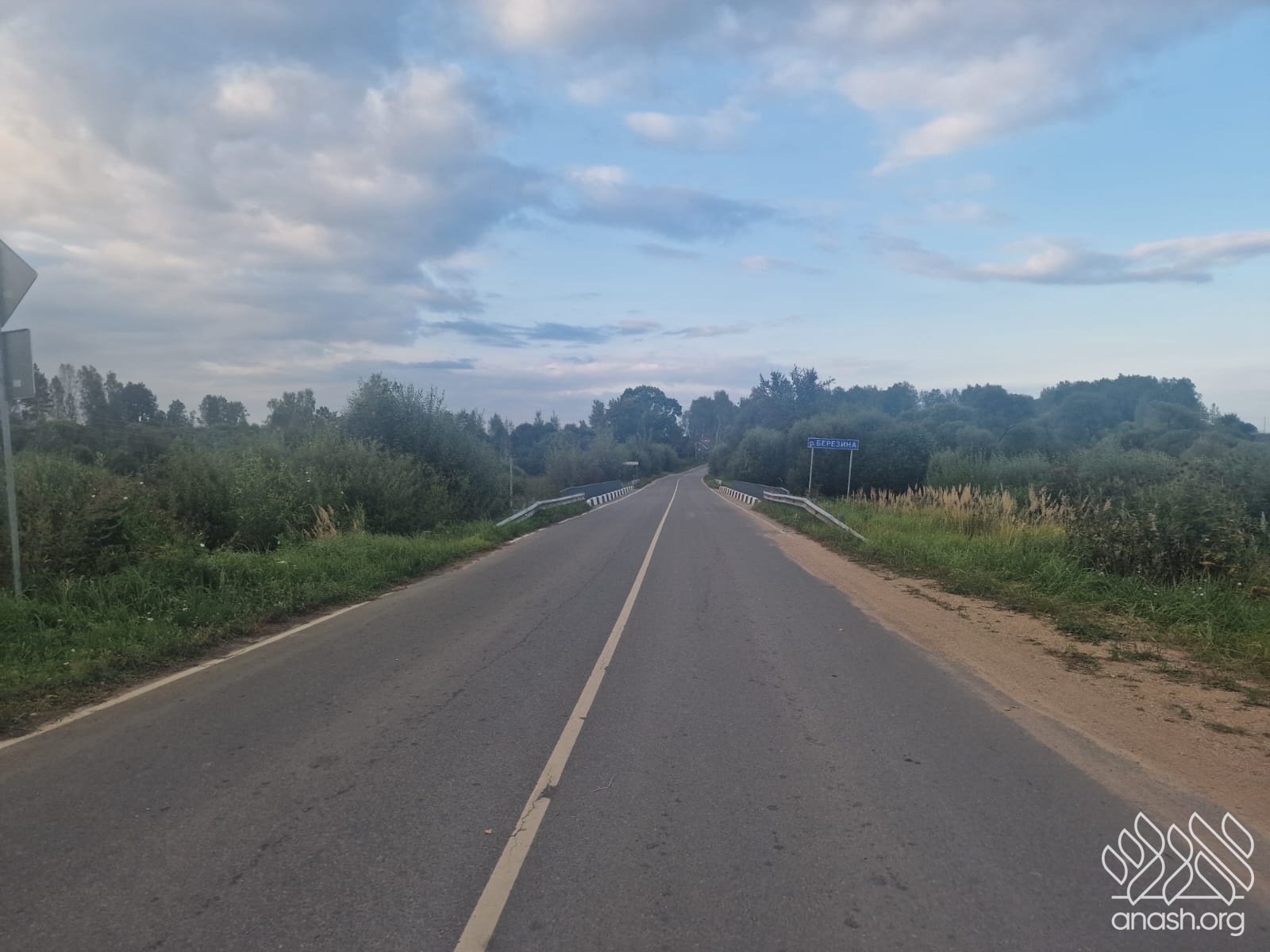
Yes! The Lubavitcher river carries aveiros! But it cannot go to tashlich… Because where should it throw its aveiros? Into the Lubavitcher mud, perhaps?
But they, the chasidishe guests with the Rebbe at their head, they have a place to throw their aveiros—into the river’s flowing currents… So what can the river do with them? It must, unwillingly, accept them, let them in…
This is what the river thinks as it patiently awaits the chatzer’s tashlich…
And now, on the right bank of the river, the tashlich procession appears. The left bank, occupied by the town’s misnagdishe inhabitants, grows tumultuous. People rush toward the water, seeking to get closer to the second bank, closer to the Rebbe with his chasidim. Young women, in particular, elbow their way forward, hoping to catch a glimpse from afar of the Rebbe’s enchanting face, with his fiery-red beard. The air is filled with complaints, insults, and curses… The entire shtetl is gathered, here, on the left bank of the river!…
On the other bank, a higher, rugged terrain, the crowd begins to settle—a sea of heads, a sea of beards. From the sea of beards, the Rebbe’s fiery-red beard rises, growing bolder and redder against the gray, murky river waters. The Rebbe’s beard sways with reverence, and the hundreds of heads sway along. Both sides of the river are crowded with people.
And now tashlich is over. The gray, murky waters seem to suddenly rise, full and swollen with aveiros. The Rebbe gives a final shake of his fiery-red beard and turns away from the swollen river. A nigun is begun—cheerful, light, freed from all sin—and with the crowd in tow, they walk back singing, through the thick mud, back to the chatzer…
***
Some comments on this article:
Gotlib describes the town of Lubavitch as “misnagdish” and hostile towards the Rebbeim. While the generalization is exaggerated, the phenomenon of estrangement between many residents of Lubavitch and the chatzer is well documented. The Rebbe Rashab quoted his father, the Rebbe Maharash, as saying about the nature of the residents of Lubavitch, “the area around the sea is dry” (Kuntres Umaayan, hakdamah, p. 25). See also R. Yudel Chitrik’s description of the tension between the chatzer and a faction of the local residents in Reshimos Devarim, pp. 328–329.
As was the case in the previous Gotlib article, “Chaim the chazan” is a mistaken reference to R. Yechiel Haperin, the chazan in Lubavitch and shadar for Tomchei Temimim. A biographical sketch of R. Yechiel was recently written by Yisrael Barda in the Ginzaya journal, issue 50, pp. 15–18.
Gotlib misremembered the schedule of the Rebbe Rashab’s maamarim on Rosh Hashanah, describing them on the first night of Rosh Hashanah after maariv, and after davening on the first day. In fact, the Rebbe Rashab said maamarim on the second night of Rosh Hashanah, before maariv, and after minchah on the second day of Rosh Hashanah. Notably, Gotlib describes a maamar beginning with tik’u bachodesh shofar, which was the dibur hamaschil of the maamar the Rebbe Rashab said on the second night of Rosh Hashanah in 5675, one of the years Gotlib was in Lubavitch (Hemshech Ayin Beis, vol. 2, p. 637).
Frierdiker Rebbe
From the Rebbe Rashab in Lubavitch, we now move on to the Frierdiker Rebbe in Riga. After being forced to leave Russia in 5688 (1927), the Frierdiker Rebbe settled in Riga, which became his primary residence for almost six years.
The bustling cosmopolitan city of Riga could not have been a greater contrast to the quiet little shtetl of Lubavitch. While a significant number of Chabad chasidim had settled in Riga by this time, the general flavor of the local Jewish community was very modern, strongly influencing the younger generation of the local chasidim as well.
Significant elements in the Riga community were antagonistic towards the Frierdiker Rebbe and his attempt to establish “old-fashioned” unapologetic chasidishe life in Riga, and this discomfort is also reflected in the article we will quote.
The following article describing tashlich in Riga with the Frierdiker Rebbe was published in the Riga-based Yiddish newspaper Morgen Post, 4 Tishrei 5693 (October 4, 1932), in what proved to be his last Tishrei in Riga before moving to Poland.
A previous installment of this column explored the attempt to establish a Tomchei Temimim yeshivah in Riga during this period, the failure of which was one of the reasons behind the Frierdiker Rebbe’s move to Poland at the end of this year.
Here is the article, translated here in full:
The Lubavitcher Went to Tashlich
Never before has such a large Jewish crowd been seen in the Riga streets like yesterday at tashlich. All the streets leading to the Dvina River and the canal were filled with Jews. Old and young, men and women—everyone went to tashlich yesterday. Some say that this year there were double the number of Jews at tashlich compared to last year.
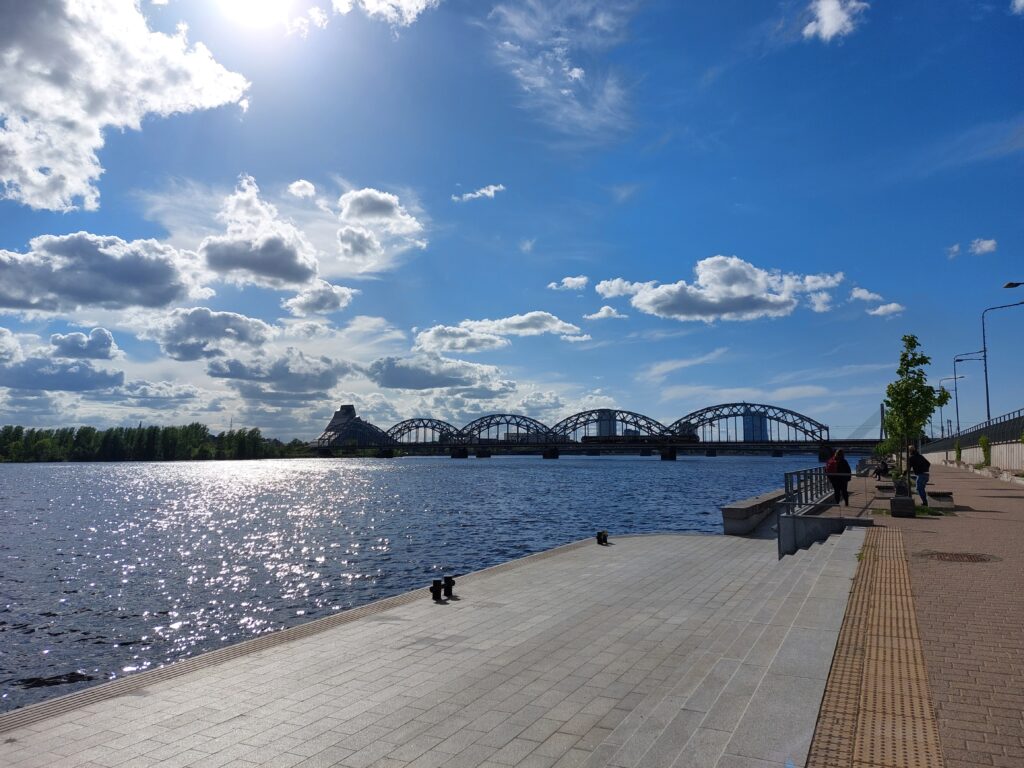
After Minchah, when the crowd, machzorim in their hands, began to approach the Dvina riverbank, word suddenly spread that the Lubavitcher Rebbe was on his way with a group of chasidim. The crowd turned around and went to greet the Rebbe. After waiting for about half an hour, the Rebbe finally arrived, accompanied by a hundred chasidim. The Rebbe himself is in the center, surrounded by his chasidim, and they walk step by step to the Dvina riverbank. Some of the chasidim sing a nigun. However, there was no excitement like last year at tashlich, when a few dozen chasidim from Poland had come for the Yamim Noraim to the Lubavitcher Rebbe, drawing the attention of both the Jewish and Christian populations with their striking appearance.
When they arrived at the Dvina riverbank, a large crowd of eager people awaited the Lubavitcher Rebbe. Only when all the mispalelim from the Lubavitcher minyan had reached the Dvina riverbank did the Rebbe begin to say tashlich, and the crowd repeated after him, word for word.
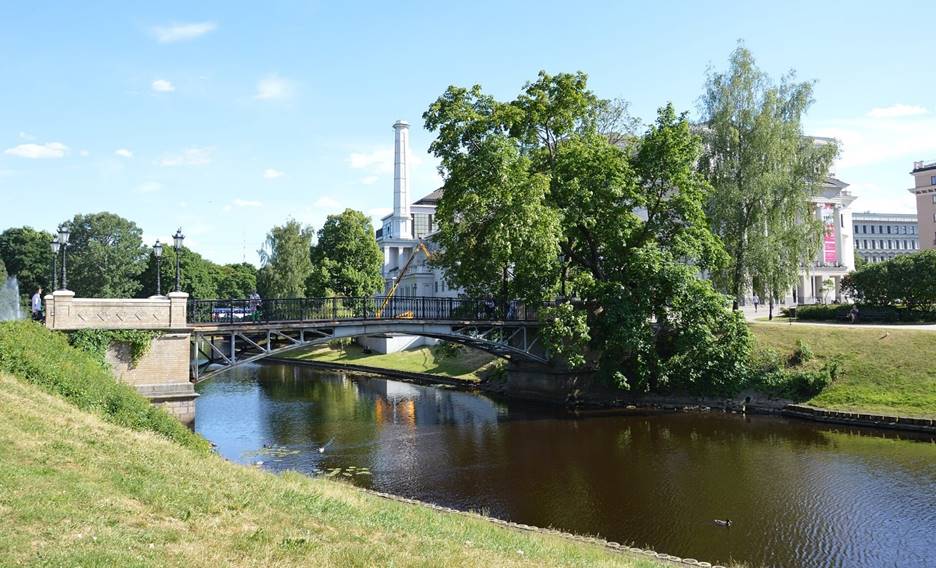
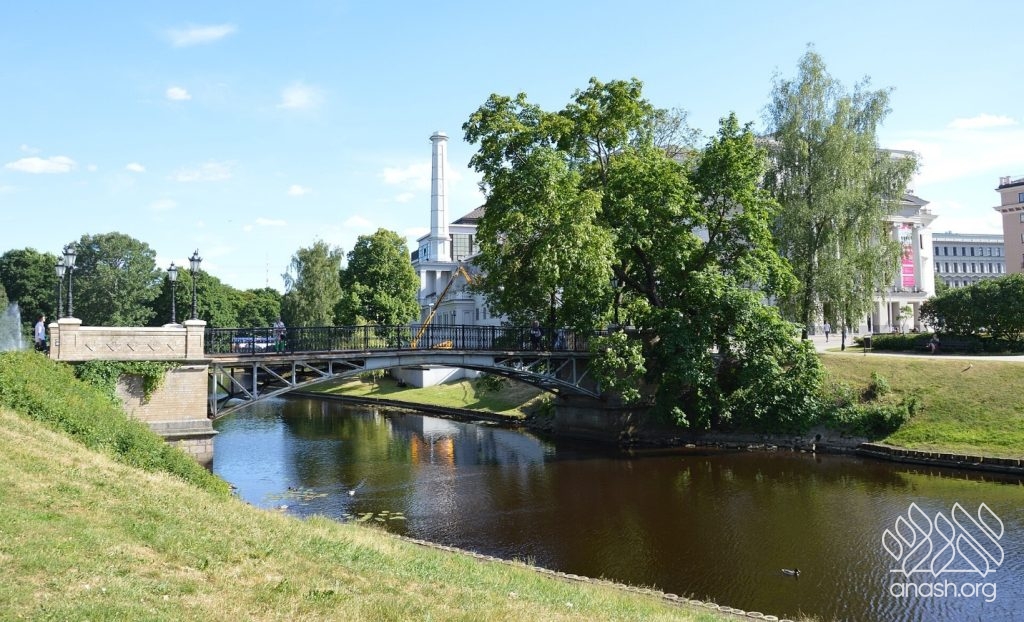
At the river’s edge, the mispalelim from Bazar-Berg, led by Deputy Dubin, had also waited for the Rebbe. The Lubavitcher’s tashlich lasted about half an hour. Gradually, the crowd begins to disperse. Along the way, they bump into large groups of Jews, walking to and from tashlich. A picturesque scene could be seen at the canal bank near Marien Street and the Opera Square. There, the women gathered, and a couple of photographers seized the moment, setting up their cameras—one, two, and the tashlich scene is captured on the plate.
The crowd by the canal doesn’t disperse, especially the youth. They sit on the benches, following the tashlich scene with great attention.
After Tashlich, the older people returned to the shuls, where they took up their Tehillim.
***
It is worth noting that our Rebbe was also present at this tashlich in Riga 5693, and recorded the Frierdiker Rebbe’s minhag of shaking the corners of his talis katan after tashlich (Reshimas Hayoman, p. 258).
The Rebbe
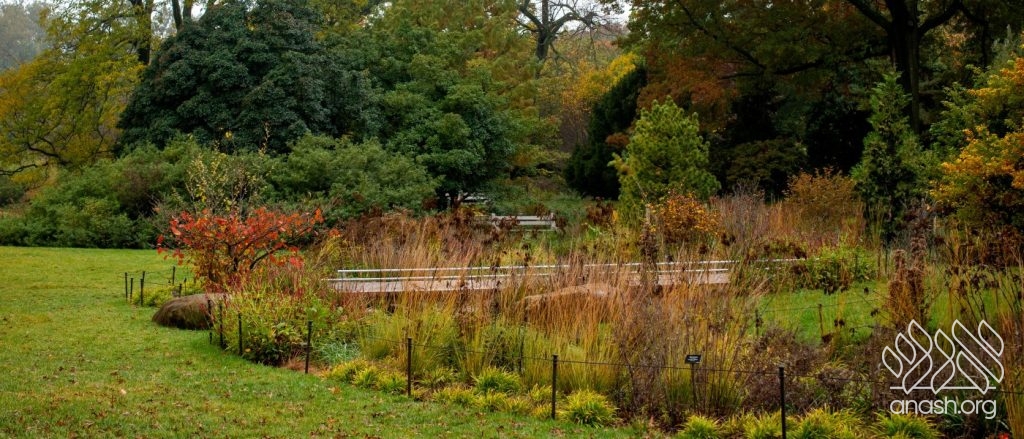
After the Frierdiker Rebbe settled in Crown Heights, chasidim began to walk to the Brooklyn Botanical Gardens for tashlich. From the beginning, the Rebbe—then known as the Ramash—arranged that the procession march together down Eastern Parkway in an orderly fashion, singing Jewish songs—not necessarily chasidishe nigunim.
The goal of the tahaluchah was to draw the attention of the many non-frum Jews living in Crown Heights, inspire them to join, and show onlookers—especially the youth—what authentic, proud Yiddishkeit looks like. Such open and loud Jewish conduct was very novel in the affluent modern Jewish neighborhood of Crown Heights. While some local Jews did not like it, the tahaluchah was highly successful in its goal of raising Jewish pride.
The Rebbe led this annual tashlich procession for many years until a well was dug in the courtyard of 770 for tashlich in 5728. Descriptions and stories related to this tashlich march are widely known, and an overview is provided in Kovetz Lechizuk Hahiskashrus 5776:1, pp. 37–45.
The following account of a secular Crown Heights Jew’s participation in the yearly tashlich procession, and the hirhur teshuvah it stirred in his heart, is a moving example of what the Rebbe was working to achieve.
This account was written by Dr. Menachem Mendel Edelstein (5650–5714), the head of the department of teachers’ affairs of the Jewish Education Committee of New York. Born in a town near Ovruch, in what is now Ukraine, Edelstein immigrated to New York, where he was active in Jewish education, producing curriculum to teach children davening and Yiddishkeit.
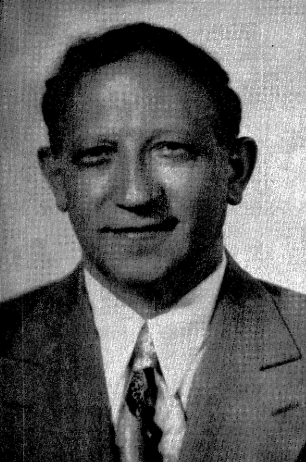
However, this account isn’t about its author, but about his friend, Pinchas Gingold. Pinchas Michael Gingold (5652–5714) was born in Lita and immigrated to America at age 16. He was a prominent leader in the left-wing Labor Zionist movement and active on behalf of Yiddish culture and education.
After Gingold’s death, his friends published the Pinchas Gingold Buch, a memorial book containing articles he wrote and tributes written in his memory. Edelstein’s tribute to Gingold focuses on his Jewishness. While Gingold may not have been a strict observer of Shulchan Aruch, Edelstein writes, he had deep religious feelings, and the mitzvos he did observe were performed with joy.
As an example, Edelstein recounts how Gingold would join the yearly Lubavitcher tashlich procession and the feelings it aroused in him. Here is the relevant section, from the Pinchas Gingold Buch, pp. 286–287:
Take a Yiddishe minhag like going to tashlich on Rosh Hashanah.
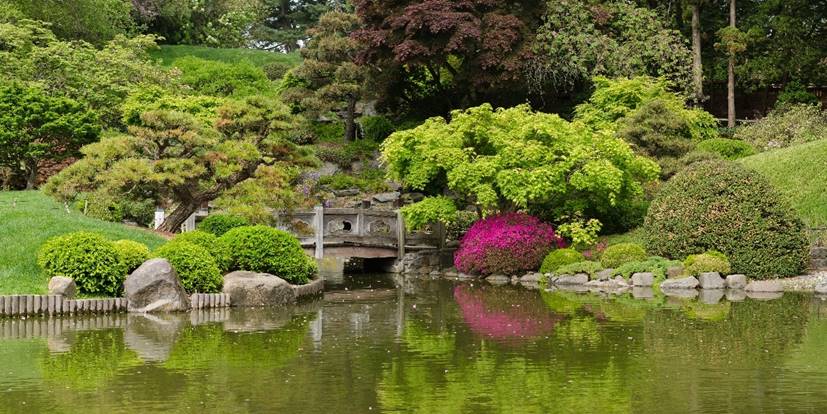
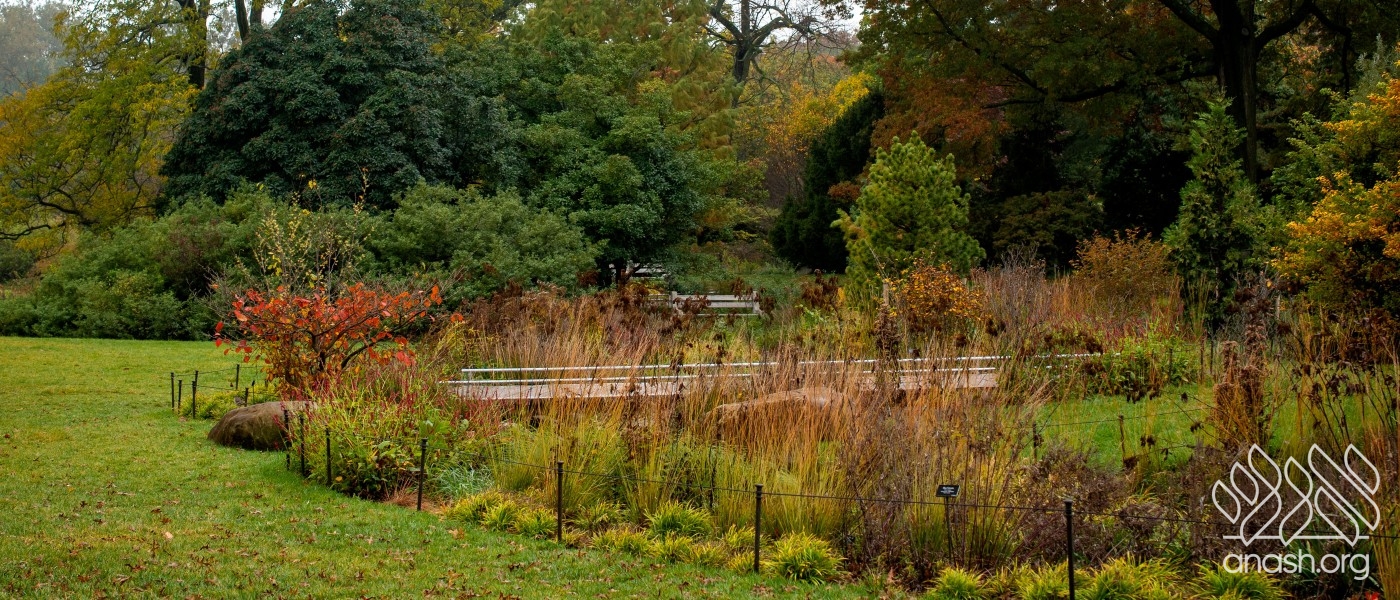
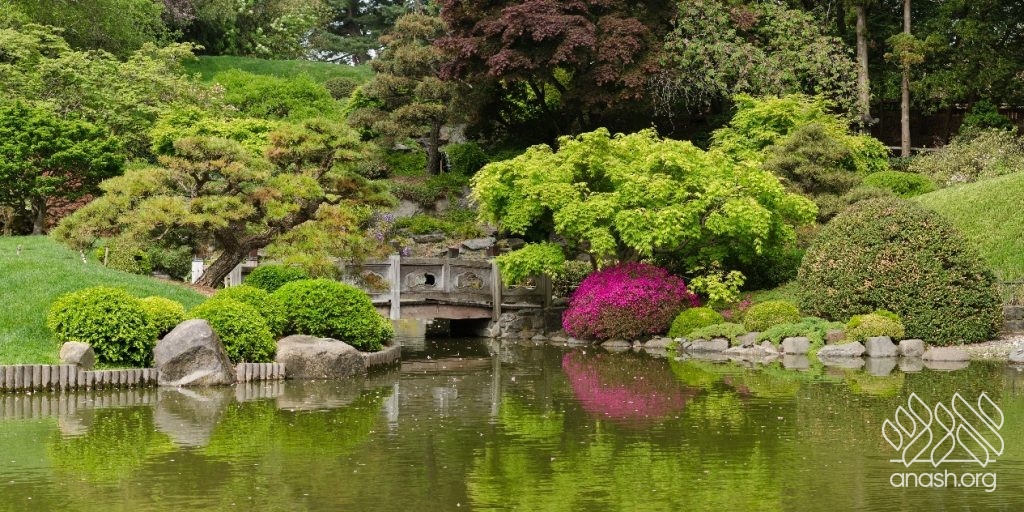
Ever since the Lubavitcher Rebbe settled in Gingold’s neighborhood on Eastern Parkway in Brooklyn, groups of Yidden have been making their way through the wide, quiet streets of that neighborhood on Rosh Hashanah afternoon, walking from the Rebbe’s house to Prospect Park, to the small stream that flows near the Japanese Garden with its pagodas, tropical trees, and plants.
Chasidim, young and old, march in formation like soldiers, singing chasidishe nigunim. Along the sidewalks, people—mostly fellow Yidden—stand and watch: some smiling warmly, others glaring with anger or annoyance at these “wild” chasidim who bring a kind of dissonance into the otherwise Americanized character of the neighborhood.
Gingold would come to our house that day, full of anticipation, waiting impatiently for the tashlich procession to pass by. Thinking back now to those days, how Gingold would all but drag me and Moshevitzkin—who lived in the same building as me—to come along with him and the Lubavitchers to tashlich, I get the sense that he wanted us to catch some of his joy in fulfilling a mitzvah and his reverence for authentic Jewish traditions.
And when we would arrive at the stream, Gingold wasn’t just a bystander, like someone snapping pictures of a Jewish ceremony to later write about it or discuss it. He would take out his father’s worn machzor, and with great emotion and kavanah, say the lengthy tashlich tefilos aloud, word for word, just like all the frum men and women around us.
Once, as we were walking to tashlich, we heard the mutterings of the annoyed people on the quiet Brooklyn streets. Gingold turned to me seriously, not in his usual tone, and said:
“I wish that for just one day in my life, I could walk these streets with a beard and peyos on my face, and feel what these chasidim with their beards and long kapotes feel, as they march proudly, heads held high, singing their way to tashlich.”
Gingold had deep roots in Yiddishkeit, and his heart always yearned for real Yiddishe experiences and spiritual inspiration.
***
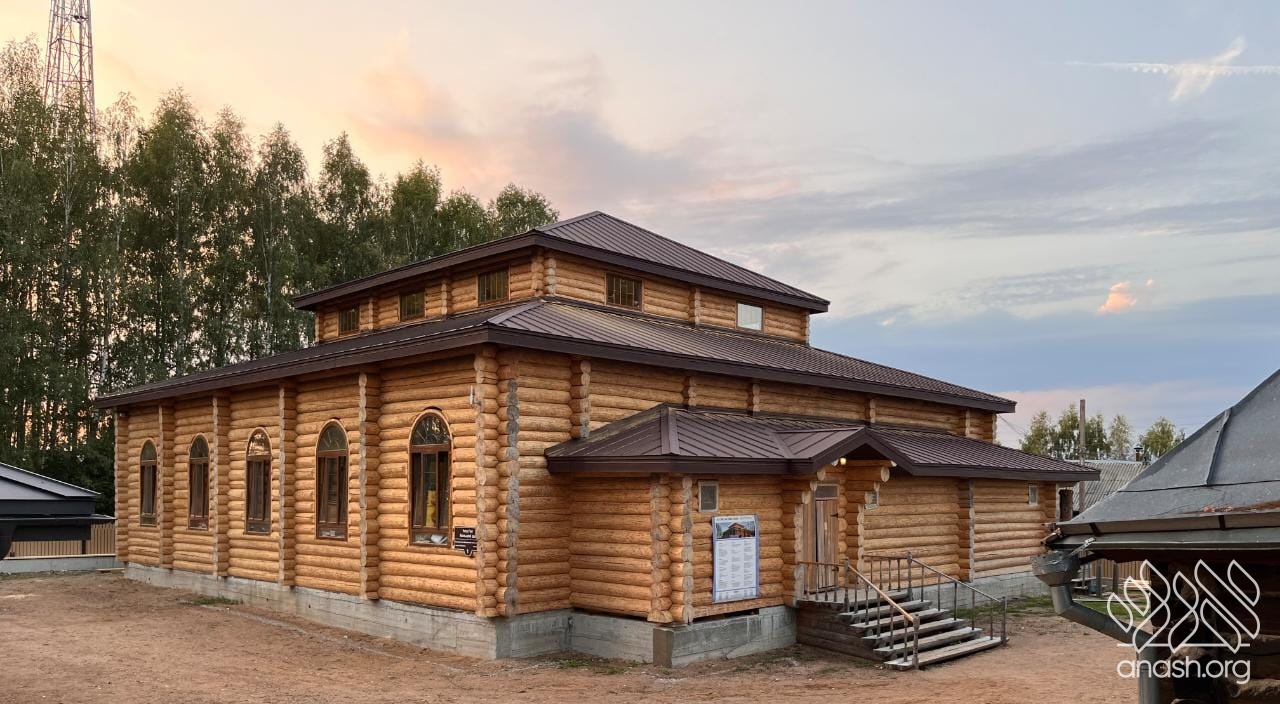
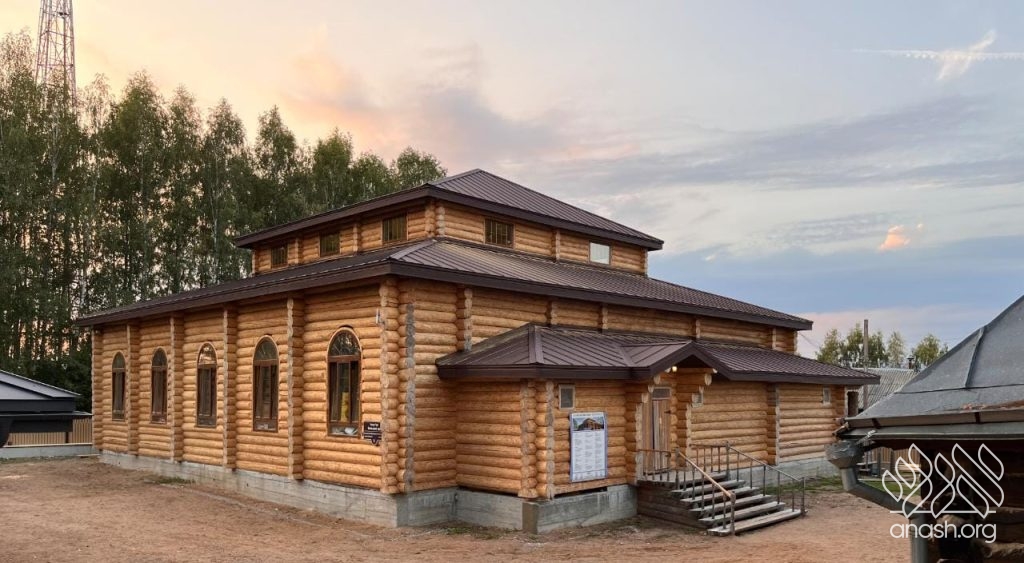
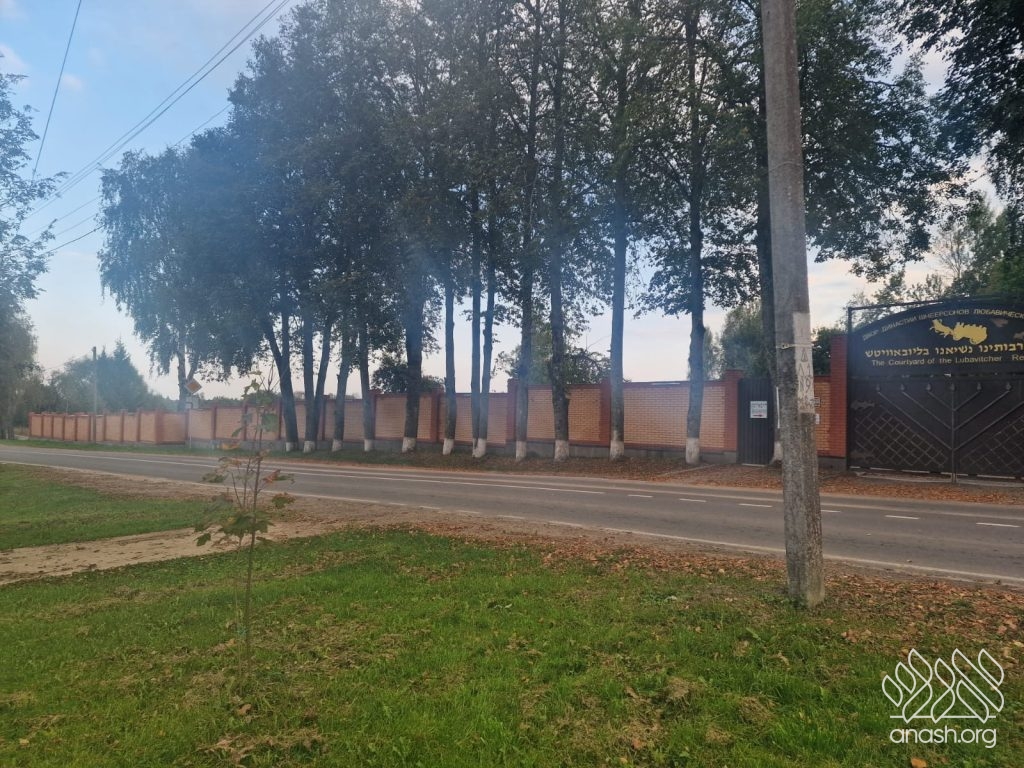
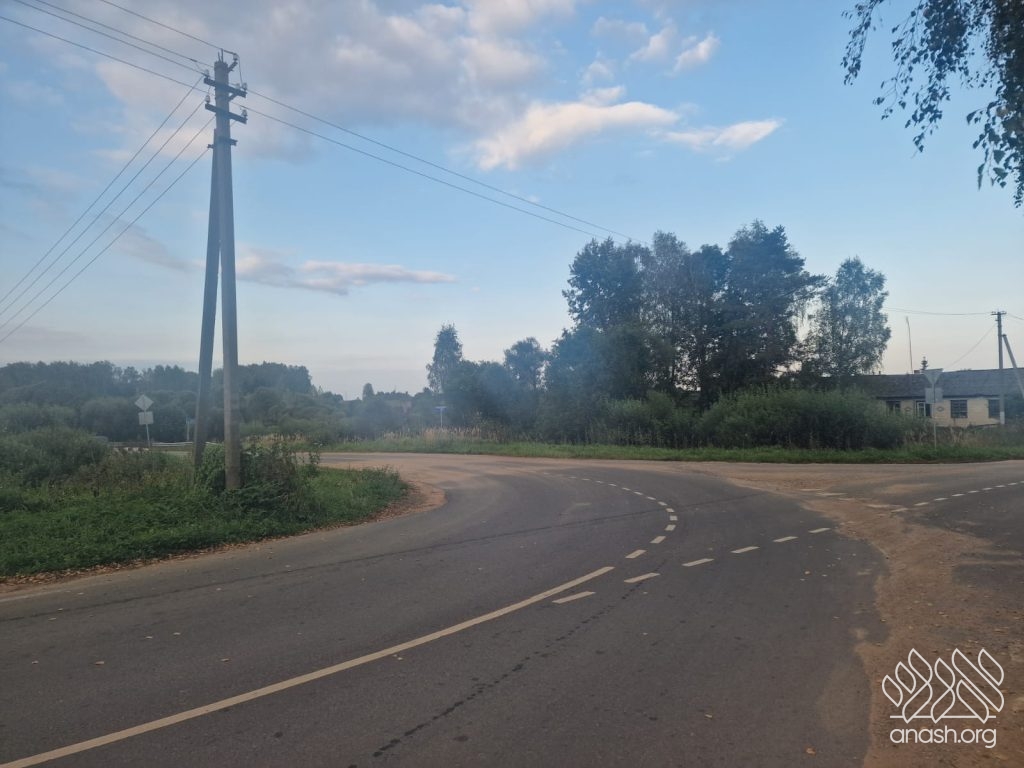
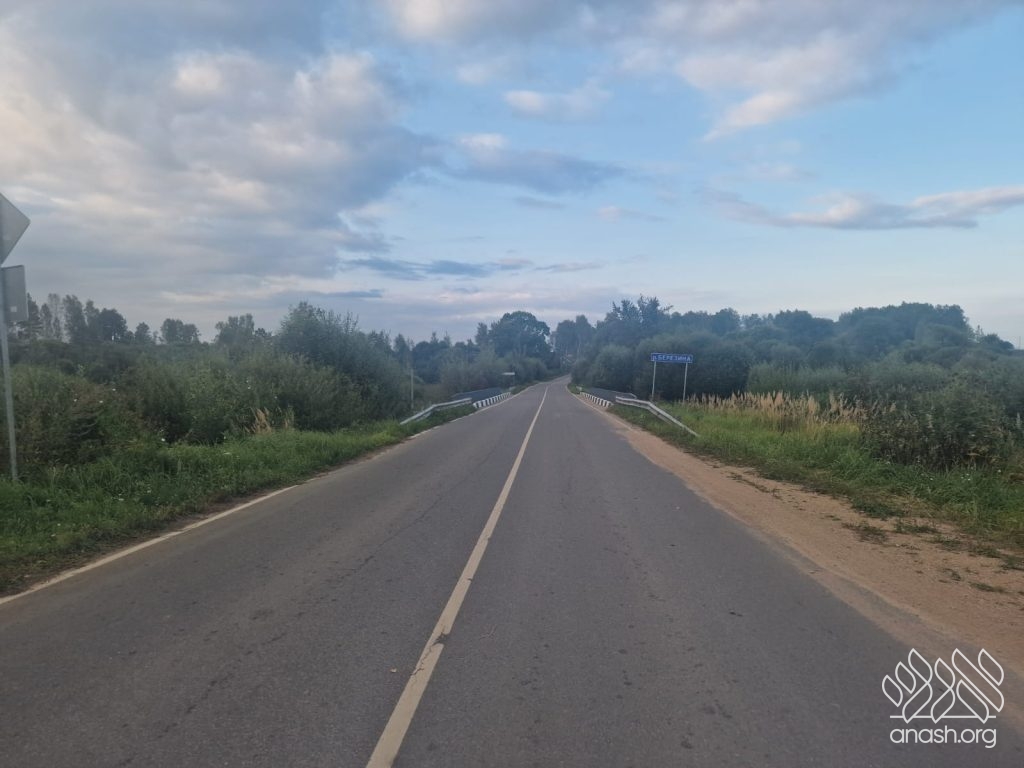
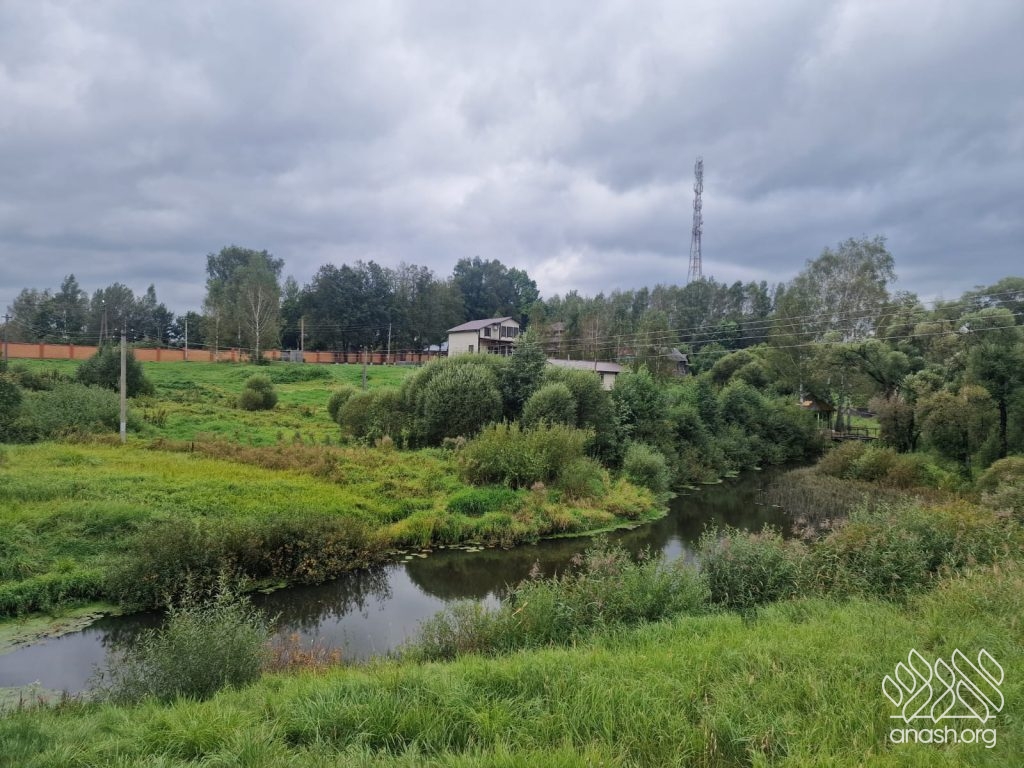
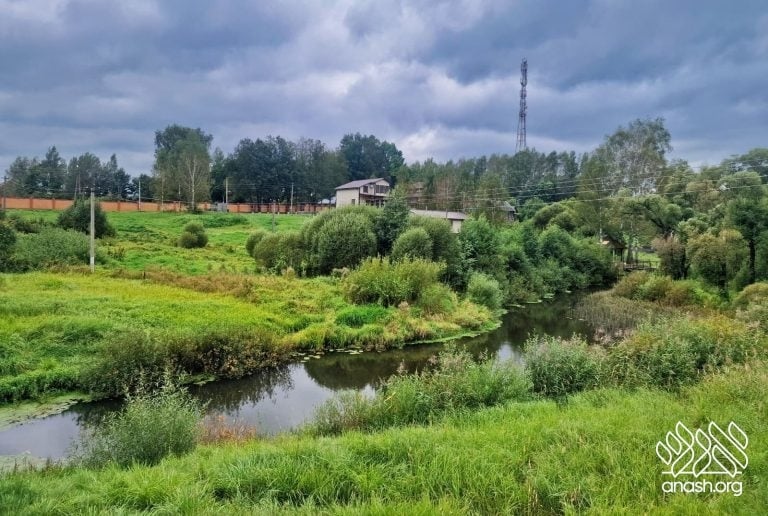
Thanks to Nachman Vaksman for taking the pictures of Lubavitch specifically for this article. Thanks also to the shliach to Lubavitch, R. Gavriel Gordon, for his help explaining the route.
To view all installments of From the Margins of Chabad History, click here.
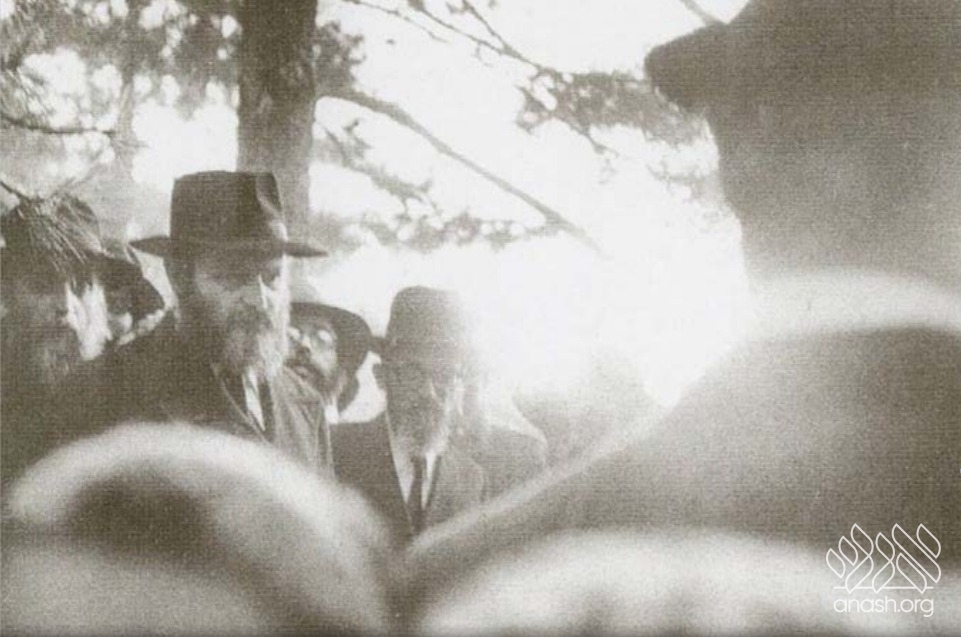
A picture of the Rebbe at tashlich, taken by a non-Jew.
 COMMENTS


Missing about Frierdiker Rebbe in New York, 5690.
See Sefer Hasichos 5688-5691 Page 144, that in 5690 the Frierdiker Rebbe went three times to Tashlich: Several days before Rosh Hashanah, Motzei Rosh Hashanah, & on Shloish Esreh Midos.
The article only covers actual descriptions of tashlich, not mere mentions of the fact that it was done.
But that year the Tashlich was unique, as it was done THREE times.