




א׳ כסלו ה׳תשפ״ו | November 20, 2025
Kashrus Insider: ‘There Is No Kosher Beer Crisis’
After the new Kosher beer policy sparked widespread confusion – with some assuming common beers were suddenly being declared non-kosher – Anash.org turned to Kashrus expert Rabbi Nissan Zibell for clarity. Plus: A behind-the-scenes report of over 900 Kosher certified beers.
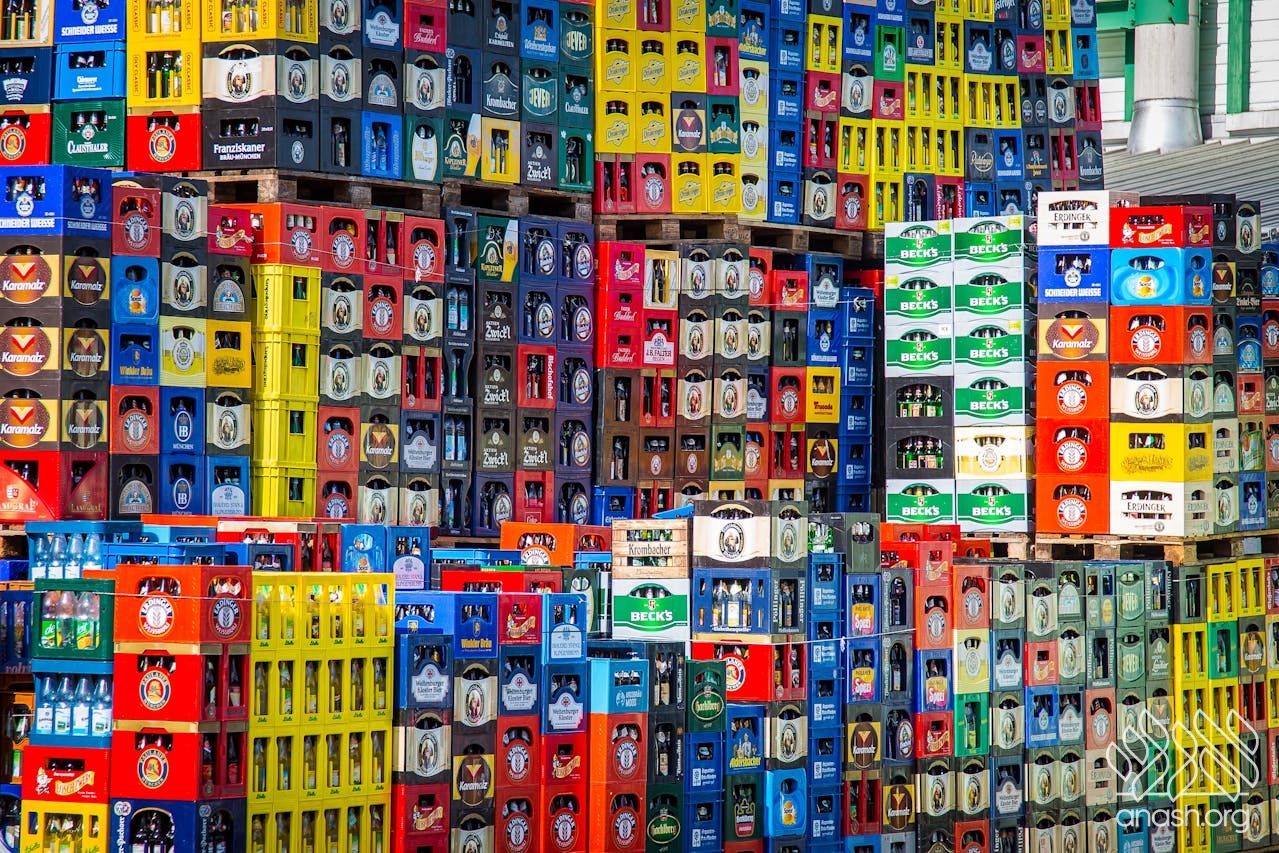
In recent days, a great deal of discussion has circulated across the frum community regarding a newly announced beer policy by the OU, OK, and Star-K.
As first reported by Anash.org, the policy shift comes after significant changes in the brewing world. For decades, unflavored beers were assumed to be kosher because of their simple ingredients. But the explosion of craft breweries, shared equipment, flavored varieties, and new production methods has made that assumption unreliable.
In a letter to mashgichim and food-service establishments, the OU wrote that the “rise of craft brewing and new production methods” now requires a stricter standard. After extensive research and consultation with the OK and Star-K, the agencies concluded that venues under their certification should serve only beers with a reliable hechsher or written verification.
The announcement triggered widespread online discussion, with some mistakenly assuming the agencies were declaring common beers non-kosher or forbidding their consumption entirely. Many were left confused about what had changed and whether their regular beers were suddenly problematic.
To clarify the situation, Anash.org spoke with Rabbi Nissan Zibell, shliach in Orlando, Florida and the Kashrus administrator at the RCF (Rabbinate of Central Florida). He is also a member of the liquor committee at the widely recognized AKO (Association of Kashrus Organizations).
“No Kashrus agency has declared beer to be non-kosher,” Rabbi Zibell told Anash.org. “They are simply saying that, in establishments under their hashgacha. They prefer to only approve beers that are free of any shailos. This is a policy decision, not a kashrus crisis.”
He noted that the clearest evidence is in the letter itself: The OU explicitly permits approved-but-uncertified beers to continue being served for another six weeks, which would not be allowed if any genuine halachic issue had been discovered.
Rabbi Zibell explained that for the past five years, all major kashrus agencies have already been encouraging consumers to prefer certified beers over approved-but-not-certified beers. Over the last three years, the Star-K and cRc have clearly categorized beers into: Certified beers, approved but not certified beers, and problematic / not recommended beers.
“This system is not changing,” he said. “What has changed is that the OU, OK, and Star-K now prefer – for the establishments under their supervision – to avoid any uncertain beers.”
Rabbi Zibell explained that individuals may continue drinking non-certified approved beers at home or in shul – just as they always have.
“No one is saying these beers are treif,” he emphasized. “But the beer industry has changed drastically, and consumers should be aware of that. Many beers are problematic. Some are questionable. And some are totally fine.”
He added that kosher consumers should take note of the evolving reality, be more aware, and rely on updated lists before choosing what to drink.
He stressed that one who wishes to be mehader in Kashrus should consume certified beers that are shaila-free.
Next week, the AKO Kashrus Conference will convene in Eretz Yisroel, where the AKO Liquor Committee will discuss whether this new OU/OK/Star-K standard should be adopted across all agencies or remain specific to each organization. A decision is expected after the conference.
The following beers should not be consumed without a reliable hashgacha: craft beers, home-brewed or pub-brewed beers, beers produced in breweries that also make non-kosher products, milk stouts or any beer containing lactose, as well as all flavored beers (including those flavored with spices, botanicals, fruits, or other additives).
“On the other hand, you’d be surprised how many of the classic go-to beers are actually certified”, Zibell says.
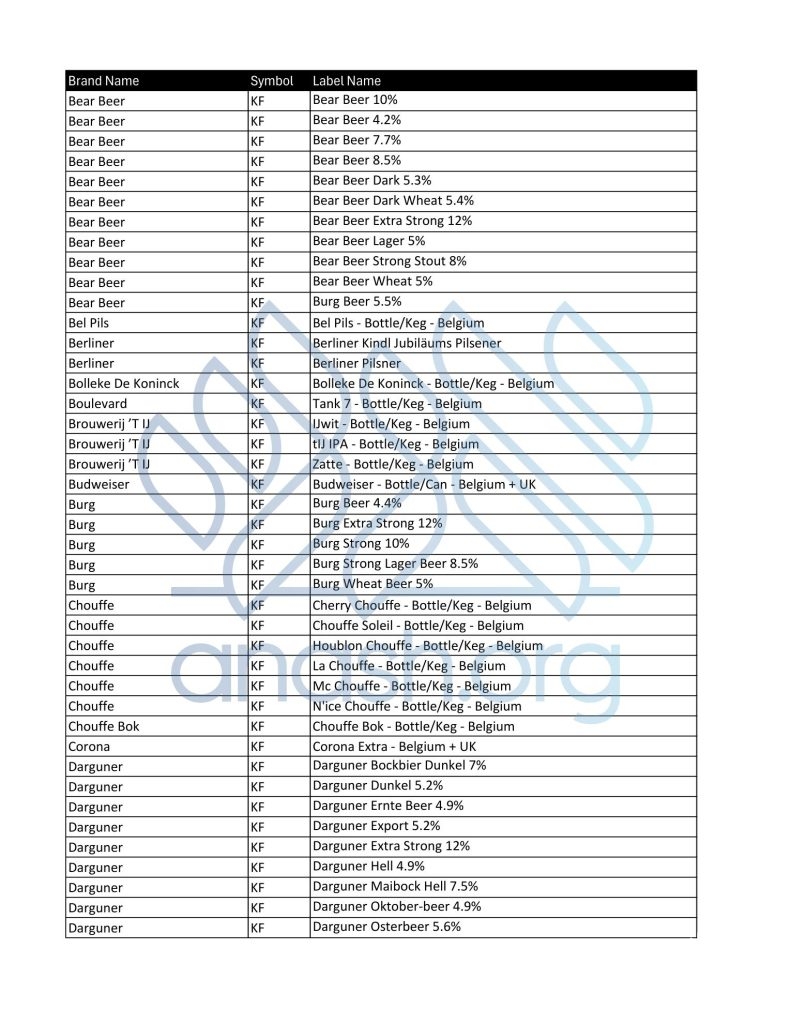
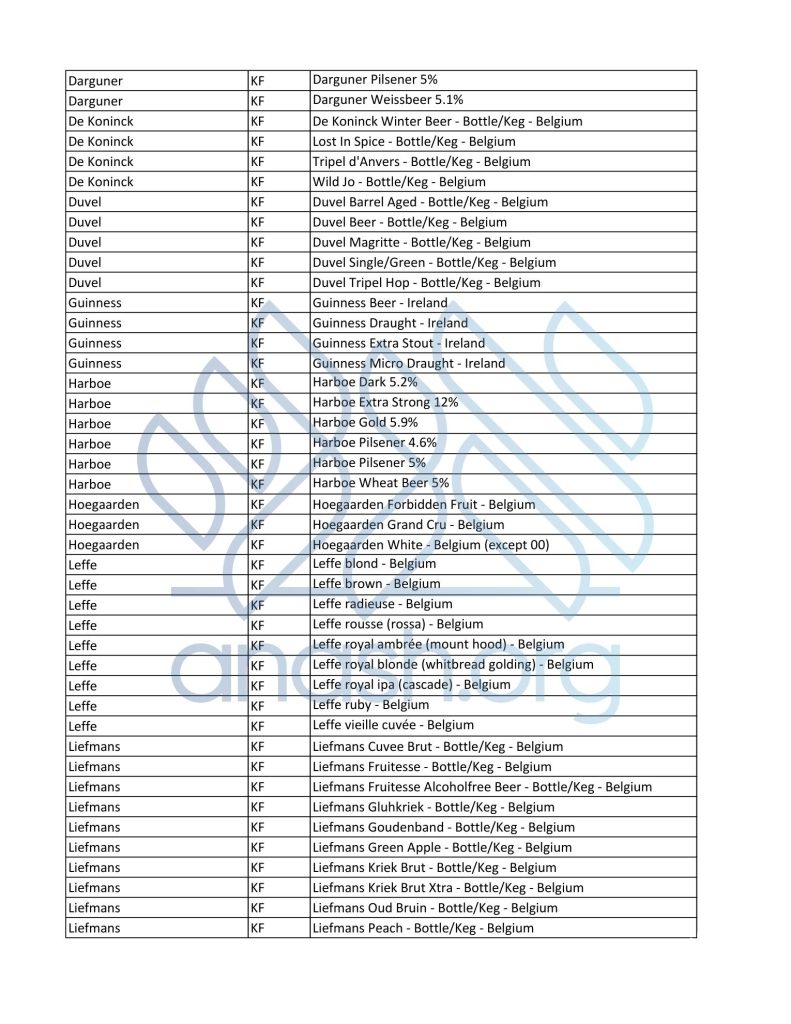
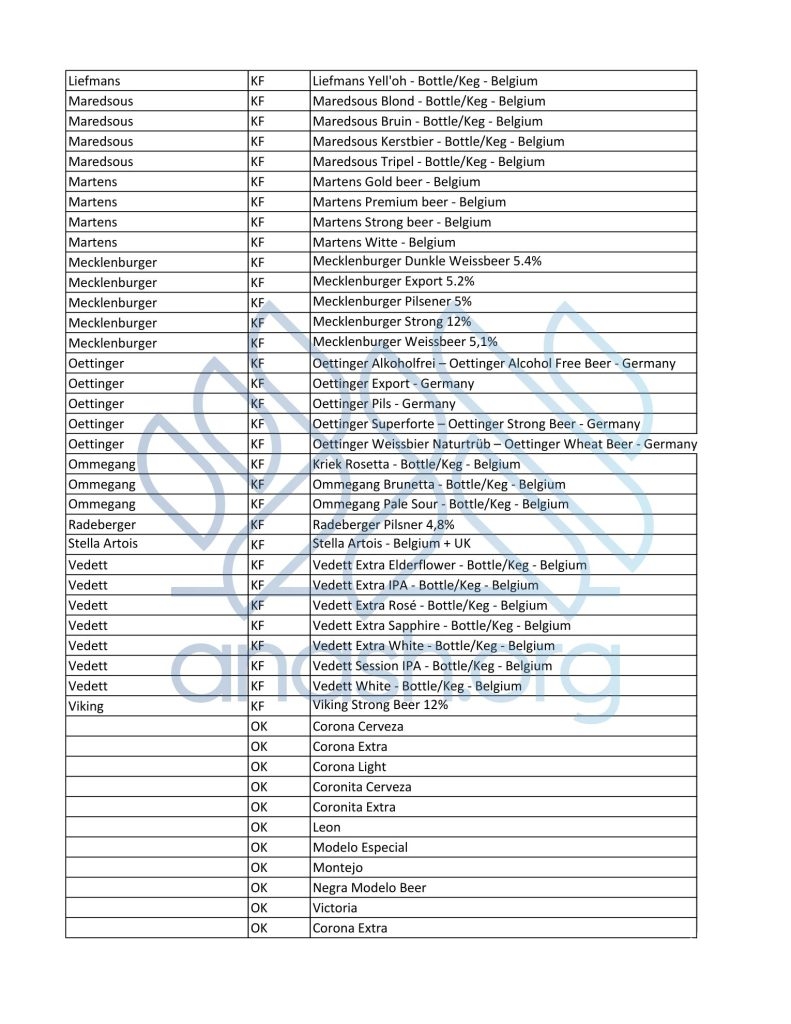
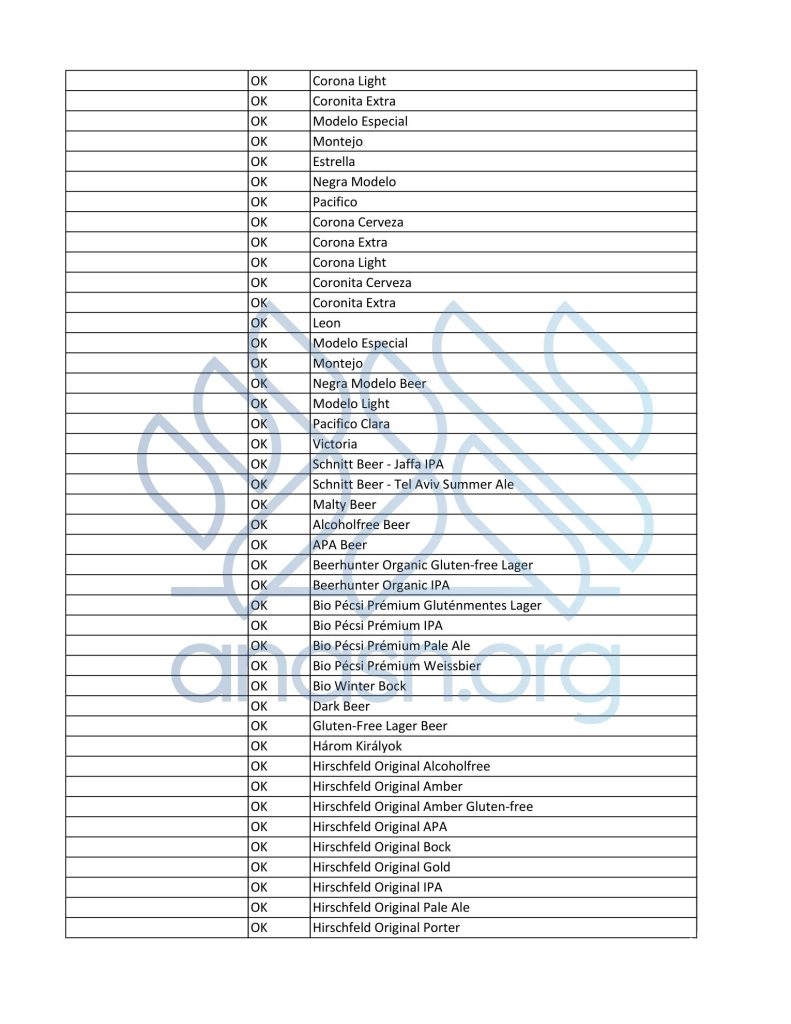
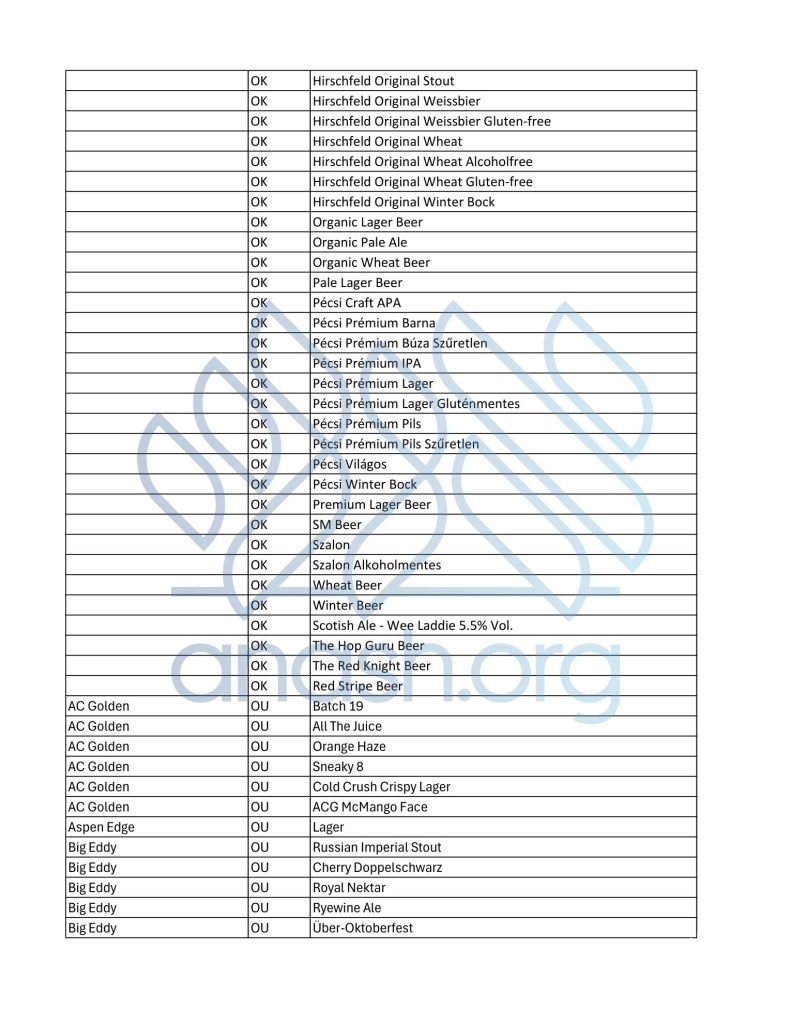
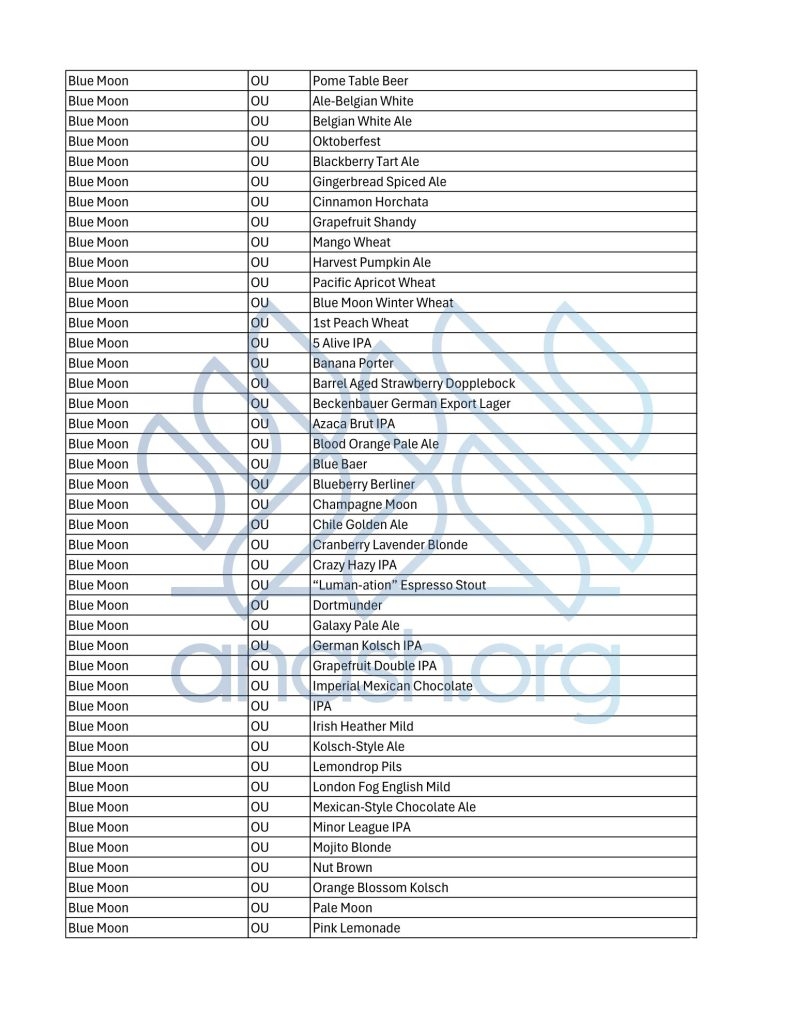
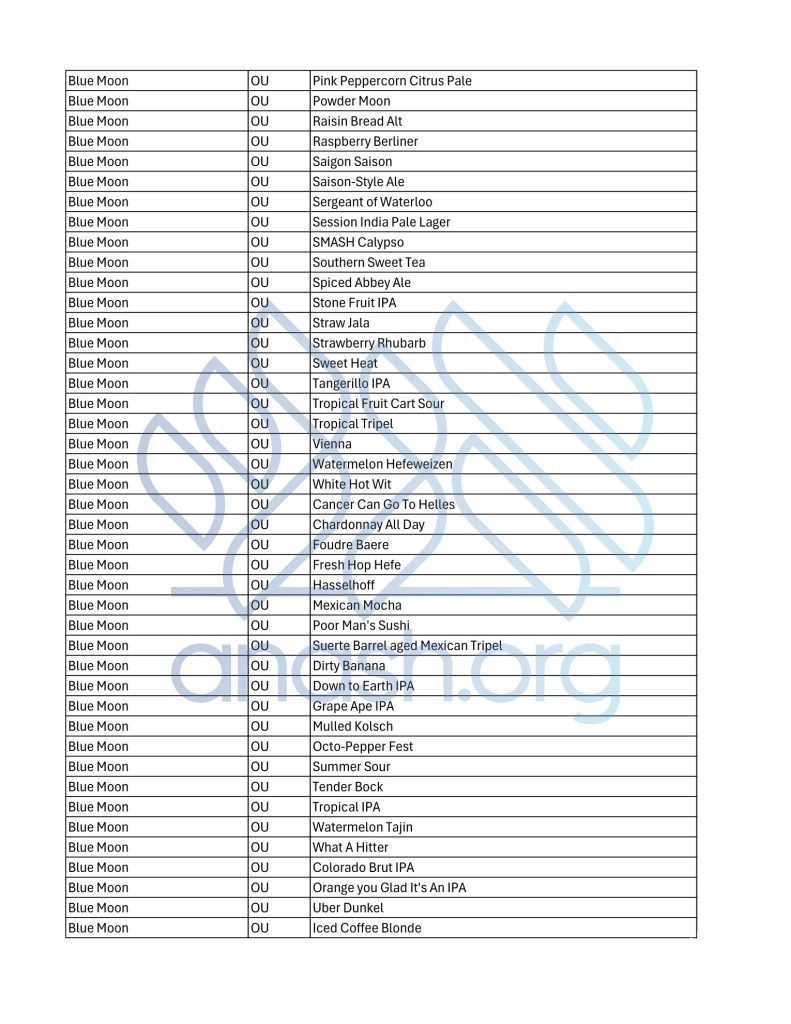
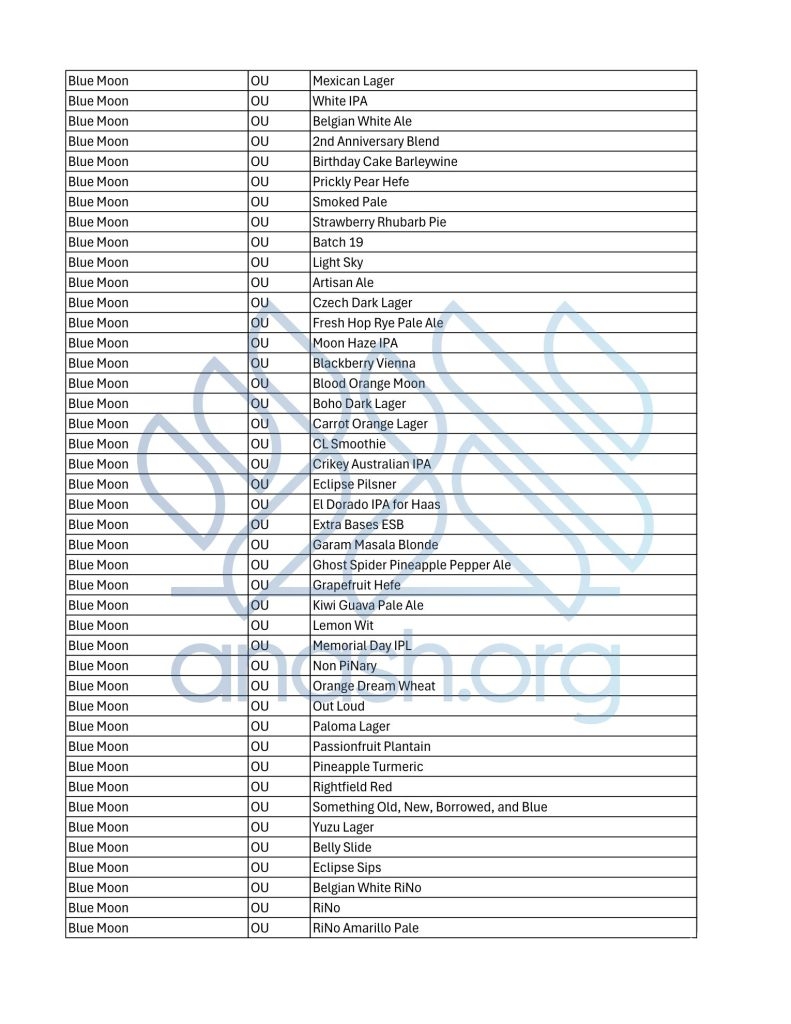
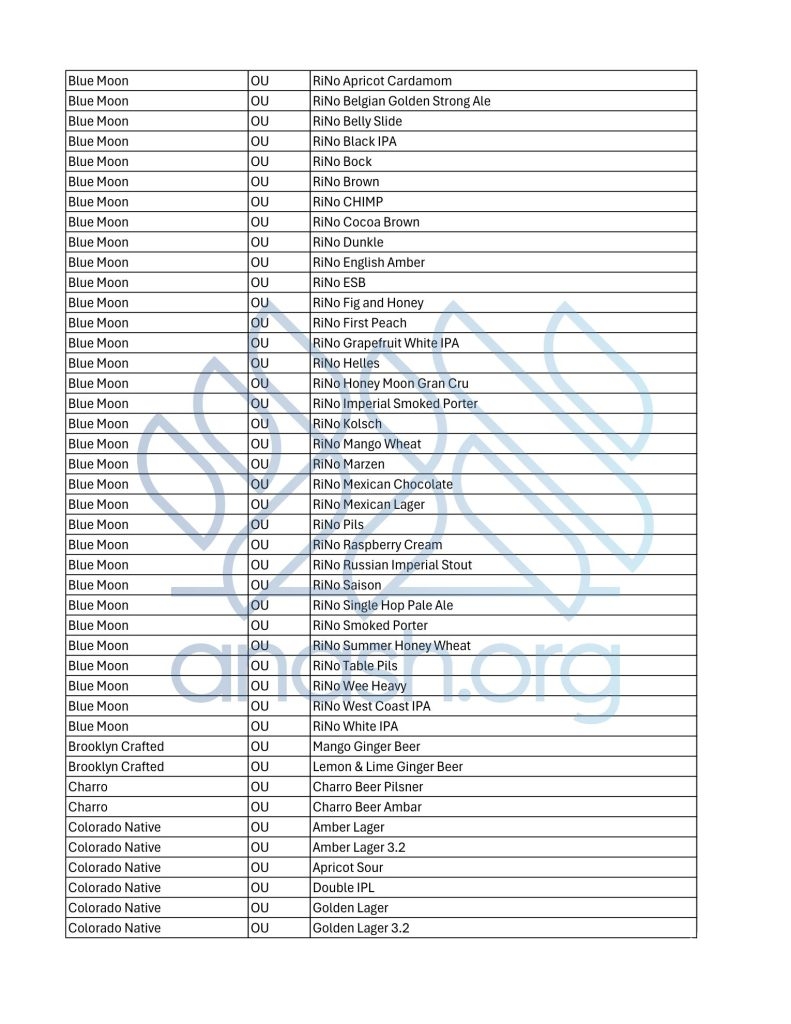
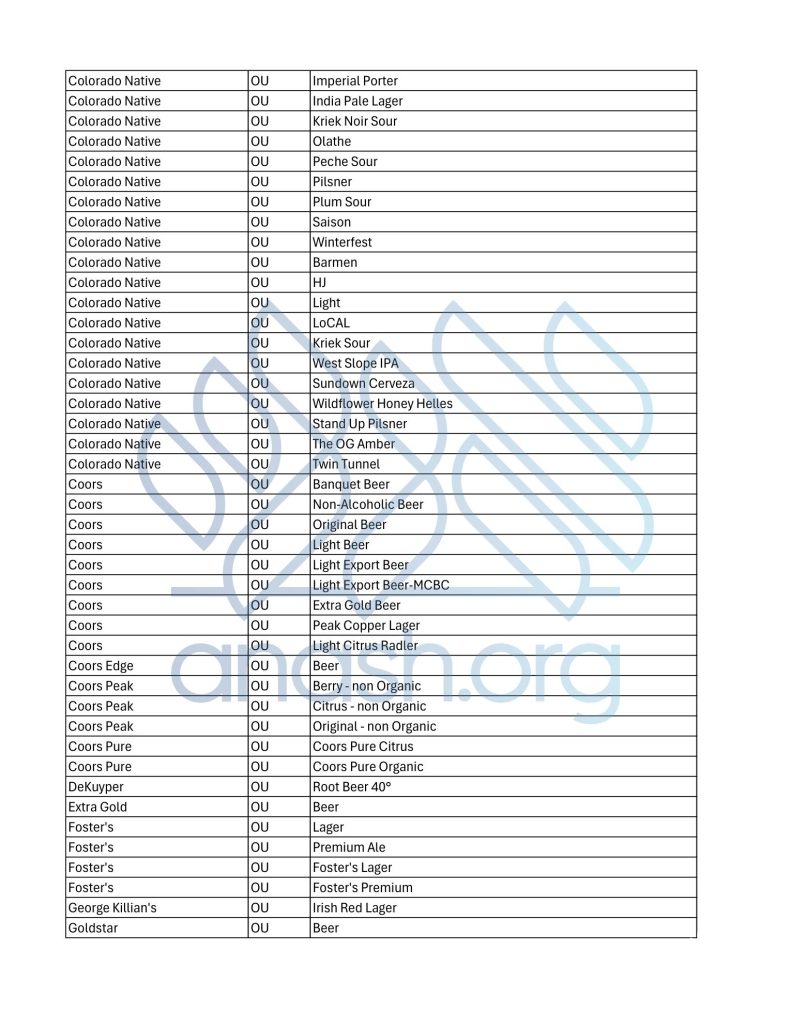
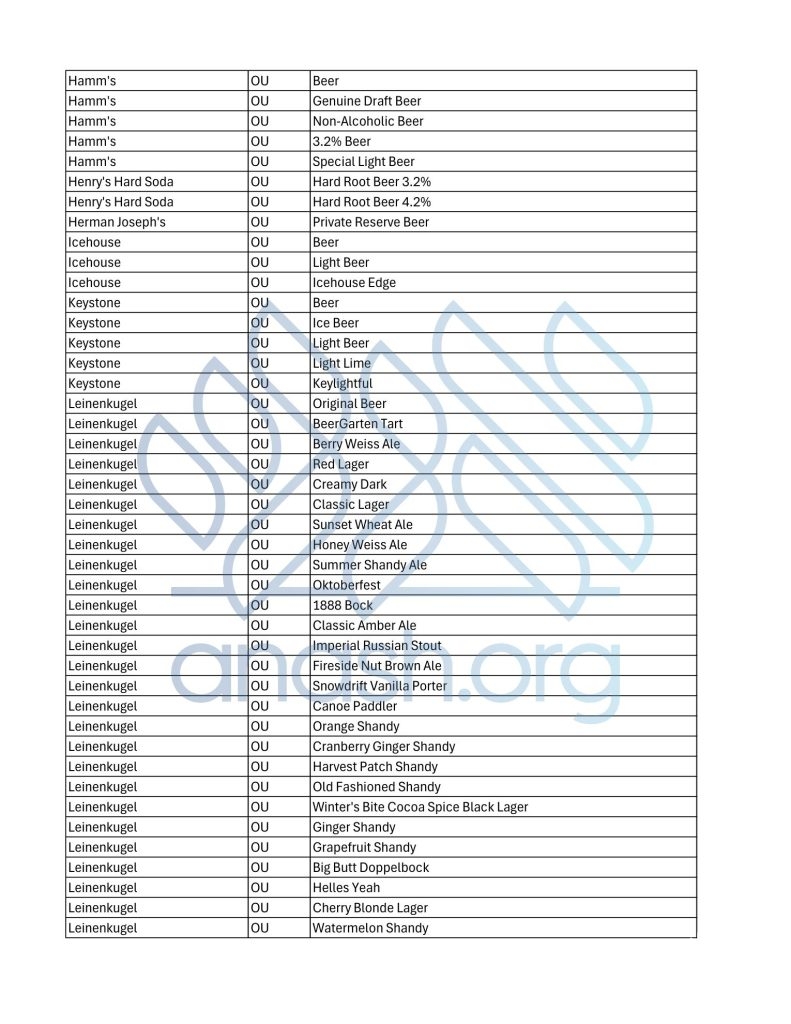
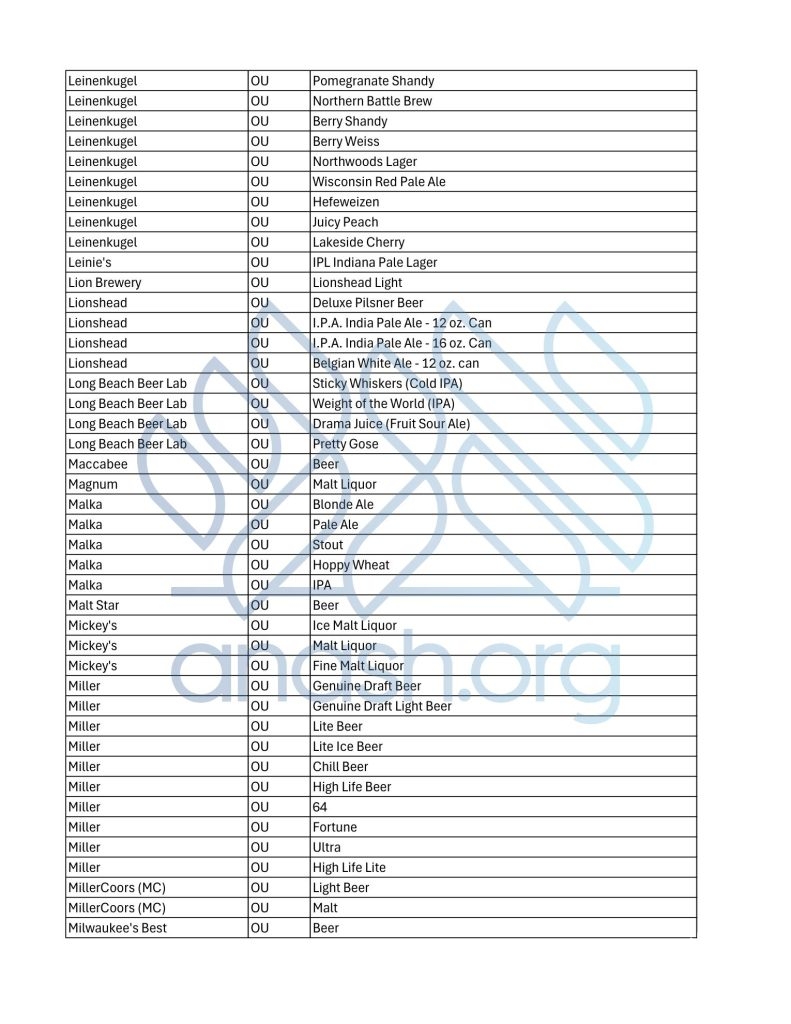
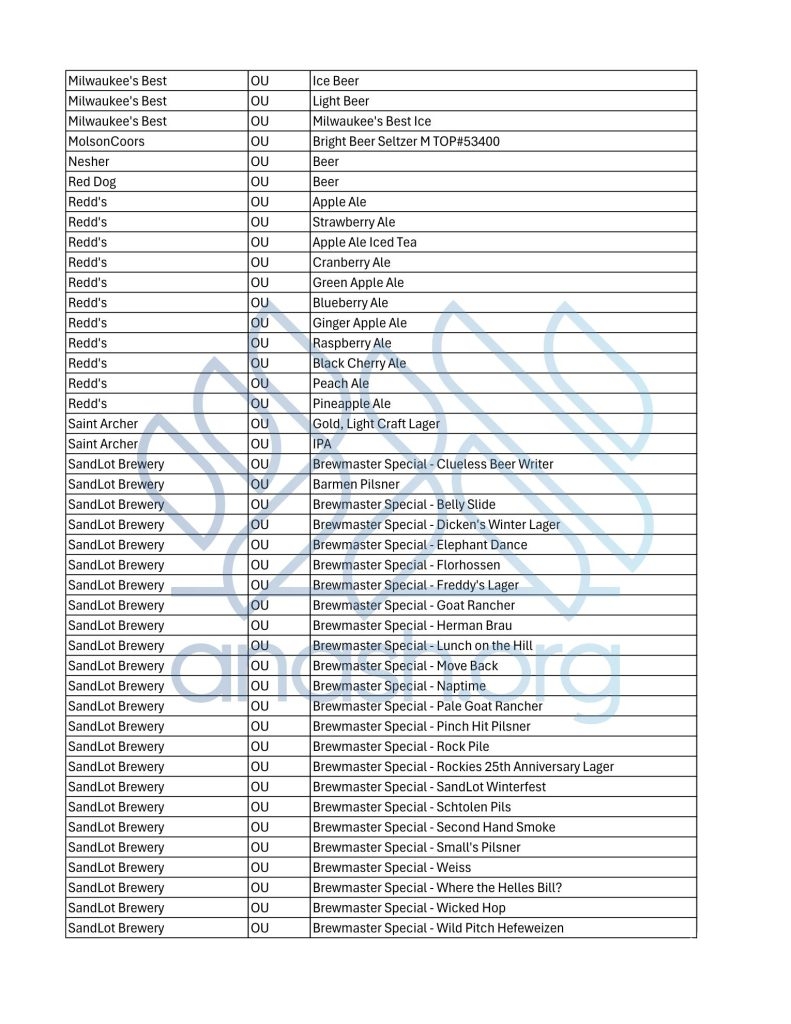
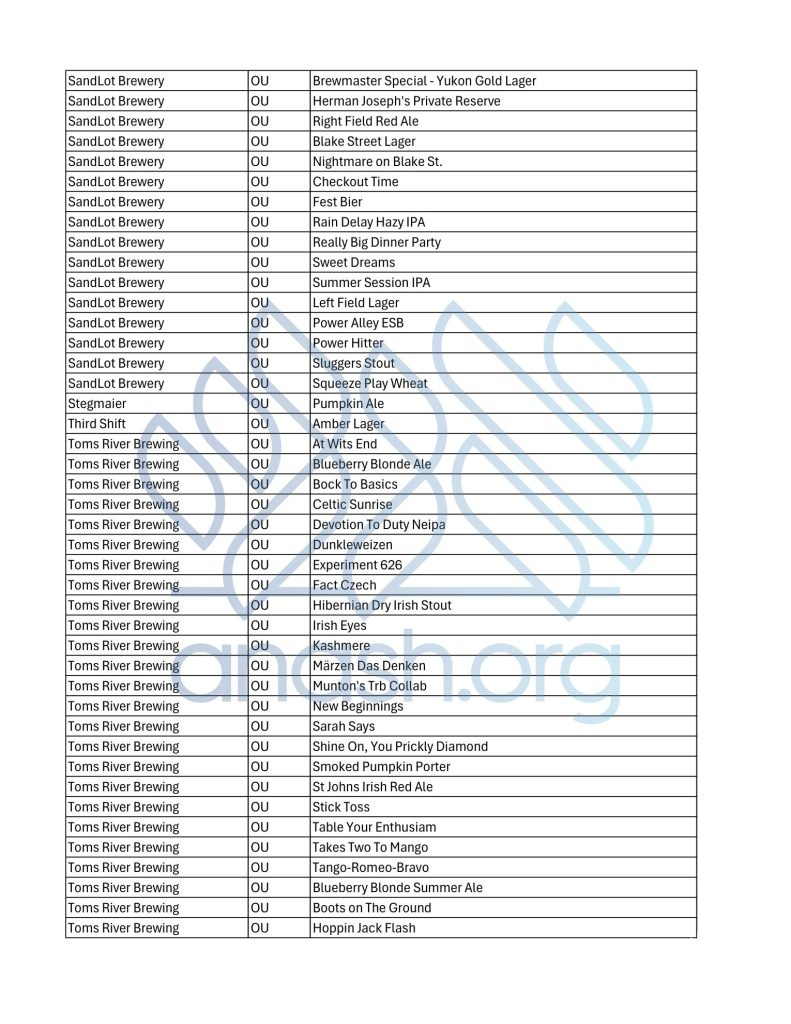
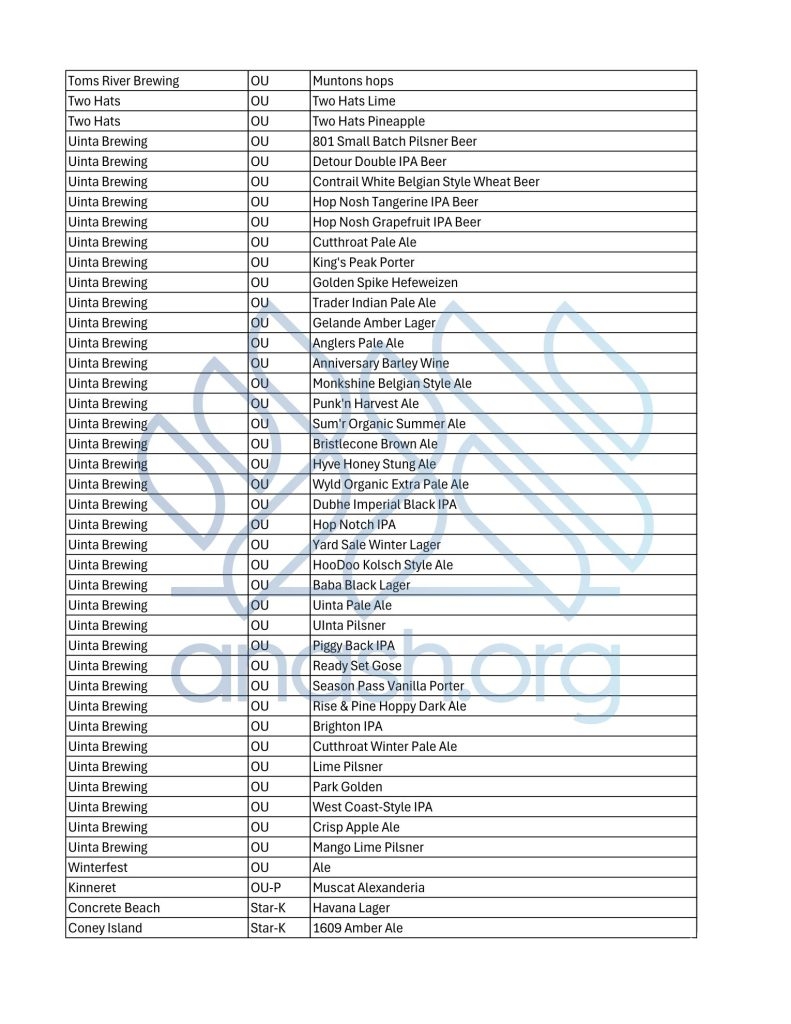
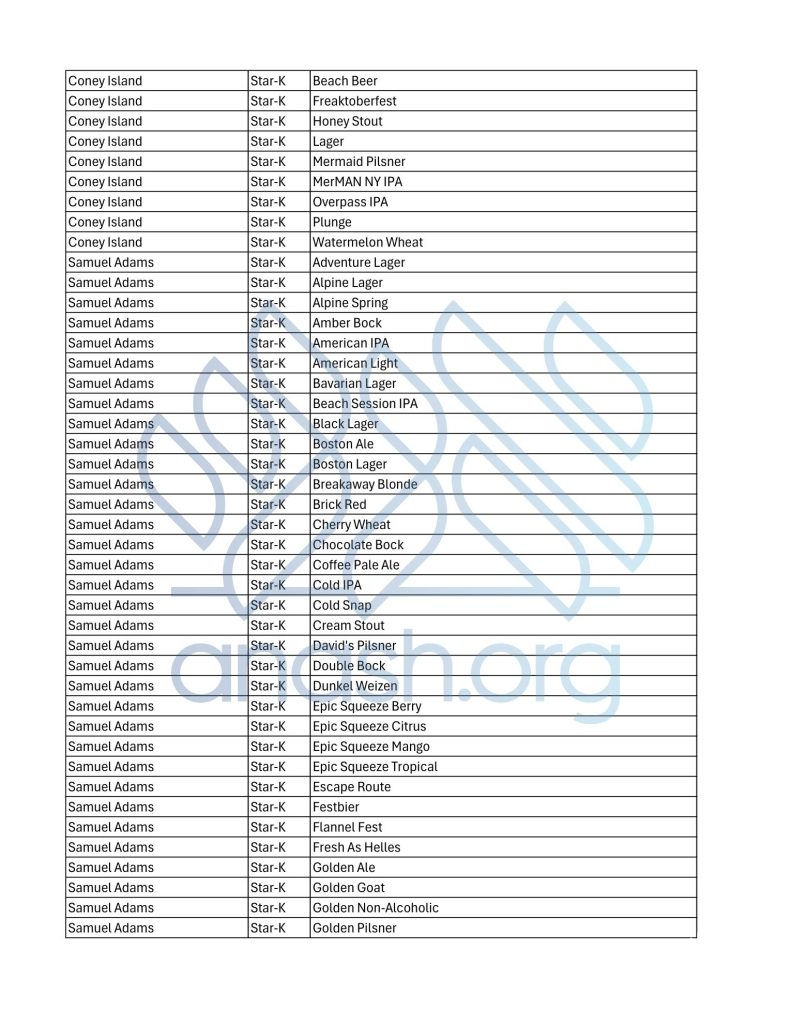
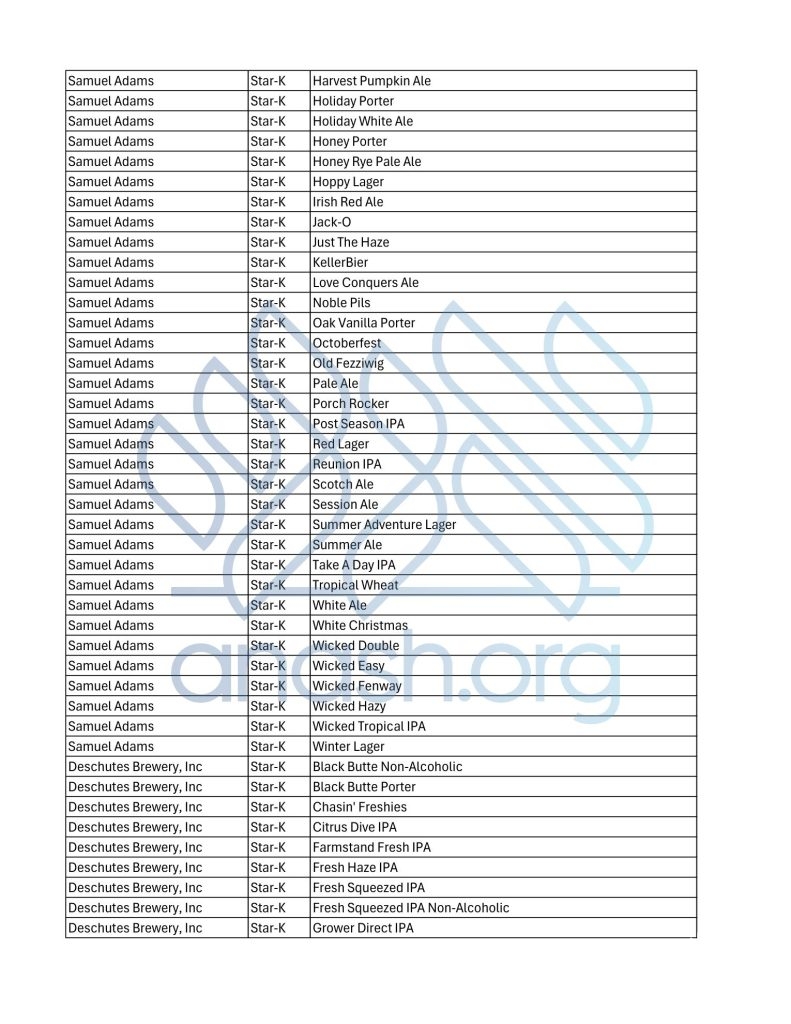
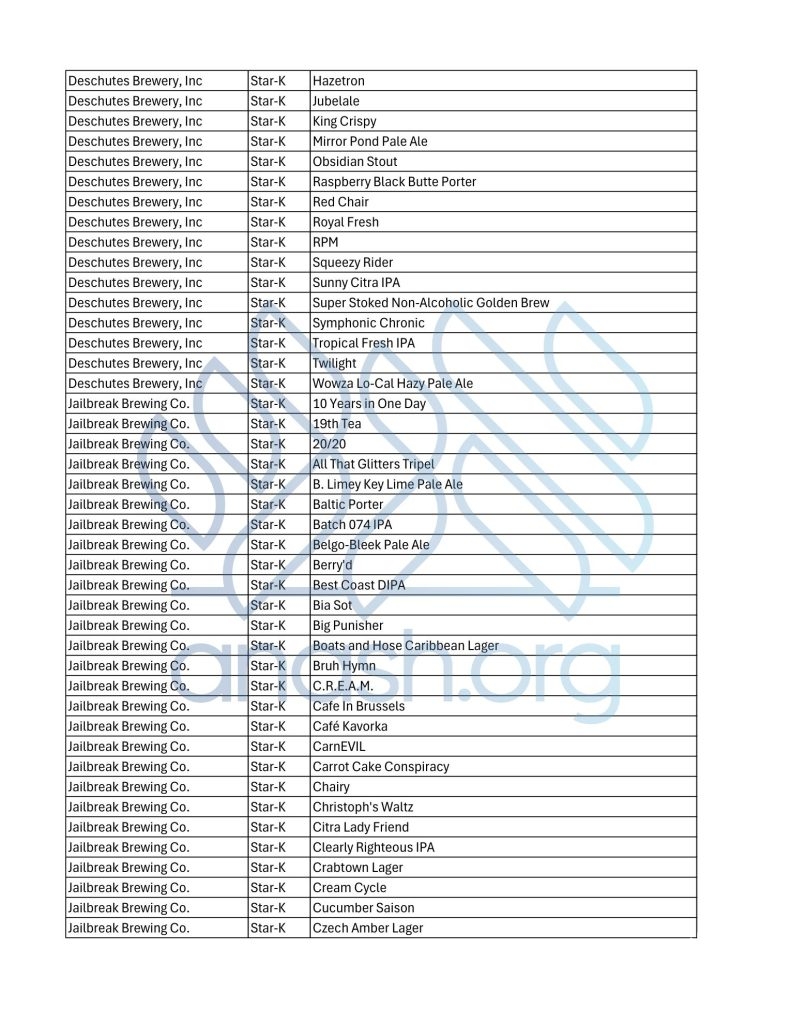
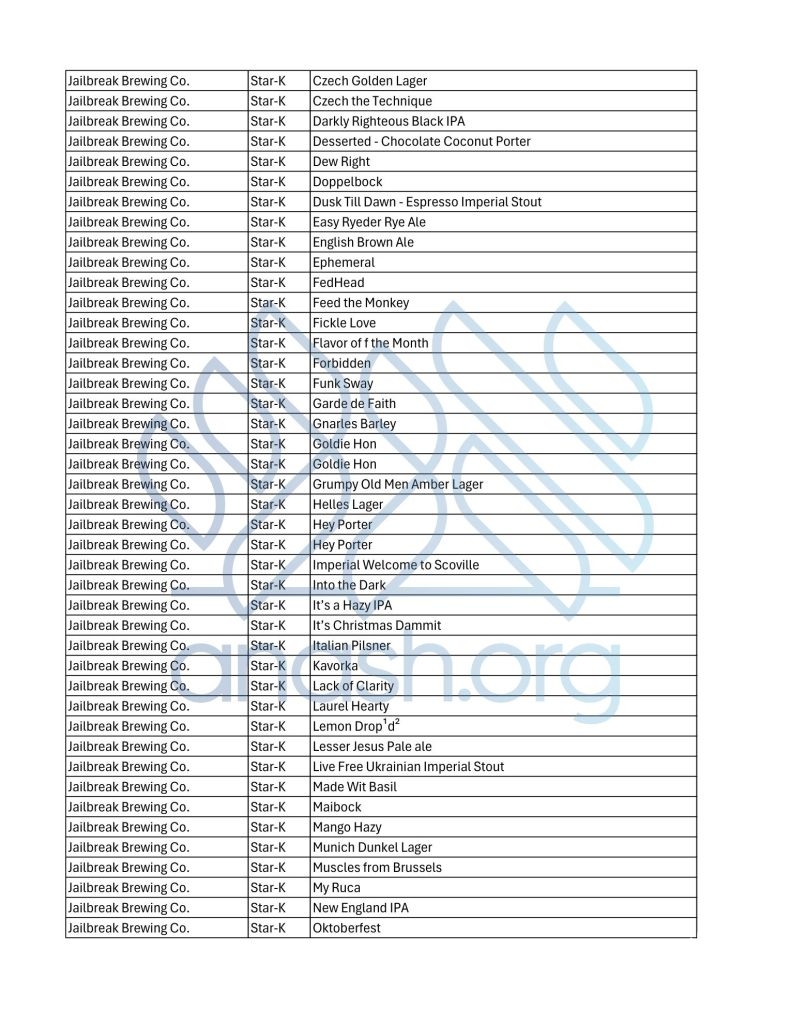
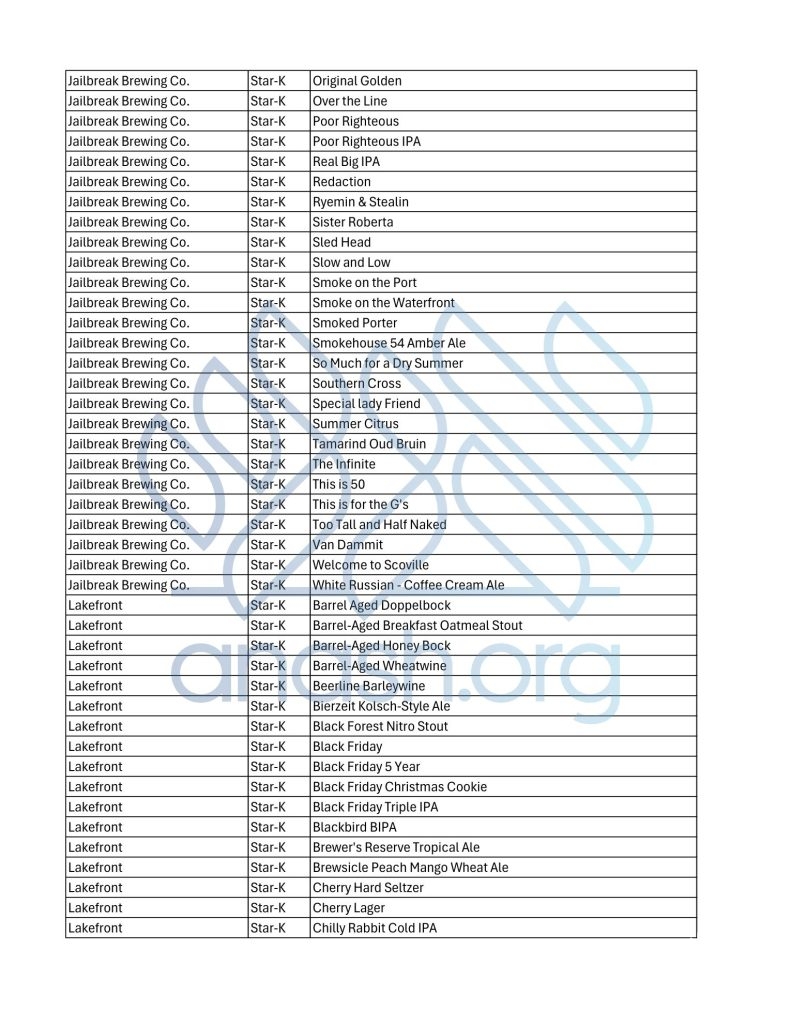
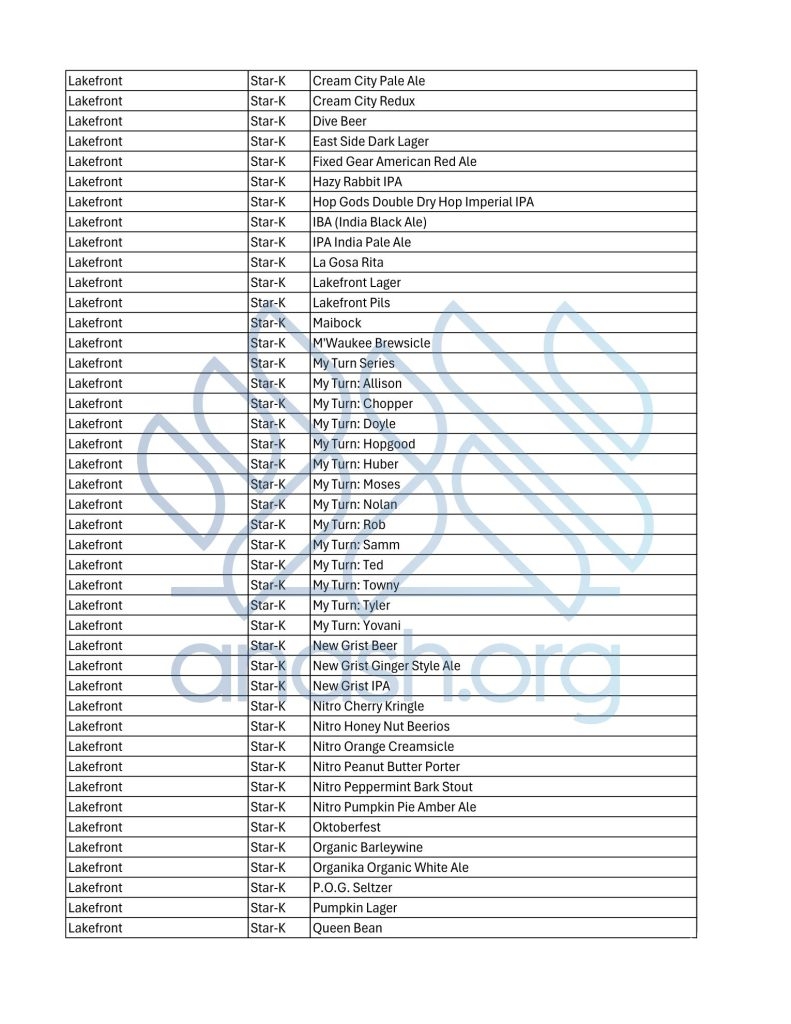
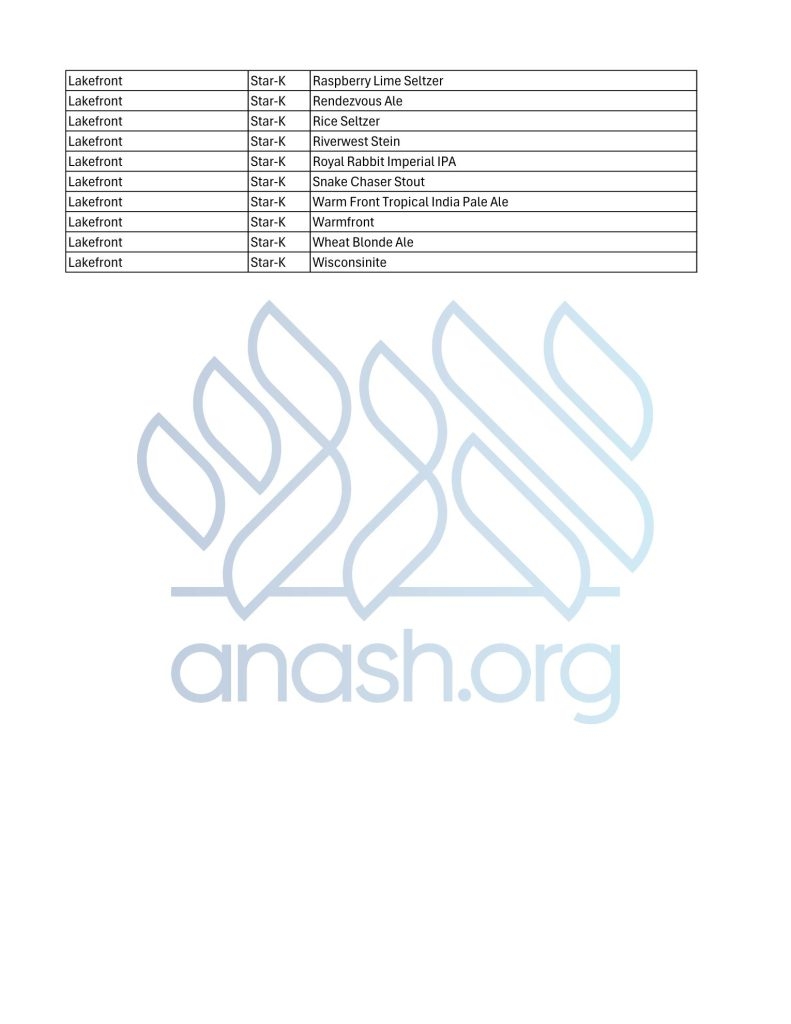
A partial behind-the-scenes report of over 900 certified beers is shared below.
 COMMENTS


We appreciate your feedback. If you have any additional information to contribute to this article, it will be added below.