




י׳ כסלו ה׳תשפ״ו | November 29, 2025
From Latvia to London: Farbrenging with the Legendary R. Itche Masmid
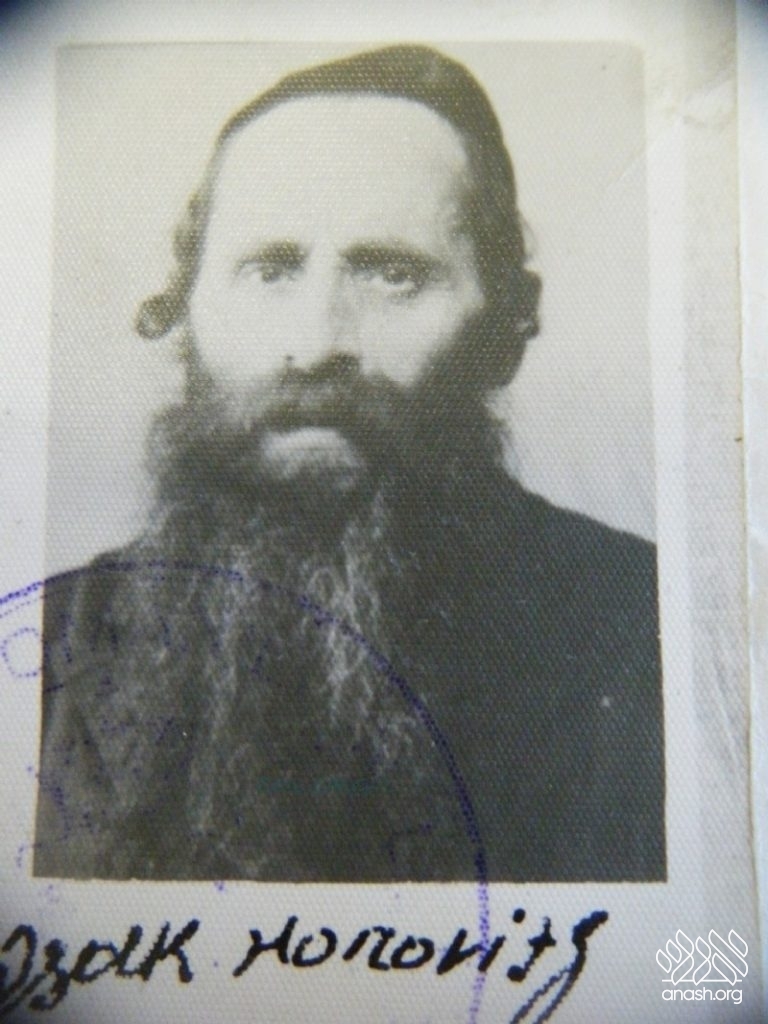
10 Kislev marks the 84th yartzeit of the legendary chasid R. Itche Masmid. ‘From the Margins of Chabad History‘ presents a series of contemporary newspaper articles that give us a glimpse into his remarkable personality and dedicated work.
Introduction
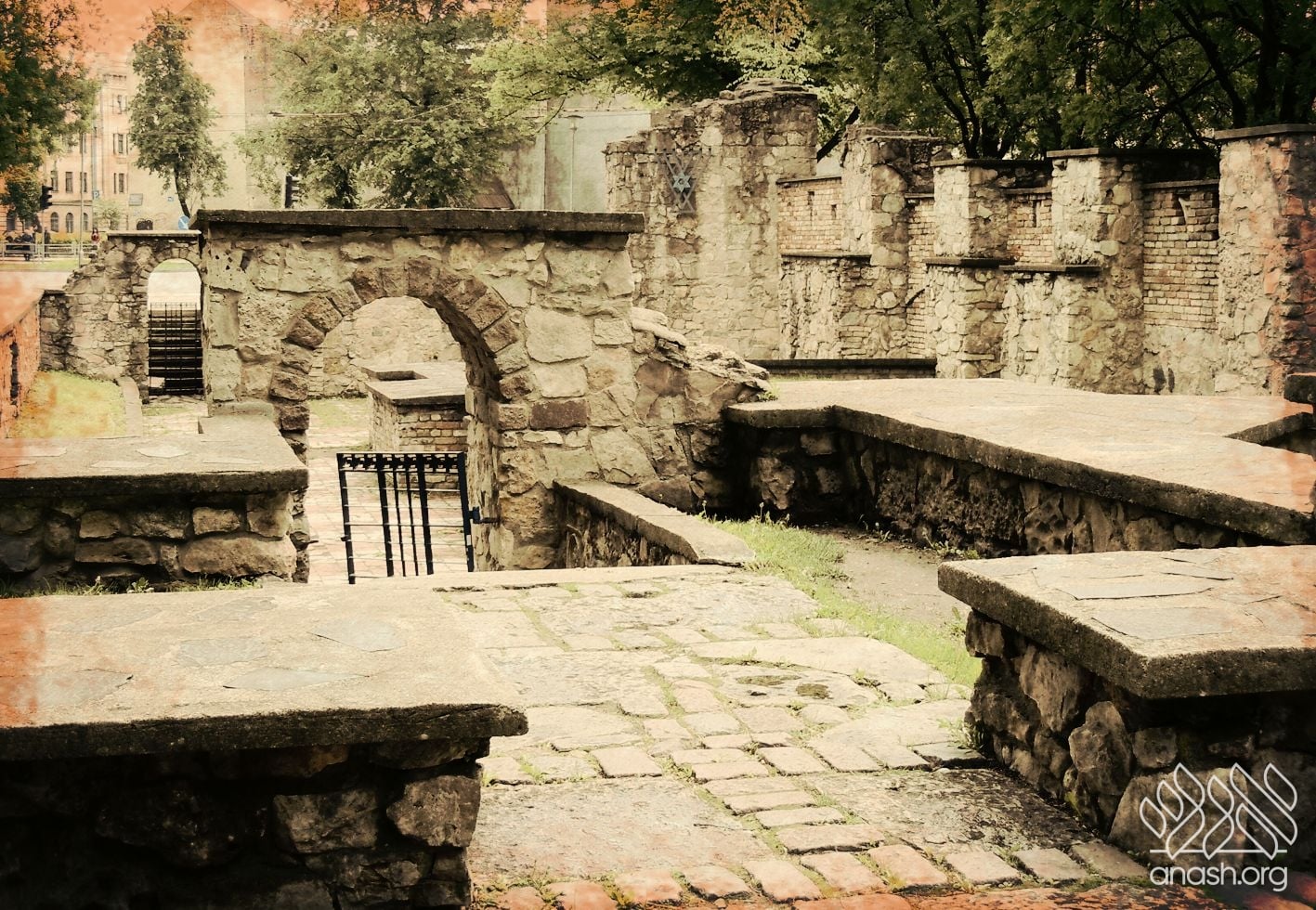
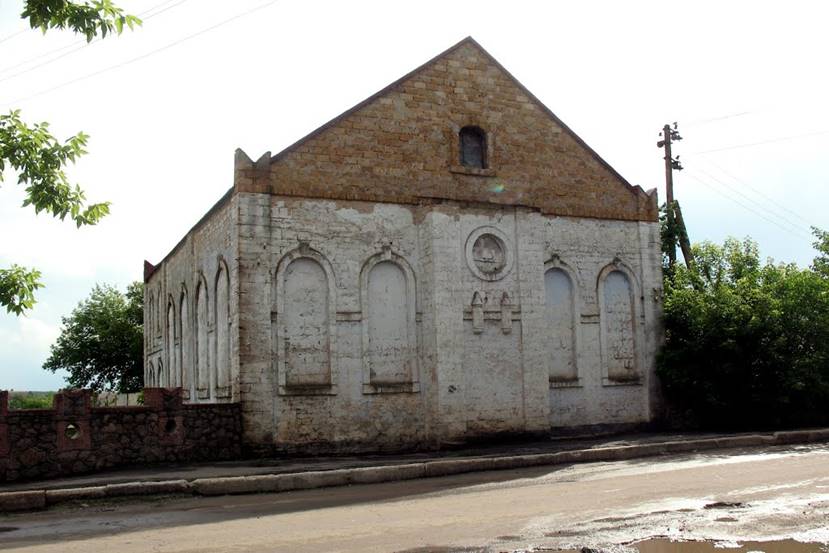
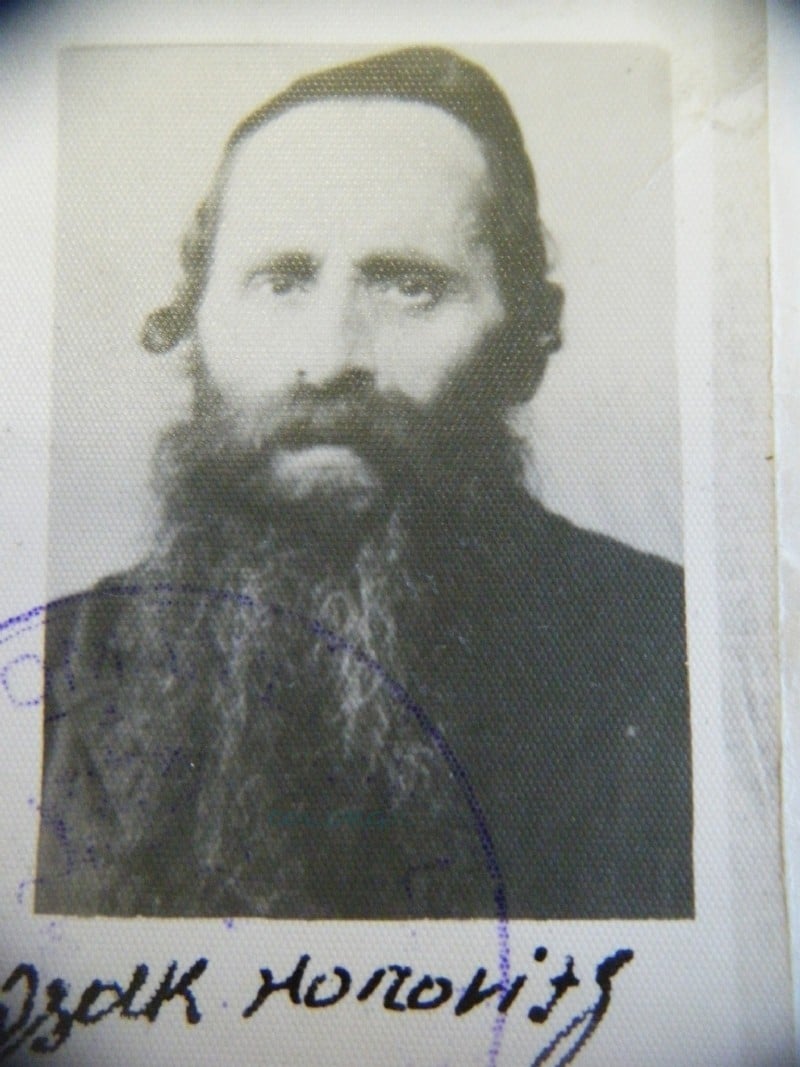
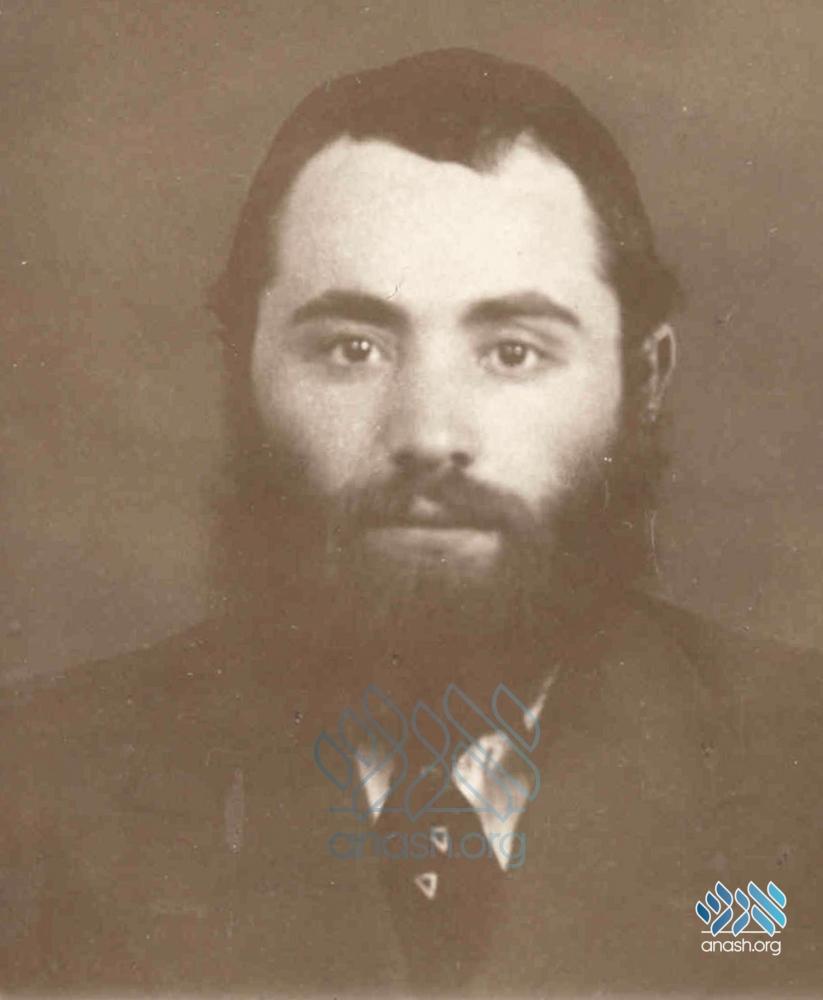
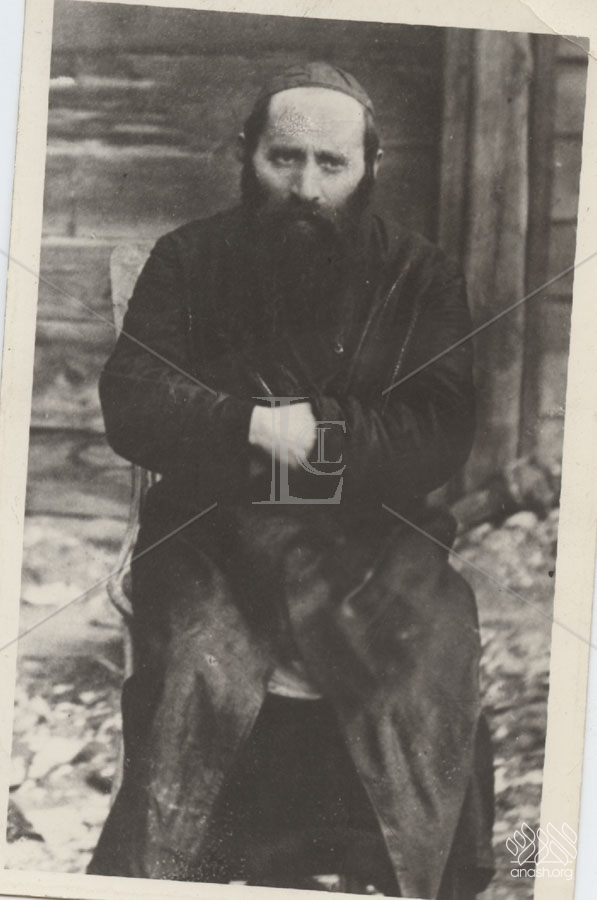
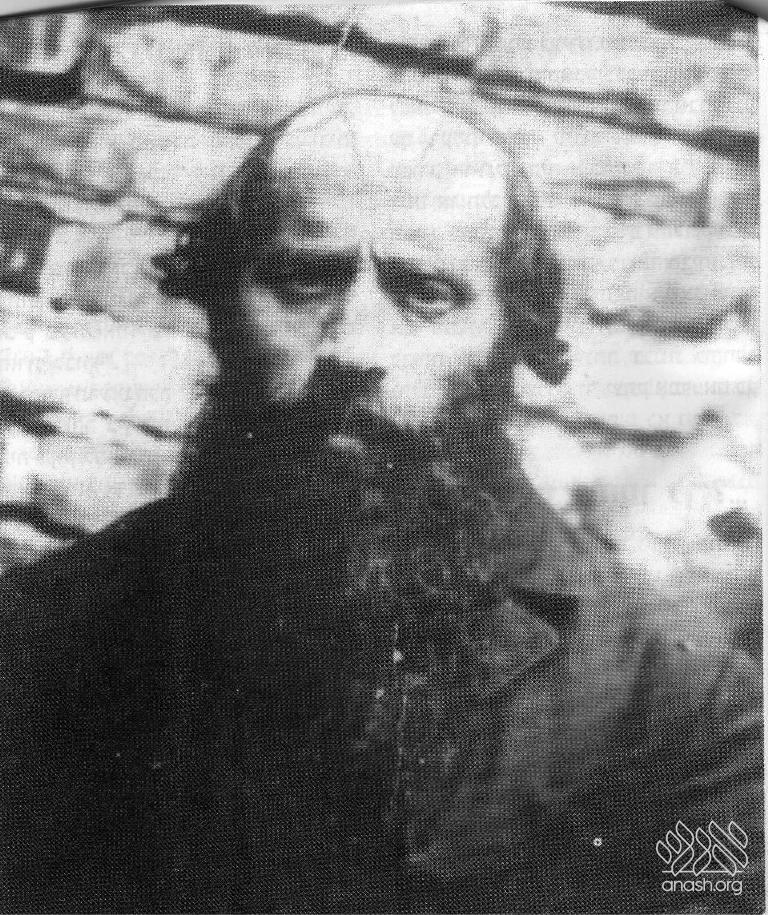
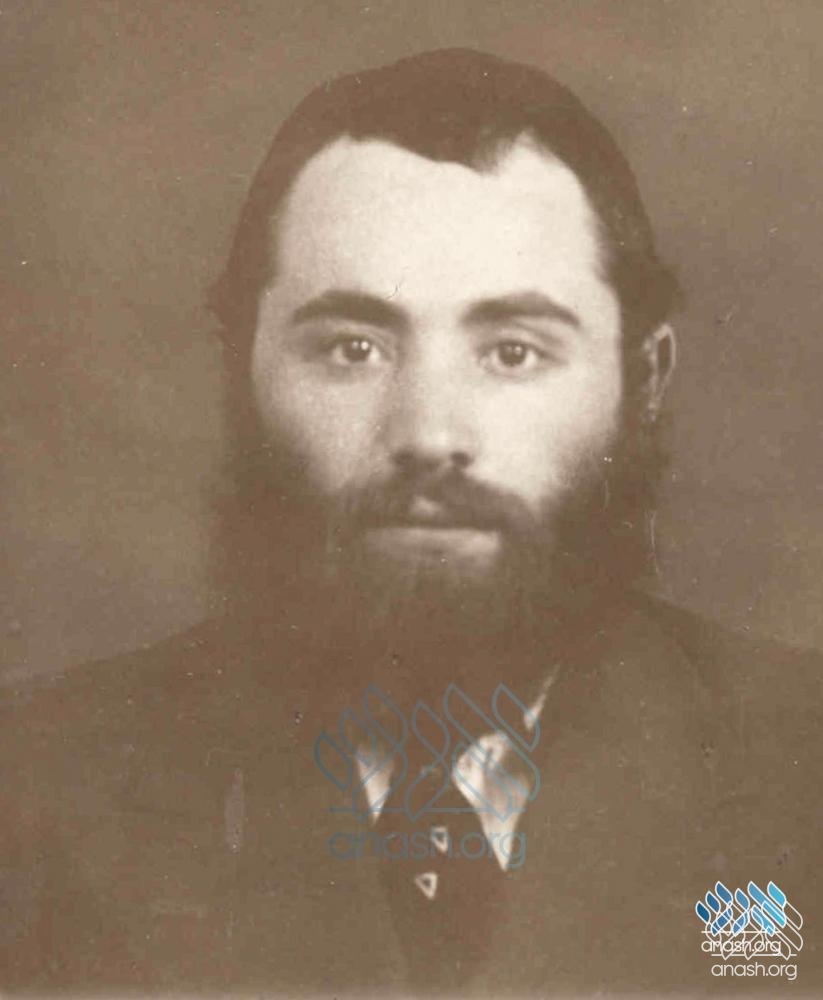
R. Yitzchak Halevi Hurvitz was born in approximately 5650 in the Jewish farming village of Bereznehuvate (Nahar-Tov), Ukraine. At a young age, he earned the nickname “Itche Masmid,” due to his remarkable diligence in learning. After joining the new Yeshivas Tomchei Temimim in Lubavitch, he devoted himself to learning Chasidus and avodas hatefilah with the same intense hasmadah.
After his marriage, R. Itche served as a mashpia and Rosh Yeshivah in various Russian cities. In 5693, he left Russia and settled in Riga, Latvia. For the rest of his life, he served as a traveling shadar for the Frierdiker Rebbe, collecting money and teaching Chasidus, “reaping gashmiyus and sowing ruchniyus.”
The story of R. Itche’s life is related in the Hebrew-language biography Yiras Hashem Otzro, written by R. Yisrael Alfenbein, and the English-language The 25th Hour, by R. Elchonon Lesches. In this article, we present a series of accounts from contemporary newspapers that give us an intimate glimpse into R. Itche’s personality and activities during the Riga period of his life.
A Remarkable Chasid Arrives in Riga
Our first article appeared in the Ovent Post Riga newspaper on 6 Shevat, 5693 (February 2, 1933). R. Itche had just arrived in Riga two months earlier, but his remarkable personality had already made such a powerful impact that this usually anti-religious left-wing newspaper published a glowing profile of him.
Surprisingly, the writer of this article understood R. Itche’s unique personality quite well and did a good job conveying it to the readers. The Frierdiker Rebbe’s mazkir, R. Chatche Feigin, was so impressed by the article that he wrote to R. Yisrael Jacobson in America that he should try to get this article reprinted in the American Jewish press. Preparations were underway at this time for R. Itche to embark on what became a two-year visit to America, so R. Chatche was eager to introduce R. Itche to the American public (Yiras Hashem Otzro, p. 164).
Parts of this article were cited in Yiras Hashem Otzro (pp. 259-260), but we present it here in full, in English translation:
Itche der Masmid, the Chasidishe Ghandi in Riga
A “guter Yid” of whom the public knows very little.
Riga serves, as is well known, as a transit point for people leaving Russia. These émigrés are primarily klei kodesh, who, more than anyone else, have lost the ground under their feet. Every so often, a fresh immigrant appears in Riga—a rov, a shochet, or another type of klei kodesh.
Itche der Masmid arrived from Russia not long ago, and he immediately drew the attention of the Orthodox circles—especially the chasidishe ones. He is a remarkable person, the likes of which one seldom encounters in real life, even among the Orthodox, rich as they are with various characters.
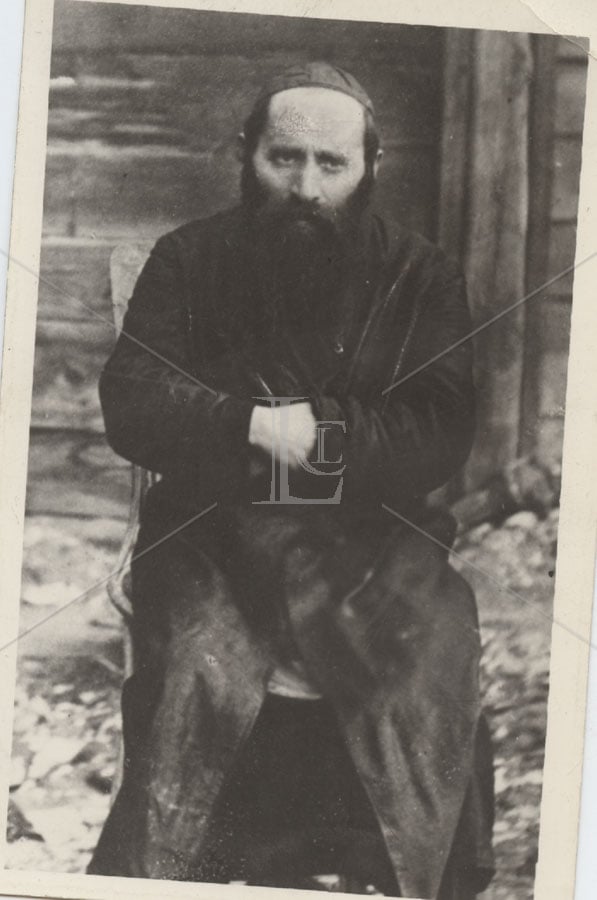
He is a Yid past the age of forty, with a face as pale as a sheet, adorned with a long black beard, carrying a worn peasant-style bag. He is stooped over, absorbed and immersed in the higher worlds—you can meet him every day on his way to the mikveh.
His external appearance alone, with his clothing made entirely of pure silk, out of concern for shaatnez, already attracts attention and inspires a kind of awe, as though one were looking at a holy man. And Itche is truly a nazir-like ascetic in the full sense of the word. Chasidus doesn’t tolerate asceticism or even sorrow, so he is truly a rare phenomenon with his synthesis of chasidus and asceticism. He is not a parush, chas veshalom, but for more than twenty-five years, not a crumb of meat has entered his mouth. And not because he is a vegetarian, chas veshalom—such a thing would be considered almost a form of apikorsus—but rather because of concerns of kashrus.
“Who knows who the shochet of that piece of meat was and what thoughts were going through his mind while shechting it?” And not just in the current state of kashrus in Soviet Russia, but even in the good times of old, Itche could never find it possible to taste a piece of meat. His inner ascetic drive found various excuses to avoid deriving pleasure from the world.

By now, this has become his regular way of life. His eating is sparse—almost the bare minimum—just enough to tether his soul. Until three or four in the afternoon, while he is occupied with his davening, there is nothing to talk about. And then the hours stretch on until late at night, and Itche has seemingly forgotten that he lives in this physical world, a world that demands a bit of food, until his shrunken, hungry stomach reminds him that he needs to put something in his mouth, and he eats some bread for breakfast, lunch, and supper all at once.
Even the table of the most frum and chasidishe home in Riga has still not merited to have Itche der Masmid eat at it. They aren’t kosher enough for him. He always carries with him a small knife and his own cup. Like Diogenes of old.
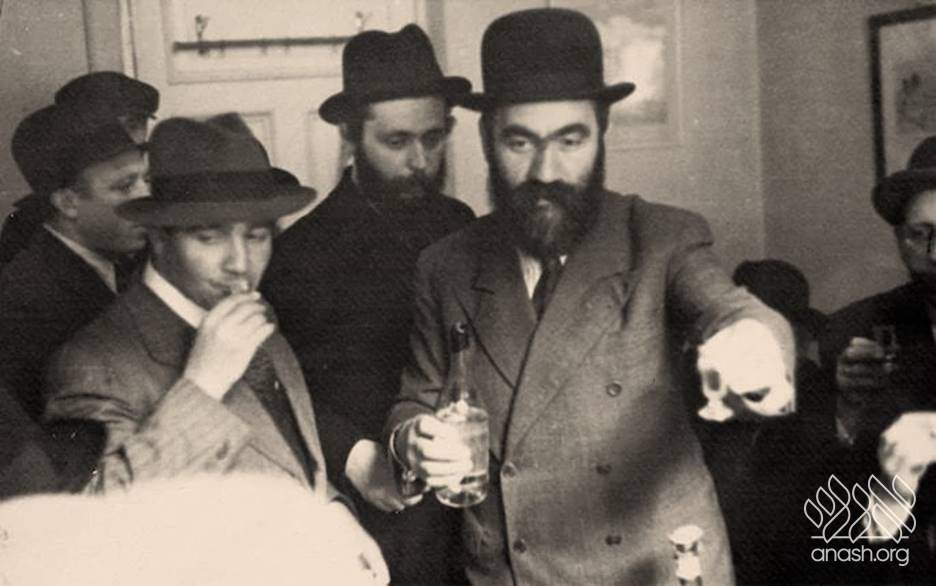
It should be noted that at a simchah shel mitzvah, or on a chasidishe yoma depagra, he does drink a little—a chasidishe neshamah, after all.
Chasidim and friends try by every means to sneak him a little food. Here, someone stands over him and urges him to taste an egg—raw, of course, since Itche will not touch a cooked egg for fear the pot was not kosher enough. They crack open the egg to see whether there is any trace of blood. Itche examines it anxiously and finds a reddish speck, and so too in the second egg, the third, and the fourth. When no excuse remains, he simply refuses to eat, claiming that the egg doesn’t appeal to him—“There’s a kind of melancholy resting on it…”
This is how Itche dismisses the world and its idle matters.
But this is not yet the full “Itche.” All of his sincerity, his complete devotion, and his chasidishe passion are fully expressed when he says Chasidus. They bring him from one beis medrash to another. Every Shabbos he is in a different place, and the room is always full. You can find a mixed crowd in attendance: Chasidim, misnagdim, and even intellectuals. With beards and without. And Itche warms up himself and them with his words of Chasidus. The crowd is lifted up towards the supernal spheres of Atzilus, and concept after concept passes through their minds—like a film in which one image follows the next—until it gets late and he realizes that it is already time for Maariv.
This unassuming chasid, who could easily have become a Rebbe (guter Yid) himself, feels and behaves like an ordinary chasid. He is a Lubavitcher and is loyally bound to his Rebbe.
With brotherly affection, chasidim call him simply “Itche der Masmid.” This is the title he was crowned with as a bochur, because of his extraordinary, immense diligence. They do not consider him as a rebbe, but as a distinguished chasid, a man of elevated stature.
***
Yud-Tes Kislev with R. Itche Masmid
In Elul of 5693, R. Itche embarked on a monumental journey to America, where he spent over two years inspiring and galvanizing Anash across the country. The story of this visit and its deep impact is related in detail in Yiras Hashem Otzro, pp. 160-220. A fascinating video of R. Itche singing and dancing at a melaveh malka in America can be seen here.
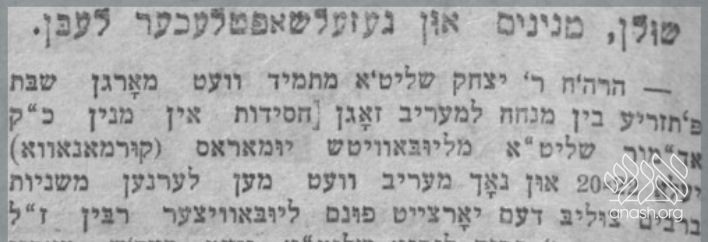
After returning to Europe in Kislev 5696, R. Itche was based in Riga, where he served as a mashpia for Anash. Regular updates about which shul R. Itche would be chazering Chasidus that Shabbos were provided in the Riga Haynt newspaper.
Our next article describes the celebration of 19 Kislev in Riga in 5698. We cited another article about 19 Kislev in Riga in the previous installment of this column, but the following article is unique because it provides details of R. Itche Masmid’s words at the farbrengen. Published in the Haynt newspaper of 21 Kislev 5698 (November 25, 1937), this article has not been cited until now. It follows here in English translation:
Chasidim and Misnagdim Celebrate Yud-Tes Kislev in the Minyan of the Lubavitcher Rebbe
Yud-Tes Kislev, the day when the Alter Rebbe was freed from prison, is always celebrated with great enthusiasm and fervor throughout the entire chasidishe world. It is a true day of celebration, a major Yom Tov for the entire family of Anash.
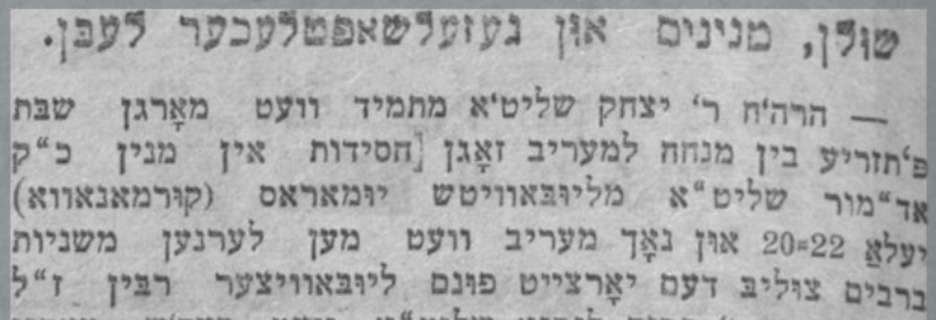
On this day, no tachanun is recited in chasidishe minyanim. People work only a half day, everyone dresses in their Yom Tov clothes, and, most importantly, chasidim gather at joyous celebrations. They read the megilah recounting the story of the Rebbe’s release, they chazer Chasidus, and they have a little mashkeh.
In Riga, too, there was a great celebration in the chasidishe circles on Yud-Tes Kislev this year.
In all the chasidishe minyanim, a little mashkeh was passed around. The day was particularly celebrated in the Reishishe minyanim, the Bazaar Berg minyan, the Rogatchover Gaon’s minyan—and it culminated in the grand celebration in the Lubavitcher Rebbe’s minyan, on Yumaras Street.
Gathered at the Lubavitcher Rebbe’s minyan on Tuesday night were not only prominent members of the local chasidishe crowd, but also a large number of misnagdim. It was jokingly said that on that evening they decided that from now on there would be harmony between the Riga chasidim and the misnagdim. All the disagreements and arguments that had taken place in the past were forgotten, and shalom al Yisrael.
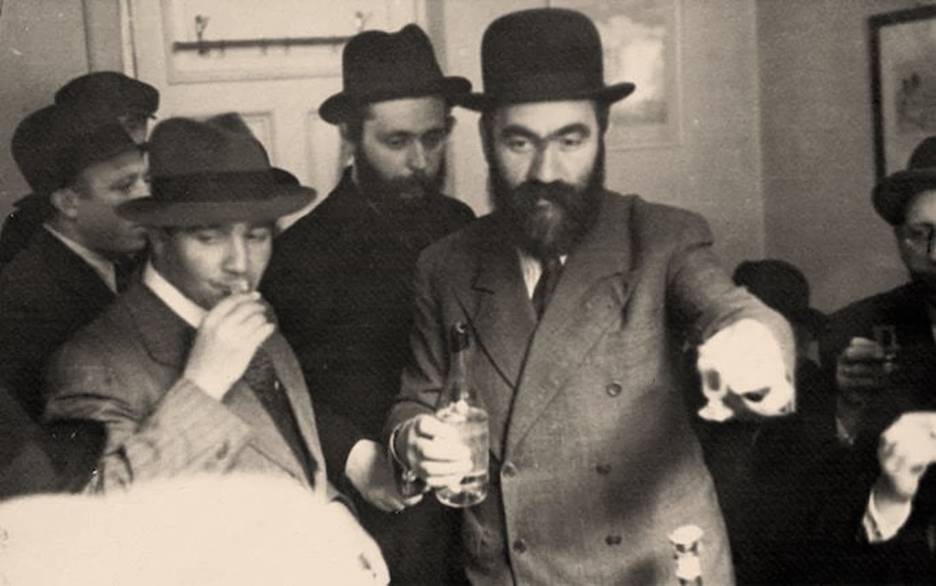
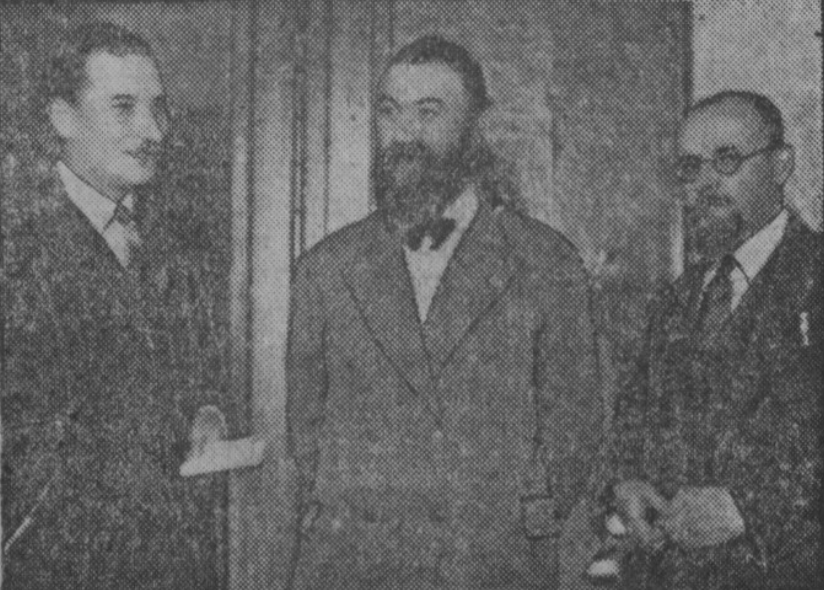
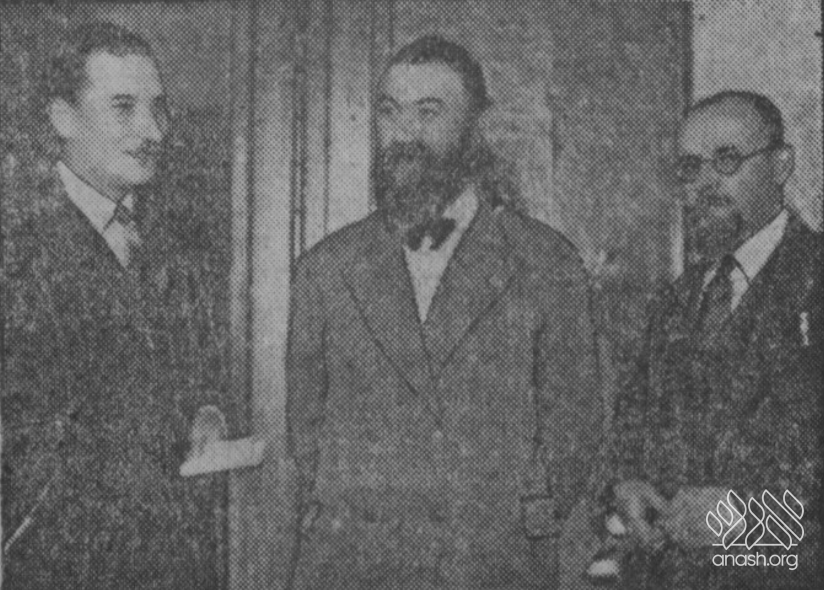
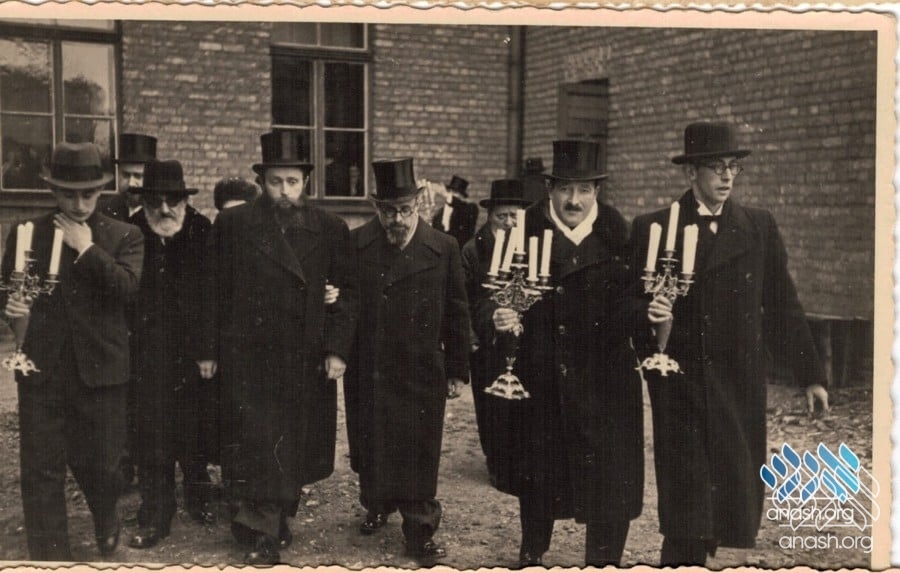
At the celebration in the Lubavitcher minyan, one could see the Riga rabbonim, Harav Y. M. Kilov, Harav R. Cohen, the Riga Rosh Hakahal M. Dubin, Harav Y. Barantchik, Harav Yitzchak Masmid, Representative M. Chadakov, and Advocate S. Y. Vittenberg. Also present were rabbonim from the provinces, Russian immigrant rabbonim, Riga shochtim, and a large crowd, including the prominent balebatim of the city.
The crowd had come from the other Yud-Tes Kislev celebrations and was already uplifted and energized. They had already emptied more than one bottle of mashkeh over the course of the past day.
People greet each other with a hearty Gut Yom Tov, and immediately, while still standing in their coats, they say a little lechaim. This is the baruch haba lechaim. The true drink, however, is served at the table, where there is also no shortage of fine refreshments.
Everyone must drink today. To refuse even a little mashkeh is considered a grave offense. The role of the sar hamashkim was taken that evening by the Riga shochet, R. Mordechai Cheifetz, who holds a few bottles of all kinds of mashkeh and ensures the crowd is drinking properly.
R. Mordechai Cheifetz is an authentic sar hamashkim, who himself does not shy away from a cup and ensures that those around him will not sit “empty-handed.” Today, one must drown out the falsehood that everyone carries within themselves. R. Mordechai Cheifetz speaks directly to everyone, without honorifics, and gives them all some true bitul hayesh.
R. Mordechai Cheifetz doesn’t discriminate between the Rosh Hakahal and the simple Jew when he distributes mashkeh. He doesn’t care for any prestige. With every cup he serves, he shares a vort, carefully chosen and delivered with penetrating impact. No excuses for refusing his command to have a little mashkeh are accepted today. If anyone tries to avoid saying lechaim, he quickly feels the cup of mashkeh running down his throat. You can’t part with this little bit of mashkeh… it stays with you…
The atmosphere is further uplifted by R. Yitzchak Masmid, who delivers one teaching after another, enthusiastically received by all present.
R. Yitzchak Masmid explains the reasons why the great and righteous actions of the tzadikim often elicit opposition in the world.
The first person to have such opponents was none other than Avraham Avinu. This was because he revealed the concept of Elokus to the entire world, making it known in the streets.
Before Avraham, there were also tzadikim, such as Noach, Shem, and Ever, but no one threw them into a burning furnace. Only Avraham suffered yisurim, because he was the first who took on the mission of lemaan asher yetzaveh es banav ve’es beiso acharav—he didn’t only focus on himself, but also cared for his family and the entire generation, that they should all conduct themselves as a Jew is supposed to.
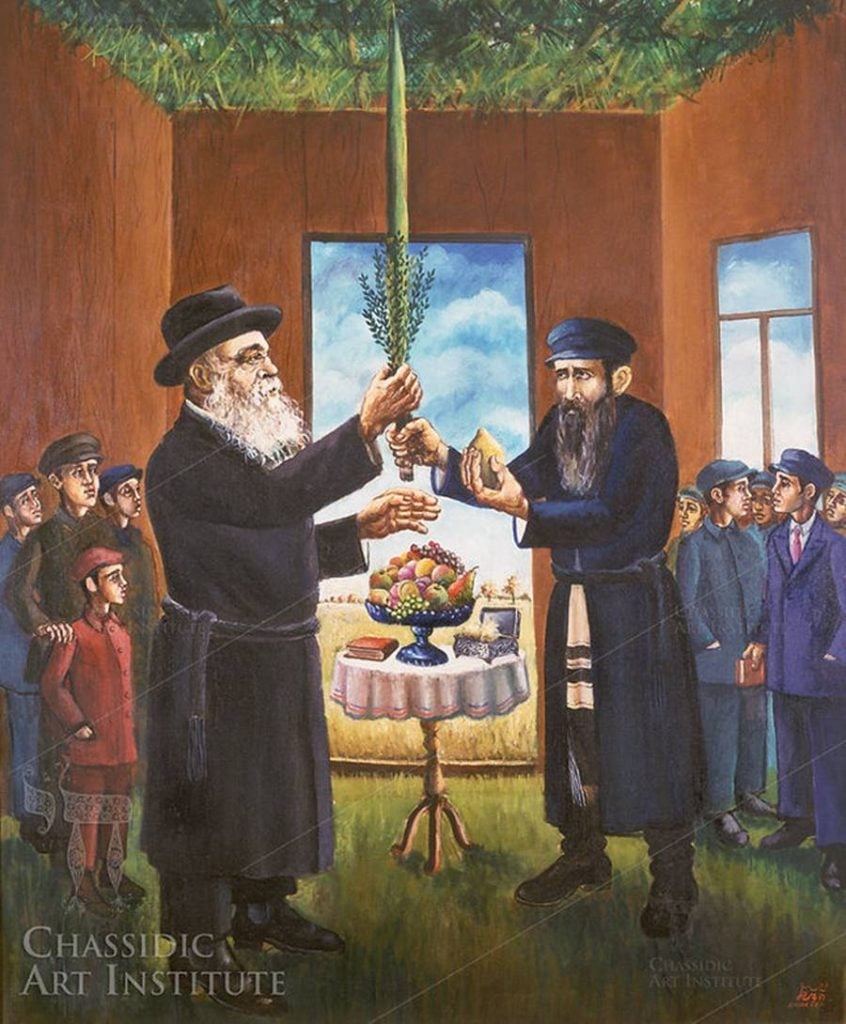
If we want to assess a person and see who is a righteous Jew, we need to look at the children they produce.
The Baal Shem Tov and the Alter Rebbe were also individuals who were moser nefesh for Yiddishkeit, bringing mitzvos to the world around them. And for this, they experienced opposition, misnagdim.
R. Yitzchak continues with another string of beautiful teachings, and he concludes by chazering a great maamar Chasidus.
The crowd listens very attentively to the maamar. They sing the most beautiful and evocative chasidishe nigunim, which bring everyone into a state of intense excitement. Soon, the entire crowd is swept up into a circle, hands are raised over shoulders, and they dance. They dance with a nigun that enchants the soul, reaching and bringing down the higher spiritual worlds.
So they farbreng until the break of dawn.
***
Visiting Rezekne
From his base in Riga, R. Itche Masmid embarked on numerous trips throughout Latvia and beyond as a shadar, teaching Chasidus and collecting money.

Chabad had a long history in parts of interwar Latvia, especially the eastern region, which had historically been part of Reisen (White Russia). But frum life in general had been declining for decades, and the chasidishe lifestyle was in a particular state of decline. This was especially true in the smaller shtetlach. R. Itche’s visits to these communities were a much-needed breath of new life, reconnecting them to chasidus and the Rebbe.
The following two articles describe R. Itche’s visits to Rezekne (traditionally known among Jews as Rezhitse), a shtetl that had a Chabad presence dating back to the generation of the Alter Rebbe (see Halekach Vehalibuv, vol. 2, p. 197). These articles from 5698 and 5699 give us information about the chasidishe history of Rezekne, explain how it had fallen into decline, and describe how R. Itche was reviving it.
(The recently published Otzar Chasidei Chabad—Tzemach Tzedek, vol. 2, included an entry for Harav Yitzchak Tziyuni, the rov of Rezekne. While Harav Yitzchak had familial connections with Chabad and an affinity for its teachings, he was not a Chabad chasid, and his inclusion as such is a mistake.)
The first article appeared in Haynt, 3 Av, 5698 (July 31, 1938):

R. Yitzchak Masmid’s Visit to Rezekne
(From the Rezekne “Haynt” Correspondent)
Today, it’s hard to believe that a relatively short while ago, Rezekne was a respectable center of Chasidus, with learned chasidishe Yidden, beautiful chasidishe simchos, dancing, and chasidishe passion.
Most of the chasidim here were originally Kopusters, and later Bobroiskers. Chabad emissaries were regular visitors. The large minyan always had a mashpia who was sent specially by the Rebbe, and his needs would be provided for by the chasidishe Yidden.
The first mashpia was R. Noteh Baruch’s, who was renowned for his wisdom far beyond Rezekne. R. Aharon of Polotsk, Rabbi Zalman Liepler, and Rabbi Meir Liepler—the author of Beis Rebbe—chazered chasidus here later.
But everything slowly disappeared. R. Zalman Rivlin, the generous-hearted and noble chasidishe Yid, passed away. With his loss, Chasidus in Rezekne lost its center and fell into decline, until it reached its current state.
Today, there is practically no difference between the chasidishe minyanim of Rezekne and the general batei medrash. There is no mashpia, and the new generation has no idea what chasidim and Chasidus are. The remnants of the past, those who still remember the former glory, are on the sidelines.
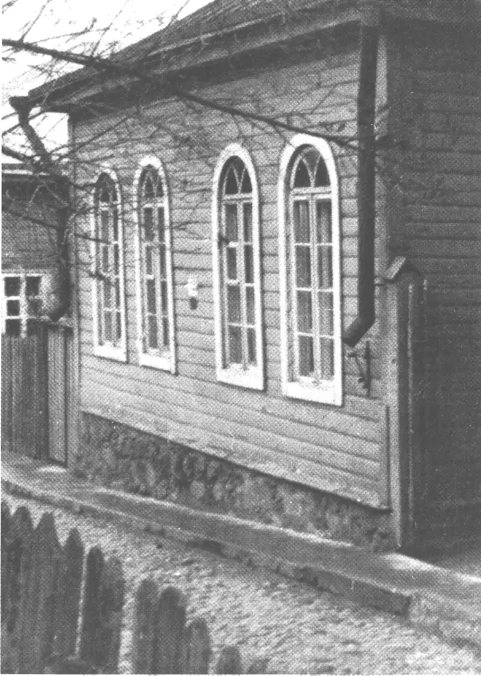
The visit of R. Yitzchak Masmid, however, stirred the community somewhat to work toward improving matters for the future.
The esteemed guest chazered Chasidus on Friday and Shabbos in the large minyan, and he also spoke at the stone beis medrash for the general non-chasidishe Yidden—this was something new for Rezekne.
***
A year later, R. Itche returned for another visit. This article from Haynt, 20 Tammuz 5699 (July 7, 1939) was excerpted in Yiras Hashem Otzro, pp. 263-264.
R. Yitzchak Masmid’s Visit to Rezekne
We have already had occasion to write a few times about the lowly state of Chasidus in Rezekne.
Despite the fact that Rezekne has some smaller minyanim and one large minyan, practically speaking, there is no chasidishe life here. People call themselves “chasidim” and maintain the “veyatzmach purkanei,” but there is no mashpia, no real chasidishe words are heard, and the apathy, and even amaratzus, have spread widely in the chasidishe minyanim, no less than in the non-chasidishe batei medrash of Rezekne.
The visit of R. Yitzchak Masmid is therefore invaluable. Even more so than his visit two years ago, this year he infused a real spirit of life into the Rezekne minyanim, elevating the prestige of the chasidim, even in the eyes of the misnagdim.
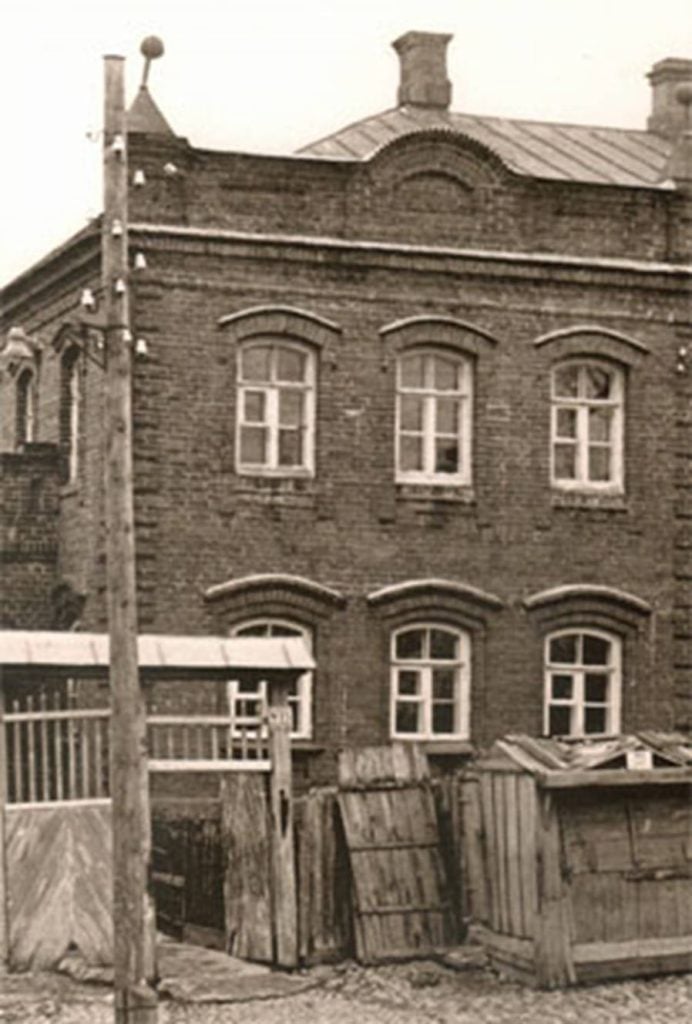
A truly gifted communicator, he masterfully conveys the most beautiful pearls of Chasidishe philosophical thought in such a clear and relatable way that even the simplest listener can grasp it.
Both in the large minyan, where he spoke several times, and in the stone beis medrash on Shabbos after Minchah, there was a very attentive crowd that received the rich ideas shared by the esteemed guest with great pleasure.
Yud Beis Tammuz was also celebrated in the large minyan of Rezekne with the participation of R. Yitzchak Masmid.
***
A Visit to Jelgava
Our next documentation of R. Itche Masmid’s travels as a shadar comes from the Latvian city of Jelgava. Published in Haynt on 18 Iyar, 5696 (May 10, 1936), this article was republished in Yiras Hashem Otzro, pp. 262-262.
A Distinguished Guest in Jelgava
(From our Jelgava Correspondent)

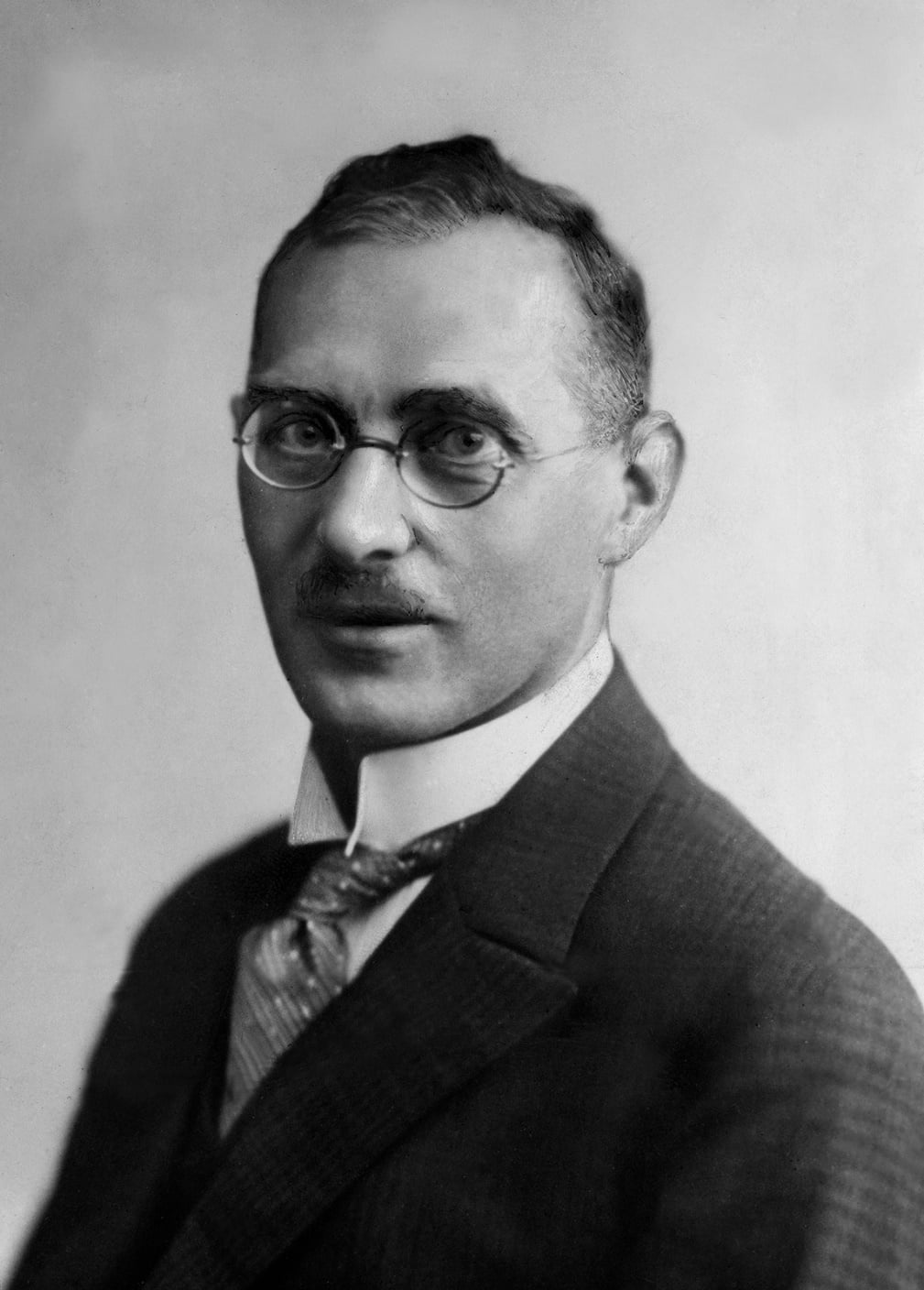
The Chasidim of Jelgava recently hosted a distinguished guest. They were visited by Harav Hagaon R. Yitzchak Masmid, who said Chasidus and conveyed regards from the Lubavitcher Rebbe shlita.
R. Yitzchak Masmid was warmly received by the chasidim of Jelgava. He was greeted at the train station by the gabaim of all the Jelgava minyanim, as well as several prominent balebatim. R. Yitzchak Masmid traveled from the train station to the home of the gabai, Dr. Klein, where a warm kabalas panim was held in his honor.
That evening, the guest said Chasidus at the minyan, leaving a strong impression on all present with the profound and thought-provoking ideas he shared.
After speaking, R. Yitzchak Masmid conveyed regards from the Lubavitcher Rebbe, which greatly interested all the congregants. He related that the latest news is very distressing. The Rebbe still feels very unwell, and his condition has in fact recently worsened significantly.
The reason for this is that Professor Gerson, who has been treating the Rebbe the entire time, had moved his treatment to a sanatorium in Paris, and the Rebbe has not been able to visit the distant sanatorium. The Rebbe’s close associates have long since decided that he should travel to Paris to receive treatment from the professor. However, due to the significant financial burden involved, this has not yet been possible to execute.
But the matter cannot wait any longer, and it has now been decided that the Rebbe will travel to Paris immediately after Shavuos.
The entire crowd wished the Lubavitcher Rebbe shlita a speedy refuah sheleimah. They farbrenged for a few hours, singing uplifting nigunim. It has been a long time since the Jelgava Chasidim have experienced such a warm and inspiring genuine chasidishe gathering.
R. Yitzchak Masmid was thanked by all and was asked to visit our city more often in the future.
***
Visits to Gostini and Libau
Another shtetl R. Itche visited a few times was Gostini, traditionally known among Jews as Dankere. The rov of Gostini was Harav Yeshaya Barkahn, a Lubavitcher chasid and son-in-law of Harav Refoel Cohen, the chasidishe rov of Riga. Harav Barkahn opened a branch of Tomchei Temimim in his shtetl, named Zichron Yosef, in memory of the Rogatchover Gaon. One of the magidei shiur in the yeshivah was Harav Hillel Gurevitch, R. Itche Masmid’s son, and also a son-in-law of Harav Refoel Cohen.
The following brief article from Haynt, 25 Adar II, 5698 (March 28, 1938) reports on R. Itche’s visit to Gostini for Purim 5698:
Purim Celebration at the Gostiner Yeshivah Zichron Yosef
Purim was celebrated at the Gostiner Yeshivah with an impressive Purim seudah.
The celebration was arranged by the Gostiner chasidishe Yeshivah “Zichron Yosef.” A delegation of Riga Anash, led by Harav Hagaon R. Yitzchak Masmid, also attended. The celebration took place in the Yeshivah’s hall, and the entire Jewish population of Gostini participated. The speeches of R. Yitzchak Masmid left a significant impression.
Of the Riga guests, R. Yitzchak Masmid stayed in Gostini over Shabbos. He said Chasidus that deeply inspired the entire crowd.
***
Another brief article reports on R. Itche’s visit to Libau, known in Latvian as Liepāja. The article reports that R. Itche stayed at the home of the chasidishe shochet Chasdan, which is probably R. Shmuel Chasdan, or his nephew and son-in-law R. Yisrael Chasdan (later of Johannesburg, South Africa), both of whom served as shochtim in Libau. This article also announces that R. Itche is available for personal meetings.
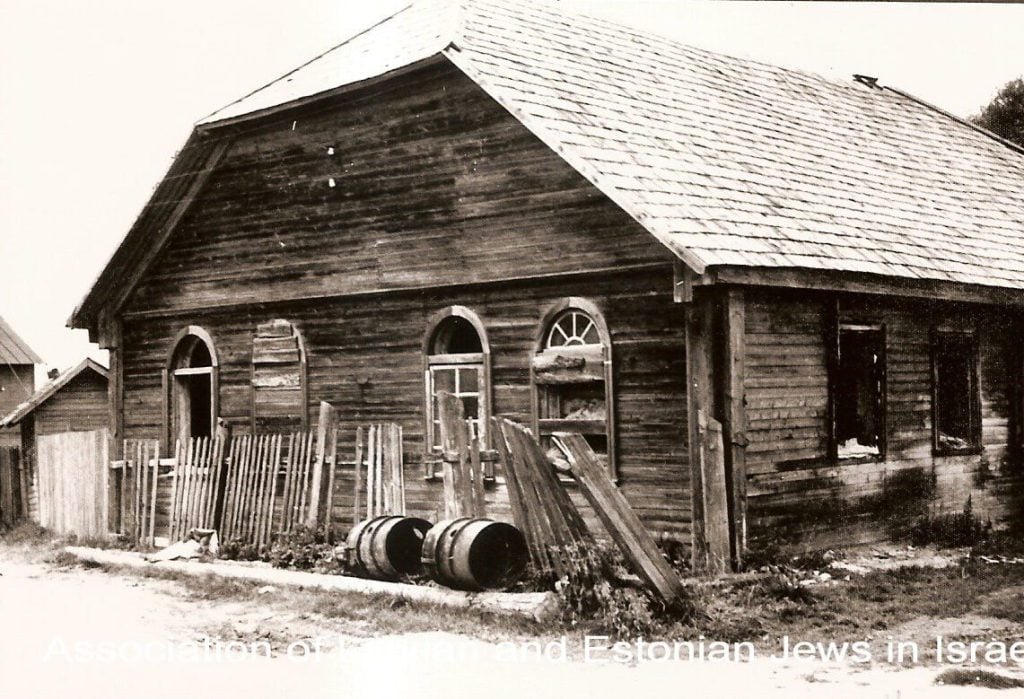
Haynt, 26 Iyar, 5698 (May 27, 1938):
Attention Liepāja
This Shabbos, Parshas Bechukosai, the shadar of the Lubavitcher Rebbe R. Yitzchak Masmid will be coming to Liepāja. He will speak in the chasidishe minyan at M. Graudu St., on Shabbos after Minchah. He will be staying with the shochet Chasdan. Anyone who needs to speak to R. Yitzchak Masmid can approach him at the home of the aforementioned shochet.
***
A Visit to London
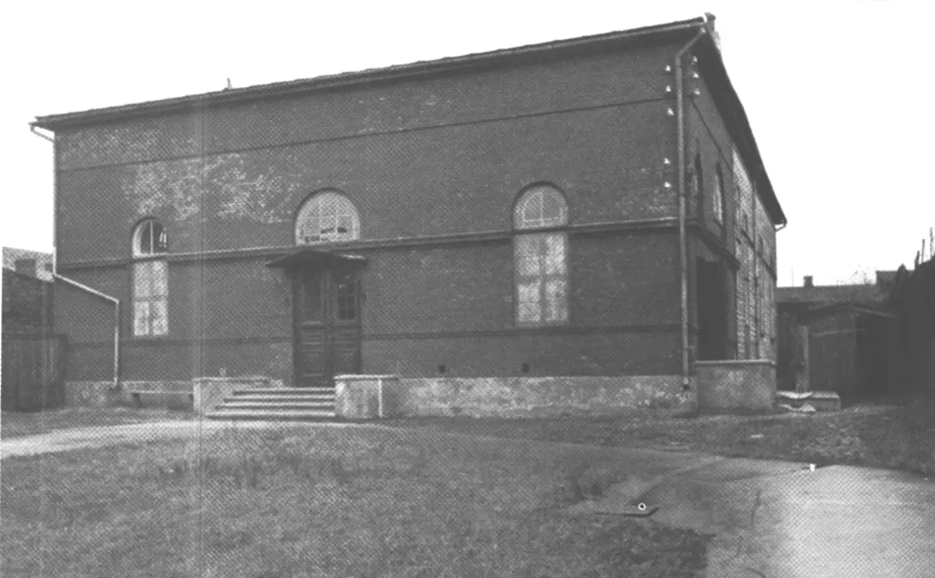
R. Itche Masmid also visited England a few times. As of now, we have only been able to find one contemporary newspaper report about a visit. The following brief report about a fundraiser in London hosted by the frum philanthropist R. David Solomon Sassoon appeared in The Jewish Chronicle, 8 Adar 5697 (February 19, 1937):
Plight of Famous Rabbi
In order to arouse the interest of Anglo-Jewry in the plight of the famous Rabbi Schneerson, the “Lubavitcher Rav,” who is lying seriously ill in a nursing home near Paris, Mr. David Sassoon is to hold a reception on Saturday, February 27th, at his house, 32, Bruton Street, W., where friends may meet Rabbi L. Hurwitz, a “disciple” of Rabbi Schneerson. The Chief Rabbi will preside.
Rabbi Schneerson, who was one of the foremost leaders of Jewry in Soviet Russia, suffered persecution in that country, and he escaped to Poland, making his headquarters in Warsaw. He has founded seven Yeshivot, one of them in Hebron, Palestine. In his work for these seminaries he has now fallen ill, and Rabbi Hurwitz is endeavouring to assist him.
***
R. Itche’s Death Al Kidush Hashem
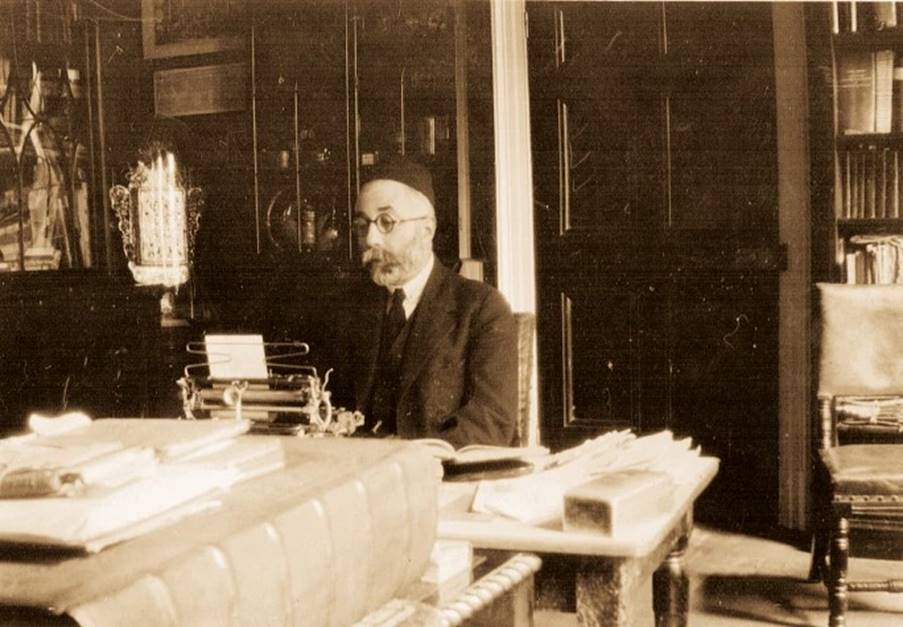
We opened the article with the statement that R. Itche’s yartzeit is on 10 Kislev. But this statement requires some elaboration and clarification.
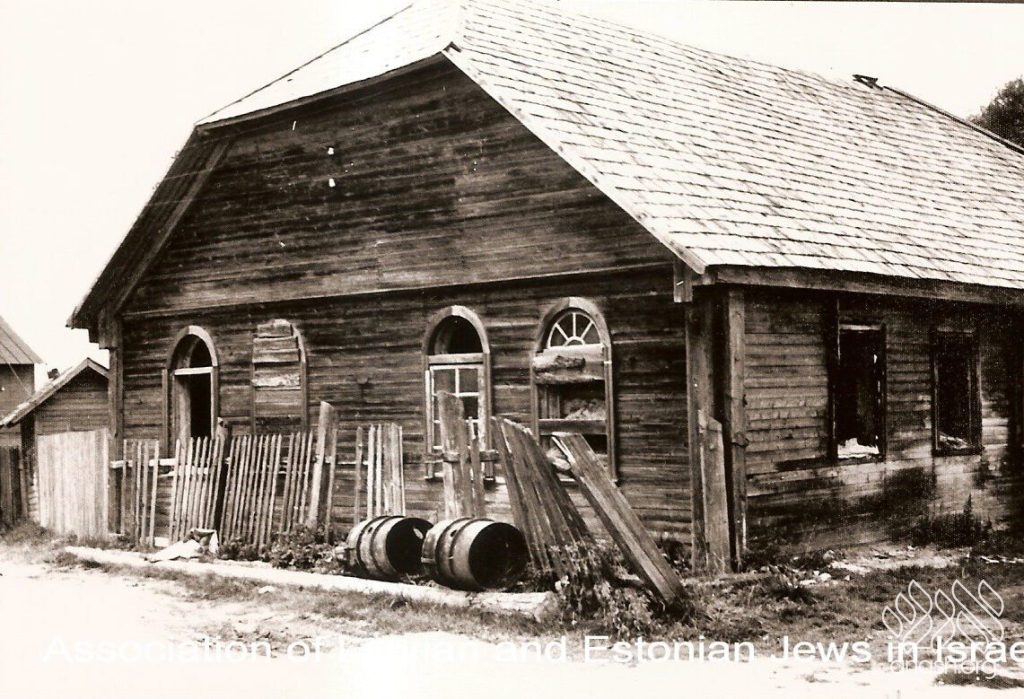
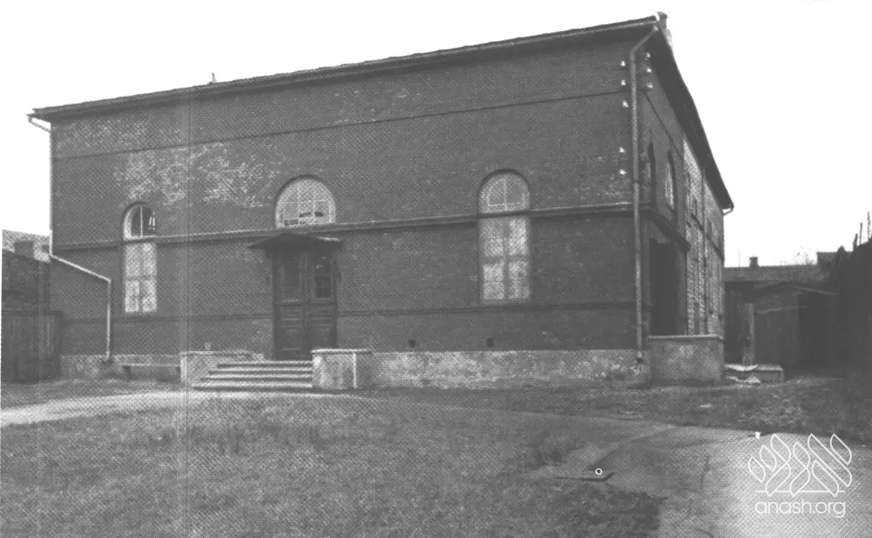
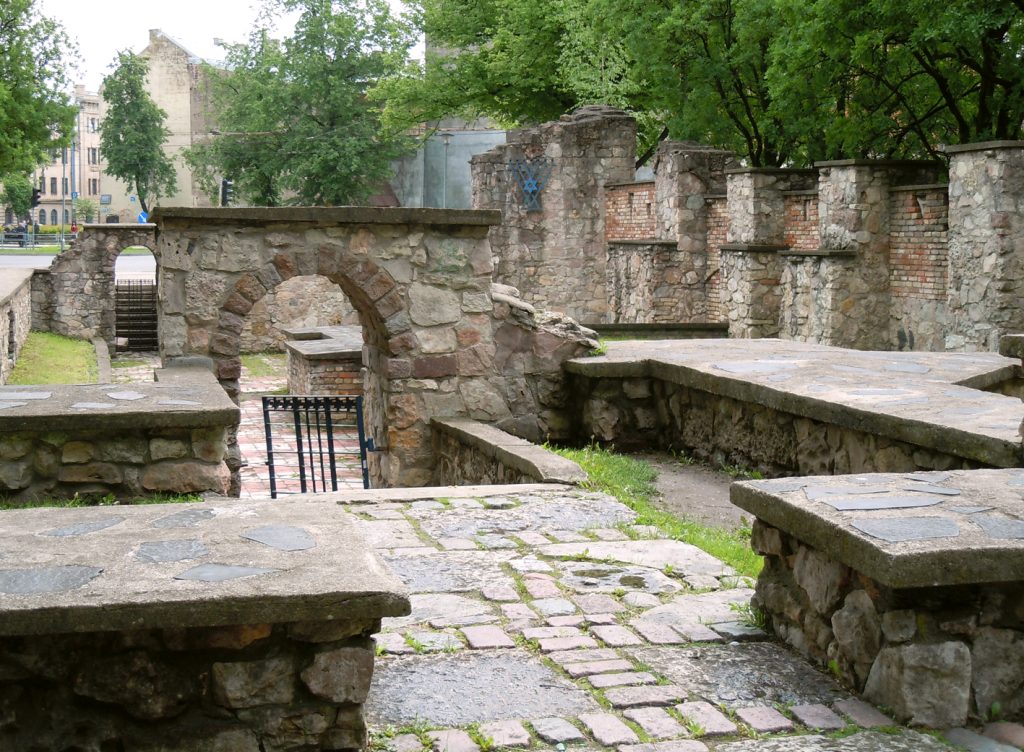
R. Itche Masmid was killed al kidush Hashem by the Nazis in Riga. According to a well-known story, R. Itche was burned alive together with other prominent chasidim in a shul in Riga. Harav Shmerel Sassonkin recorded this story in his memoir Zichronosai (first published in 5740):
It is told that the three chasidim, R. Yechezkel Feigin, R. Yitzchak Masmid, and R. Refoel Germanovitcher [Cohen], who had been the rov in Nevel before joining the Rebbe in Riga, Latvia, hid together, along with several others, in the Riga shul when the war broke out, and the Germans captured the city.
The Nazi murderers, those two-legged beasts, locked the shul from the outside, sealed its windows and doors, and set fire to its very foundations.
The flames spread quickly throughout the entire shul, consuming and engulfing all those who had sought refuge there—among them tzadikim, chasidim, and kedoshei elyon of the highest stature.
May Hashem swiftly avenge their spilled blood!
***
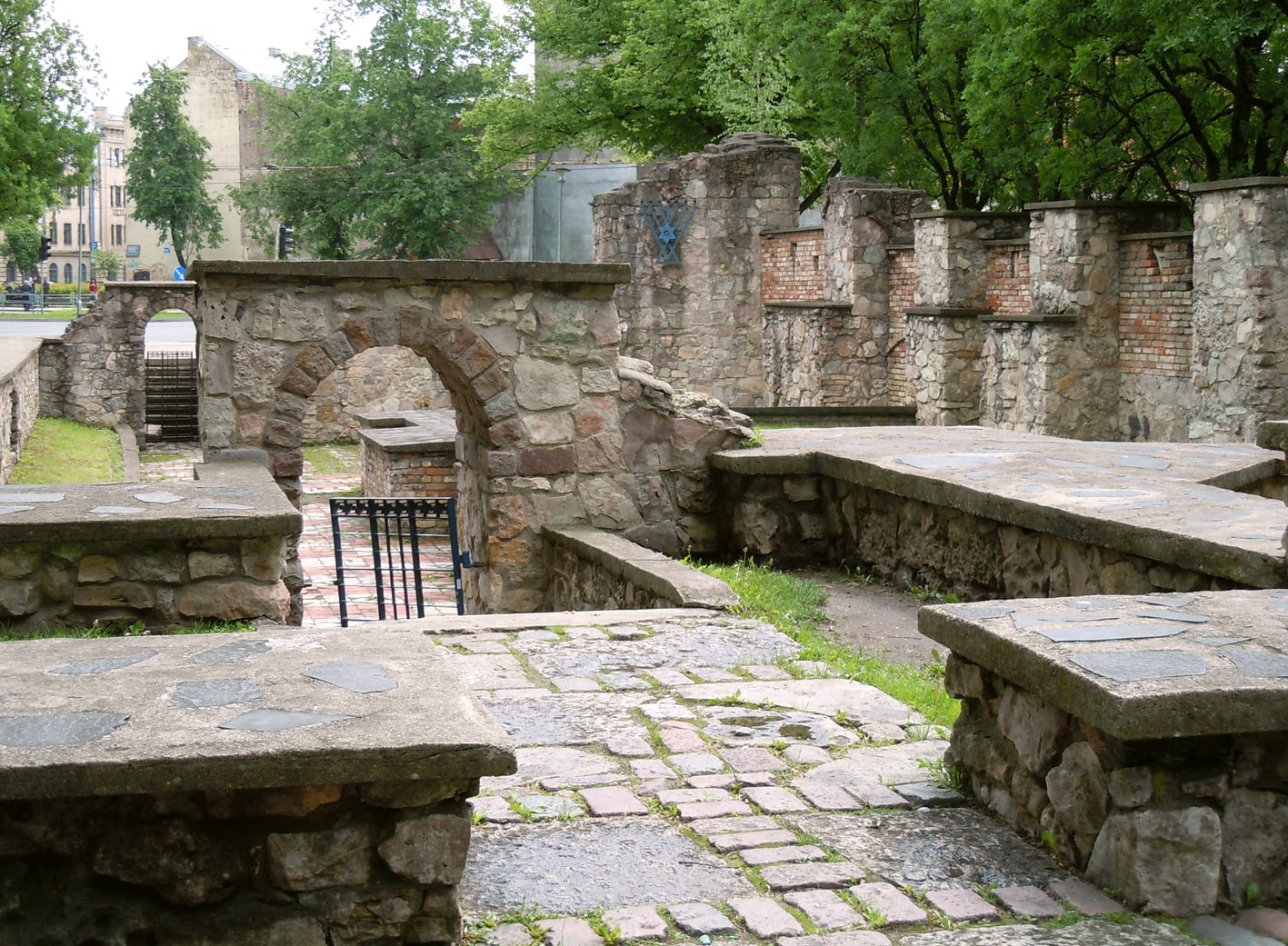
Later versions of the story, collected in Yiras Hashem Otzro, pp. 279-280, add and change some details, but the core elements of the story remain constant: R. Itche Masmid was burned alive by the Nazis in a Riga shul together with some other famous chasidim.
Notably, R. Avraham Godin, a Lubavitcher askan from Riga, also mentions the story of R. Itche being killed in a shul in an interview with Kfar Chabad Magazine (issue 503, p. 26). Godin wasn’t present in Riga at the time, having been imprisoned by the Russians before the war—a circumstance that ultimately saved his life. He said he learned the details of the murder of Riga’s Jews only after his release from prison and his return to the city in 5716.
However, this story is not compatible with the official yartzeit of 10 Kislev and the year of death 5702. The shuls in Riga were burned in Tammuz-Av 5701, immediately after the Nazis entered Riga. The exact dates on which each of the shuls was burned are recorded in Yahadut Latvia (Tel Aviv, 5713), p. 331.
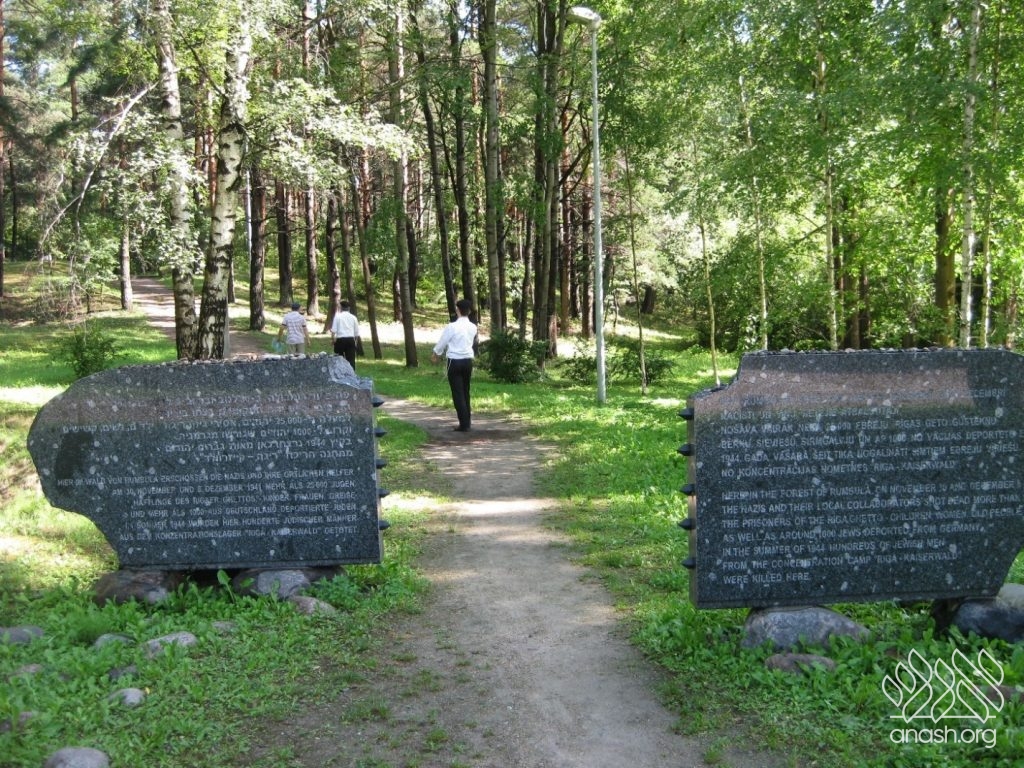
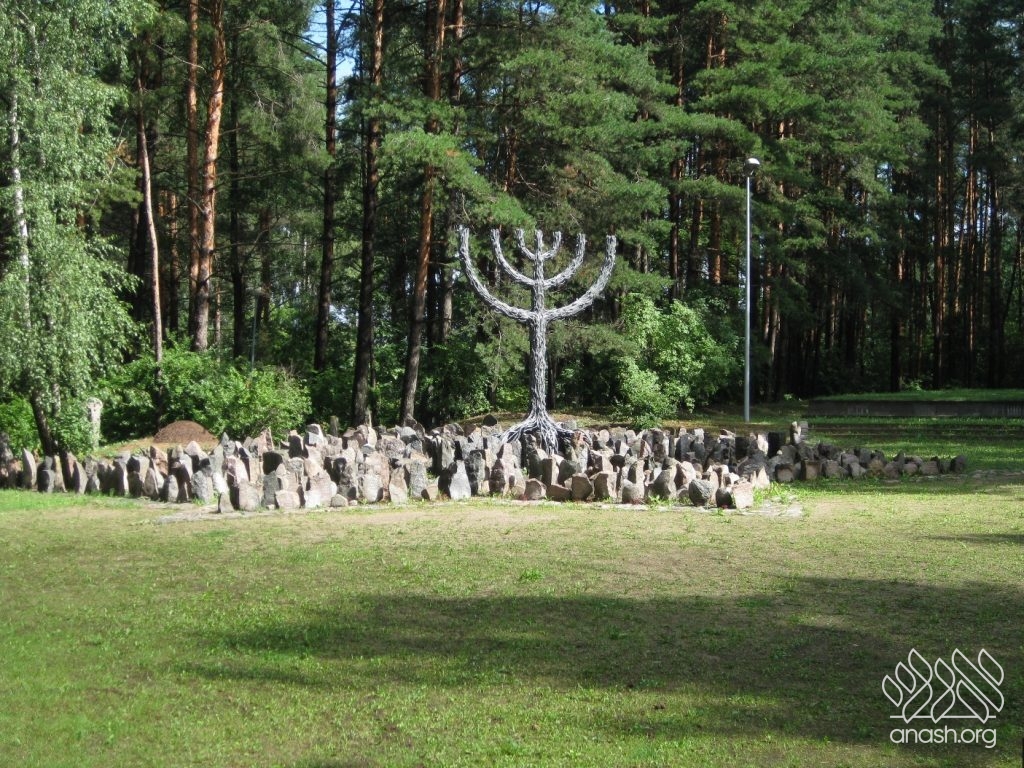
If R. Itche was indeed burned alive in a shul, his correct yartzeit would be in Tammuz-Av, in 5701. If the date of 10 Kislev is correct, then R. Itche was killed in the Rumbula forest together with another 13,000 Riga Jews on that day in 5702. Another 12,000 Jews were massacred in the same place eight days later, on 18 Kislev.
R. Avraham Godin was aware that the shuls were burned in Tammuz-Av, so when he recounted the story of R. Itche Masmid being burned in a shul, he said it occurred immediately after the Nazis entered the city. Harav Sassonkin also recounted the story this way. But in the Yiras Hashem Otzro biography, the author tells the story of the murder in the shul, but moves it to the established yartzeit date of 10 Kislev, apparently unaware that the two are not compatible.
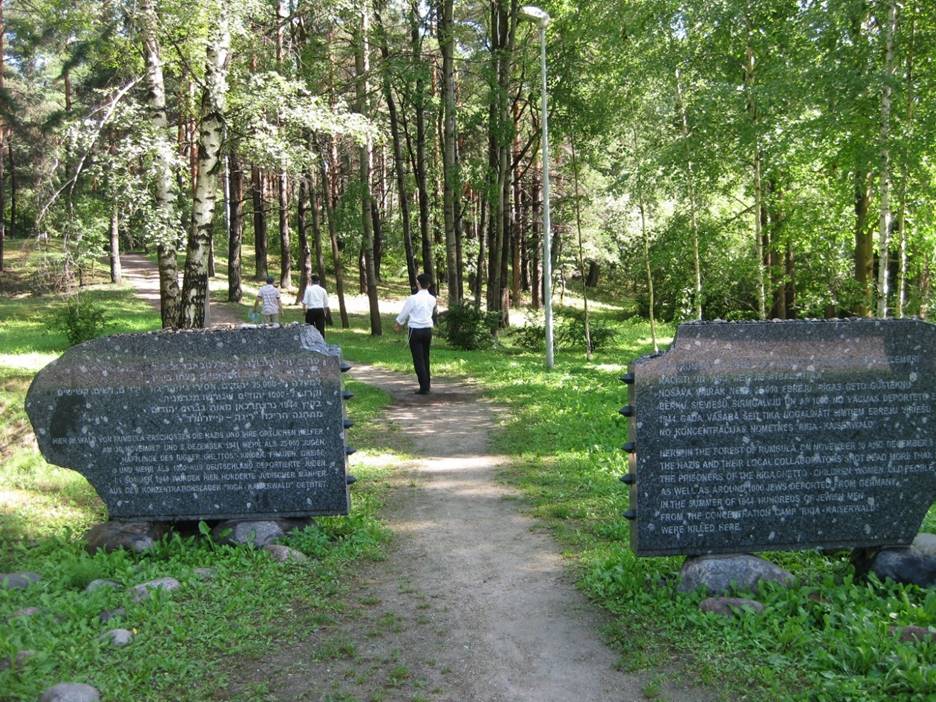
What then is the source for the yartzeit on the 10th of Kislev? Yiras Hashem Otzro provides no information about this, so we turned to R. Elozor Gurevitz of Crown Heights, a grandson of R. Itche (ben R. Shmuel), for clarification. In an interview for this column, R. Elozor related:
My father, R. Shmuel, fled from Riga to Russia together with R. Chatzkel Langzam and R. Notke Barkahn on the very last train out of the city before the Nazis entered. The train left on Shabbos, so R. Itche refused to join them. R. Hillel’s wife was in her ninth month of pregnancy, so they too were unable to leave.
At first, the family did not know the date of R. Itche’s murder. They set the yartzeit for 19 Kislev as an estimate, because this was a period of aktzias (roundups) and mass killings.
At some point, the family in Eretz Yisrael (either my father or my uncle, R. Leizer) received testimony from a Belzer chasid who had been in Riga during the war. This Yid related that R. Itche had been living in a small room sectioned off by partitions in the home of a widow and her family. He spent the entire day wrapped in talis and tefillin, davening. This Yid said that he would visit R. Itche daily and bring him food. R. Itche actually barely touched the food himself; he would give it to the widow and her family.
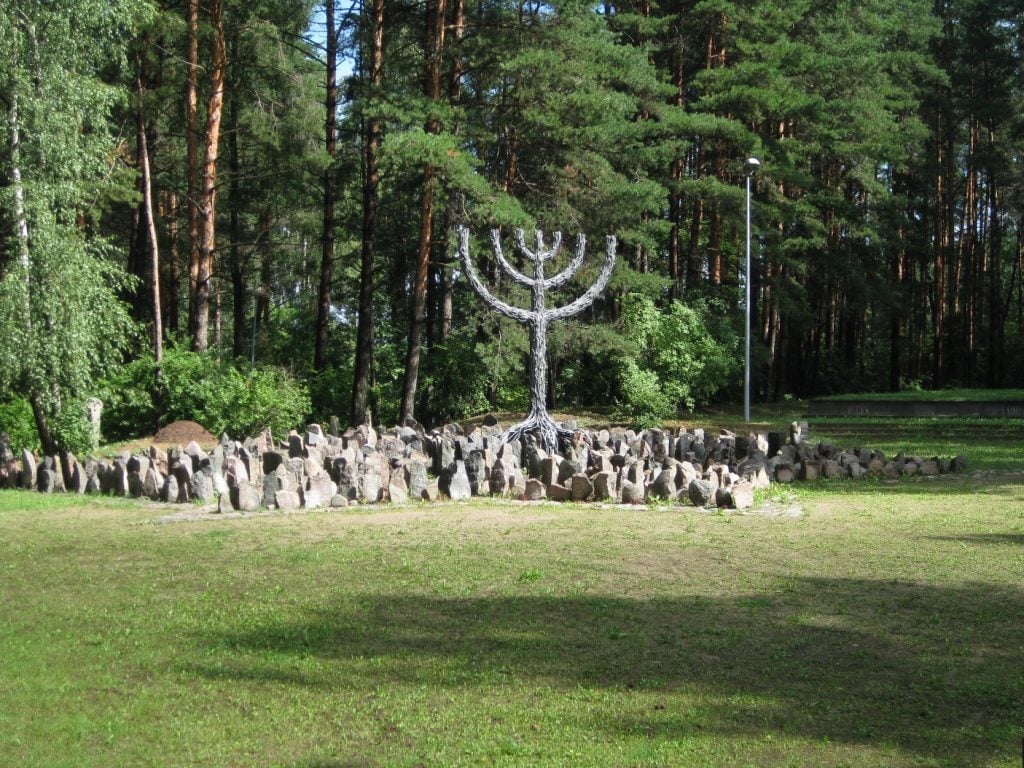
One day, this Yid arrived at the house, and R. Itche was gone. On the floor, he saw the torn remnants of talis and tefillin strewn around. He never saw R. Itche again. He understood that R. Itche had been taken in the aktzia on that day, which was 10 Kislev.
After receiving this testimony, the family established the yartzeit on 10 Kislev, assuming that R. Itche was taken and killed on that day.
The story about the fire in the shul is not something I heard in the family. I don’t know its source and don’t know how reliable it is.
***
Two other early sources give the date of 10 Kislev 5702 as the date of R. Itche’s death, with no mention of the shul burning story. Harav Nissan Telushkin cites in his sefer Taharas Mayim a hearah in nigleh that he heard from R. Itche Masmid. In the second edition of the sefer, published in 5710, he added a footnote with a brief description of R. Itche’s incredible personality. The footnote ends with details about R. Itche’s passing:
To our sorrow, he was taken from this world in an unnatural death in the city of Riga at the hands of the Nazis, yemach shemam vezichram. On Shabbos Kodesh, Parshas Vayeitzei, 9 Kislev (5702)—the yartzeit of the Mitteler Rebbe—he was taken from his place of prayer in the morning, and he was killed on the next day together with fourteen thousand Jews, Hashem yikom damam.
***
Harav Telushkin doesn’t tell us where he got this detailed information from, but the key details align with the testimony the family received.
A second early source is an article about R. Itche Masmid published in Biton Chabad, issue 25 (Tammuz-Elul 5724). The author is not named, but it is clear that the writer had excellent intimate knowledge about R. Itche, including about his family and early years. The article concludes: “On the 10th of Kislev 5702 (reportedly while wearing his talis and tefillin) he was killed al kidush Hashem, Hashem yikom damo.”
To view all installments of From the Margins of Chabad History, click here.
For additional exclusive content, follow the column on X: x.com/ChabadMargins
 COMMENTS


note the video is not for the faint of heart viewer discretion is advised
i fail to understand why we yidden should be giving zeichers to the nazis ym”sh burning shul R”L and giving video links to watch it, as though its just another thing to watch… the link should be removed
Key moments about Reb Itche in Manchester UK
https://anash.org/manchester-pays-tribute-to-60-years-of-rabbi-jaffes-leadership/
Harav Dessler hosted Reb Itche Masmid
https://mishpacha.com/bridging-worlds/
Thank you