




כ״ה מרחשון ה׳תשפ״ו | November 15, 2025
From Dokshitz to Sioux City: The Spirit and Flavor of Yud-Tes Kislev
In honor of Shabbos Mevorchim Kislev, From the Margins of Chabad History surveys Yud-Tes Kislev celebrations in Chabad history, exploring the spirit and flavor of farbrengens across the world, from the shtetlach of White Russia to the small towns of the American Midwest.
Introduction
Since the Alter Rebbe was freed from prison 227 years ago, Yud-Tes Kislev has been the biggest date on the Chabad calendar. In the Chabad heartland of the Russian Empire, Yud-Tes Kislev was like a national holiday. The Yud-Tes Kislev farbrengen wasn’t only attended by chasidim who learned the Chasidus of the Alter Rebbe regularly; it was a community-wide celebration that included everyone with any degree of historical or cultural connection to Chabad.
The meaning of Yud-Tes Kislev is explained by the rebbeim in many sichos, and the story of the Alter Rebbe’s arrest and release is told in various chasidishe books and articles. The present article seeks to tell a different story, from the margins: the story of how Yud-Tes Kislev was celebrated throughout the generations.
As a folk holiday celebrated by Yidden from all levels of society, Yud-Tes Kislev developed its own popular spirit and unique set of practices. Our exploration of the spirit and flavor of Yud-Tes Kislev begins in the White Russian shtetlach in which it was formed. We will then continue to follow Yud-Tes Kislev as it moved to new frontiers in the upheaval of the inter-war period, from Soviet Moscow; Tel Aviv, Mandatory Palestine; Sioux City, Iowa; and more.
Yud-Tes Kislev in the Shtetl
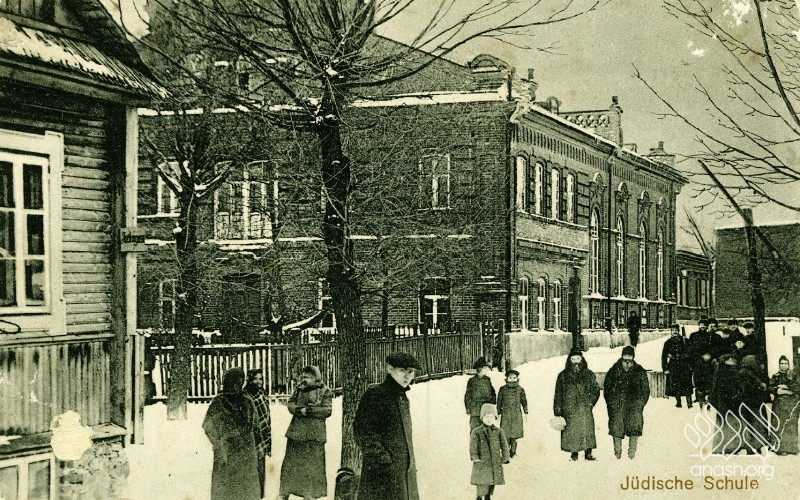
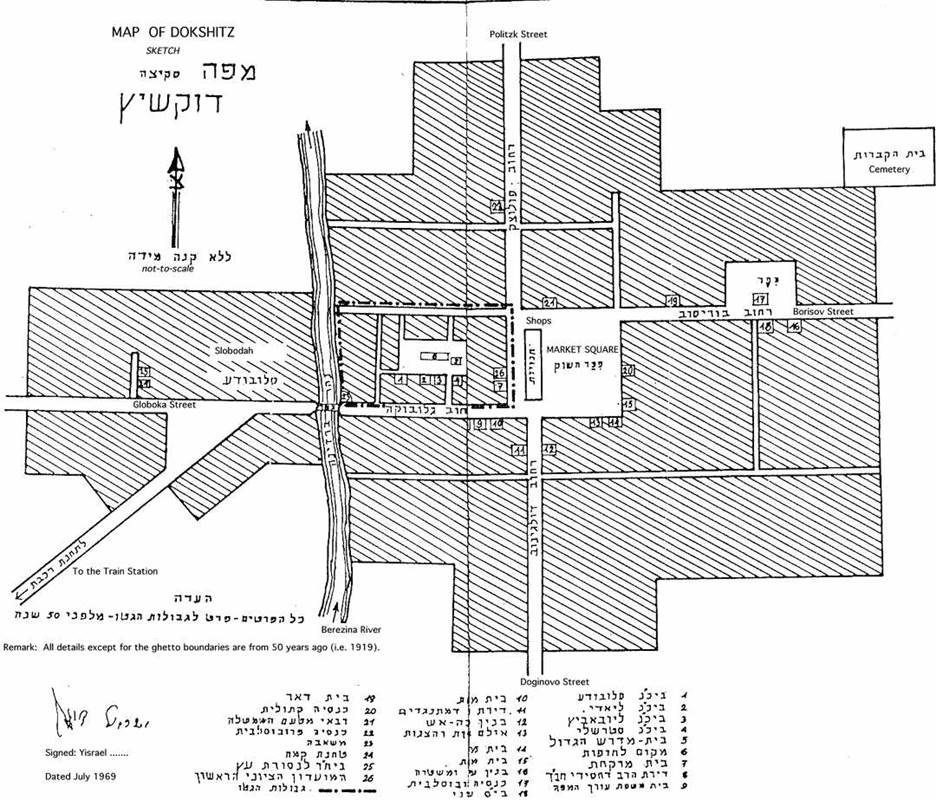
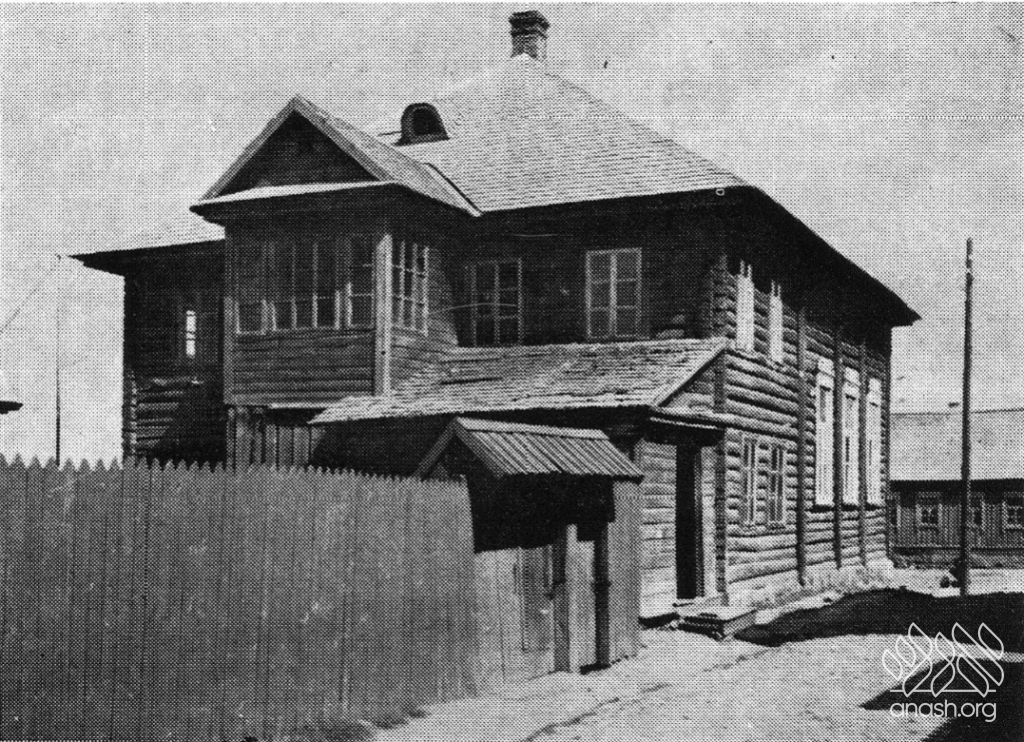
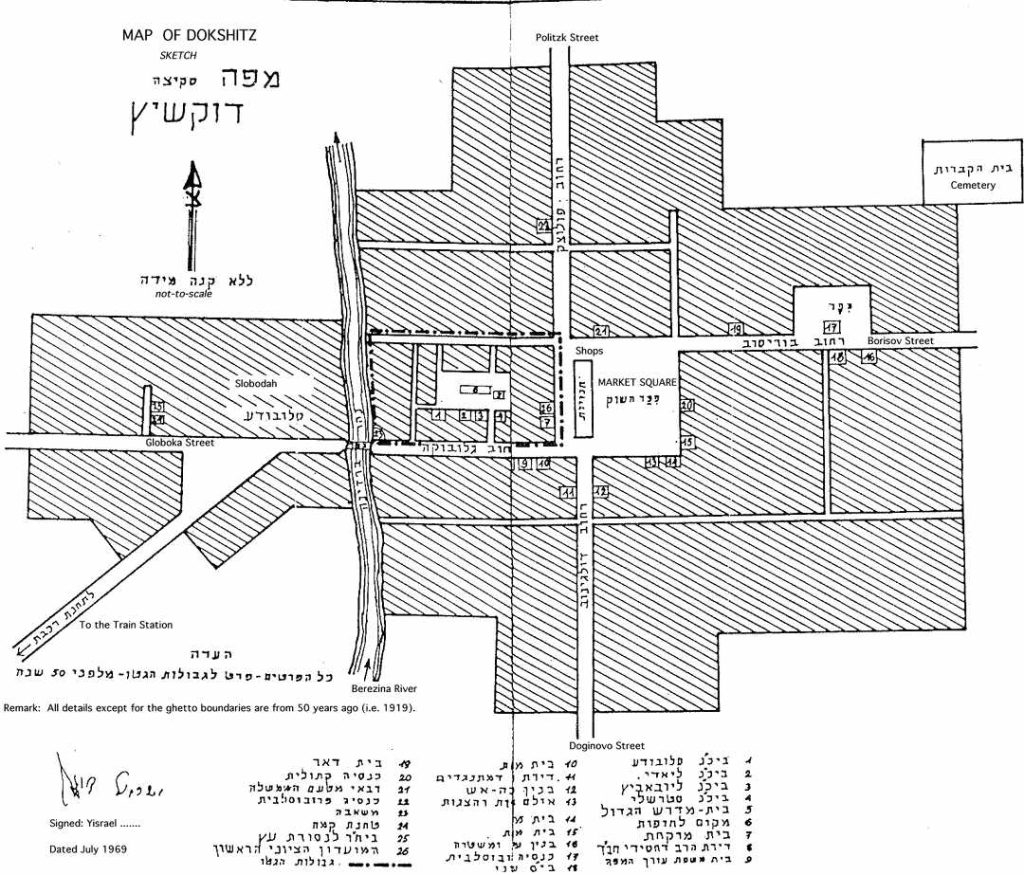
Our first description of Yud-Tes Kislev comes from the chasidishe shtetl of Dokshitz. Written by R. Sholom Ber Gordon, later a shliach in New Jersey, it describes Yud-Tes Kislev as he remembered it as a child growing up in Dokshitz, before moving to America with his family as an eleven-year-old boy in 5692. The general picture it paints is reflective of Yud-Tes Kislev in chasidishe shtetlach for generations. This beautiful account was published in Di Yiddishe Heim 2:4 (7), Shevat Adar 5721, p. 22. Here is the relevant section, translated from the original Yiddish:
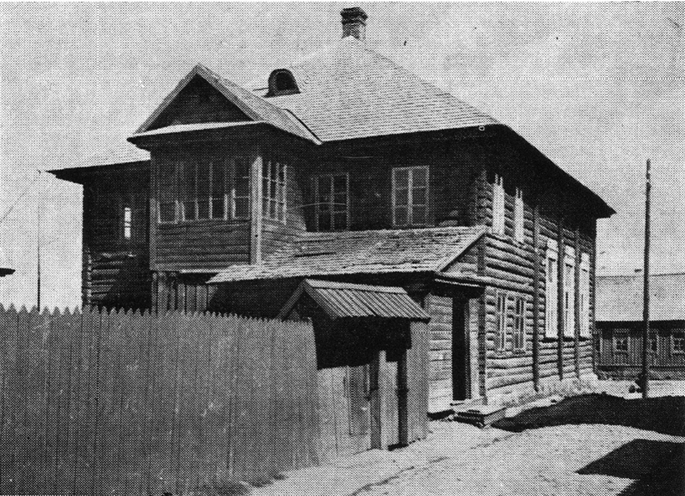
Yud-Tes Kislev was the highlight of the year. A festive joy swept over the entire town. The first sign of the holiday came when tachanun was omitted at minchah on erev Yud-Tes Kislev. That evening, small gatherings were held in private homes. In the cheder, classes ran for only half the day, and the chasidishe melamdim told their students the story of the Alter Rebbe’s imprisonment and release. One teacher, R. Efraim the melamed, a chasid of the Rebbe Rashab who had taught several generations of children over more than forty years, was especially known for his storytelling.
The main event was the traditional Yud-Tes Kislev seudah, held on the night of the 20th, in the rov’s home. The rebbetzin, assisted by the women of the town, spent the entire day preparing the food, especially the traditional kashe served at the Yud-Tes Kislev seudah.
At the seudah, the beauty of chasidishe achdus and ahavas Yisrael was on full display. The rosh hakahal sat side by side with Asher the porter, and Reb Zalman Roitzes, the lamdan of the town, conversed warmly with the brothers Gershon and Yoel, the wagon drivers.
Between the stories and talks, Chasidishe niggunim and joyful marches filled the room. The melodies Padah Beshalom and Shoshanas Chasidim took the place of honor, sung by everyone with extraordinary fervor.
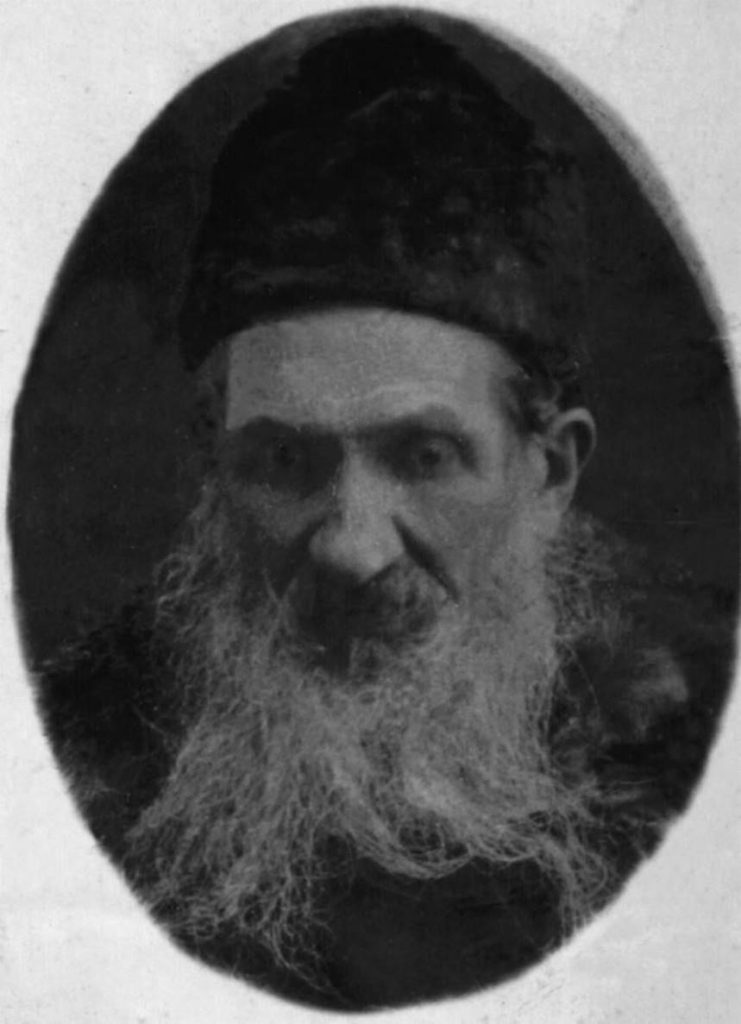
In his soft, gentle voice, R. Leib [R. Leib Sheinin, the rov of Dokshitz] explained that: “Iy lav hai yoma—if not for this day,” the day that brought victory to Chasidus and revealed the inner dimension of the Torah, the Jewish people could never have endured, chas veshalom, the deep darkness of our times—the era of ikvesa diMeshicha.
It was also said that the reward for the Alter Rebbe’s mesirus nefesh extends to his descendants forever, and in this zechus each person can acquire spiritual eternity for himself and his family by holding on to the kliamka (“door handle”) of the Rebbe.
*
For a second description of Yud-Tes Kislev in the shtetl, we turn to a literary account by Shmuel Kaplan. This is a piece of historical fiction written in 5672, the theme of which is the decline in chasidishe life that was already underway at the time. Our interest in this piece is for the general description of the Yud-Tes Kislev celebration, which certainly reflects the historical reality the writer experienced. The article was published in the Hebrew-language Hazman newspaper, 17 Kislev 5672 (December 10, 1911). Here are the relevant sections:
During the seudah shlishis on that Shabbos before Yud-Tes Kislev, the atmosphere in the rov’s home already reflected the upcoming Yom Tov of Yud-Tes Kislev. The usual solemnity and awe of the time were absent. The Bnei Heichala nigun, always sung with special passion, devotion, and solemnity, was occasionally interrupted by joking remarks from both the younger and older chasidim. The customary awe was absent from the rov’s demeanor, and the maamar was delivered in a fluent and flowing manner, reflecting the rov’s uplifted spirit.
After Havdalah, when everyone pushed up towards the rov to show their faces before him and wish him a gut voch, the rov reminded the chasidim about the Yud-Tes Kislev celebration and urged them to attend.
The crowd responded with enthusiastic consent.
The rov was one of the pillars of the chasidishe camp, one of the elder “generals” who had grown up in the shadow of the Tzemach Tzedek. He toiled to connect and unite the remnants of Anash who still thirsted after words of Chasidus and dedicated time to studying its teachings.
For the sake of the poor souls of these people, souls that had been compelled by Divine decree to descend into the exile of material life, the rov’s home was a place of refuge and respite, where they could experience a taste of spiritual life. On Shabbos and Yom Tov, his home hosted a regular minyan for the Chabad chasidim. Another few locals, learned people from various klei kodesh professions, joined them. Over time, they adopted the same expressions and mannerisms of the true benei aliyah. Eventually, it became difficult for a bystander to distinguish between the genuine and the imitation, between kodesh and chol.
Late on Shabbos afternoon, during the time of the maamar, strange characters would slip in like shadows, either out of a desire to see and hear, or pulled in by their souls, which yearned for a taste of Chasidus…
On Yom Tov and during the chasidishe celebrations, they would gather in the rov’s home to celebrate and indulge in chasidishe conversation. At such time they would loosen up: lechaims, linked arms, stories, miracles of the tzadikim, chasidishe nigunim, and playful wit…
Yud-Tes Kislev was one of the most significant of these days of celebration.
On the afternoon of the 18th of Kislev, the rov was already in an elevated mood. He would occasionally step out of his room into the hall and give various instructions regarding the celebration and the preparations necessary for the event.
The day rushed by quickly, and evening arrived.
It was a cold evening. In the rov’s home, everything was prepared for the meal. The usual mess was gone. Silver lamps with glowing candles sparkled on the long table, which was covered with a snow-white tablecloth. The hall was decorated and waiting for its guests. . . .
They sat, joking and exchanging witty remarks, until finally the rov entered, fully adorned in festive splendor, and everyone sat down around the table. . . . They made a berachah on the mashkeh and called out, lechaim!
As was customary, the rov began recounting the entire story of the Alter Rebbe’s ordeal, beginning with the slander of Avigdor yimach shemo, continuing through the story of the Rebbe’s imprisonment, and culminating in the great day of salvation: Yud-Tes Kislev.
He explained the concept of Chasidus before and after Peterburg, flowing from one topic to another, from story to story, until he reached the Tzemach Tzedek, where he concluded with a long, deep sigh…
*
Practices and Foods
Both of the above accounts describe the main Yud-Tes Kislev seudah being held at the home of the rov. However, R. Chaim Eliezer Bichovsky (c. 5615-5684), the Chabad publisher and original thinker, writes that the original practice was to hold the seudah in the shul, and this changed as a result of the deterioration of chasidishe life in the shtetl. R. Bichovsky elaborates on this theme in his characteristic Kabbalistic style, but we will only cite the historical information he relays (Kisvei R. Chaim Eliezer Bichovsky, pp. 58-59):
It was customary to hold the seudah in the shul, where chasidus is constantly studied. Recently, people have started holding the seudah in the home of the rov, or at the home of another individual great in Torah or chasidus, or a wealthy person who financially supports talmidei chachamim who study chasidus. . . . When there are negative characters in the shul who disrupt the gathering and the necessary deveikus, and they may lead to devarim beteilim and frivolity, people make the concession of holding the seudah in the home of the rov, etc.
*
All of the accounts we have read refer to the celebratory event for Yud-Tes Kislev as a “seudah.” The typical chasidishe farbrengen is an informal affair, with various light refreshments served. But Yud-Tes Kislev was no regular farbrengen: it was the most important chasidishe day of the year, and it was attended by a broad and diverse crowd. As a result, formalities and customs developed around the celebration, like an official Yom Tov.
This applied not only to the public seudah, but also to private homes. R. Eliyahu Simpson related that in Zhebin everyone would lay out white tablecloths at home on Yud-Tes Kislev (Reshimos Weingarten, Kislev 5707), and R. Yisrael Jacobson recalled that in his hometown of Zhuravitz every family, rich or poor, would make a seudah with roast chicken and kashe (Reshimos Weingarten, Nitzutzei Or, p. 148).
Like every formal seudah, Yud-Tes Kislev also developed its own traditional menu. The most well-known Yud-Tes Kislev food is buckwheat kashe, still served at many Yud-Tes Kislev gatherings today.
How did kashe, a cheap staple grain in Russia, become a festive food? As a popular custom rather than a codified minhag, information about this practice is sparse and murky.
The Frierdiker Rebbe once mentioned the common custom of eating kashe in the context of a story he related about Yud-Tes Kislev in Lubavitch with the Rebbe Rashab in 5652. In this sichah, delivered in Poland in 5698, the Frierdiker Rebbe paused to briefly explain what kashe was doing on the table of the farbrengen (Sefer Hasichos 5698, p. 277):
At the time, they were eating the well-known kashe of Yud-Tes Kislev—grikene (buckwheat) kashe.
This is the custom—grikene kashe is prepared for Yud-Tes Kislev. Every country has its beloved dish, and in Lita that dish is grikene kashe.
*
The Frierdiker Rebbe didn’t draw any direct link between kashe and Yud-Tes Kislev. He merely explained that it was a cherished food in Chabad areas, so it became part of the festive meal. But Chabad legend does make a direct link. According to this popular story, when the Alter Rebbe was in prison, he refused to eat the food due to kashrus concerns. The solution found was for a Jew living in Peterburg to prepare kashe for him, and this was the only food he ate over the course of his time in prison.
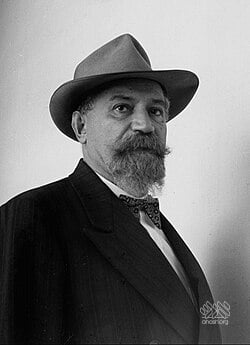
This folk legend has no source in the stories related by the Rebbeim or the classic collections of sipurei chasidim. Beis Rebbe (p. 88-89) relates the story about the Alter Rebbe’s refusal to eat the prison food, but according to this story, the Jewish-prepared food he was eventually brought was a jam, not kashe. But the kashe story must have been a popular oral tale, because it made its way into some literary works.
Author Zalman Shneur (5647-5719) was born to a Chabad family in Shklov. He wrote several books with Chabad-centric storylines, including a 5-volume work of historical fiction about the Alter Rebbe, titled Keiser un Rebbe. In a chapter originally published in the Forverts newspaper (December 24, 1937), Shneur writes:
Out of fear of eating treifah, R. Shneur Zalman sustained himself day after day in the Petropavlovsk fortress on pareve retchene kashe (buckwheat porridge). Even that had to be given to him by hand, in a small pot. From that time on, this poor, humble food became sanctified among Chabad chasidim—almost as much as the day of Yud-Tes Kislev itself. Retchene kashe and retchene latkes became an important part of the seudah with which Chasidim across Russia celebrated the Alter Rebbe’s liberation for generations.
*
The popularity of this legend is also attested to by its inclusion in a poem about Yud-Tes Kislev published in the children’s supplement of the Israeli left-wing Davar newspaper in 5698. Another cute mention of the kashe custom is found in a newspaper account of an exchange between Fishel Schneerson, the grandson of the Chabad Rebbe of Rechitsa, and Harav Shlomo Yosef Zevin.
Kashe may be the most famous Yud-Tes Kislev food, but it wasn’t the only food popular on Yud-Tes Kislev tables in the past. In fact, some descriptions of the food served at Yud-Tes Kislev farbrengens don’t mention kashe at all, indicating that it wasn’t a universal custom across the entire Chabad-populated region of Russia.
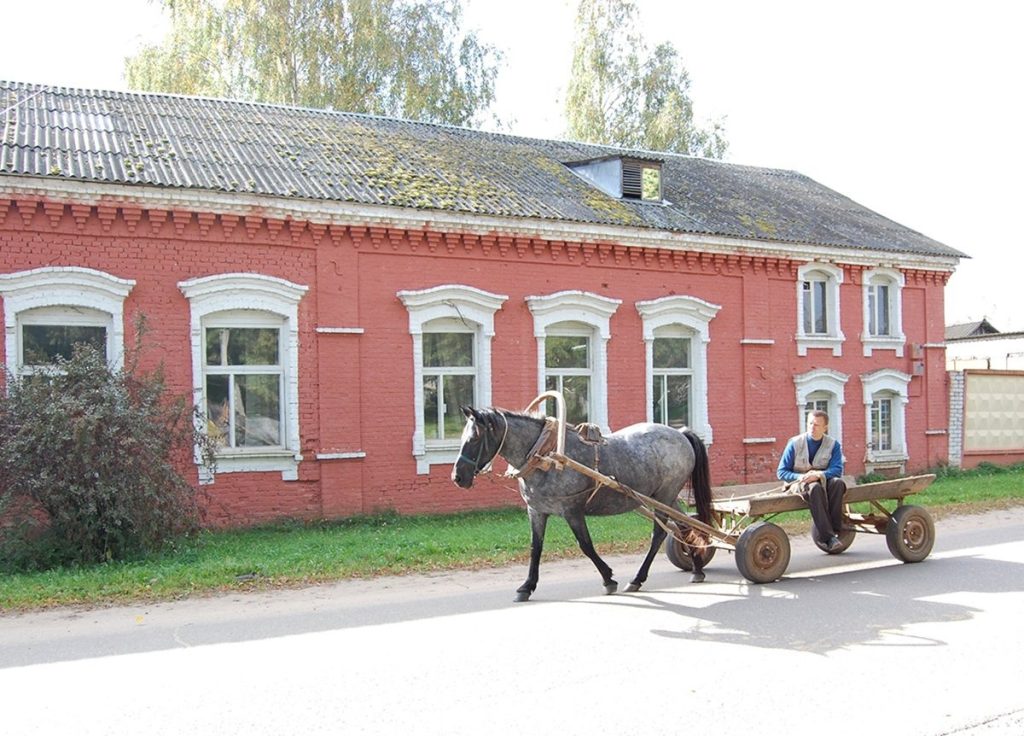
In the Yizkor book for the shtetl of Disna, Zalman Zemirin, the son of the chasidishe shochet and leader of the Chabad chasidim in Disna, describes the sumptuous latkes served at the Yud-Tes Kislev farbrengen (Disnah: Sefer Zikaron Likehilah, p. 57):
On Yud Tes Kislev, the day when the Alter Rebbe was freed from prison, we used to accompany the lechaim with latkes. And, to prevent you from making a mistake, I must now explain to you the difference between today’s latkes and the Disna latkes. Real latkes are made from potatoes fried in goose or chicken shmaltz. When you are done frying them, you put them in an earthen vessel and stick gribenes (cracklings) between the layers. You cover the vessel and place it in the oven to let it stew. Who can find the words to describe the taste of these gold-brown, delightful latkes?
Latkes were also mentioned in the earlier piece from Zalman Shneur, but those were retchene latkes, prepared from buckwheat flower rather than potatoes.
*
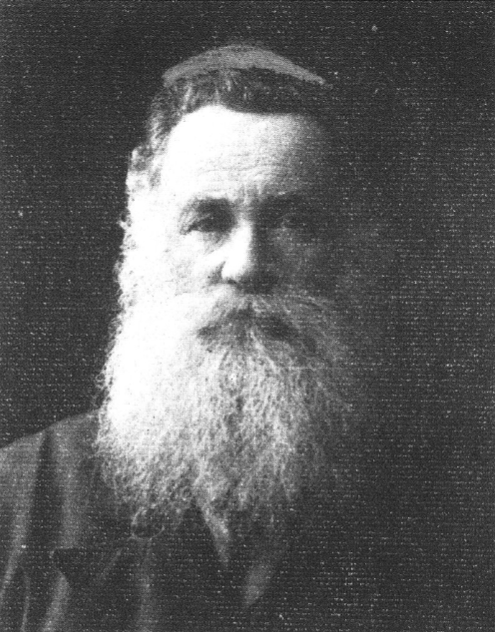
Another description of the Yud-Tes Kislev menu, in a literary piece by Chabad writer R. Chaim Yitzchak Bunin, describes honey lekach, buckwheat cookies, latkes, gribenes, livers, and gizzards.
Another long-forgotten Yud-Tes Kislev practice is the Chevra Kadisha seudah. In Chabad communities today, the Chevra Kadisha holds its annual fast day and seudah on 15 Kislev, a date selected because it can never occur on Shabbos. But in many Chabad communities in the past, the seudah was held on Yud-Tes Kislev, together with the seudah for the Alter Rebbe’s release. Shventzian expat Shimon Bushkanietz describes it in the Yizkor book for his hometown (Sefer Zikaron Leesrim Veshalosh Kehilos Shenechrevu Beezor Shventzian, p. 408):
At these tables, the Chabad chasidim would gather each year to make a lechaim on Yud Kislev . . . and Yud-Tes Kislev, in honor of the founder of Chabad, R. Schneur Zalman of Liadi, who was released from prison on these days.
Yud-Tes Kislev was also the day of the Chevra Kadisha. The annual meeting took place around set tables, with mashkeh and a Yomtovdike seudah. The gabbai would deliver a report on the year’s activities, the state of the budget, and other important matters. If necessary, they would also elect a new gabbai and adjust the division of the mitzvos at taharas hames, based on the members’ participation in the previous year.
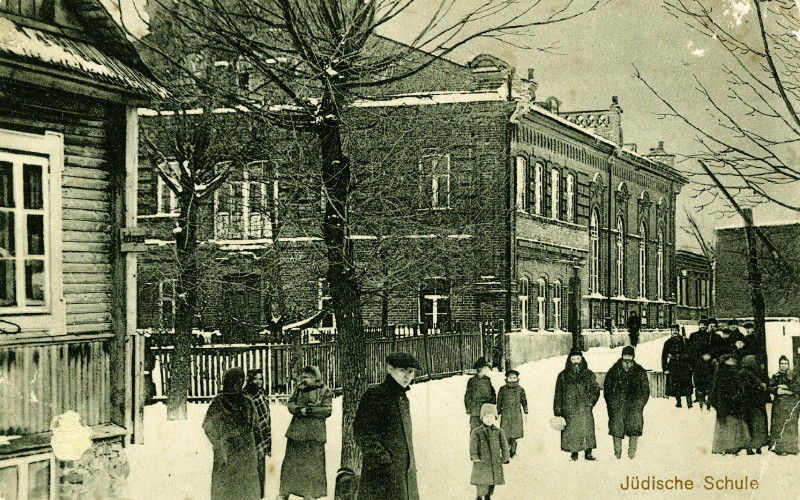
The Chevra Kadisha seudah on Yud-Tes Kislev is also documented in Schedrin (Sefer Zikaron Bobroisk, p. 820), and is mentioned in a literary account by Zalman Shneur describing his hometown of Shklov (Panderi Hagibor, p. 96). This minhag is not recorded in classic Chabad sources, but it did find its way into R. Avraham Eliezer Hirshovitz’s Otzar Kol Minhagei Yeshurun. R. Hirshovitz relates that the original minhag was to hold the Chevra Kadisha seudah on 15 or 20 Kislev, as these dates cannot occur on Shabbos. Chabad chasidim, he writes, moved the date to Yud-Tes Kislev, to combine it with the celebration of the Alter Rebbe’s releases (siman 22).
A newspaper article from 5647 (Hameilitz, December 30, 1886) provides us with a fascinating real-time account of this shift being made in the city of Serpuchov, in the Moscow region, and the fight that this attempt sparked.
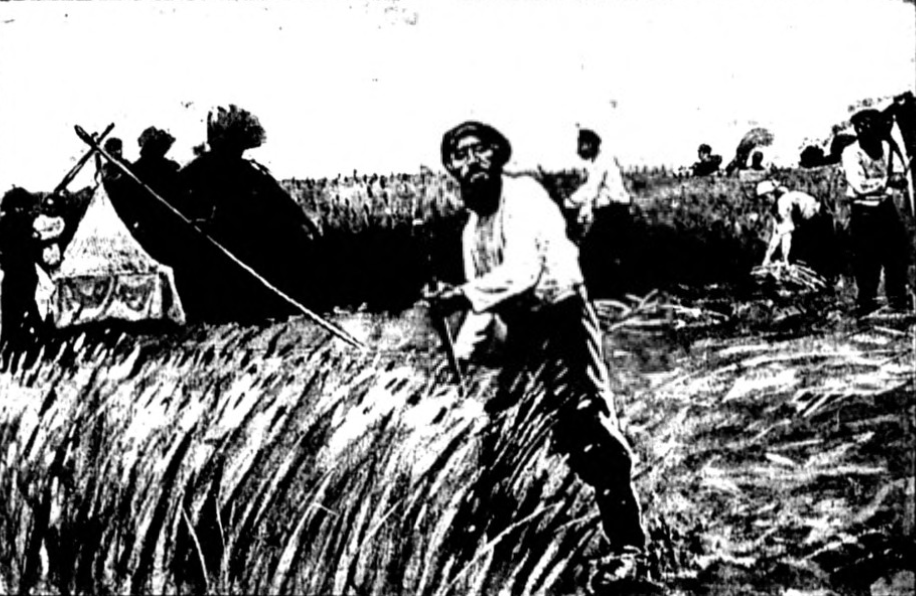
The Yud-Tes Kislev—Chevra Kadisha link may also help shed light on the origins of the Yud-Tes Kislev kashe custom. Multiple sources mention kashe as the primary delicacy served at the Chevra Kadisha seudah (on 15 Kislev, or other dates). Interestingly, all of these sources mention this practice in a matter-of-fact way, and it is not recorded in traditional seforim, indicating its status as a folk custom. See Di Yidishe Velt, December 16, 1902; Der Moment, December 16, 1927; and Shachar Oro (the biography of R. Moshe Tzvi Neriah), p. 10.
Did the Chevra Kadisha move to Yud-Tes Kislev and leave their kashe behind? Or was it just eaten at the Chevra Kadish seudah for the same reason it was enjoyed on Yud-Tes Kislev, that this poor man’s grain somehow attained the status of a festive delicacy?
Yud-Tes Kislev in Soviet Moscow
We will now present a series of accounts describing Yud-Tes Kislev celebrations in the interwar period.
The upheavals in Russia, culminating in World War I and the Communist revolution, brought Chabad chasidim to new locations across the world. And whenever chasidim went, they brought their beloved Yud-Tes Kislev along. This series of articles highlights the endurance of Yud-Tes Kislev and the ways it adapted to find its place in new frontiers.
Our first description of Yud-Tes Kislev comes from Moscow, 5687, under Communist oppression. In that year, the American Yiddish-language Forverts newspaper dispatched its correspondent Yisrael Yehoshua Singer (brother of the Nobel Prize-winning author Isaac Bashevis Singer) to communist Russia to report on the state of the Jews there. Singer wrote a series of articles in the Forverts newspaper, and later collected them in a book titled Nei-Rusland: Bilder fun a Reize. In a chapter titled “A Weekday Yom Tov,” Singer recounts his fascinating experience at a Yud-Tes Kislev farbrengen in Moscow:
It happened in Moscow.
An acquaintance approached me and asked if I was interested in spending a Yom Tov with the Lubavitcher chasidim.
In my calendar, there was no Yom Tov on that day. But my acquaintance didn’t want to tell me which Yom Tov it could possibly be.
“Come at twelve o’clock tonight and you’ll see!” he said.
That piqued my curiosity. At twelve o’clock that night, I took a carriage and got off on a small street somewhere near Maroseyka.
I didn’t find it so quickly. The street was empty and quiet. The old doors stood closed. Only after wandering around for some time did I hear a song.
A faint melody, emerging from somewhere. In the quiet Moscow street, this song swirled aimlessly, unsettling and magnetizing the neshamah. I followed the melody and found myself in a quiet courtyard, on a dark stairway.
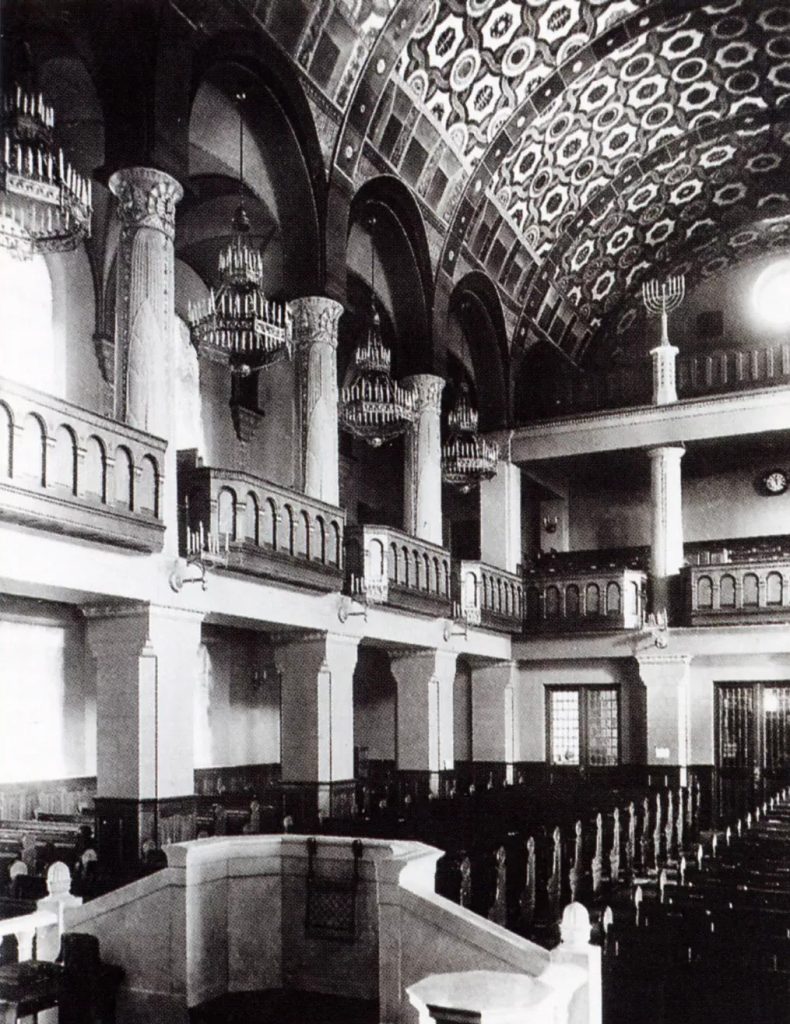
I knocked. Perhaps a quarter of an hour passed without an answer, and then, finally, someone came.
“Who’s there?”
“A Yid!”
The door opened. A whole group of Jews greeted me joyously, as if it were a chasunah: “Gut Yom Tov! Gut Yom Tov!”
Before I could even look around, I found myself holding a cup of brandy in my hand.
“Drink a lechaim!”
“Thank you!”
“There’s no one to thank!” answers a Jew with a curly beard. “It doesn’t belong to anyone.”
The crowd is inebriated. Two young men, clean-shaven actually, are dancing on the table. Others are singing, shouting. An elderly Jew is pouring himself endless brandy, entire bottles, but he’s clear-headed.
“Gut Yom Tov!” he shouts loudly, clapping his hands. “Gut Yom Tov, Yidden, merrier, merrier!”
I felt deeply embarrassed. Jews are sitting, drinking, celebrating, dancing, loudly wishing each “Gut Yom Tov,” and I have no clue what Yom Tov it was. Asking wasn’t exactly appropriate, but I had no choice, so I asked one of the young men.
“What, you don’t know anything?” the young man answered me. “Today is Yud-Tes Kislev, of course.”
I thanked him, but to my great embarrassment, I still didn’t understand why Yud-Tes Kislev was such an important day.
I once again brushed away my shame and inquired.
“Once, many years ago, there was a Lubavitcher Rebbe. The Rebbe cherished Eretz Yisrael and would collect money from his chasidim for Eretz Yisrael. There were also misnagdim in the world, and they slandered the Rebbe, saying he was collecting money to become a king in Eretz Yisrael. The Russian secret police became greatly alarmed, fearing that the Lubavitcher Rebbe might compete with the Russian Tsar. So they arrested the Rebbe, bound him in chains, and imprisoned him in either the Schlüsselburg or the Petropavlovsk fortress, where they held all revolutionaries.
“On the nineteenth of Kislev, the Rebbe was released, and from that day on, the Lubavitcher chasidim celebrate it as a Yom Tov. They drink wine and celebrate the entire night.”
Among the crowd, I saw engineers (in Russia, engineers are recognizable by the symbols on their hats), Soviet officials, and students. They were not great scholars; they sat and listened intently to the teachings of a Jew with a curly beard, much like the way the simple folk of old would listen to the Torah that a lamdan would say in the Beis Medrash, without understanding a word.
The revolution had made them frum. It made some people apikorsim, and others it made frum. They came to the Lubavitcher chasidim, nebach struggling to understand a word of Torah, but ultra-frum.
By the way, they maintain a whole society of yeshiva bochurim, who sit in the town surrounded by forty times forty churches and forty times forty communes, and learn Torah with great hasmadah.
One of these yeshiva students, a young man with a sizeable beard, is pouring out Torah, like from a sack. He is somewhat modern and uses many Russian words in his Torah, eager to impress the clean-shaven men.
The elderly Reb Peretz, a Yid a Chabadnik, and a wise man, interrupts his Torah:
“Even on Yud-Tes Kislev,” he says, “a Yid must not be a fool…”
As the crowd still wants some Torah, Reb Peretz shares his own:
“You know, rabosai,” he asks, “why it is forbidden to drink brandy from a small cup? Because it’s dangerous, there’s a risk one might, chalilah, swallow the cup…”
*
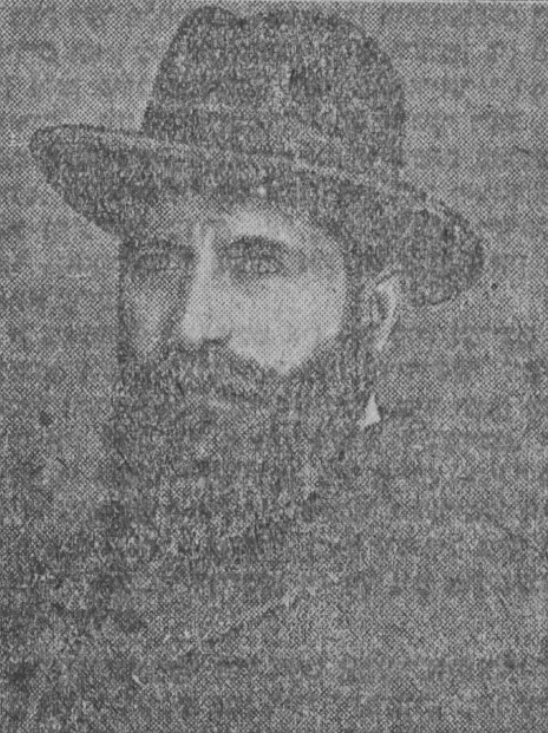
This fascinating account is probably describing a farbrengen of Tiferes Bachurim. Tiferes Bachurim was a network that the Frierdiker Rebbe established across Soviet Russia that organized shiurim and gatherings for young working Jews studying in universities. Torah study was officially permissible for adults in Soviet Russia, and these organizations were able to operate with limited interference for a certain period.
The primary organizer of Tiferes Bachurim in Moscow—and beyond—at this time was Harav Yaakov Landa, previously the rov in the Rebbe Rashab’s chatzer, and later the rov of Bnei Brak in Eretz Yisrael. Details about the activities of Tiferes Bachurim in general, and the Moscow branch in particular, can be found in Toldos Chabad BeRussia HaSovyetis, ch. 9. Further information can be found in a Russian article available here.
The elderly chasid R. Peretz mentioned here may be the chasid described by R. Zalman Leib Estulin in Gaon Vechasid, p. 233, and mentioned as the source for nigun 207 in Sefer Hanigunim.
Yud-Tes Kislev in Lodz
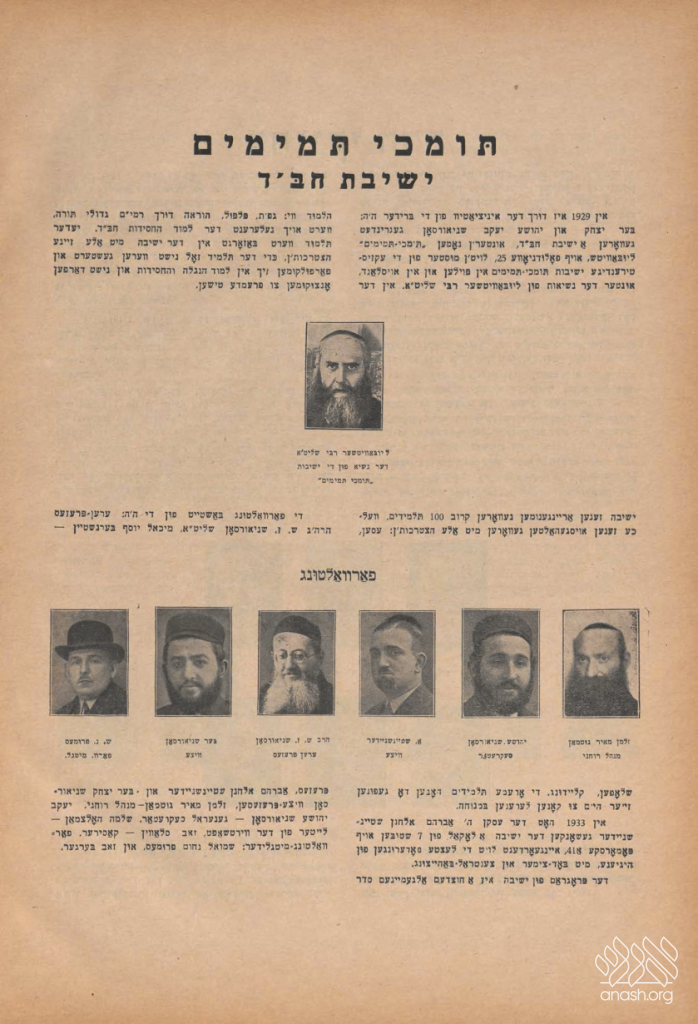
Our next article, from the Neiyer Folksblat Newspaper of Lodz (December 26, 1929) describes the celebration of Yud-Tes Kislev in the Chabad yeshivah in Lodz, Poland. At the center of this farbrengen is Harav Zalman Schneerson, a descendant of the Alter Rebbe and famous chasid of the Rebbe Rashab.
A Chabad Celebration
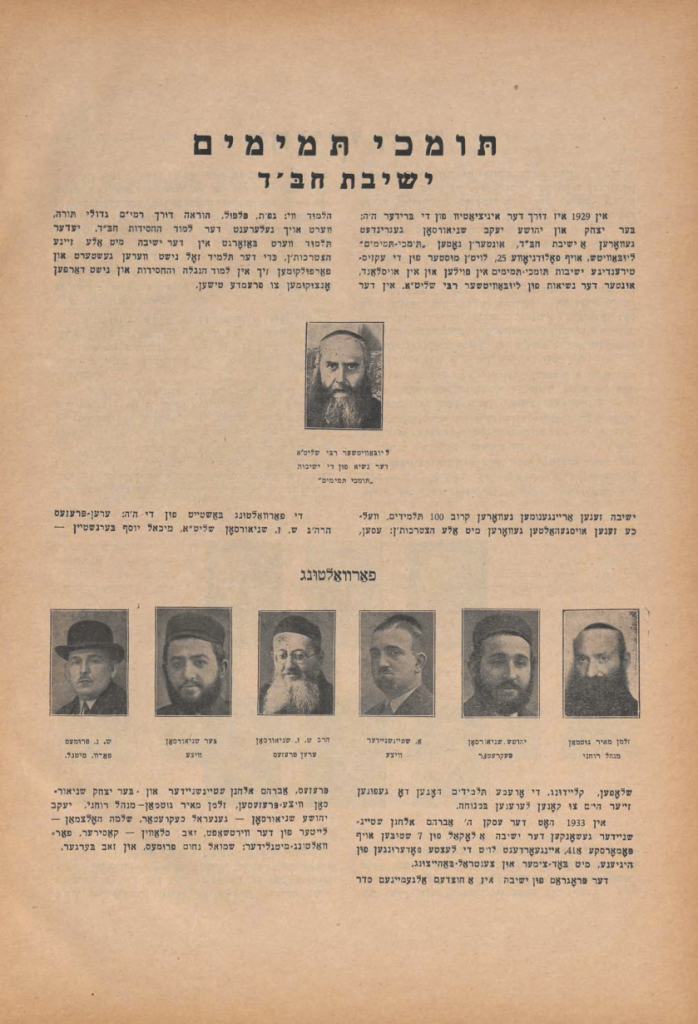
Since the year 5559, Yud-Tes Kislev has been a great Yom Tov in the Chabad world, due to the release of the Rebbe, the baal haTanya, the founder of Chabad Chasidus. In Lodz, too, a celebration took place at the location of the Yeshivas Tomchei Temimim Lubavitch, on 25 Poludniowa Street.
Over 100 people attended, and the gaon, chasid, and mekubal Harav Shlomo Zalman Schneersohn (previously a rov in Velizh), a son of the Riga rov, the gaon Harav Leib Schneersohn, a descendant of the Rav of Liadi (and a son-in-law of the recently deceased philanthropist R. Sender Diskin), said a Chabad maamar for over two hours, which was received by the crowd with great enthusiasm.
Afterward, speeches about the inyanei deyoma were given by the rosh mesivta and menahel of the yeshivah, the distinguished bochur Dov Yitzchak Schneersohn, and the mashpia of Chabad Chasidus in the yeshivah, Harav Zalman Meir Gutman.
Administrators were then elected for the yeshivah:
Honorary president: Harav Shlomo Zalman Schneersohn, President: Mendel Bernstein, Vice president: Tzvi Chaim Eidelitz, Treasurer: Michoel Yosef Bernstein, Secretariat: Ezra Nieroslawski and Yehoshua Schneersohn. Board members: Harav Nachum Garelik, Mordechai Frimes, Yechiel Mordechai Gordon, Moshe Levenson, Zev Slavin, Isaac Landkof, and habochur Dov Yitzchak Schneersohn. Candidates included: Ezra Nieroslawski, Zalman Meir Gutman, habochur Yehoshua Schneersohn, and habochur Tuvia Baktchin.
Large sums of money were also raised for the yeshiva and its kitchen. As the sounds of the Rebbe’s niggun filled the air, the crowd celebrated until dawn.
*
Yud-Tes Kislev in Riga
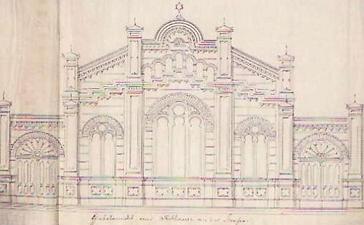
Our next stop is Riga, for Yud-Tes Kislev 5696. This account is translated from the Heint newspaper (December 16, second edition, 1935).
How the Riga Chasidim Celebrated Yud-Tes Kislev
Yud-Tes Kislev, the day when the Alter Rebbe, Rabbi Schneur Zalman, was released from prison, is one of the most significant and joyous days for the Chasidim. Tachanun is not recited during davening, everyone wears Shabbos clothes, and when Chasidim meet, they even greet each other with “Gut Yom Tov,” and the like.
Yud-Tes Kislev this year was celebrated with great fervor in Riga as well. In all the Reisishe minyanim, they gathered already on Motzei Shabbos and had a little mashkeh. Later that same evening, Chasidim from all the Reishishe minyanim traveled to the Latgale suburb, to the home of the chasidishe rov, Harav Rabbi Refoel Cohen, where they celebrated joyously in proper fashion.
It was here with R. Cohen that the real celebration began. The Riga chasidim gathered, the main Chabad chasidim, and they started making the real lechaim. Food and drink were plentiful. If anyone noticed that they were running short on mashkeh during the night, the order was given that more mashkeh should appear, and before long, bottles with the “red caps” appeared on the table and in the pockets of some chasidim.
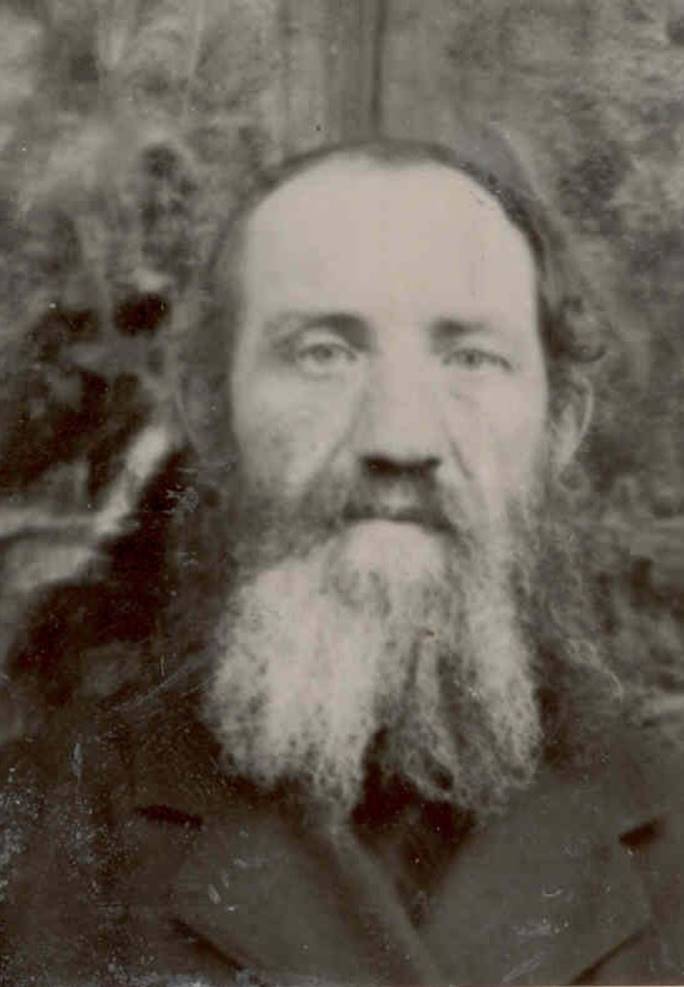
With a fresh pour of mashkeh, the crowd was swept up with excitement, and they sang one nigun after another, each nigun more beautiful than the last. Among the joyous crowd, you could see the true menagnim, whose singing was truly captivating.
As soon as chasidim get excited, you see how they become one unit, hands around each other’s shoulders, and an ecstatic dance breaks out.
The next half-hour is devoted to dancing, following the rhythm of the nigun.
Sweat pours from the dancers, like after a hot bath. They sit back down around the tables—another lechaim, another story, another nigun. So it continued, one hour after another.
“It’s time to chazer Chasidus!” a voice calls out. A lively debate breaks out about this. Some argue that Chasidus should be said only at the end, while others insist that no, now is the time, the maamar should be said now while everyone is still clear-headed.
Harav Refoel Cohen says Chasidus. In a rich and expansive style, he explains the concept of katonti mikol hachasadim, and the entire crowd listens with rapt attention.
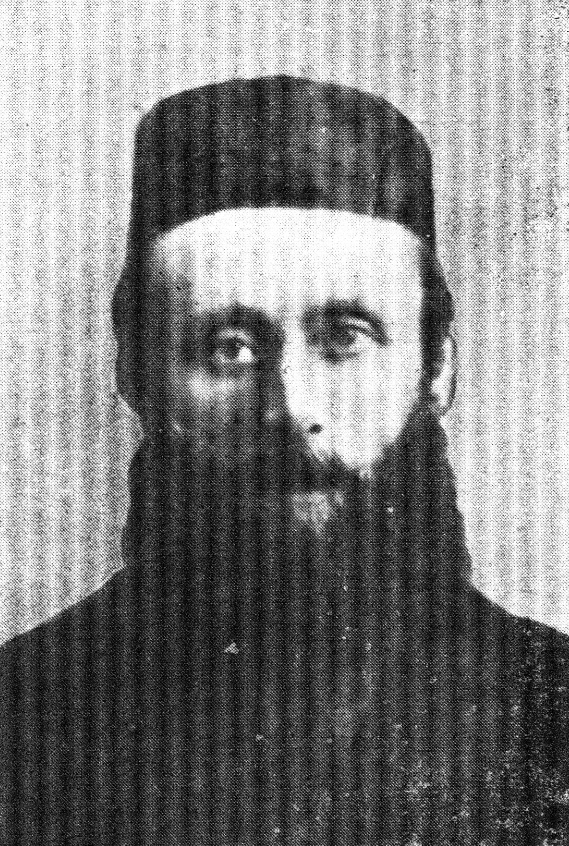
After the maamar, the crowd continued to rejoice until midnight.
Yesterday, Sunday afternoon, the entire program started again. Farbrengens were again held in the minyanim, and not just with snacks—everywhere, grand meals were served.
In the minyan at Dzirnavu minyan, number 109, where elections for the gabbai took place, tables were set with the finest and best delicacies. There was even no shortage of meat and fish, and compote was served too. The leader of the minyan, Harav Kadish, said Chasidus for the crowd. A meaningful derashah was also delivered by the rov of Novo-Borisov, Harav Luria. Beautiful feasts were held in the other Raisishe minyanim, too.
Late yesterday, the chasidim of the city gathered at the Lubavitcher Rebbe’s minyan on Kormanova Street. Here you once again find all of the prominent Riga Anash led by the Riga rov Harav Refoel Cohen, Advocate S. Y. Vittenberg, Representative Chodakov, and university students from Riga’s Folksheim club.
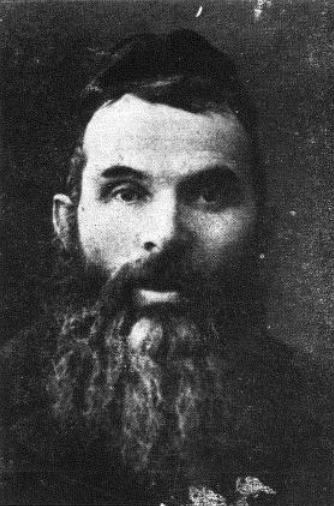
Here you immediately sense that you are once again at the true chasidishe gathering. The singing and dancing are with a completely different fervor, with a completely different lebedikeit. Here, once again, you see the menagnim from yesterday, who regale the crowd with brand-new nigunim. Nigunim, without words. These heartfelt, soulful melodies cannot be invested into the levush of words. It is a holy song, a melody of malachim, that carries you away into the higher worlds.
Today it is also permissible to sing the Alter Rebbe’s nigun. As the nigun is sung—for over half an hour—the crowd becomes so absorbed in deep thoughts and deveikus that the very place where they stand burns with intensity.
The Riga shochet, Harav Mordechai Cheifetz, chazers a maamar Chasidus that the Lubavitcher Rebbe delivered five years ago in Rakeshik, on Parshas Terumah.
They sing, and they eat kashe (it was customary in Lubavitch to have kashe on Yud-Tes Kislev). The crowd says lechaim and is swept up into a dance on the tables.
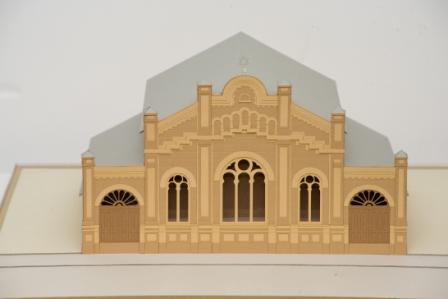
One chasid proclaimed that they should dance until the tables break, and pledged to make new ones if necessary. But the tables held strong and did not give in. When they finally stopped dancing, they realized that it was already time for the morning krias shema; the day was well underway. Before heading home, they davened shacharis together.
This is how the Riga chasidim celebrated this year’s Yud-Tes Kislev.
*
Yud-Tes Kislev in Tel Aviv
From Riga, we move on to Tel Aviv, in the same year, 5696. This account is provided by the Haboker newspaper (December 20, 1935)
Yud-Tes Kislev in Tel Aviv
Yud-Tes Kislev is a double holiday for the chasidim: the chasidim of Poland and Ukraine celebrate it as the yahrtzeit of the great Magid of Mezritch, while for Chabad Chasidim, it marks the liberation of the Alter Rebbe, the baal Tanya, the founder and initiator of Chabad Chasidus. The former group celebrates only the night of Yud-Tes Kislev, while the latter celebrates not only that night, but also—and primarily—the night of the 20th of Kislev.
This year in Tel Aviv, the atmosphere of Yud-Tes Kislev could be felt already from Shabbos, the 18th of Kislev.
At 3:00 in the afternoon, R. S. Y. Zevin delivered a lecture in the Beis Hakneses Hagadol on the topic of Yud-Tes Kislev, in which he explained to the audience the key principles of Chabad Chasidus, which developed and spread further as a result of Yud-Tes Kislev.
The stories regarding Yud-Tes Kislev that R. Zevin published in the Friday edition of Haboker also generated significant interest among the chasidim of Tel Aviv.
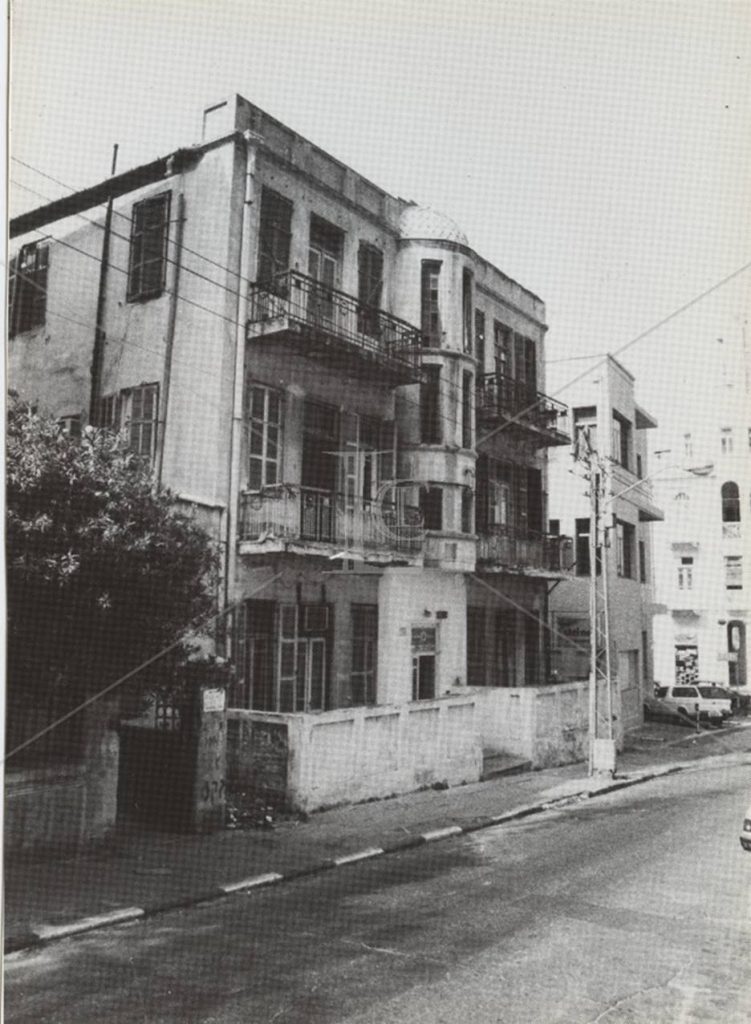
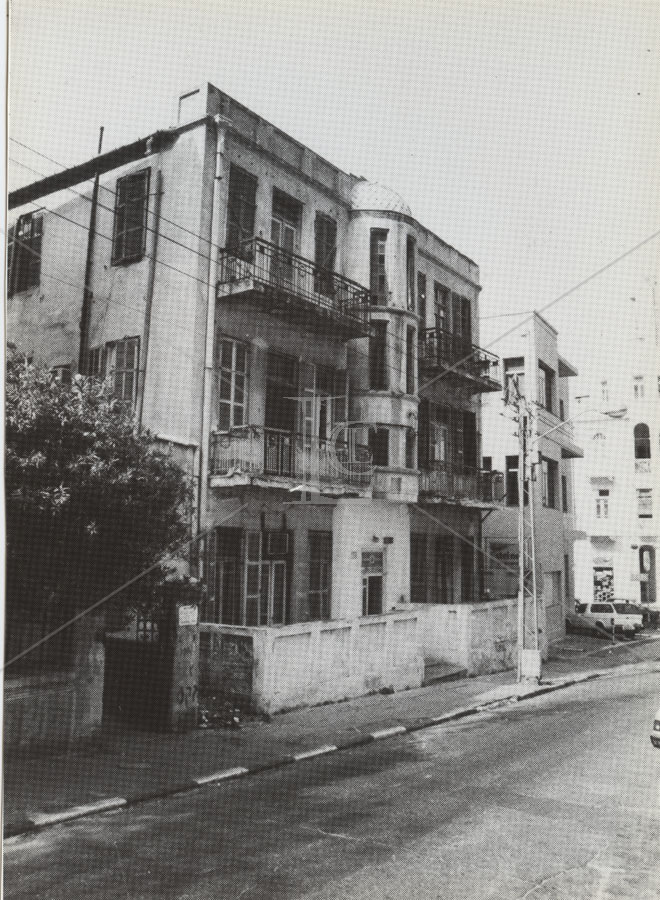
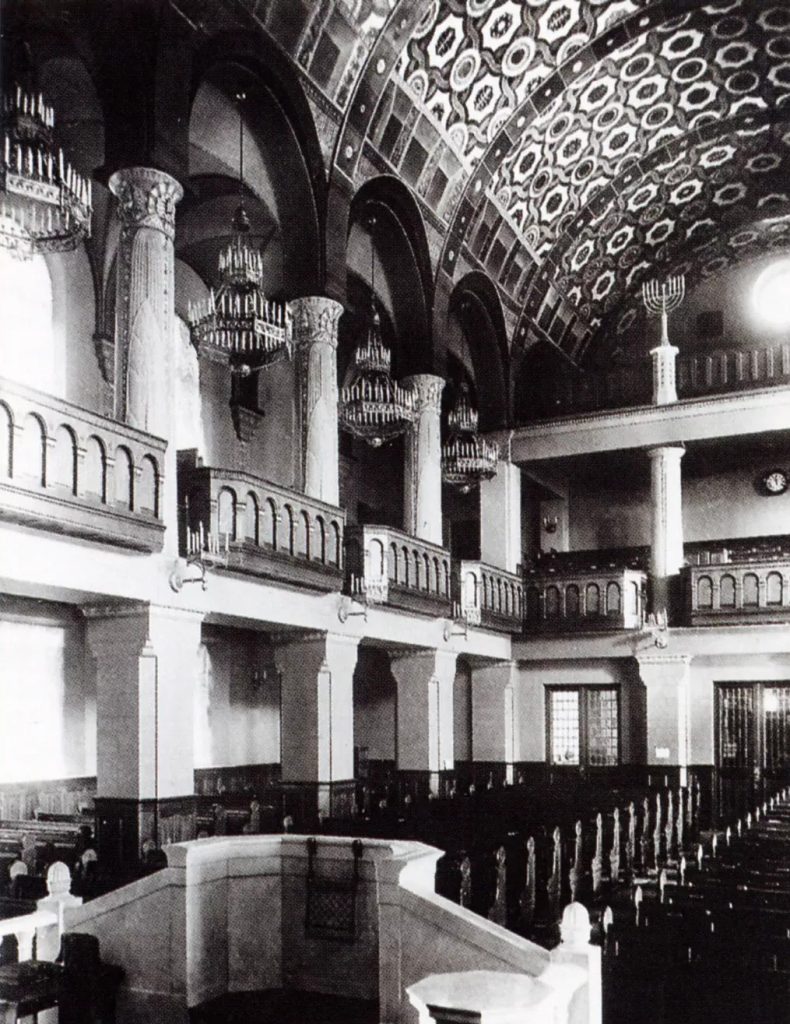
After Minchah, the mispalelim of the central Chabad shul in Tel Aviv (on 36 Montefiore St.) gathered at R. Zevin’s home on 8 Karl Neter St. for a celebratory seudah shlishis. They spent the evening there in a festive mood until 8:00 PM, when they walked to the Beis Shlomo shul in Meah Shearim neighborhood for the seudas melaveh malka of Yud-Tes Kislev.
R. S. D. Zislin delivered a derashah about the significance of the day, explaining its story and meaning. The crowd continued singing and dancing late into the night.
That same night, on Motzei Shabbos, a festive Yud-Tes Kislev gathering was held at the “Yavneh” shul on Yavneh Street. A large crowd participated in the celebration. Here, the focus of the event was solely the hilula of the great Magid of Mezritch. Yet the chasidim at Yavneh adopted one nice custom from Chabad—the chalukas haShas held each year on Yud-Tes Kislev. After the Alter Rebbe’s liberation and return home from Peterburg, he sent a letter to Anash, instructing that in every minyan and shul, the Shas should be divided on Yud-Tes Kislev each year, so that the participants should collectively complete the entire Shas over the course of the year. The Yavneh congregation also observes this noble minhag.
This year, the Chief Rabbi, R. Ben-Zion Uziel, was invited to the chalukas haShas at Yavneh, and he delivered a fascinating hadran for the siyum. (In earlier years, this honor was held by the late Chief Rabbi, R. Shlomo HaKohen Aharonson.)
The Yud-Tes Kislev celebrations reached their peak on Sunday evening at the central Chabad shul on Montefiore Street. The celebration started at 6:00 PM and continued until 1:00 AM. A smaller group of mehadrin remained even later, until after 3:00 AM. A large and diverse crowd participated in the event. Besides the Chabad community of Tel Aviv, many others attended. They came initially out of curiosity, but by the end, the joyous festive spirit captured their hearts. At a late hour, Dr. Yaakov Klatzkin, newly arrived in Eretz Yisrael, entered as well.
During the meal, R. S. Gurary (the son-in-law of the Lubavitcher Rebbe) chazered a maamar Chasidus of the Rebbe Rashab (the father of the present Rebbe). Speeches on the theme of the day were delivered by R. Zevin, R. Y. Kelmes of Moscow, R. Avraham Chen, and Rabbi Karasik.
A letter was read from the central Yeshivas Tomchei Temimim in Warsaw requesting donations, and the assembled immediately contributed. Naturally, a chalukas haShas was also held.
Between lechaims and speeches, Chabad nigunim were sung, stirring emotion and enthusiasm, especially at the conclusion of the celebration, when the Alter Rebbe’s nigun was sung. Chasidim are particular to sing this nigun only three times a year—on Yud-Tes Kislev, at the Purim seudah, and on Simchas Torah. Their tradition dictates that this nigun should not be used at any other time (except at a wedding feast). The nigun was sung in unison and repeated several times. After a dance, the crowd dispersed in an uplifted spirit.
*
Yud-Tes Kislev in Vilna
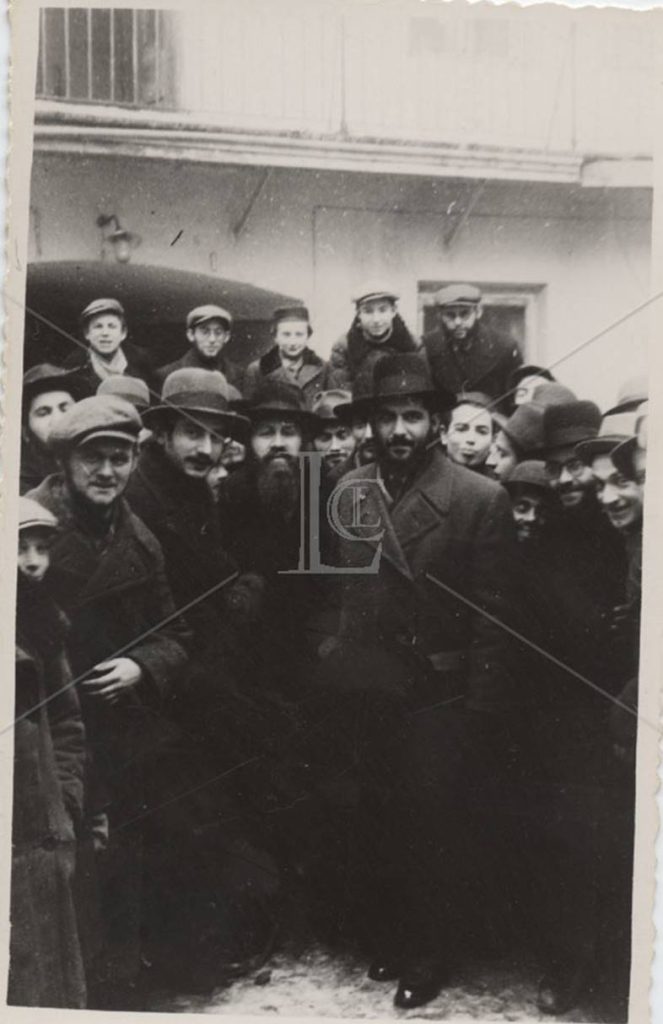
Our next Yud-Tes Kislev farbrengen takes place in Vilna, under the shadow of World War II. A few months earlier, the Nazis had invaded Poland. Many Jews, particularly young yeshivah bochurim, fled the Nazi advance into Lithuania, which had been granted independence at this time.
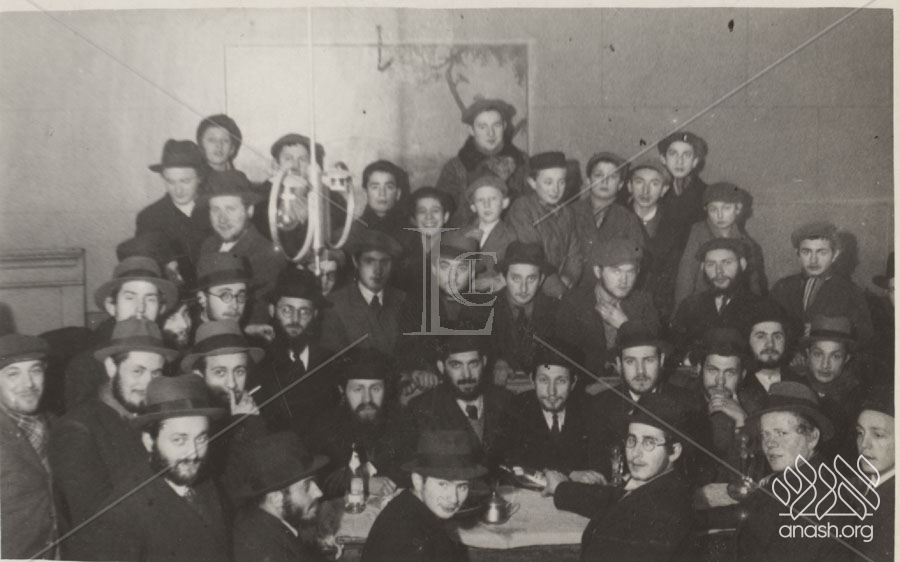
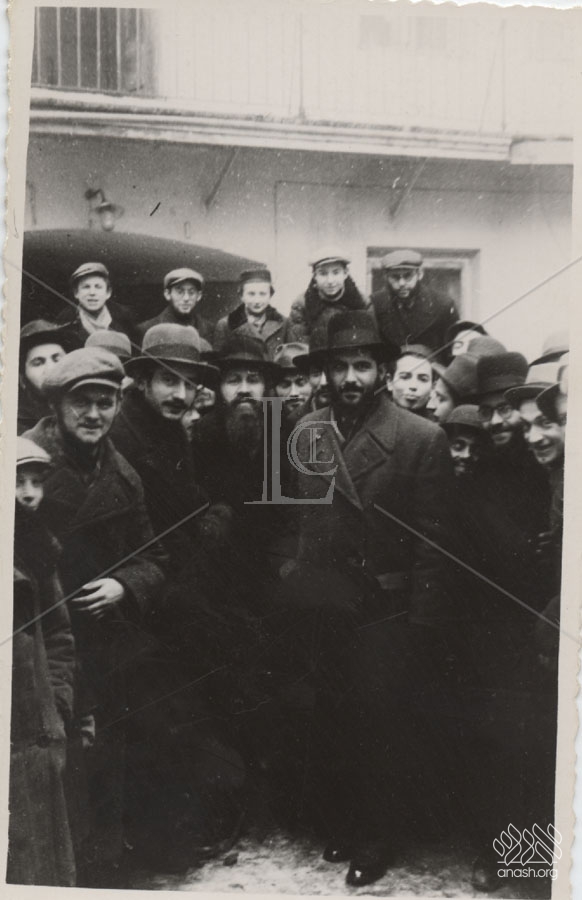
Among the thousands of refugees in Vilna was a group of a few dozen talmidim of Yeshivos Tomchei Temimim from Poland. Together with hundreds of other Jews, this group was able to obtain permits to travel to Japan and survive the war in Shanghai. This article from Di Yidishe Shtime (December 5, 1939) describes their Yud-Tes Kislev farbrengen in 5700, with many other refugee guests joining.
The Celebration of Yud-Tes Kislev at the Lubavitcher Yeshiva
This past Thursday evening, the traditional Yud-Tes Kislev celebration took place at the Lubavitcher Yeshivas Tomchei Temimim, currently located in Vilna, like the other refuges yeshivos. This is the day of the release of the founder of the Chabad movement, the Rav of Liadi, or the “Alter Rebbe,” as the Chabad chasidim refer to him.
In attendance at the celebration, in addition to the talmidim, the hanhalah, and the Vilna Lubavitcher chasidim, were honored guests, including the Modzitzer Rebbe; the rabbonim from Duna, Prushkov, and Tsizev; the son of the Amshinover Rebbe, R. Meir Kalish; and others.
After the megilah of Yud-Tes Kislev was read, recounting the story of the arrest and liberation of the Rav of Liadi, the crowd sat down around tables that had been set for the celebration. They farbrenged pleasantly, rejoicing with the chasidishe Chabad nigunim. The Modzitzer Rebbe sang some Modzitzer nigunim, enchanting the crowd. He also said Torah on the weekly parashah.
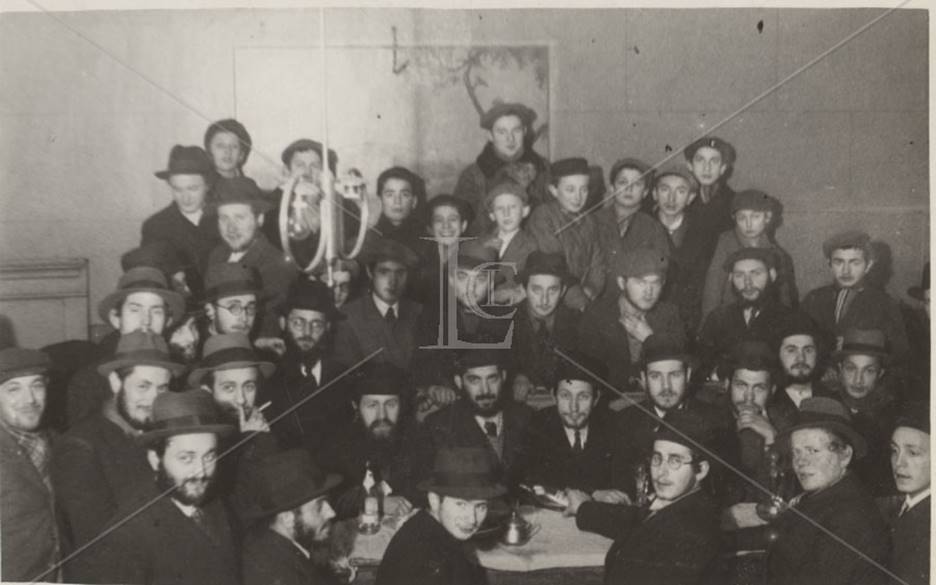
The talmidim of the yeshiva then sang the famous Rebbe’s nigun, and R. Shmuel Zalmanov, editor of the Chabad journal HaTamim, currently among the refugees in Vilna, said a Chabad maamar on the theme of the day. The seudah extended late into the evening, leaving a deep impression on all the participants.
*
Yud-Tes Kislev in America
We now move across the world to the Midwest of the United States of America. In these years, nusach Ari shuls existed across the country. These shuls were established by Jews of Russian origin from Chabad families who insisted on davening the nusach of their parents. For most of these people—especially outside of the large cities—their Chabad identity was limited to the nusach hatefilah and a few ancestral minhagim.
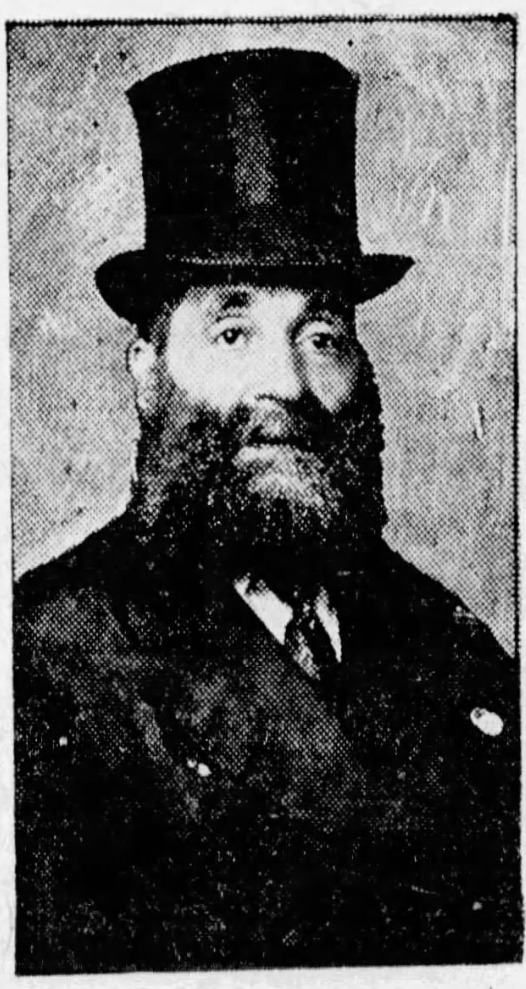
But of course, one of the minhagim these nusach Ari Jews held onto tenaciously was the celebration of Yud-Tes Kislev. They didn’t understand the depth of the significance of this day, and in some cases were barely aware of what exactly it commemorated, but they held onto it nonetheless, as one of the remnants of their Chabad identity.
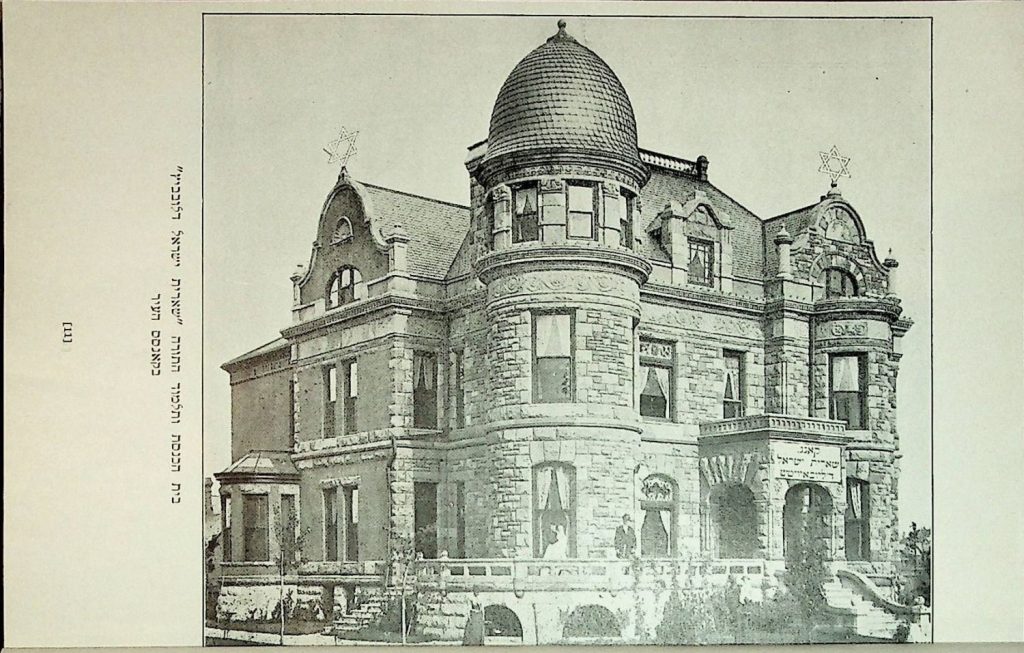
Our first American Yud-Tes Kislev description is from Sioux City, Iowa, a place so remote that it doesn’t have a Chabad House today. But in 5690, the members of the chasidishe shul Beis Avraham gathered to celebrate Yud-Tes Kislev. A letter to the Morgen Zhurnal newspaper (January 16, 1930) describes the event:
Sunday, the day of Yud-Tes Kislev nidcheh, the members of the chasidishe shul Beis Avraham celebrated with great splendor and joy the annual, magnificent seudah commemorating the chasidishe Rebbe, R. Shneur Zalman. A nice crowd gathered, headed by Rabbi M. Y. Braver, and they spent the time joyously, entertaining themselves at beautifully set tables, filled with all sorts of delicacies, and with divrei Torah as well.
Rabbi Braver excelled with a deep and spiritual pilpul, highlighting the greatness of the revered tzadik, R. Schneur Zalman, who illuminated the Jewish world in his time and in the generations that followed him.
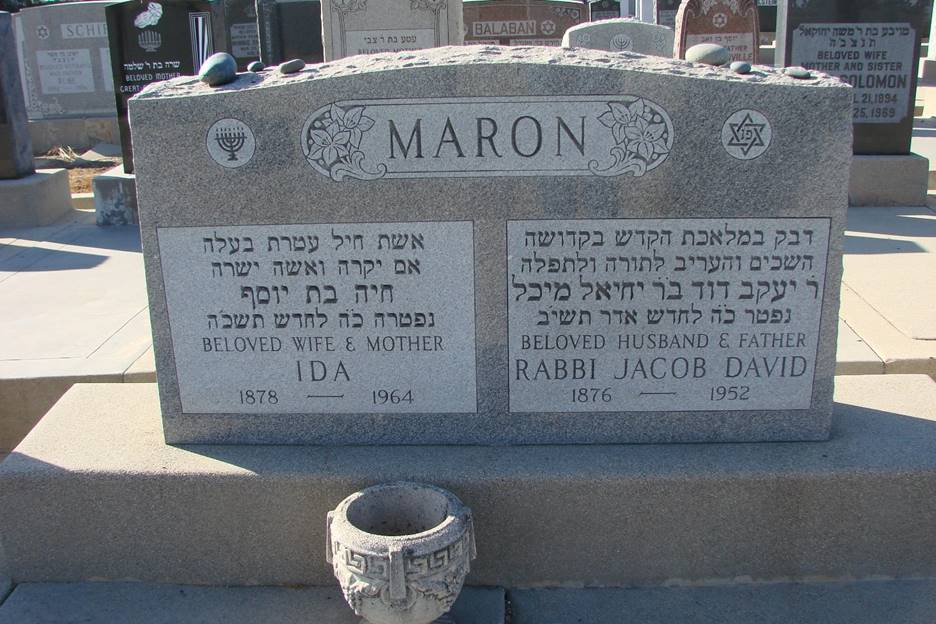
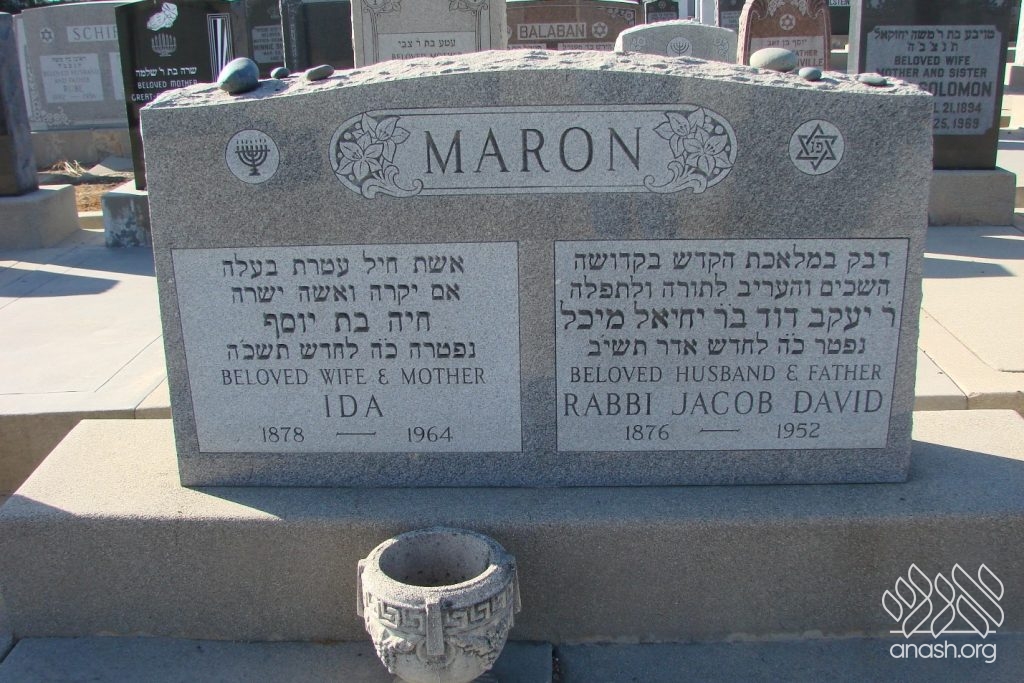
The shochet, Mr. Yaakov Maron, spoke eloquently, delivering an impressive and impactful speech filled with pesukim from Chumash and maamarei Chazal. He also strongly praised our unique Orthodox newspaper, Morgen Zhurnal, for its great contribution to Orthodox Jewry in America, with its scholarly and learned articles, especially its weekly historical articles by the Lubavitcher Rebbe, R. Yosef Yitzchak, in honor of 160 years of the existence and influence of Chabad.
Mr. Ephraim Slutsky gave a nice speech filled with chasidishe stories and vertlach that brought joy and laughter to all. The celebration continued late into the night until they dispersed in an authentic chassidishe inspired mood.
M. Hendlin.
***
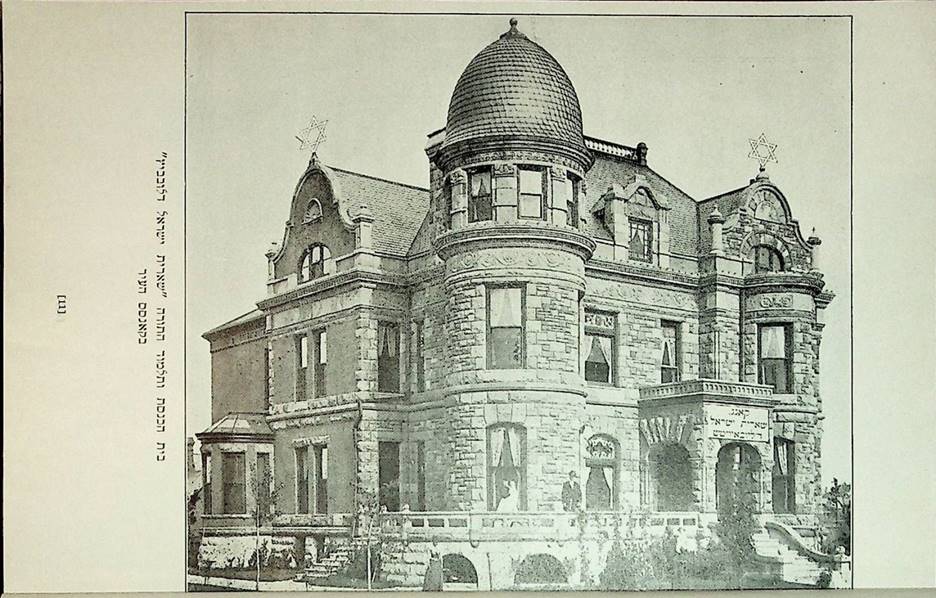
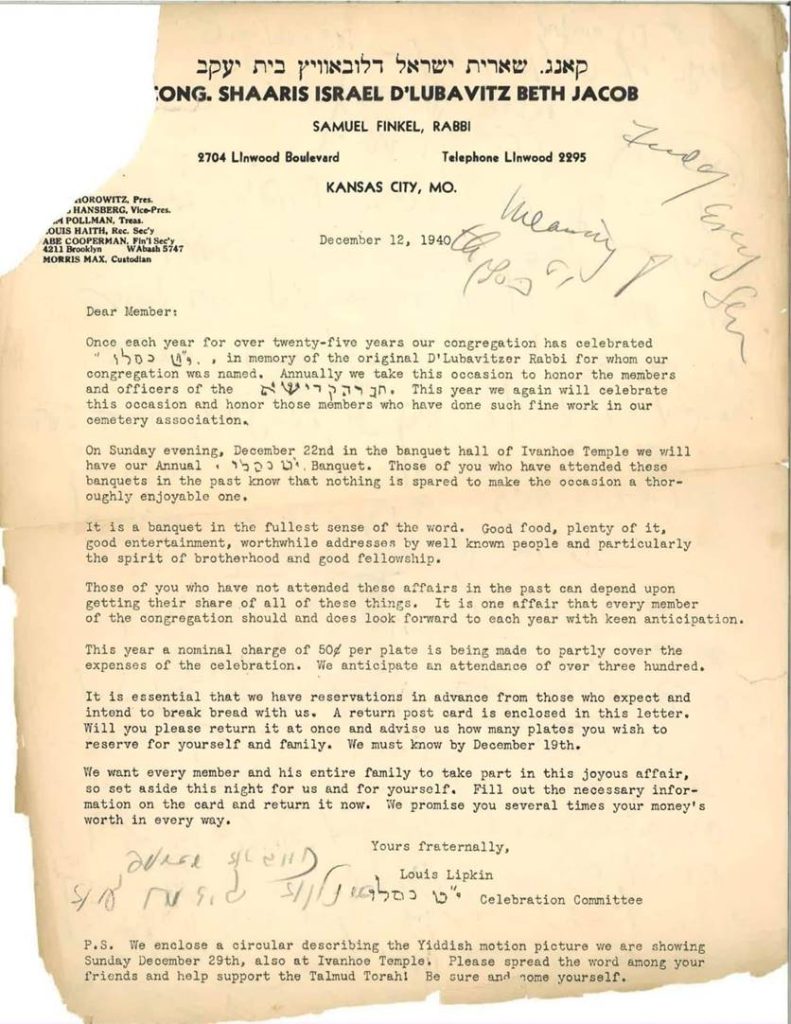
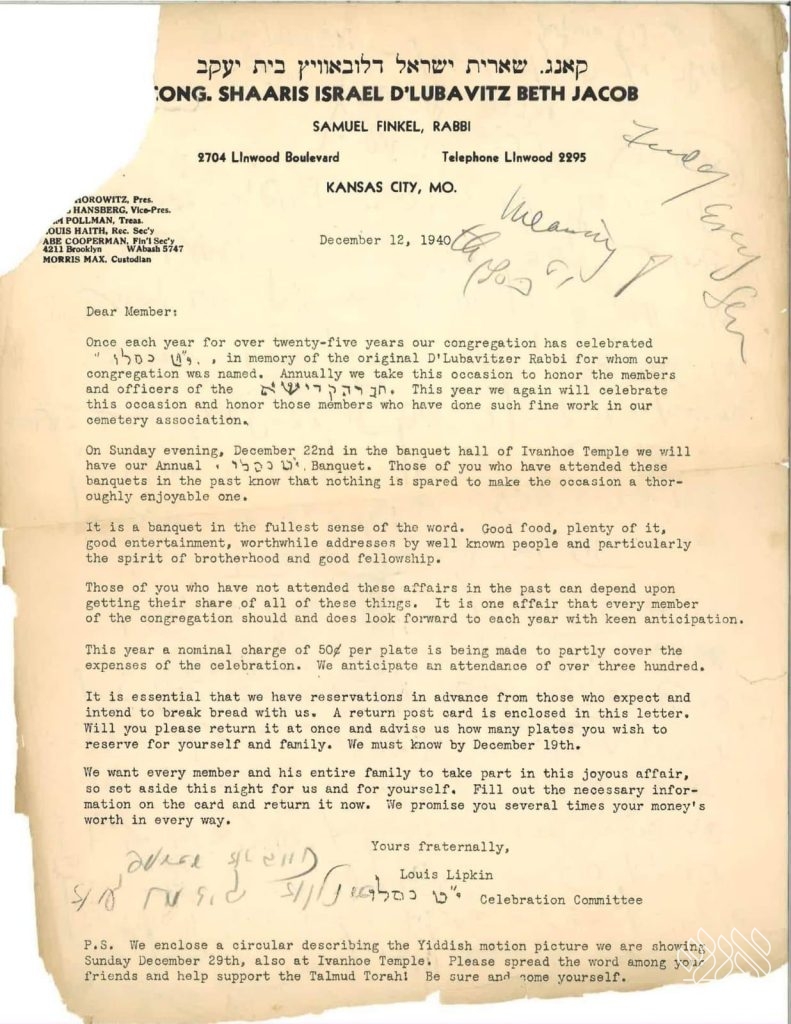
Not too far away from Sioux City, “Congregation Shaaris Israel D’Lubavitz Beth Jacob” of Kansas City also celebrated Yud-Tes Kislev every year. The letter sent by Louis Lipkin on behalf of the Yud-Tes Kislev Celebration Committee in 5701 indicates that they didn’t really know what they were celebrating, and no traces of chasidus are identifiable in the program. But they still celebrated the day, and interestingly enough, still preserved the old custom of honoring the Chevra Kadisha.
Conclusion
There are no more appropriate words to conclude a survey of Yud-Tes Kislev in worlds long gone than those written by R. Sholom Ber Gordon, as he concluded his description of Yud-Tes Kislev in his hometown of Dokshitz:
Those towns are gone now. The Yud-Tes Kislev celebrations in those small villages have ceased. For us, the few who remain from those radiant corners, there is only one comfort: Zos nechamasi be’onyi, ki imrascha chiyasni—“This is my comfort in my affliction, for Your word has given me life.” We live in a time when all the false, glittering lights—both secular and Jewish—are fading day by day, and the entire Jewish world can see that the light of Torah, the light of Chasidus, and especially the light of Chabad Chasidus, are the true luminaries by which we will continue our journey until the coming of Mashiach, speedily in our days, Amen.
***
To view all installments of From the Margins of Chabad History, click here.
For additional exclusive content, follow the column on X: x.com/ChabadMargins
241
 COMMENTS


Rabbi Yitzchok Dovber Ushpol can be seen to the right of Rabbi Zalmanov. The three of them can be see in the center of next picture as well
The column I like so much thanks