




כ״ו אב ה׳תשפ״ה | August 19, 2025
Experts Allege Forged Signature of Rebbe in Chabad Auction
A rare siddur said to be given and personally signed by the Rebbe was put up for sale in a public auction, drawing interest. But that quickly turned into controversy once it became clear the signature was likely a forgery. This casts doubt not only on the siddur’s credibility, but also on the auction and auction house.
A rare siddur said to be given and personally signed by the Rebbe was put up for sale in a public auction, drawing interest. But that quickly turned into controversy once it became clear the signature was likely a forgery. This casts doubt not only on the siddur’s credibility, but also on the auction and auction house.
By Anash.org reporter
A rare siddur given and personally signed by the Rebbe was put up for sale in a public auction, drawing significant interest. But that interest quickly turned into controversy once it became clear that the signature was not an original of the Rebbe, but much more likely a forgery. This has cast doubt not only on the credibility of the siddur being from the Rebbe at all, but also on the integrity of the entire auction and auction house.
The siddur in question is being sold by the Moreshet Auction House as part of a special Chabad auction for Chai Elul. On their website it is described as a:
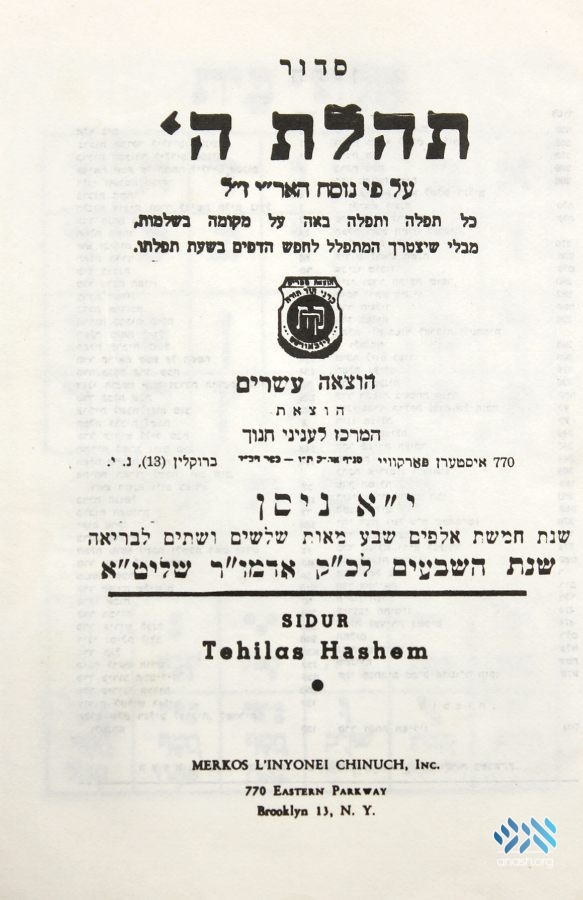
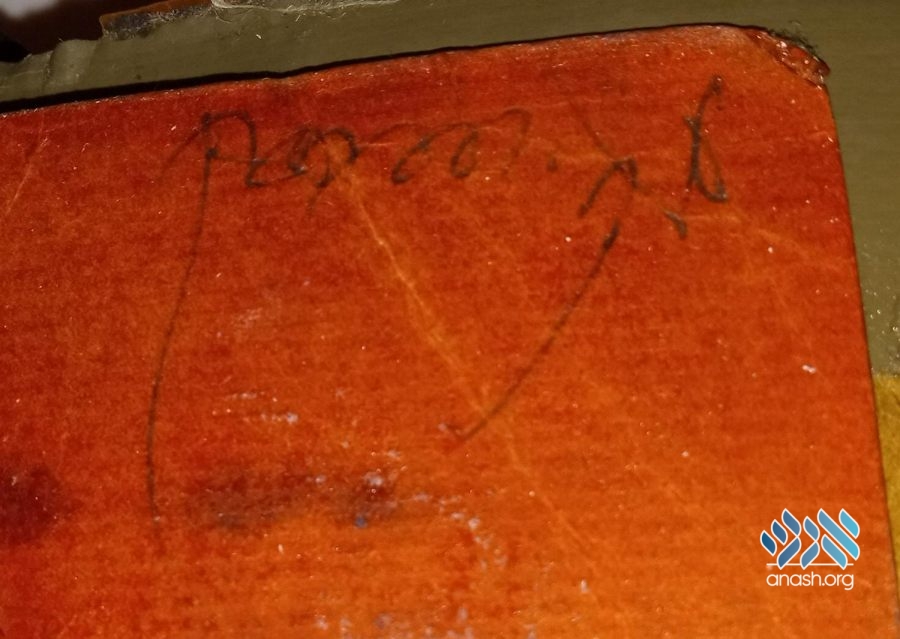
“Siddur with the Rebbe’s handwritten signature on the leaf preceding the title page. This Siddur was given directly by the Rebbe in 1972 to Rabbi …, from Moshav Tidhar, Chabad Chassid from Israel, who was with the Rebbe many times during his lifetime (his photo with the Rebbe is attached).”
Chabad experts who examined the item and signature immediately noticed that it appeared extremely unusual and strongly resembled a forgery. As one individual who specializes in these matters, Y.E., told anash.org:
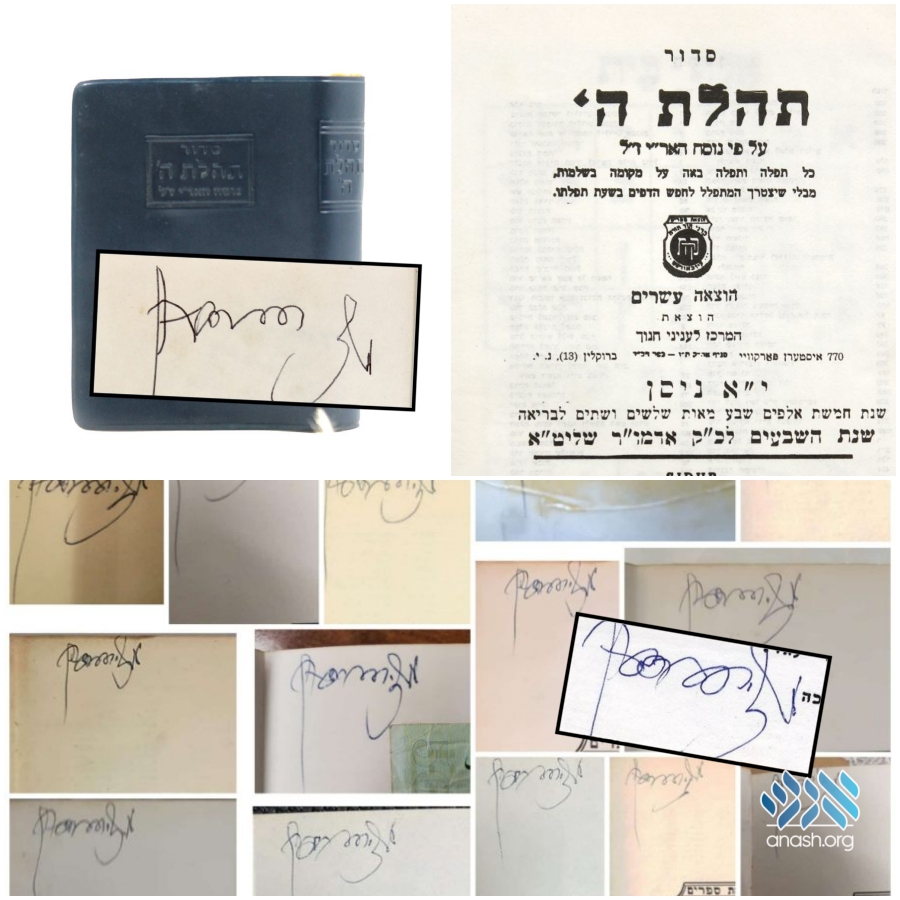
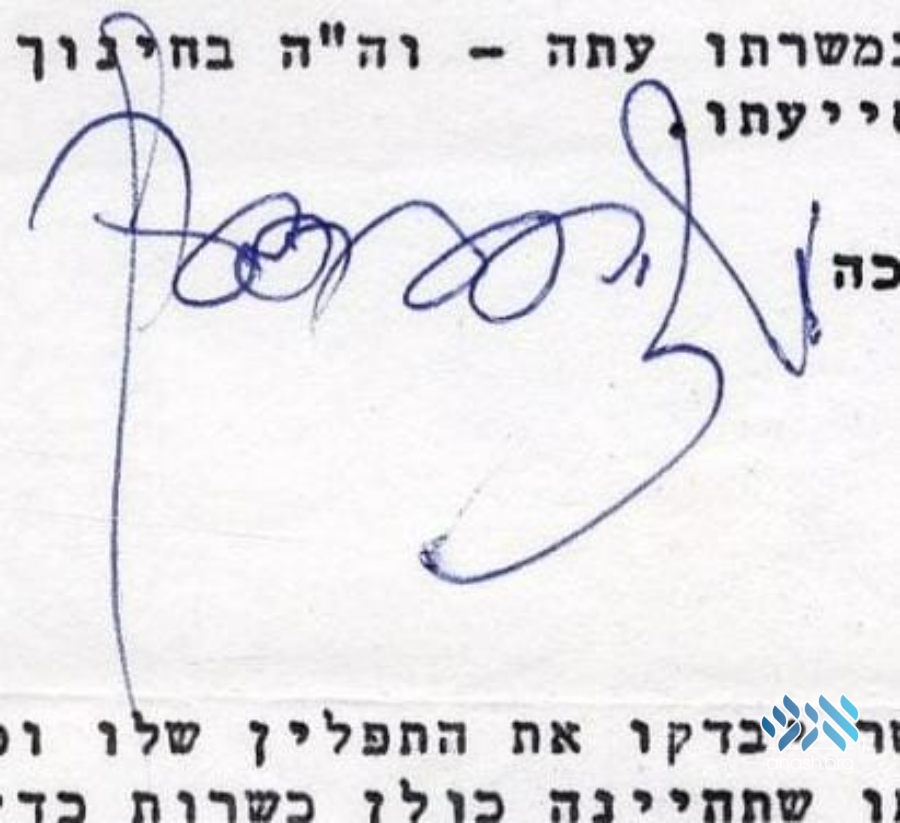
“There are so many things wrong with this signature. For example: the letter yud is missing – among hundreds of thousands of the Rebbe’s signatures, not one is missing a yud. Instead of an aleph, there are two samechs with a line. The forger copied a later signature, connecting the reish and vav, though in those years they were always separate. The nun at the end is thick instead of thin, and there’s an unusually large gap between the shin and aleph.”
In general, experts have pointed out that an authentic signature has an immediate, fluent look – written quickly, without stopping the pen. All of the Rebbe’s signatures from those years are very rounded. Here, however, the writing is hesitant; you can see the pen was lifted several times mid-word, suggesting this was traced slowly over a photograph of a signature.
This is in addition to the fact that such a thing has never been heard of before – that already in 5732 (1972) the Rebbe would sign a siddur.
“There are enormous glaring differences and it simply does not resemble the Rebbe’s authentic signatures from those years. This is a clear forgery,” Y.E. said.
According to Moreshet Auction House:
“All items of this auction that were given directly by the Rebbe were thoroughly checked by the auction house to determine who received them from the Rebbe. For most of them, we received additional evidence such as a photograph taken when the item was received and varied authenticity tests.”
However, in this case the picture provided simply shows a Chossid passing by the Rebbe and receiving a dollar in the later years – which has no connection to the siddur in question.
A representative of the auction house even wrote to one of the Chabad experts who contacted them, admitting that they had their own suspicions and supposedly confirmed it with a Chabad expert of their own. Still, despite the overwhelming evidence presented by multiple other Chabad experts showing the signature is not genuine, the siddur remains up for sale.
This is already the 19th Chabad auction held by Moreshet (several each year), with many original old prints of Chabad seforim, dollars, coins, kuntresim from the Rebbe, and even rare items such as a half-dollar coin, ten-dollar bill, and hundred-dollar bill.
Moreshet Auction House was founded in 2014 and is managed by the brothers Ozer and Yossi Zilbershlag. Leaving this siddur up for auction after several experts have determined its (non)authenticity raises serious questions about whether many of the other items being sold are truly from the Rebbe, and in general about the credibility of the auction house.
According to their own website:
“Moreshet is not responsible for the accurate detail, and most and foremost on the item itself, it’s originality, and of its accuracy of its ownership. …It will be upon the buyer to check on their own, or with help of experts of his choice.”
It should be noted that in recent years, another auction house once considered very prestigious began selling questionable items connected to the Rebbe – as reported by anash.org – and consequently lost much of its reputation. On the other hand, “Genazim” – after selling a supposed becher of the Frierdiker Rebbe and being notified of its dubious authenticity – immediately reimbursed the buyer, and to this day remains one of the most prestigious and reliable auction houses in the Jewish world.
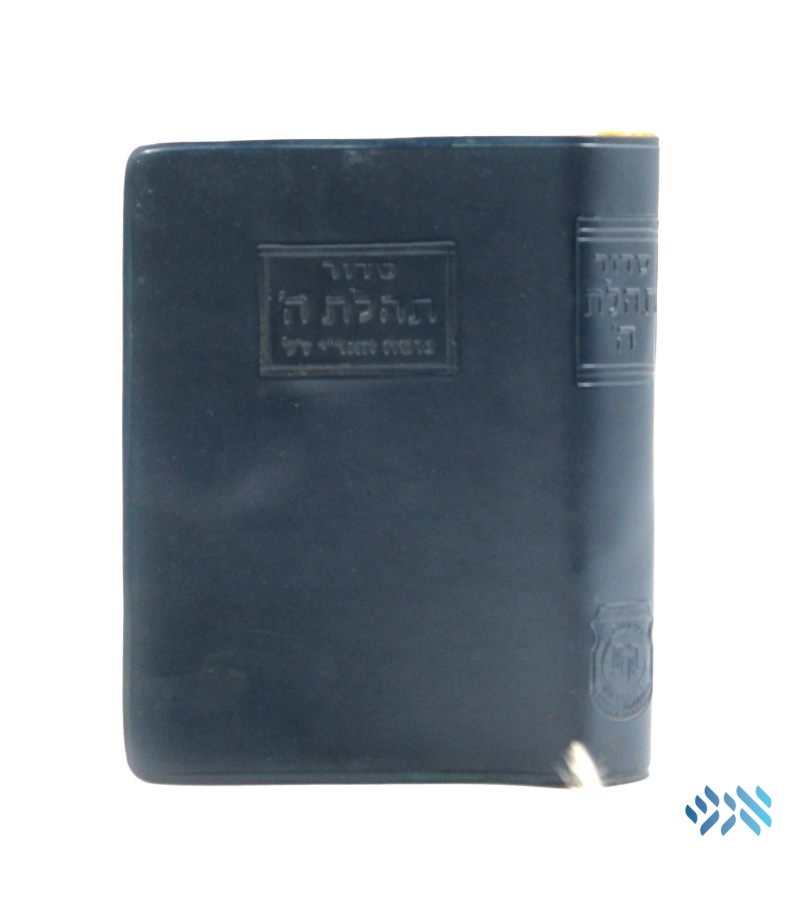
The Siddur on sale
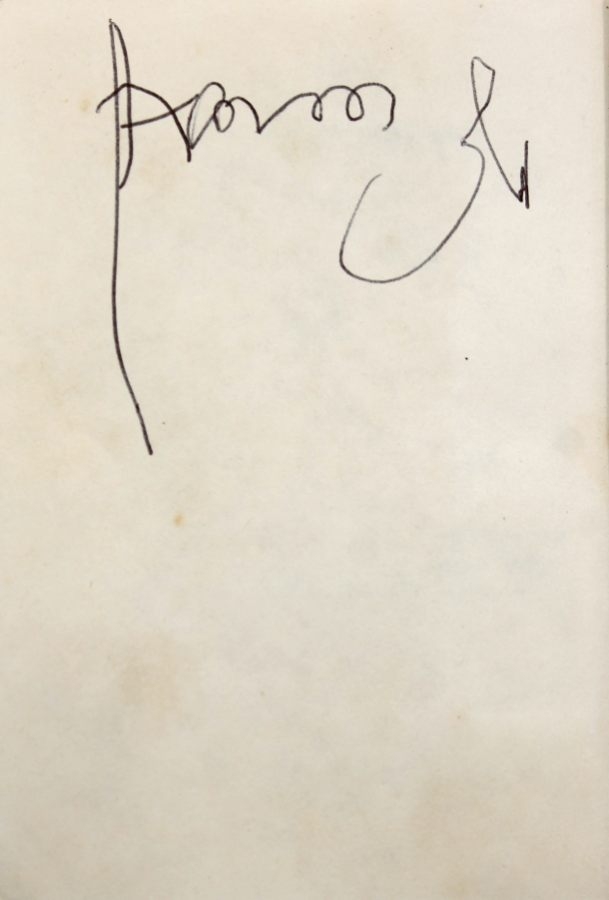
The signature in question
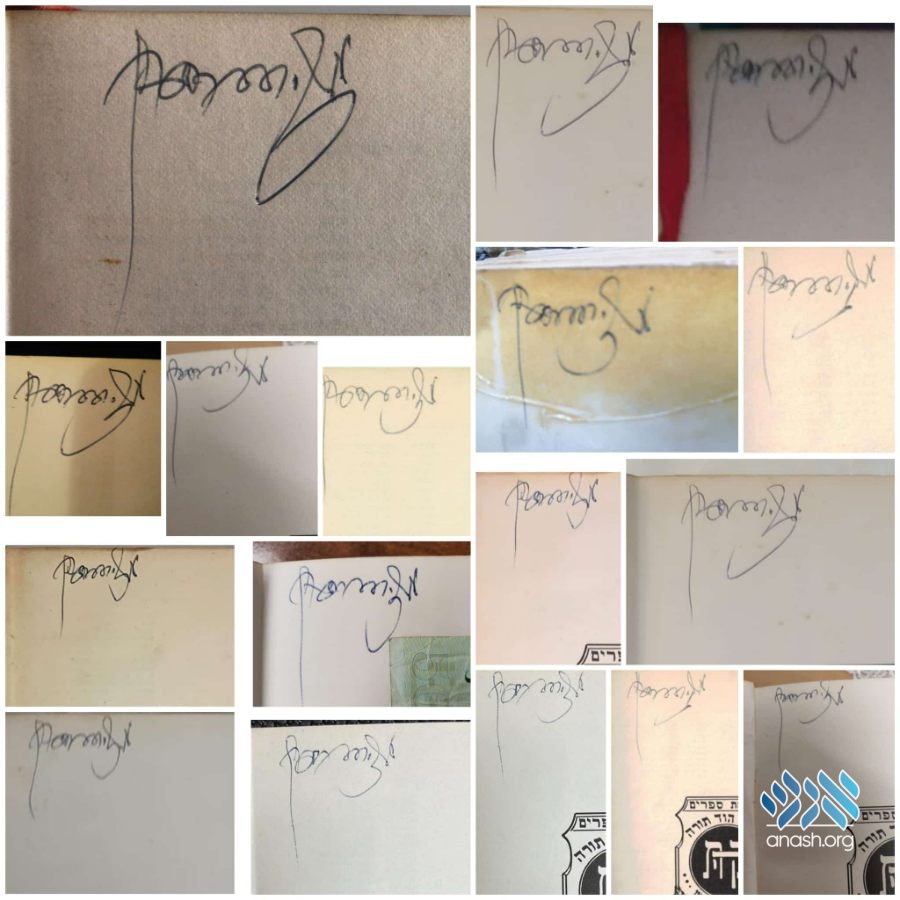
Authentic Signatures of the Rebbe
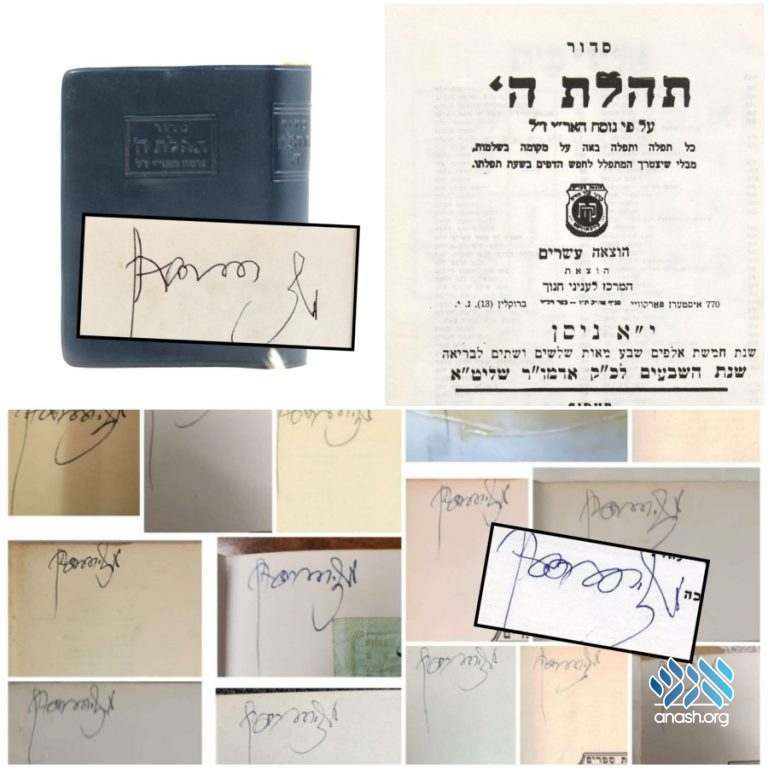
Signature from the same year (5732 -1972)
A small siddur signed by the Rebbe
 COMMENTS


As someone who buys many items in auctions. I can tell you that “Moreshet” is known to be the most unauthentic, with the biggest fraudulent items being sold.
If you have something fake to sell, use “Moreshet”.
they’ve sold plenty of fake stuff too
People shouldn’t but anything from any Auction House because it encourages the theft & fabrication of those items!!!
It’s the hesitation in the signature that also makes it look off
Auction houses are a great way to launder money and stolen goods – there have been several cases in recent years of people finding their letters from the Rebbe and other such things missing only to find it up for auction. There is very little one can do in such a case, as these auction houses, if they respond, often just send you a supposed psak din with a 10-page complication that asserts that they aren’t responsible.
Bh
The Rebbe himself wrote in a letter in 5734 In answer to someone that asked the Rebbe to sign a tehilin for him , and the Rebbe wrote that even though it is totally Never at all the minhag Beis harav (the chabad rebbes) to sign a tehilin, the Rebbe says that I will now go out of this minhag and sign a tehilin because it is a totally special request for that specific case the Rebbe writing to
For that letter is understood that this in 5734 was the first time the Rebbe signs a tehilin, and not earlier
This is the Rebbe holy words:
בנוגע לתכנית נסיעה לחו״ל – שלה ושל בעלה שי’ וכו’ – למשך זמן בכדי להרויח ממון לתשלום החובות וכו’
הנה הריוח הכספי בספק הוא, השקעת כסף מרץ וזמן ודאית היא
והעיקר הרושם – עליהם בעצמם ועוד יותר בסביבתם – שאנשים בסוגם ובגילם ושמונה דורות באה״ק “בורחים” לחו״ל וכו’
ודוקא במצב השורר עתה באה״ק שכאו״א זקוק לעידוד ולהרמת רוח ו״למה יאמרו הגוים״וכו’,
כל זה — לדעתי שולל התכנית בהחלט.
והזן ומפרנס לכל – הוא השם ית׳ – ימציא להם פרנסתם בארץ הקודש ובאופן כשר ומכובד, וזכות אבות מסייעת.
בתור יוצא לגמרי מן הנהוג בבית הרב – חתמתי בשער ס׳ התהלים המצורף, כיון שבאה הפני׳ אודות זה באופן בלתי רגיל לגמרי
(ממכתב ג׳ אדר ה׳תשל״ד)
It doesn’t even look like the Rebbe’s signature. The Mem is tiny, almost non existant, the shin is too big, and there’s not enough writing on the left.