




א׳ מרחשון ה׳תשפ״ו | October 22, 2025
Could This Be the Original Tomchei Tmimim in Lubavitch?
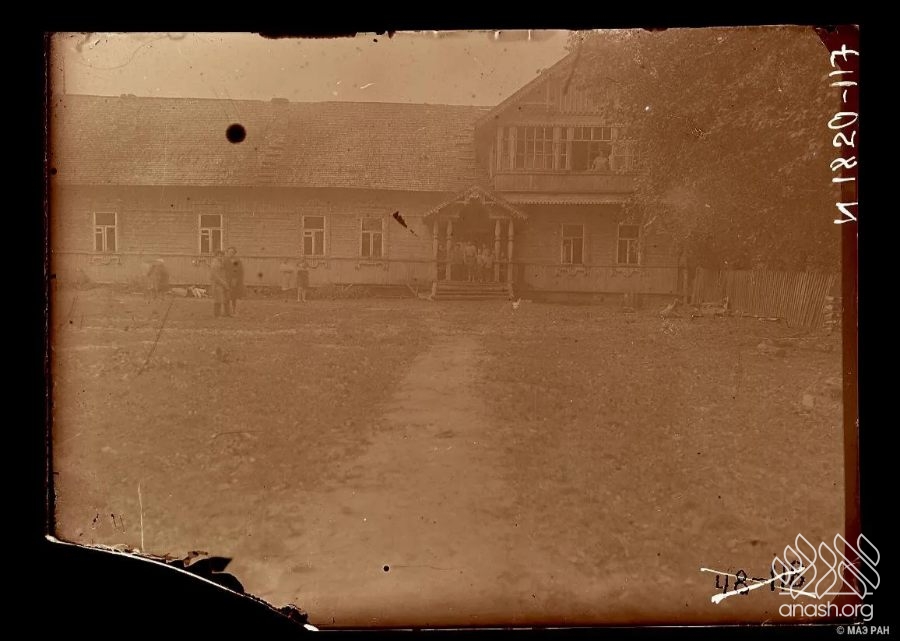
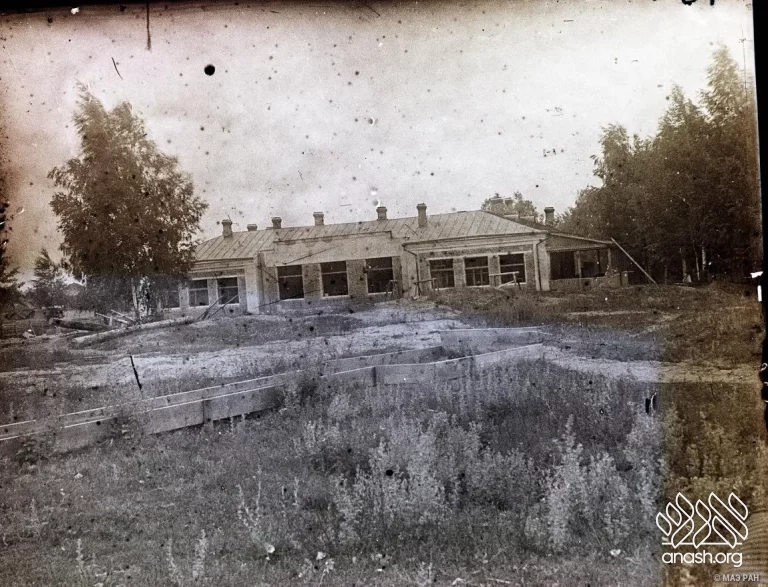
A new discovered photo, photographed by Shaya Pulner in 1930, is claimed by some to be the original Tomchei Temimim building in Lubavitch. But is that even possible?
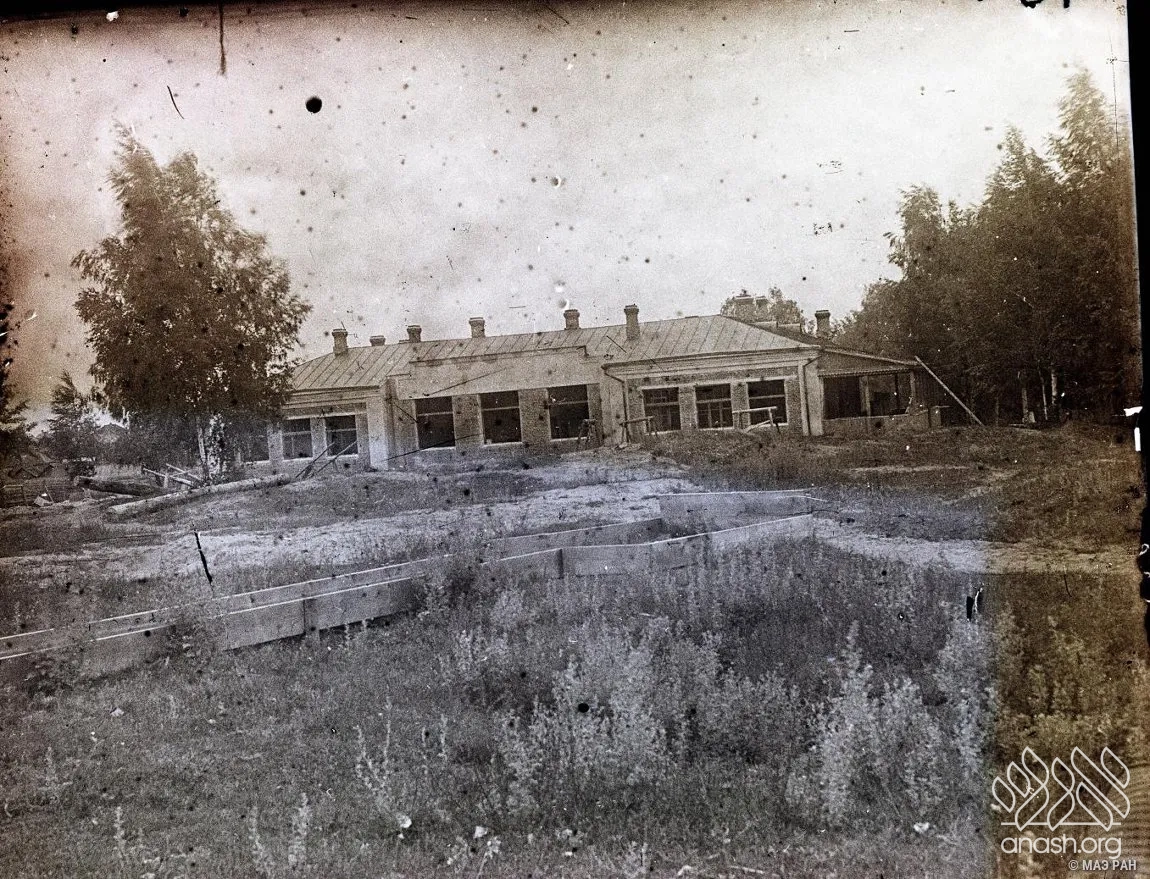 The supposed "Zal in Lubavitch"
A recently discovered photo may show the original Tomchei Temimim building in Lubavitch – or not.
Photographed in 1930 by Shaya Pulner, this rare image appears to capture the back of a building. The photo was preserved by the Russian Museum and was recently shared on an online blog.
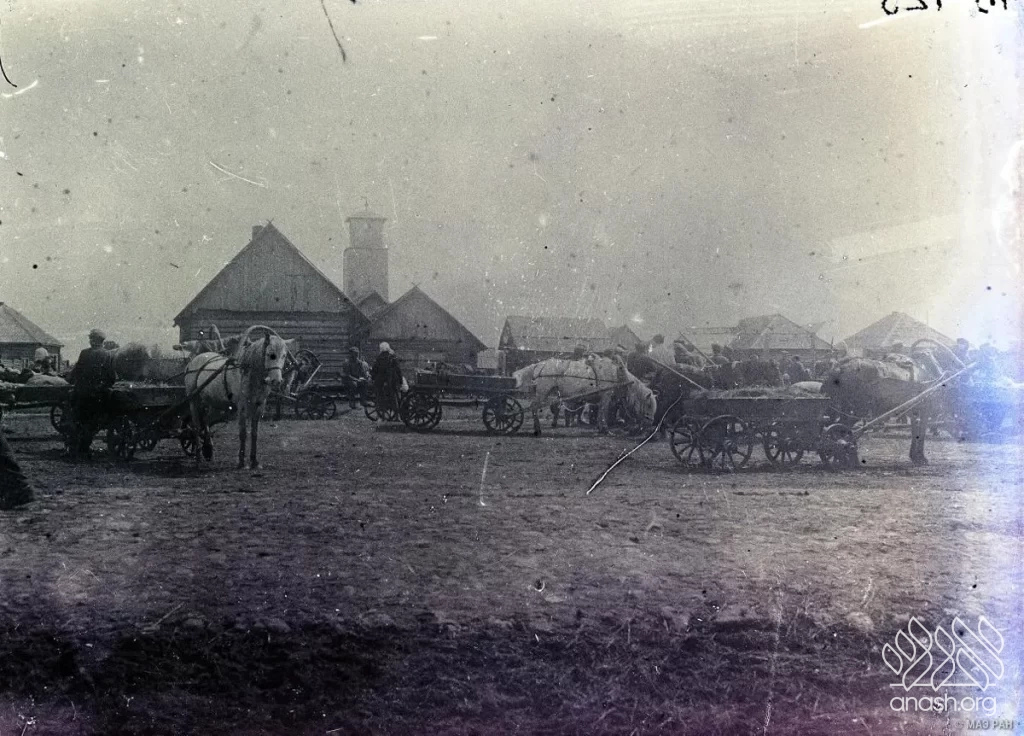
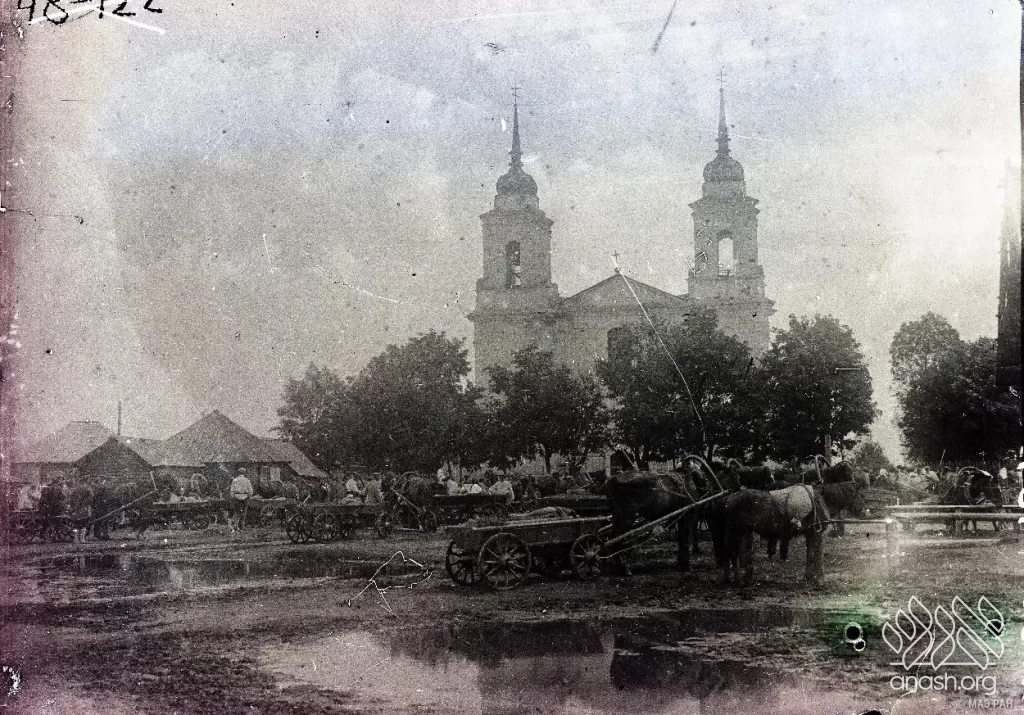
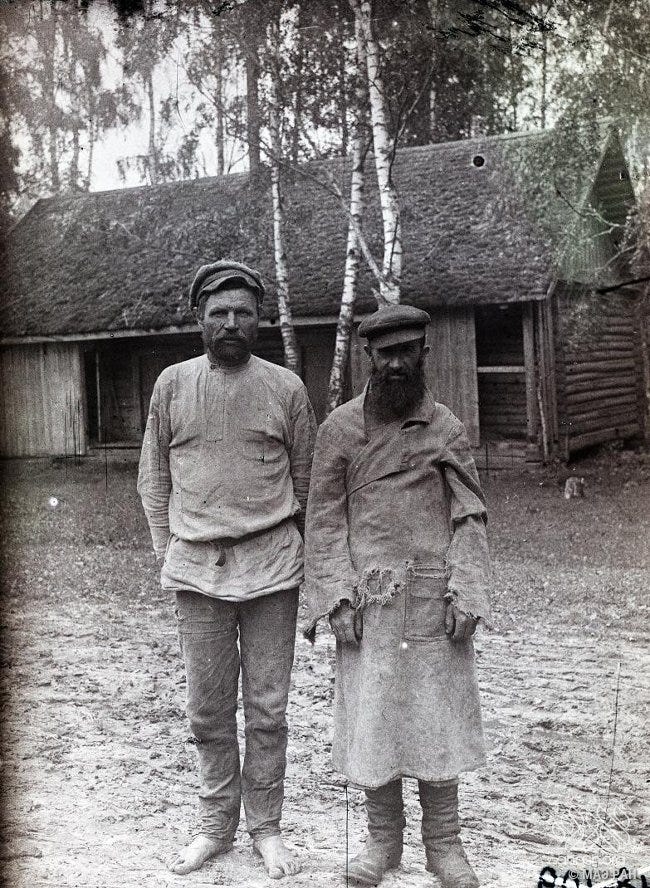
The photo is one of sixteen taken by Pulner. In the archive, only two are specifically labeled “Lubavitch,” while the remaining fourteen are identified as taken at a kolkhoz farm in “Russia, Smolensk region, Yartsevsky district,” without specifying the village. The anonymous blogger speculated that all sixteen photos were taken in Lubavitch, as the surrounding geography matches. Why wouldn’t he have labeled it as Lubavitch? In Stalin’s Russia, the blogger speculates, an association with Lubavitch could have been enough to put someone in mortal danger. (Though he wasn’t afraid to label the other two.)
According to the blog, several features suggest the building may be the Zal of the original Tomchei Temimim. These include oversized “modern” windows, a premium metal roof – in stark contrast to typical Lubavitch structures of the time – masonry brick walls instead of wood, and at least ten chimneys likely used for cooking and heating. Such features indicate a communal structure rather than a private residence, supporting the possibility that it could have been the main Zal.
Another image in the collection shows the town square in Lubavitch surrounded by big communal structures, which some suggest may be the house of the Rebbeim.
The problem with this theory is that in 1930, when the photos were taken, the Zal in Lubavitch was no longer standing.
The courtyard of the Rebbeim in Lubavitch was purchased by the Tzemach Tzedek around 5593 (1833). Over the following decades, the house and courtyard were destroyed by four separate fires and rebuilt each time. After the final fire in 5618 (1868), the Tzemach Tzedek instructed his son, the Rebbe Maharash, to construct a building dedicated to Torah study on the same site. This became Der Groiser Zal, completed in 5632 (1872) under the Rebbe Maharash’s direction. Later, when the Rebbe Rashab founded Tomchei Temimim, the Zal served as the Yeshiva’s main study hall.
According to records, the wooden building was square – about 21.3 by 21.3 meters – and stood taller than surrounding houses. It featured large, high windows on three sides, and at each corner was a column shaped like the letter shin, with thirteen supporting pillars holding up the ceiling.
In Cheshvan of 5676 (1915), the Rebbe Rashab and his family left Lubavitch and settled in Rostov. The Tomchei Temimim Yeshiva remained in Lubavitch for another two-and-a-half years, until the summer of 5678 (1918), when the yeshiva relocated to Kremenchuk. With the yeshiva gone, Der Groiser Zal was sadly transformed by the Soviets into a public theatre, and the homes of the Rebbeim into government offices.
In Nissan 5681, shortly after the first yahrtzeit of the Rebbe Rashab on Beis Nissan, a fire broke out and destroyed nearly all the wooden structures in the chotzer and beyond, leaving only one structure that was made of stone. When the Frierdiker Rebbe visited Lubavitch in Av 5682 (1922), he was shocked by the destruction. The Frierdiker Rebbe delivered a maamar in the remaining stone building, which was used as a shul.
“It is absolutely ludicrous to think that this is the original Tomchei Temimim Zal,” a Chabad historian told Anash.org. “The picture was taken in 1930, but the buildings had all burned almost a decade earlier. And this building is made of brick, not wood as the Zal clearly was.”
While one might argue that the photo is of the stone structure that survived the 1921 fire, the building in the photo is much larger than the stone structure that existed in Lubavitch. Moreover, the photo was labeled ‘dormitory,’ and there’s no reason to assume it was anything else. Most importantly, there is no proof that the photo was taken in Lubavitch at all. Attributing it to the town of Lubavitch is mere speculation.
Over a century later, the original construction plans for the chotzer were rediscovered, confirming the exact locations of the historic buildings. Thanks to these plans, parts of the original foundations were uncovered beneath the chotzer, which is now once again in Chabad hands.
In recent years, a major restoration project has been underway to rebuild the original structures of the Rebbeim’s courtyard. The first to be reconstructed was the large Zal, which once housed the Tomchei Temimim Yeshiva.
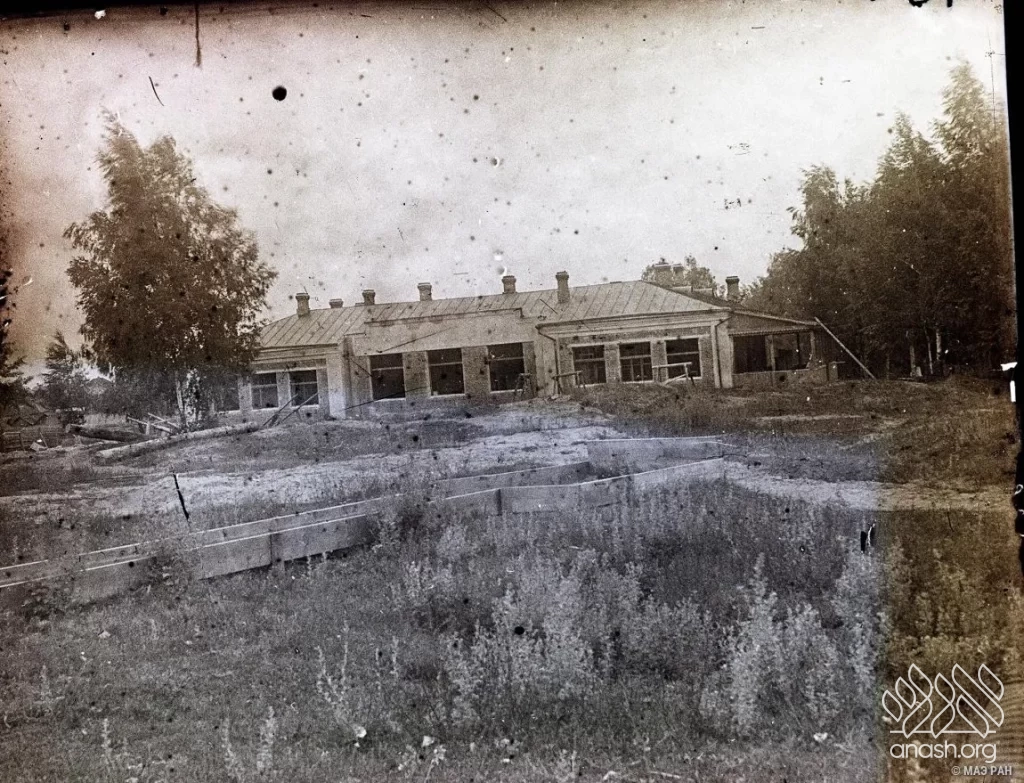
The supposed "Zal in Lubavitch"
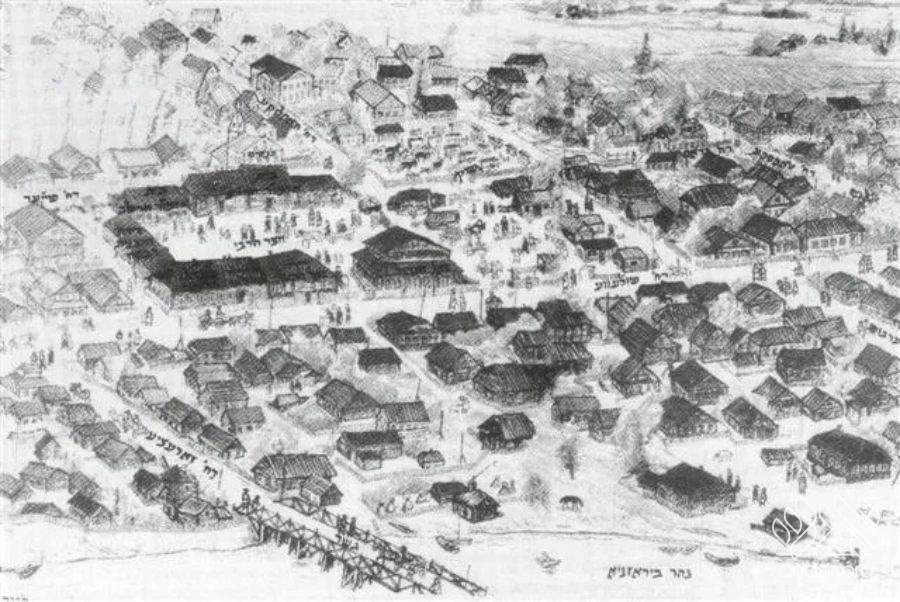
A map of Lubavitch according to the memory of chassidim who were there.
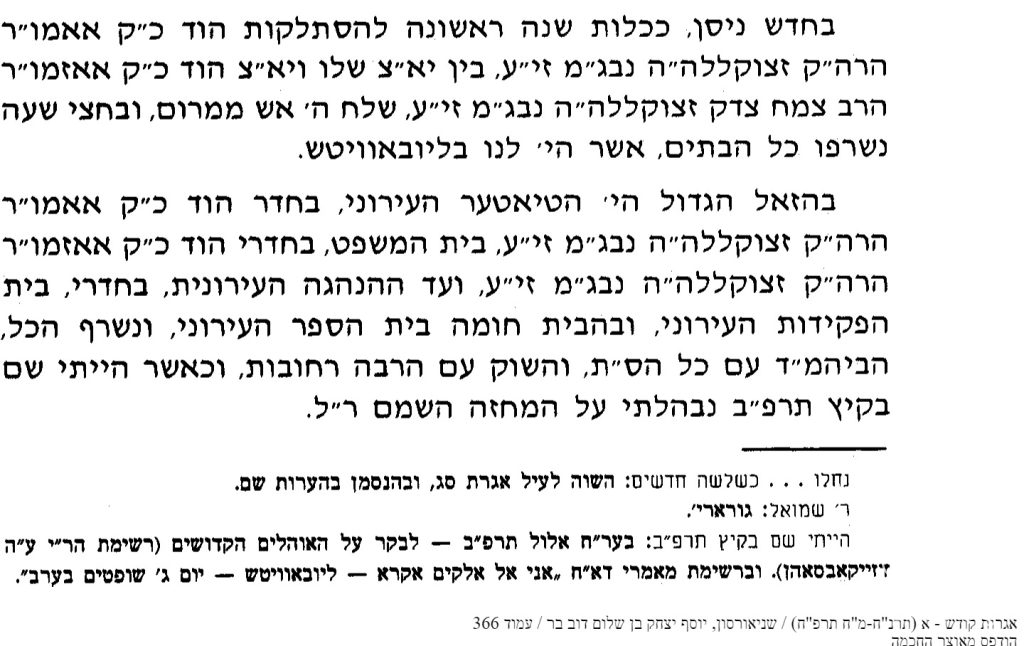
The Frierdiker Rebbe's letter about the fire.
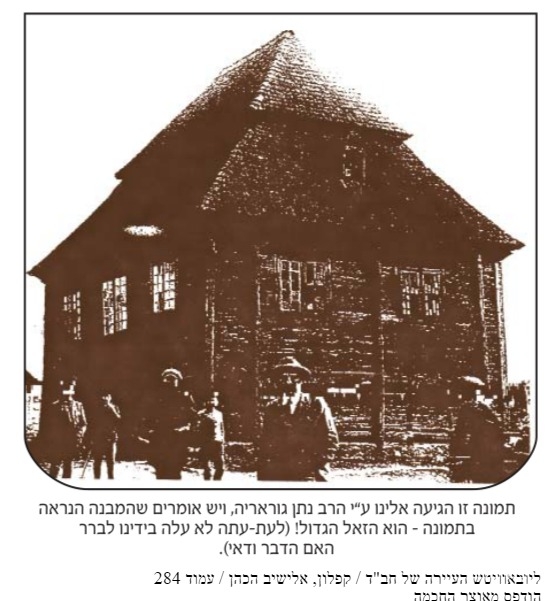
Another building once claimed to be the Zal, which turned out to be a shul in Vizhon, Lithuania.
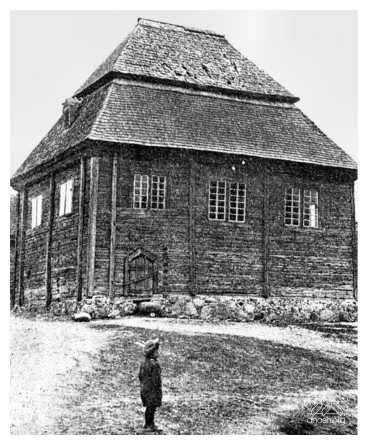
The shul in Vizhon, Lithuania
 COMMENTS


The tzemach tzedek was nistalek in 5626 (1866). What the article should have said was that the tzemach tzedek commanded his children and grandchildren that none of them could use his home for their personal use – even temporarily. Rather it should be used for the purpose of Torah study ect.