




ו׳ כסלו ה׳תשפ״ו | November 25, 2025
Chassidus, Psychology, and Staying Anchored in Today’s World
In a recent podcast interview, Rabbi Michoel Gourarie, discusses the question many people struggle with today: What does it mean to live a Chassidishe life in a psychological, self-focused world, without turning Chassidus into psychology or into another form of self-help?
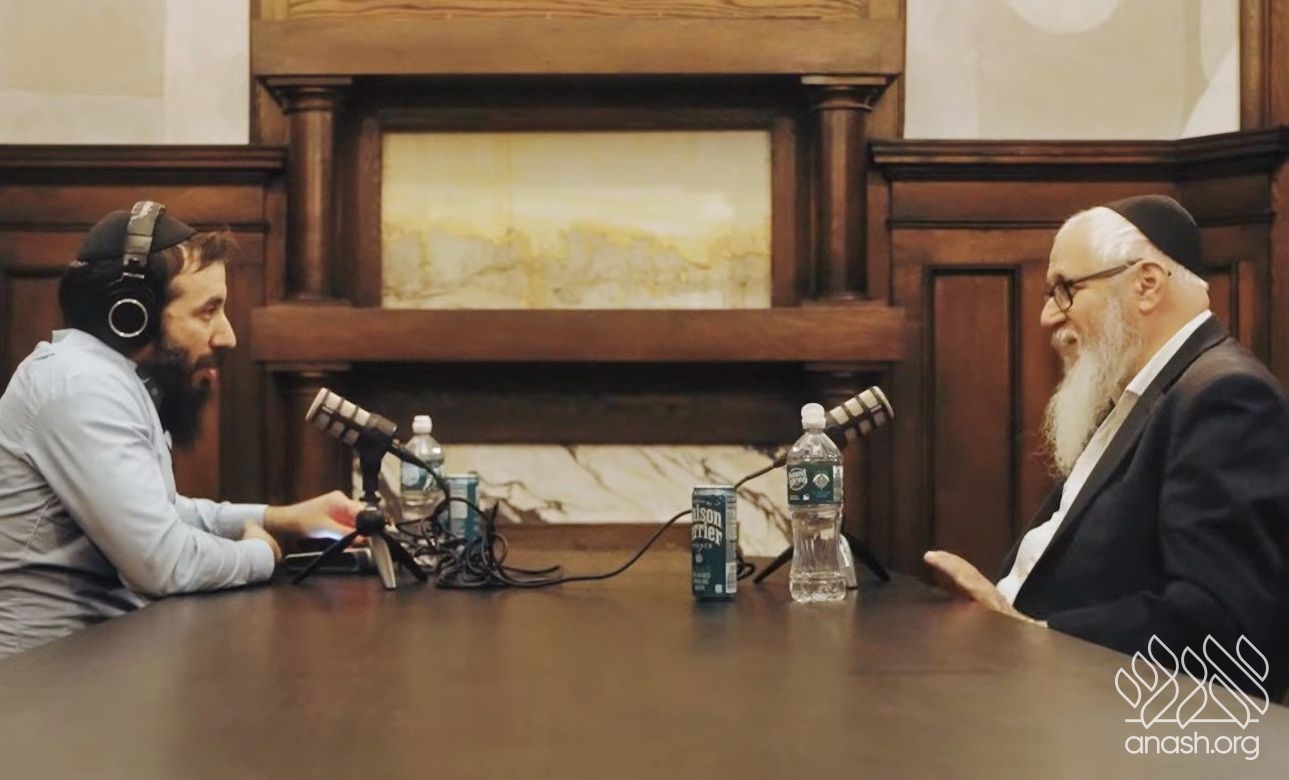
In a recent podcast interview, Rabbi Michoel Gourarie, shliach in Sydney, Australia and founder of Bina, the city’s center for adult learning and growth, discusses the question many people struggle with today: What does it mean to live a Chassidishe life in a psychological, self-focused world, without turning Chassidus into psychology or into just another form of self-help?
Rabbi Gourarie begins with the story of his parents’ very different Chabad family backgrounds and how both paths eventually led them to South Africa. From there, the conversation moves into the world of “personal growth” – relationships, communication, self-development, and the rise of modern psychology, replete with trauma, self-esteem, IFS, CBT, and every kind of emotional model.
But he makes one point very clear: psychology and Chassidus are not the same thing.
Psychology, he says, is about creating a healthy, functional nefesh ha’behamis – a balanced and stable human self. Chassidus is about something entirely different: uncovering and living from the nefesh ha’Elokis, from Elokus, from emes.
“Therapy is not Tanya, and Tanya is not therapy,” he said.
“A person may need therapy for addiction, depression, shalom-bayis issues, or trauma,” Rabbi Gourarie says. “But that’s no different from going to a cardiologist for heart problems (provided, of course, that it’s a kosher method). But when people start saying ‘IFS is Tanya,’ or ‘this new modality is what Chassidus always meant,’ they aren’t making Chassidus more relevant. They are shrinking it into a self-help system.”
In the process, he warns, “you end up making the self the center, with Hashem and bittul as accessories, instead of the other way around.”
The discussion also turned to practical life and how a person is meant to stay anchored in a world that constantly pulls them in different directions. Rabbi Gourarie’s answer is straightforward: by learning Chassidus regularly in a way that lifts them higher. This will help them see the world differently.
The podcast episode is part of Homesick for Lubavitch, hosted by Bentzi Avtzon.
WATCH:

 COMMENTS


Fascinating and important.
The first thing that struck me is the graciousness of Rabbi Gourary in listening, responding and acknowledging modes of expression that are somewhat foreign to Chassidim’s ears without judgment or dismissal.
Secondly the abilty to acknowledge the place and vital importance of treating mental health challenges and notwithstanding that explain the danger of interpreting Chassidus through a psychological lense. Then go on to admit and address the need and methods for making Chassidus relevant and practical, but at the same time stress the need to delve into Chassidus on its terms, despite the fact that many of the levels and issues discussed are completely beyond one’s current level of avodas Hashem.
Without knowing Rabbi Gourary personally, the sense I walked away with was that he practices what he preaches about on the one hand the need to translate Chassidus to a wider audience but on the other hand to be steeped in the real reality of Tomchei Temimim. He used the concept of rotzo veshuv to demonstrate this tension and the health living with it. All in all it was a balanced and well articulated presentation of what is wrong with some of the new ways Chassidus is being taught.
Bentzi Avtzon ought to be commended on his thoughtful presentation of the dichotomy of living in the US and living like a Chossid.
From Anash.orgs mission statement:
The Rebbe once advised a young couple to “make their home a place where the Alter Rebbe would feel comfortable.” It is our aspiration that our platform here will be one where the Rebbe feels comfortable.
How does posting from that source align??
This interview was a pushback against attempts to redefine or re-imagine Chabad. It’s part of דע מה שתשיב. It’s important not remain silent when distortions abound.
The issue is not the content, but the source.
על זה נאמר “מיניה וביה אבא לשדיה ביה נרגא”.
Similarly, a Rebbe is not a great therapist, and a therapist is not a small Rebbe.
Rabbi Guorarie mentioned that it relates to the Nefesh Habihamis if someone wants to do chesed with his girlfriend. How does he deal with the Sefer of Ahavas Chesed of the Chofetz Chaim. A inclination to do chesed is a koach of a person’s Nefesh and the Patriarch Avraham had a inclination to do chesed. “Tetain Emes L’Yakov Chesed L’Avraham”. Chesed was Avraham’s character attribute. I learned in Litveshe Yeshivos and was ordained as a Rabbi at Mesivta Torah Vodaath. I live among Chasidim of Chabad Lubavitch and have no money for you. How do you love a woman or your wife if you don’t do chesed with her. Yosef didn’t want to listen to be with Potifar’ s wife because as rashi says he didn’t want to be with her in Olam Habah. If you cohabit with a woman she has a connection with her in Olam Habah.
…וגם מידות טובות שבטבע כל ישראל בתולדתם