



כ״ה תשרי ה׳תשפ״ו | October 17, 2025
After Missiles Hit His Print House, He Kept Printing the Torah
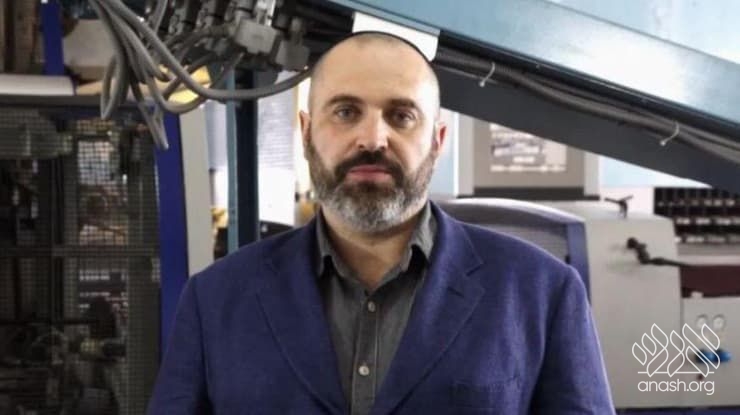
Even after two Russian missiles struck his printing plant, causing more than three million dollars in damage, Mr. Mikhail Shifrin continued printing the Chumash, producing the first Ukrainian translation in history.
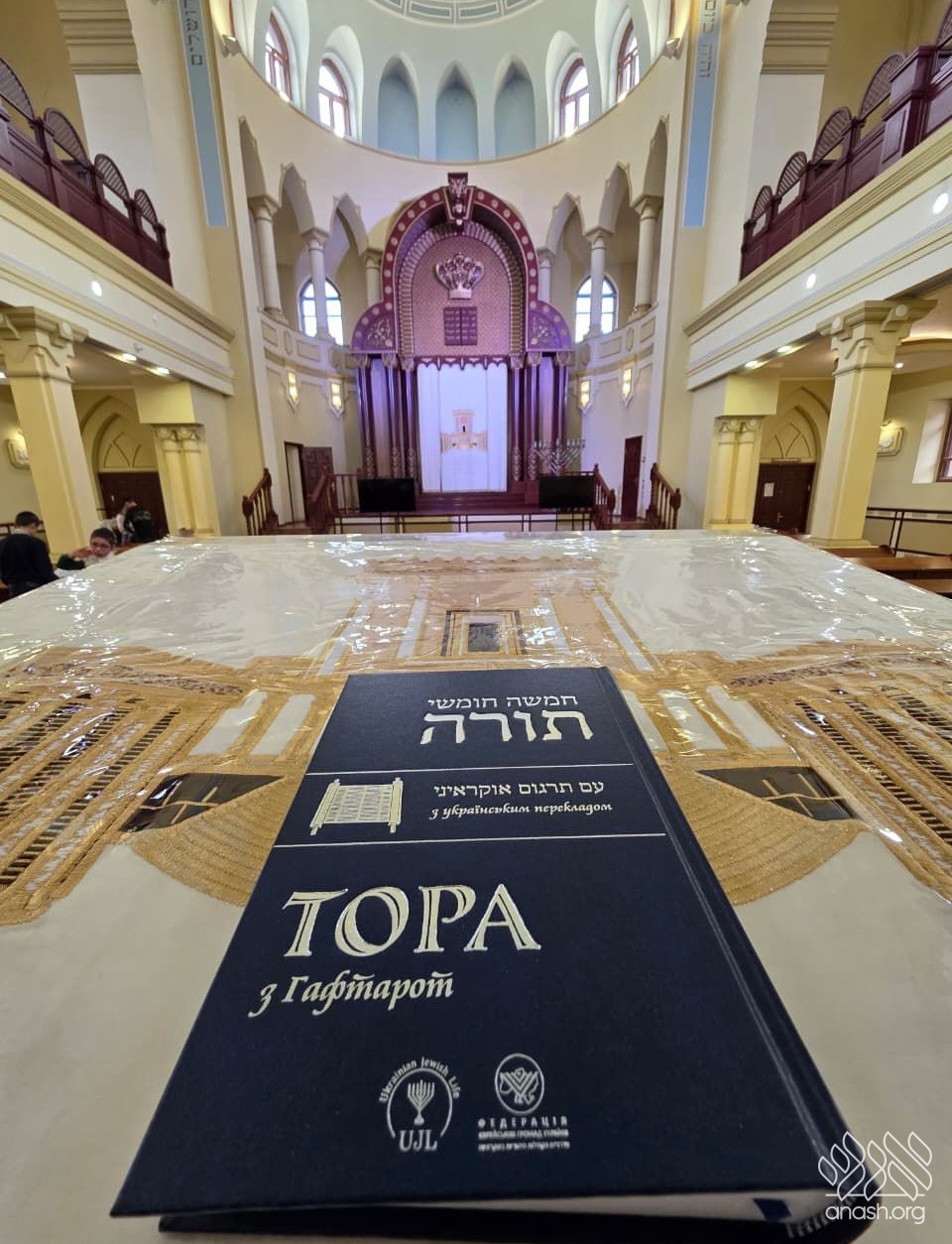
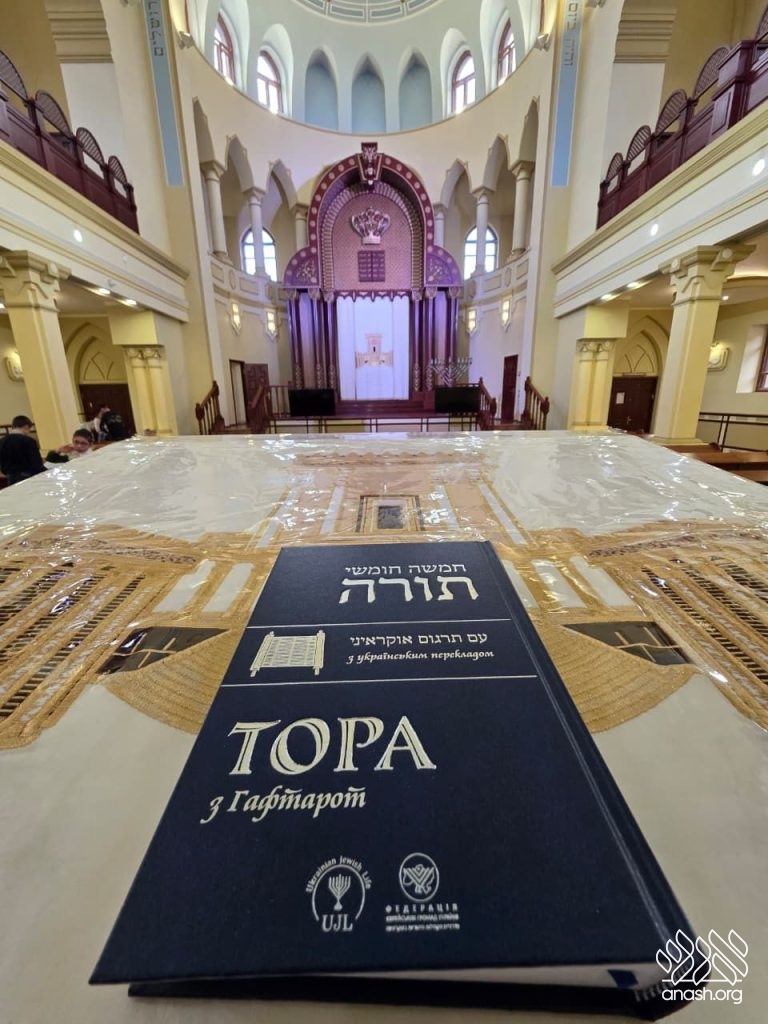
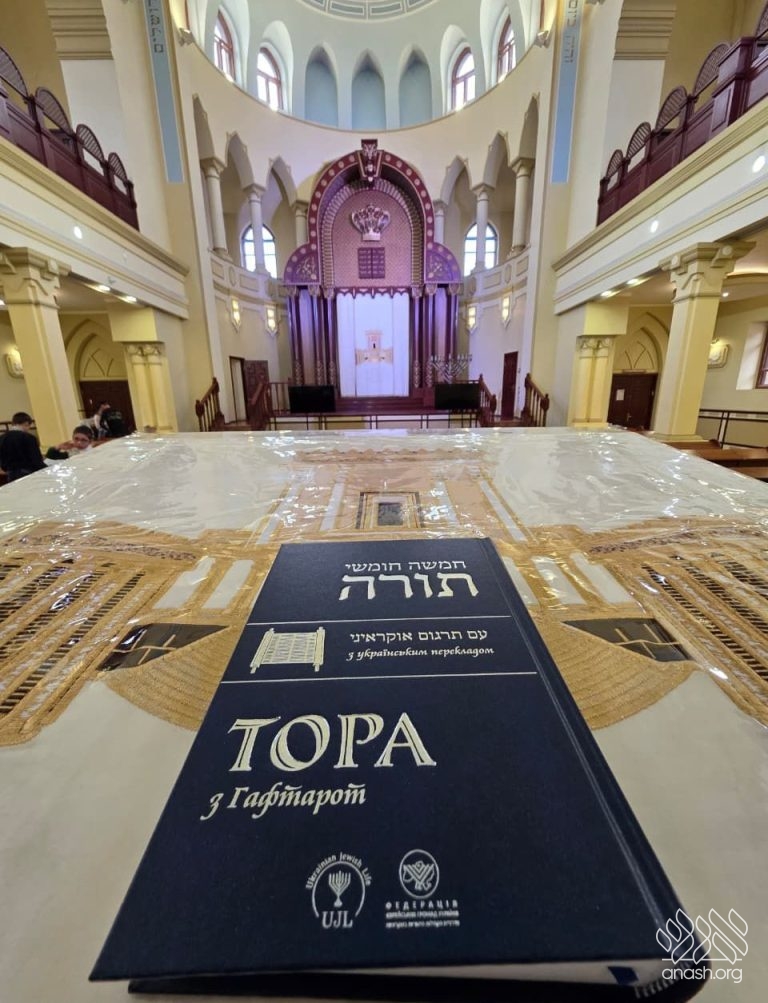
As the war between Russia and Ukraine continues with no clear end in sight, a historic milestone was reached this month: for the first time ever, the entire Chamisha Chumshei Torah has been translated into Ukrainian.
The project comes amid the country’s gradual shift from Russian to Ukrainian, reflecting the broader cultural and linguistic transformation taking place nationwide. Hundreds of copies were printed in time for Simchas Torah and distributed to Jewish communities across the country. Thousands more are currently on their way to shuls and centers throughout Ukraine in preparation for Shabbos Bereishis, when the Torah reading cycle begins anew.
The initiative was spearheaded by two individuals: Mr. Mikhail Shifrin, a 53-year-old native of Kharkov and owner of a large printing house in the city, and Rabbi Meir Stambler, chairman of the Federation of Jewish Communities of Ukraine (FJCU).
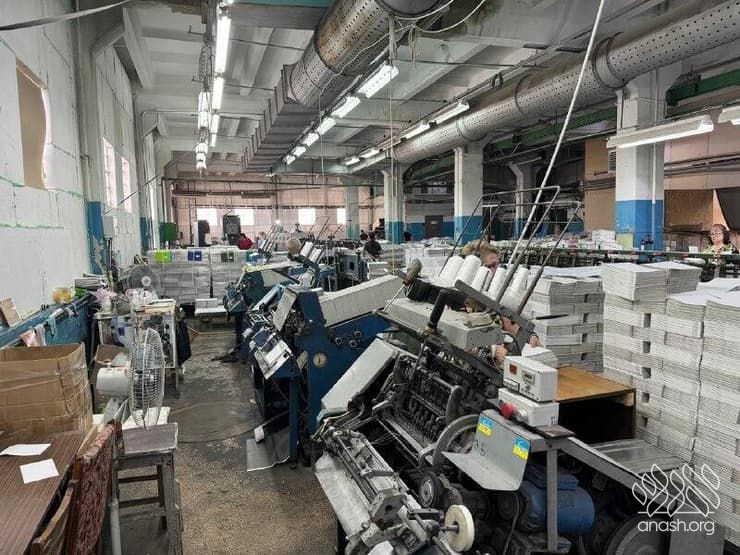
Shifrin became connected to Yiddishkeit through Rabbi Moshe Moskovitz, the Rebbe’s shliach and Chief Rabbi of Kharkov. After several years in the printing business, Shifrin founded his own massive printing facility in 2005, employing about 200 workers across 12,000 square meters. Following a meeting with Rabbi Stambler at a refugee camp in Hungary organized by the FJCU together with EMIH, led by Hungary’s Chief Rabbi Shlomo Köves, Shifrin decided to dedicate his resources to printing Jewish books in Ukrainian.
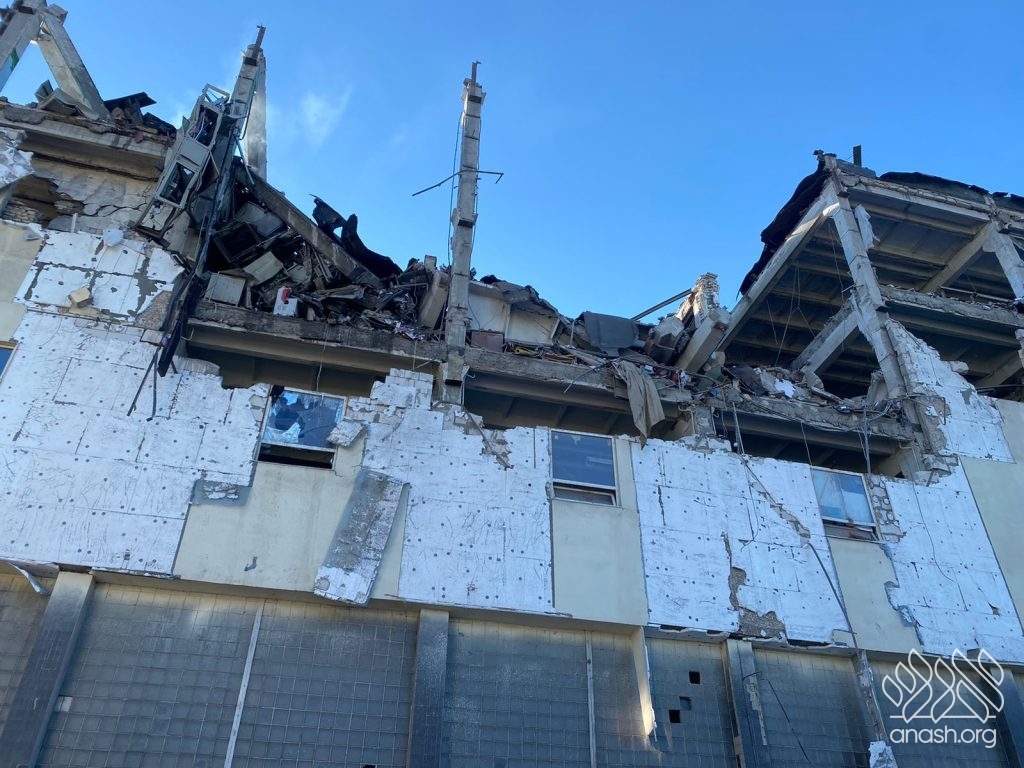
He was soon joined by his longtime friend Mark Vinersky, also from Kharkov. The Federation covered roughly one-third of the project’s cost, while Shifrin and Vinersky personally funded the rest. To date, they and other donors have invested over one million dollars into this non-profit initiative. Despite suffering major setbacks during the war—two Russian missiles struck Shifrin’s printing plant two years ago, causing more than three million dollars in damage—the project continued without interruption.
Shifrin serves as project director, overseeing a team of translators, linguists, and rabbanim who carefully review every word. “It’s not simple to find rabbanim fully fluent in Ukrainian,” explained Rabbi Stambler, “but baruch Hashem, we assembled a professional and dedicated team. There were times when they spent an entire day debating the correct translation of a single word.” The translators relied on Torah-based English and Russian editions for reference. So far, the team has already completed Ukrainian translations of Tehillim, Siddur, and several children’s books on Yiddishkeit.
Rabbi Levi Engelsman, who manages the project on behalf of the Federation, shared that more than ten translators and editors worked over a period of two years to complete the Chumash. “We pushed hard to have the printing ready for Simchas Torah, and baruch Hashem, we met our goal,” he said. “This is truly historic and a great help for many Jews who only speak Ukrainian.”
The idea of translating Jewish texts into Ukrainian received personal encouragement from Ukrainian President Volodymyr Zelensky, who is himself Jewish. A few months before the outbreak of war, Rabbi Stambler met with the president together with Chabad shluchim and city rabbis. When told about the plan to translate Tehillim, the president expressed his interest in receiving a copy once it was published.
Indeed, in February 2023, on his 45th birthday, President Zelensky received the first Ukrainian edition of Tehillim, bound in leather and personalized with his name. A few days later, in a speech to diplomats, he quoted from Tehillim chapter 3: “But You, Hashem, are a shield for me, my glory, and the One who lifts up my head… I will not fear tens of thousands who surround me.” He added, “We stand against evil. We are united as we haven’t been in years. We are brave—our soldiers fight evil on the battlefield. Is this only the work of man—or has G-d heard our prayers?”
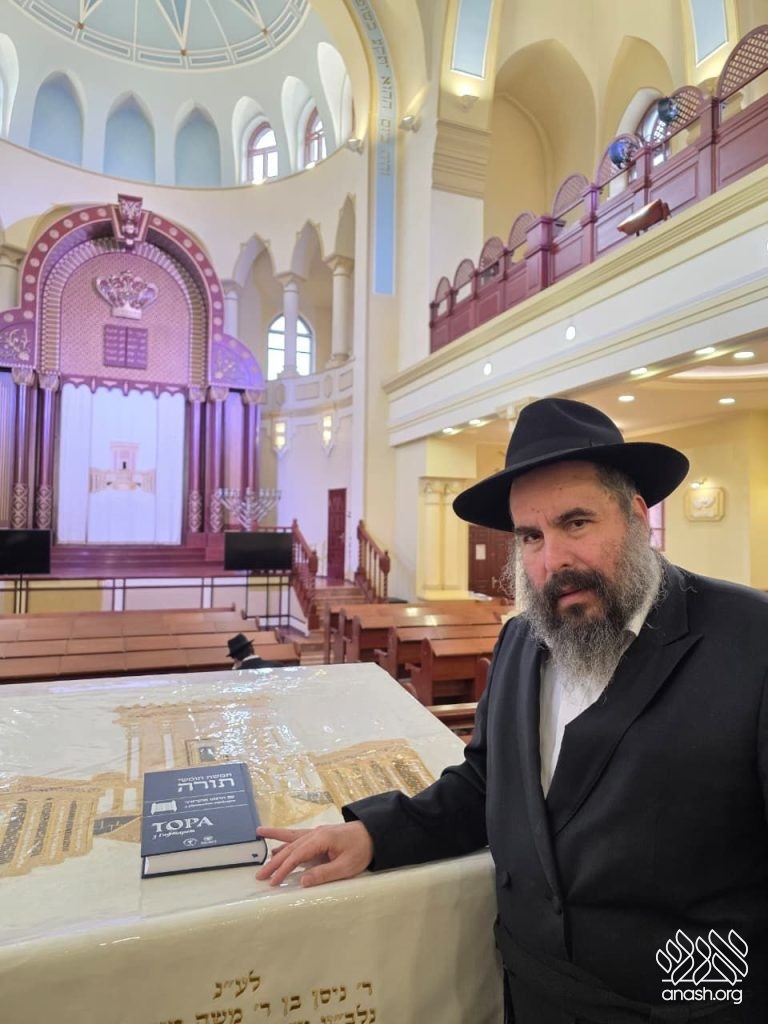
Rabbi Moshe Moskovitz, Chief Rabbi of Kharkov and a key partner in the project, reflected: “It says that Moshe Rabbeinu spent the last month of his life translating the Torah into seventy languages. That alone shows how important this is. Translating the Torah into a language in which it has never been printed before is a tremendous merit—it brings Torah to hundreds of thousands more Jews. It’s vital that there be an authentic Jewish translation, because otherwise, people may turn to Christian versions that distort the meaning. Whoever translates first defines the narrative.”

 COMMENTS


We appreciate your feedback. If you have any additional information to contribute to this article, it will be added below.