




י״ח אב ה׳תשפ״ה | August 11, 2025
Why I Won’t be Going to Alma Ata for Chof Av
From the Anash.org Inbox: In recent years, many have been traveling across the globe to spend Chof Av near the kever of the Rebbe’s father, Harav Levi Yitzchak. But for those within reach of 770 or the Ohel, leaving the Rebbe’s daled amos seems misplaced.
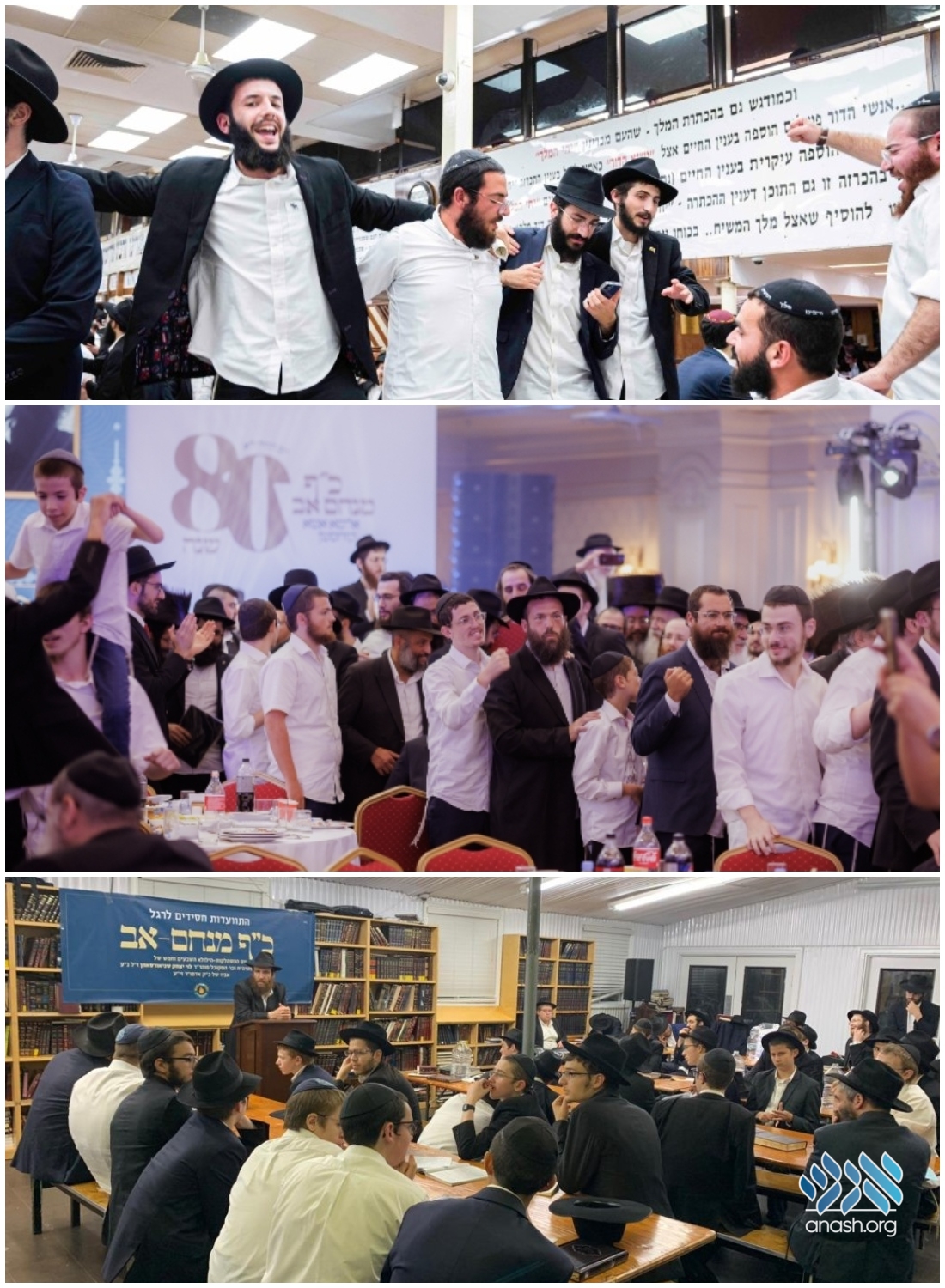
From the Anash.org Inbox: In recent years, many have been traveling across the globe to spend Chof Av near the kever of the Rebbe’s father, Harav Levi Yitzchak. But for those within reach of 770 or the Ohel, leaving the Rebbe’s daled amos seems misplaced.
By Yosef Mendelson
In recent years, there’s been a growing custom among Anash and shluchim from around the world to travel to Alma Ata on Chof Av, the yahrzeit of the Rebbe’s father, the gaon and mekubal Harav Levi Yitzchak. Harav Levi Yitzchak spent his final years in harsh exile for spreading Yiddishkeit and standing up to the communist regime. It was this bitter and torturous exile that ultimately led to his untimely passing.
The Rebbe often pointed out that his holy father didn’t just live his last years in exile and pass away there – but that to this very day, he remains in exile, alluding to the fact that his kever is located in a small Jewish section surrounded by a larger non-Jewish cemetery.
There is no doubt that visiting the kever of Harav Levi Yitzchak, especially on the day of his hilula, brings great nachas to his neshama – and certainly also brings tremendous nachas to the Rebbe. After all, the Rebbe himself was never able to visit his father’s kever, and in a certain sense, those who do so are participating in the Rebbe’s mitzvah of kibbud av.
That being said, I’d like to call attention to an important point.
Famously, in 5710, the Rebbe asked that chassidim visit the Ohel of the Frierdiker Rebbe on Lag BaOmer, stating that “Rabbi Shimon bar Yochai is found there as well.”
In a farbrengen on Erev Lag BaOmer 5750, the Rebbe dedicated an entire sicha – later edited and published – to a group of guests who had traveled from Tzfas to spend Lag BaOmer with the Rebbe. The Rebbe explained that although it was traditional for the Jews of Tzfas to travel to Meron for Lag BaOmer (and when it fell on Sunday, even to spend Shabbos there), this group had chosen instead to spend Lag BaOmer in the daled Amos of Nesi Doreinu, through whom the Torah of Rashbi is spread and revealed to the entire world.
There’s a story told about Reb Berel Junik, who once mentioned to the Rebbetzin that he was planning to visit the kevorim of the Rebbeim. The Rebbetzin reportedly responded by asking: “When was the last time you visited my father?” – referring to the Frierdiker Rebbe. A similar sentiment was once expressed by the Rebbe himself, asking someone, “How many times have you been to the tziyun of the Frierdiker Rebbe?”
Traditionally, Chof Av was a day when many chassidim would come to spend time in the Rebbe’s daled amos on this auspicious day, to be by the farbrengen and to hear the Rebbe lead the davenings. Camps especially would – and still do – make the long trek to be with the Rebbe, even when Chof Av fell on Shabbos. The Rebbe gave them special attention – asking them to say l’chaim, and to start a niggun or song from camp.
While I am not trying to knock those who choose to visit the Rebbe’s father’s kever on Chof Av, it is nevertheless worth reflecting on the above – perhaps teaching us that the greatest place for a chossid to be on this auspicious day is by the Rebbe himself, knowing with certainty that Harav Levi Yitzchak is surely present there as well.
This is especially true for those who live in close proximity to the Ohel and 770. It would seem slightly absurd to leave the Rebbe’s presence – a place where Harav Levi Yitzchak is certainly found – to board a 14 hour flight to Alma Ata.
While it is far from my place to judge the motives of those who travel and I fully recognize that their journey no doubt brings nachas to both the neshama of Harav Levi Yitzchak and to the Rebbe, I nonetheless can’t help but wonder: If this had not become a recent “trend” among some of the more affluent, would some of those travelling be as eager to take time off for a short, 30-minute trip to the Ohel on Chof Av?
Again, this is not chas veshalom a criticism of anyone visiting Alma Ata. But for me – and perhaps for others – leaving the Rebbe’s daled Amos to travel to Alma Ata, seems misplaced.
If I could choose one place to be on Chof Av, it would be, together with the Harav Levi Yitzchak, in the Rebbe’s daled amos.
 COMMENTS


A few points to the best of my knowledge and understanding.
•Very controversial article.
• I believe that the Rebbe had allot of Nachas when people reported that they went to Alma Ata.
• Visiting 770 and the Ohel have allot of significance and holiness etc.
• If someone doesn’t have the funds and will need to take a mortgage on his house, I don’t know if he should go. The same may apply if his family and children need his presence for physical health or mental well-being.
• I am interested to know if the idea of the masses going to Alma Ata is a new initiative or it existed before Gimmel Tammuz, and I wonder what the Rebbe would say about it.
• With all due respect, the comparison of going to Alma Ata and going to Rashbi ARE 100% NON-COMPARABLE:
The reason why people go to Rashbi is to be close to Rashbi. The Rash i isn’t alone in Golus, there are 6 million Jews in driving distance.
Contrary to this is going to Alma Ata to visit A Tzadik that is buried in a remote area away from a populated Jewish comunity (especially 35 years ago).
Hatzlacha.
– Expressing opinions is not controversial
– The story of Reb Berel Junik’s plans to visit kevorim in Europe contains the lesson for here.
– 770 and Ohel are daled amos of nossi doreynu, reb levik was a big tzadik, but wasn’t nosi hador
– This initiative is to bring in money and tourism, and mostly rich people go and boost the economy. Money should be spent on Tzedaka, chinuch and family first.
– All these concepts weren’t a big thing before gimmel tammuz, because it was without question that they would go to the Rebbe.
– You argue Reb levi yitzchak is lonely, compared to Meron. I can assure you he is in Gan Eden with Avraham Ovenu, Moshe rabeynu etc.
Often this group visits the Ohel as well on the same day of Chof Av.
Title says it all
I don’t understand the point he’s trying to make. He keeps on being apologetic not wanting to bash those that go. But then he does bash them
he says “seems misplaced” and not that its wrong. what are you reading different?
This article is very misguided, and feels like the common guilt trip because they might not be able to make it there. If you can’t make it there fine. But if you can, then it’s Kibbud Av for the Rebbe if you do go. You can say the same thing about Rebbetzin Chana. If I am on a schedule and I am at the Ohel, if I have to leave at 4 from the Ohel, I should Be’etzem stay till 4 and not leave a minute or so early so I can go to Rebbetzin Chana. That is not the case, that is not what the Rebbe would want.
Respectfully, this framing overreaches.
The line “Rashbi is at the Ohel” was the Rebbe’s specific hora’ah for Lag BaOmer—not a blanket rule to prefer the Ohel over every other tziyun, and certainly not a directive about Chof Av. See the sicha to the Tzfas guests (5750) and the directive that those near the Ohel should go there on Lag BaOmer.
By contrast, we have clear evidence of the Rebbe’s extraordinary appreciation for kavod shown to his father’s tziyun in Alma-Ata—including public brachos to those who cared for it and stories of personal gratitude for renovations. That’s not the tone of “don’t go.”
Halachically and historically, going to a parent’s kever on a yahrtzeit is a mainstream minhag (kever avot). Honoring the Rebbe’s father at his resting place squarely fits that norm.
The “affluent trend” claim doesn’t hold up. Communal arrangements and even subsidized trips have made Alma-Ata broadly accessible; in recent years there’ve been pan kloli readings and record crowds across Anash, shluchim, and mekuravim.
So if you’re within reach of 770/Ohel—beautiful. But portraying Alma-Ata on Chof Av as “leaving where a Chossid truly belongs” isn’t sourced in the Rebbe’s words and ignores his visible nachas from activity at his father’s tziyun. Both paths are legitimate avenues of kibbud av and hiskashrus.
Living a stone’s throw from the Ohel, I can’t imagine leaving the Rebbe’s daled amos on such a day. When the Rebbe himself highlighted that the Frierdiker Rebbe’s Ohel contains the holiness of Rashbi, that says it all. Chof Av is an opportunity to strengthen our hiskashrus right here.
There was an attempted attack in Almaty that was thwarted last year.
https://anash.org/attempted-attack-in-almaty-over-shabbos-chof-av-thwarted/
it seems interesting that many of the people who spend the time money and effort to go to alma atta dont try to make that koch to come to the Ohel on vov tishrei (i.e. those that could afford to leave for a few hours, which is many of those groups), and halevai the crowd on vov tishrei was as it should be likvodo of the Rebbe and his mother. (at certain points of vov tishrei this past year, which marked 60 years from her histalkus, a special anniversary, yours truly was by the Ohel and it was relatively empty…)
yud gimmel iyar can be added to this list, i think by now its safe to say that there are more people chof av in alma atta than 13 iyar in tzfas, which also has very clear answers from the Rebbe appreciating when people went, i havent yet heard of a trend to fly from ny to go there, and i wonder why…
The Rebbes daled Amos is 770 that’s where we should be, nothing has changed.
Well you can’t compare the Rebbe’s father A”H who was a towering tzadik and chossid to the Rebbe’s brother who wasn’t of such caliber and charisma.
But either way, why compare?
If the reason you are going to Alma Ata is for the Rebbe’s fathers stature and how great he was then you missed the point completely. As Lubavitchers our connection to the Rebbe’s family is that anything dear to the Rebbe is dear to us and since the rebbe showed how much his family was dear by chof av to many individuals by chof beis shevat to all Chasidim etc… it became is something dear to us that we care about no matter how big of a tzaddik or tzadekes the person was.