




י״ט טבת ה׳תשפ״ו | January 8, 2026
Why Aren’t There More Rabbonim in Lubavitch?
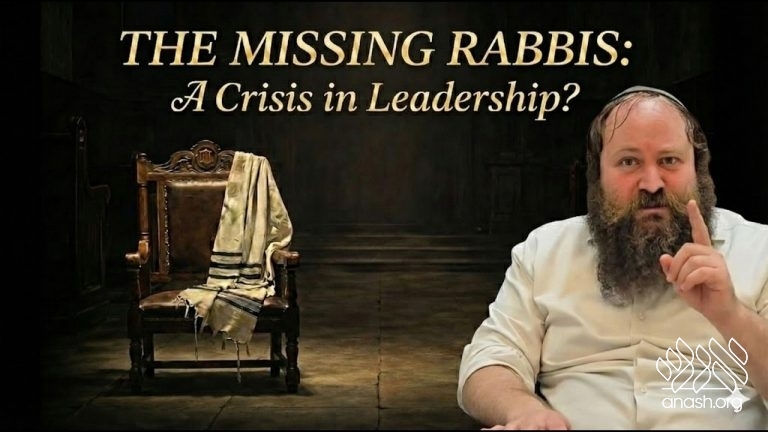
Renowned maggid shiur Rabbi Mendel Krasnjanski explores why there aren’t more Rabbonim in Lubavitch today and suggests five reasons for this. Do you agree?

In a recent fascinating shiur, renowned maggid shiur Rabbi Mendel Krasnjanski of Miami explores why there aren’t more Rabbonim in Lubavitch today.
In his shiur, Rabbi Krasnjanski puts forth 5 reasons for the shortage of rabbonim:
(1) Chassidus doesn’t encourage one to be great, but rather to serve Hashem with his abilities. Many great talmidei chachamim chose private lives, quietly influencing the world through their learning, guidance, and example rather than through formal communal leadership.
(2) Many Chassidim were indeed Rabbonim, yet they were known primarily for their avodas Hashem. Examples include Reb Hillel Paritcher, Reb Aizik Homiler, Reb Nota of Malastrizineh, among others. Among chassidim, true greatness is measured by yiras Shomayim and learning, not by titles or positions.
(3) The immense knowledge and expertise needed to pasken Halacha naturally limit the number of public Rabbonim. The primary focus in yeshivos is on Gemara, and most don’t have the liberty to spend years in Kolel learning Halacha seriously.
(4) Spiritual danger of being a Rov, recognizing the immense responsibility that a Rov has and the fear he should have of rendering a mistaken psak.
(5) Physical danger of being a Rov from disgruntled baaleibatim who are unhappy with the halacha and can take revenge against him.
What do you think is the reason? Write in the comments below.
LISTEN
WATCH

Sources:
 COMMENTS


Do parents tell their little children “I dream one day you can grow up to be a Rov”?
Is being a Rov something we look up and aspire to be?
When walking down the street, who do we notice/ who sticks out in our mental “spotlight”?
One of the reasons has to do with the lack of financial support needed for those who have the capabilities of becoming Rabbonim. Case in point , the official Kolel of the Rebbe’s Mazkiros (situated on Kingston Ave) doesn’t pay Kolel Yungerlait anymore. There is no way to have proper Rabbonim without financially supporting those who worthy of being experts in Halacha. It’s quite simple ;אם אין קמח אין תורה
Clearly both the article and the comments with reasons are written by post 3rd of Tammuz Chasidim.
Many “Shailus” were answered by The Rebbe, directly or indirectly and there were and are Rabbonim for anything “minor”
someone who’s was bar mitzvah on chof zayin adar would be 46 now.
just some food for thought.
as far as the article suspect it’s mostly number three although will admit I’m not expert. What percent of Chabadniks these days sit in Kolel more than 2 years?
The issue is more complex:
A. There is a breakdown of a rov being considered a leader. In Lubavitch, a moreh horo’oh is a technical halachic consultant, not a leader of the community. Questions about teeth are asked to a dentist, question about taxes are asked to an accountant, and questions about halacha are asked to a rov. Therefore, no one feels the position moreh horo’oh is worth paying for or raising money towards. I am looking for a position as a rov. There are none available that make sense financially.
B. The structure of kehillos of anash needs revamping. The are almost no mechanism in place that can be the body that hires a rov. Many major anash kehillos have part time rabbonim paid by a particular shul, who really serve as rabbonim for a whole community out of the goodness of their hearts. They have to have side jobs to cover their budget. In other words there are no positions for rabbonus available that are financially viable.
C. This lack of appreciation for the position of rov is one of the reasons for the astute comment of Rabbi Silberberg, that there is no mechanism in place to invest in yungerleit as future rabbonim. It is not a priority.
Can you explain the premise of the question? Is there a lack of poskim? A lack of leaders? Lubavitch is full of shluchim who lead communities.
Is there a shortage of people who can pasken?
It seems to me that more and more yungerleit are getting shimush in various fields. So please explain the question.
Every Shliach that leads a chabad house community should be able to pasken basic shailos, and serve as the community Rav. If not, its lifnei eiver for the shilach and his ballei batim. We should not make fake “rabbis” who are being sent out to lead communities. If an average shliach cant learn to pasken in the realm of taharas mishpocha or dinim mamanos, then fine. But it most areas of Orach Chaim/Yoreh Deah a shliach needs to be able to function as a communal Rav. There should be formal programs that train people planning on going on shlichius. But if that doesnt happen, the shluchim themselves should make an effort to learn halacha l’maaseh and view being able to lead their ballei batim in basic psak as a part of their shlichius.