




כ״ג ניסן ה׳תשפ״ו | April 9, 2026
Ukraine Jews Celebrated Pesach Under Fire
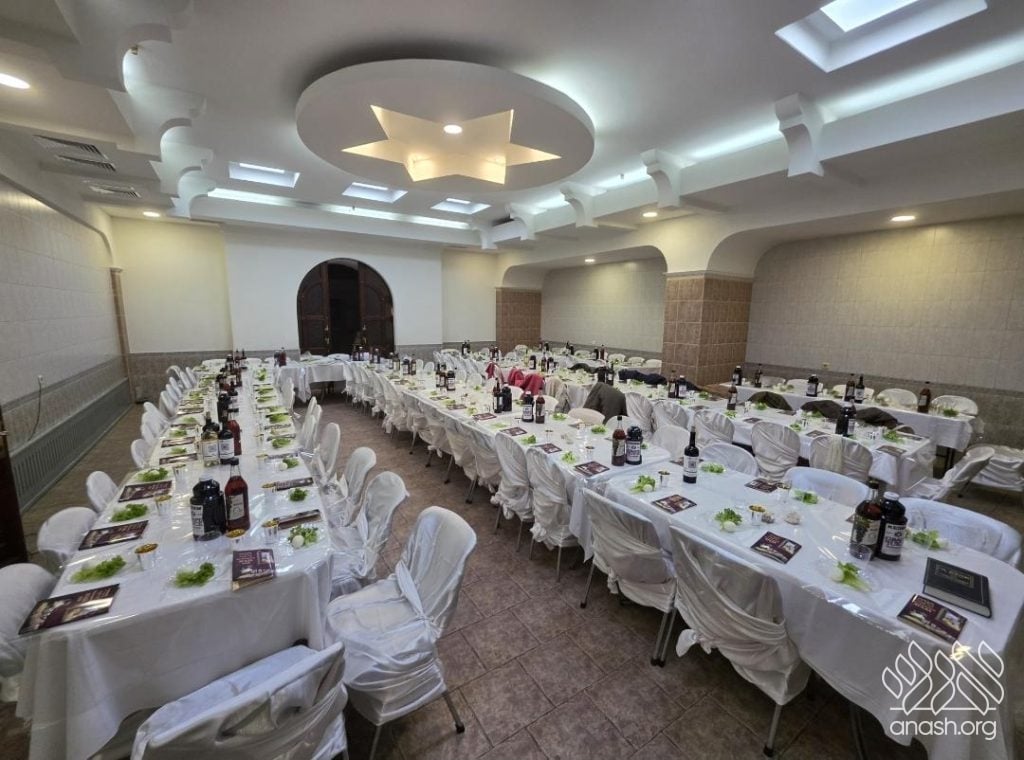
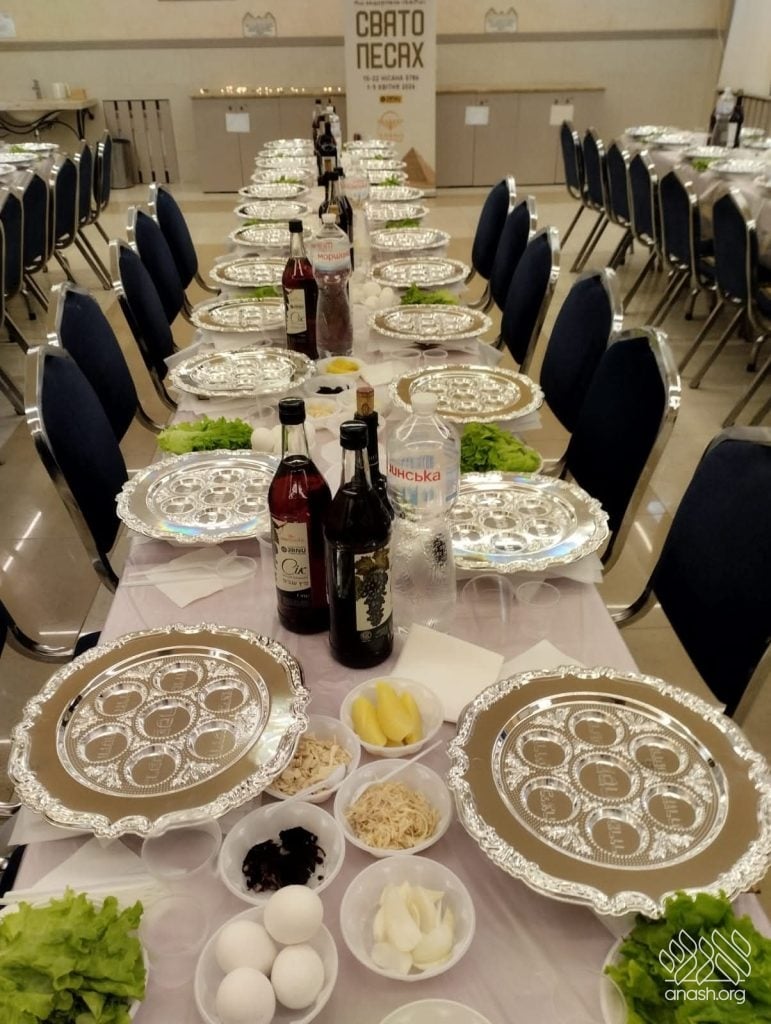
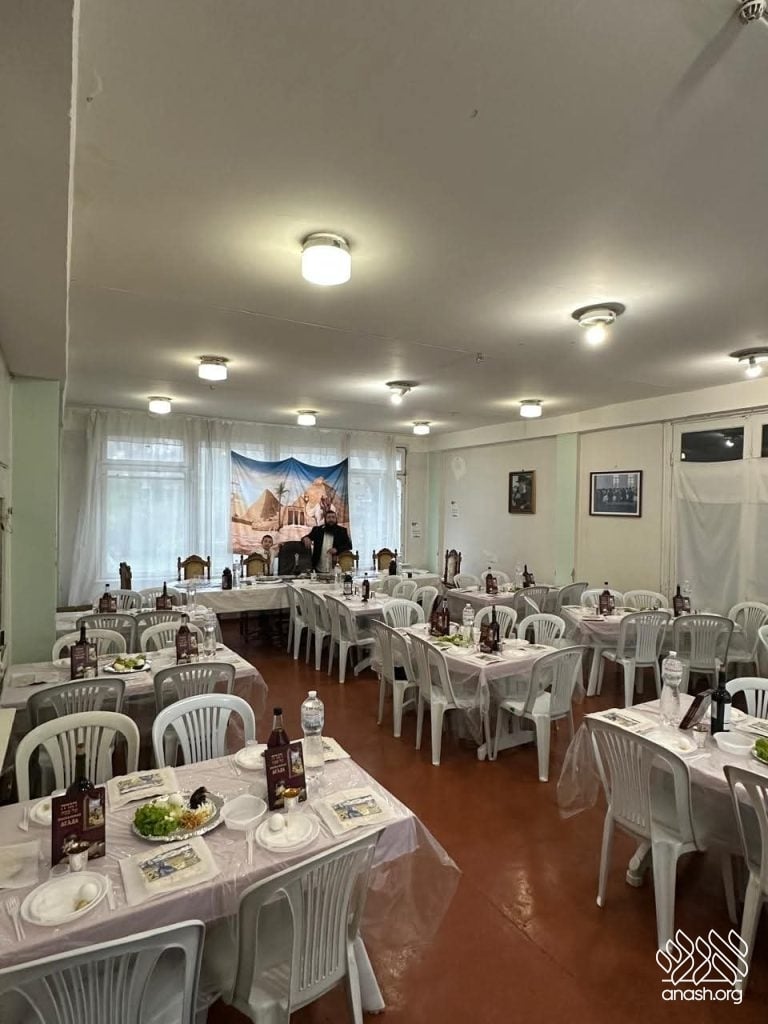
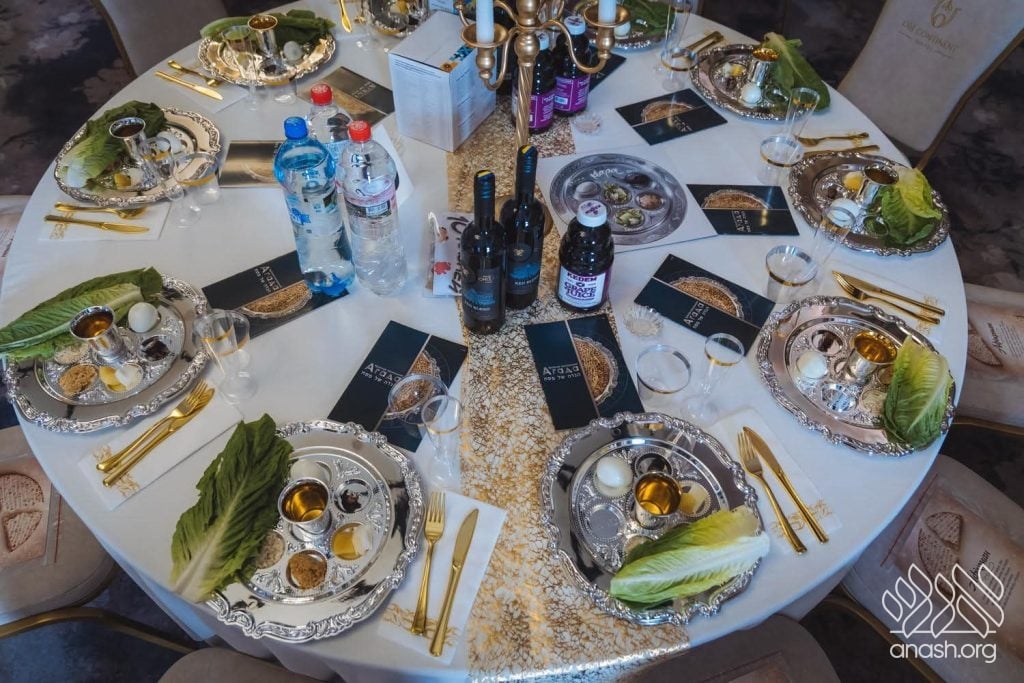
Despite air raids, missile strikes, and wartime curfews, the Rebbe’s shluchim led seders for thousands of Jews across Ukraine, including two communities where missiles landed just nearby, and one where participants stayed singing until 4 am when the curfew lifted.
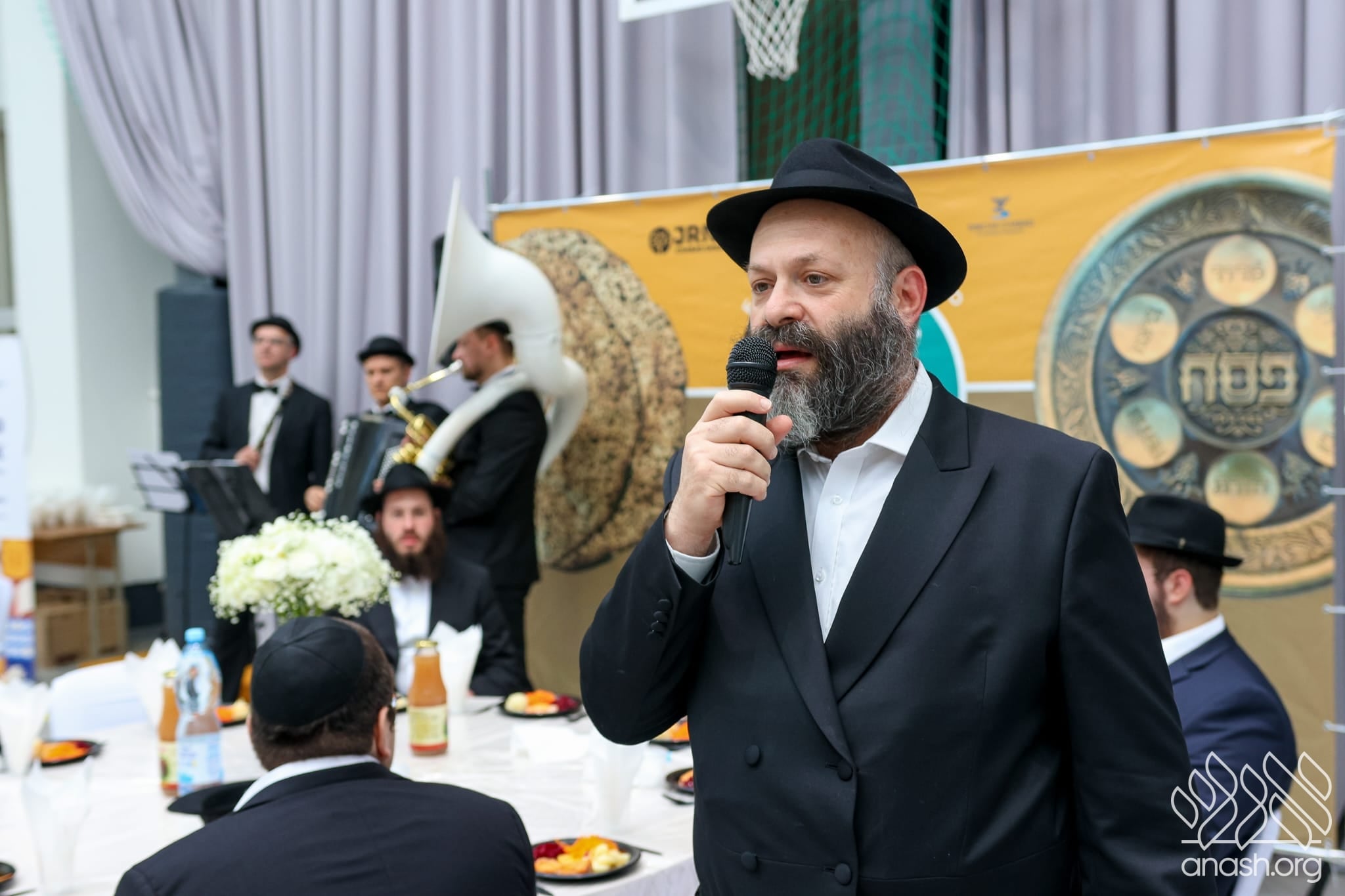
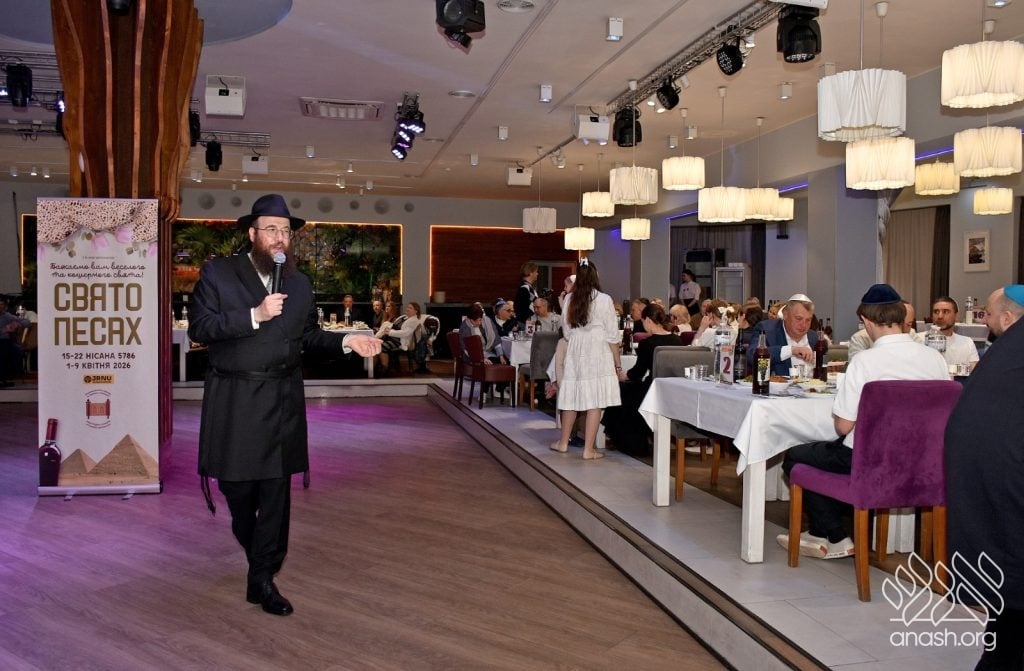
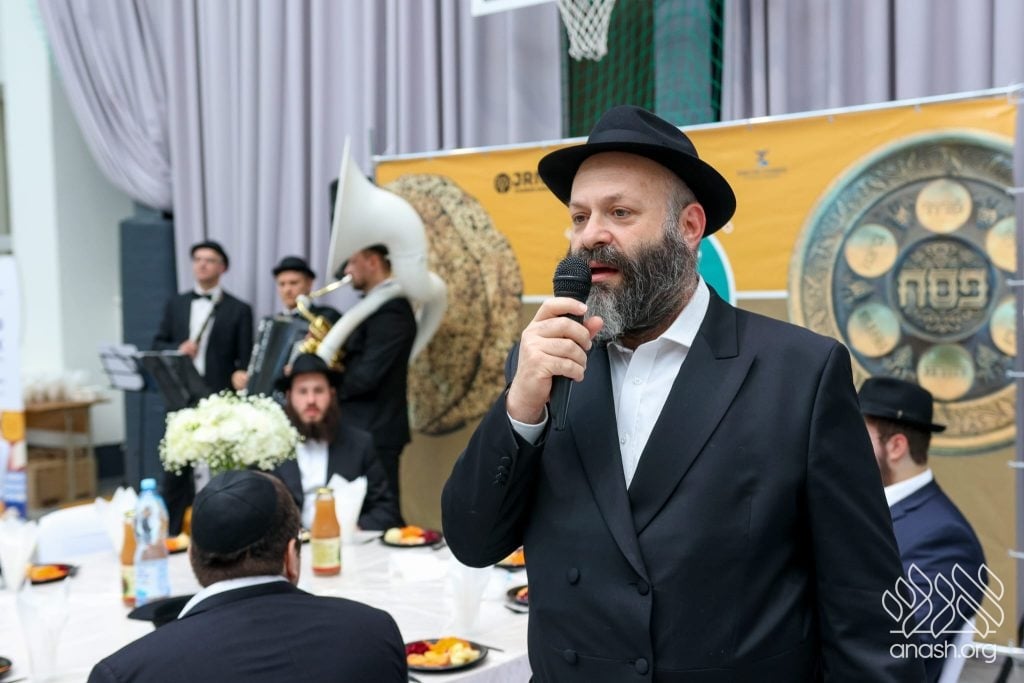
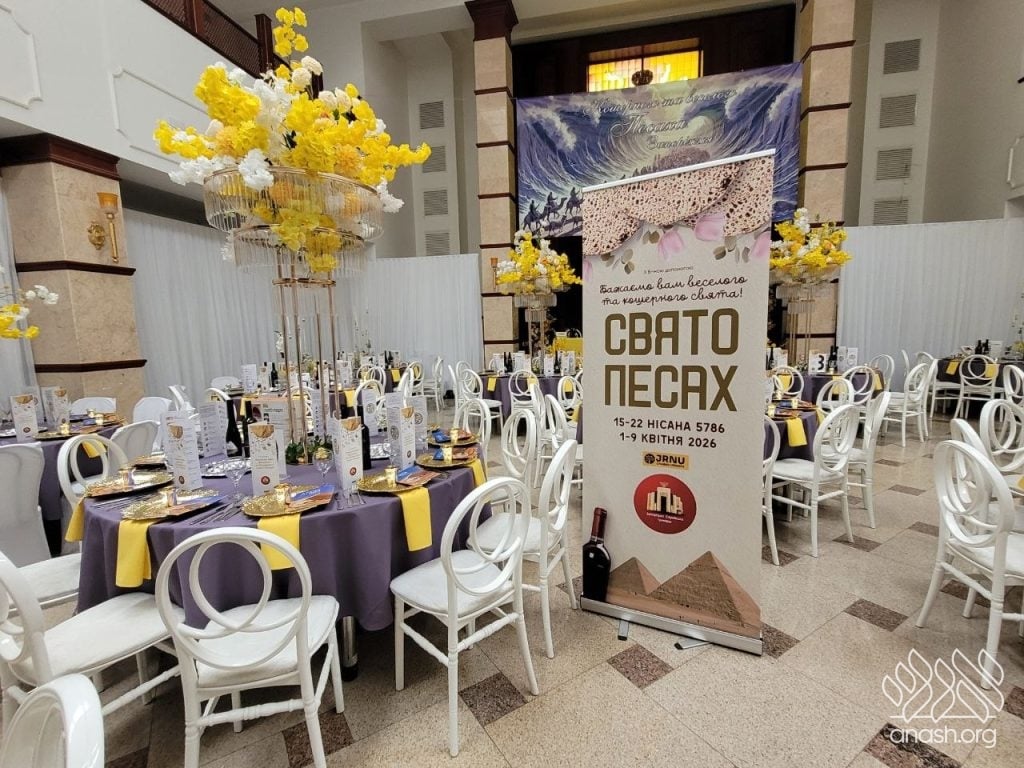
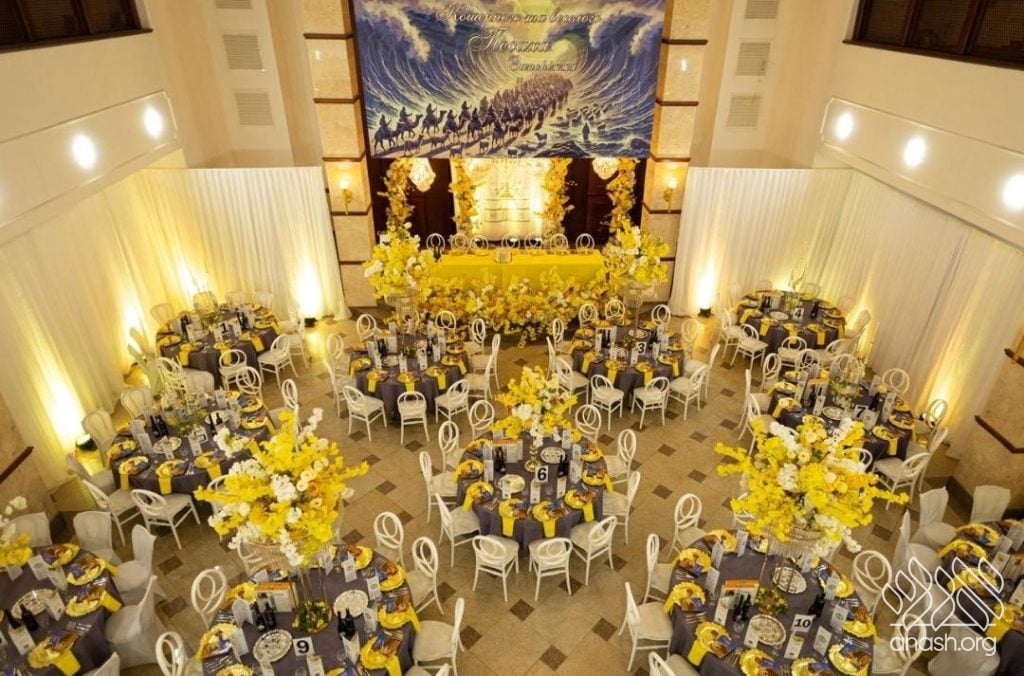
For the fifth consecutive year, thousands of Jews across war-torn Ukraine sat down to Pesach seders under missile attacks, drone strikes, and wartime curfews. The word “freedom” carried a weight this year that few elsewhere could fully appreciate.
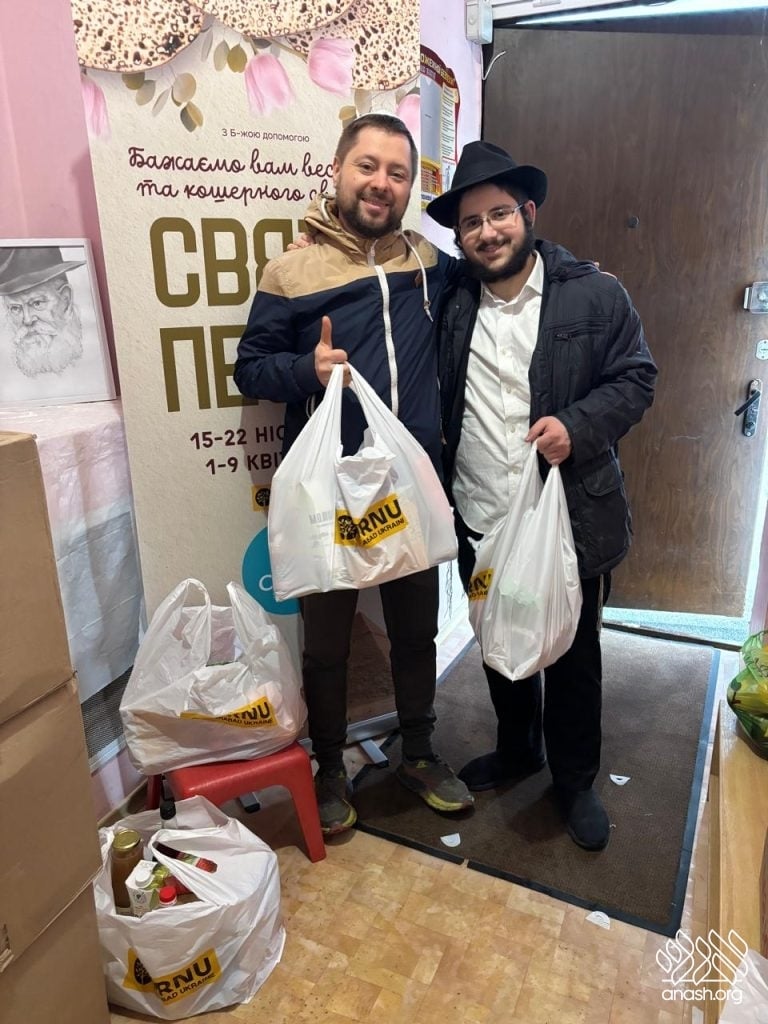
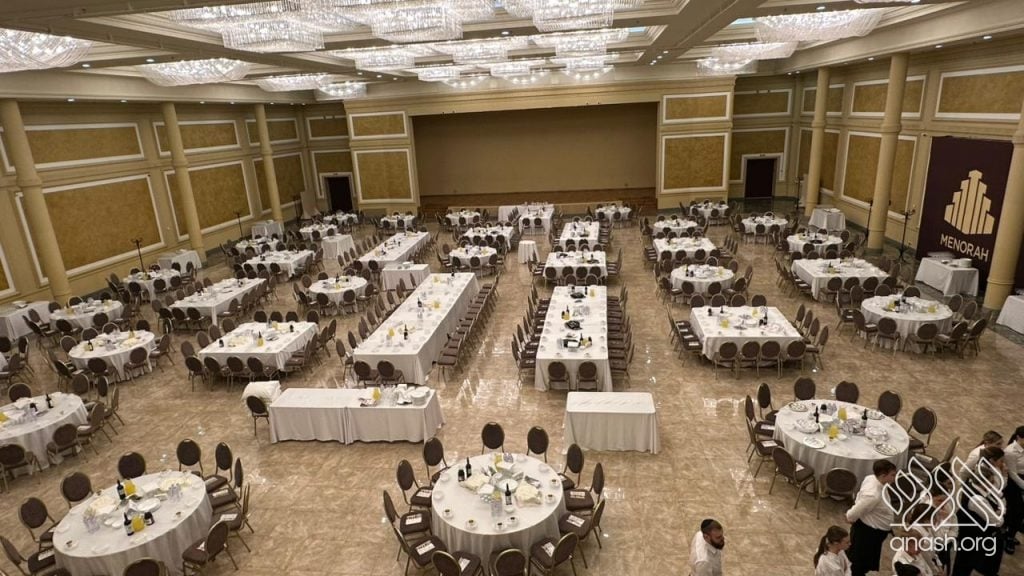
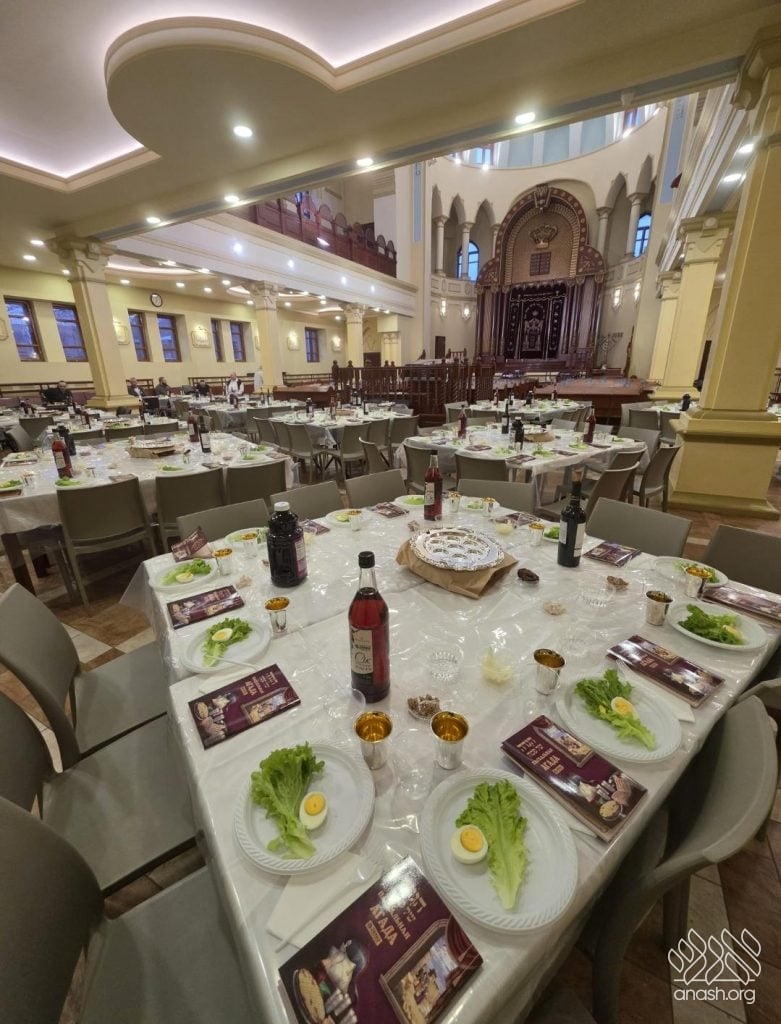
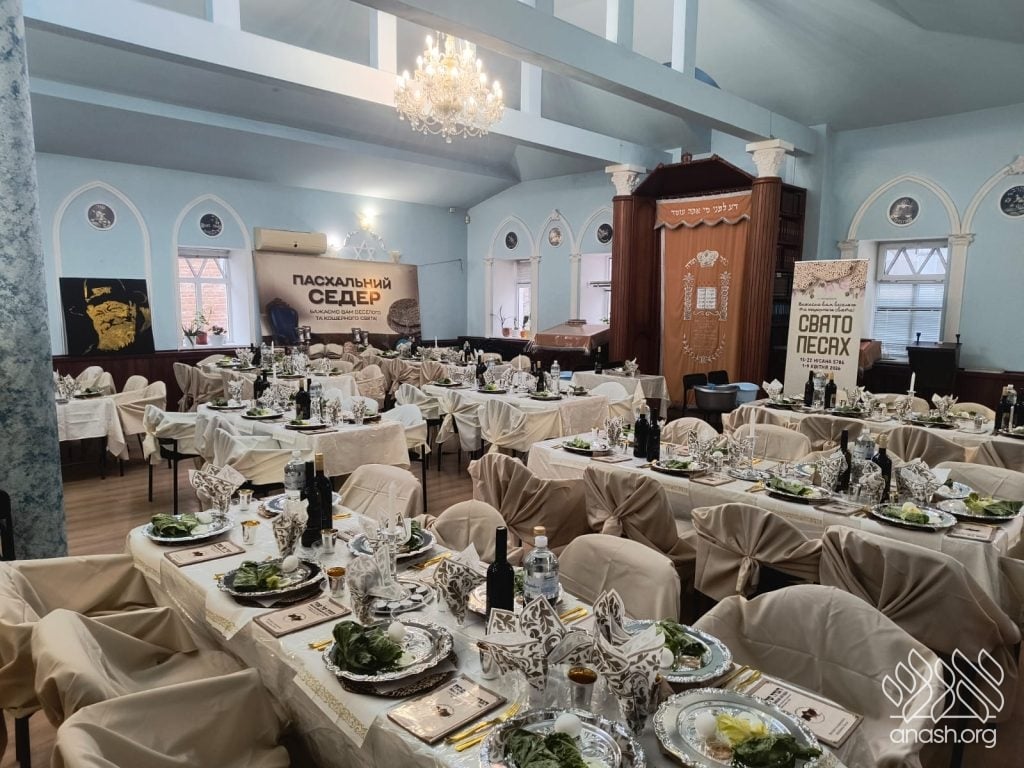
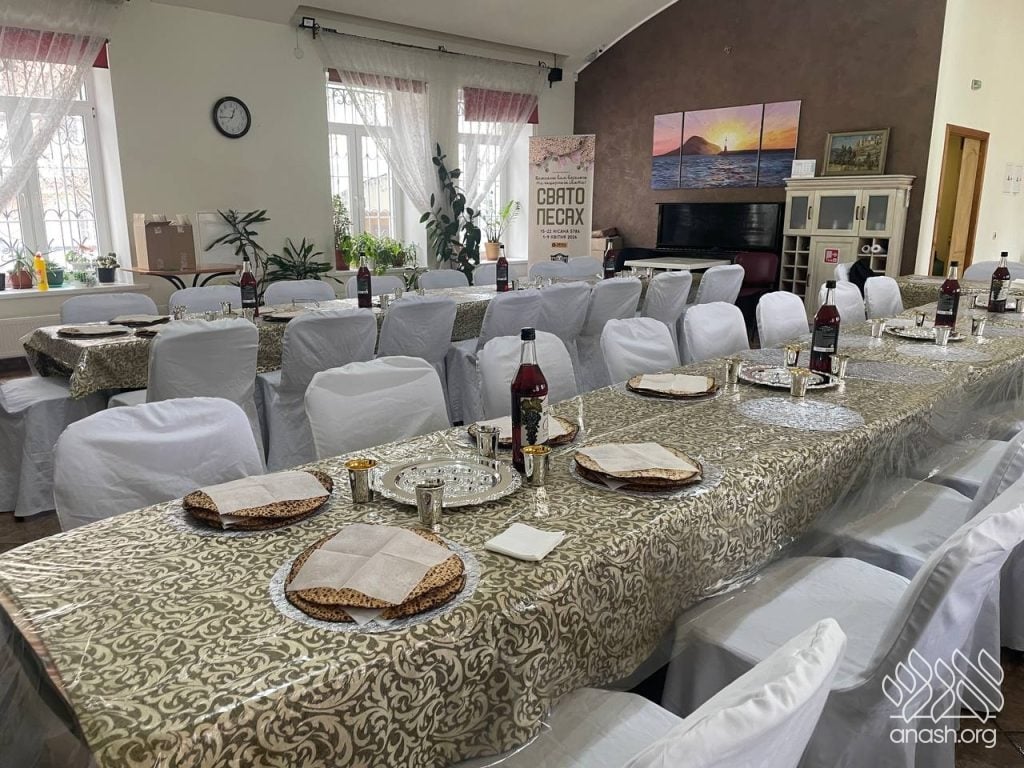
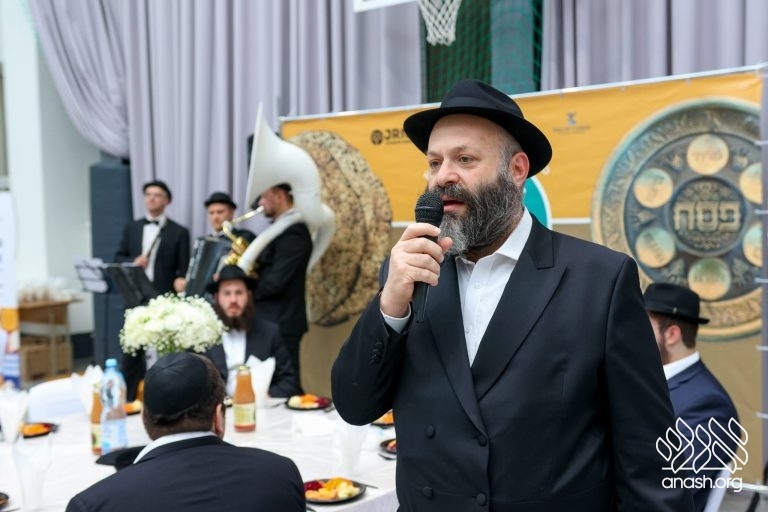
The seders were made possible by the Rebbe’s shluchim and their families, who once again organized public seders across the country, supported by JRNU, Chabad Ukraine’s logistical backbone, which transported tons of matzah shmurah, kosher wine, poultry, meat, and basic food supplies to every corner of the country.
“This incredible infrastructure allowed the shluchim and their communities to enter Pesach more prepared than ever,” said Rabbi Simcha Loewenthal, one of the Rebbe’s shluchim in Kyiv and executive director of the distribution network.
In Zhitomir, despite a heavy drone attack on the eve of Yom Tov, some 180 Jews gathered for the central seder. Separate age-appropriate seders were held for children at the local camp. “The children really enjoyed it – it was special and successful,” said the city’s chief rabbi and shliach, Rabbi Shlomo Wilhelm.
The most dramatic scenes unfolded in Odessa. Around 1,000 Jews gathered for seders led by Rabbi Avrohom Wolf, chief rabbi of Odessa and southern Ukraine, even as missiles struck the city. Children from the local “Mishpacha Ukraine” orphanage were forced mid-seder to take their Haggadahs down to the bomb shelter, where they continued singing and reading until the seder concluded in the early morning hours.
In Zaporizhzhia, just kilometers from the front lines, hundreds attended a seder organized by Rabbi Nachum Ehrentroi.
In Sumy, several missiles and shells landed a short distance from the shul during Yom Tov.
“By the grace of Heaven, no one in the community was hurt,” said shliach Rabbi Yechiel Shlomo Levitansky. “And on the second night, the hall was packed.”
A similar story unfolded in Poltava, where a shell landed on a nearby street right before Yom Tov, yet attendance at the seder led by shliach Rabbi Yosef Yitzchak SegAl was especially strong.
In Chernivtsi, which has become a refuge city for those who fled the front, Rabbi Mendel Glitzenshtein hosted some 300 participants.
“There were moments when not a single dry eye was left in the room,” he recalled.
A senior local doctor who had always claimed he had no time for Yiddishkeit attended a seder for the first time in his life and broke down in tears watching hundreds of Jews sing Mah Nishtanah together. “He said that only now did he understand what he had missed all these years.”
Due to the midnight curfew, participants at the second-night seder stayed for a Chassidishe farbrengen until 4 in the morning, when the curfew lifted.
“This year too,” one of the shluchim summed up, “despite everything, no one was left behind – just as the Rebbe instructed us.”
 COMMENTS


We appreciate your feedback. If you have any additional information to contribute to this article, it will be added below.