



כ״ה ניסן ה׳תשפ״ו | April 11, 2026
Toronto Kinus Torah Concludes with Call for Community Rov
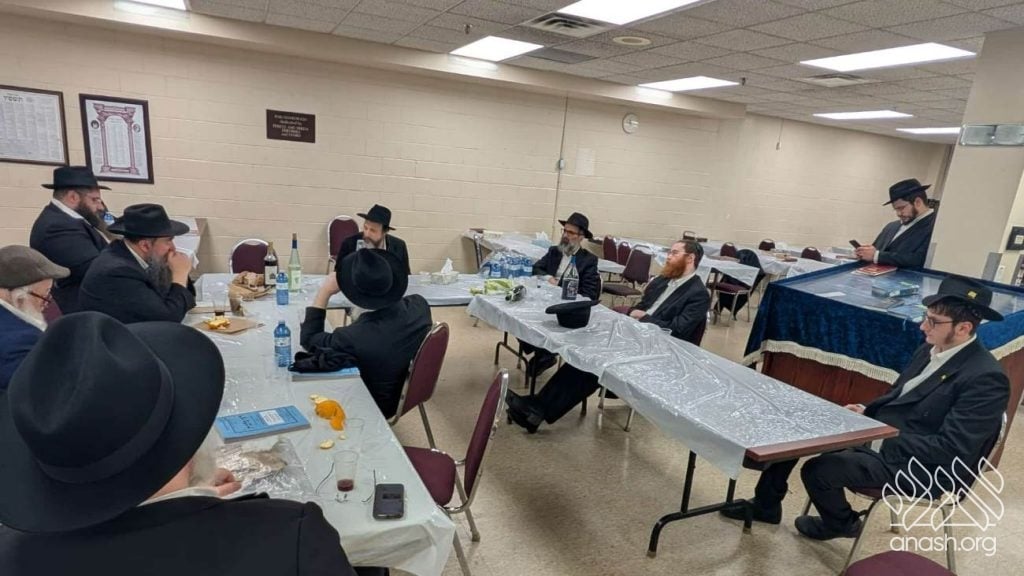
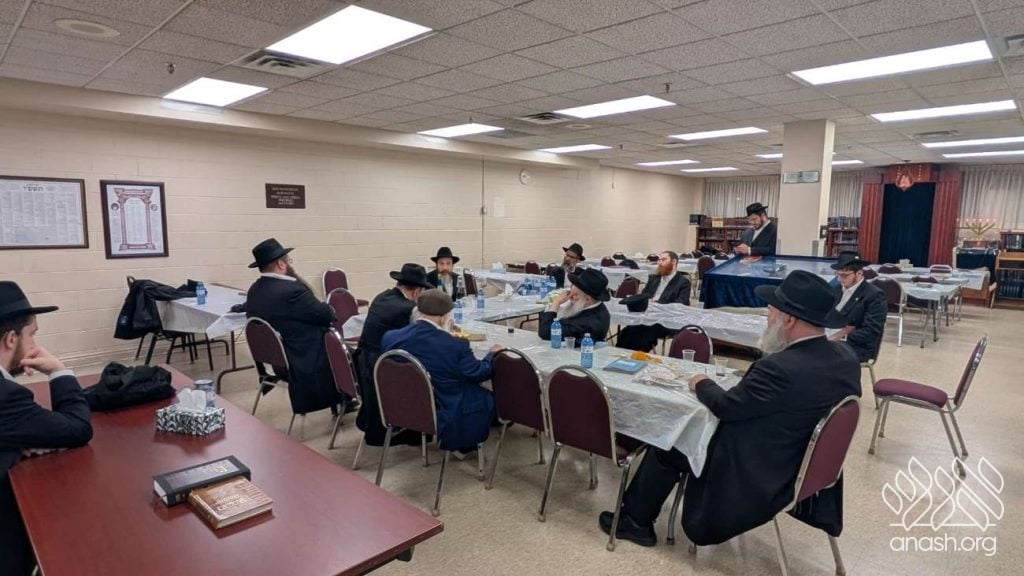
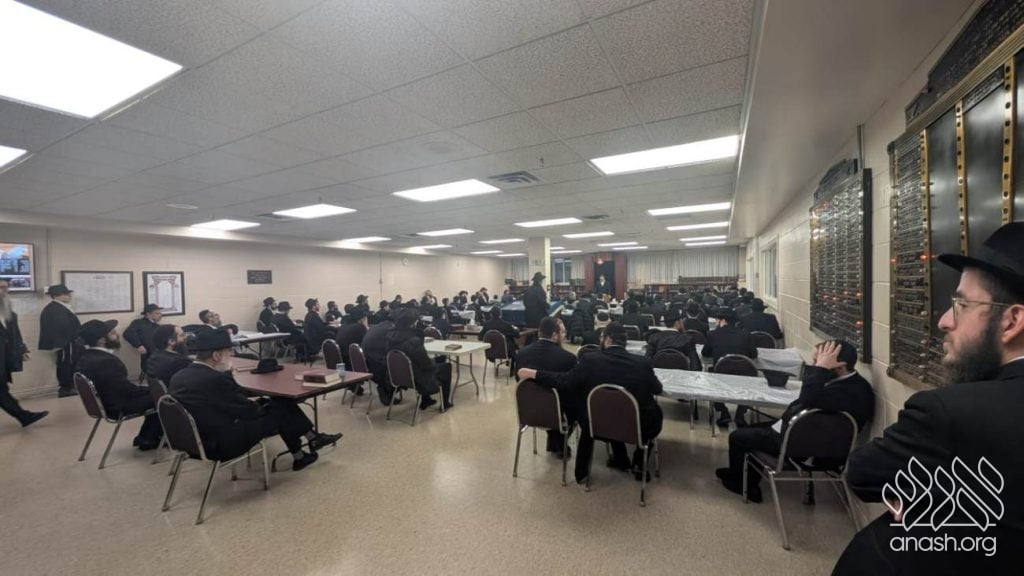
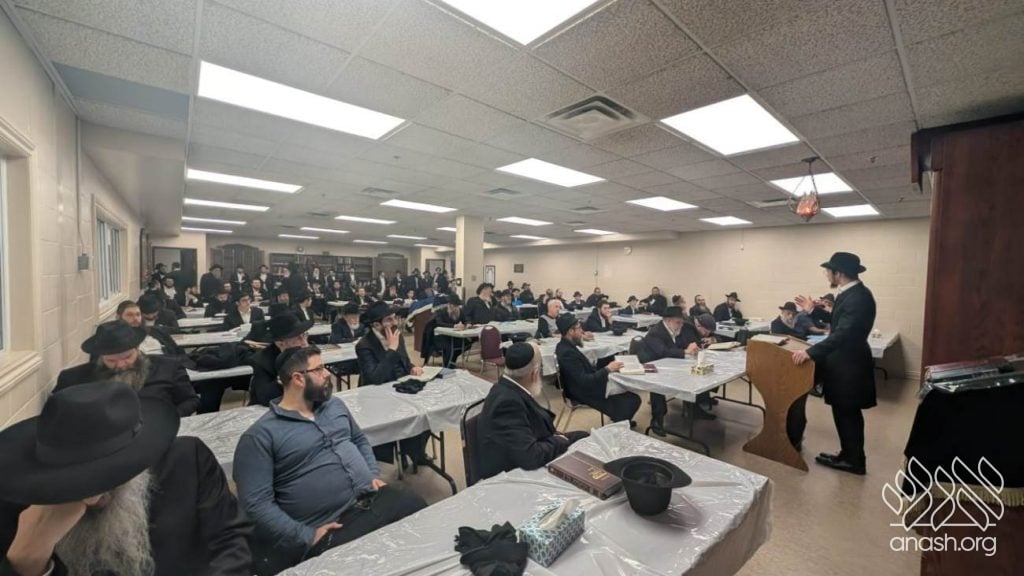
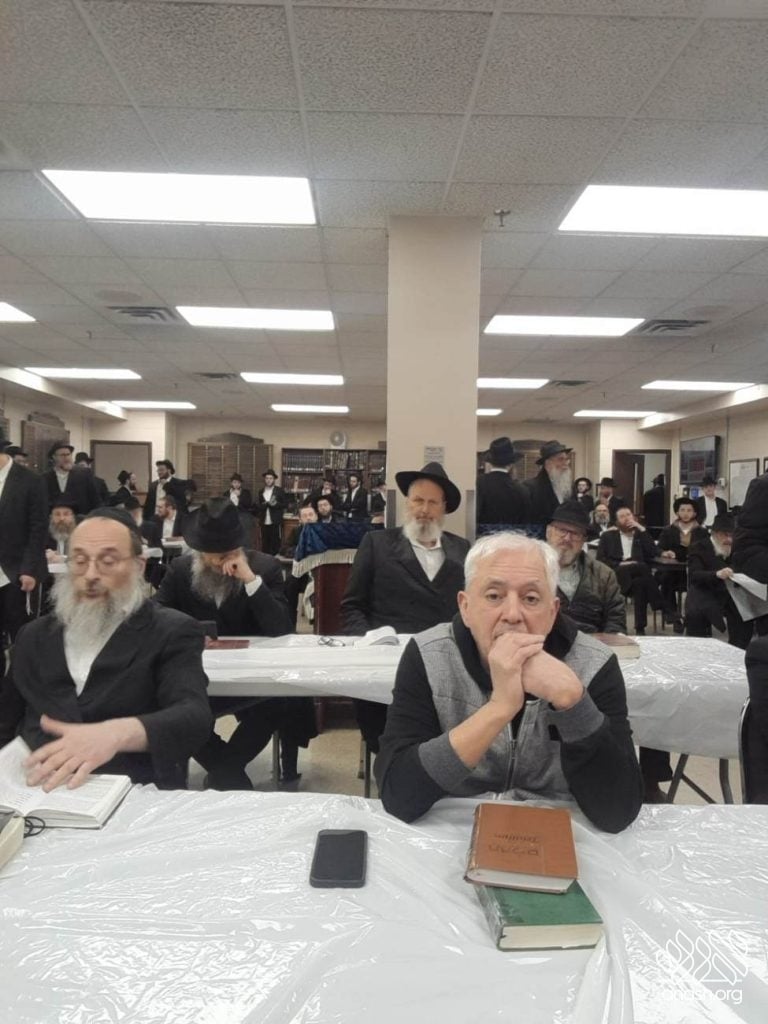
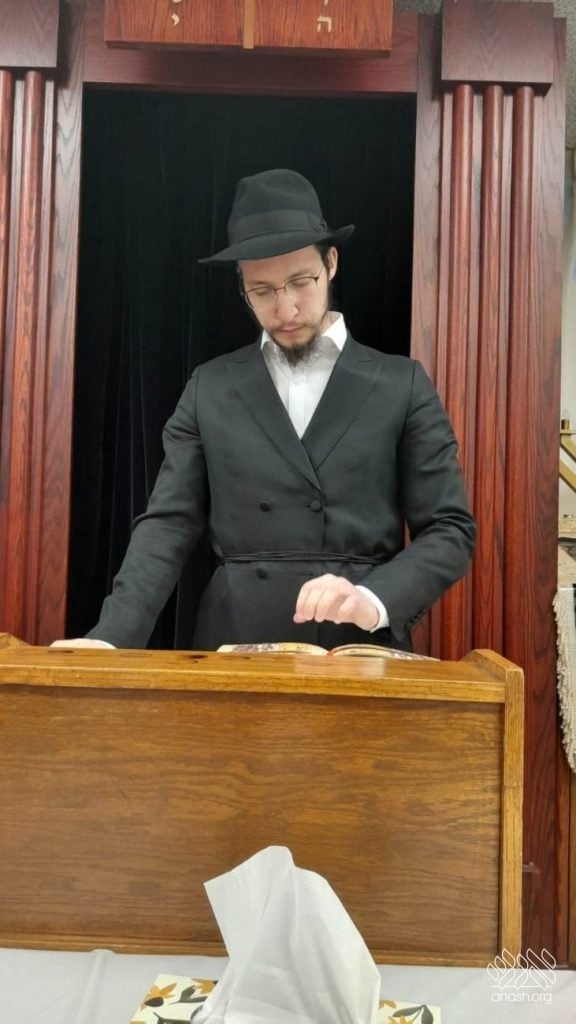
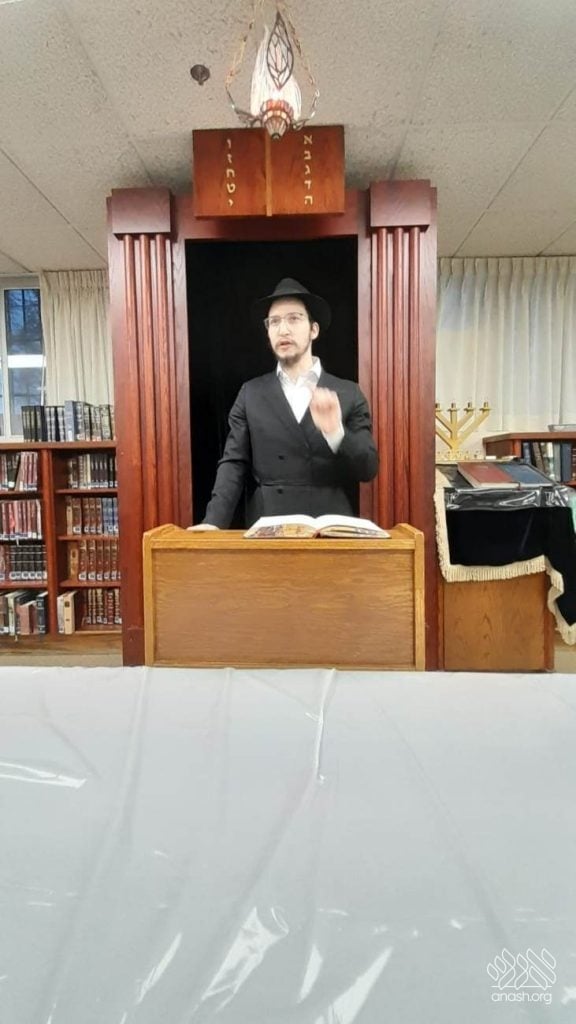
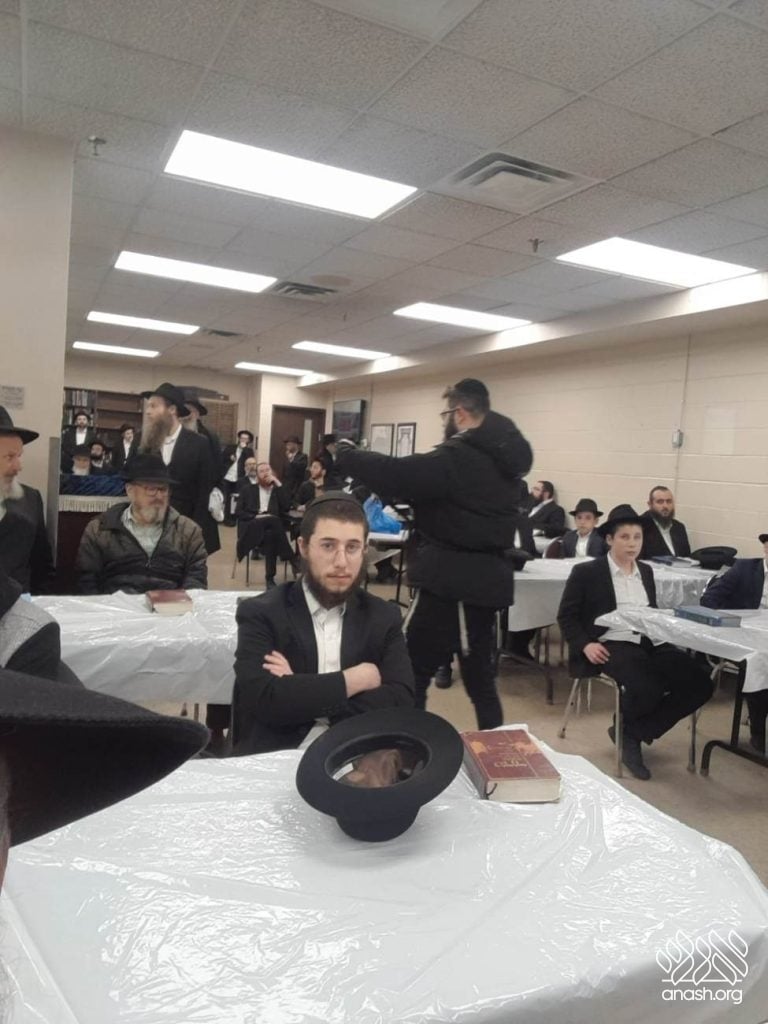
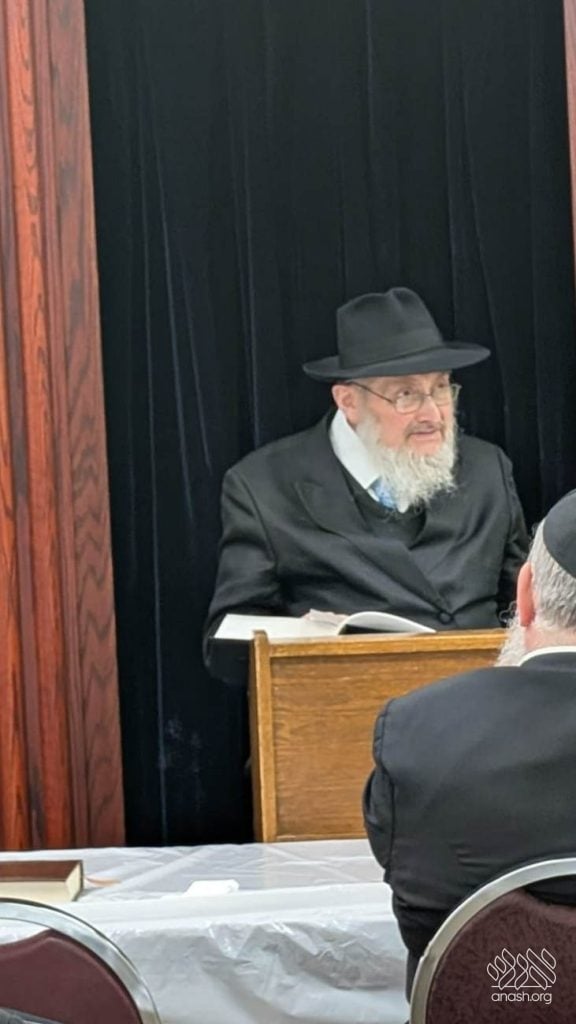
Dozens of anash and bochurim in Toronto, joined by prominent rabbonim and mashpiim visiting for Pesach, gathered for a grand Kinnus Torah at 770 Chabad Gate, in keeping with the Rebbe’s directive to organize Kinnusei Torah throughout the days of Chol HaMoed Pesach.

Dozens of anash and bochurim in Toronto, joined by many guests visiting for Pesach, gathered for a grand Kinnus Torah on Monday, the third day of Chol HaMoed in keeping with the Rebbe’s directive to organize Kinnusei Torah throughout the days of Chol HaMoed Pesach.
The Kinnus was held at 770 Chabad Gate and featured prominent visiting rabbonim and mashpiim.
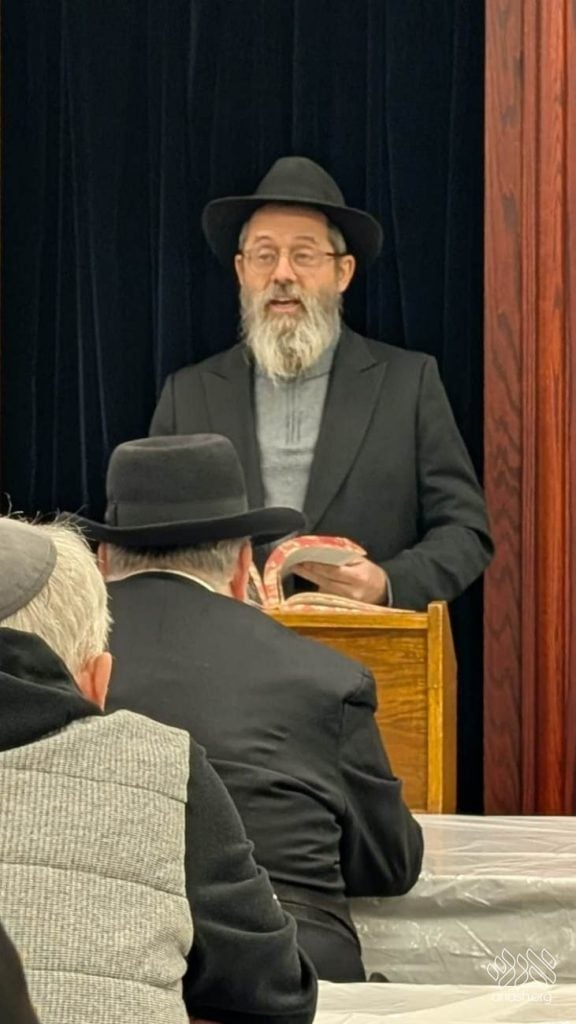
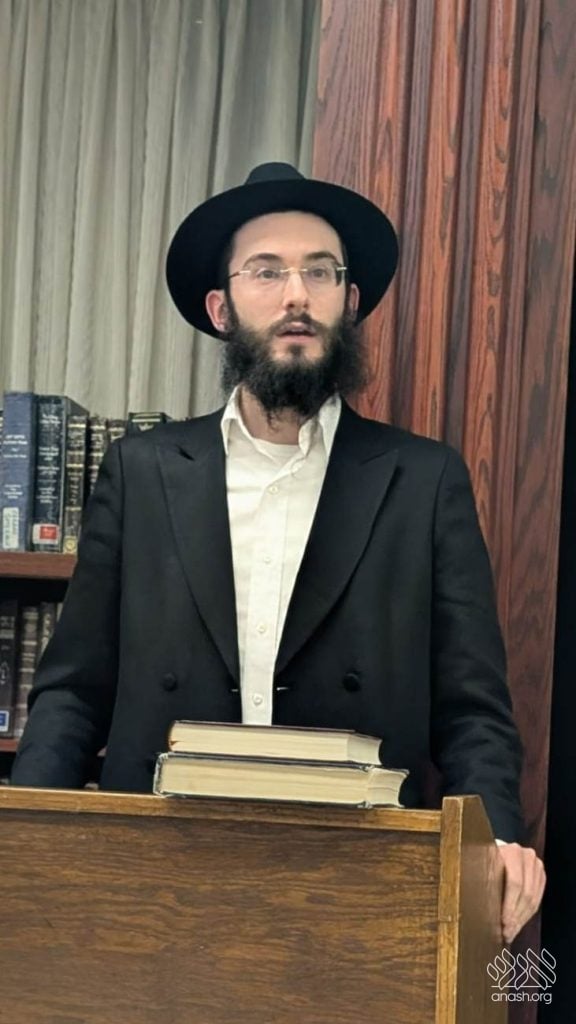
Rabbi Meir Shlomo Zaltzman opened the kinus, setting the tone with an explanation of the obligation to learn Torah during Chol HaMoed – not merely the standard requirement of one perek in the morning and one at night, but an obligation that rests on every individual.
He also elaborated on the concept of dmei kedima – money given in advance for a child’s yeshiva education – in connection with the Rebbe’s bris, marked the day prior, noting that this obligation seemingly applies not only to the parent but to the sandek as well.
Rabbi Zaltzman then introduced the renowned mashpia Rabbi Asher Farkash of Buenos Aires, Argentina.
Rabbi Farkash addressed a well-known question: The Alter Rebbe in Tanya refers to davening as a mitzva d’Oraisa, which is seemingly only the shitas HaRambam and a daas yachid among the poskim. Reb Chatche Feigin offers an answer to this question, though the Rebbe, in a letter in Reshimos, writes that this answer is not satisfactory.
Rabbi Farkash explained the Rebbe’s own approach: The Alter Rebbe in Tanya is not limited to halacha – the Tanya can discuss inyanim on their own terms, even if they do not reflect the accepted halachic ruling, and therefore the Alter Rebbe can speak of davening as min haTorah regardless of it being a daas yachid. Rabbi Farkash also addressed the concept of Yetzias Mitzrayim and its connection to Krias Shema, referencing the Rebbe’s sicha of Yud Aleph Nissan 5742.
Renowned professor Rabbi Naftali Lowenthal of London addressed the crowd on how Chassidus explains that a person can have a hergesh – a genuine feeling – for the Atzmus of Hashem, emerging from a hergesh halev, even when the intellect cannot grasp it, and elaborated on this concept at length.
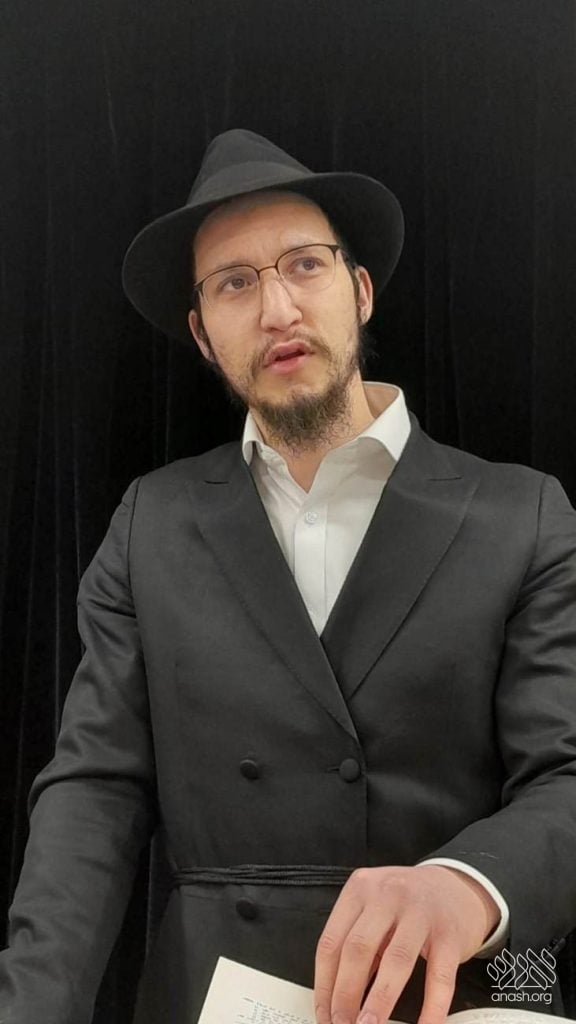
Rabbi Ahron Dovid Rapaport, mashpia at the mesivta in Toronto, presented a chiddush of the Alter Rebbe in the halachos of hagalah: that something which was batel in a heter, and that heter subsequently became issur, even if it was batel in a manner of libbun, requires only hagalah. He elaborated on this chiddush and its underlying reasoning at length.
Rabbi Rapaport then turned to the halachic principle of rabbinic leadership – that a community rav must have the acceptance and backing of the broader community. True rabbinic authority, he explained, is not an administrative position but a relationship of leadership, and a community that appoints a rav without broad communal consent undermines that foundation.
He concluded with a direct call to the Toronto community to come together and bring a rav through a vote of the whole community.
VIDEOS:
Rabbi Farkash
Rabbi Lowenthal
Rabbi Rapoport
 COMMENTS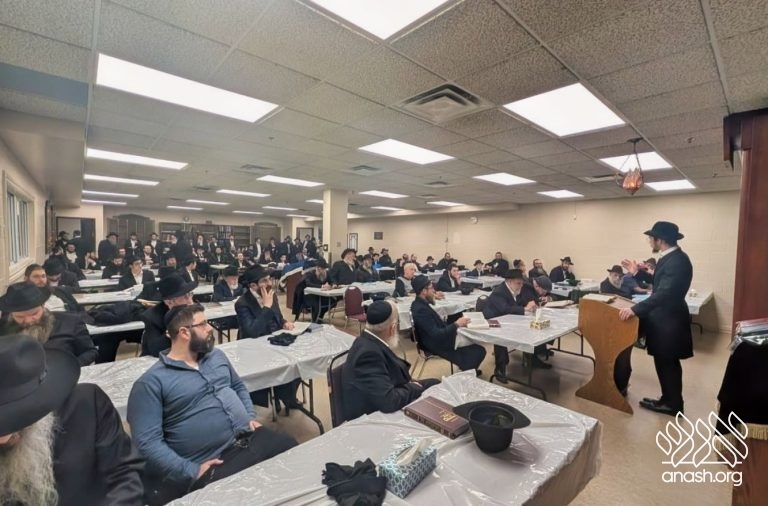


We appreciate your feedback. If you have any additional information to contribute to this article, it will be added below.