




י״ט תמוז ה׳תשפ״ה | July 15, 2025
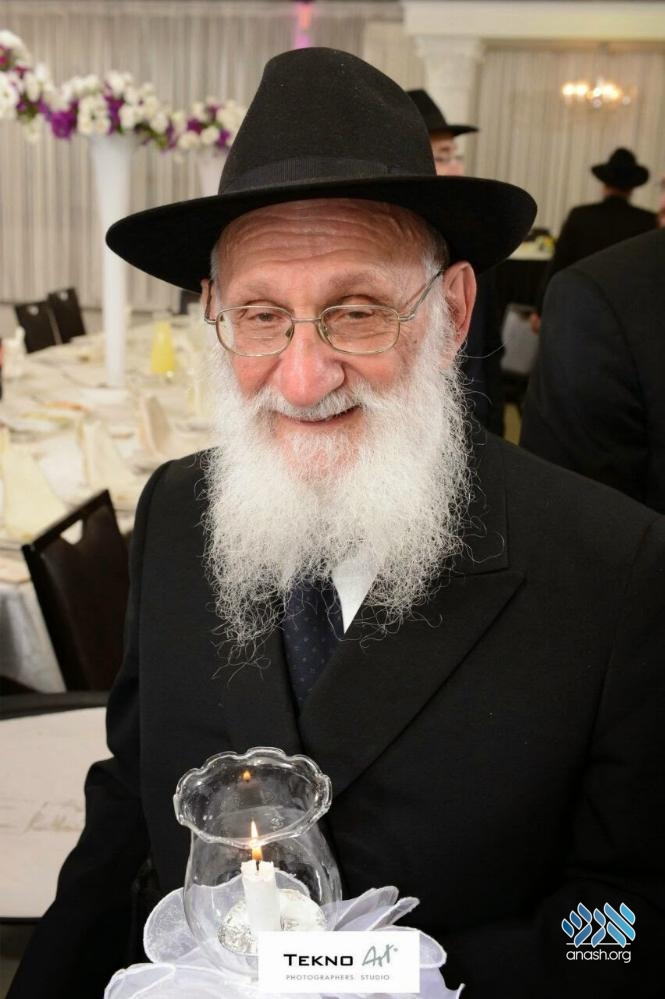
Rabbi Leibel Posner, 97, AH
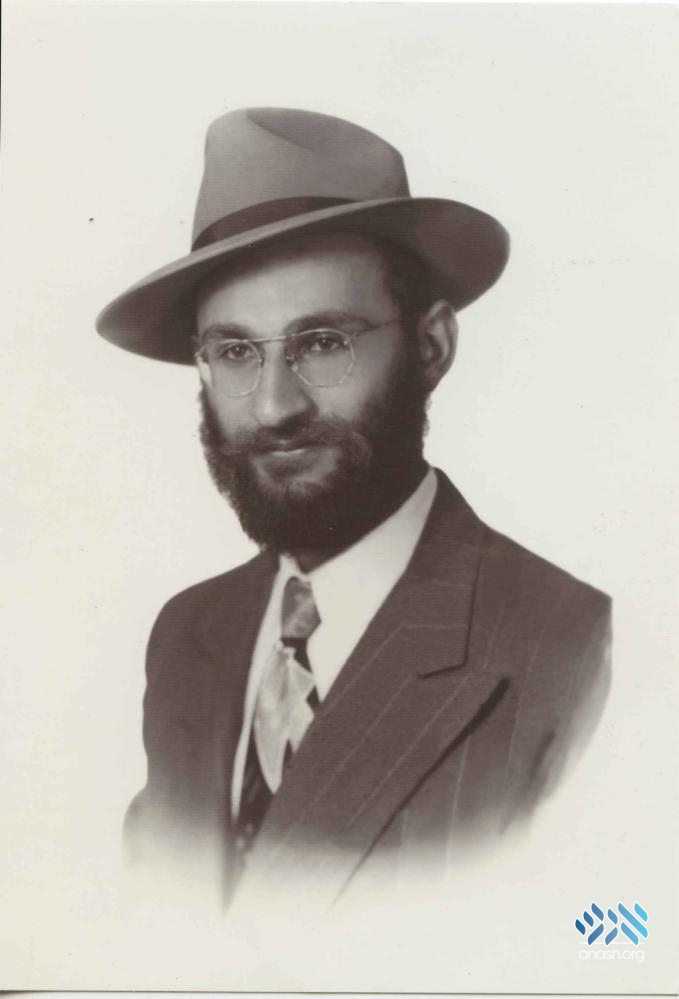
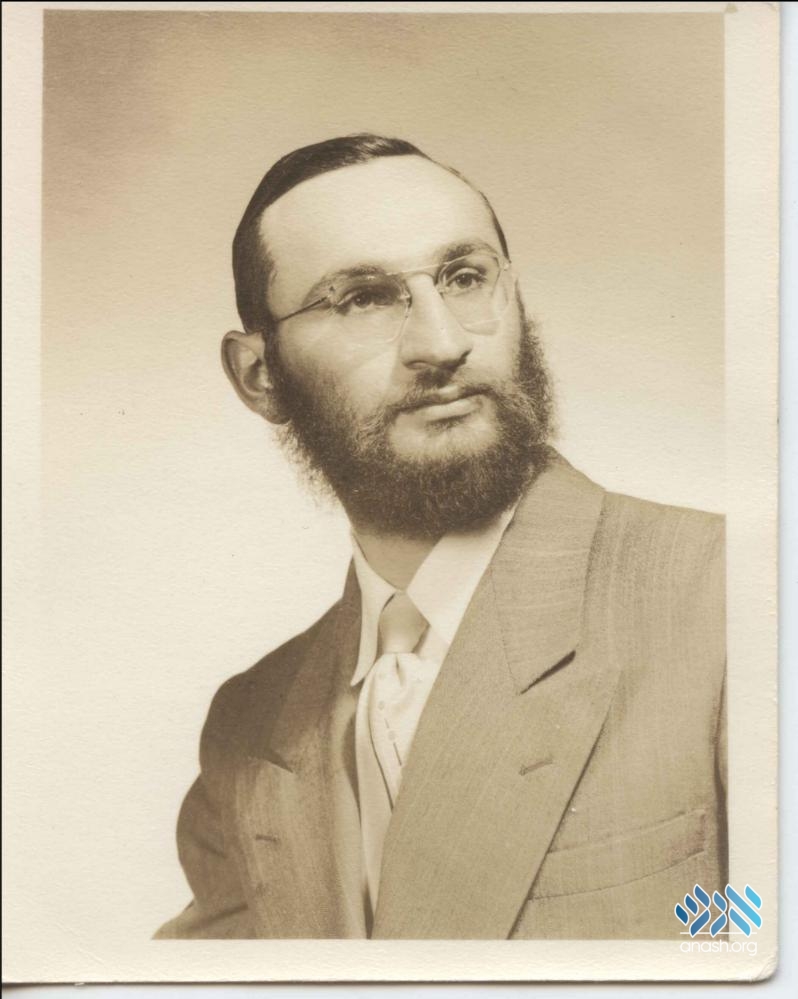
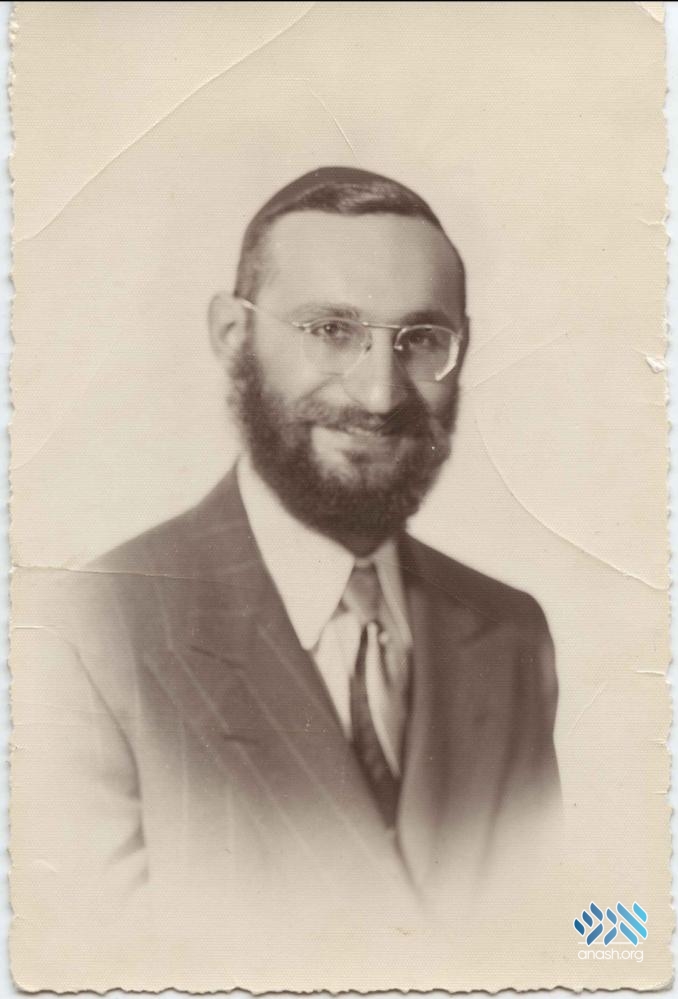
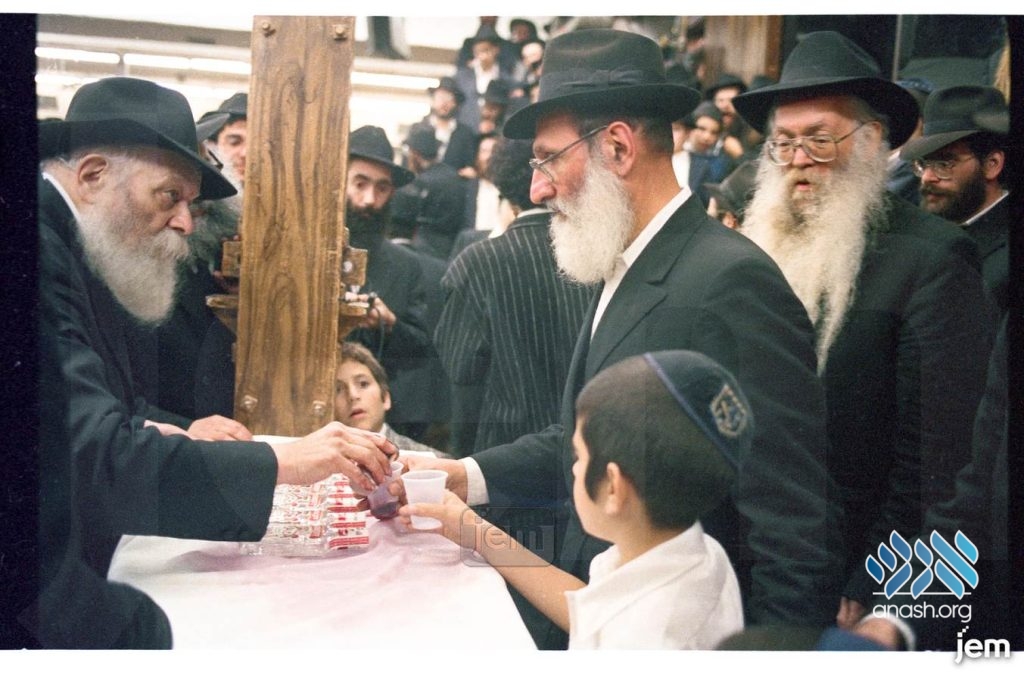
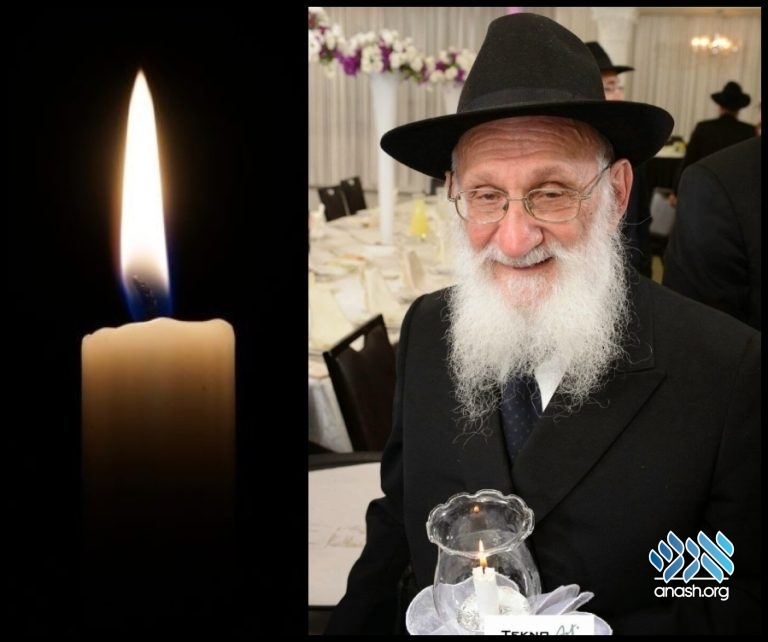
Rabbi Leibel Posner, a senior chossid who was among the first American temimim and the first one to merit the Rebbe being mesader kidushin as Rebbe, passed away on Tuesday, 19 Tammuz. The levaya will pass 770 on Wednesday at 10:45 am.
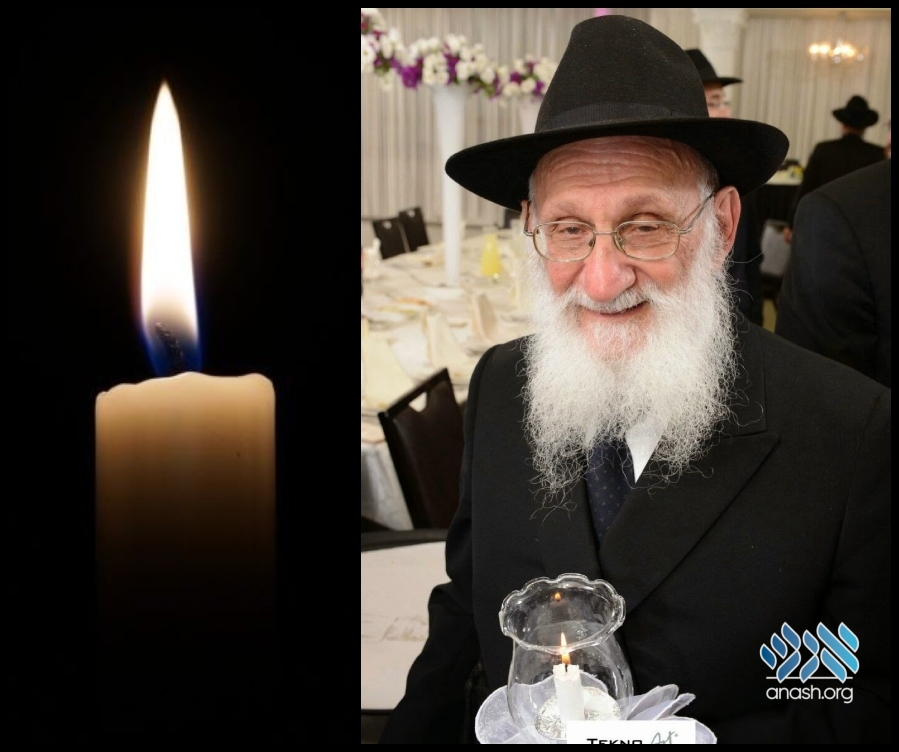
Rabbi Leibel Posner, a senior chossid who was among the first American temimim and the first one to merit the Rebbe being mesader kidushin as Rebbe, passed away on Tuesday, 19 Tammuz.
Rabbi Leibel Posner, a senior chossid who was among the first American temimim and the first one to merit the Rebbe being mesader kidushin as Rebbe, passed away on Tuesday, 19 Tammuz.
He was 97 years old.
Born on 11 Nissan 5688 (1928) in Eretz Yisroel to Rabbi Shalom and Chaya Posner, he was named Yehuda Leib after his maternal grandfather. When he was one year old, the family emigrated to the United States, at the instruction of the Frierdiker Rebbe, to dedicate themselves to spreading Yiddishkeit.
The family first settled in Linden, New Jersey, later moving to Chicago. His older brother, Rabbi Zalman Posner, was sent to Brooklyn to learn in Tomchei Tmimim, and in 5701 (1941), Leibel joined him at age 12.
Prior to his bar mitzvah, which was held in Chicago during the Pesach break, he and his brother Zalman entered the Frierdiker Rebbe’s room for yechidus. The Rebbe inquired about their travel plans—making sure the bus home was heated and that they’d be able to put on tefillin and pray. He then expressed his satisfaction with their progress and remarked, “You are my children. You are physical children of your parents and you are my spiritual children.”
He was part of the first group of younger bochurim to learn in the newly established younger division of the Central Yeshiva Tomchei Tmimim, and spent his formative years learning in the Rebbe’s daled amos. After completing his studies, he trained as a shochet and received the necessary certification.
In Adar 5708 (1948), the Frierdiker Rebbe founded “Merkos Shlichus” to distribute Kehos seforim and spread Yiddishkeit. Leibel was the first bochur sent, visiting Jewish communities in New Jersey and Pennsylvania.
Before he left, he was granted a yechidus with the Frierdiker Rebbe. Ailing and frail, the Rebbe leaned forward in his seat and said, “When you meet another person, make sure that you look for his strong points. At the same time, do not overlook his weak points. The Torah has some large letters and some small letters. Chassidim used to say: We need to see a person’s fine qualities in big letters, and take note of their shortcomings with small letters,” for the sake of helping to correct them. The Rebbe then bentched him with success.
After the histalkus of the Frierdiker Rebbe, he was among the select group tasked with preparing the kever. During the levaya, the Rebbe instructed him personally to accompany the aron to the beis hachaim, along with R’ Shmuel Levitin, R’ Yisroel Jacobson, and R’ Berel Rivkin.
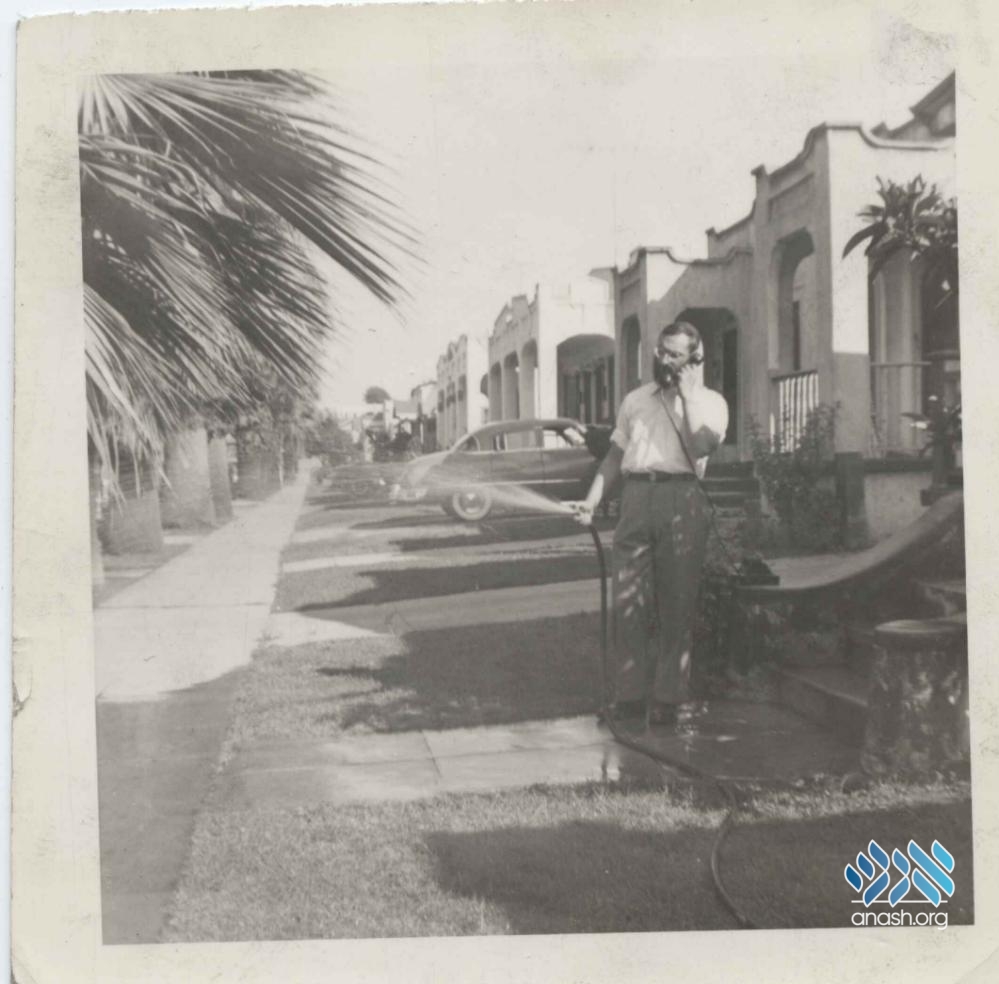
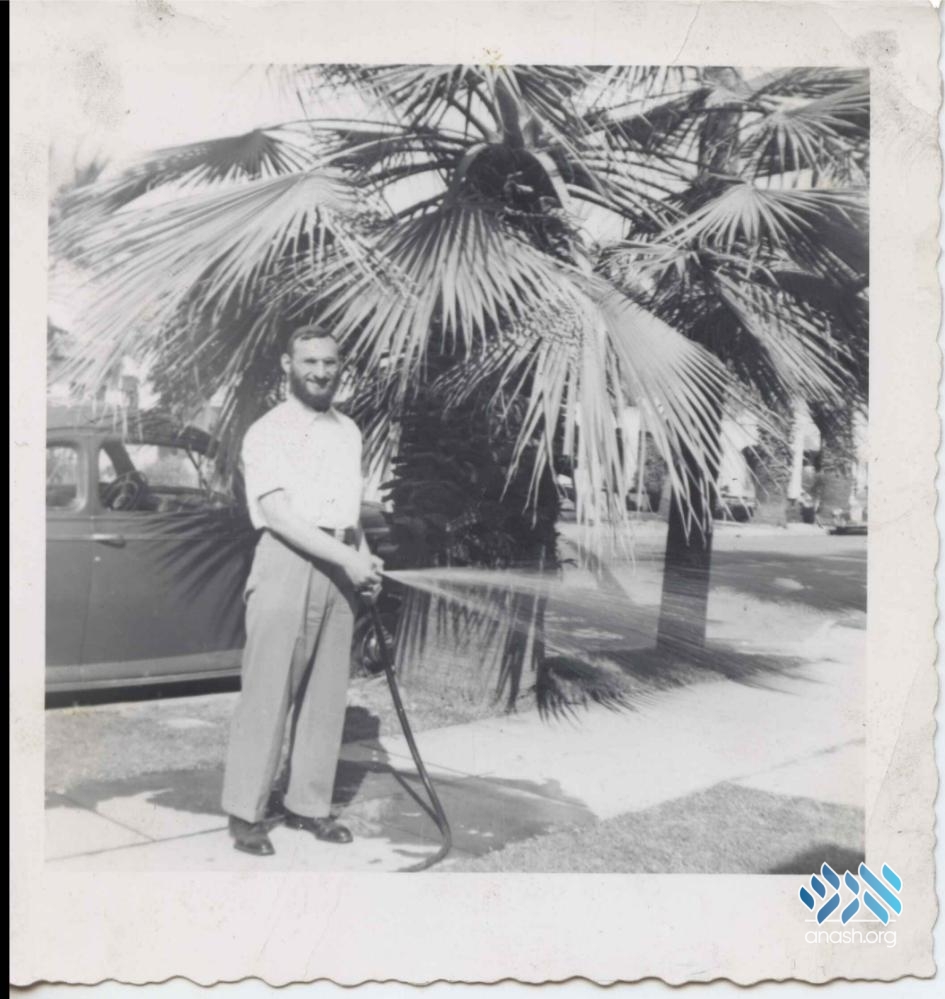
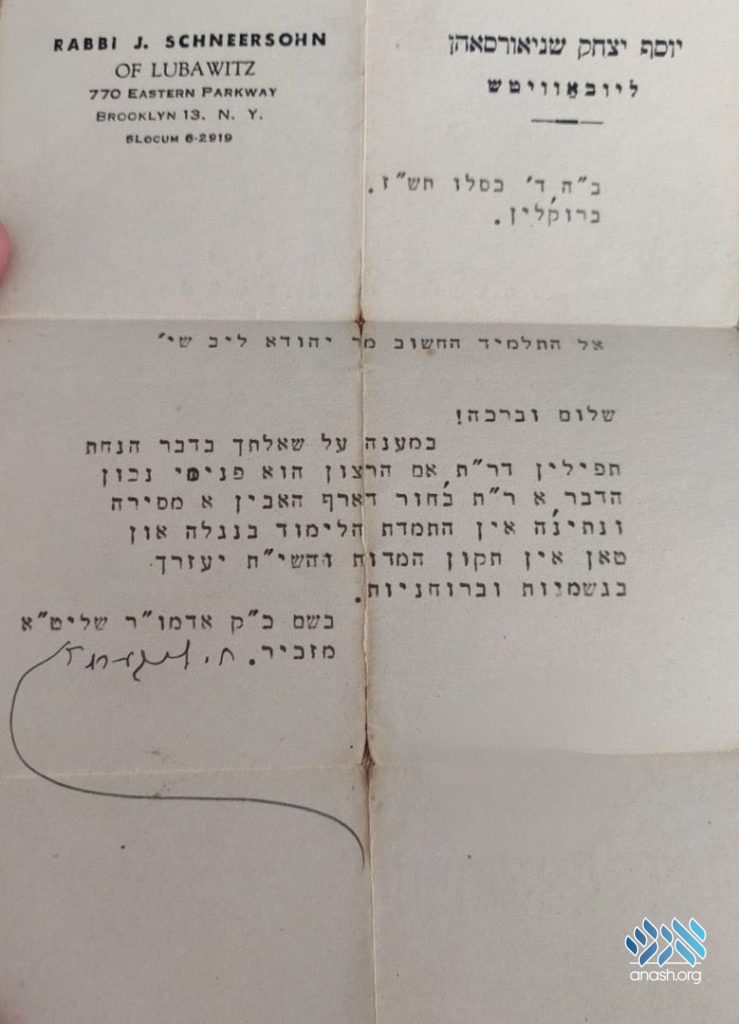
In Elul 5710, Rabbi Posner was sent on shlichus to California at the Rebbe’s directive. The Rebbe sent a letter to a local activist requesting that he assist the young shliach in every way.
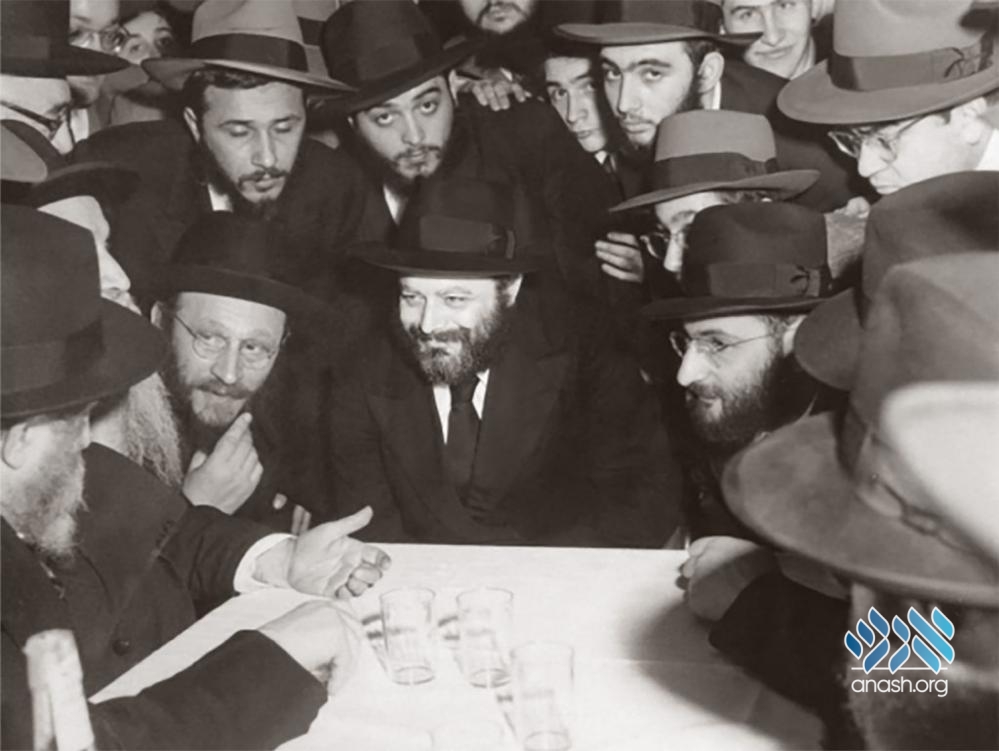
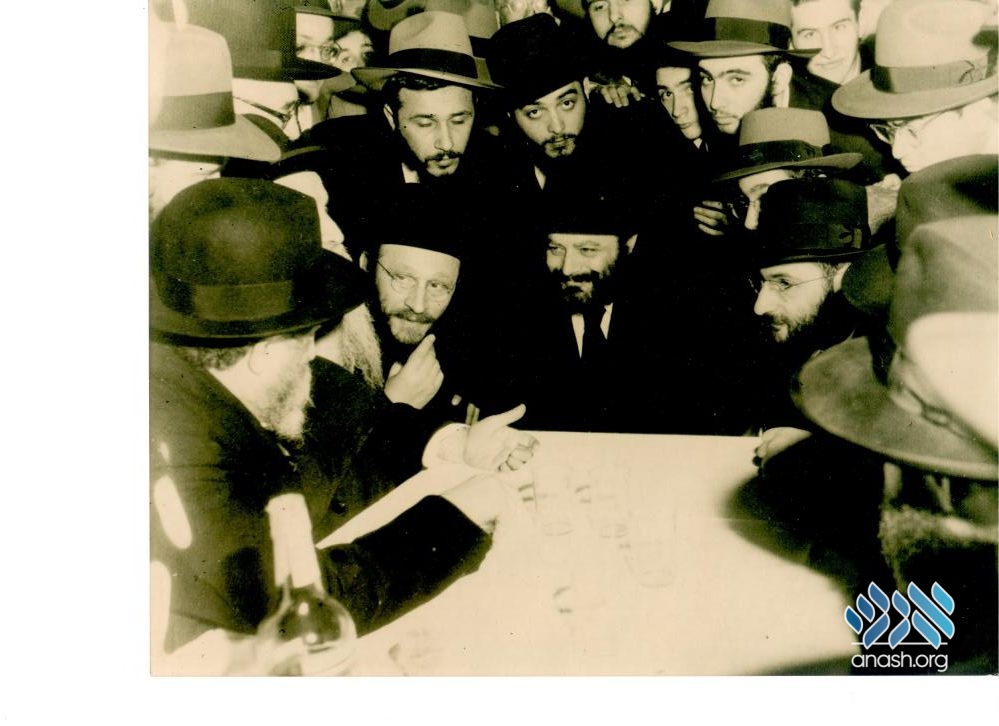
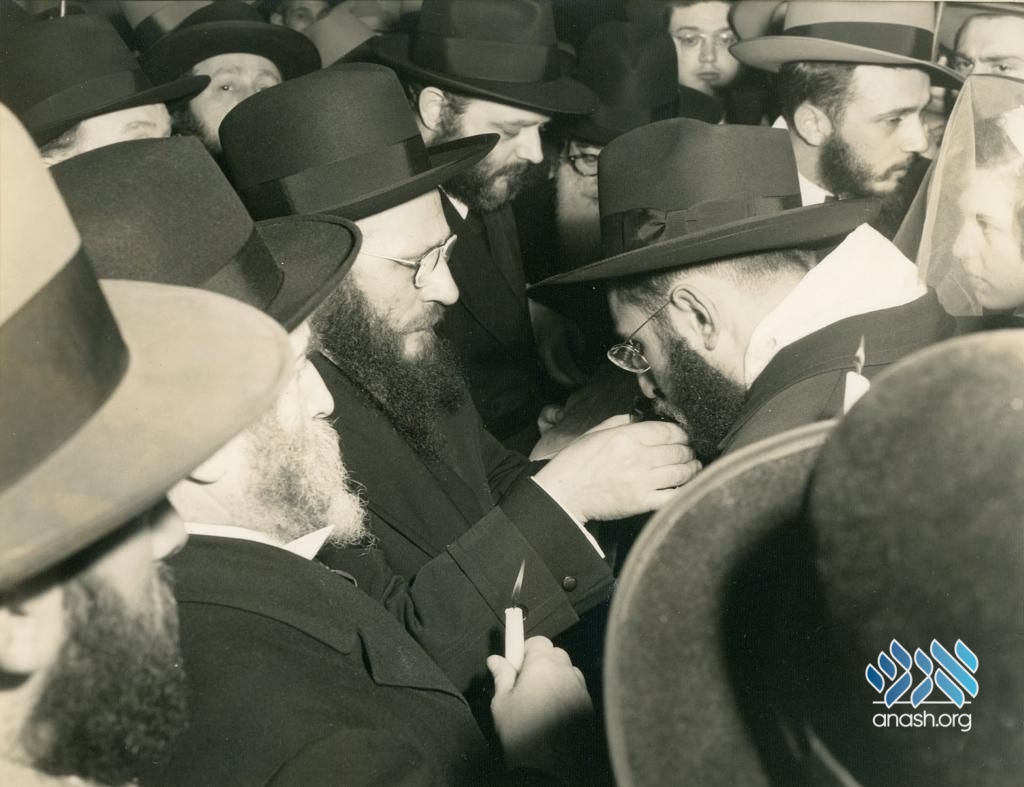
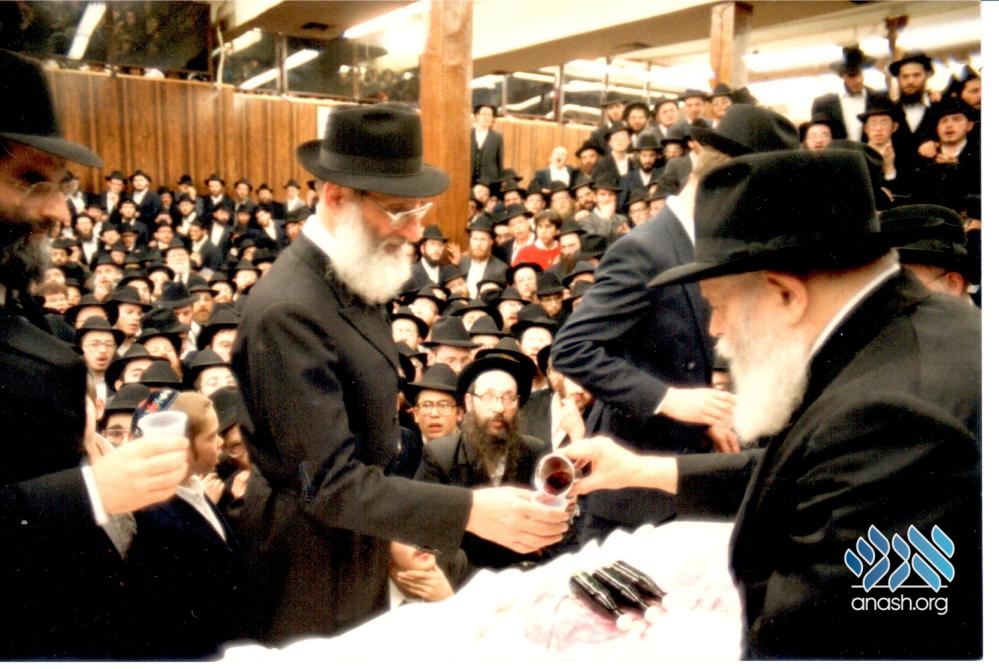
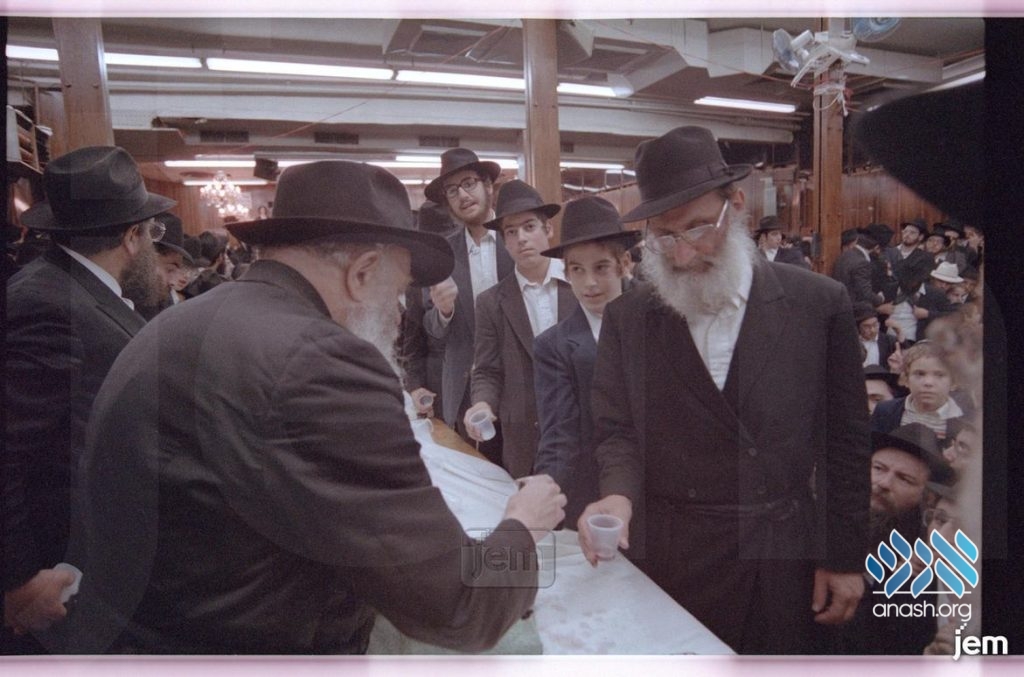
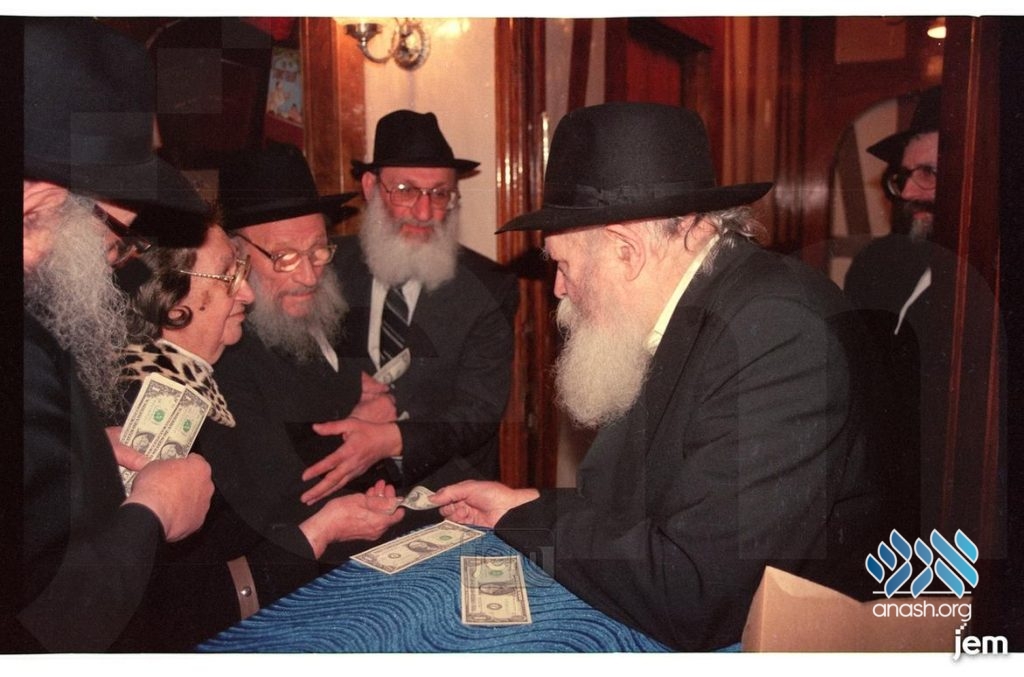
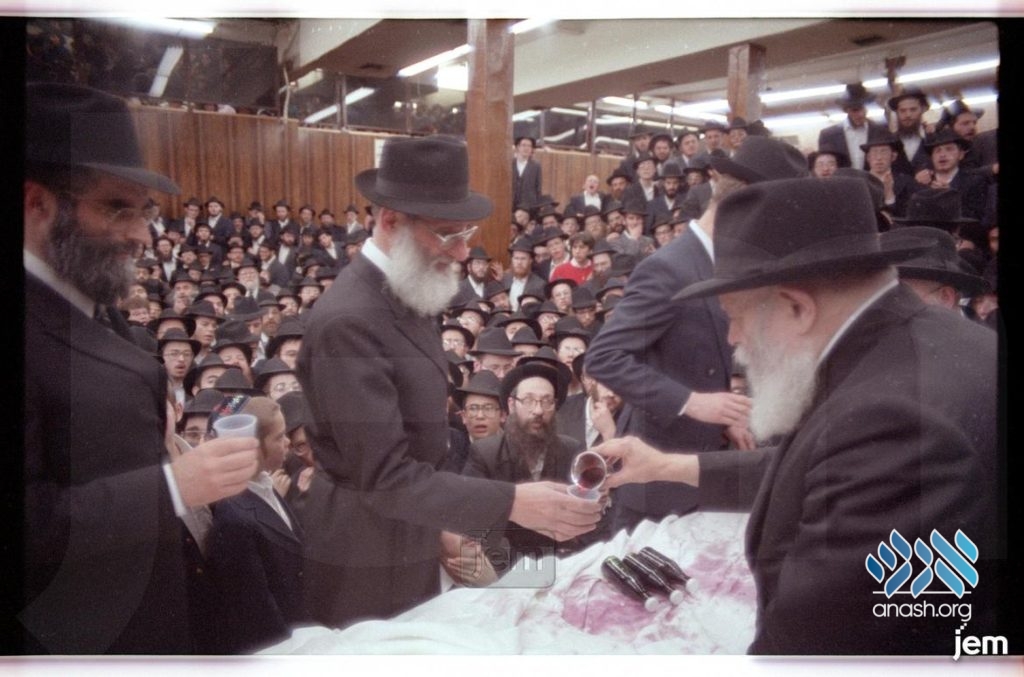
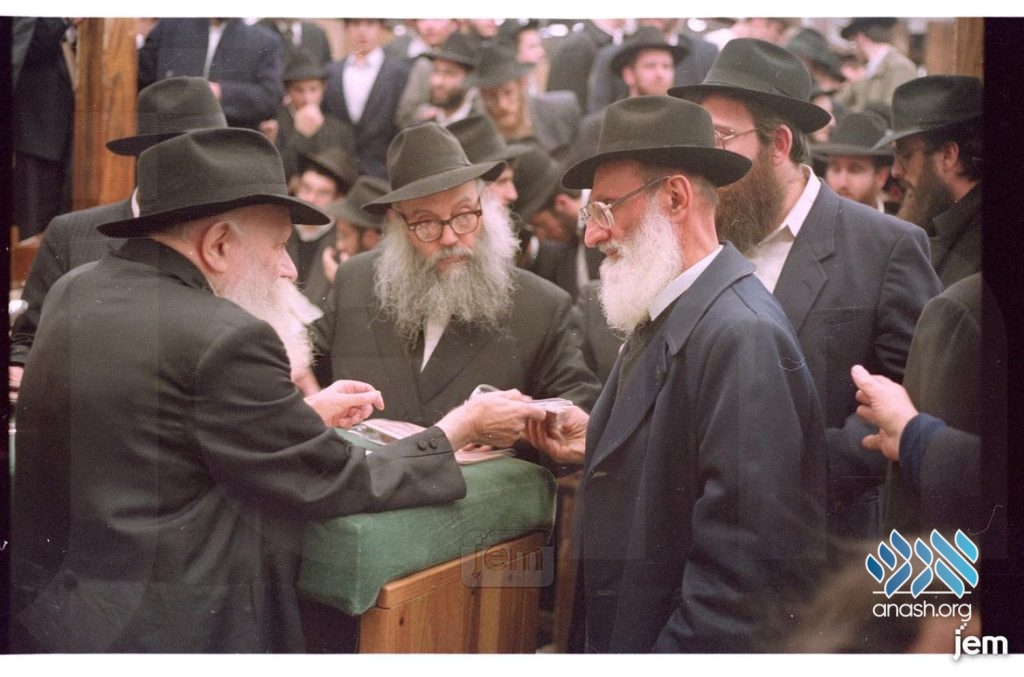
On 30 Shevat 5711 (1951), he married Esther Tirtza (née Freimark). Their wedding was the first chasunah at which the Rebbe officiated after the conclusion of the year of aveilus. The Rebbe served as mesader kiddushin, recited all the sheva brachos, and delivered a brief sicha.
Shortly thereafter, the couple set off by train to Los Angeles, where the Rebbe had sent R’ Leibel several months before. His posting in California and the Rebbe’s insistence that he stay there meant that he was not present at the Rebbe’s official acceptance of the position on Yud Shvat, just three weeks before the wedding.
In California, they piloted the Rebbe’s concept of shlichus. While the Frierdiker Rebbe’s shluchim went to run a school, take a rabbinical post in an established shul or serve as a shochet, they were to take a more holistic approach, seeing what needed to be done and how they could bolster Yiddishkeit as a whole.
In 1953, they took up a position in Marinette, Wis., where he served as rabbi, schochet, and Torah teacher for the entire region, stretching into Michigan’s Upper Peninsula. Decades later, his students would recall him as unique. Bearded and devout, he spoke English like them, played baseball with them, and made Judaism fun and relevant.
“He taught us always to do what’s right, it does not matter what conventional wisdom is,” recalled onetime student Charles Lavine, who now serves as a member of the New York State Assembly. “I loved him.”
Posner’s teaching career then took him to southern New Jersey, where he taught in the local day school.
Then in New York, he taught in the German-Jewish Yeshiva Rabbi Shamson Raphael Hirsch in Washington Heights. The school’s director, Rabbi Dr. Joseph Breuer, would note with satisfaction that the Chassidic instructor made sure to include in his lessons teachings of the leaders of the German-Jewish Orthodox community of the previous generations.
His other postings included teacher and principal in the Chabad school in the Bronx, dean at Beth Rivkah in Brooklyn, and shochet and kosher supervisor at many facilities.
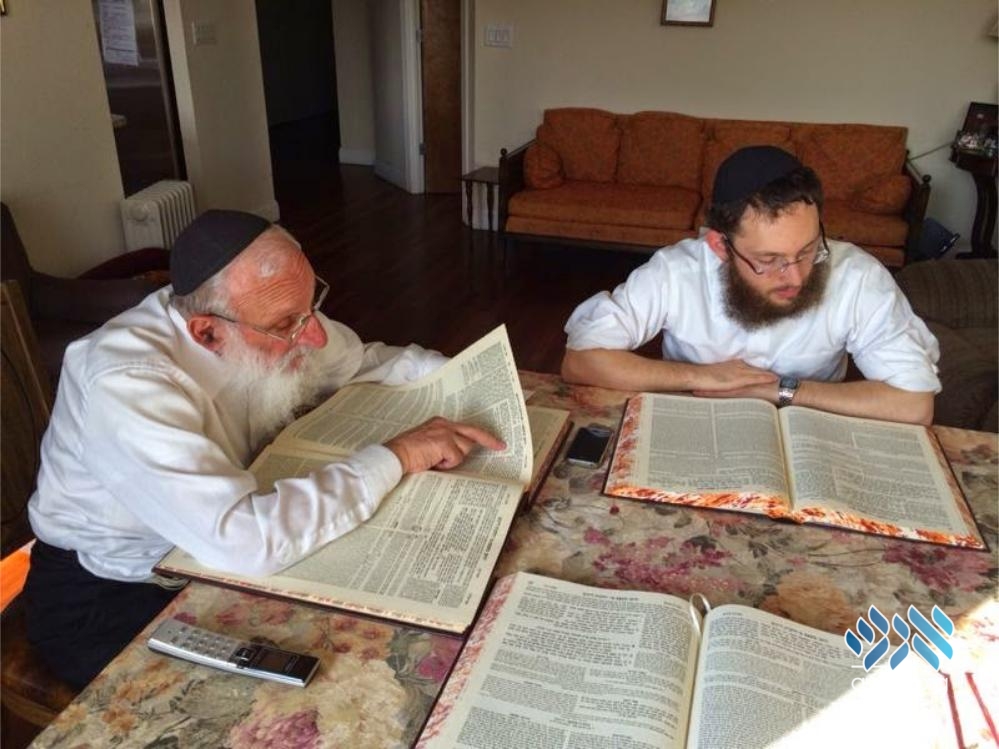
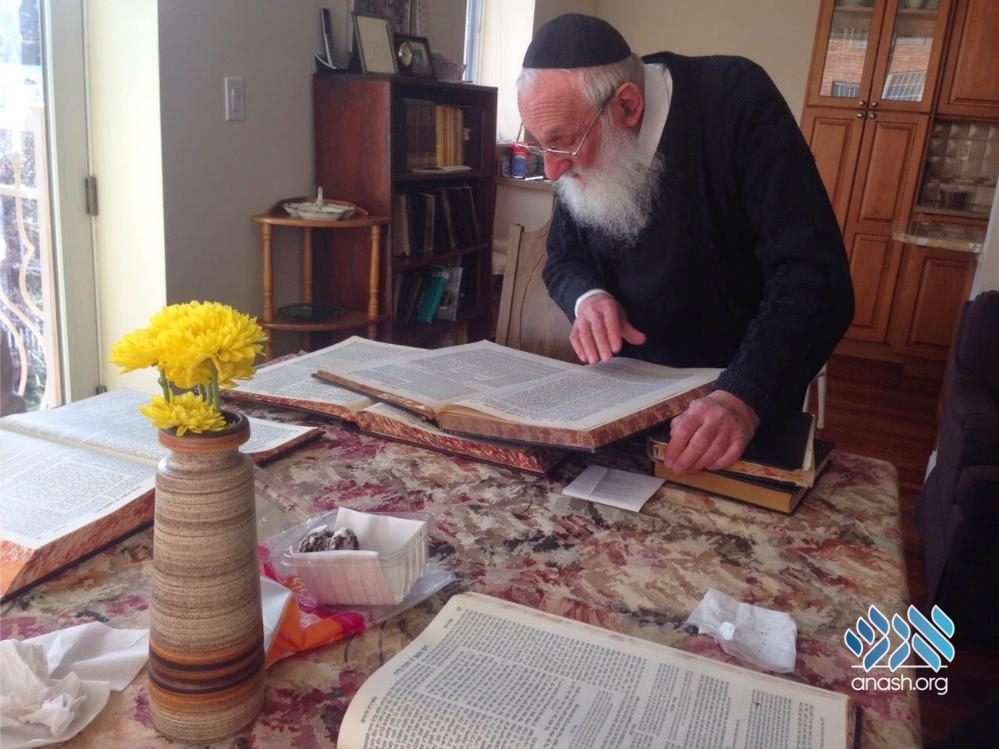
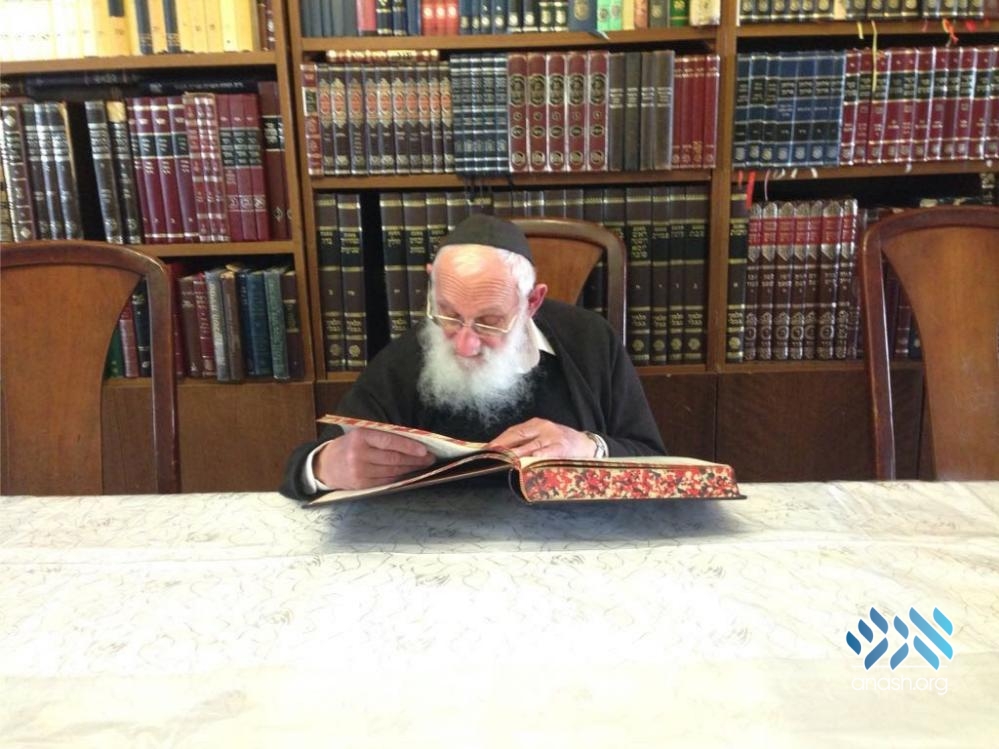
In his later years, his primary occupation was Torah study, and he loved nothing more than to share a novel Torah thought on the weekly Torah portion or upcoming holiday.
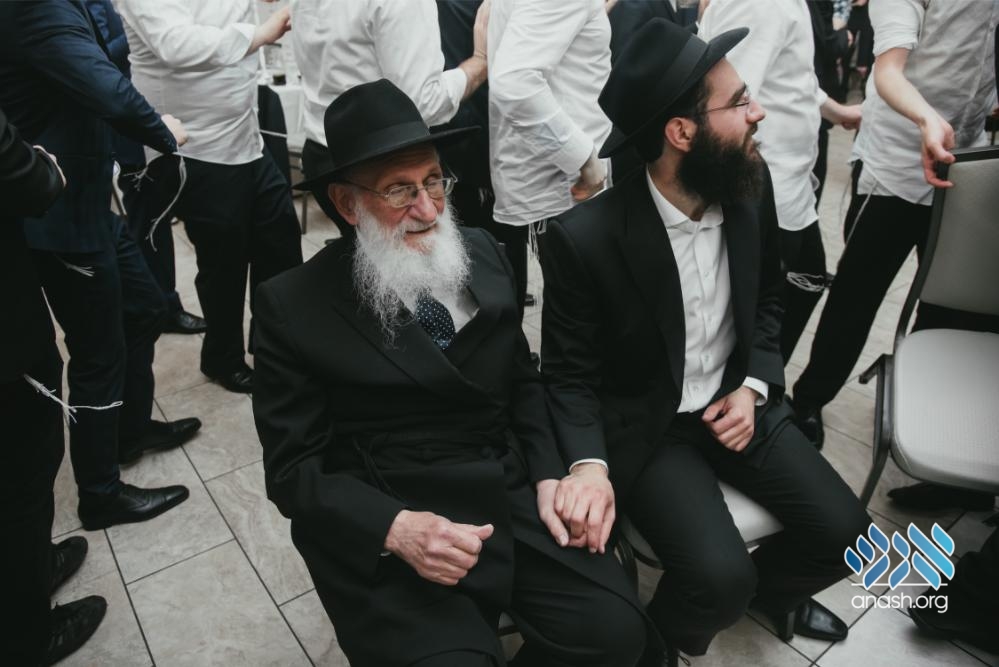
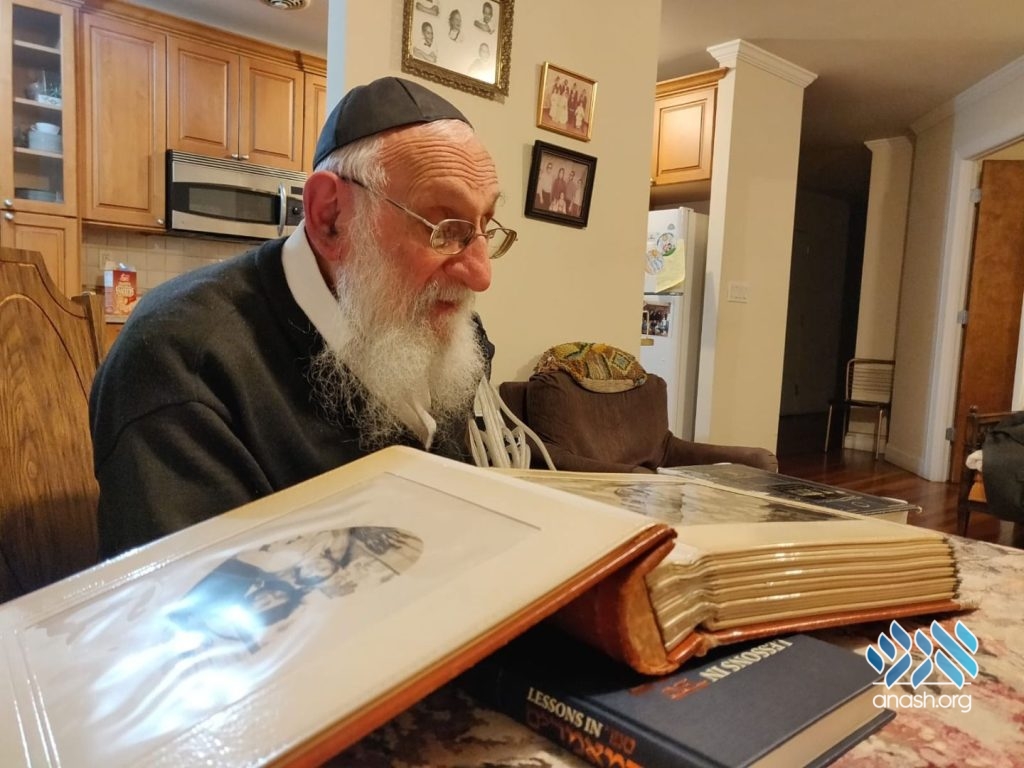
A longtime resident of Brooklyn’s Boro Park neighborhood, he lived his final decades in Crown Heights, where his apartment was frequently visited by children, grandchildren, great-grandchildren, and great-great-grandchildren from all over the world.
He is survived by his children: Mrs. Chana Sonnenfeld – Nachlas Har Chabad; Rabbi Yosef Posner – Skokie, IL; Rabbi Uri Posner – Crown Heights; Rabbi Chezzy Posner – Crown Heights; Rabbi Shmuel Posner – Boston, MA; Mrs. Bracha Sapochkinsky – Westlake, CA; Mrs. Elisheva Mishulovin – Beitar Illit; grandchildren, great-grandchildren and great-great-grandchildren.
He is also survived by his siblings Bassie Garelik (Milan, Italy) and Sara Rivka Sasonkin (Taanach, Eretz Yisroel).
The levaya will pass 770 on Wednesday at 10:45 am, followed by kevurah near the Ohel.
Baruch dayan haemes
 COMMENTS


We appreciate your feedback. If you have any additional information to contribute to this article, it will be added below.