




כ״ו תמוז ה׳תשפ״ה | July 22, 2025
New Publication Explores the Lubavitch Approach to Shechita
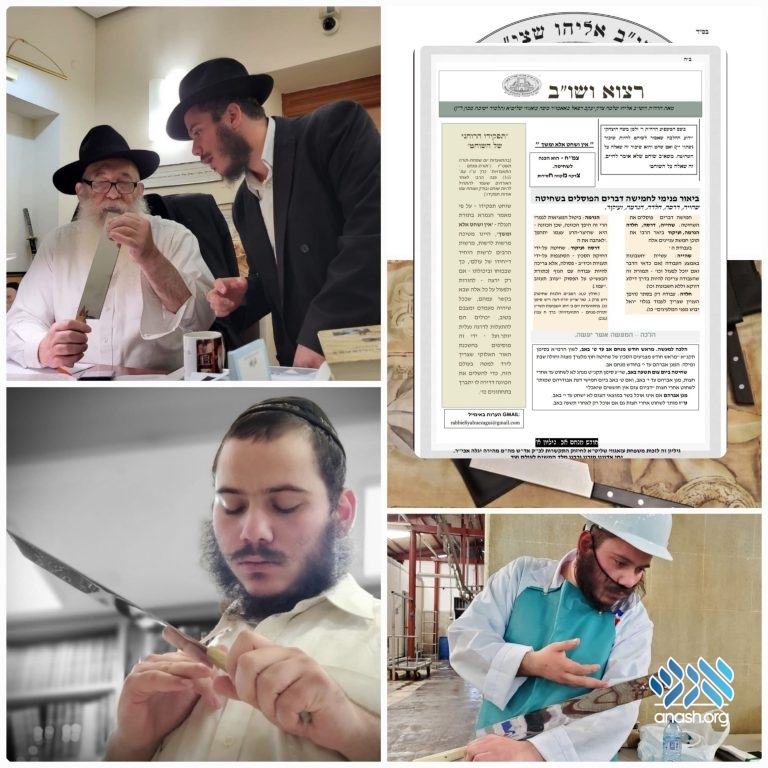
A fascinating new pamphlet, compiled by Rabbi Eliyahu Ezagui, titled “Ratzui V’Shub,” explores the Rebbe’s unique insights, directives, and stories related to the world of shechita, both in halacha and avodas Hashem.
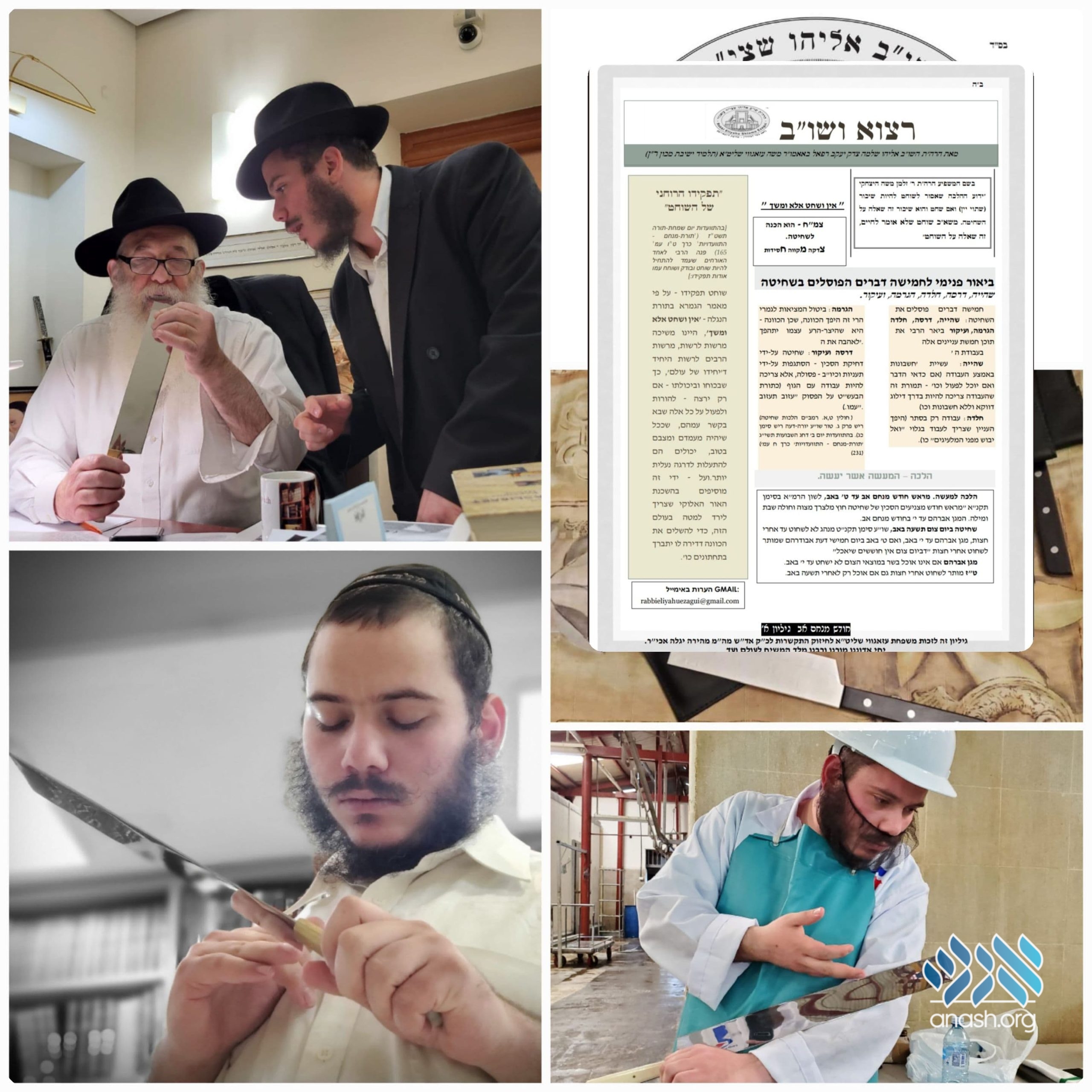
A new monthly publication, compiled by Rabbi Eliyahu Ezagui, titled “Ratzui V’Shub,” explores the Rebbe’s unique insights, directives, and stories related to the world of shechita, both in halacha and avodas Hashem.
A new monthly publication titled “Ratzui V’Shub” explores the Rebbe’s unique insights, directives, and stories related to the world of shechita, both in halacha and avodas Hashem.
Compiled by Rabbi Eliyahu Ezagui, the first edition was released for the month of Av and includes snippets of sichos, farbrengens, or yechidusen related to shechita. Each issue includes halacha lemaaseh, stories, insights, and practical takeaways.
The name of the publication conveys the concept of shechita, which is about drawing the knife back and forth (ratzui v’shuv), as well as elevating and sanctifying oneself and the animal. Also, a shochet is known as a “Shu”b” which is an acronym for Shochet U’Bodek (inspector of the animal’s lungs).
Here are just some of the points covered in the inaugural issue:
A fascinating connection emerges when examining the word shechita through the lens of gematria. The numerical value of שחיטה is 332—the same as Tzemach Tzedek and Menachem Mendel.
In a newly published directive featured in this pamphlet, the Rebbe personally guided a bochur who was considering becoming a shochet. He encouraged him to be tested by experts in the field and, if deemed fit, to pursue it—even during seder hours.
In a classic example of sharp Chabad thinking, Rabbi Reuven Dunin, a”h, raised a piercing question: Why don’t we thank Hashem that we weren’t created as animals? His answer digs deep into what makes a person truly human—and when such a declaration can become a bracha levatala.
Also included is a powerful explanation from the Rebbe, drawn from a sicha in 5713, outlining the five invalidations of shechita and their spiritual parallels. Each flaw in halacha—whether haste, hesitation, or misdirection—mirrors a deeper issue in a person’s avodas Hashem.
When a bochur once left 770 without his hat, he faced the sharp reaction of senior shochet R’ Berel Yunik, who disqualified the bochur from becoming a shochet.
Whether you’re a shochet, learning shechita, or just interested in the Rebbe’s unique approach to Torah and avodah, Ratzui V’Shub is sure to inspire.
Download the publication here.
To receive regular updates, click here to join a group.
The author can be reached at [email protected].
 COMMENTS


The story of Reb Berl Junik passeling a Bachur just because he wasn’t wearing a hat doesn’t make much sense and doesn’t fit his character.
It will be a good idea to ask his son, Reb Shimshon Junik, to verify it.