




ד׳ אב ה׳תשפ״ה | July 29, 2025
New Federal Guidelines Support Religious Expression at Work
Under new guidelines issued by the Trump administration, federal employees are permitted to pray, discuss religion, and encourage others to join them. These guidelines could benefit thousands of frum Jews working in federal agencies, as well as shluchim seeking to engage in mivtzoim in these settings.
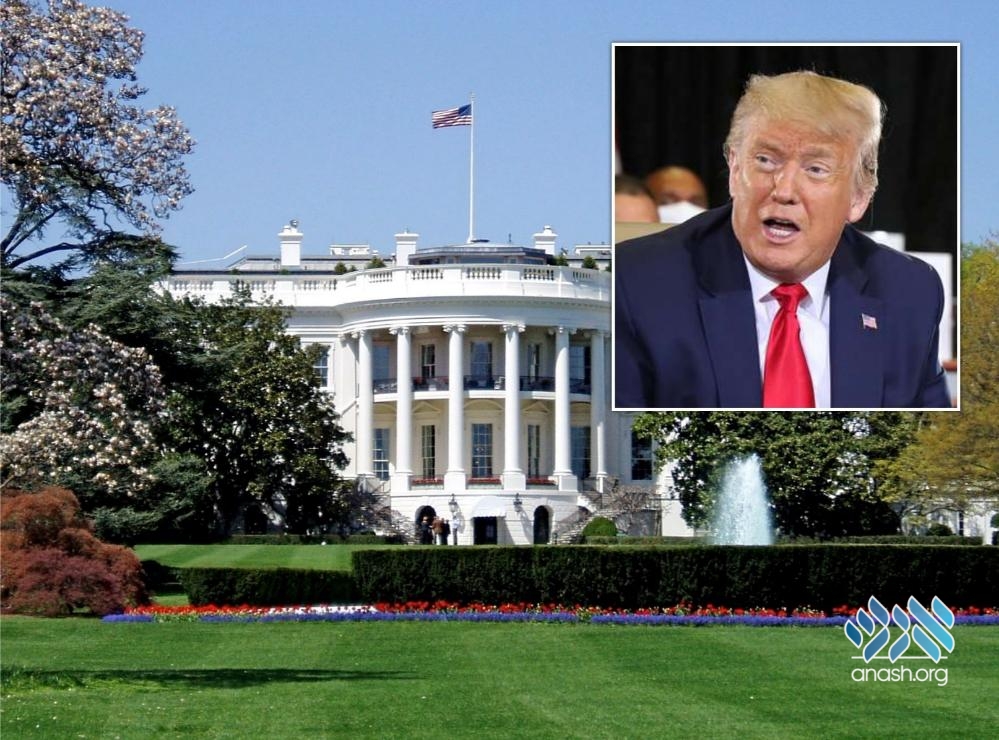
Under new guidelines issued by the Trump administration, federal employees are permitted to pray, discuss religion, and encourage others to join them. These guidelines could benefit thousands of frum Jews working in federal agencies, as well as shluchim seeking to engage in mivtzoim in these settings.
By Anash.org reporter
Federal employees are now officially permitted to pray, discuss religion, and even encourage others to join them in religious expression at work, under new guidelines issued Monday by the Trump administration. The memo, released by the Office of Personnel Management (OPM), outlines the right of public employees to express their faith openly in the workplace, so long as no specific religion is endorsed.
The new policy allows not only individual expression but also grants supervisors the ability to encourage prayer and other forms of religious engagement among staff. According to the memo, employees may also try to “persuade others of the correctness of their own religious views,” provided it does not interfere with official duties or violate existing laws.
“Federal employees should never have to choose between their faith and their career,” said OPM Director Scott Kupor. “This guidance ensures the federal workplace is not just compliant with the law but welcoming to Americans of all faiths.”
While the White House emphasized that similar language appeared in a memo from the Clinton administration, the move has raised concern among advocates for the separation of church and state. Critics argue that the policy could lead to pressure or discomfort for employees who do not share the same religious views.
These new guidelines stand to benefit thousands of frum Jews who work in federal agencies, who can now more openly participate in minyanim or attend a lunchtime shiur without fear that such activities might be discouraged. For many shluchim, it confirms their right to engage in mivtzoim in such settings – to help others wrap tefillin or to give shiurim during visits to federal workplaces.
While such expression was technically permitted under prior policy, the new guidelines reinforce these rights and remove ambiguity – making the federal workplace more welcoming for visible, active frum practice.
The change comes as part of a broader pattern under the Trump administration, which has made it a priority to bring G-d back into public life. This includes restoring school prayer in the education system, establishing the White House Faith Office, and other initiatives aimed at expanding religious expression in government and American society.
 COMMENTS


“According to the memo, employees may also try to “persuade others of the correctness of their own religious views,” provided it does not interfere with official duties or violate existing laws.”
My heart goes out to the insecured Jew who wants to gain favor with his/ her supervisor who happens to be an evangical Christian, or radical Muslim, and is persuading the jewish employee that their sheker is the emes, cv”s, R”L. Why is this ok?
This seems reminiscent of all those who raised similar concerns about Public Menorahs, Mivtzoim, Non-Denominational Prayer in classrooms, Moment of Silence, Government funding for religious institutions, etc etc.
In each case the Rebbe debunked the arguments from all sides, social, political, and religious. I would invite you to see what the Rebbe has to say on the topic before reiterating the same views. See for instance sicha of Shabbos parshas Shemini 5743, and many others in similar topics.
As a retired career federal employee, I can tell you that it is not okay. There was too much of it in the federal workplace even 20-25 years ago. Some smaller offices are dominated by persons with strong non-Jewish views, particularly outside the larger cities. The small number of Jewish employees, sometimes only one individual, needs the good will of others just to survive in that atmosphere. The “needs of the office” take precedence at all times.
@Already Discussed,
I am aware of what the Rebbe said.
The emphasis on classroom prayer for
instance stress that it had to be non-denominational and that teachers could not suggest what the children should think about etc.
In this situation as I quoted in my response, “According to the memo, employees may also try to “persuade others of the correctness of their own religious views,”
The Rebbe never said it was a good idea to allow proselytization of Yidden