




ט׳ אב ה׳תשפ״ה | August 3, 2025
20 Years Later: Remembering the Tragedy of Gush Katif
Tisha B’Av 5785 marks 20 years since the “Gaza Disengagement Plan” and the Gush Katif expulsion, where 8,600 Jews were uprooted and 21 communities destroyed. Two decades later, it’s impossible to ignore the tragic mistake that ultimately led to October 7th.
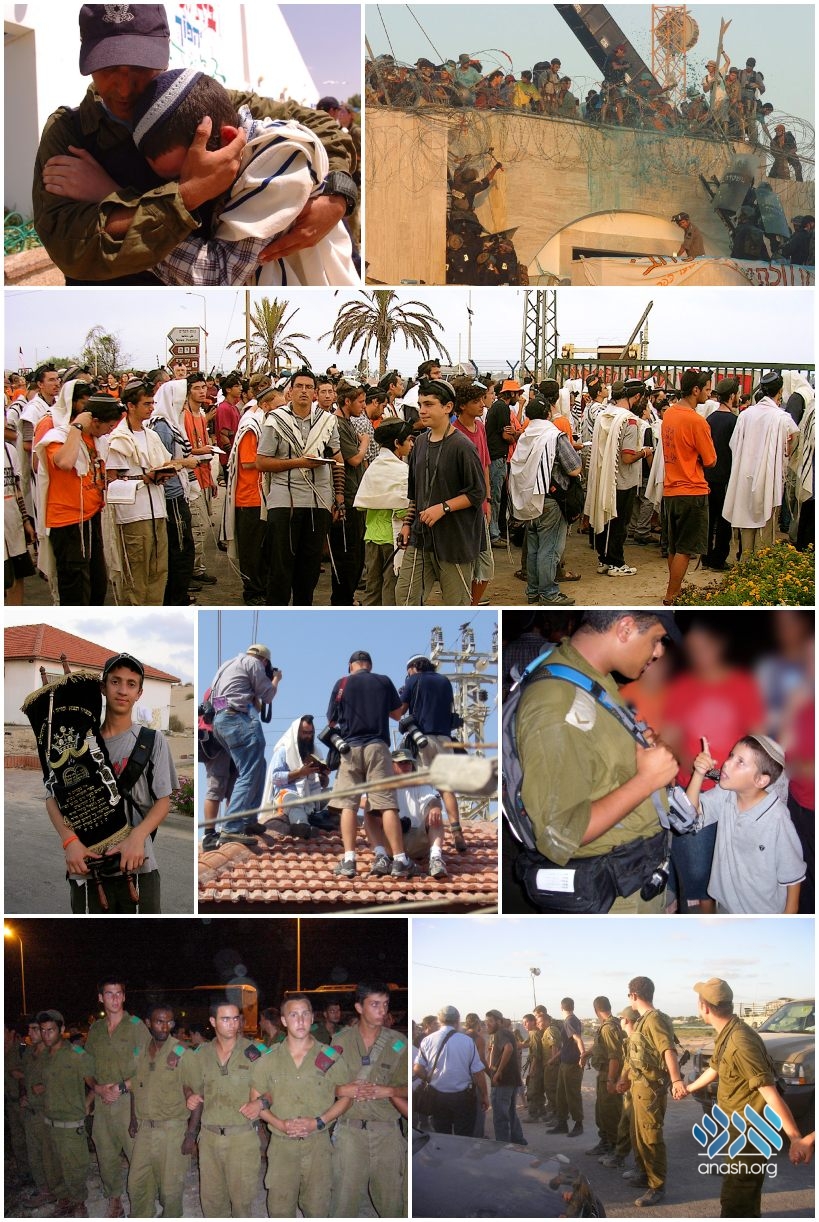
Tisha B’Av 5785 marks 20 years since the “Gaza Disengagement Plan” and the Gush Katif expulsion, where 8,600 Jews were uprooted and 21 communities destroyed. Two decades later, it’s impossible to ignore the tragic mistake that ultimately led to October 7th.
By Anash.org writer
Tisha B’Av 5765 (2005) had just ended. While most Jews were removing their shoes and breaking their fasts, thousands of Jewish families in Gush Katif were bracing for the unimaginable: the start of a government-led operation to uproot them from their homes, shuls, yeshivos, farms, and kevarim – to tear apart and completely dismantle thriving Jewish communities in Eretz Yisroel.
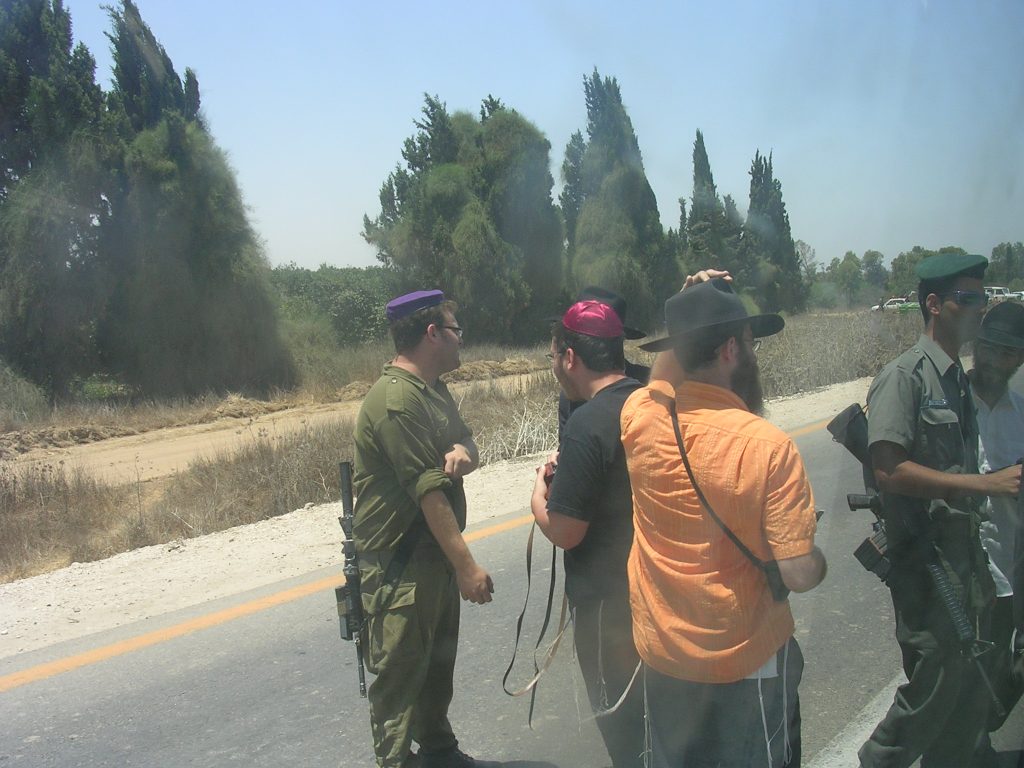
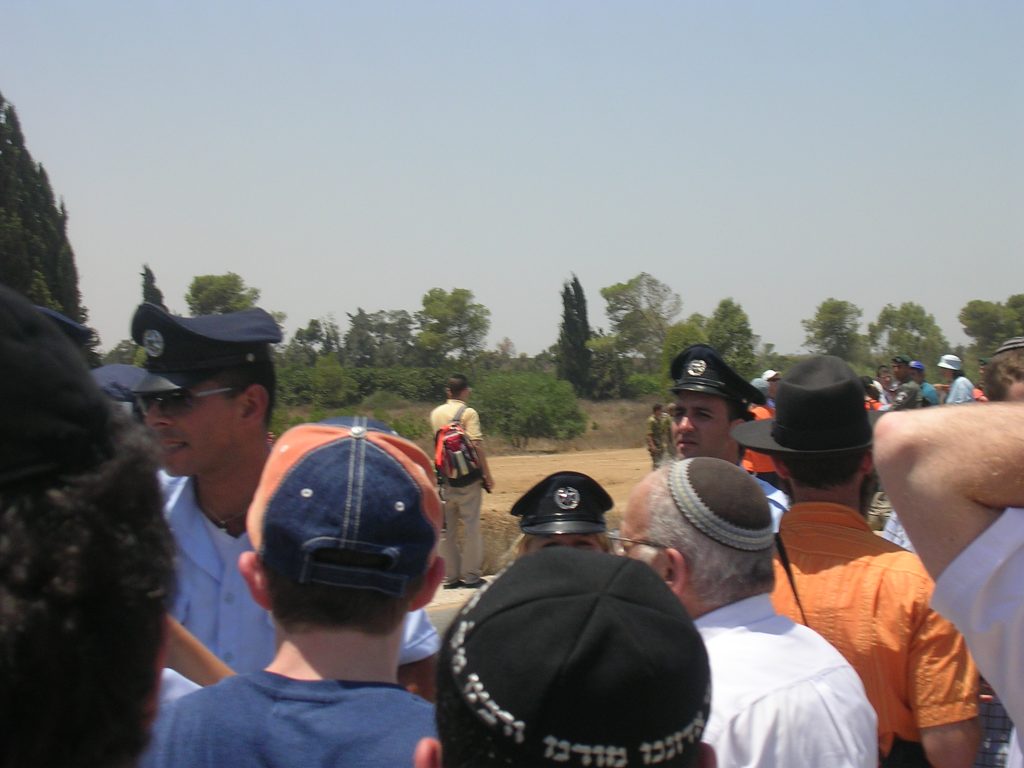
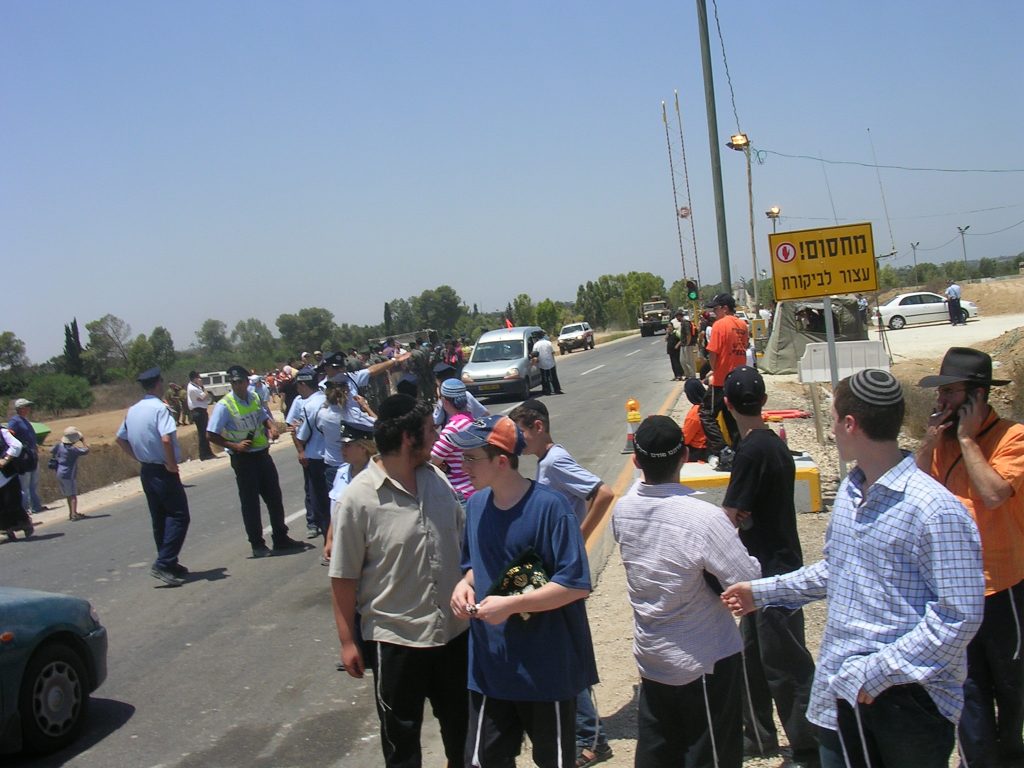
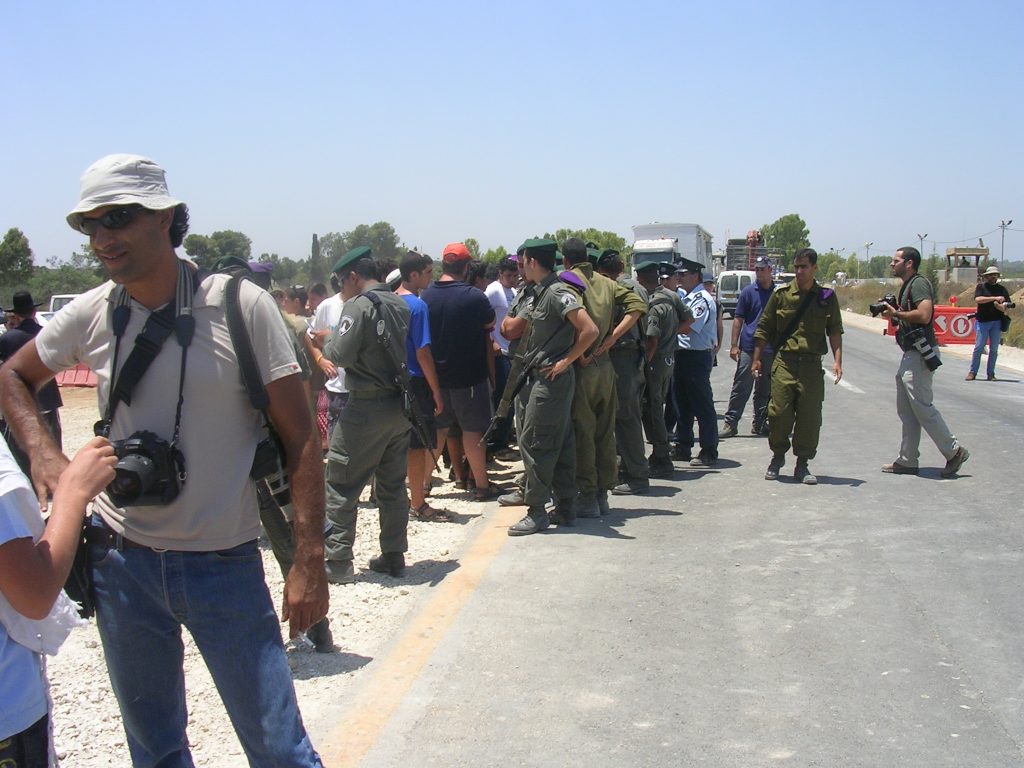
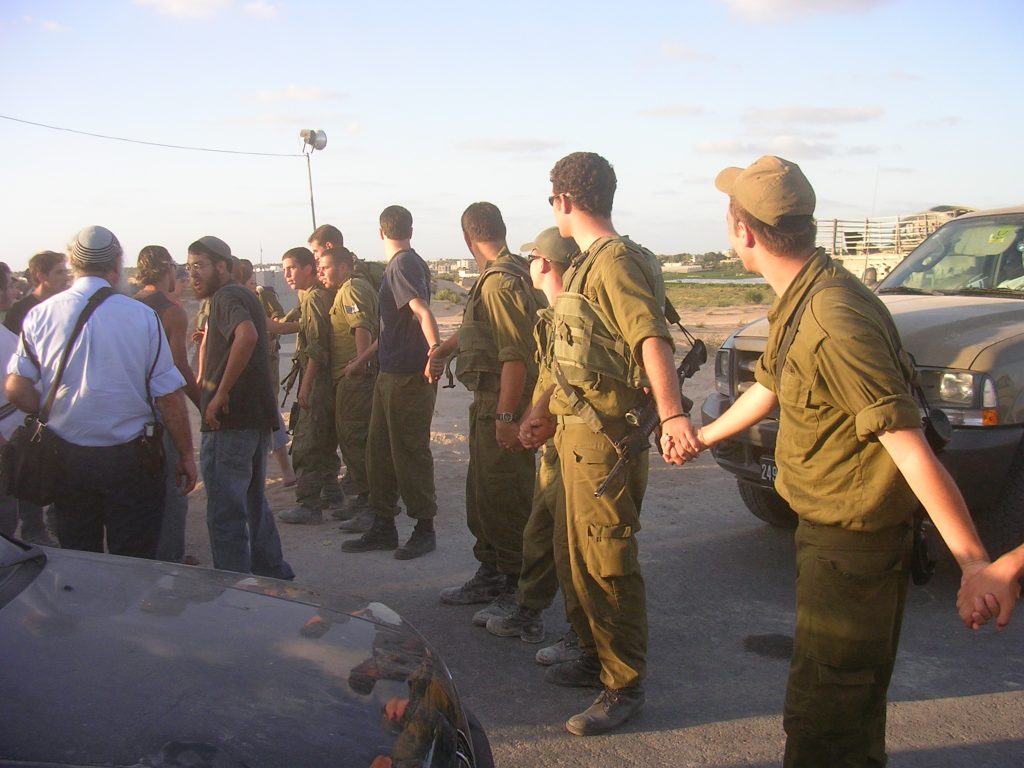
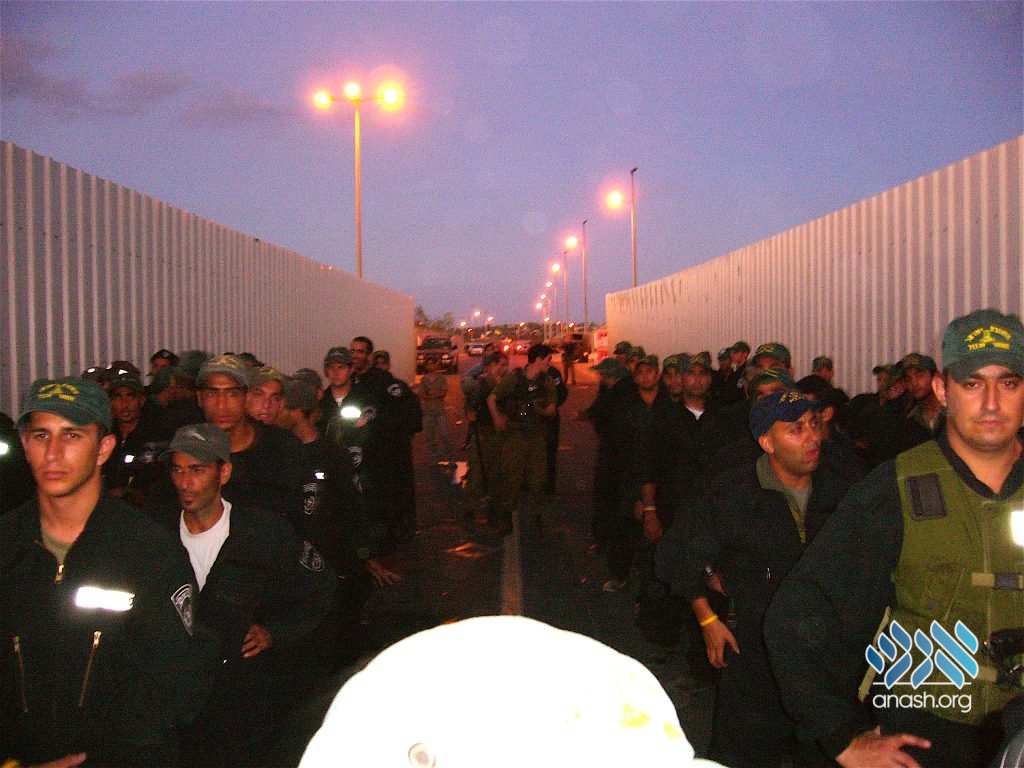
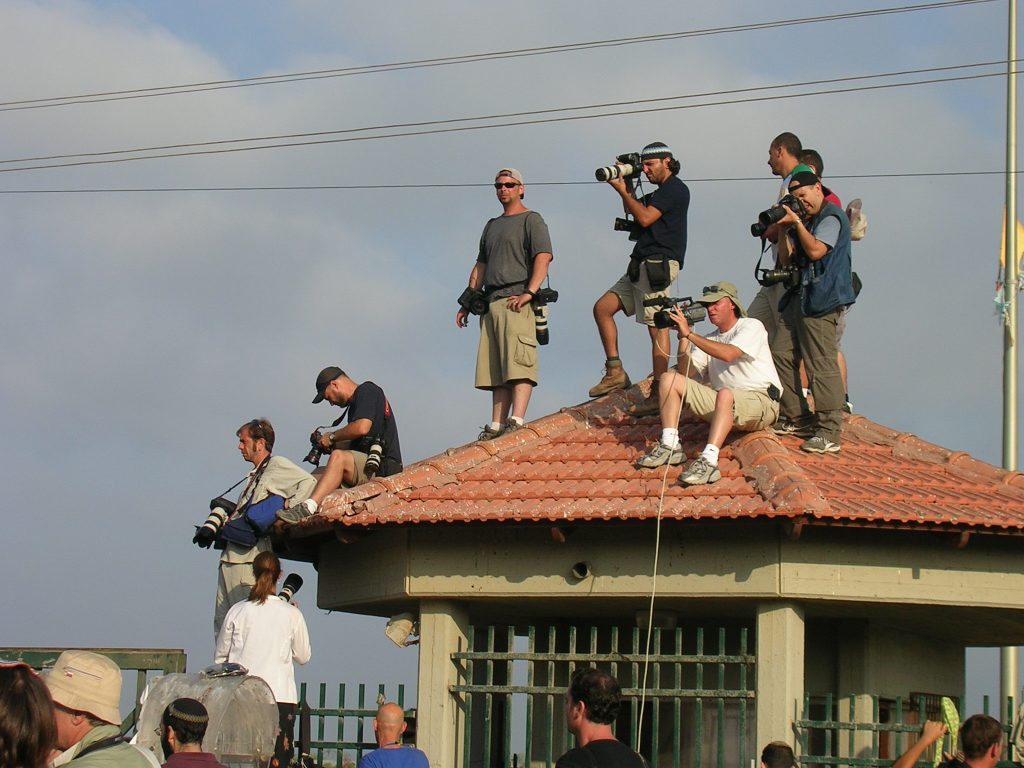
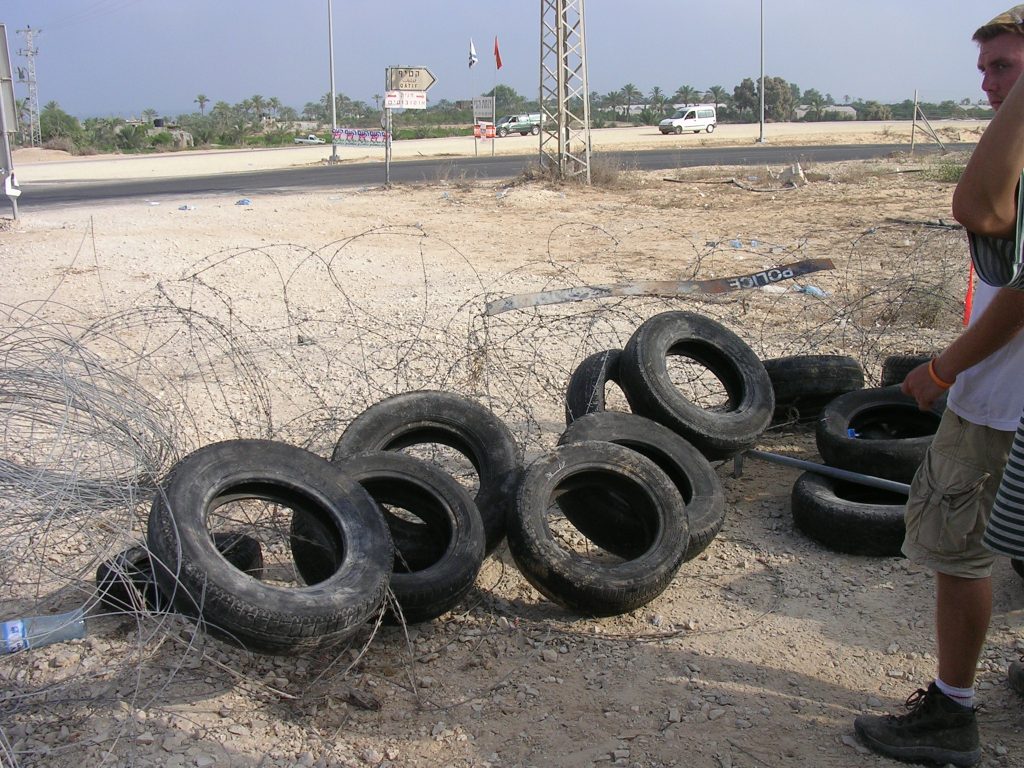
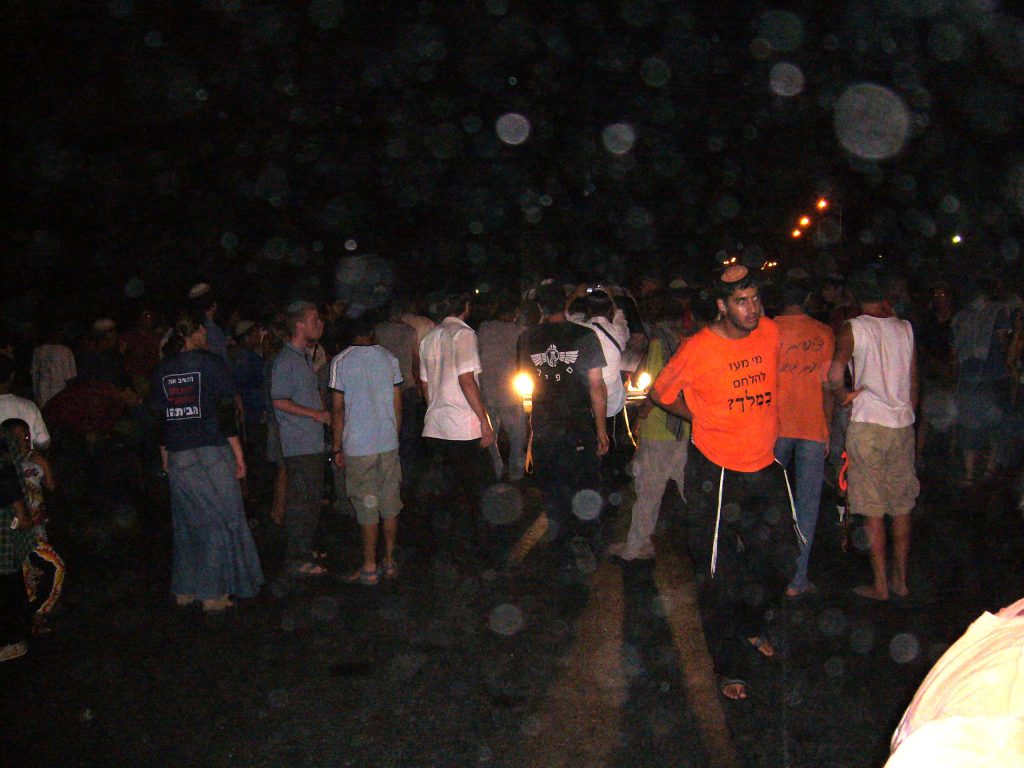
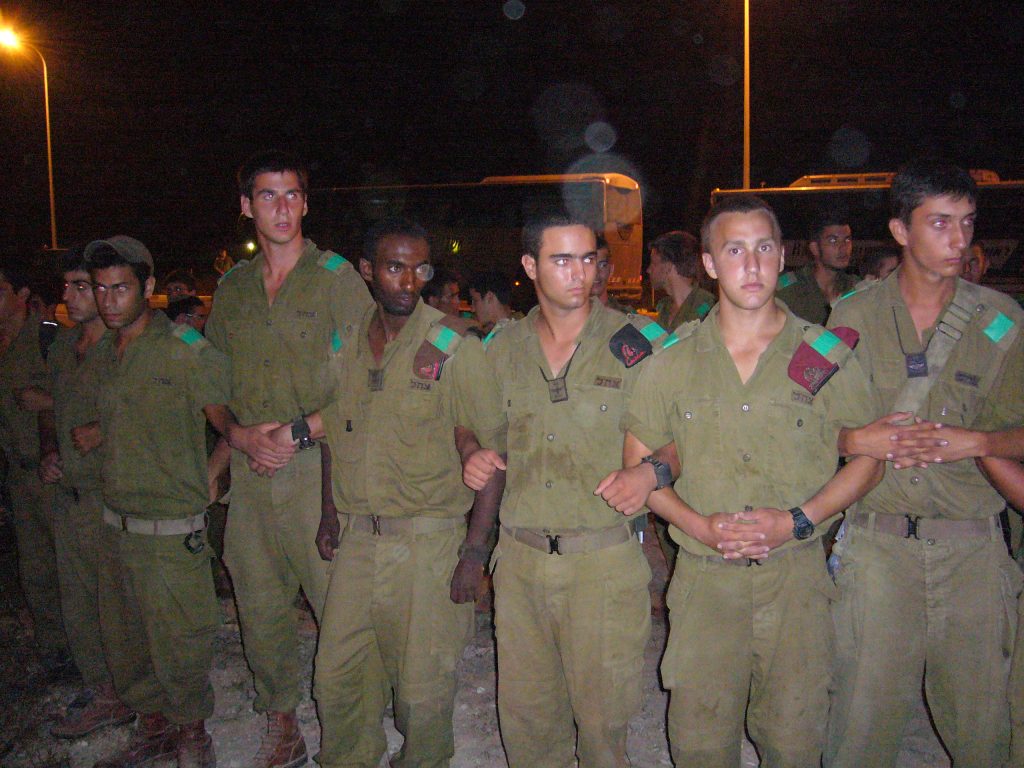
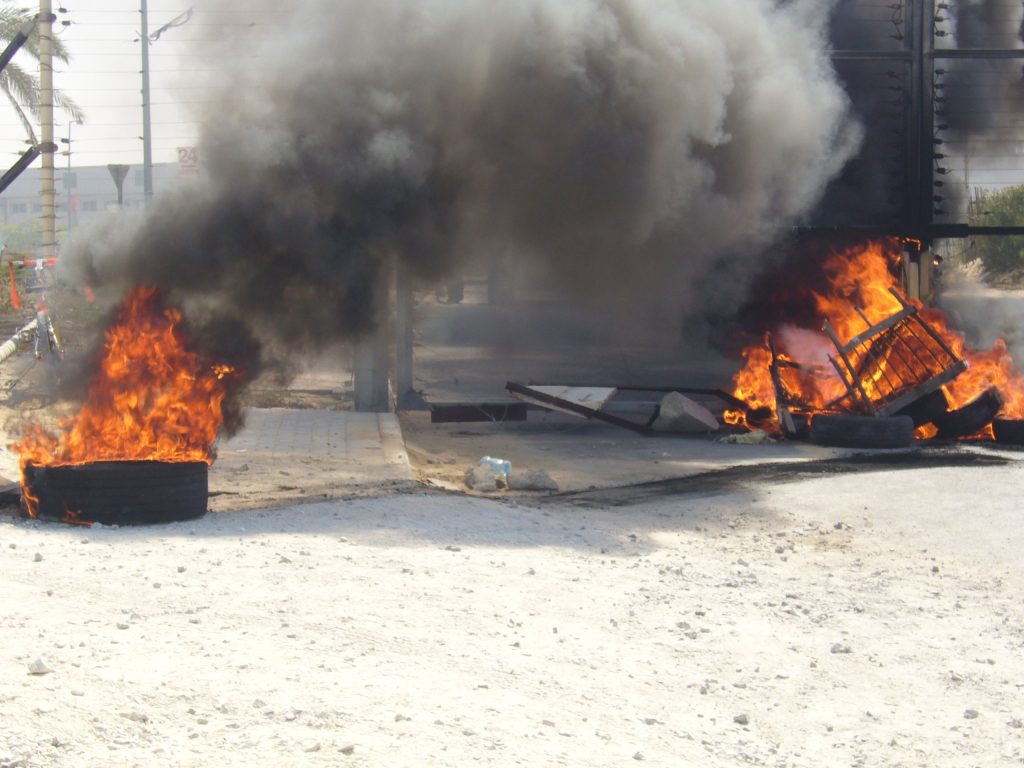
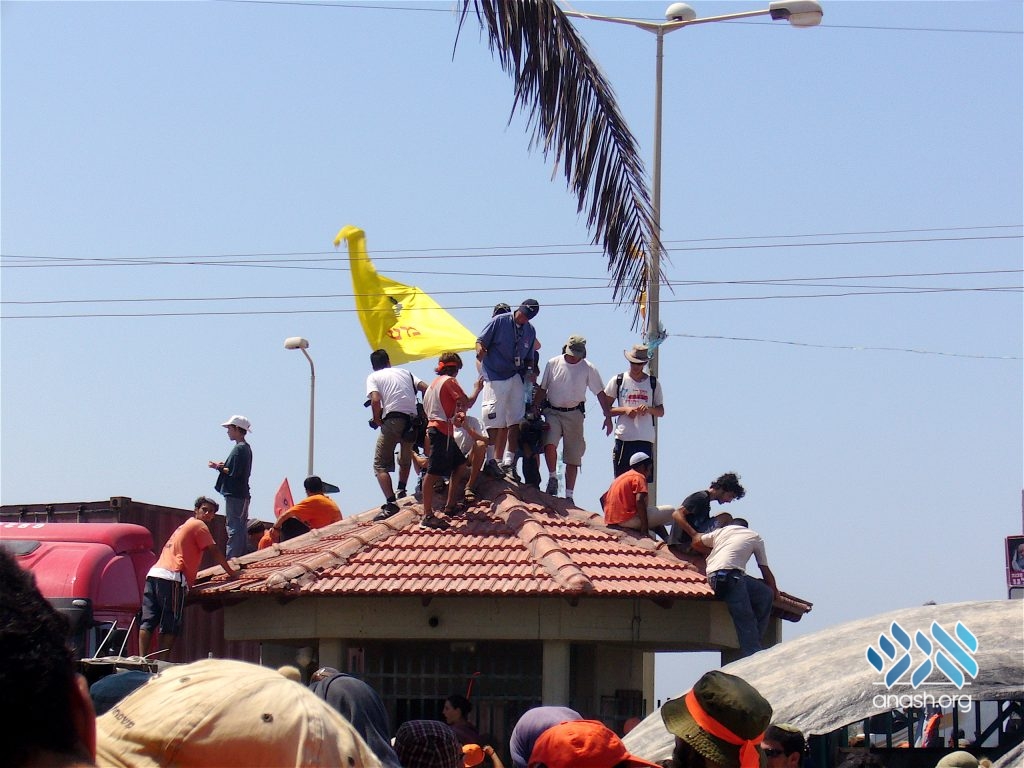
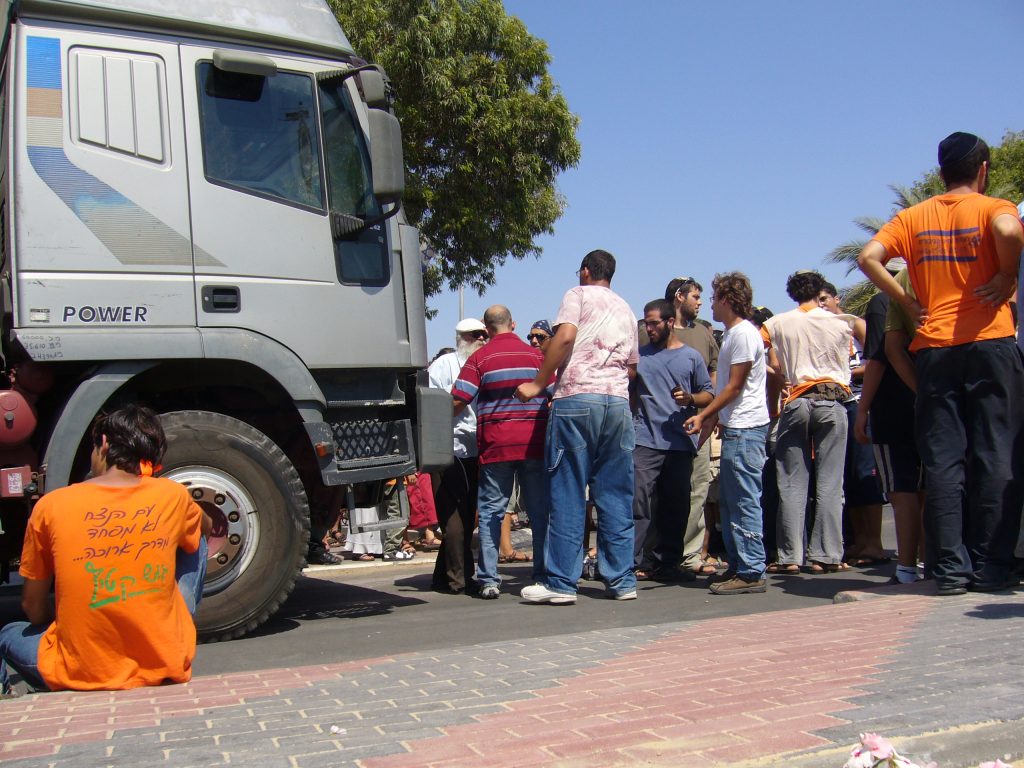
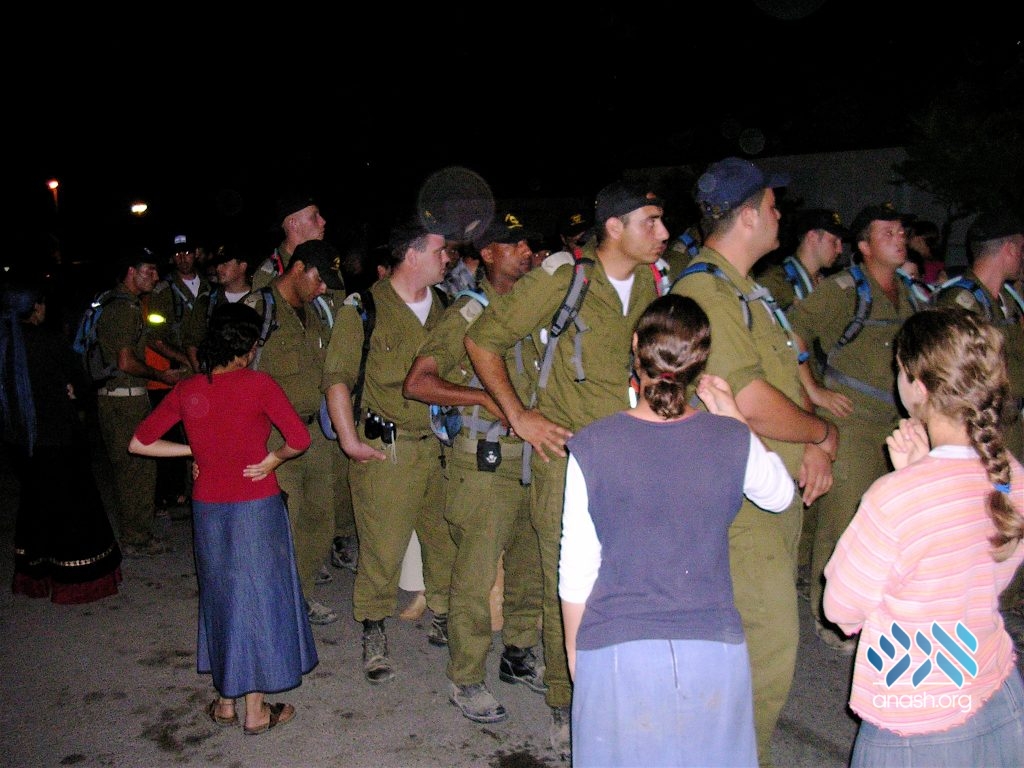
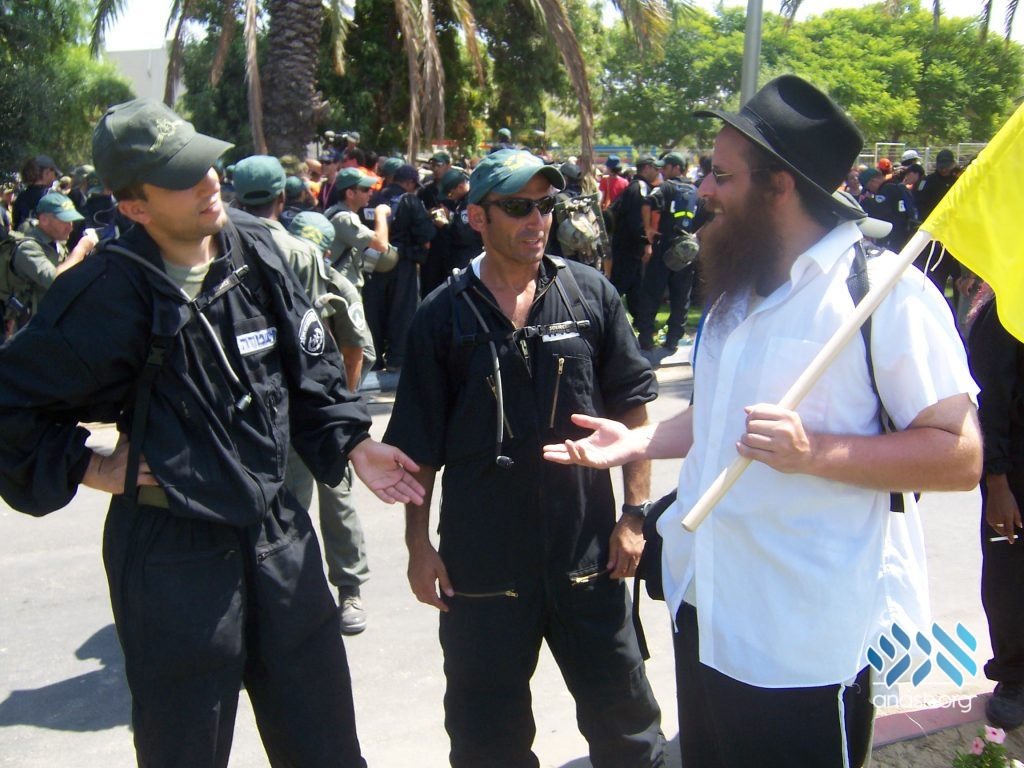
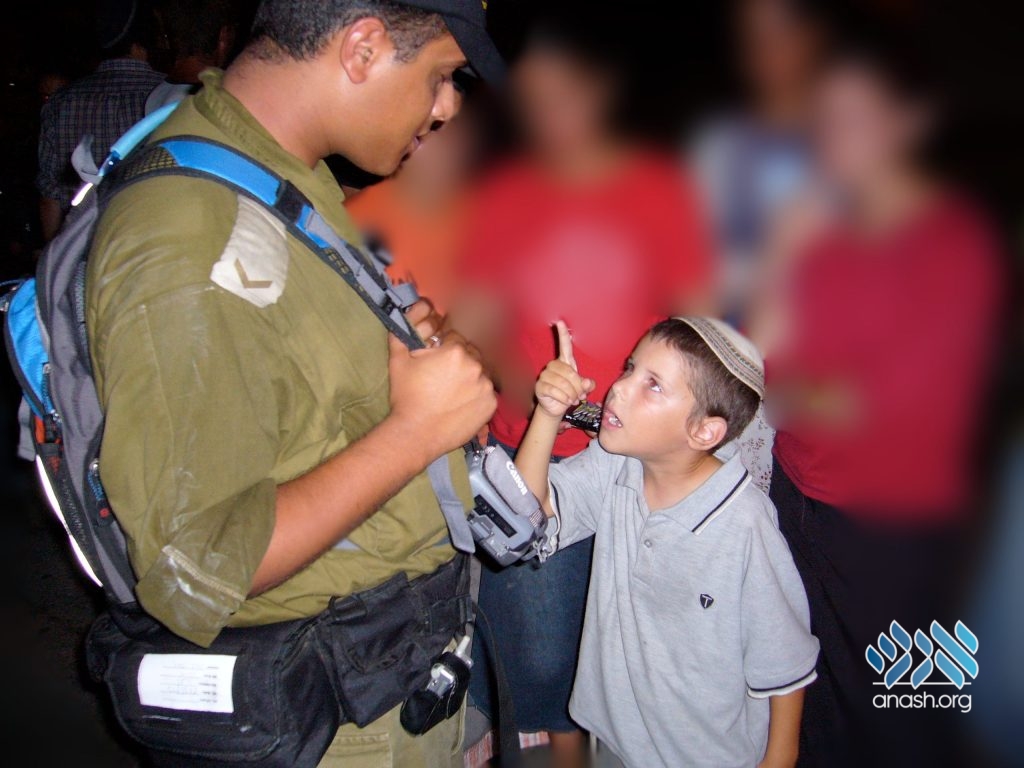
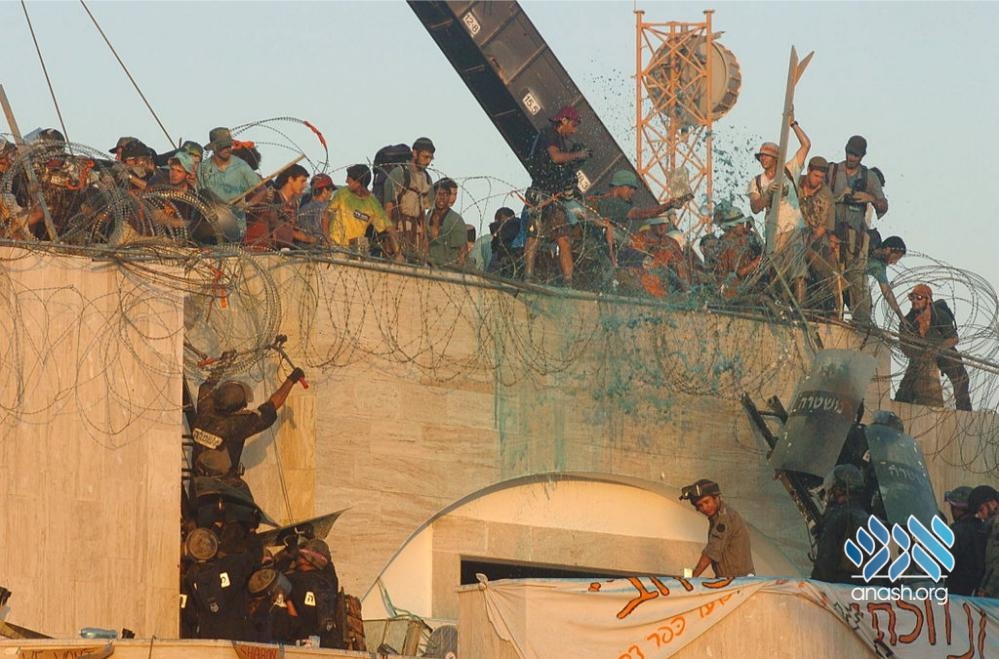
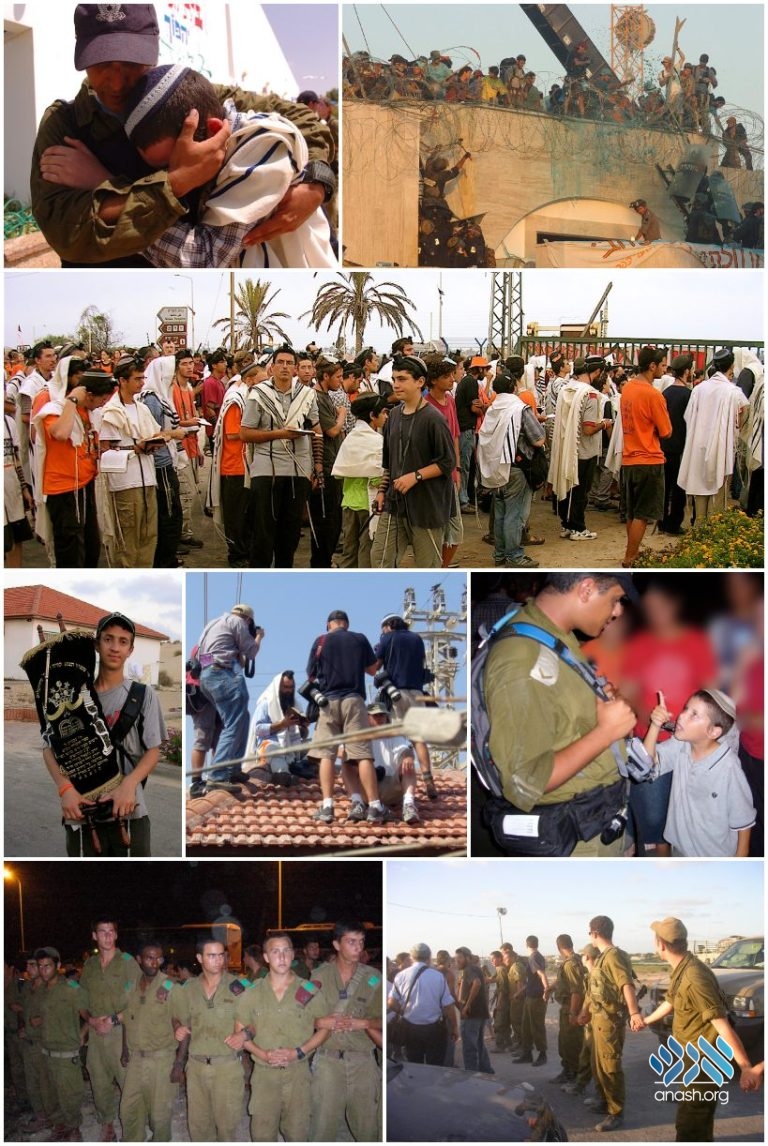
Within hours, black-uniformed soldiers and police began knocking on doors. Some wept. Over the next several days, in a scene that broke the heart of Klal Yisrael, 8,600 Jews were forcibly removed from 21 communities in Gush Katif and another 4 in the northern Shomron.
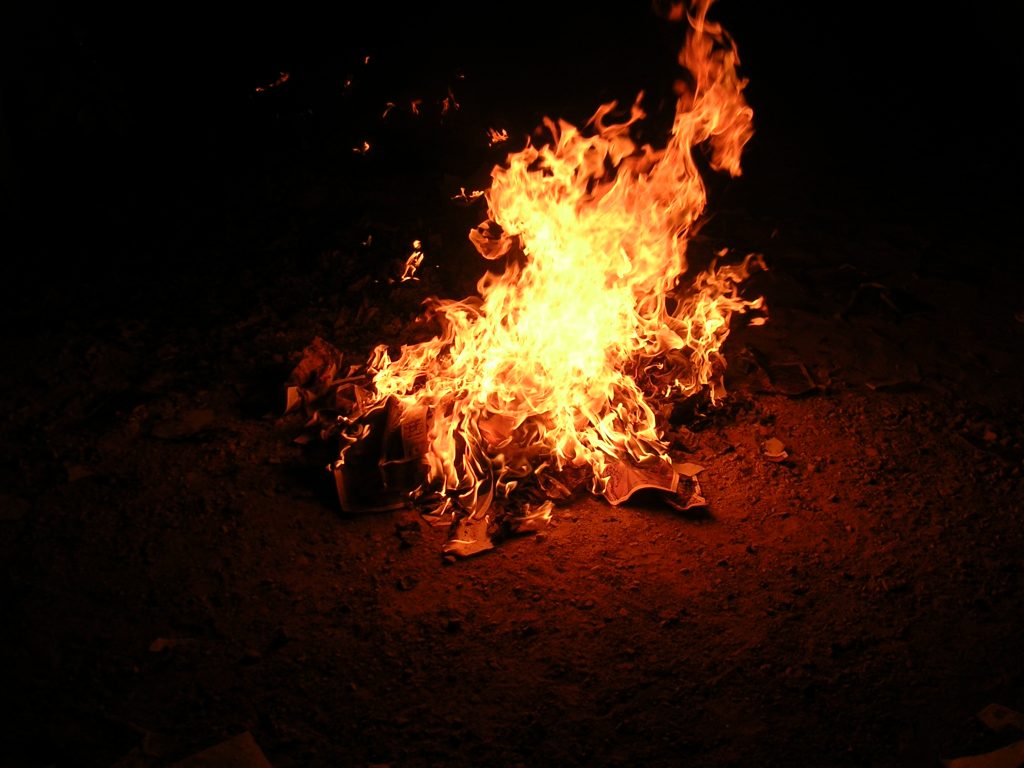
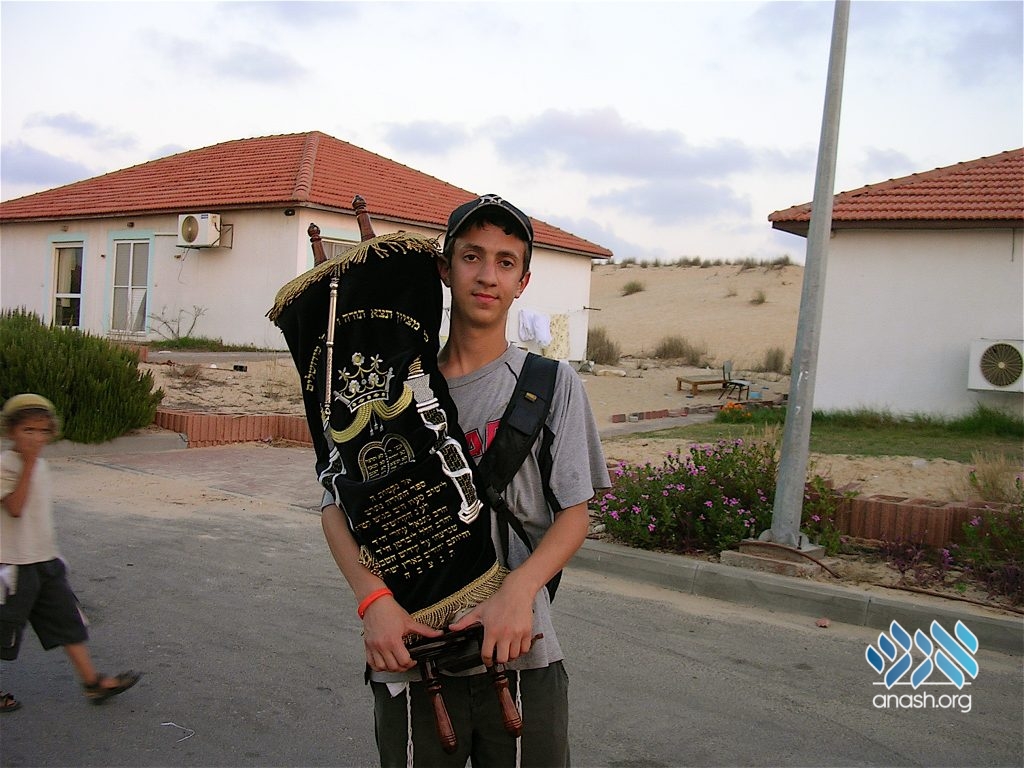
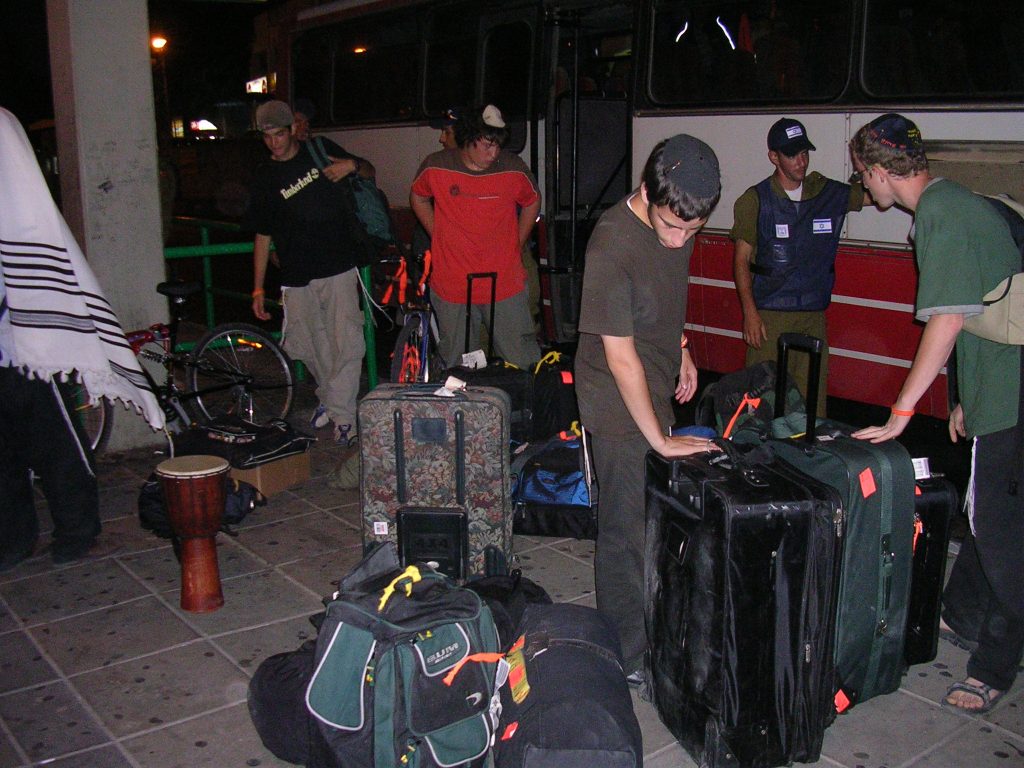
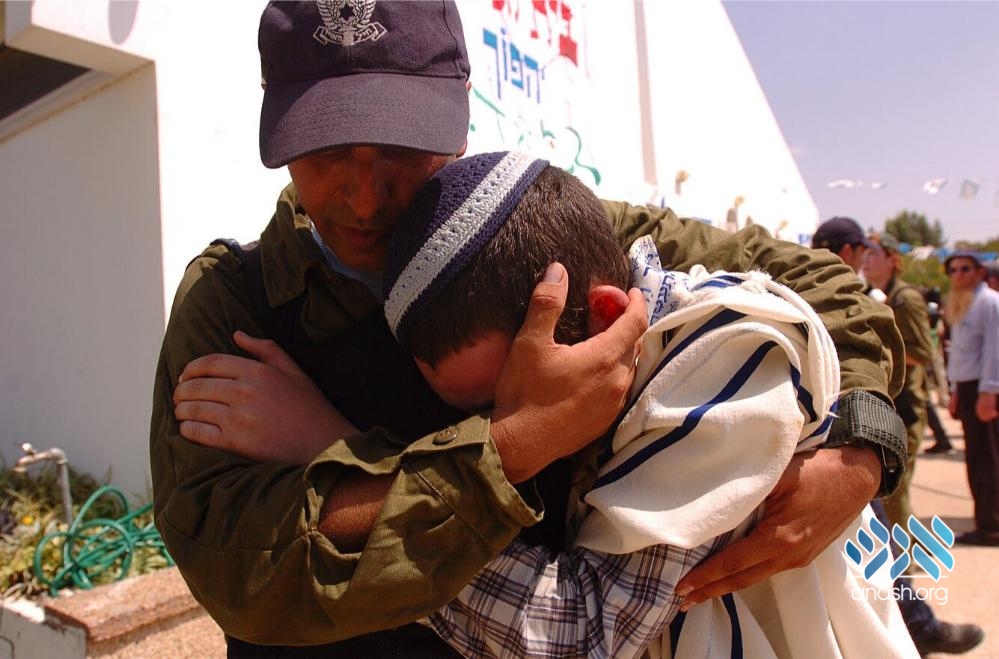
Children cried as their sefarim were carried out of their rooms. Shuls were emptied under armed guard. Families were placed on buses with nowhere to go, watching the homes they built being sealed and destroyed.
“The disengagement from Gush Katif has become the sixth destruction on Tisha B’Av,” Maj.-Gen. (res.) Uzi Dayan, former head of Israel’s National Security Council, said – not by our enemies, but by the Israeli government itself.
The “Disengagement Plan” was the brainchild of then-Prime Minister Ariel Sharon, who had once been a champion of the settlement movement. In 2003, he stunned his base by announcing that Israel would unilaterally evacuate all of Gush Katif and parts of the northern Shomron, claiming it would bring security and international legitimacy. In truth, it brought neither.
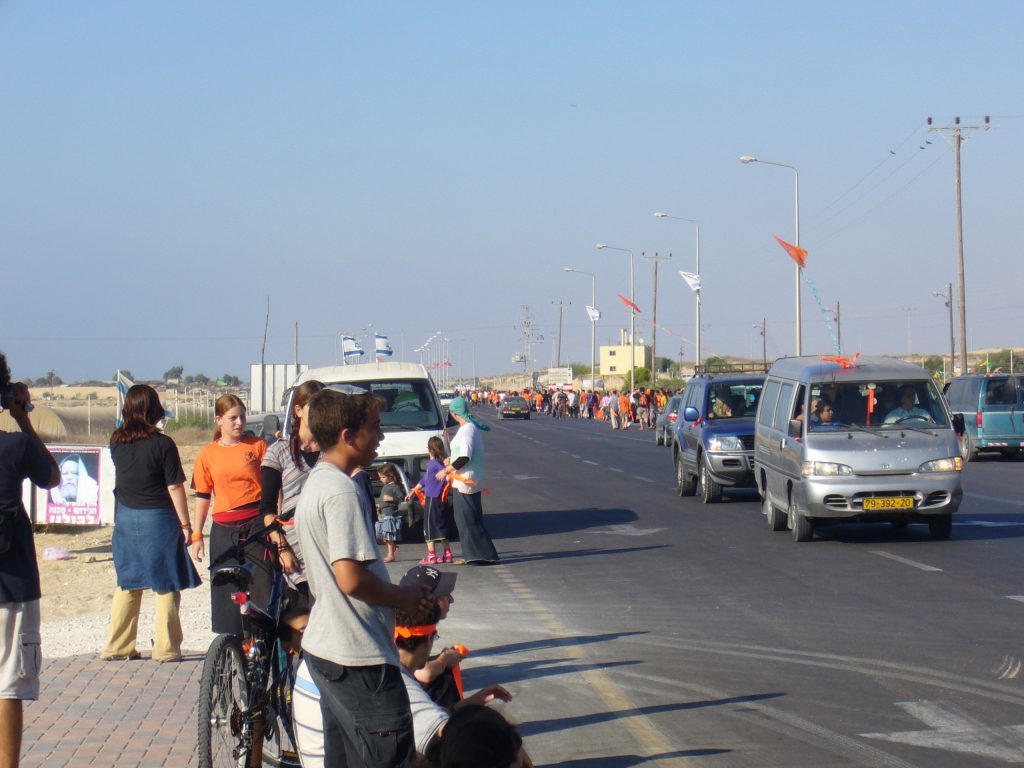
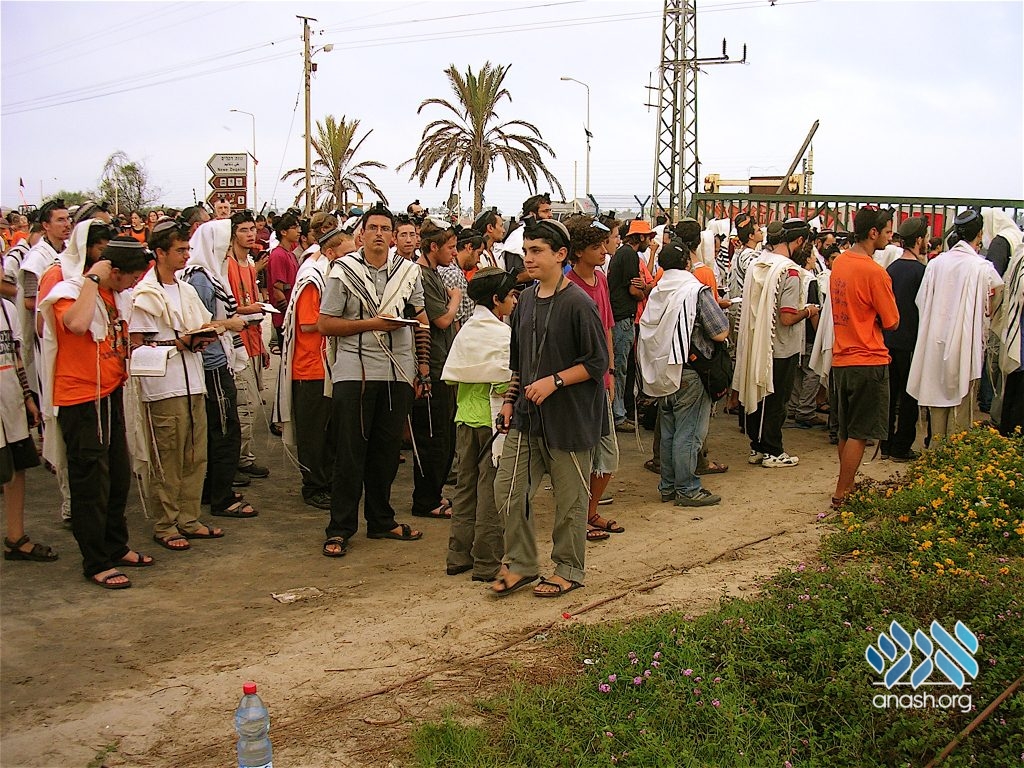
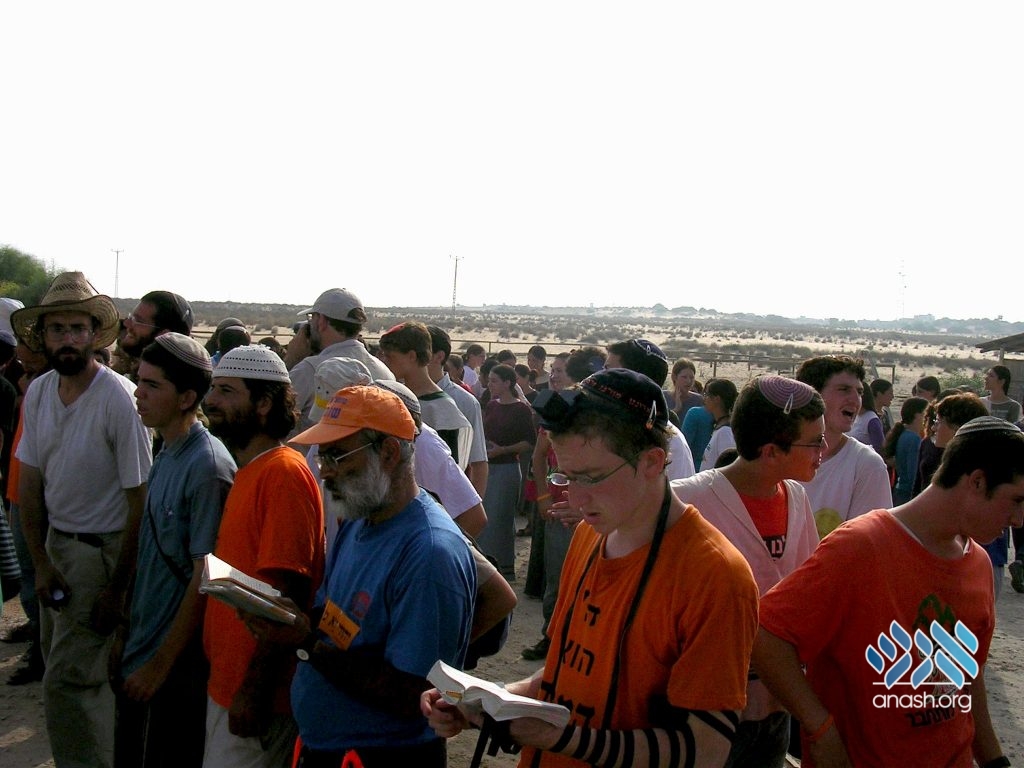
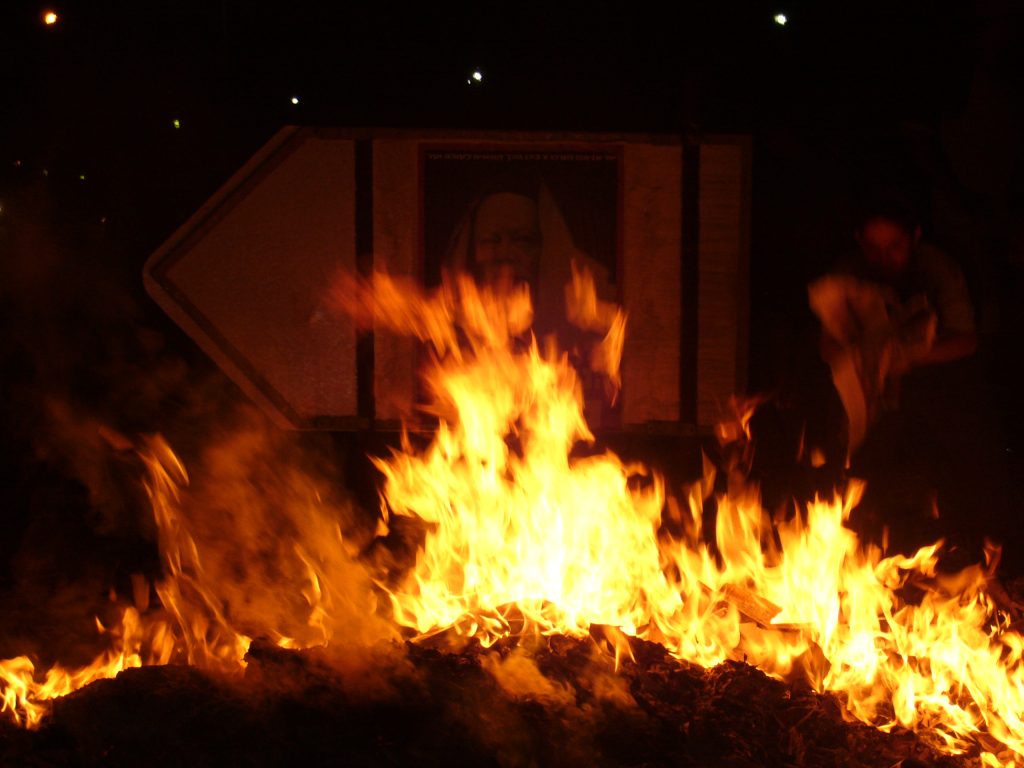
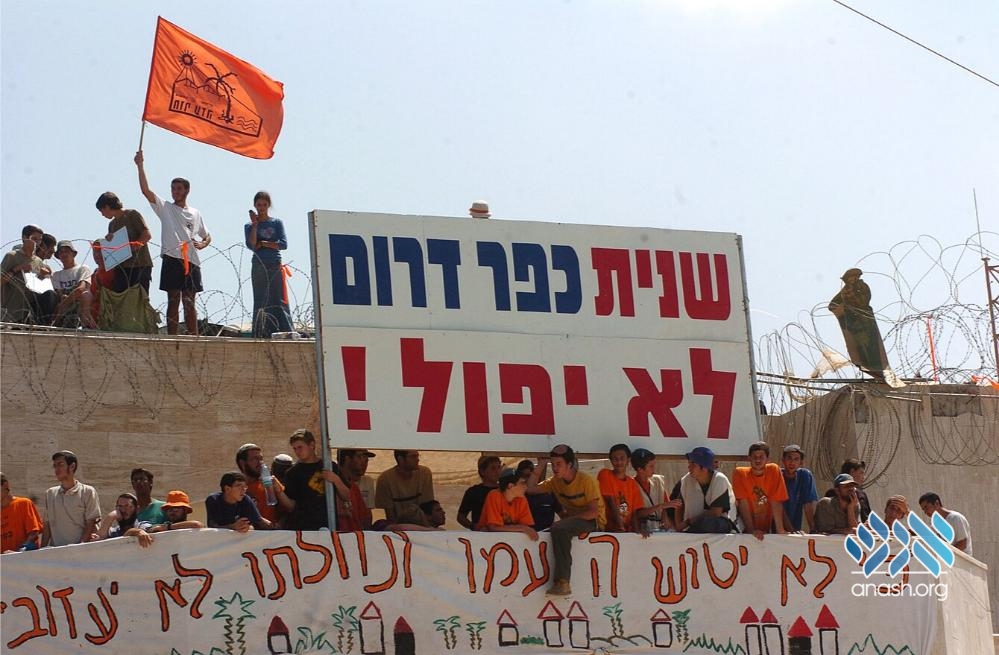
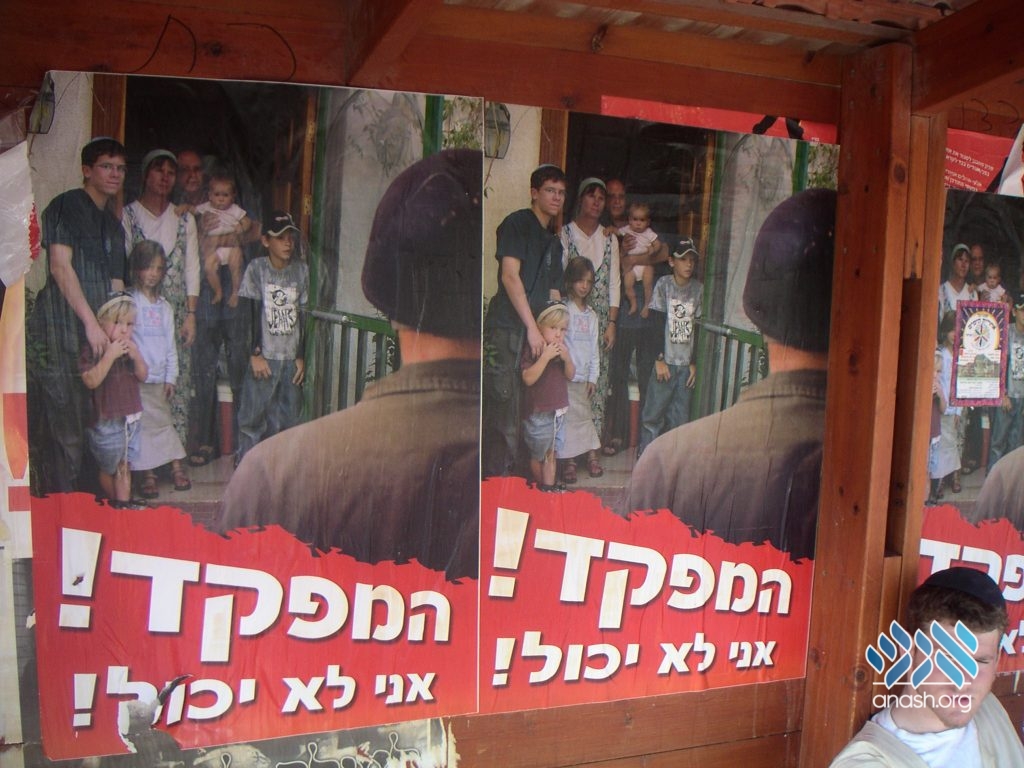
Tefillos were said, letters were written, and warnings were issued. Despite mass protests, a 90 km human chain of 150,000 people and hundreds of thousands rallying around the country, and despite the pleas of Rabbanim and the broken hearts of the settlers, the government forged ahead.
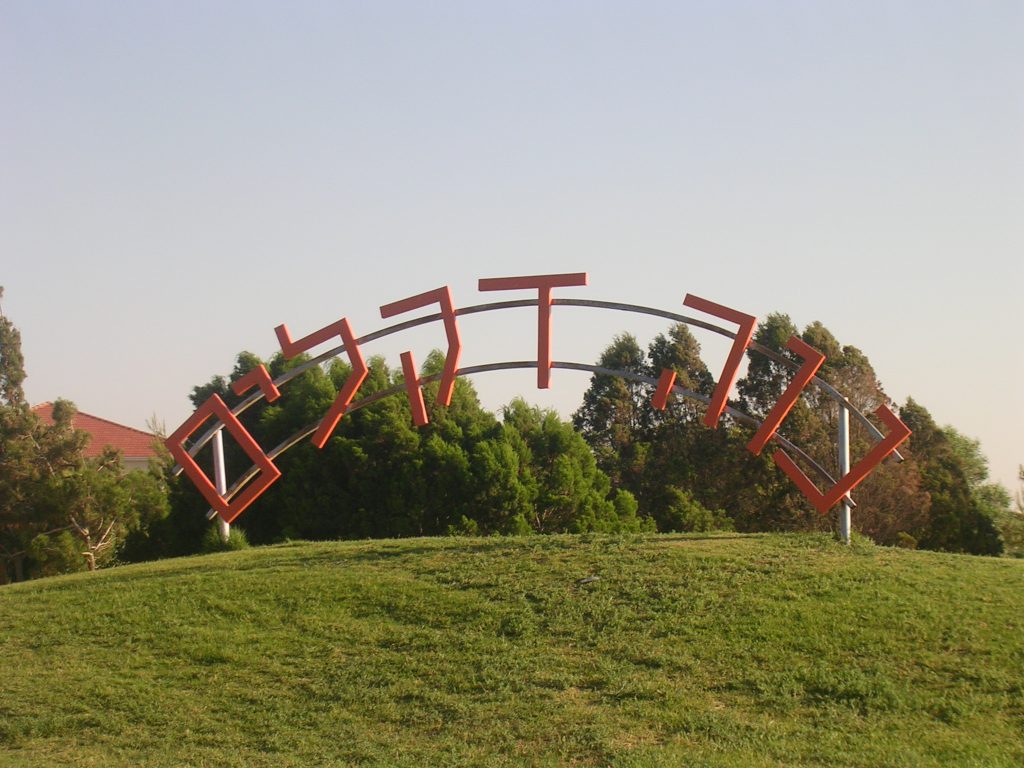
Gush Katif was once a beautiful bloc of 21 Jewish communities in the southwestern corner of the Gaza Strip. Built on sand dunes and perseverance, the region blossomed into a hub of schools, shuls, mikvaos, kollelim, yeshivos, chesed organizations, and businesses – everything you would find in a thriving town in Eretz Yisroel, and more.
They built the place up with their own hands. The soil, previously thought to be barren, produced over 70% of Israel’s organic vegetables. The economic contribution of Gush Katif to Israel’s produce and export market was staggering.
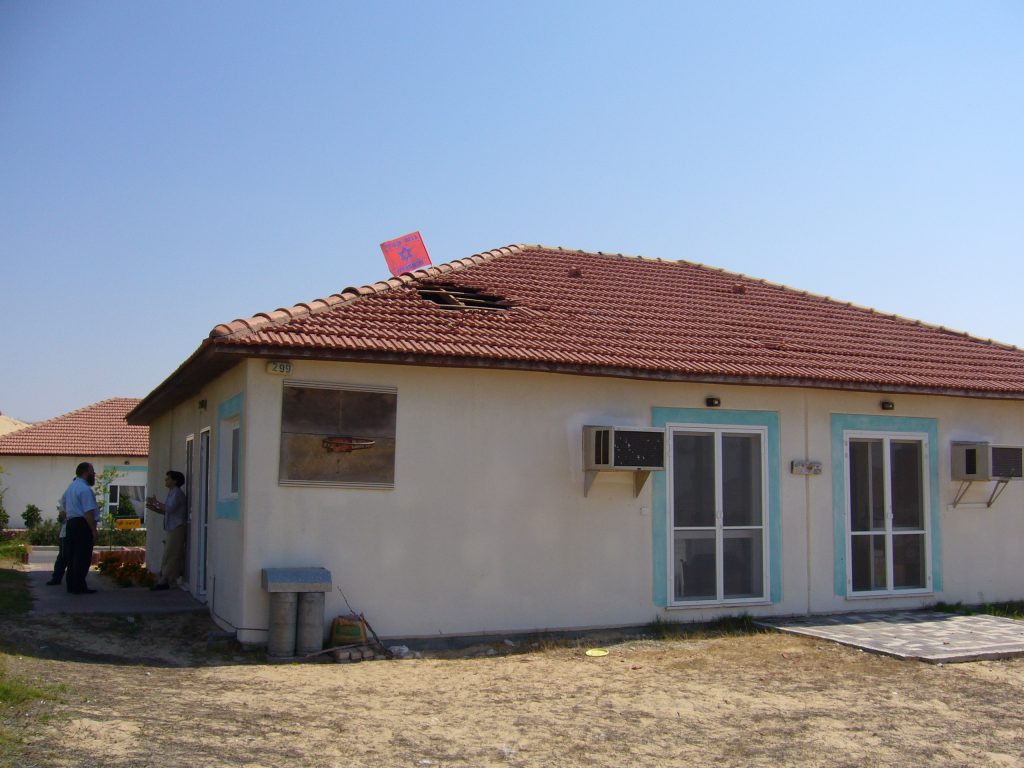
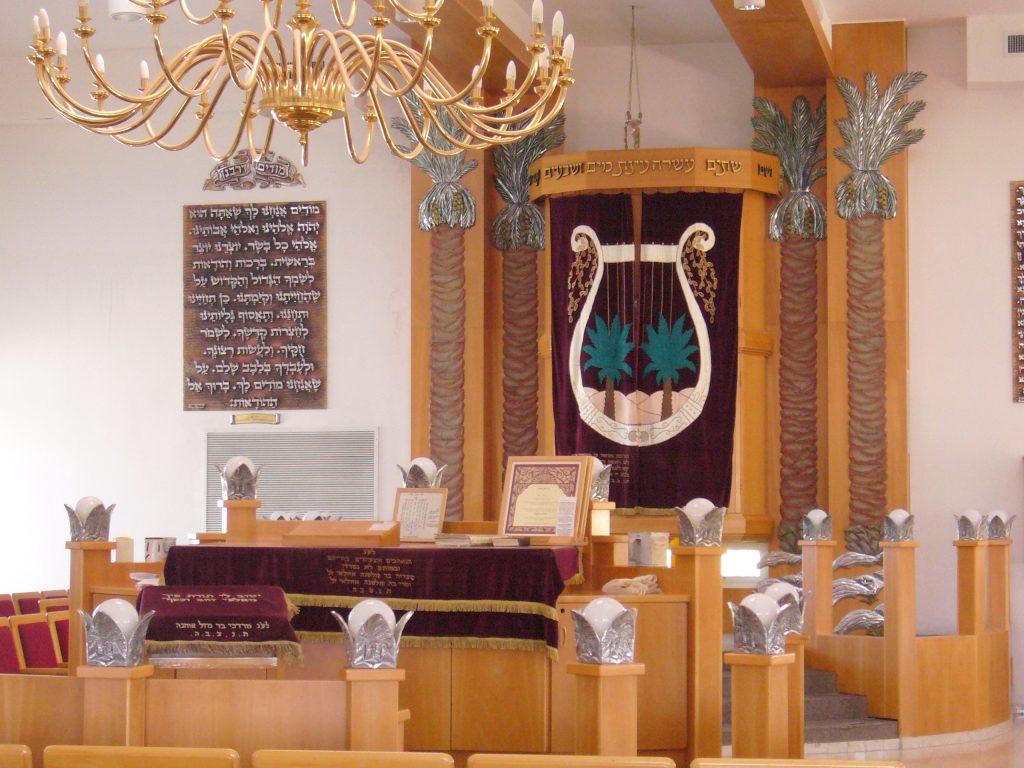
The Gush Katif tragedy was a blow to the heart of Jewish Eretz Yisrael. Thousands of dunams of farmland were abandoned. Dozens of shuls and yeshivos were dismantled or destroyed. The cemeteries had to be dug up and the dead reburied.
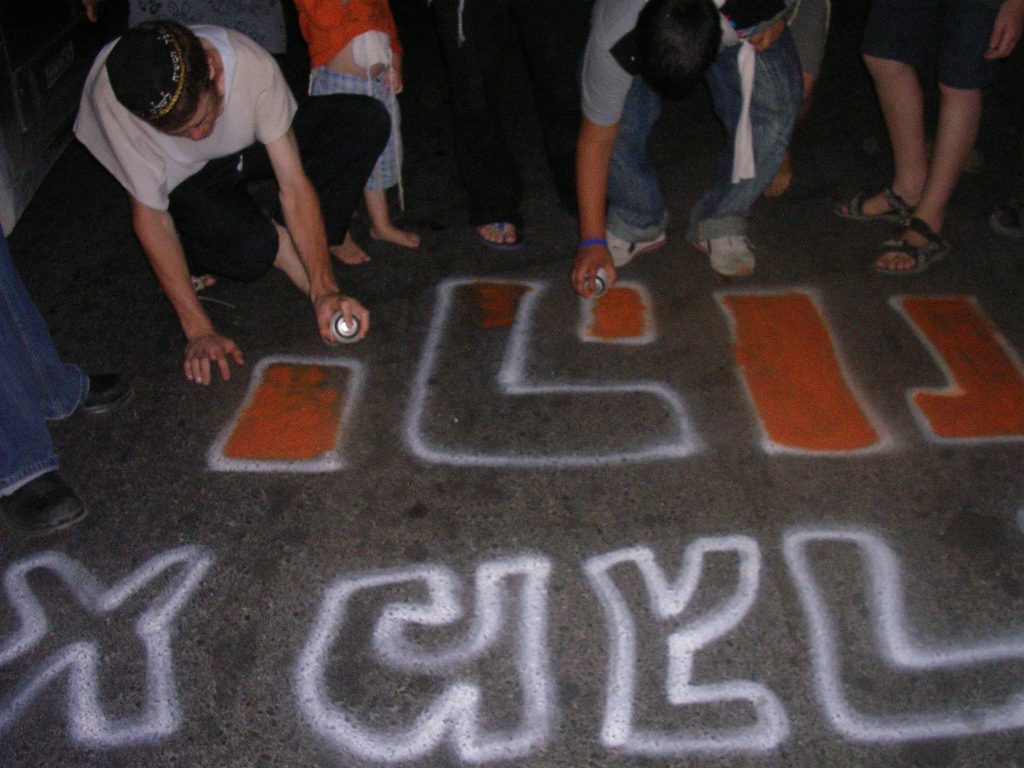
Months before the expulsion began, a group of Crown Heights residents realized that no amount of lobbying or protests was moving the needle. Months of efforts – led by R’ Kuti Rap a”h, protests in front of the consulate, awareness campaigns, thousands of phone calls to Likud Central Committee members ahead of the referendum – all seemed like a wasted effort. The streets were filled with orange ribbons, but the halls of power were deaf. It was like shouting at a wall.
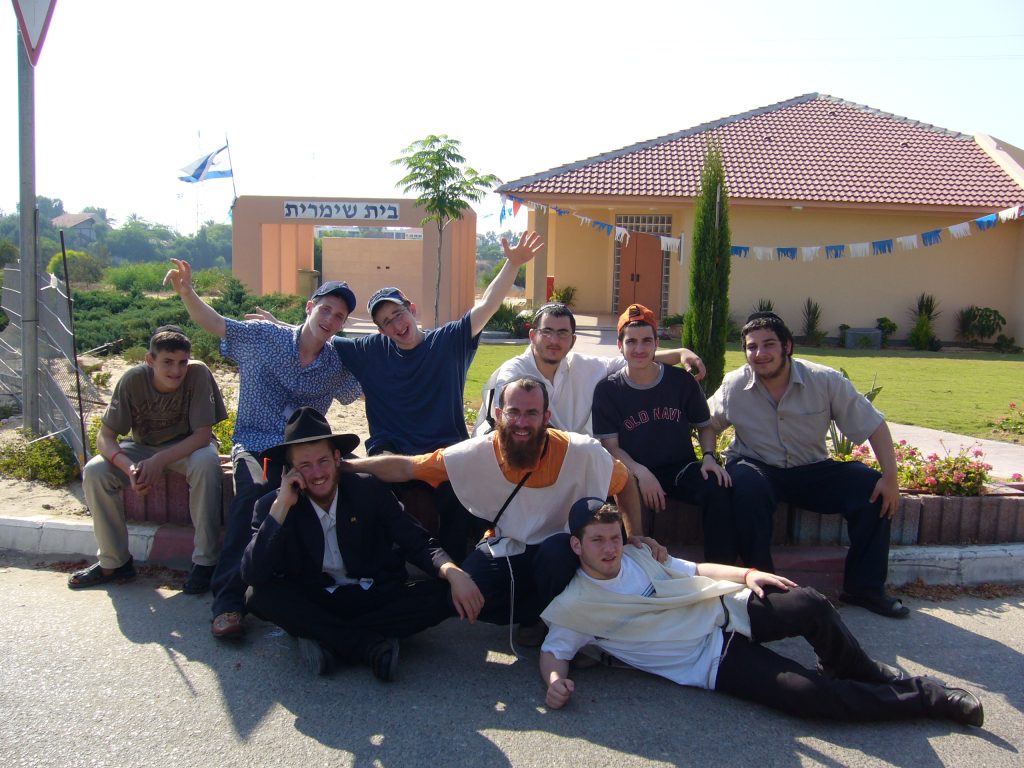
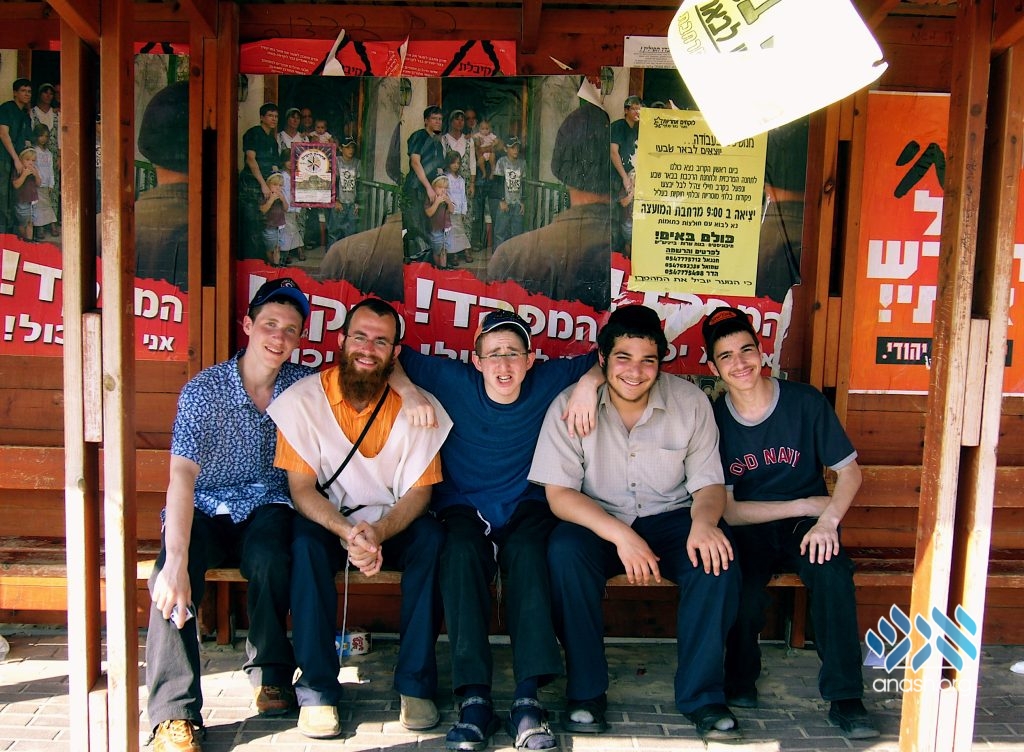
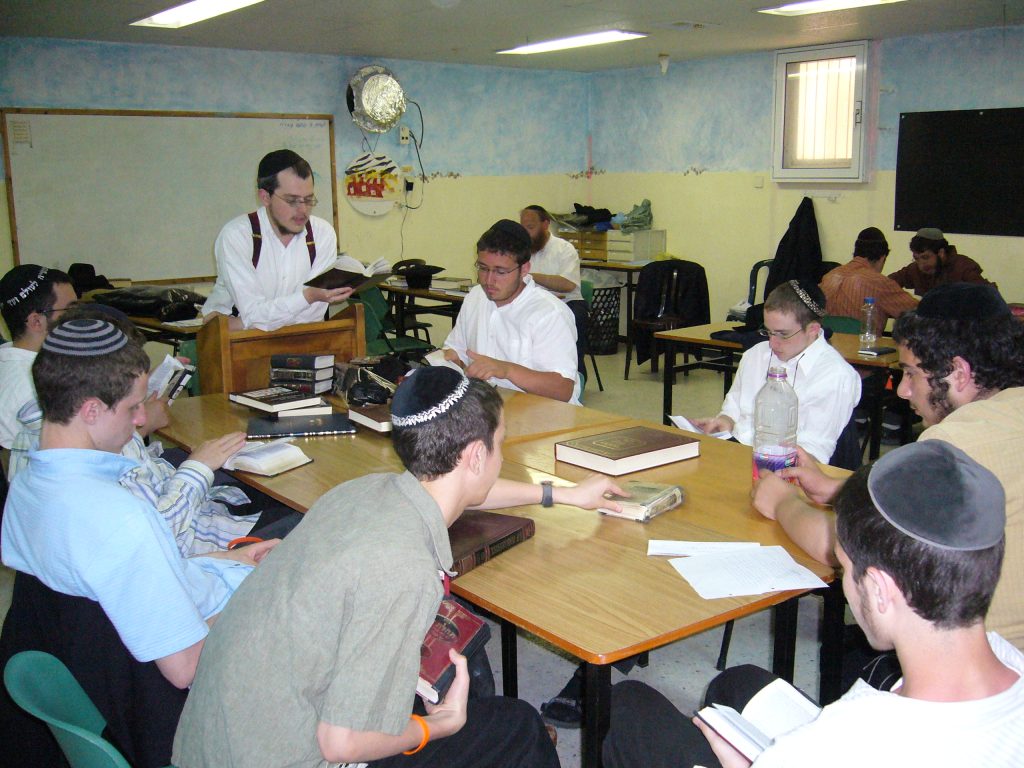
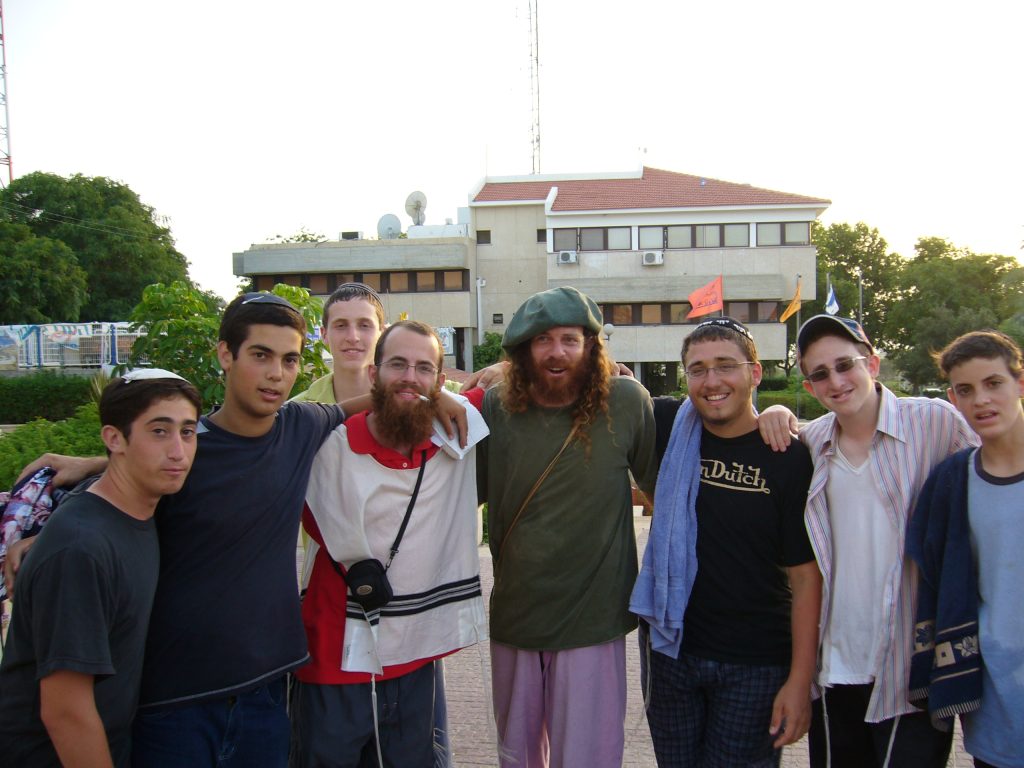
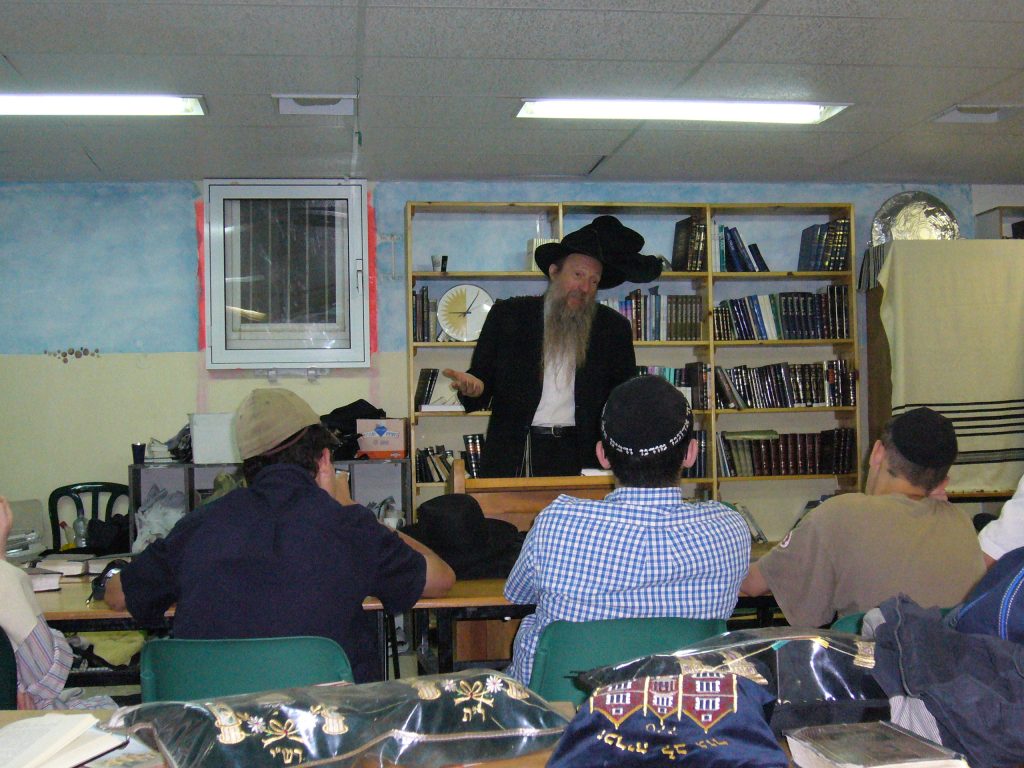
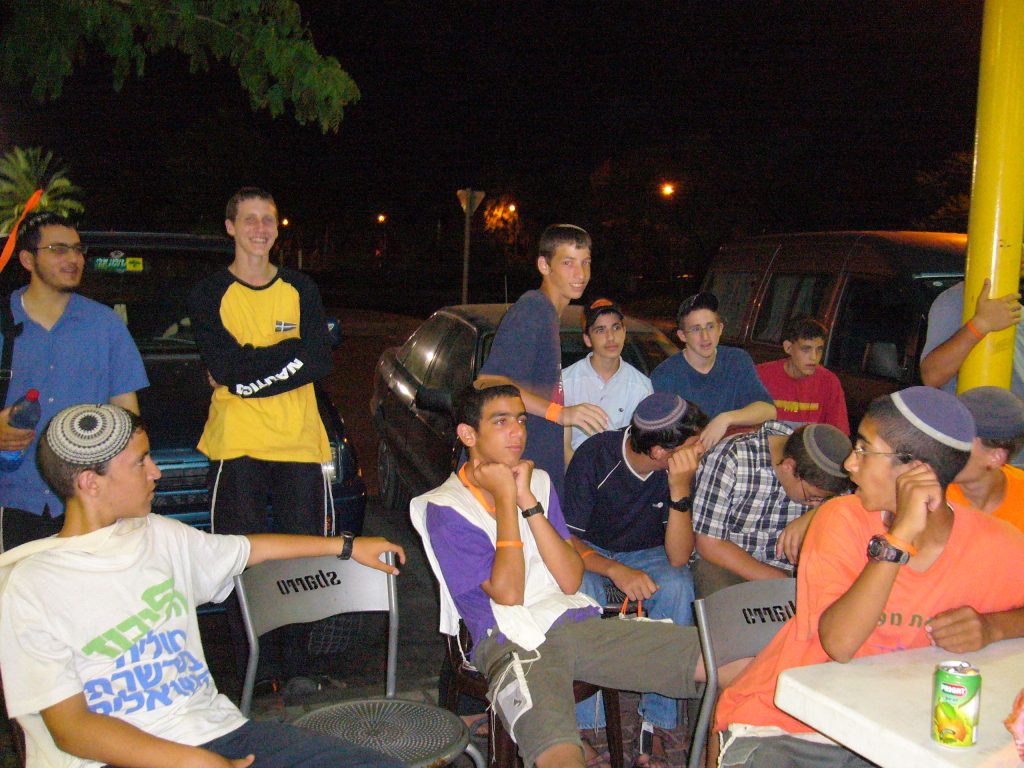
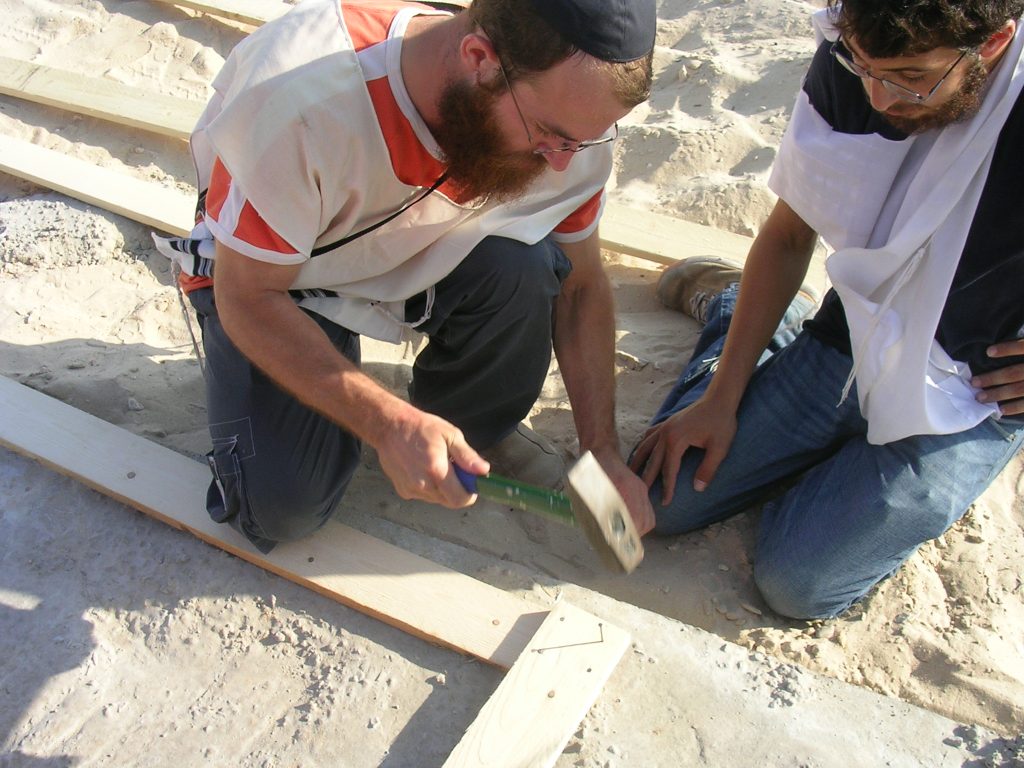
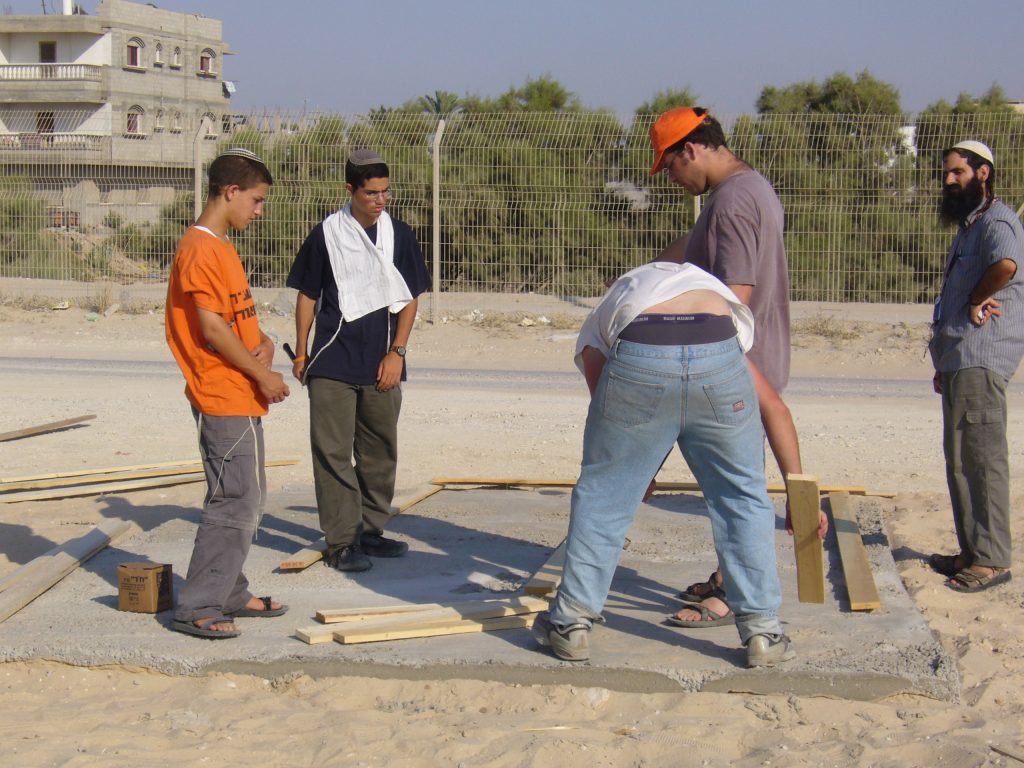
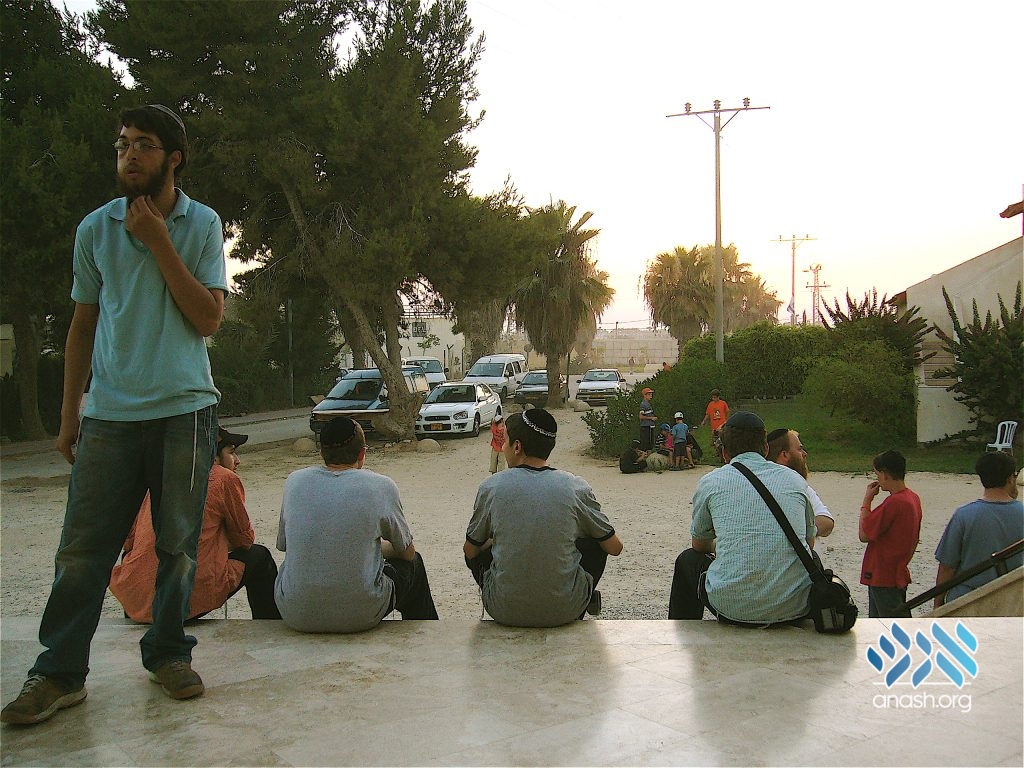
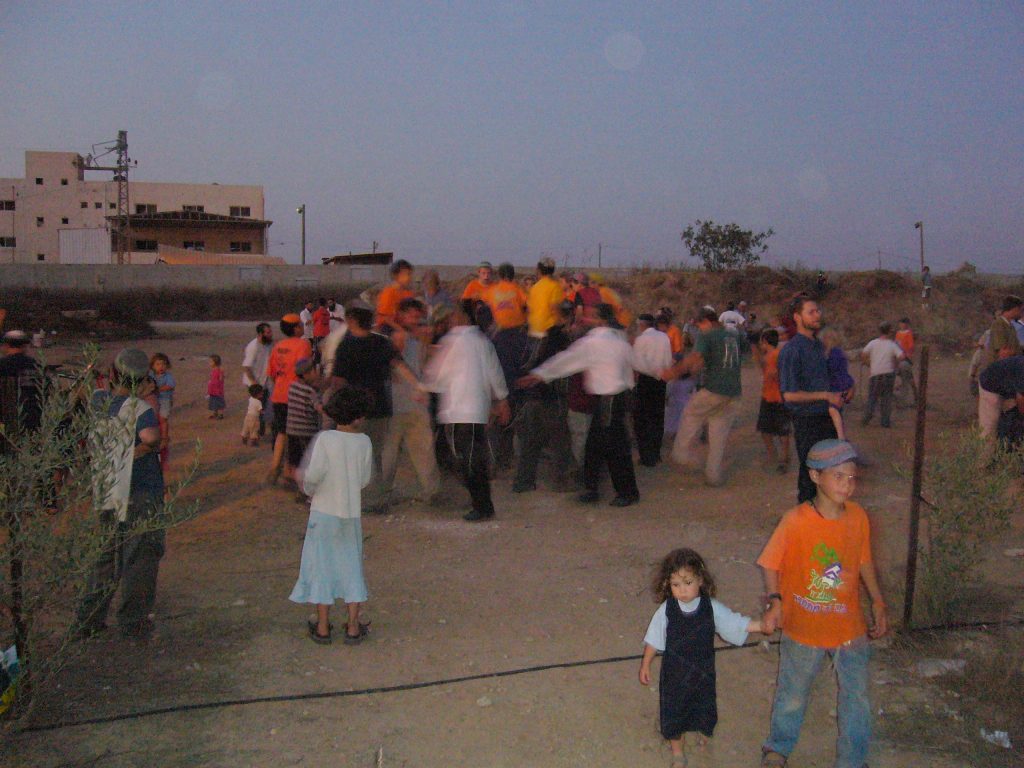
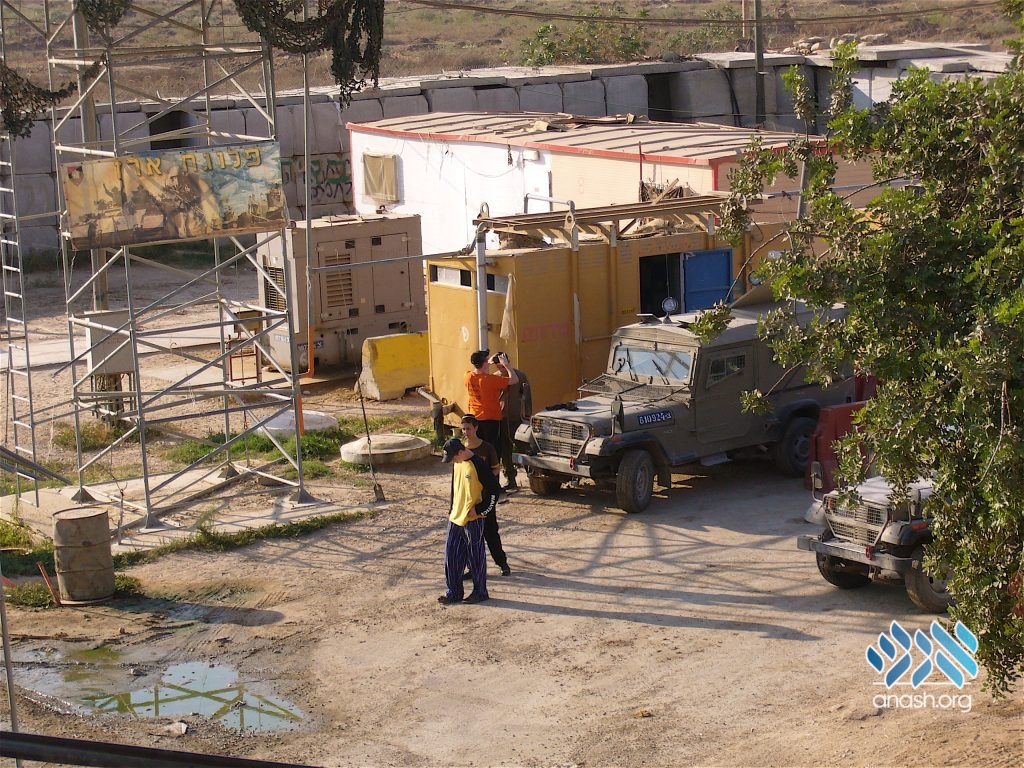
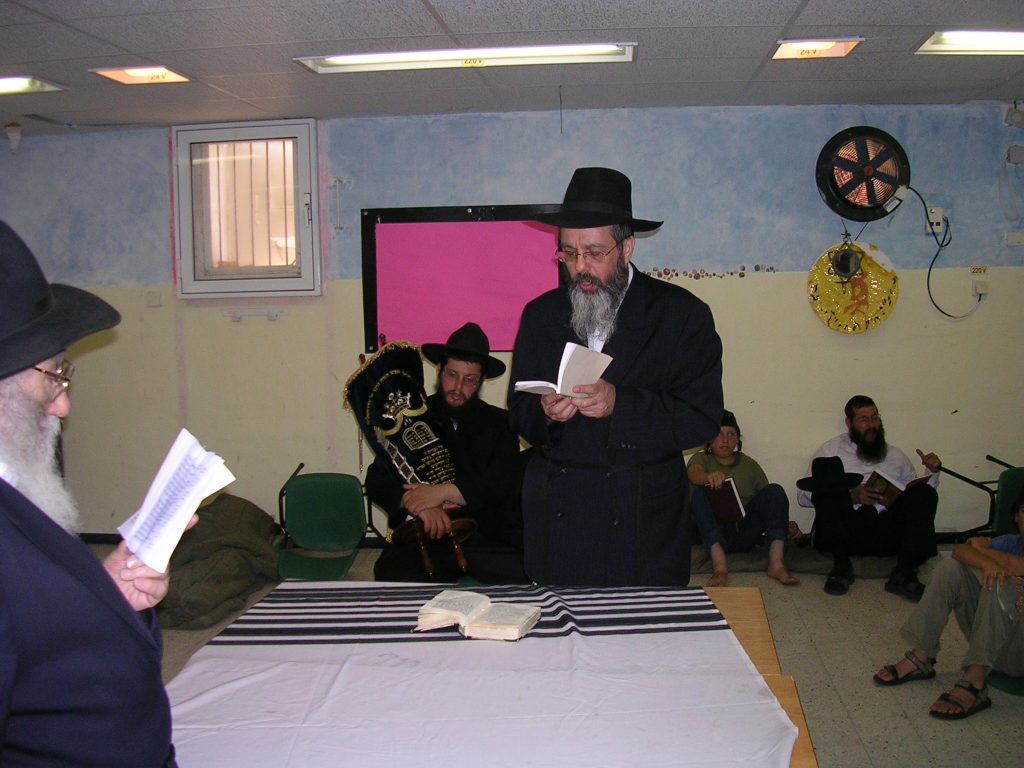
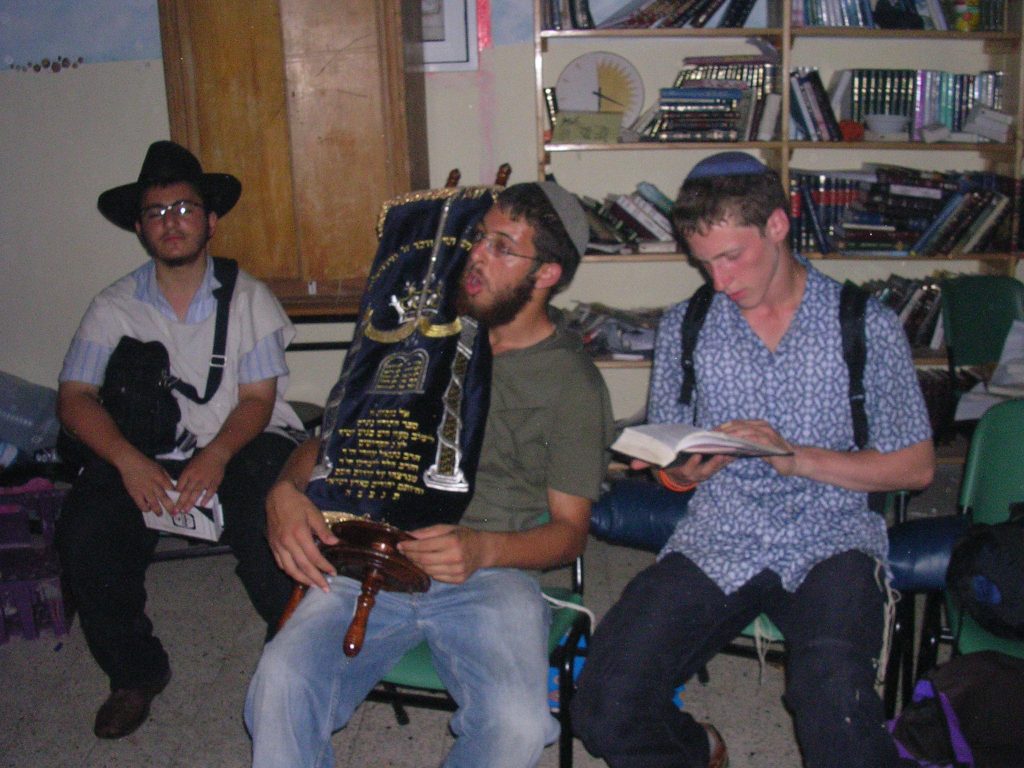
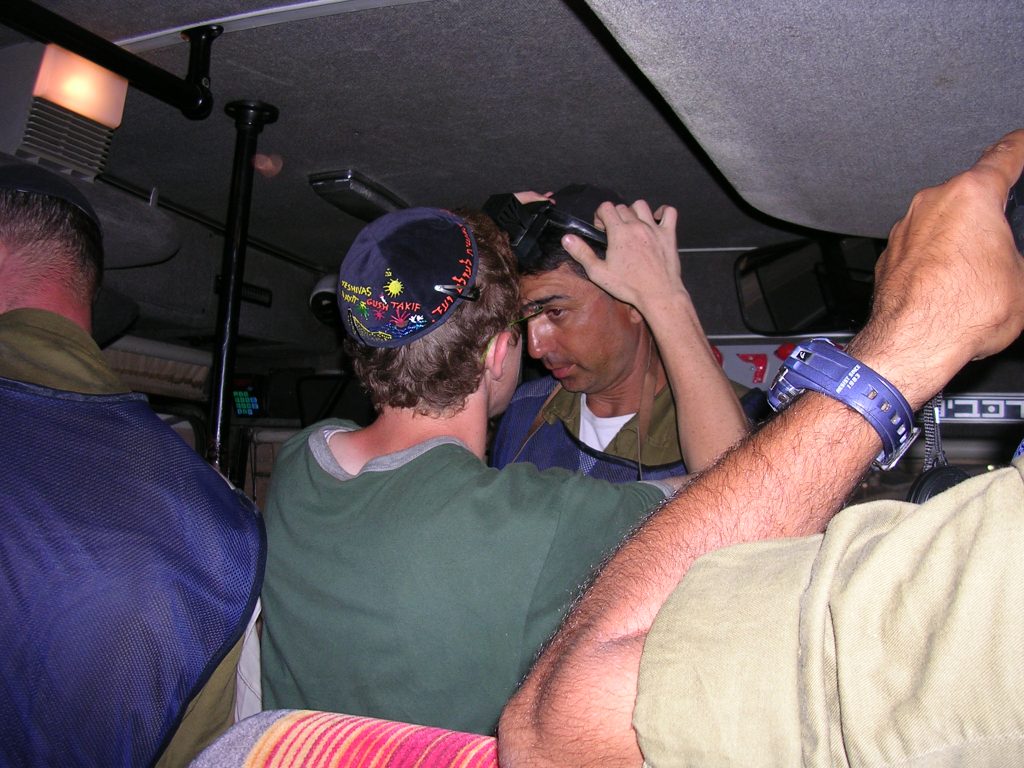
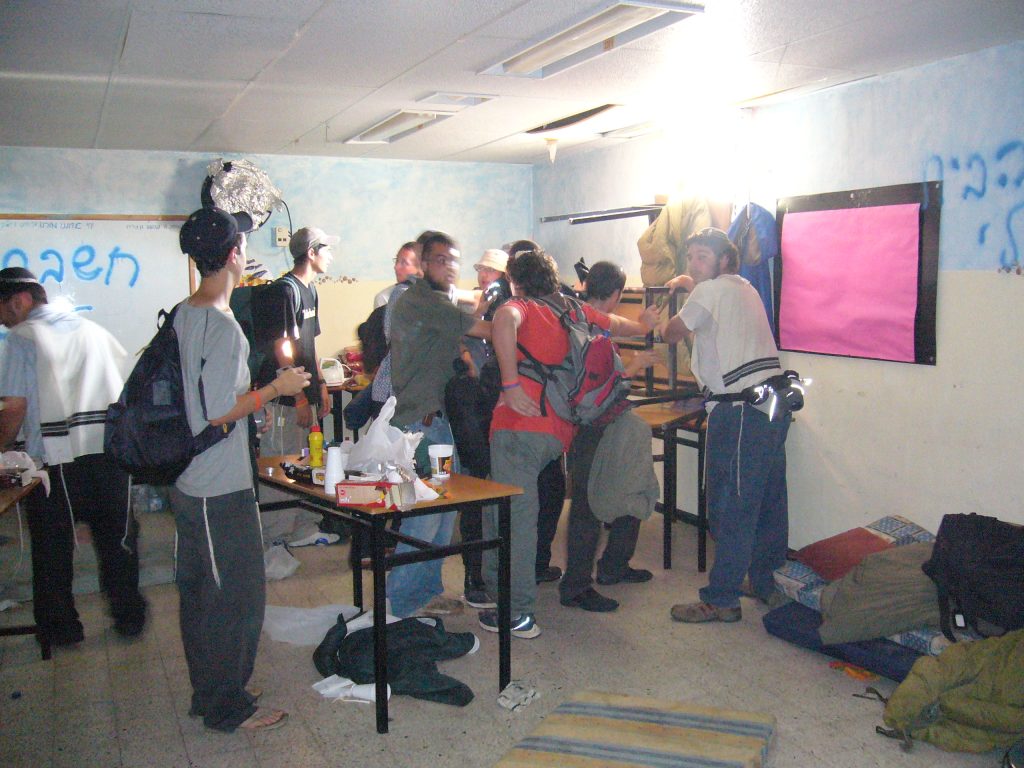
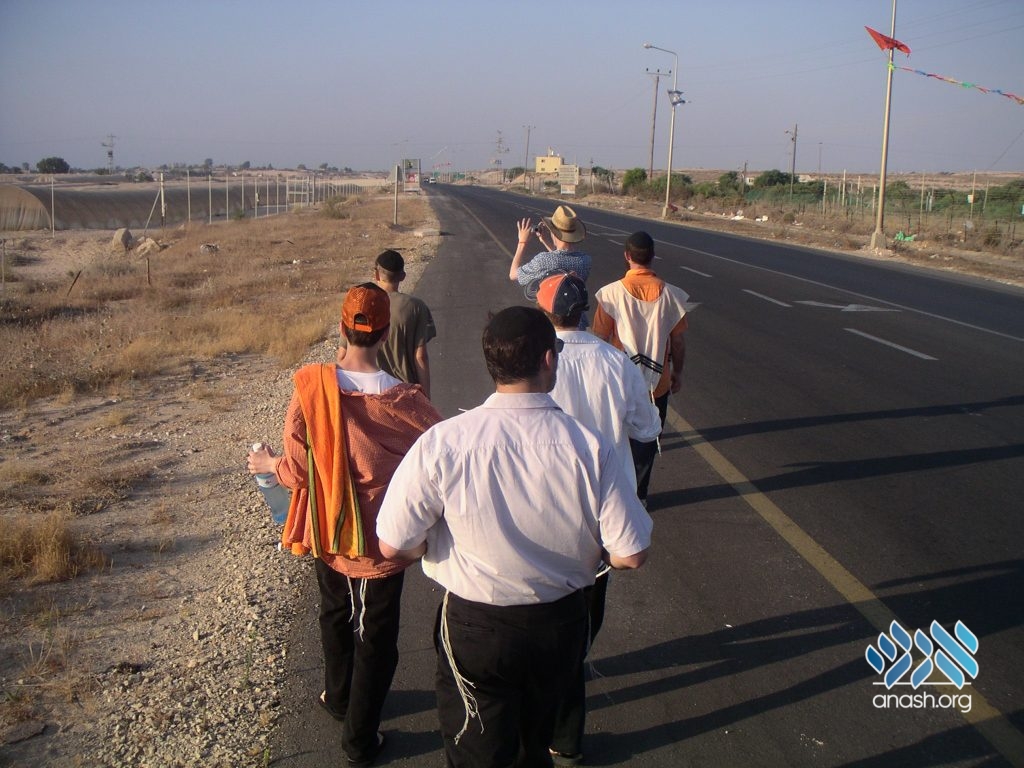
So they decided to change strategy. In those final months before the expulsion, when so much of the country seemed resigned to the decree, a small group did what Lubavitchers do best: run toward the fire. They decided to go to Gush Katif – not just to protest, but to open a yeshivah, a branch of Tomchei Temimim in the heart of Neve Dekalim. To fight the Rebbe’s war the Rebbe’s way – with Torah and mitzvos.
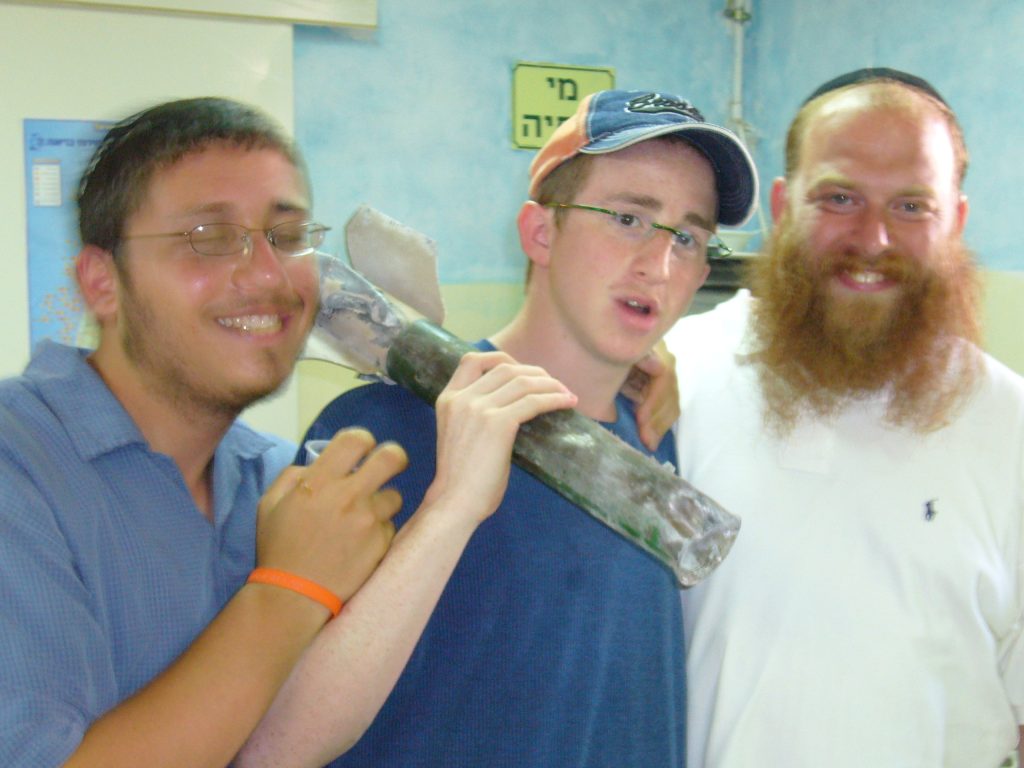
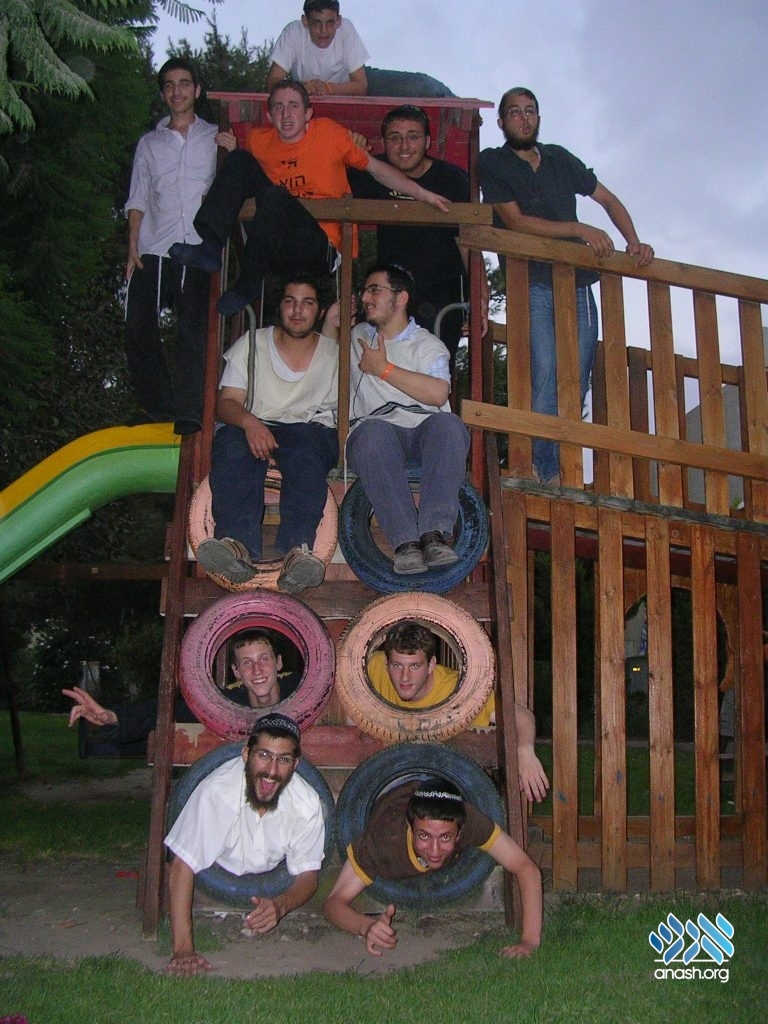
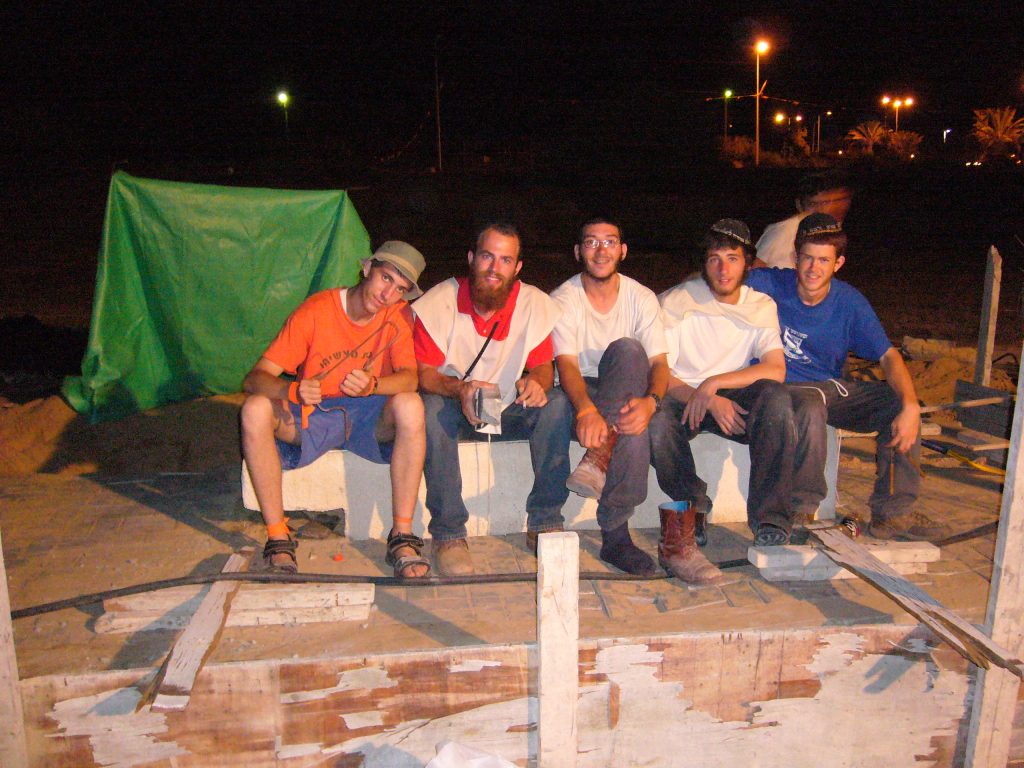
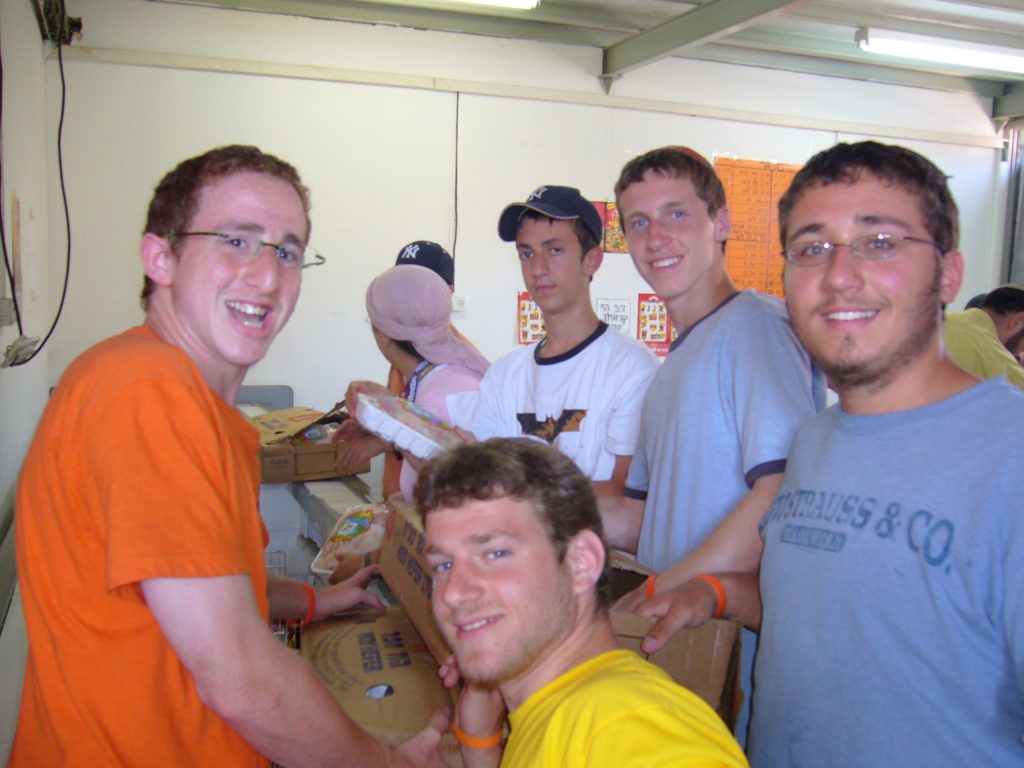
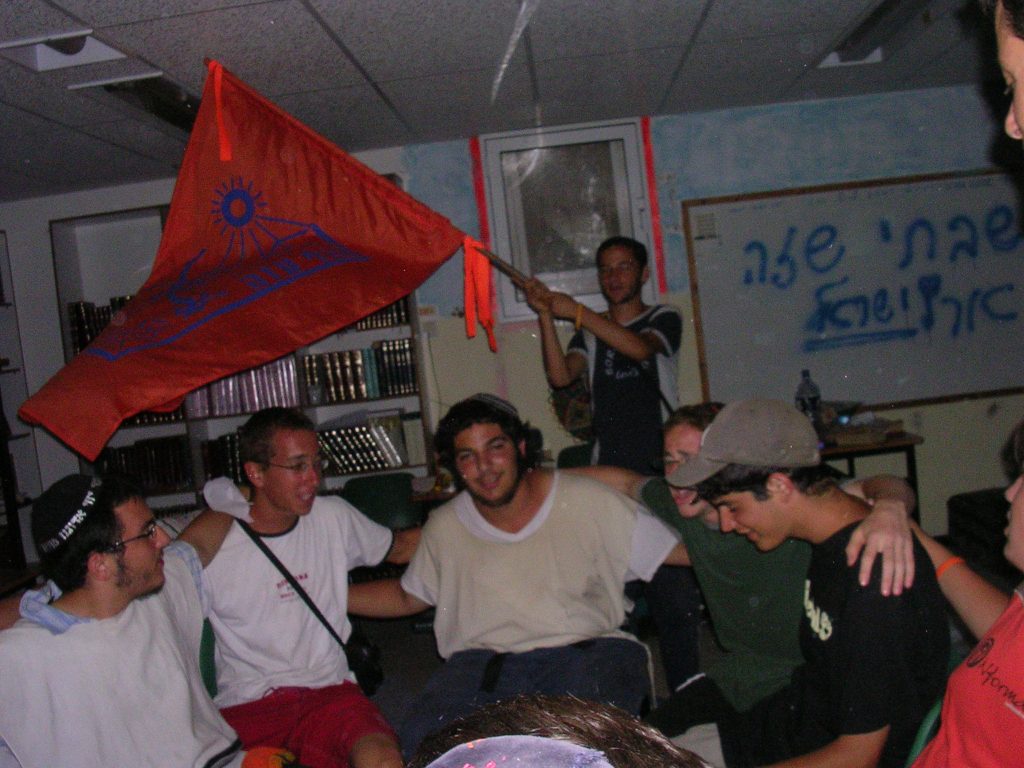
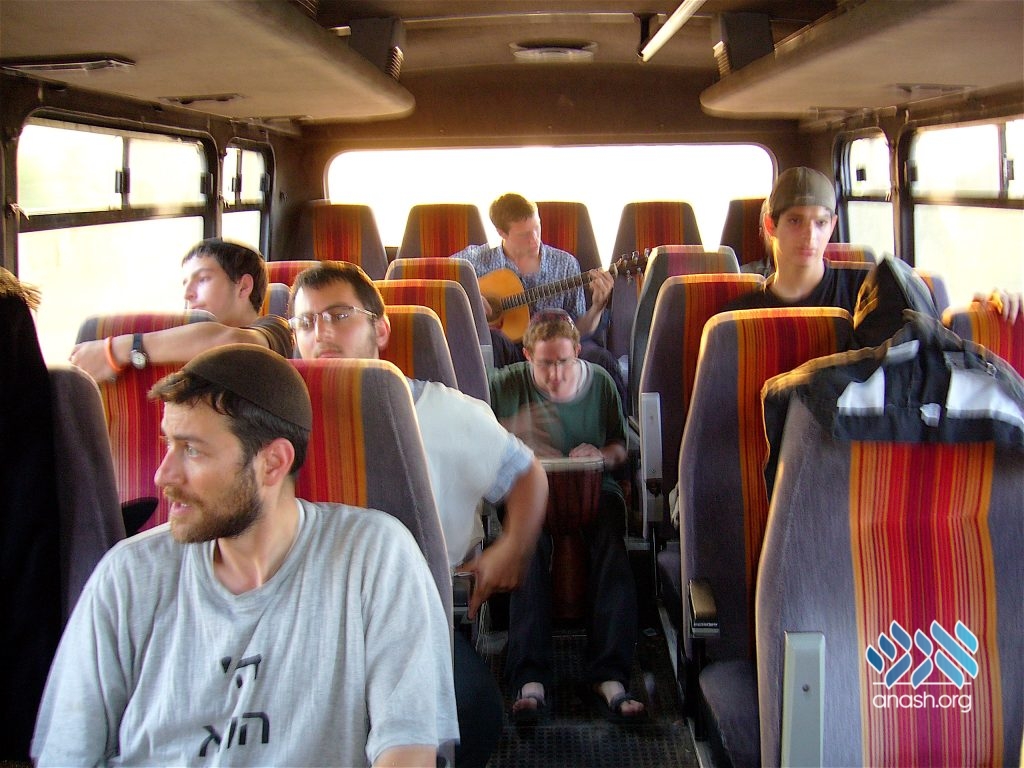
Within days, ten bochurim signed up for a yeshiva that had no building and no clear plan. Led by R’ Eli Poltorak and R’ Chaim Siewald and two older bochurim, they left behind comfort and stability and entered a war zone armed with determination.
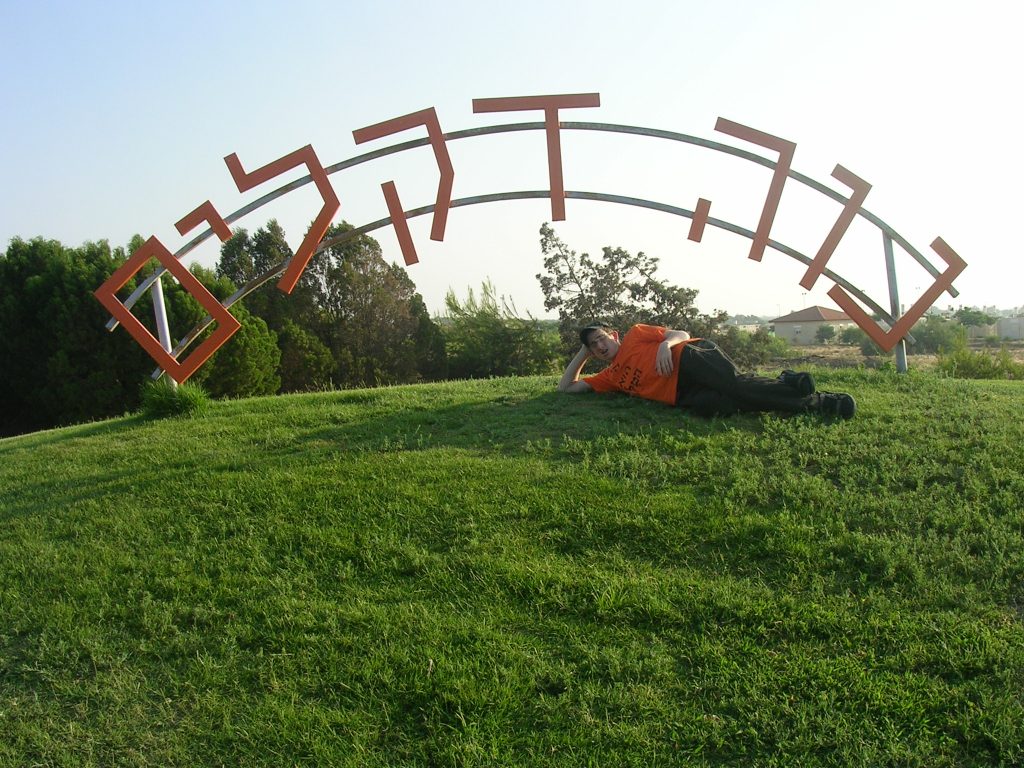
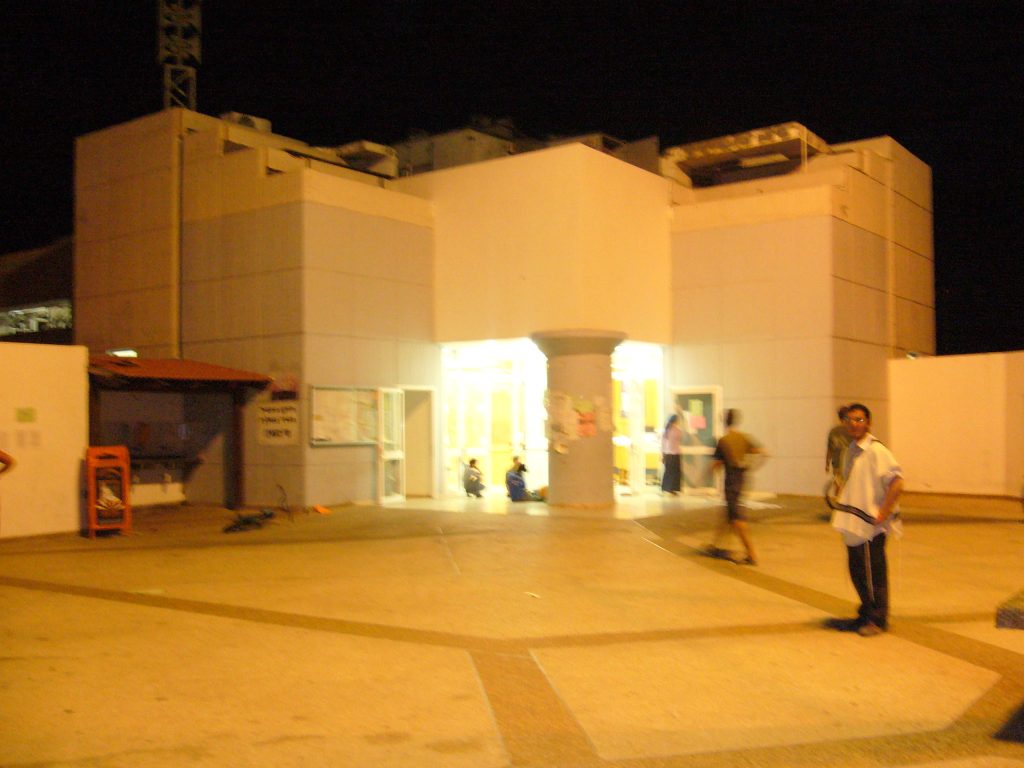
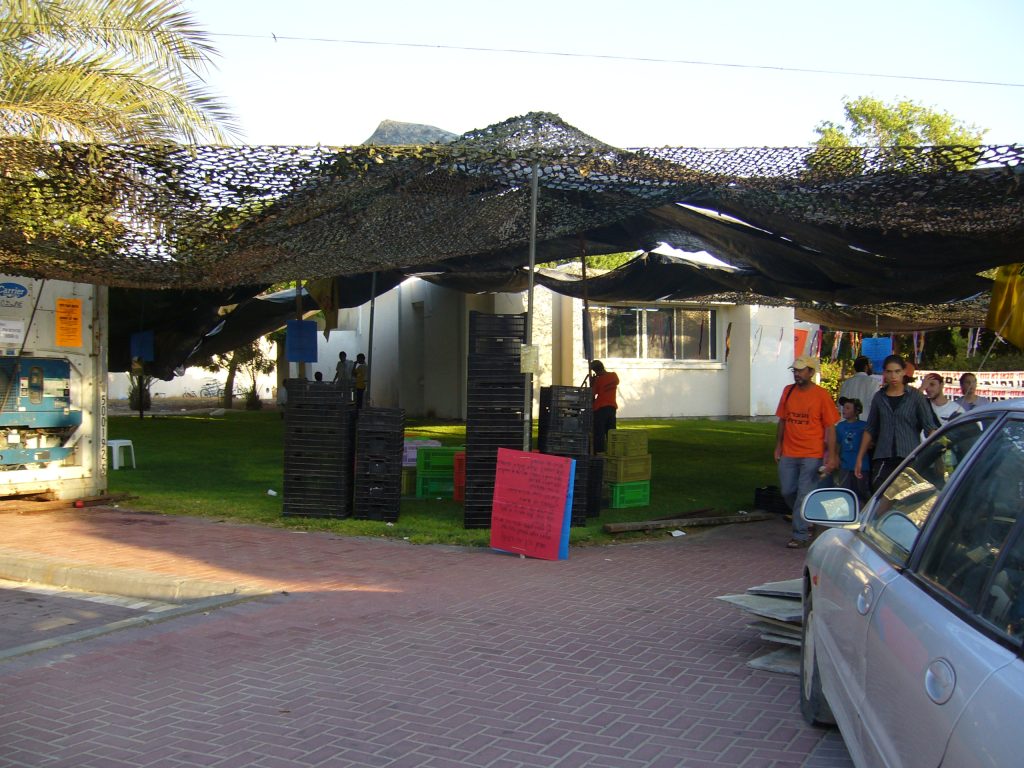
Their destination was the beachfront Shirat HaYam Hotel – but days before they arrived, the IDF demolished it. Instead, they found refuge in a wing of Rabbi Tal’s “Torat HaChaim” Yeshiva, which had itself become disillusioned with the state’s betrayal. There, with the help of local shliach Rabbi Yigal Kirshensaft and his family, the Chabad yeshivah opened its doors.
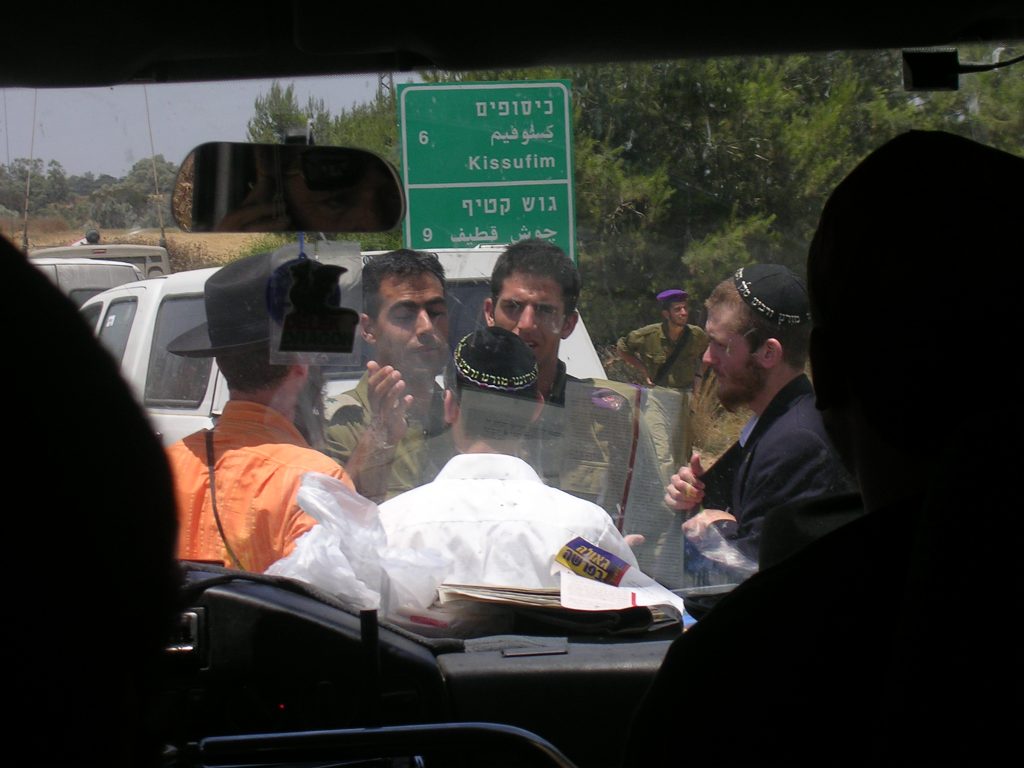
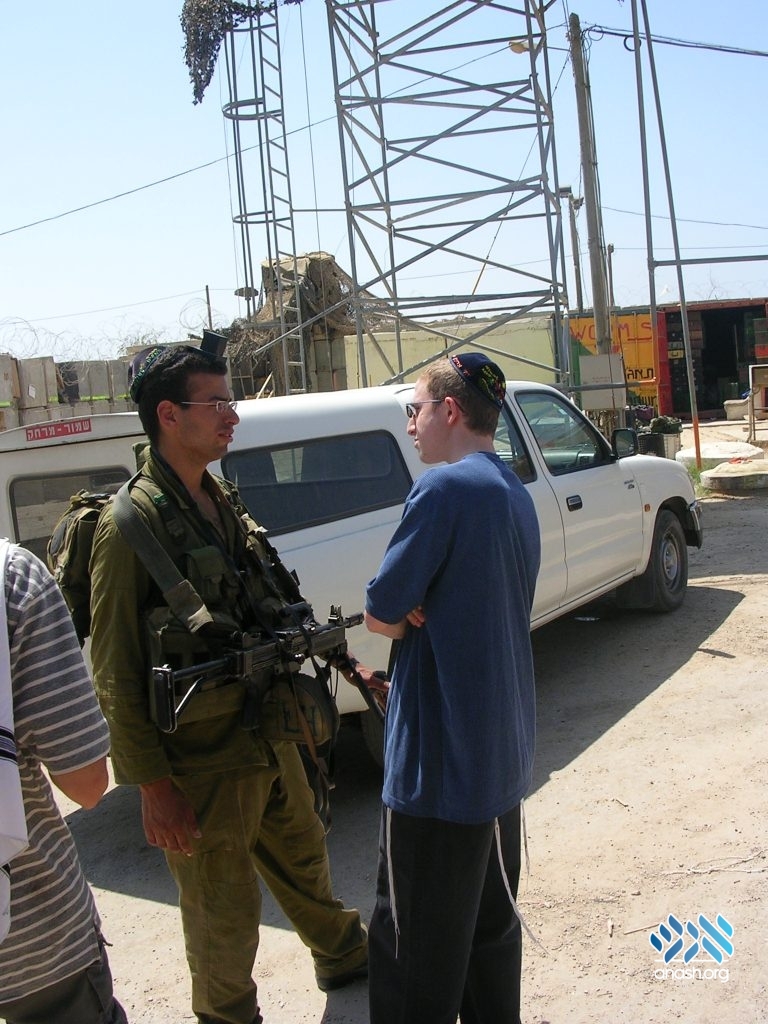
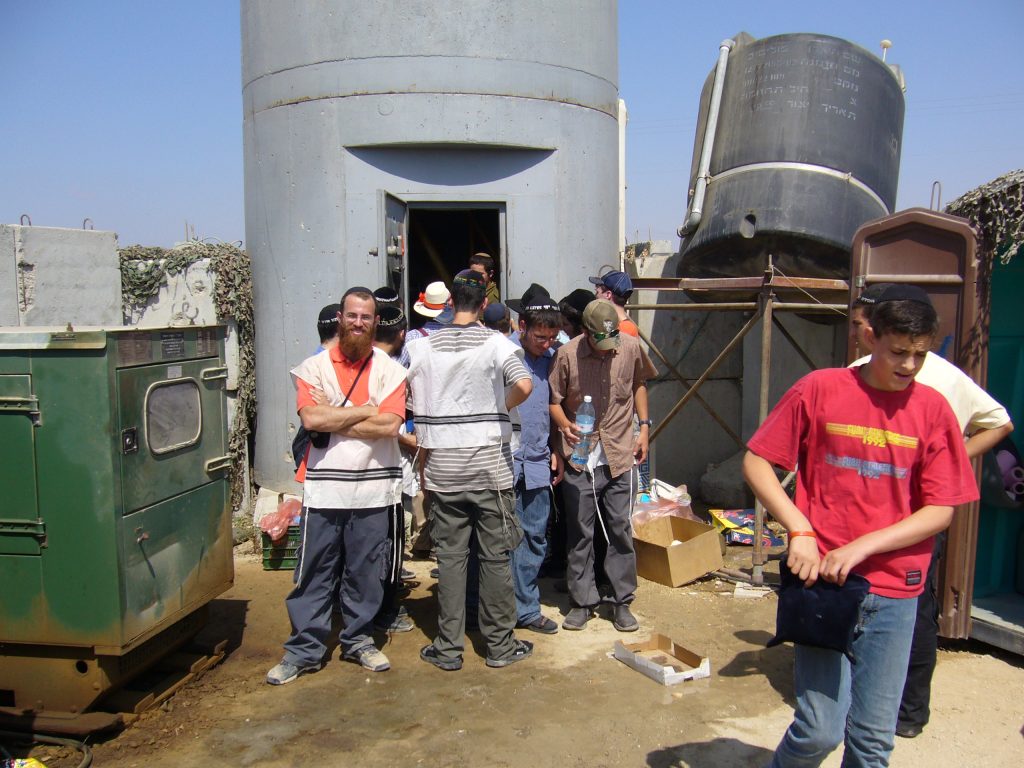
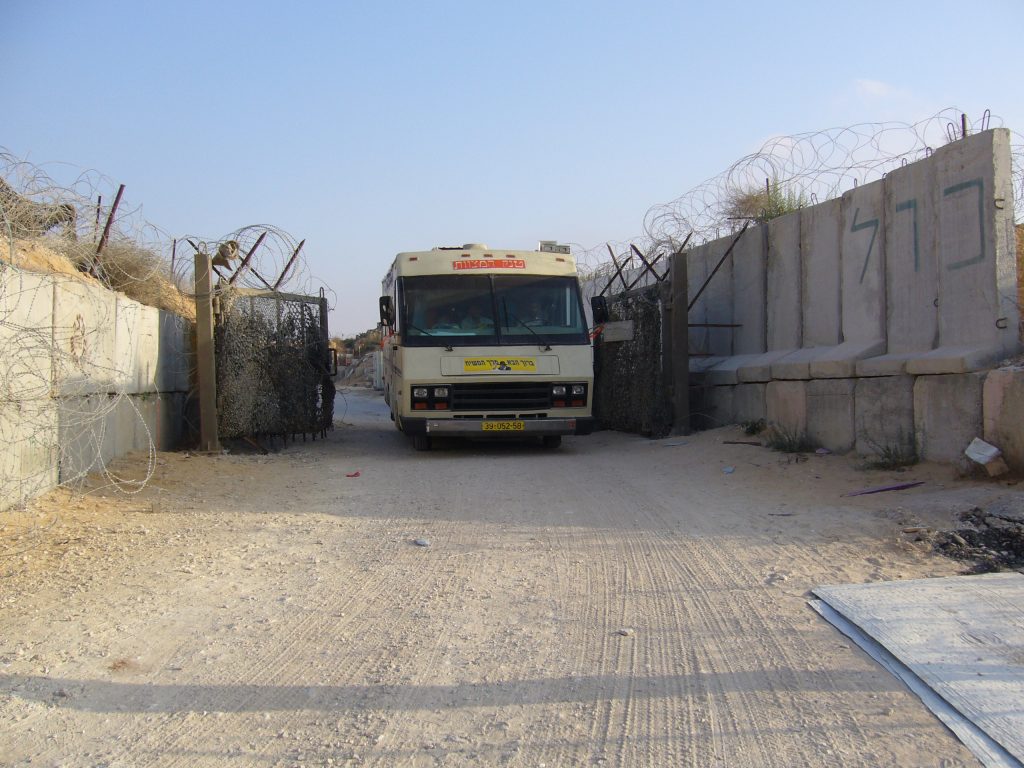
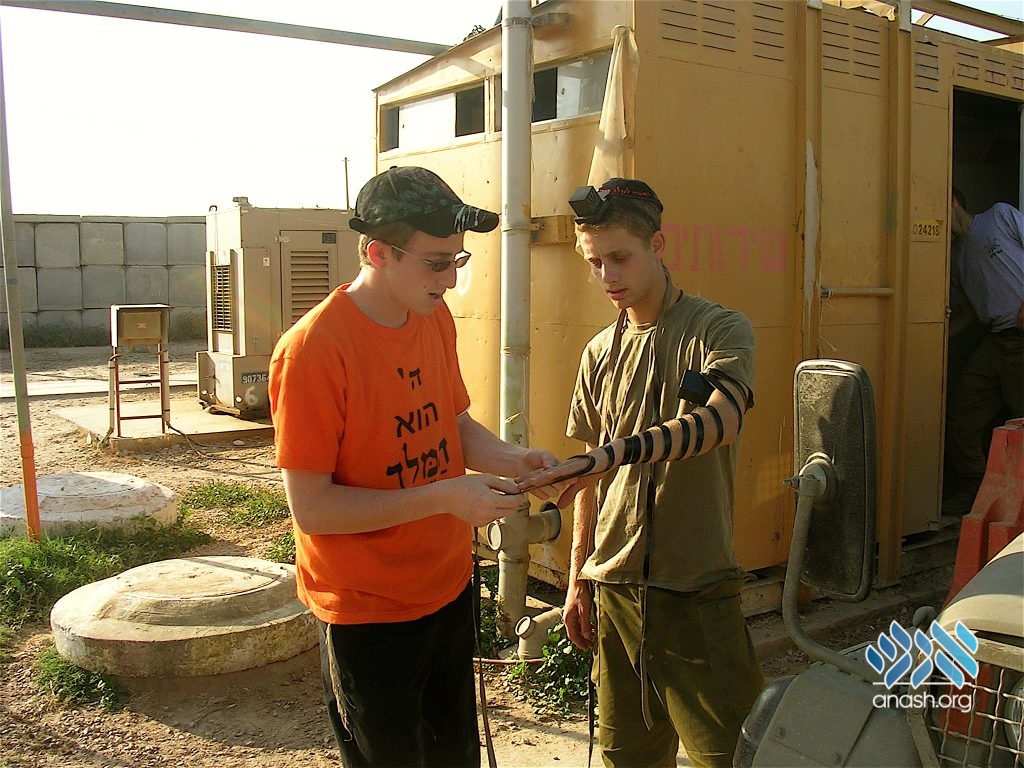
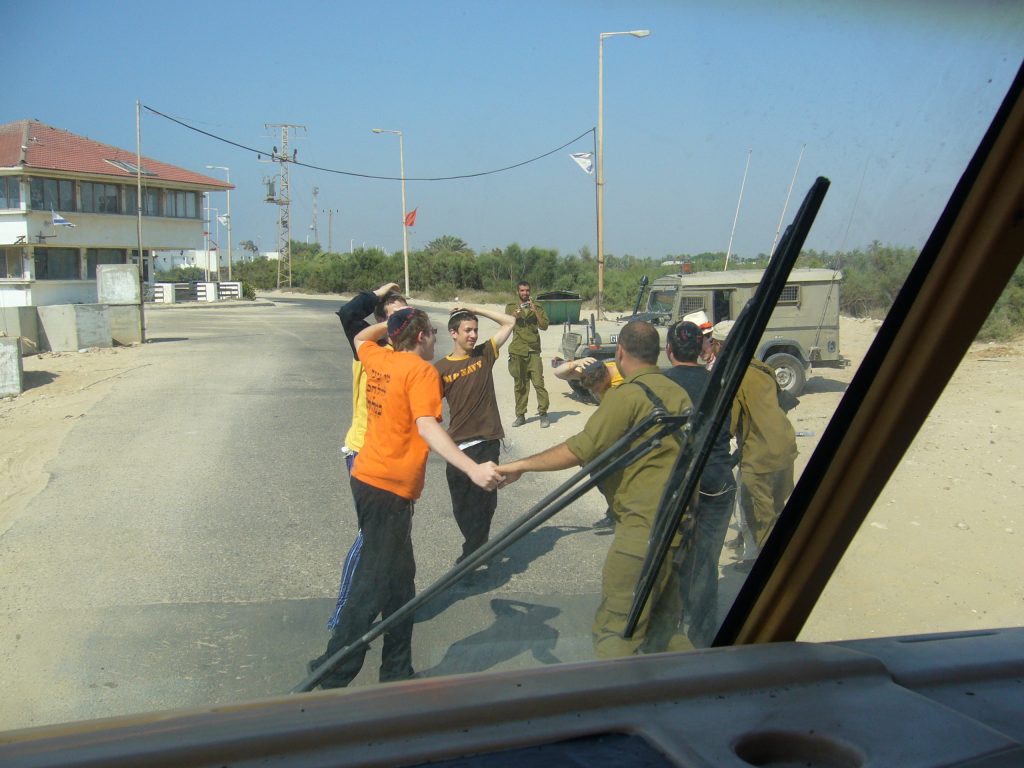
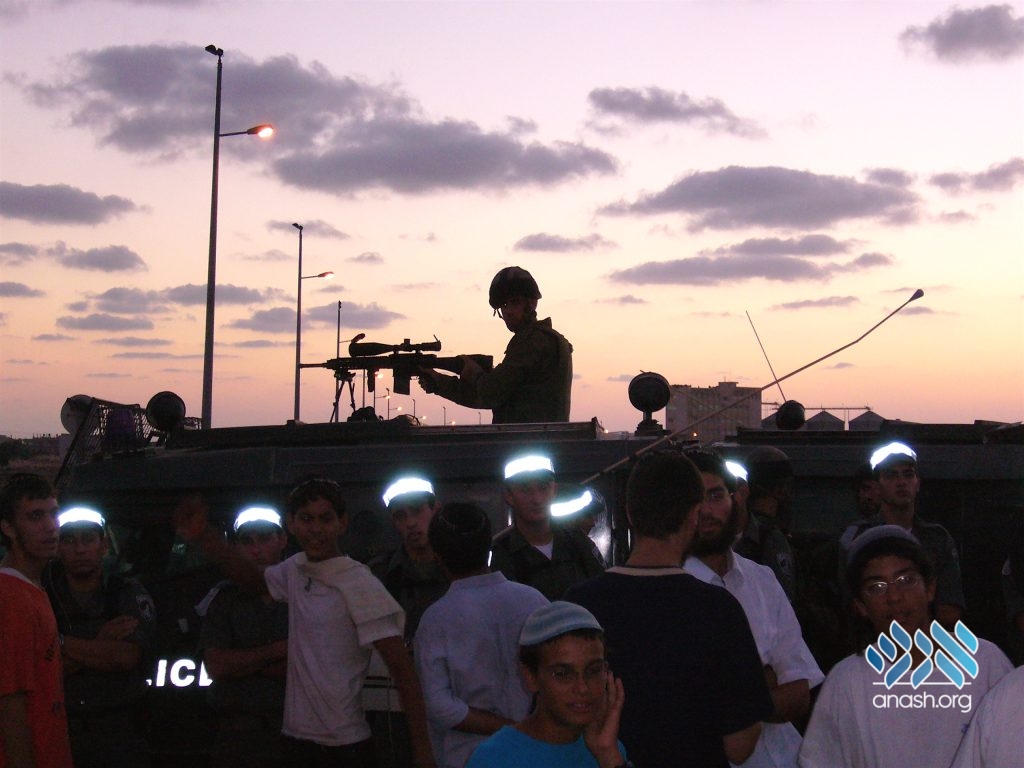
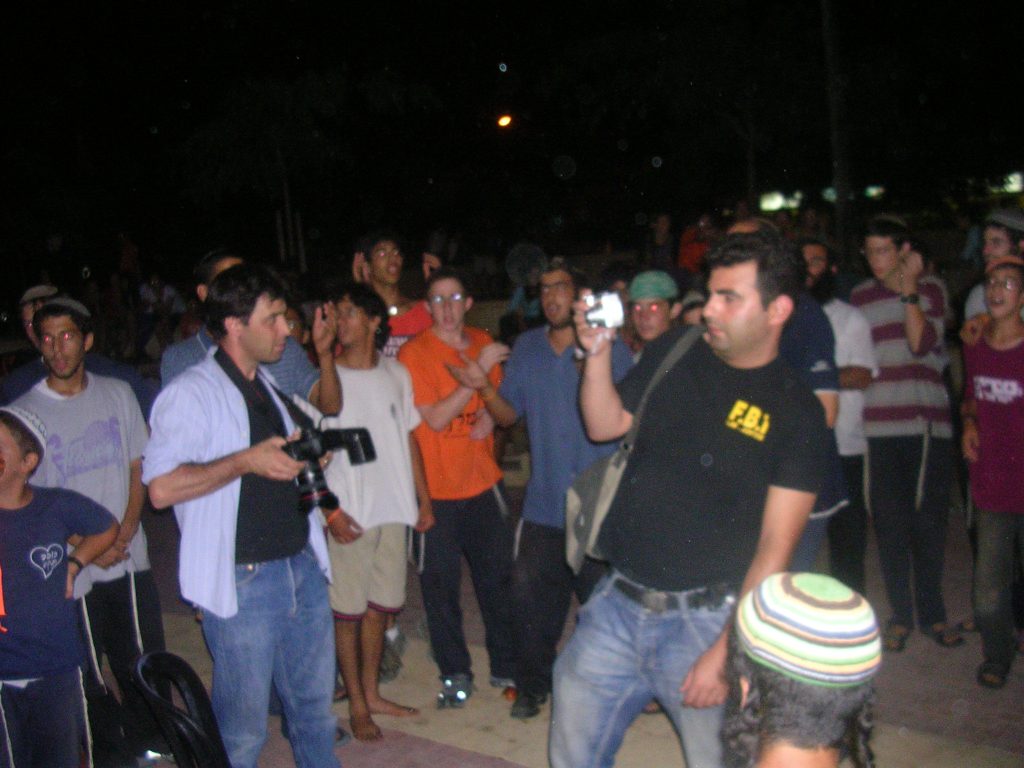
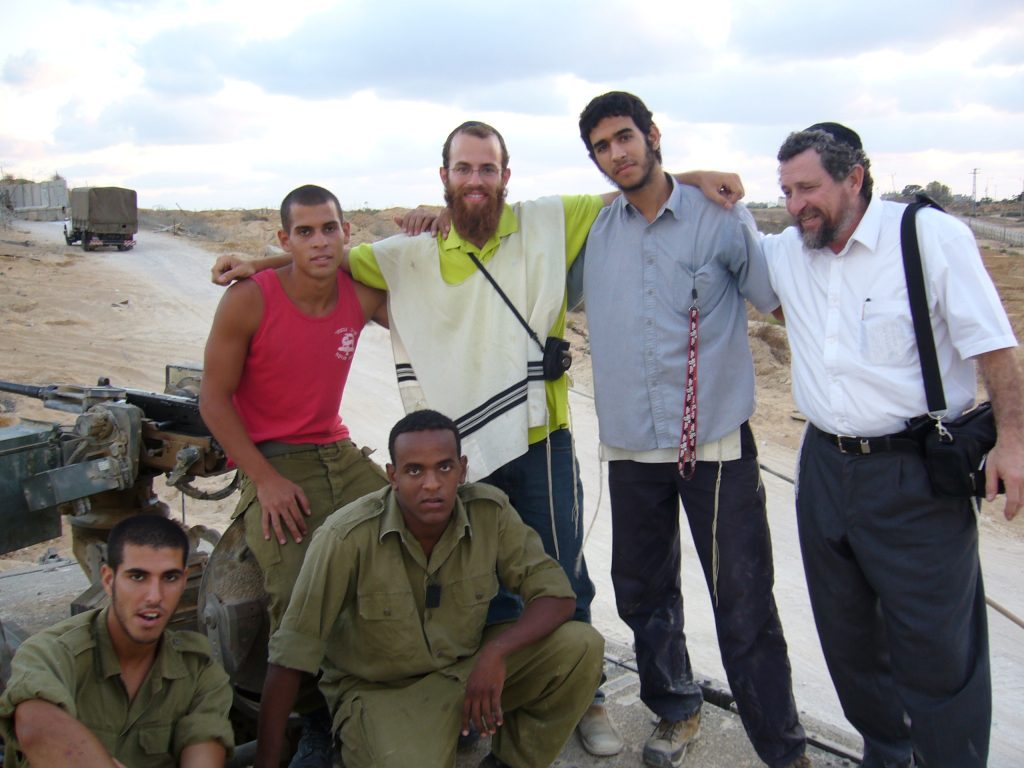
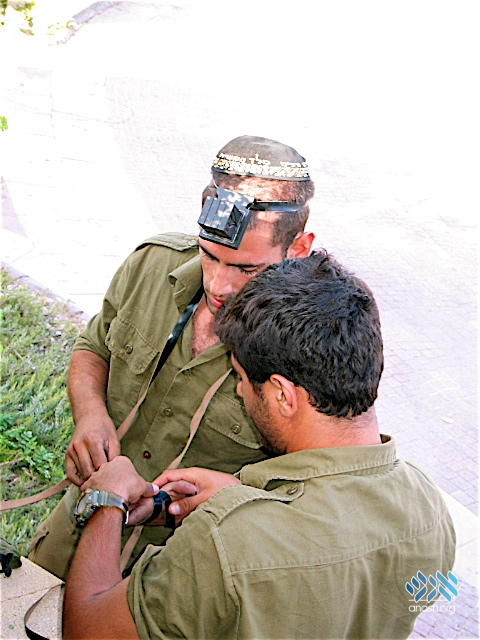
One of their most powerful tools was a Mivtzoim Tank, provided by Rabbi Dovid Nachshon. The tank crisscrossed every inch of Gush Katif, stopping at outposts and junctions, meeting soldiers, settlers, and even secular youth – putting on tefillin with hundreds and spreading words of encouragement to everyone they met.
One person who in particular stood out to everyone in the Gush – and is still remembered to this day – was Reb Leibel Mochkin a”h. Without asking permission or coordinating with anyone, he simply informed the newly opened yeshiva: “I’m coming tomorrow.”
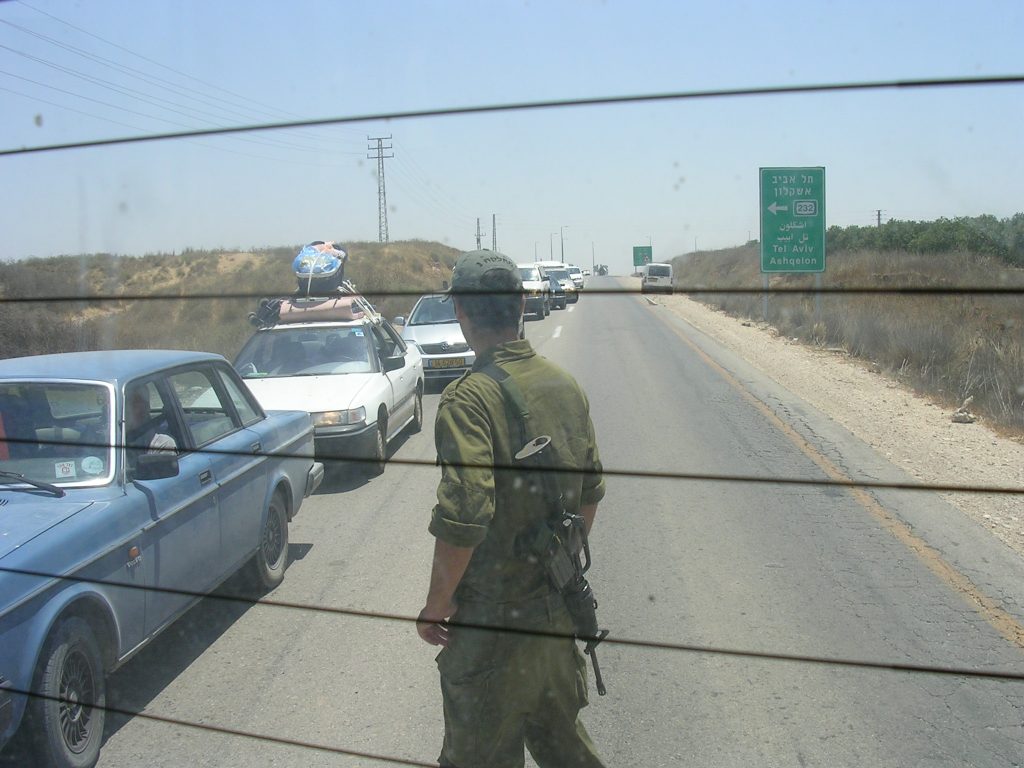
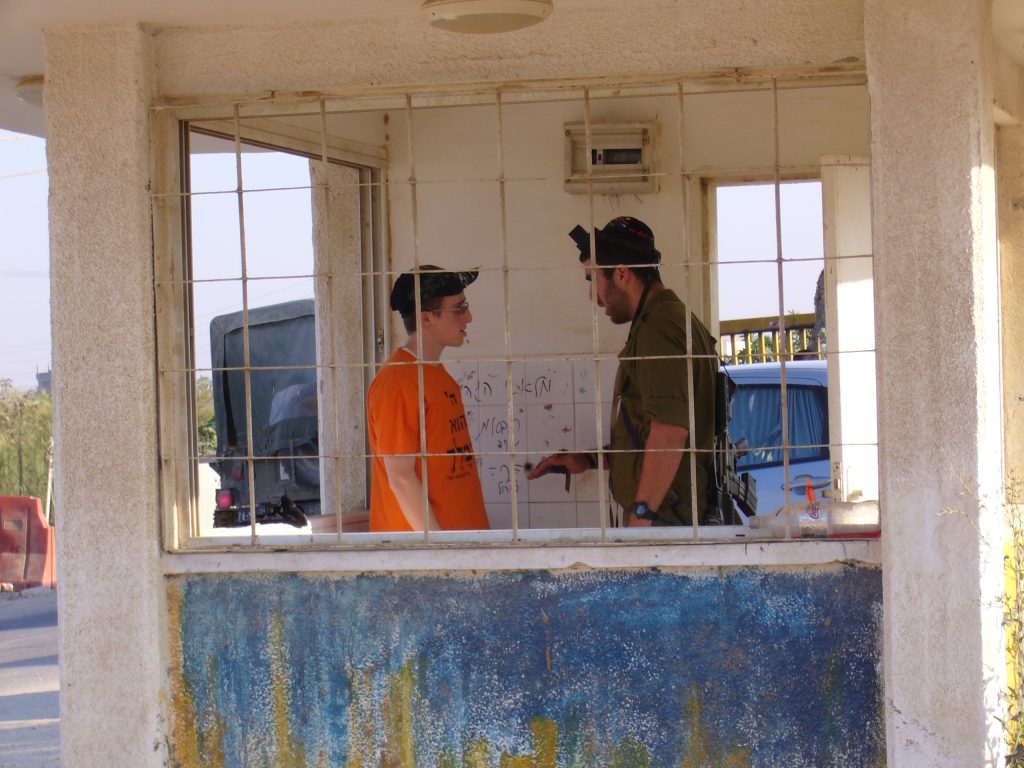
It was less than a month before the expulsion, and the entire Gush was already sealed off by the army. Roads were closed, checkpoints were in place, and entry was near impossible – especially for outsiders. But Reb Leibel had made up his mind.
The next day, somewhere near Ben Gurion Airport, a bewildered Israeli driver was flagged down by an elderly Jew with a long white beard and a fiery look in his eyes. The man – Reb Leibel – asked to be taken to Gush Katif. The driver hesitated. Everyone knew Gush Katif was closed off. But something about this older man made him agree.
They drove as far as they could until the first army checkpoint, where soldiers had blocked the road. The driver was about to turn around, but Reb Leibel got out of the car and strode over to the young commander. In a mix of Yiddish and Russian, he barked, “You won’t stop me! Stalin didn’t stop me – and you won’t stop me! Open the checkpoint!”
The soldier, stunned by the sight, didn’t know how to react. He started calling his superior officers, but Reb Leibel didn’t wait. He walked straight through the barrier. The driver, now completely panicked, was certain they were about to be arrested. The same thing repeated itself at the second checkpoint.
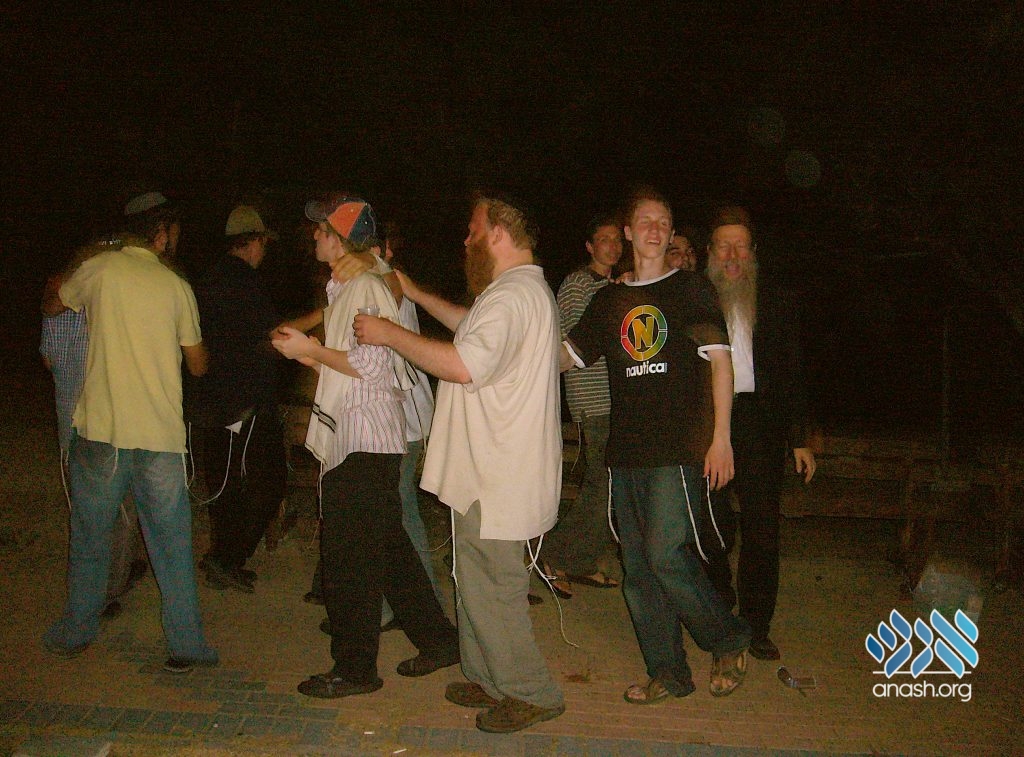
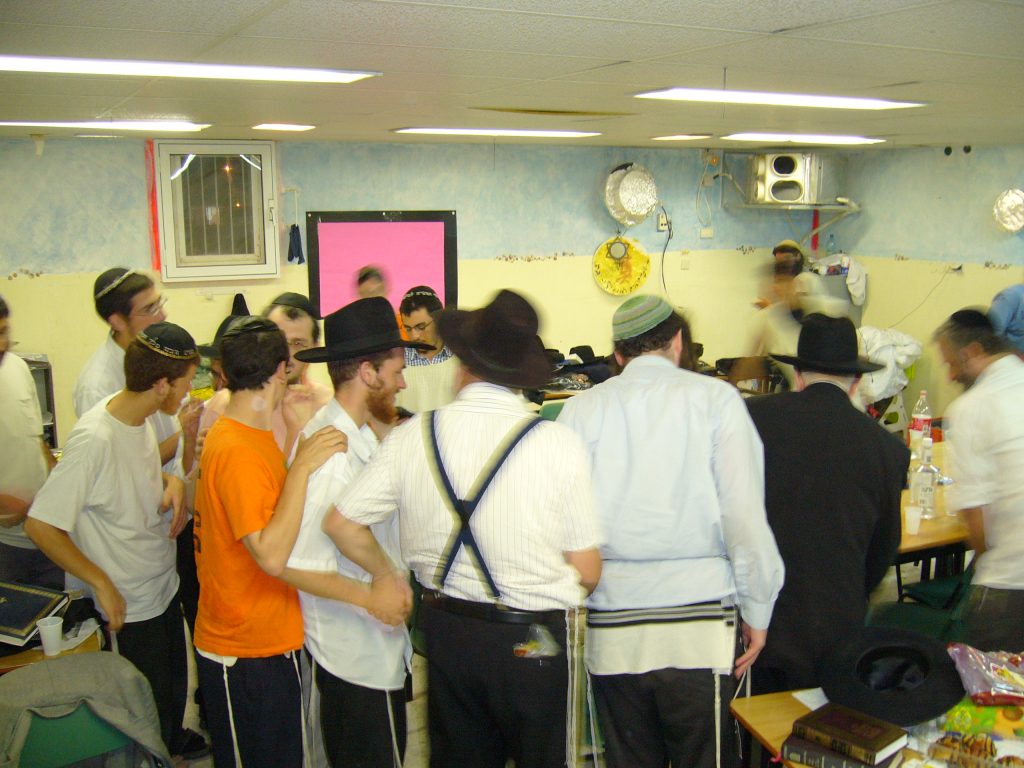
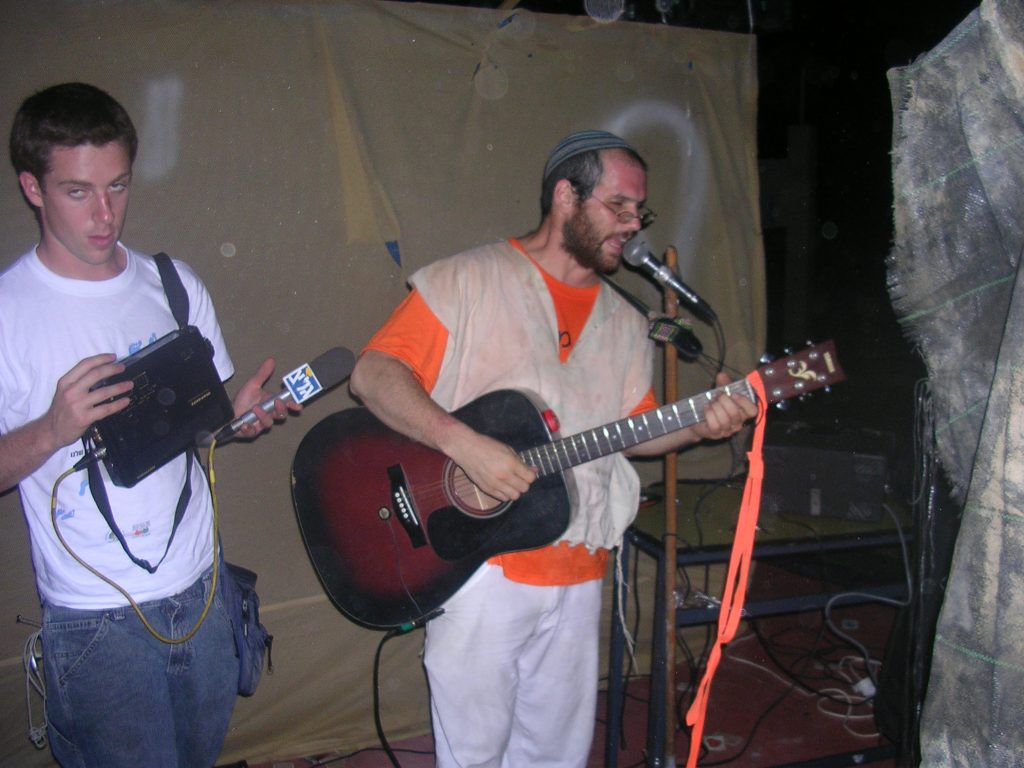
Once he arrived, he slept in the dormitory with the bochurim, ate with them, and learned with them. He was already an old man, long past retirement age, but he lived like one of the boys. He didn’t speak much Hebrew, and most of the locals didn’t understand his heavy accent, but it didn’t matter. His very presence – his white beard, blazing eyes, and absolute conviction – lifted the spirits of everyone around him.
And then came that morning.
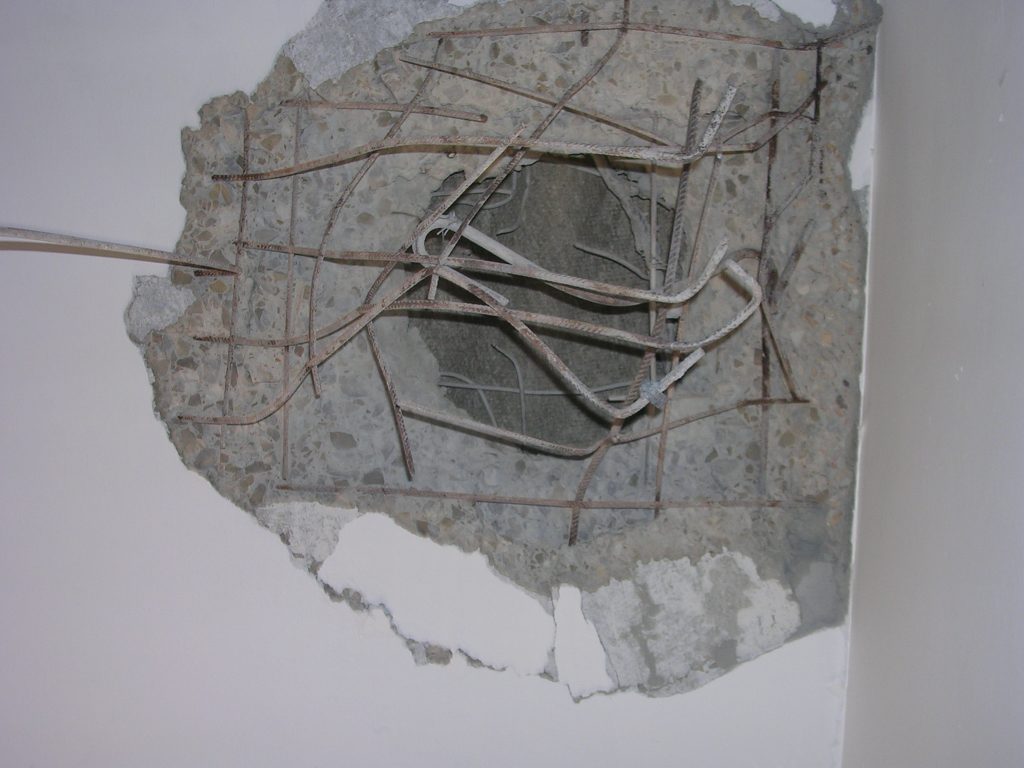
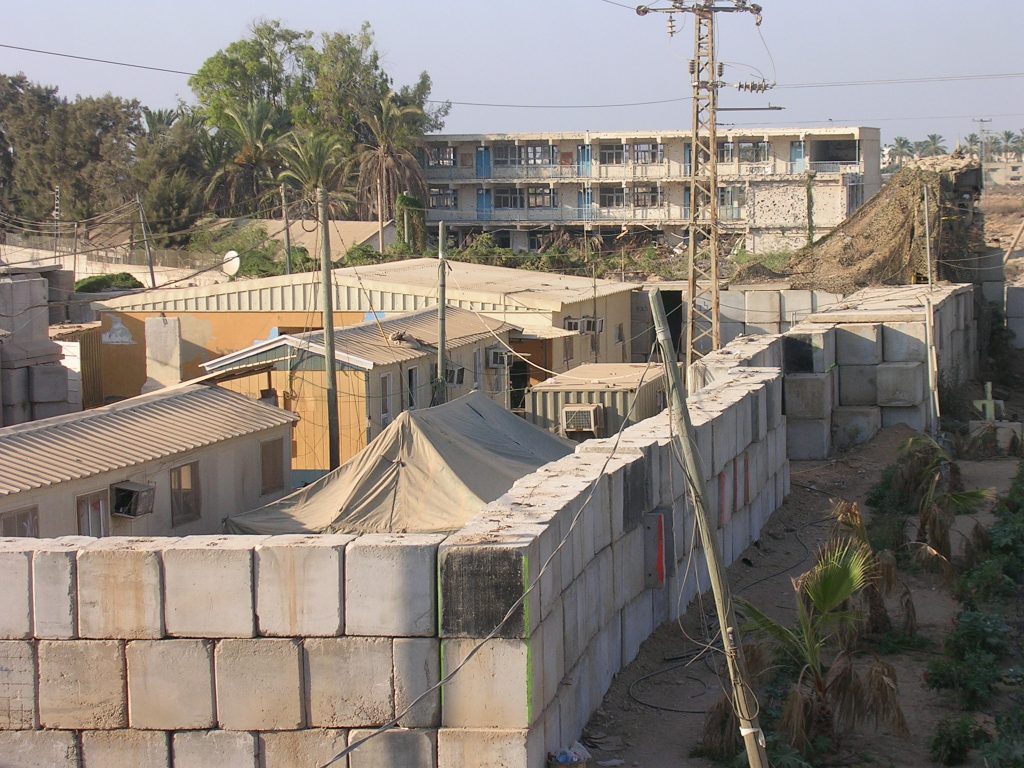
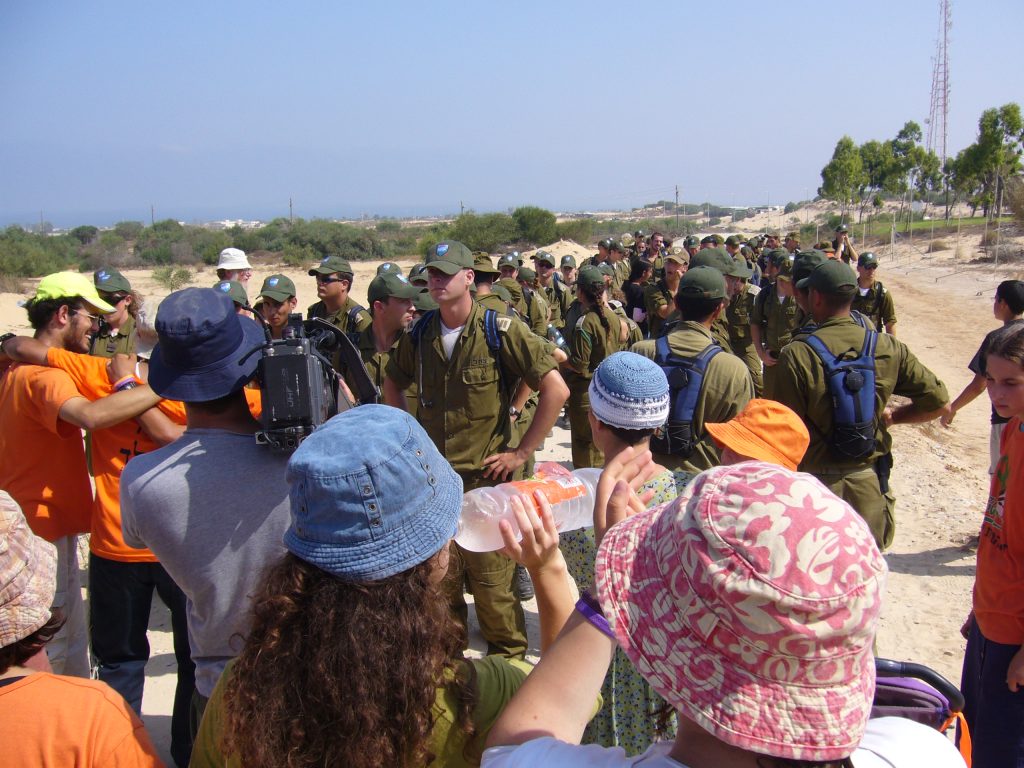
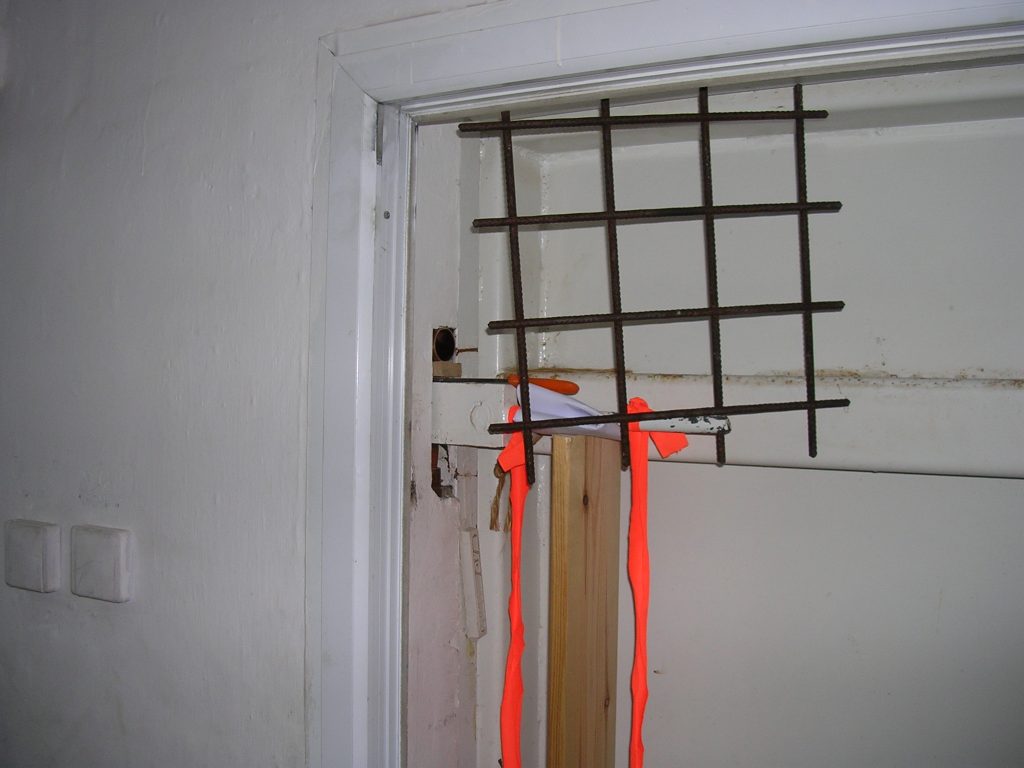
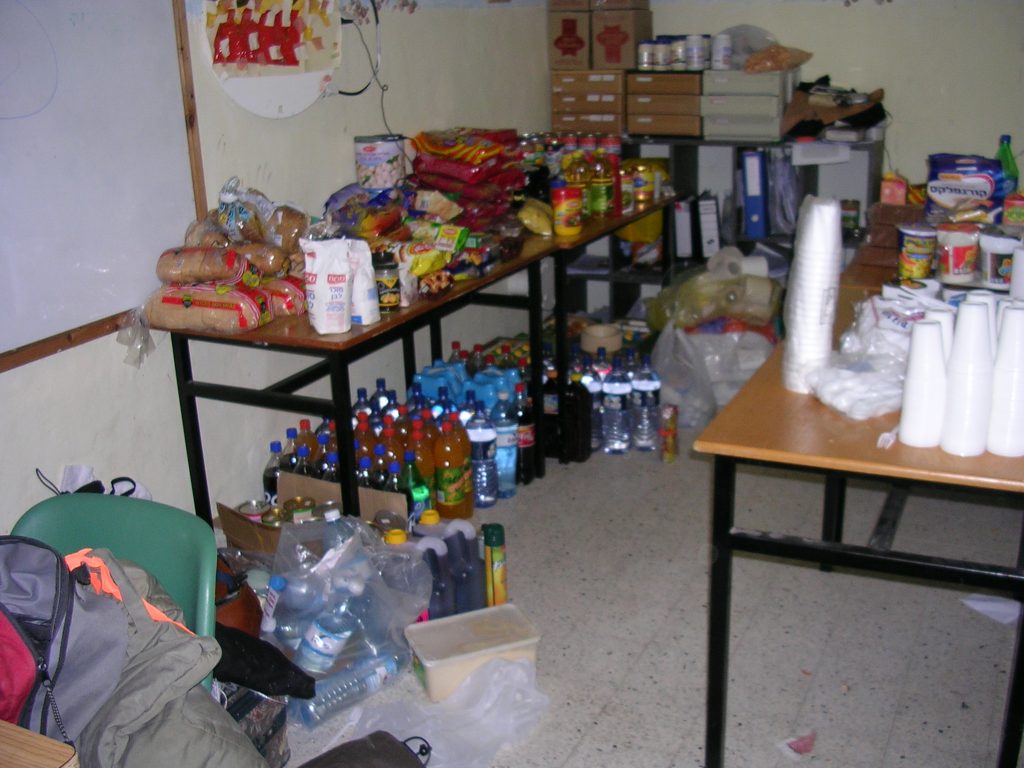
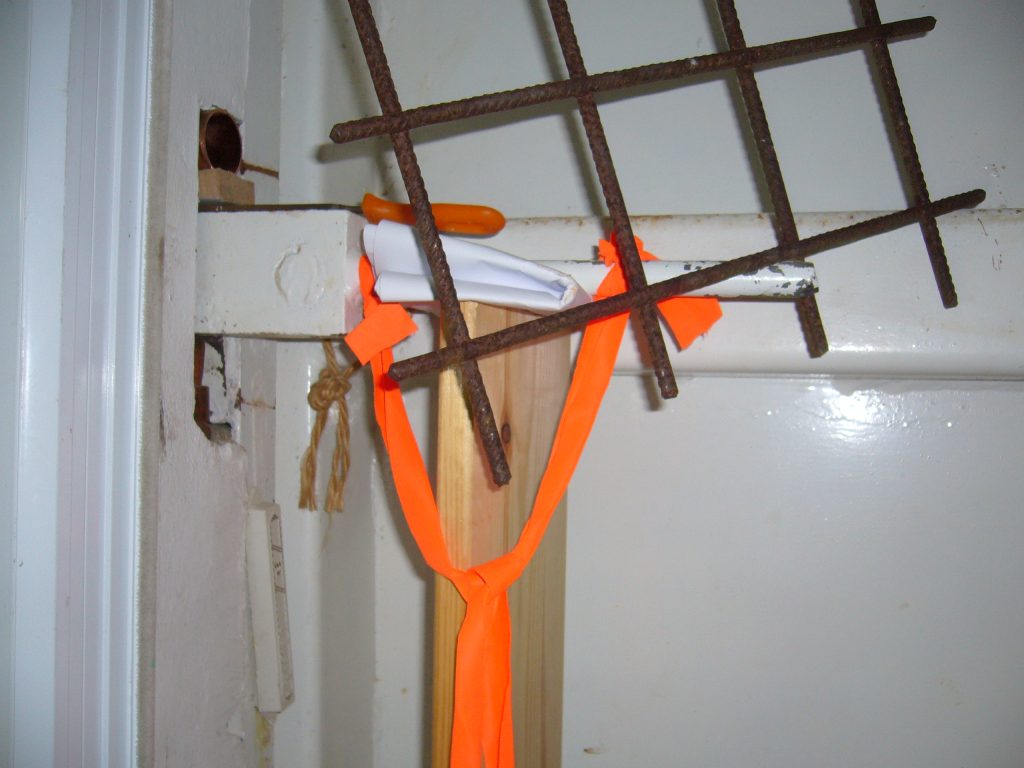
The army arrived suddenly, without the delay that many had expected. Surrounded by bulldozers and soldiers, the bochurim barricaded themselves in a shelter. Inside sat forty boys – ten from 770, the rest Israeli – clutching seforim and each other. The army brought a massive rotary saw, prepared to slice the door open.
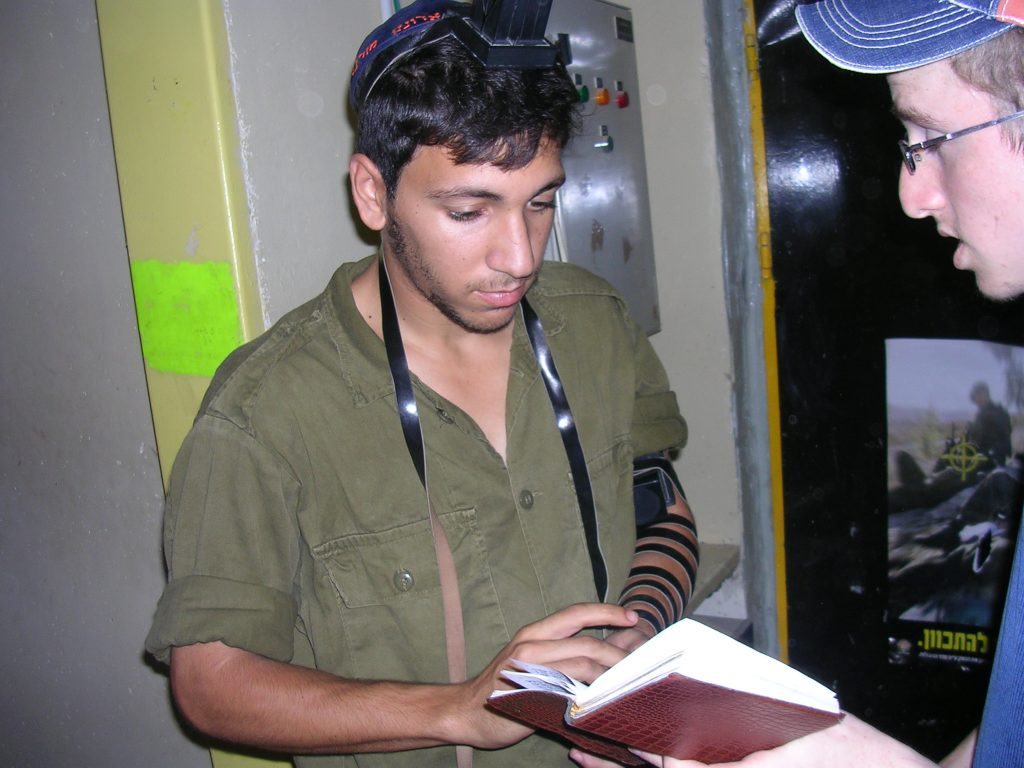
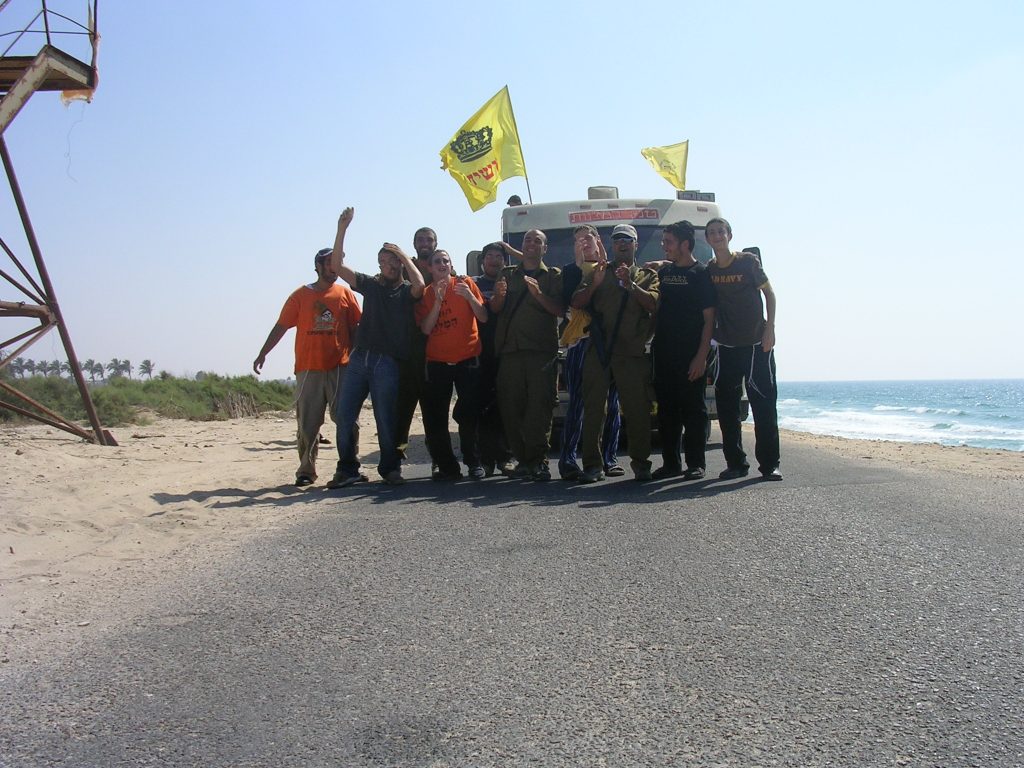
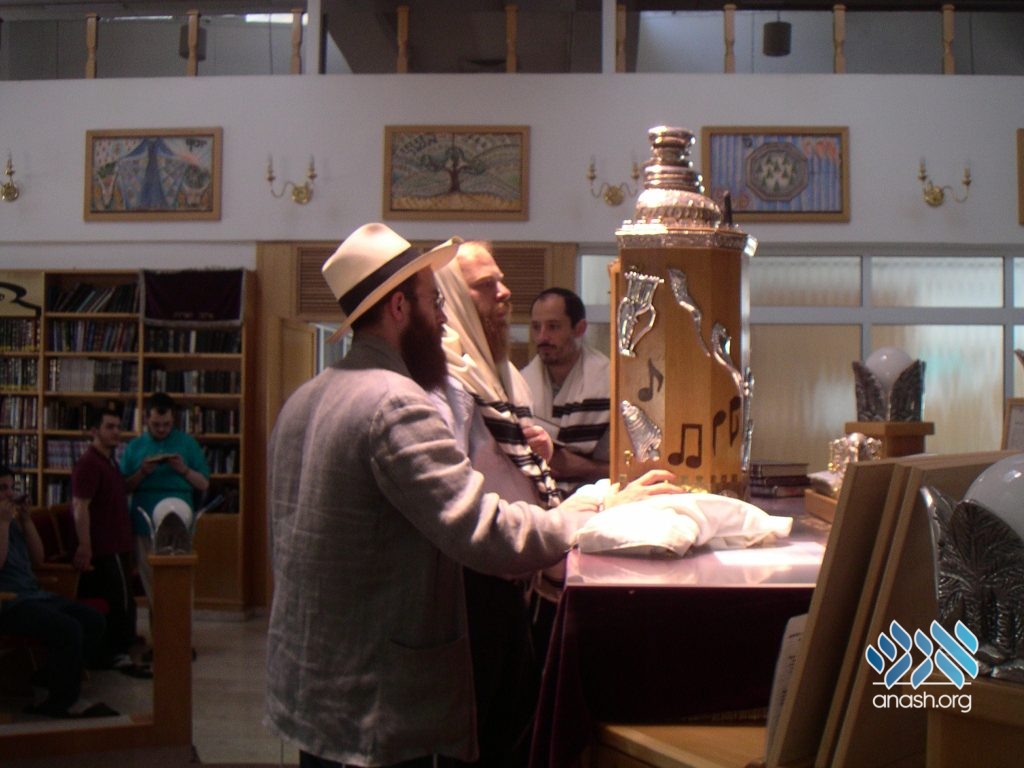
Faced with the number of troops and the sophisticated breach equipment they brought, it was obvious that resistance would not stop the expulsion, and it would only risk desecrating the name of Lubavitch. R’ Eli Poltorak wrote to the Rebbe and placed the letter in an Igros Kodesh. The page he opened to included a unbelievable letter from the Rebbe about “that you find yourself among Jews who at the moment do not keep Torah and mitzvos, surely you are trying to bring them closer… especially the mitzvah of tefillin.” The Rebbe specifically emphasized soldiers, saying that every Jewish soldier has spiritual protection, and one of the means is donning tefillin.
With that directive in hand, R’ Eli approached the senior officer – not pleading, not despairing, but with the strength of a shliach. “We won’t resist – if every soldier puts on tefillin.”
The deal was accepted.
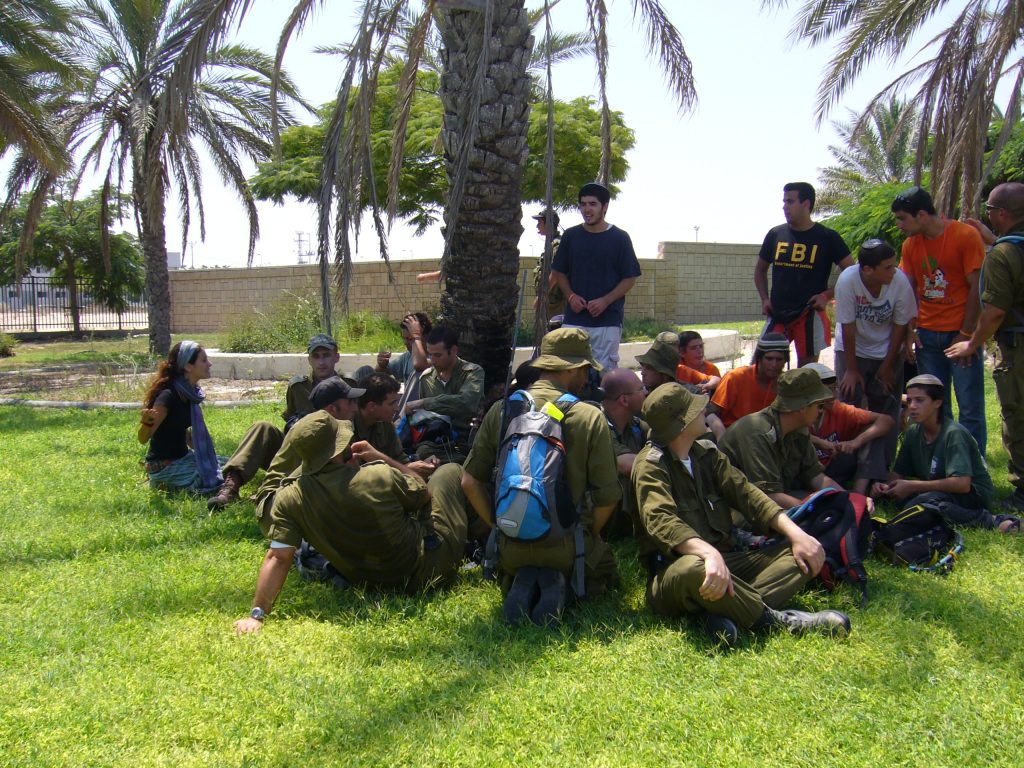
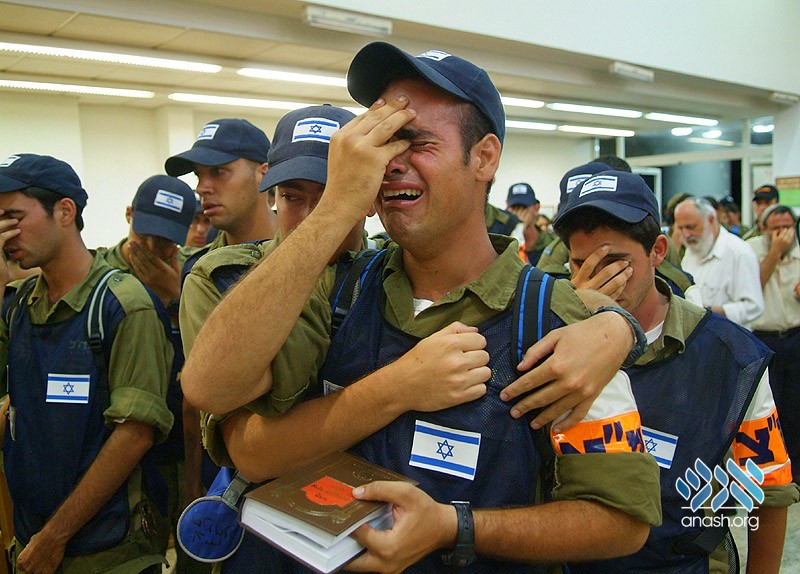
The scene was surreal. Soldiers who were sent to remove yeshiva bochurim now stood with sleeves rolled up, black straps wrapped around their arms, the words of Shema on their lips. Many burst into tears – realizing they weren’t just participating in an operation, but in a national tragedy.
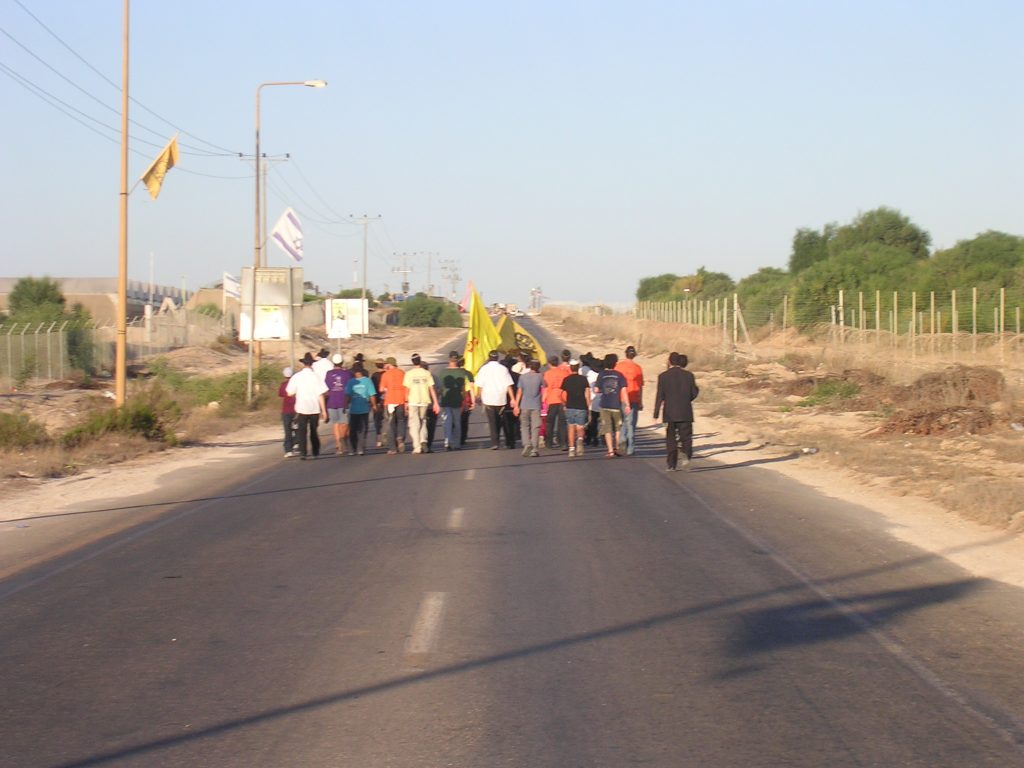
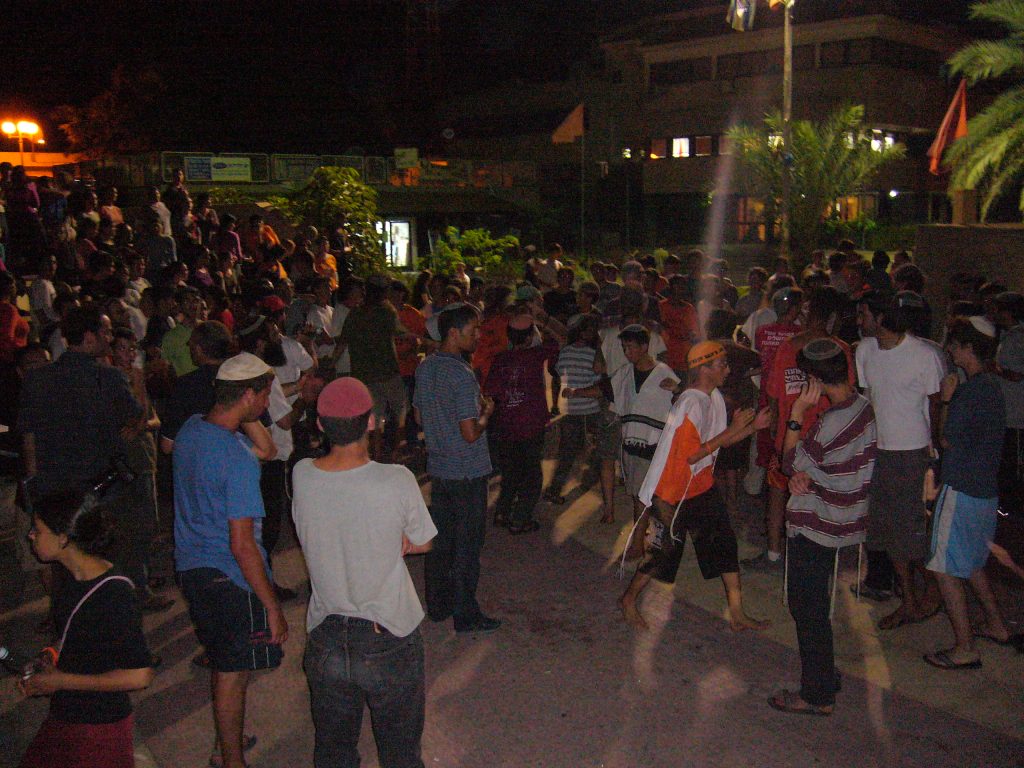
They were eventually removed, one by one, with pain but without violence. At the regrouping point near Ashkelon, they met the residents of Neve Dekalim – shell-shocked, weeping, spiritually broken. But the strength of the Lubavitcher bochurim strengthened them.
The story of Gush Katif didn’t end when the last settler was dragged from their home. It’s been twenty years – and the wounds and trauma haven’t healed.
The numbers are staggering. Over 8,600 Jews expelled. Twenty-one communities destroyed. About 1,900 homes and gardens were demolished. Thirty-eight shuls and dozens of schools and yeshivos shuttered, as were libraries, schools, kindergartens, mikva’os, and community centers. Four hundred farms with export crops totaling hundreds of millions of shekels – gone overnight. Forty-eight graves were exhumed and reburied across Eretz Yisroel. Though the government initially ordered the shuls left intact, nearly all were desecrated or destroyed within days.
Twenty years on, the wounds remain deep and lasting. A large number still live in caravans and “caravillas,” some originally meant only for temporary use – many in poor condition. Psychological and medical studies have documented substantially elevated rates of depression, heart disease, and diabetes in this population, attributed to the trauma of uprooting, loss, and long-term insecurity.
But worst of all was how the entire security illusion collapsed. Sharon had committed the gravest betrayal against his own brothers, offering promises of peace, quiet, and global support. But what was meant to bring safety turned into utter disaster.
Hamas seized power in 2007 and began turning Gush Katif into a fortress of missiles. Sderot and Ashkelon have lived under constant rocket fire ever since. In the two decades since, even the fiercest defenders of the plan have changed their tune. And then came October 7th.
Now, twenty years later, after Simchas Torah 5783, the whole country knows it too. Over a thousand Jews murdered in one day by the same enemy we “disengaged” from. A massacre that reopened every scar, exposed every lie. Even President Donald Trump said: “I don’t understand why Israel gave up such a beautiful place.”
It was a terrible mistake and the worst in Israel’s modern history. But, worse even, we knew it all along.
The Rebbe’s warnings again and again – time after time – about the existential danger of giving up even a single inch of land, now scream from every headline, from every eulogy of another fallen soldier r”l, from every cry of an orphan, from every one of the hostages that are still not back home yet.
Twenty years too late, everyone now understands. At the time, many wanted to believe that somehow, the State knew what it was doing. That this was painful, but necessary. That it would bring peace.
But today, twenty years later, instead of peace, the very army that uprooted Jews from Gush Katif now has to risk their lives fighting to regain control of territory we handed over – for nothing… Communities were destroyed, Jewish graves desecrated, land soaked in Jewish mesirus nefesh was handed over to our enemies – and all we got in return was bloodshed.
One important lesson to be learned is the critical need to be subservient to the guidance and clarity of Torah and the Rebbe’s instructions. Those who were driven by slogans and ideologies, even from the so-called “right wing,” collapsed under pressure.
Despite the immense tragedy and thick darkness, we must ensure that from this very darkness will emerge a great light and an even greater victory. The army must strike the enemy with decisive strength, without hesitation and without concessions – until there is complete and total victory. And we will return, with Hashem’s help, to Gush Katif with greater strength, rebuilding it stronger than ever before.
May these days of mourning and tragedy be transformed into days of joy and happiness with the immediate coming of Moshiach.










MINOLTA DIGITAL CAMERA

MINOLTA DIGITAL CAMERA
MINOLTA DIGITAL CAMERA
MINOLTA DIGITAL CAMERA
 COMMENTS


Well written,
and I enjoyed the Mochkin anecdote