




ג׳ כסלו ה׳תשפ״ו | November 23, 2025
‘Mivtzoim Tefillin’: Is That Actually a Thing?
Ask the Rov: What are acceptable tefillin to give someone on mivtzoim? Rabbi Chaim Hillel Raskin responds.
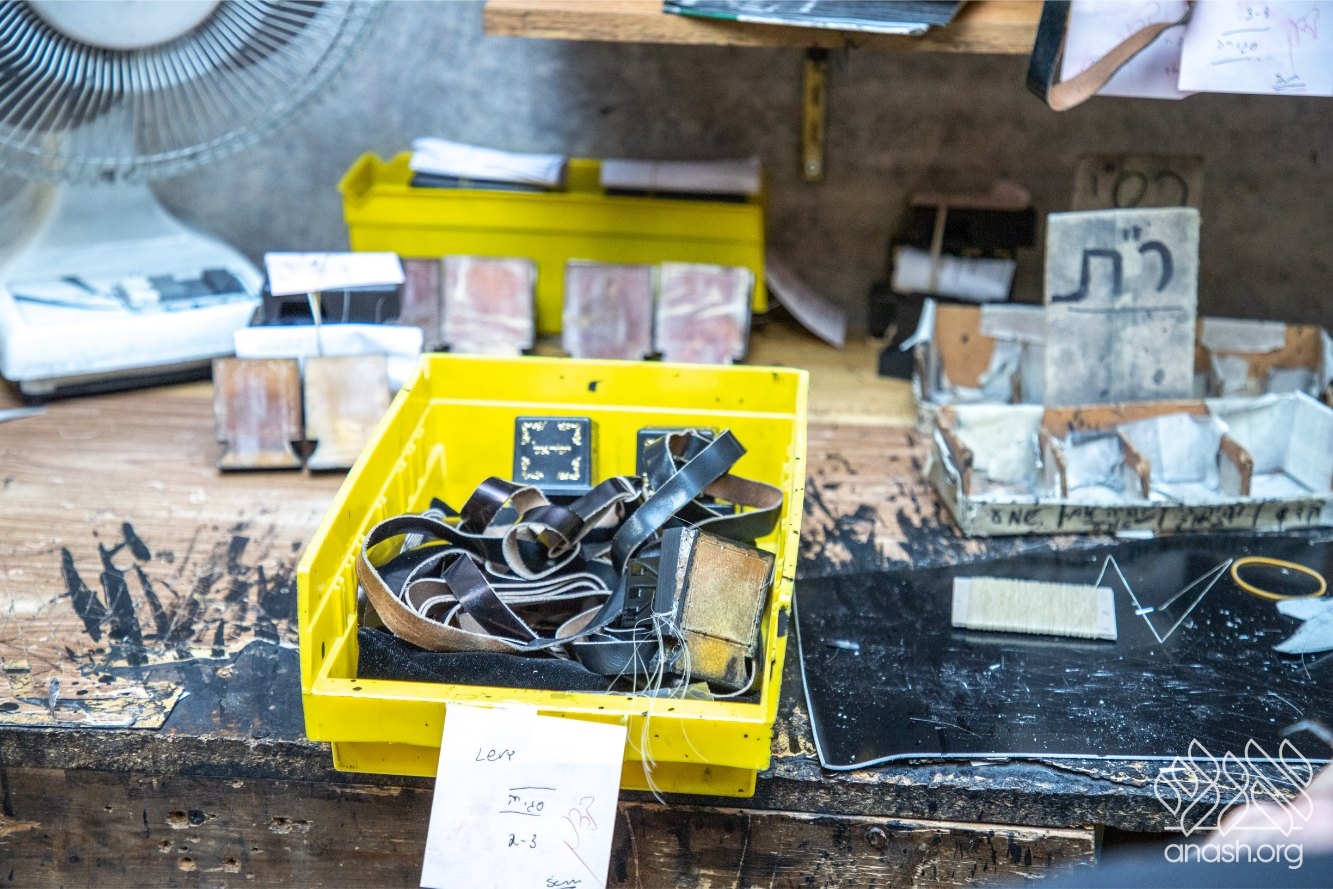
What are acceptable tefillin to give someone on mivtzoim?
The possuk says, l’zikaron bein einecha, “a reminder between your eyes.” Chazal derive from the singular term “reminder” that the four compartments of the head-tefillin must be made of a single piece of leather.1 (This primarily refers to the ketzitza box component. When it comes to the base, the titura and maavarta, it was customary in the past for it to be fashioned separately, though it is currently made with the same piece of hide in gassos tefillin.2)
There are lower-quality batim on the market, referred to as peshutos (“plain” or “simple”), which are made by gluing together individual pieces of thin parchment. Poskim rule that if the pieces are sewn together, they are considered as one piece.3 Some apply this also to pieces glued together, while others don’t allow glue.4 The Alter Rebbe includes the permissibility of glue in parentheses, possibly implying that there’s some doubt.5
The Alter Rebbe adds that, nevertheless, it is proper to make them of literally one piece of leather. This is accomplished through an intricate process of fitting a piece of soft calf-hide into the hollows of a mold and leaving it to dry.6
A level up from the regular peshutos are peshutos mehudaros. The bayis is formed from a single piece of parchment, which is cut in specific places and then glued together to become a box. Additional leather is then added to strengthen the form.
Peshutos are generally not recommended since they are very fragile and don’t hold up. Sweat can cause them to lose their shape, and certainly any bang they sustain. Additionally, there are unscrupulous batim makers who don’t sew the upper ketzitza box to the base.
Standard tefillin dakos differ from peshutos. A single sheet of thin parchment is stretched over a “frame” made of pressed pieces of leather, with the outer overlay being actually one piece of parchment. Gasos tefillin, which only became available in the past century, are considerably more durable.
See Sources (open PDF)
 COMMENTS


I see the background, but what’s the answer to “What are acceptable tefillin to give someone on mivtzoim?”/‘Mivtzoim Tefillin’: Is That Actually a Thing?