




י״ז אב ה׳תשפ״ה | August 10, 2025
Mezuzah Case That Slides Into Position?
Anash.org feature: Dayan Levi Yitzchok Raskin, Rov of Anash in London, explores interesting Torah questions and halachic dilemmas, including a mezuzah case that slides into position, bracha on coconut milk, mivtza tefillin after shkiah on Friday, and auto-pay on Shabbos and Yom Tov.
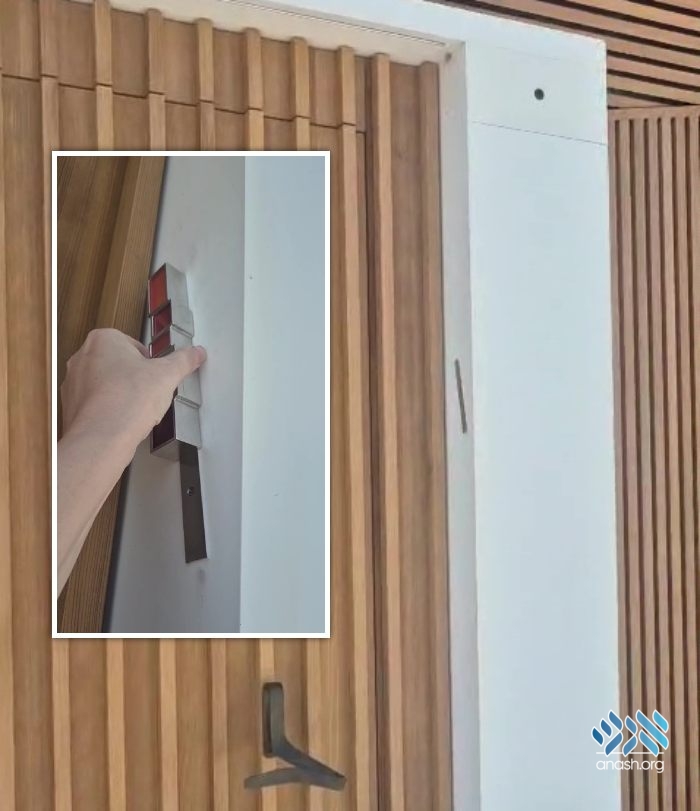
Anash.org feature: Dayan Levi Yitzchok Raskin, Rov of Anash in London, explores interesting Torah questions and halachic dilemmas, including a mezuzah case that slides into position, bracha on coconut milk, mivtza tefillin after shkiah on Friday, and auto-pay on Shabbos and Yom Tov.
The following issues are discussed by Rabbi Raskin in this week’s episode:

[1] שייך לשיעור הרמב”ם של י”א מנ”א – איסורי מזבח רפ”ה.
[2] מענה כ”ק אדמו”ר זי”ע הובא ב’סדור רבנו הזקן’ על אתר, ע”פ תוס’ כריתות ו, ב.
[3] ראה ס’ שכל טוב סי’ רפט אות קיז-ח דהוי כקבוע מכיון שאין המזוזה ראוי’ ליפול.
[4] בקצות השלחן סי’ נג סק”ח נטה לברך ‘העץ’. אבל למעשה הורה לברך ‘שהכל’. וכ”כ בפסקי תשובות סי’ רב אות כד.
[5] בנתיבים בשדה השליחות ח”ב ע’ 26 דנו עפ”ד שוע”ר סי’ ל ס”ה על הנחת התפילין אחרי שהתפלל ערבית מבעו”י, שיניח בלא ברכה. אבל בליל שבת, הרי חייב לחלוץ התפילין, כבשוע”ר סי’ כט.
[6] ראה – לענין אונן ר”ל – שוע”ר סי’ עא ס”א.
[7] ראה ס’ תורת רבית פי”ד ס”ג.
[8] ראה פסקי תשובות סי’ רמה אות ו.
[9] ראה דברינו בנתיבים בשדה השליחות ח”ב ע’ 97 הע’ 2.
[10] ראה אגרות קודש ח”ח ע’ צא ואילך.
[11] בסדר עולם פי”ד כתוב “לפני הארון”. בארחות חיים (לר’ יעקב הכה מלוניל, הל’ מאה ברכות אות יח, הובא בב”י סו”ס נ) שאמרוהו עם התמיד. וי”ל שאמרוהו לפני הארון בזמני התמיד – שנעשה אז בגבעון!
 COMMENTS


We appreciate your feedback. If you have any additional information to contribute to this article, it will be added below.