



ח׳ ניסן ה׳תשפ״ו | March 25, 2026
Meat and Milk Restaurant Uses ‘Chabad’ to Market Seder
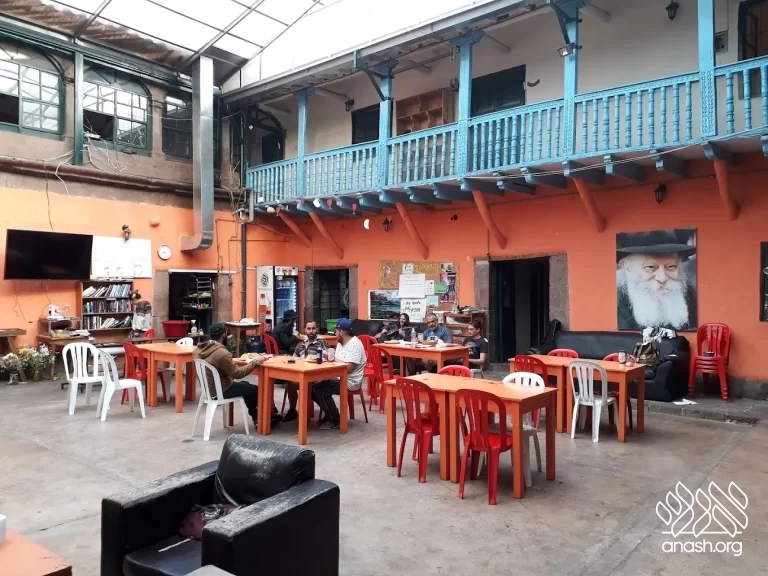
A bizarre scene unfolded in Cusco, Peru, where an Israeli restaurant serving both meat and dairy was caught falsely marketing itself as a Chabad-supervised kosher venue to draw crowds to a public Pesach Seder – complete with microphones and a camera crew. An official statement clarified that the restaurant has no connection to Chabad whatsoever.

A bizarre scene unfolded in Cusco, Peru, where an Israeli restaurant attempted to market itself as a Chabad-supervised kosher venue in order to attract crowds to a public Pesach Seder.
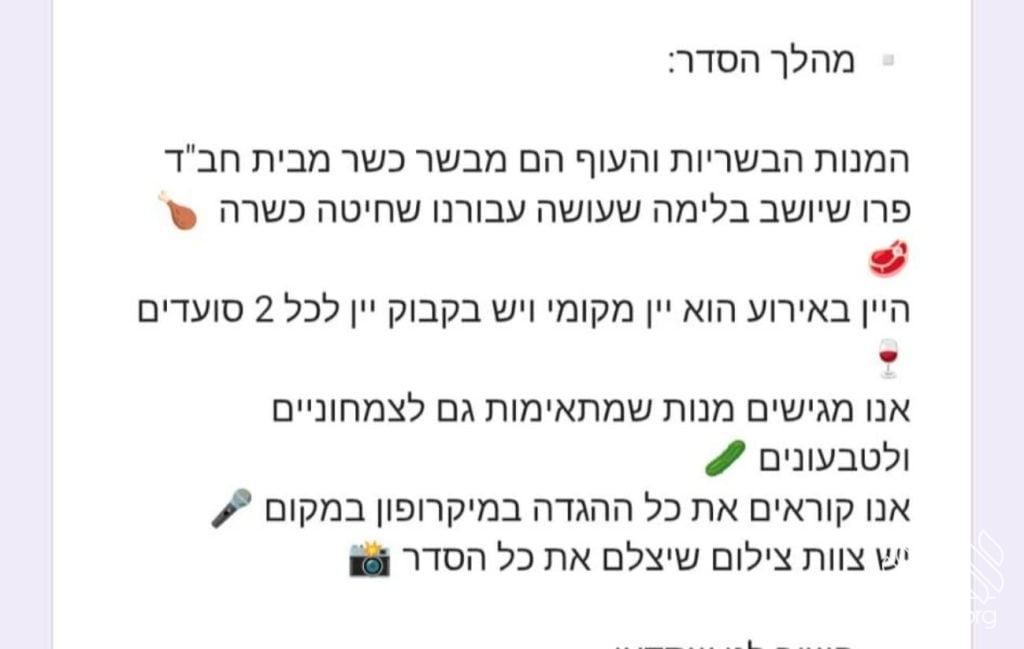
The restaurant, Shefa Mishlochim, serves both meat and dairy dishes while proudly advertising its meat as “kosher l’mehadrin from the Chabad shechita in Lima.” In reality, the restaurant appears to have done no more than purchase meat from a Chabad-affiliated source, with no legitimate kosher certification covering the establishment itself.
For Pesach, the restaurant advertised a public Seder targeting the many Israeli travelers and backpackers who pass through the region, again emphasizing its supposed Chabad connection and kosher standards.
Yet in the same promotional message, the restaurant noted that the Haggadah would be read via microphone throughout the event and that a camera crew would be documenting the entire evening. In addition, the wine, advertised as locally made, would be yayin nesech.
The episode is a particular affront given that Chabad of Cusco, under the shluchim Rabbi Ofer and Yael Kriper, has been faithfully serving Jewish travelers and locals in the region for the past 20 years.
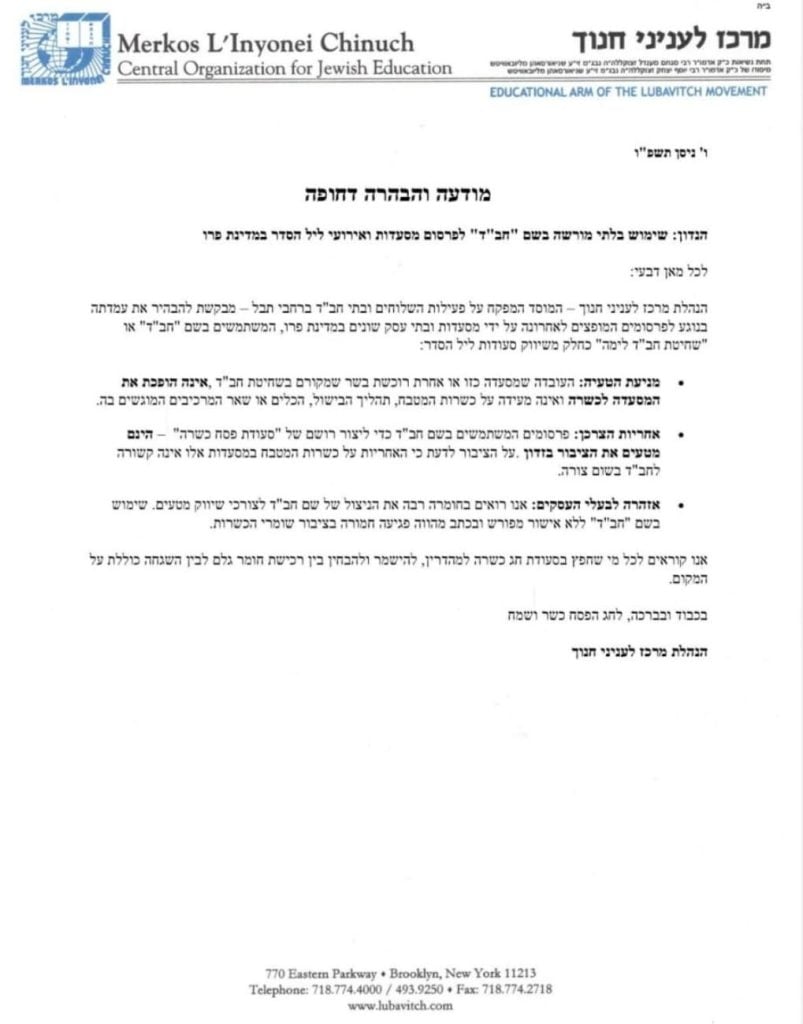
In response, an official statement was released by Merkos, clarifying that the restaurant has “no connection to Chabad whatsoever” and that use of the Chabad name without authorization is strictly prohibited.
“The fact that a given restaurant purchases meat that originates from Chabad shechita does not make that restaurant a Chabad establishment,” the statement read, adding that such advertisements “are deliberately misleading the public.”
Merkos also warned business owners directly: “We view with great seriousness the exploitation of the Chabad name for deceptive marketing purposes. Using the name ‘Chabad’ without explicit written authorization constitutes a serious harm to the needs of those who observe kashrus.”
The statement called on the public to “exercise caution, be vigilant, and distinguish between purchasing raw ingredients and comprehensive hashgacha over the establishment.”

 COMMENTS


We appreciate your feedback. If you have any additional information to contribute to this article, it will be added below.