



כ״ד כסלו ה׳תשפ״ו | December 14, 2025
Lighting with an Electric Menorah?
Ask the Rov: If someone cannot light a flame menorah, should they light an electric menorah? Rabbi Chaim Hillel Raskin responds.
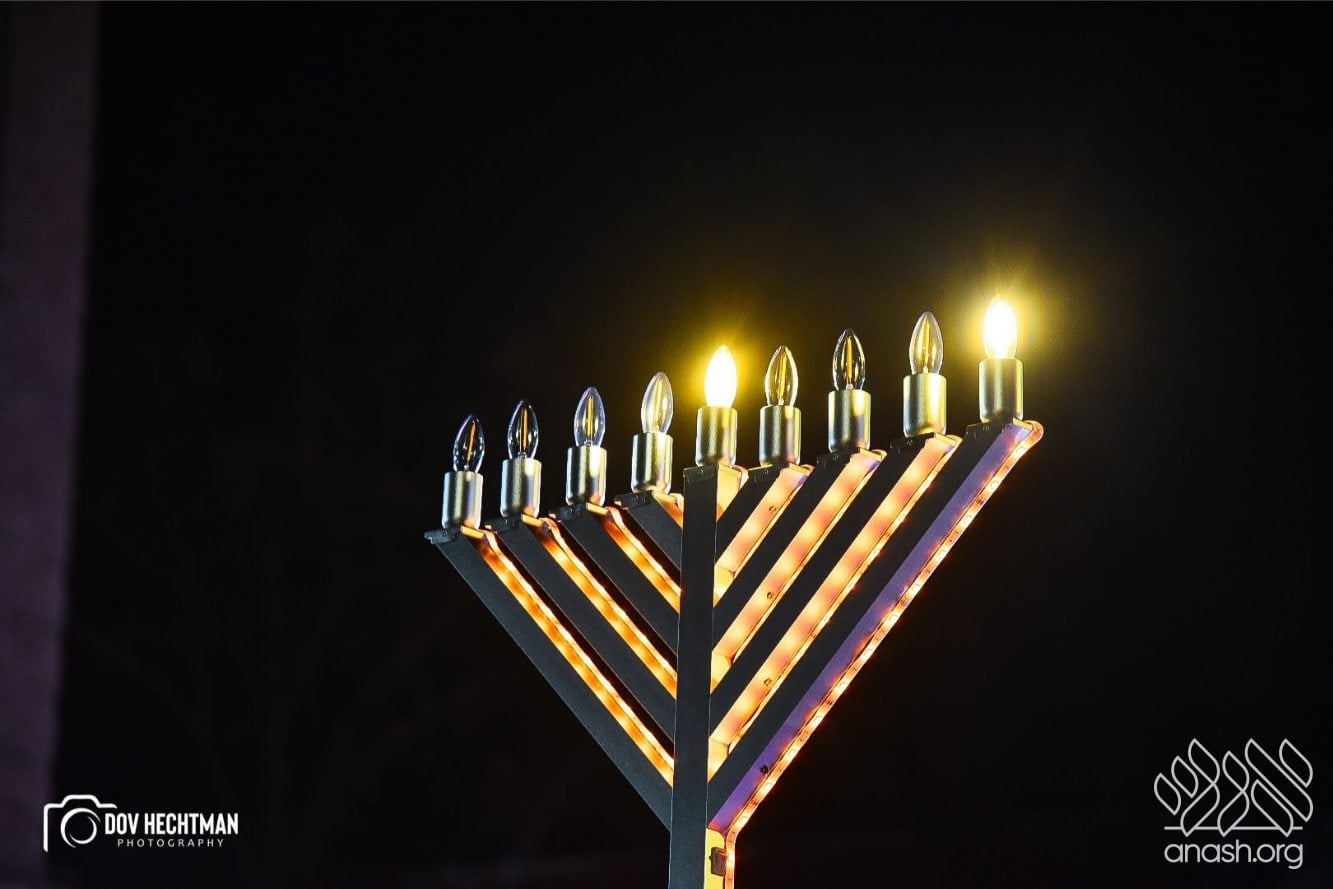
If someone cannot light a flame menorah, should they light an electric menorah?
The Gemara teaches that all oils and wicks qualify for neiros Chanuka, with olive oil being most ideal since its light is clear and illuminating.1 Based on the premise that light production is the primary criterion for neiros Chanuka, as the method of publicizing the miracle, some acharonim suggested that electric lamps should qualify for the mitzva as well.2
However, the vast majority of acharonim question the validity of electric bulbs for the mitzva, and note various issues:3
Many note that if the light needs to be produced by “fire,” which by definition also radiates heat, then fluorescent and LED bulbs would be disqualified. Moreover, even an incandescent bulb, though it may be “fire,” may not qualify as a “candle.”4 While some argue that turning on the light does not constitute an act of “kindling,” others hold that it is sufficient in this regard.5
Since our Chanuka candles commemorate the miracle in the Beis Hamikdash, it stands to reason that they should resemble the Menora that burned miraculously with oil-fueled flames. Electric bulbs have neither a flame nor tangible “fuel” or consumable material.6
Chanuka candles must be lit with enough fuel at the time of lighting to last half an hour. A wall-plugged lamp doesn’t have enough stored energy to last 30 minutes on its own and relies on a continuous power supply (a battery-powered light wouldn’t have this issue). Yet, turning on the light establishes a connection that should last without any additional intervention necessary.7 We need not be concerned about power turning off since that is an outside force, similar to a wind extinguishing a flame.8
For these reasons, one who can light real flames for neiros Chanuka must do so. However, in a case where one cannot light (e.g., in a hospital), poskim rule that one should light an electric one (ideally incandescent), without a bracha, for the sake of pirsumei nisa.9
See Sources (open PDF)
 COMMENTS


We appreciate your feedback. If you have any additional information to contribute to this article, it will be added below.