




א׳ אדר ה׳תשפ״ו | February 18, 2026
Life-Threatening Power Outages Continue Across Ukraine
Prolonged and repeated strikes on Ukraine’s energy infrastructure have left vast areas of the country struggling with severe electricity and heating shortages, placing thousands of families in life-threatening conditions as temperatures remain below freezing.
Weeks after the initial reports of a deepening winter catastrophe, the situation across Ukraine remains dire. Prolonged and repeated strikes on energy infrastructure have left vast areas of the country struggling with severe electricity and heating shortages, placing thousands of families in life-threatening conditions as temperatures remain below freezing.
In the capital of Kyiv, residents report receiving electricity for only one to two and a half hours per day—considered fortunate under current circumstances. Many others, particularly those living in high-rise apartment buildings, have no utilities at all. Entire buildings are without heat, power, or running water. Indoor temperatures have dropped to approximately 37 degrees Fahrenheit (3°C) and below, forcing families to bundle in layers inside their own homes or abandon them altogether.
Repairs to damaged infrastructure are expected to take weeks in some areas. As a result, thousands of residents have left their apartments. Some have managed to relocate temporarily to relatives or friends outside the city. Others, with no alternative, have moved into shared temporary accommodations with strangers, seeking warmth and stability wherever it can be found. In several neighborhoods, residential buildings now sit largely empty.
The damage extends beyond private residences. Businesses in Kyiv and other cities have also been significantly affected. In some cases, backup generators—often purchased at great expense to cope with earlier outages—have been damaged, compounding losses and causing additional hazards such as flooding.
Much of the capital’s heating system relies on centralized plants, built decades ago. When these facilities are struck, heat to entire districts can be cut off simultaneously. Extended outages during freezing weather can also cause underground heating pipes to burst, further delaying recovery and increasing the scope of disruption.
Over the past week alone, the country has faced intensive aerial attacks involving thousands of strike drones, guided aerial bombs, and missiles of various types, placing additional strain on already fragile infrastructure and complicating repair efforts.
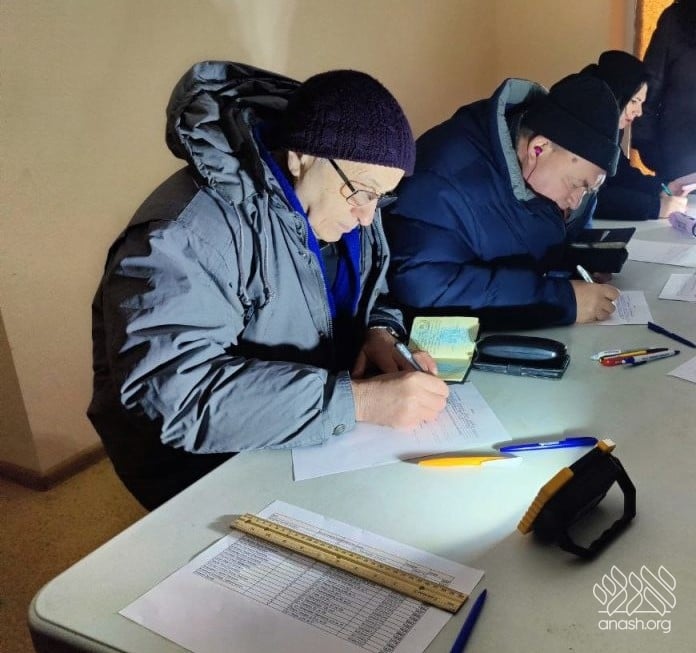
Amid these conditions, the FJC’s emergency winter assistance program – operated on the ground by JRNU and LifeChanger – continues to provide critical relief in Kyiv and throughout the country. Families and individuals are receiving portable heaters, batteries, warm clothing, food packages, and direct financial assistance to help cover urgent needs.
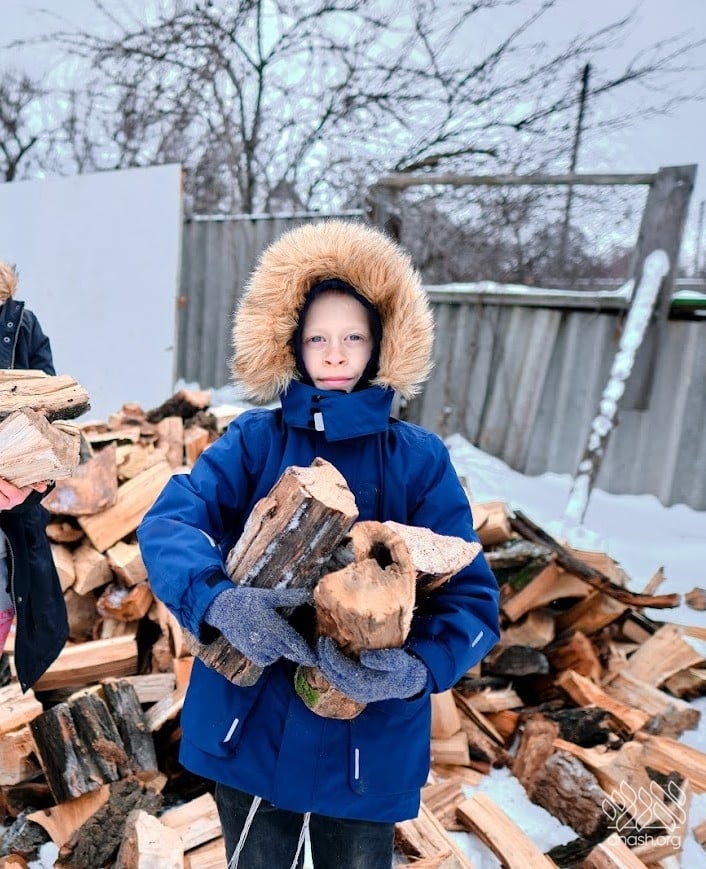
In rural communities, including Bila Tserkva and surrounding areas, teams are delivering firewood and helping residents manage soaring heating costs, where centralized systems are unavailable or unreliable.
This ongoing response builds upon earlier emergency efforts launched at the start of the winter season. Thanks to the dedication of local teams and the continued generosity of supporters around the world, life-saving assistance is reaching vulnerable Jewish communities during one of the most challenging winters in recent memory, offering not only physical warmth, but a renewed sense of solidarity and hope.

 COMMENTS


We appreciate your feedback. If you have any additional information to contribute to this article, it will be added below.