



ח׳ תשרי ה׳תשפ״ו | September 30, 2025
Kisuy HaDam: Are You Doing It Correctly?
Unfamiliar with the halachos, many end up doing Kisuy Hadam at kaporos incorrectly. Lubavitcher shochet Rabbi Chezzy Posner prepared a simple step-by-step guide to help you do the mitzva and bracha properly.
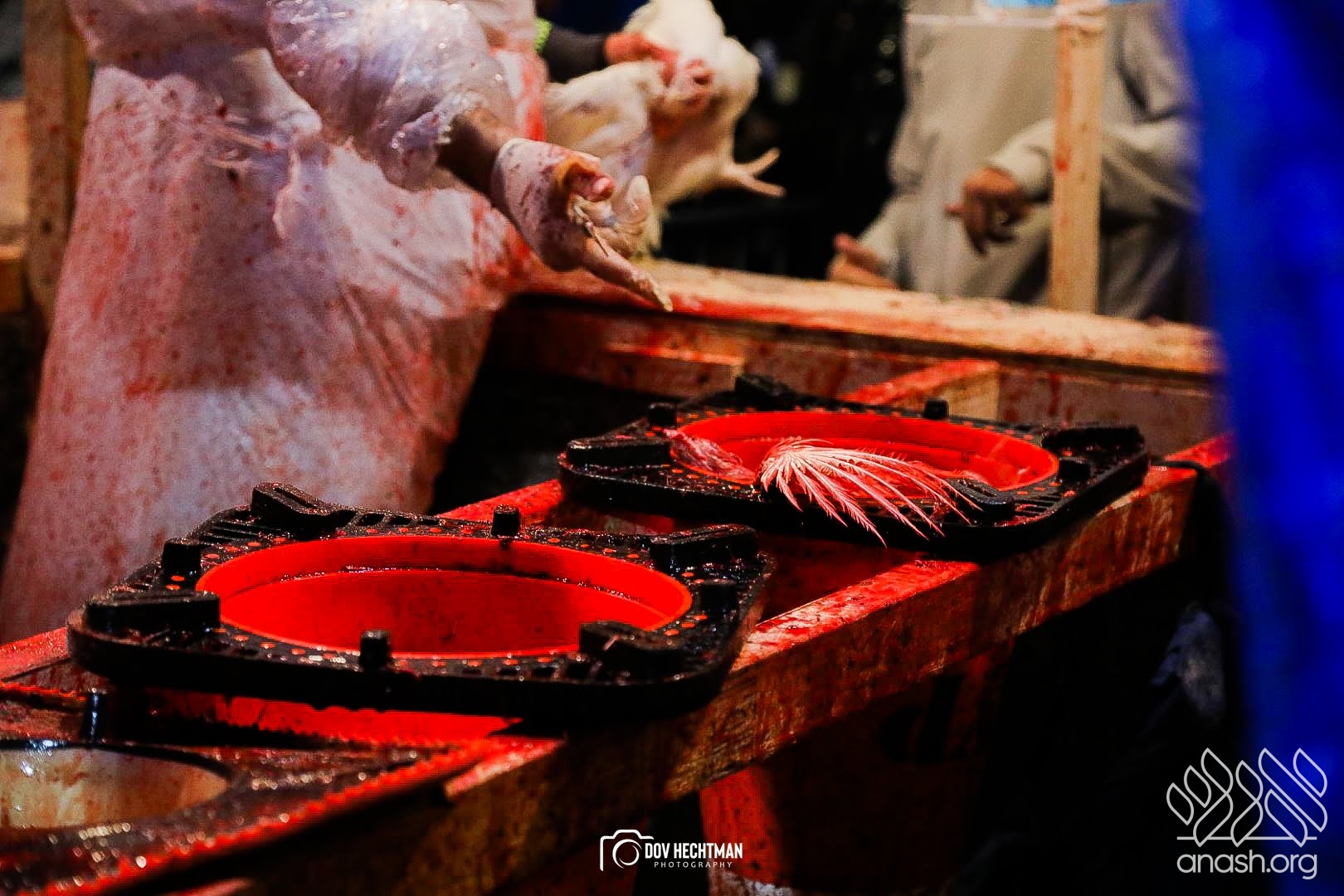
Prepared by shochet R’ Chezzy Posner and reviewed by Harav Yosef Braun
The Mitzva of Kisuy Hadam
It is a mitzvas asei min haTorah to cover the blood of a bird or wild animal after the shechita. The source of this mitzva is in Vayikra 17:13: “If a person … hunts a kosher wild animal or bird, he shall pour its blood [by shechting it] and cover it with earth.”
The mitzva of kisuy hadam is the responsibility of the shochet, and there is no obligation for the owner of the chicken to perform it himself. The minhag of kapparos is fulfilled even without the owner performing kisuy hadam.
Many people want to use the time of kapparos as an opportunity to do a mitzva which would otherwise be inaccessible to them. During kapparos the shochet traditionally honors the owner of the chicken with fulfilling this mitzva. If you choose to do kisuy hadam, make sure to do it properly. Otherwise your bracha might be a bracha levatala, chas veshalom – always something to avoid, especially on Erev Yom Kippur, when we want to add in zechuyos, not the opposite.
Read further for some general guidelines followed by step-by-step instructions.
General Guidelines
The posuk says, “בעפר וכסהו – cover the blood with earth.” Be’afar can also mean within earth, indicating that the blood should be covered with earth both above and below. For this reason, the shochet shechts the chicken over a pile of sawdust (serving as the cover from below). The person doing kisuy hadam then takes some additional sawdust and covers that blood from above.
There is no obligation to cover all the blood that comes out during shechita. However, to fulfill the mitzva properly, the blood you do cover must be covered completely. Taking a pinchful of sawdust and throwing it from a distance does not fulfill the mitzva.
As with other mitzvos, the bracha is said oiver la’asiyasan, before and immediately prior to fulfilling the mitzva. If you forgot to say the bracha beforehand, do not say it afterward.
The nusach of the bracha is:
ברוך אתה ה’ אלקינו מלך העולם אשר קדשנו במצותיו וצונו על כיסוי דָם בֶּעָפָר
(Some say הַדָם בֶּעָפָר instead of דָם בֶּעָפָר.)
Step-by-step instructions:
- Take a sizeable amount of sawdust in your right hand (or left hand, if you are left-handed).
- Wait until the shochet finishes shechting the chicken over the pile of sawdust.
- Say the bracha.
- Carefully cover the blood on the pile of sawdust until the blood is not visible.
May each and every one of us be bentched with a gmar chasima tova leshana tova umesuka!
 COMMENTS


There are more details about doing it right which isn’t mentioned here for example only making the Bracha after the shochet checks the knife after the shechita
see the ch badatz guide, thats not necessarily a deal breaker
I’m not sure where you saw that
(If you look at the footnote seems to be it is)
Its not required by many Rabbonim to have the knife checked before כיסוי הדם
Which rabbonim ?
(Seems to be a pretty clear halacha in shulchan aruch)
They don’t check after every shechita especially erev yom Kippur, it’s clear in simla chadasha
I’m not saying they should check after every shechita (obviously there is no time for that)
I’m just saying it’s not so simple to make a Bracha before the knife gets checked (so why then make the Bracha unless it gets checked )
see the ch badatz guide footnote 365 for explanation that it’s not required
As well as others
If you read footnote 365 you would see that it says that כיסוי הדם can only be done after checking the knife and chicken
And then it goes into a way of explaining the minhag befoal
But that still doesn’t explain why you should make the bracha (and not jut the כיסוי הדם) before the knife gets checked