




ה׳ כסלו ה׳תשפ״ו | November 25, 2025
Israel Poised to End Decades of U.S. Defense Aid
In a move that could dramatically reshape Israel’s defense policy, the government is preparing to overhaul one of the bedrock elements of its relationship with the United States: the $4 billion annual security aid package that has long anchored U.S.–Israel ties. Decades earlier, the Rebbe had urged Israel to wean itself from American military support.
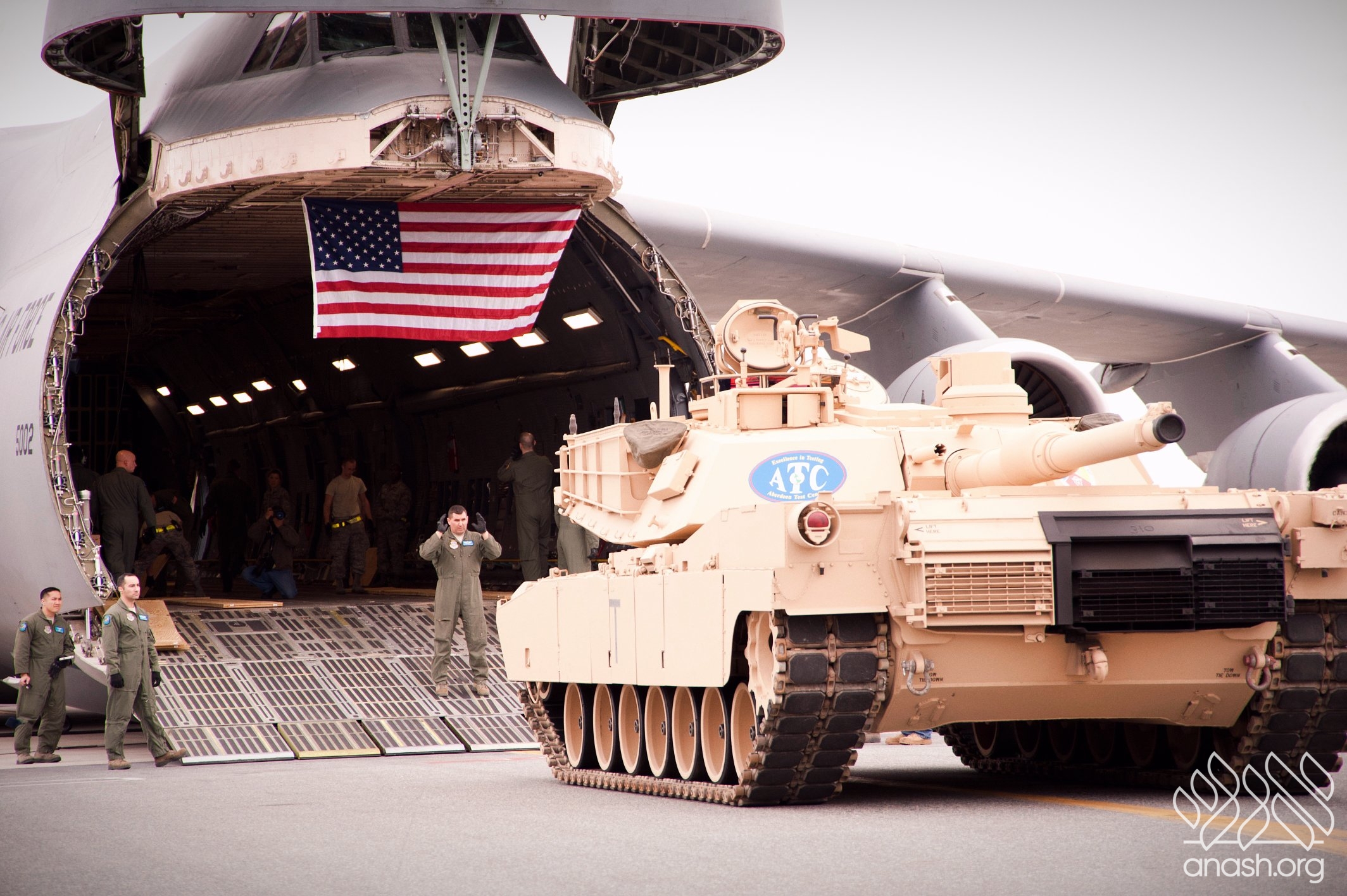
In a move that could dramatically reshape Israel’s defense policy, the government is preparing to overhaul one of the bedrock elements of its relationship with the United States: the $4 billion annual security aid package that has served as a central pillar of U.S.–Israel ties for decades.
Prime Minister Binyamin Netanyahu has already signaled the coming shift, saying Israel is poised to move toward “much greater independence” and expects to announce a plan soon to reduce the country’s reliance on U.S. funding.
In a closed-door meeting of the Knesset’s Foreign Affairs and Defense Committee several months ago, Netanyahu reportedly told lawmakers, “I think we will need to wean ourselves off American military aid,” according to Maariv.
For half a century – dating back to the aftermath of the 1973 Yom Kippur War – the United States has provided Israel with billions in annual defense assistance. Under the current terms, however, almost the entire sum must be spent on American-made weapons, making the aid package a substantial subsidy for the U.S. defense industry.
Israeli officials now argue that this model no longer reflects today’s realities. Israel’s economy has expanded significantly, global weapons technology has evolved, and political resistance to the aid package is growing in Washington.
“People call it aid”, one senior official told Israel Hayom, “but in reality these have been cooperative frameworks for years. Israel is worth five CIAs to the U.S. The money comes from American taxpayers but cycles right back into the U.S. economy. It may be time to move to something different.”
The debate comes amid what Maariv has described as “a relationship in crisis” between Israel and Washington. Once regarded as one of the strongest alliances in the world, the partnership has frayed as the Trump administration takes steps that have repeatedly blindsided Israeli leadership.
According to officials familiar with the ongoing discussions, Israel is now exploring an entirely new framework – one that would shift away from traditional “aid” toward a genuine strategic partnership. Instead of direct financing, the emerging model would emphasize joint weapons development, shared military technologies, and expanded co-production agreements.
Possibilities under review include new industrial arrangements based on existing U.S.–Israel missile-defense projects, as well as potential Israeli participation in President Trump’s proposed Golden Dome air-defense initiative.
Decades before today’s leaders began voicing concerns, the Rebbe was already calling for Israel to wean itself off American military support. While Israel presents itself as a sovereign state, the Rebbe warned that its deep dependence on the United States, especially for weapons and strategic backing, left it functioning like a client state, compromising its long-term security.
At a farbrengen on Chanukah in 5730 (1970), the Rebbe said real independence means not relying on any one country, no matter how friendly. The Rebbe urged Israel to cultivate relationships with other nations that share its values, and to avoid becoming overly dependent on American support.
The Rebbe placed particular focus on military self-reliance. The Rebbe consistently urged Israel to strengthen its domestic defense industry and diversify its sources of weaponry. Relying solely on U.S. arms, he warned, would leave Israel vulnerable to political pressure, such as when American administrations condition aid on policy concessions or restrict how certain weapons can be used. A diversified defense posture, the Rebbe argued, would not only enhance Israel’s resilience but also strengthen its negotiating position with the United States.
One notable example was the Lavi fighter jet project of the 1980s – a cutting-edge Israeli aircraft that could have positioned Israel as a global defense innovator. Despite its technical success, the Lavi was scrapped under intense U.S. pressure, largely due to fears it would compete with American jets in the international market. The Rebbe saw this as a historic mistake: the project represented a real opportunity for Israel to free itself from dependence on foreign weaponry.
Now that Israel is beginning to publicly question its dependence on the U.S., the Rebbe’s message remains more relevant than ever. The only real way to secure Israel’s future is through self-reliance and a broad, independent strategy, not by leaning on any outside power. Until that goal is fully achieved, Israel must take a firm, principled stand on its security needs, regardless of US or other external pressure. An unshakable commitment is the only way to deter pressure and protect Israel’s security.
 COMMENTS


We appreciate your feedback. If you have any additional information to contribute to this article, it will be added below.