




כ״ט אדר ה׳תשפ״ו | March 18, 2026
Hidden Lubavitch Papers Surface in Soviet Draft Files
A remarkable discovery in a Russian government archive offers a glimpse into the inner workings of the Lubavitch yeshiva during one of the most turbulent periods in its history.

A remarkable discovery in a Russian government archive offers a glimpse into the inner workings of the Lubavitch yeshiva during one of the most turbulent periods in its history.
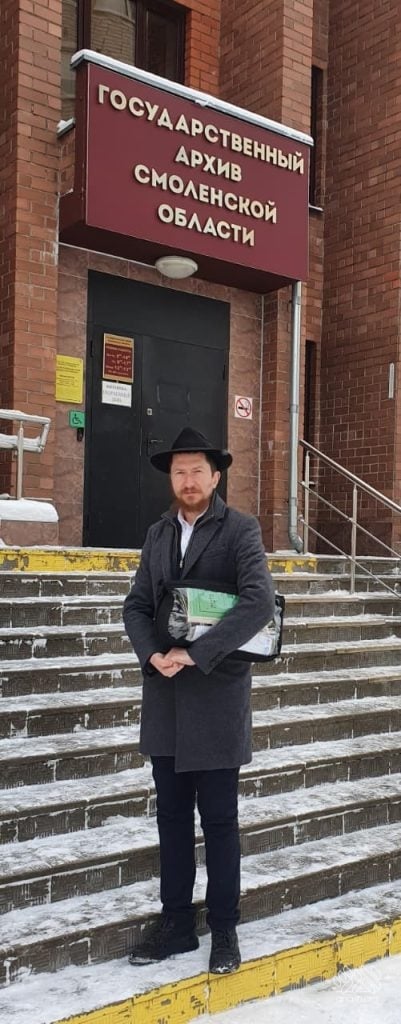
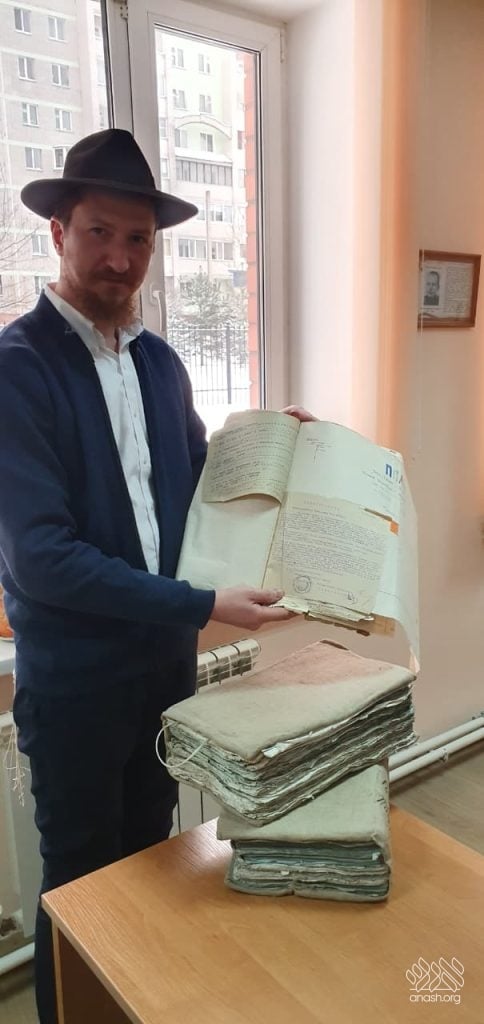
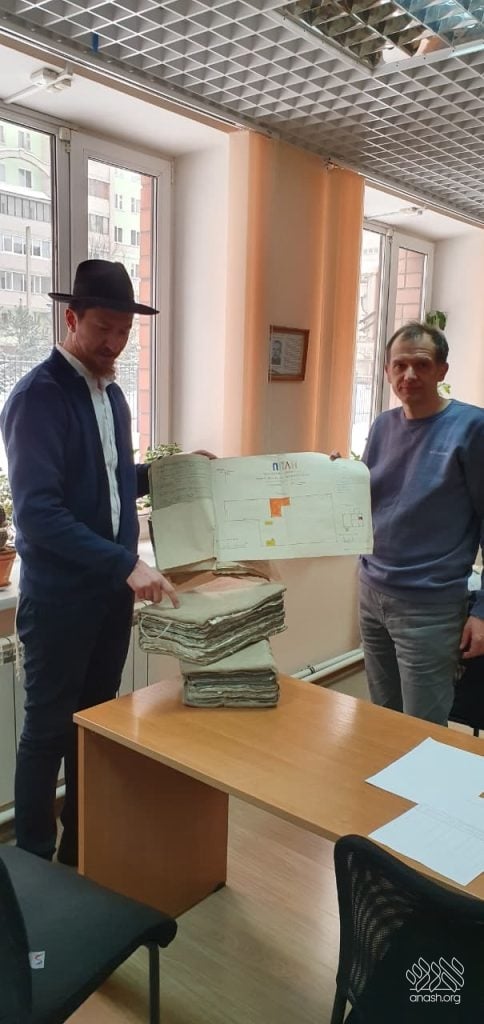
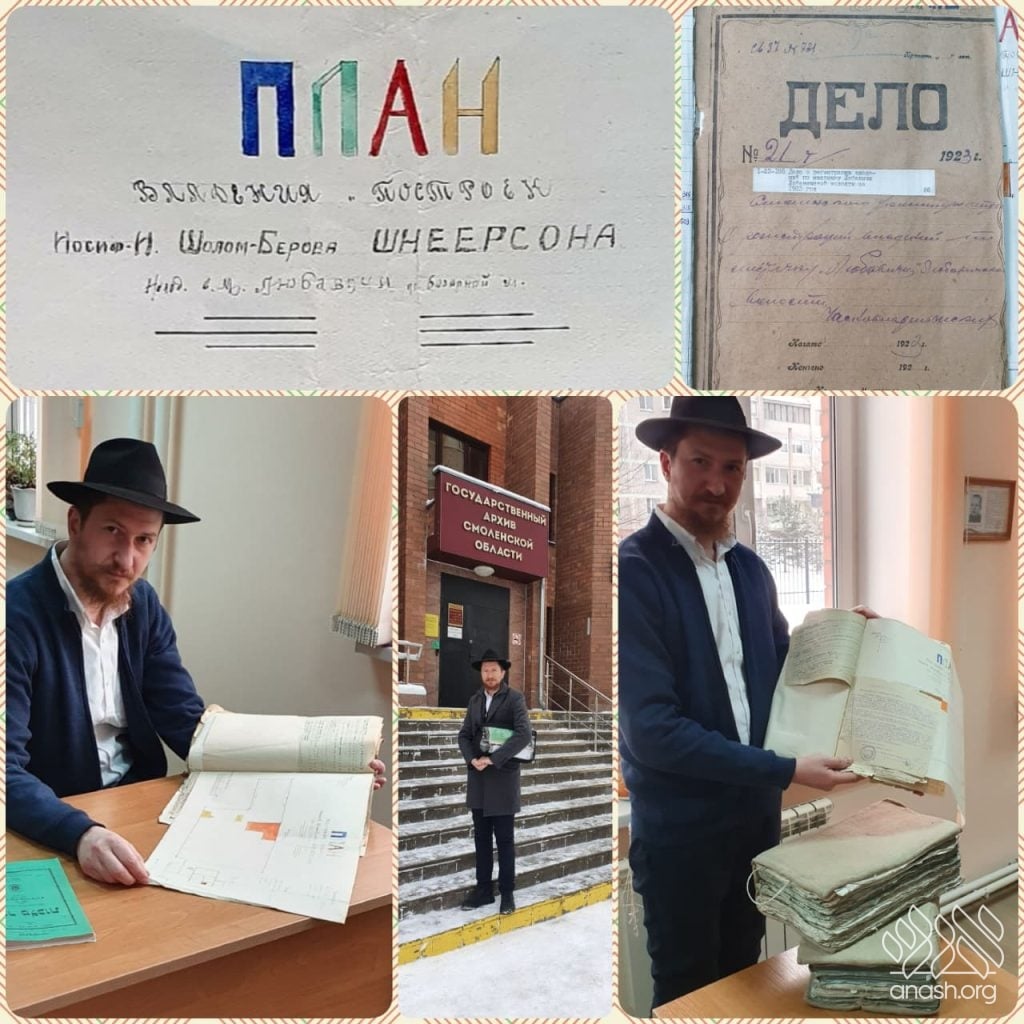
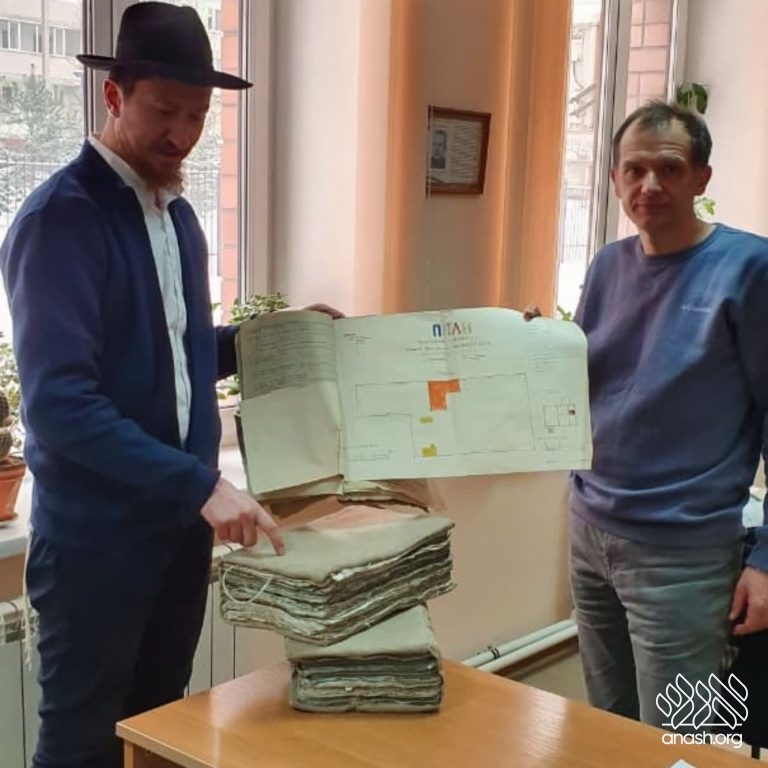
For years, Rabbi Gavriel Gordon, shliach in Lubavitch, has been researching historical materials related to the town in various archives. His latest find, uncovered in the regional draft office archives in Smolensk, reveals an unexpected and fascinating piece of Lubavitch history.
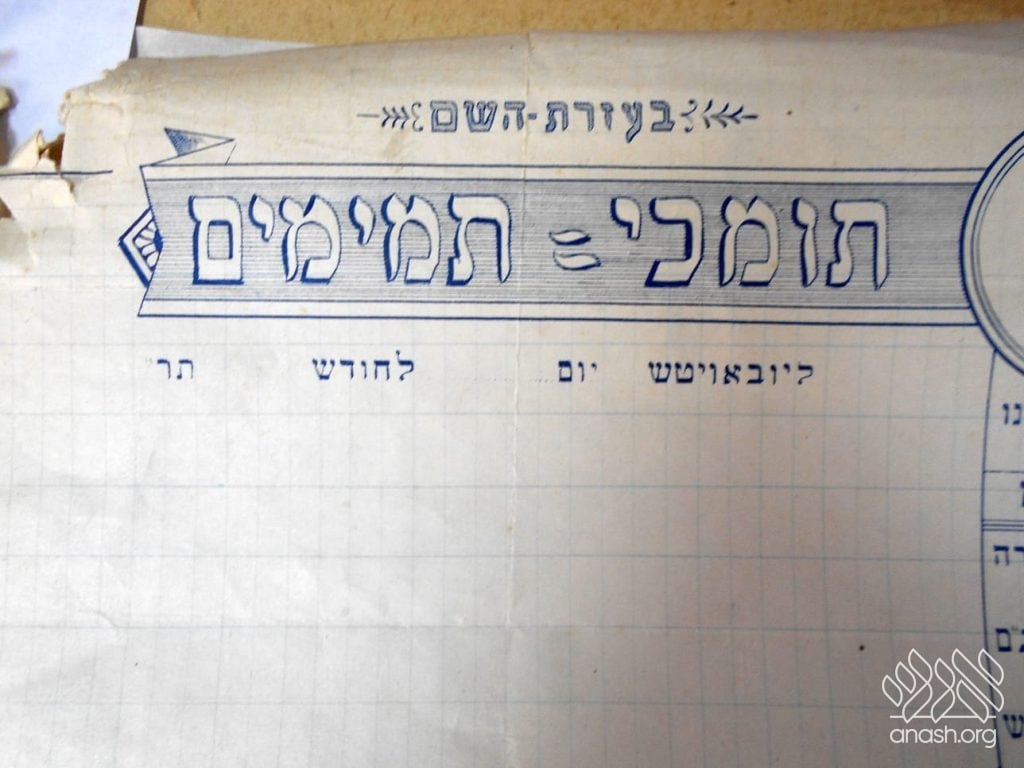
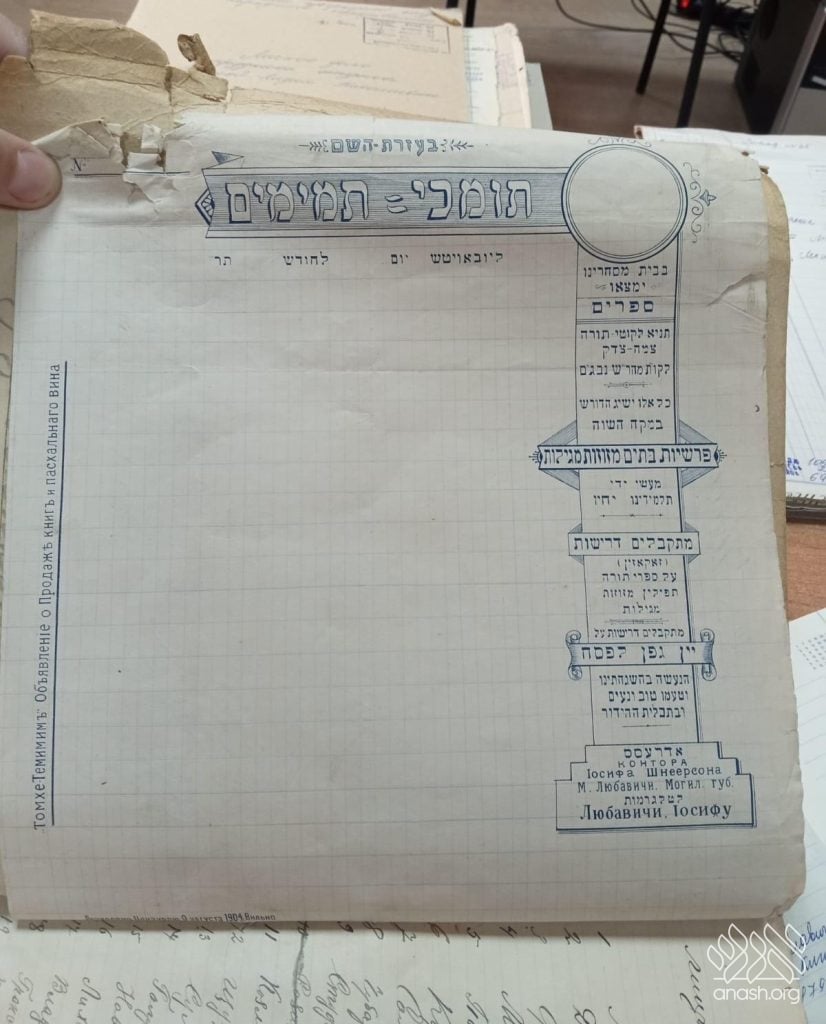
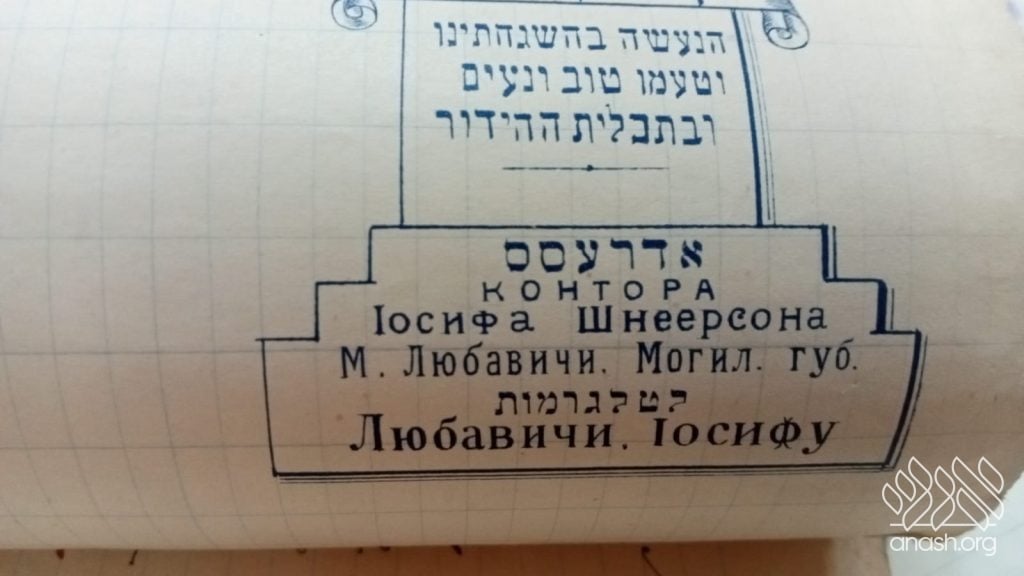
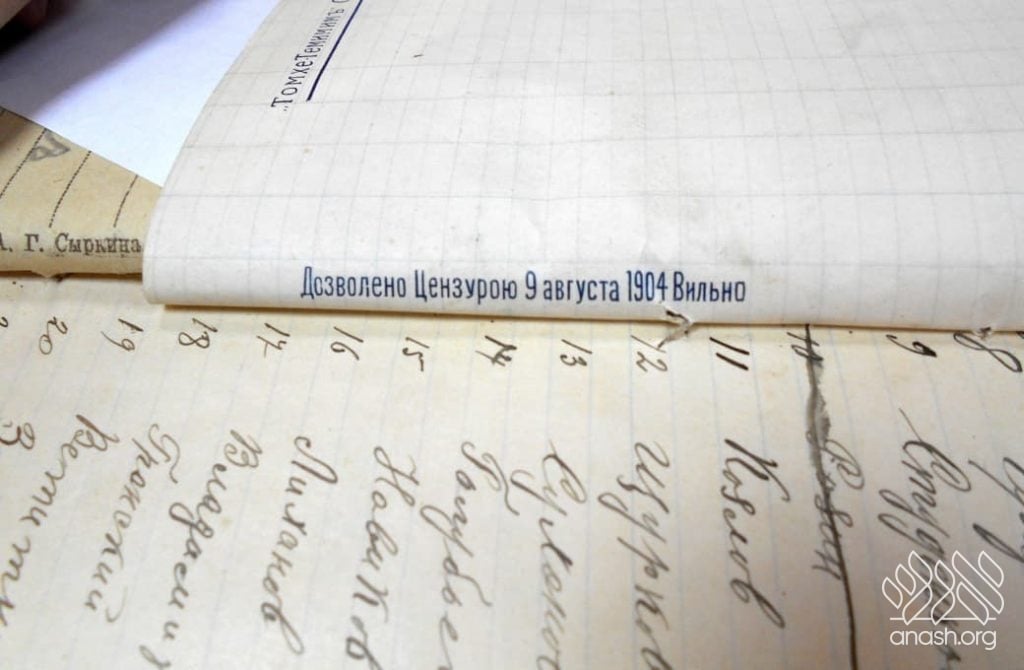
Among files containing lists of army recruits from 1918, Rabbi Gordon discovered official stationery that originally belonged to the Lubavitch yeshiva. These documents, later reused by the draft office for recordkeeping, were printed with the name of the Frierdiker Rebbe in Russian, identifying him as the active director of the yeshiva.
The presence of these documents in government archives appears to be the result of Bolshevik confiscations following the upheaval of 1918, when the Lubavitch court and its institutions were forced to leave the town.
Perhaps most striking is the nature of the stationery itself. Rather than openly identifying the yeshiva, the documents were designed to resemble commercial letterhead. They advertised items such as tefillin, mezuzos, seforim, and even “wine for Pesach made under our supervision, of fine and pleasant taste and the highest standard.”
This apparent disguise reflects the reality of operating under restrictive Russian laws at the time, when official yeshiva activity was not permitted. The use of such a cover allowed the yeshiva to function while avoiding unwanted attention from authorities.
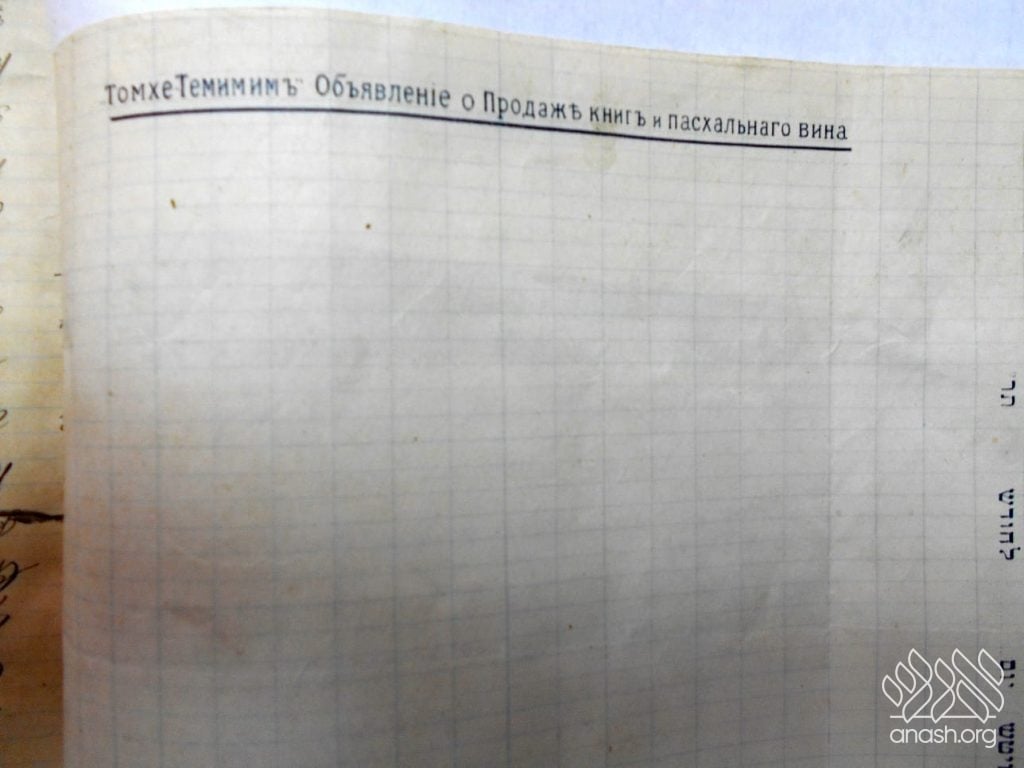
Additional text found on the documents includes references in Russian to “Tomchei Temimim” and announcements regarding the sale of books and Pesach wine, further reinforcing the dual-purpose nature of the materials.
The discovery was made in the Smolensk regional archive, where Rabbi Gordon continues his work preserving and documenting the history of the holy sites of Lubavitch.
 COMMENTS


We appreciate your feedback. If you have any additional information to contribute to this article, it will be added below.