



כ״ו ניסן ה׳תשפ״ו | April 13, 2026
Half a Million Matzos Distributed as Sedarim Held Underground
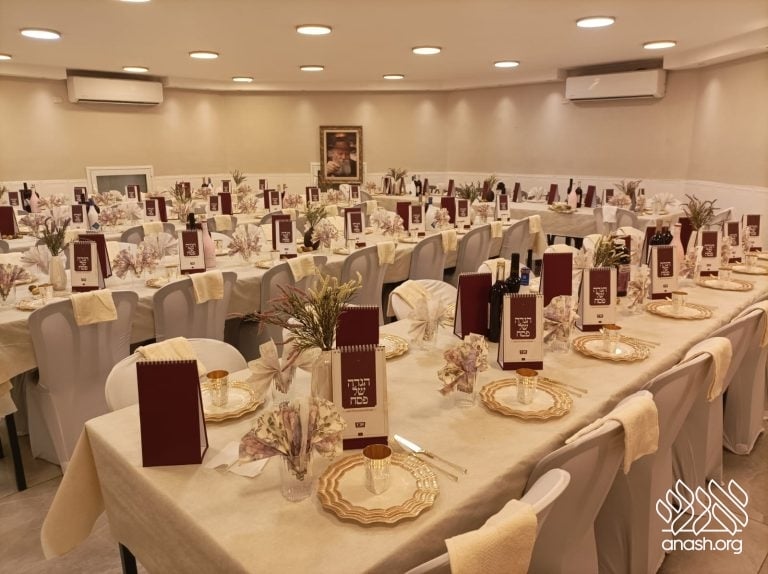
Despite the war, 2,000 shluchim distributed half a million shmurah matzah kits across Eretz Yisrael, hosting 50,000 Yidden at public sedarim everywhere from IDF bases to underground hospital shelters.
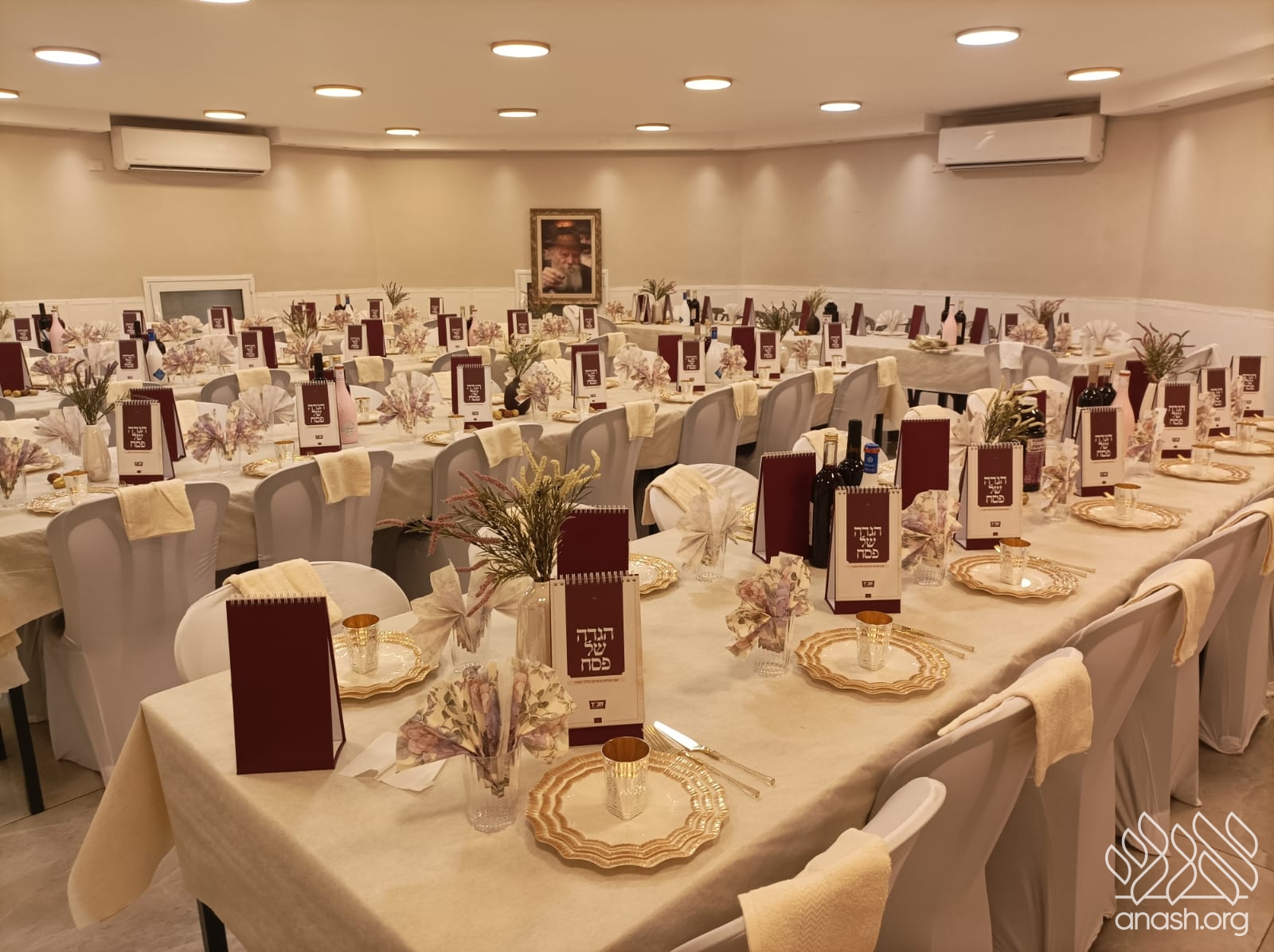
Half a million shmurah matzah kits were distributed across Eretz Yisrael; special sedarim were held in underground shelters at hospitals, at IDF bases, and for families of terror victims; and 2,000 shluchim and activists led the largest logistical operation in the history of Chabad in Eretz Yisrael.
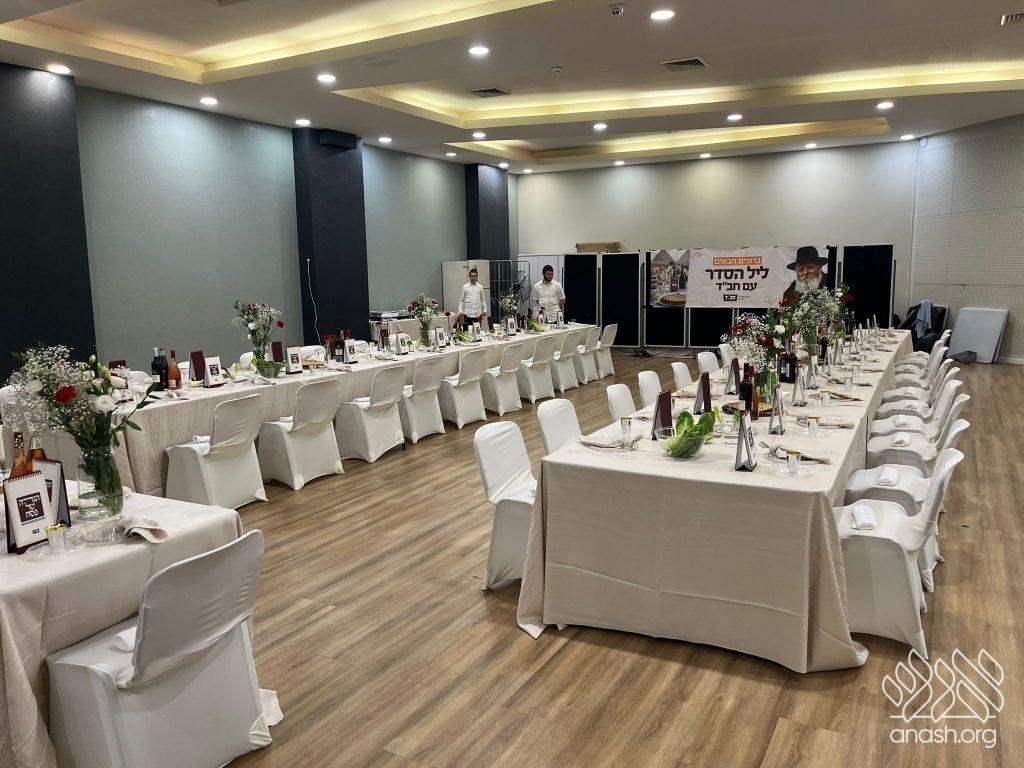
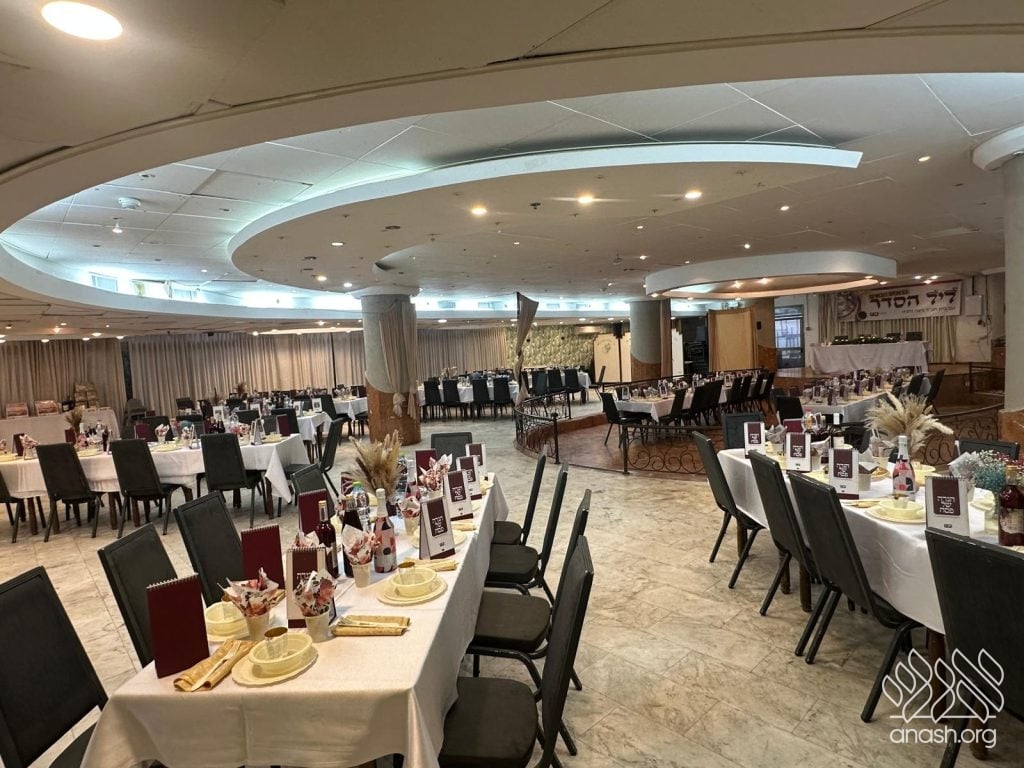
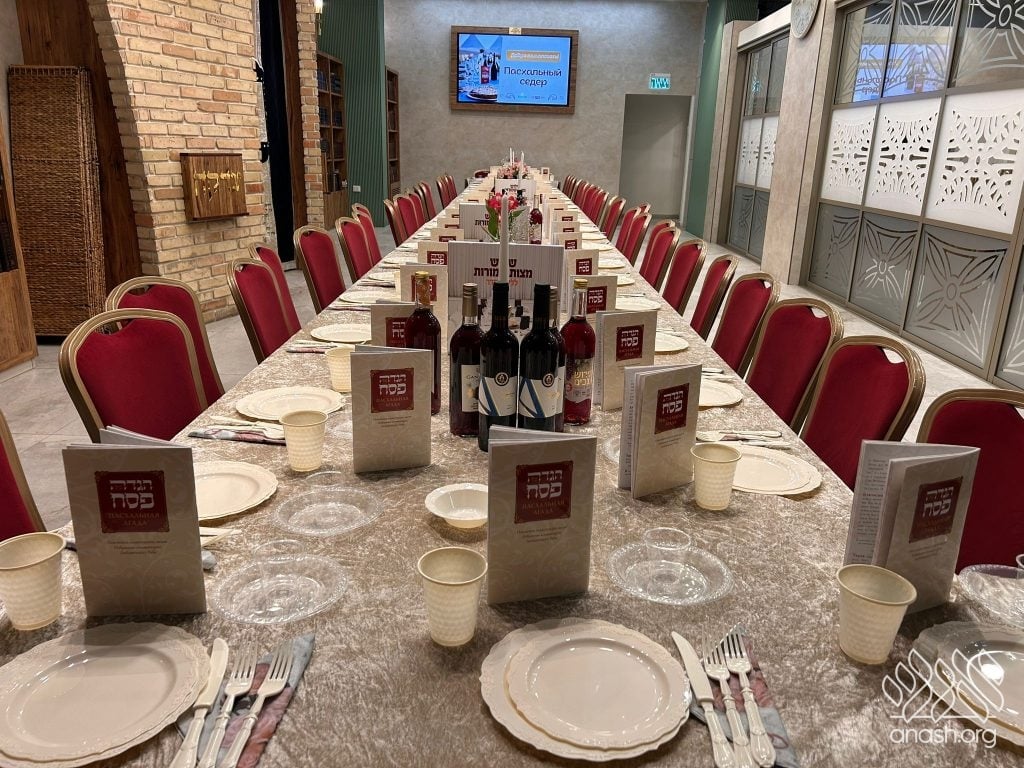
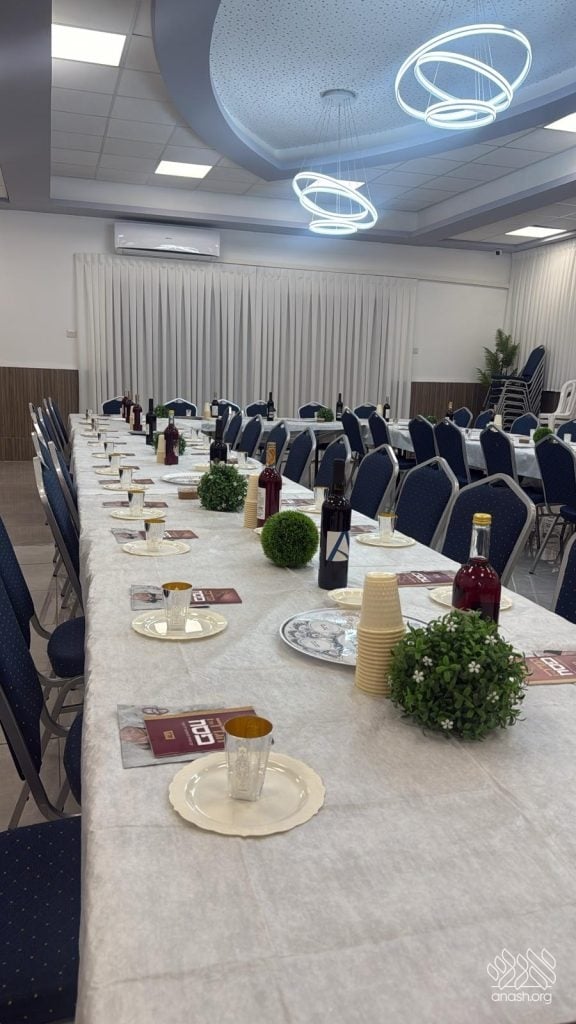
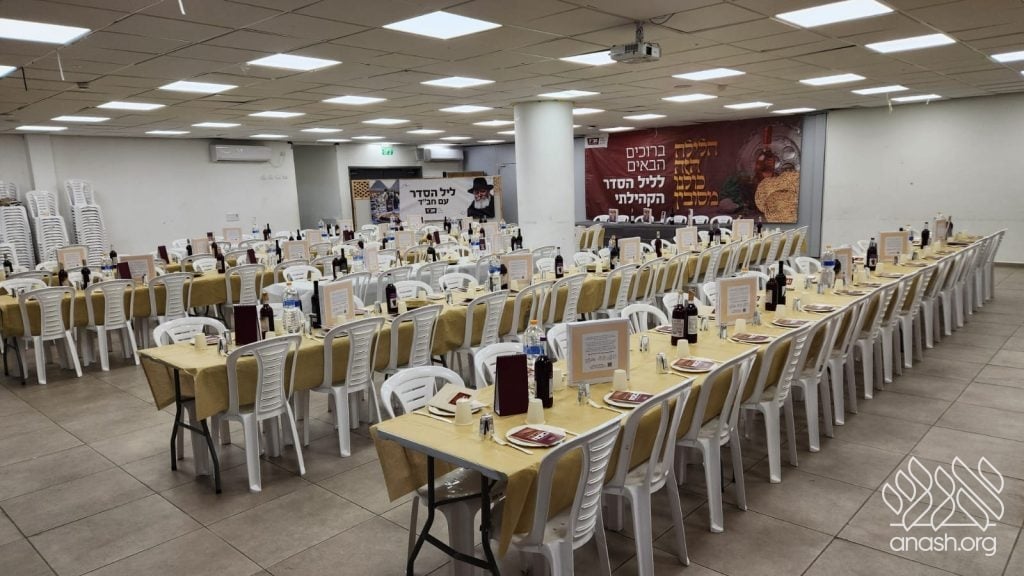
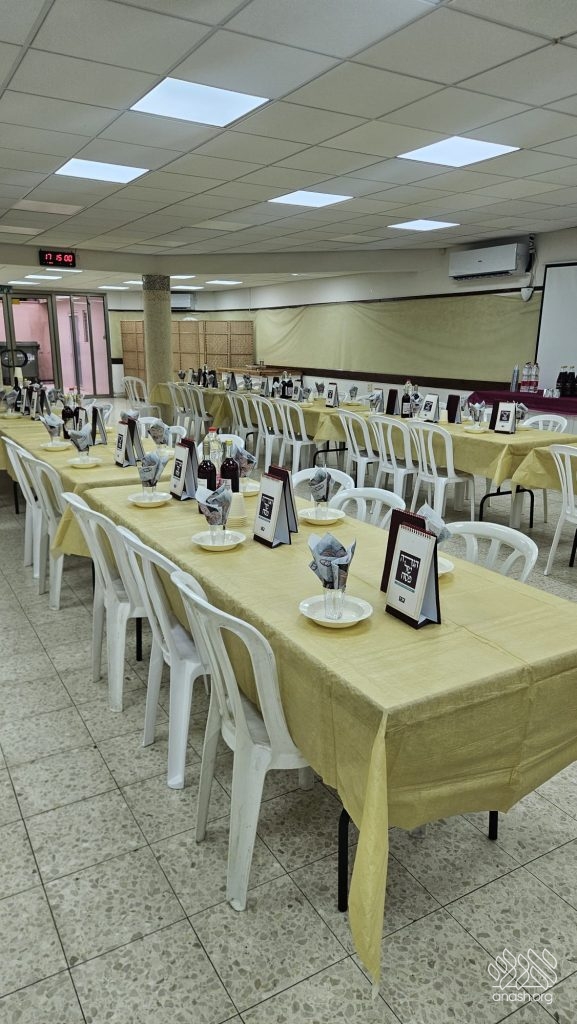
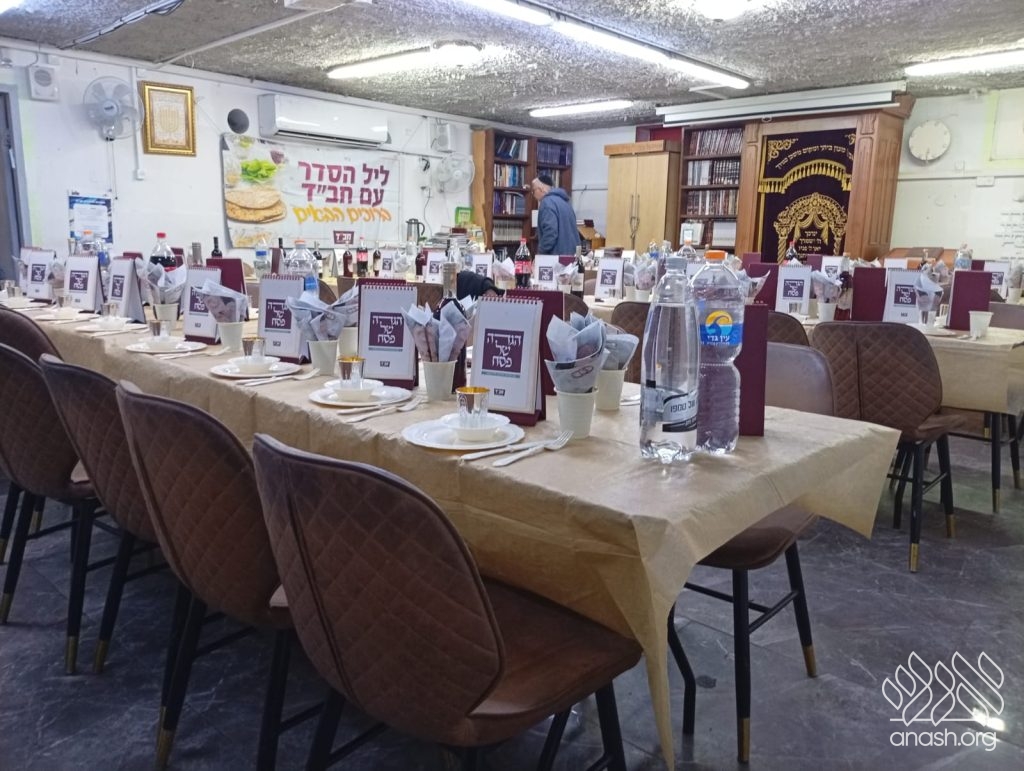
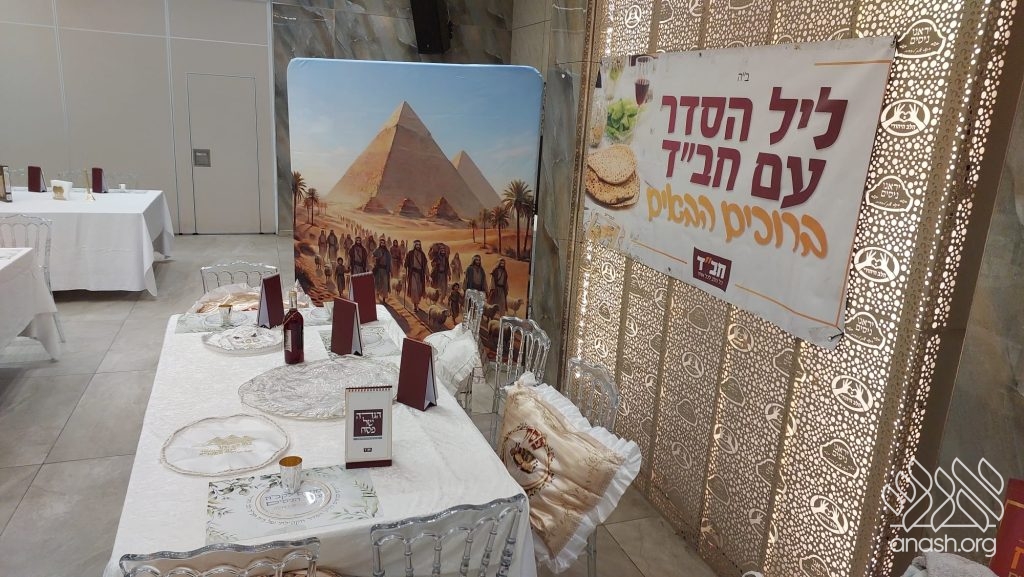
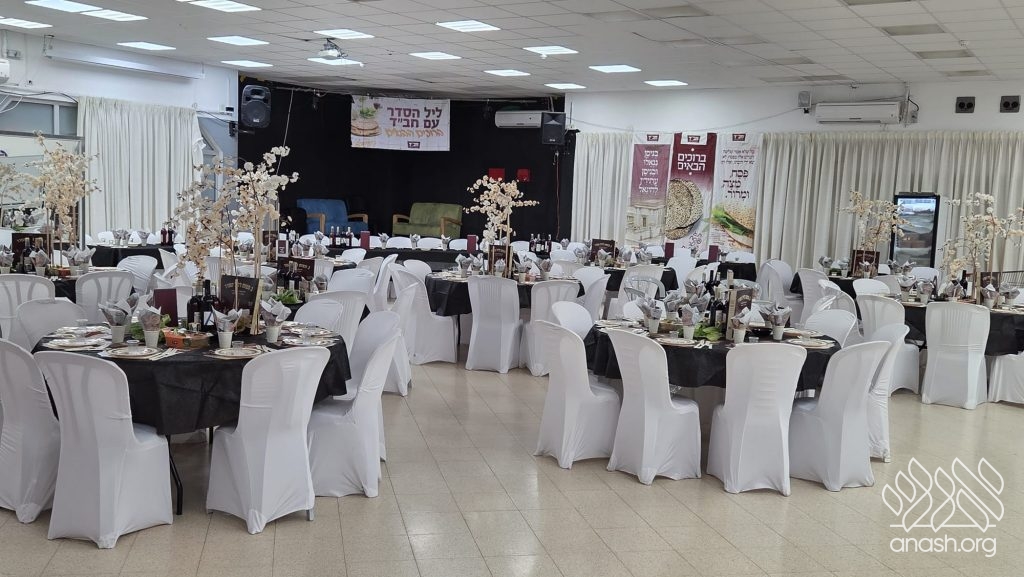
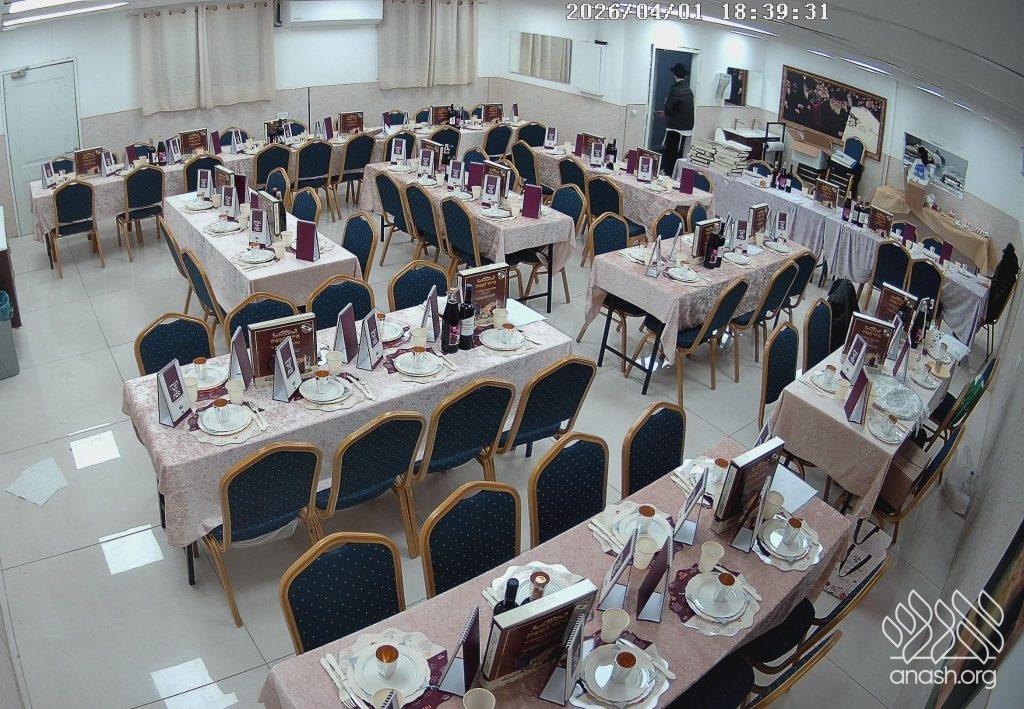
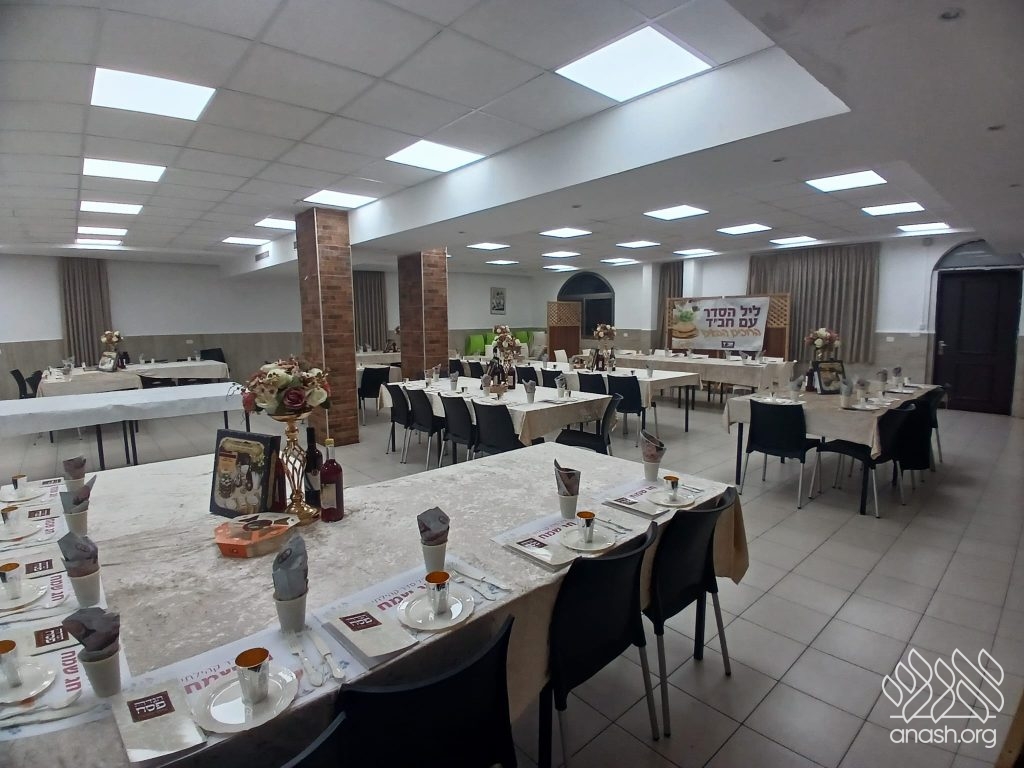
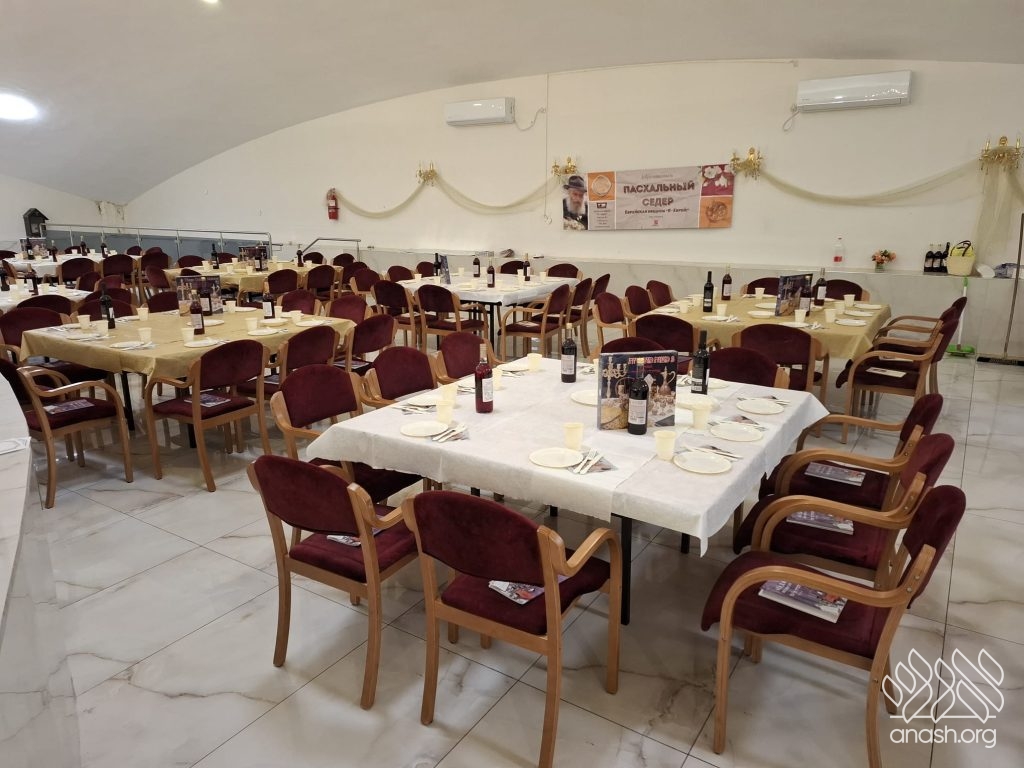
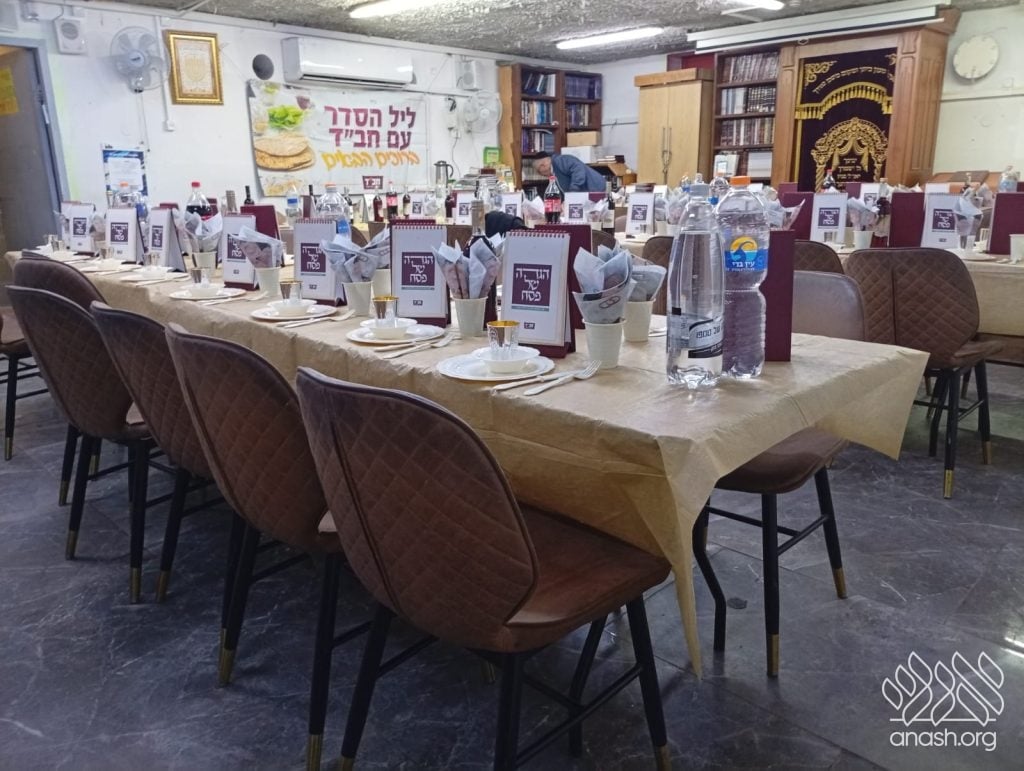
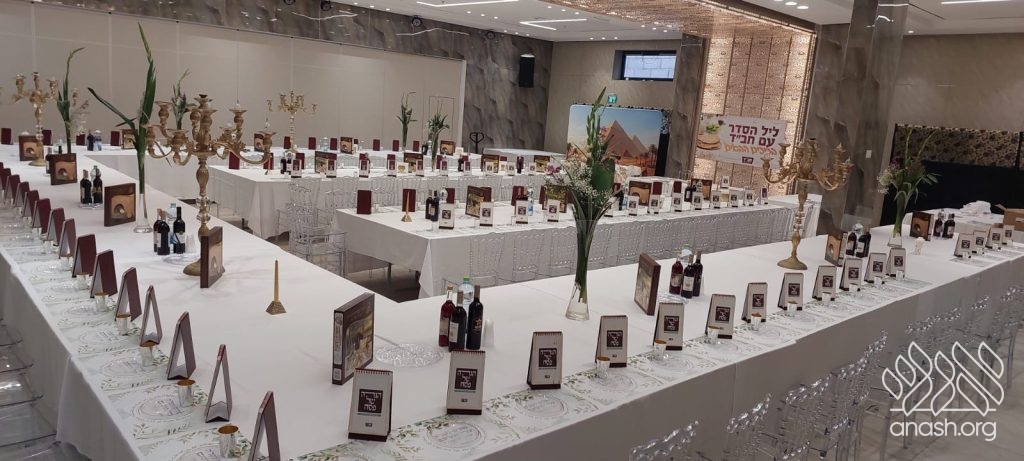
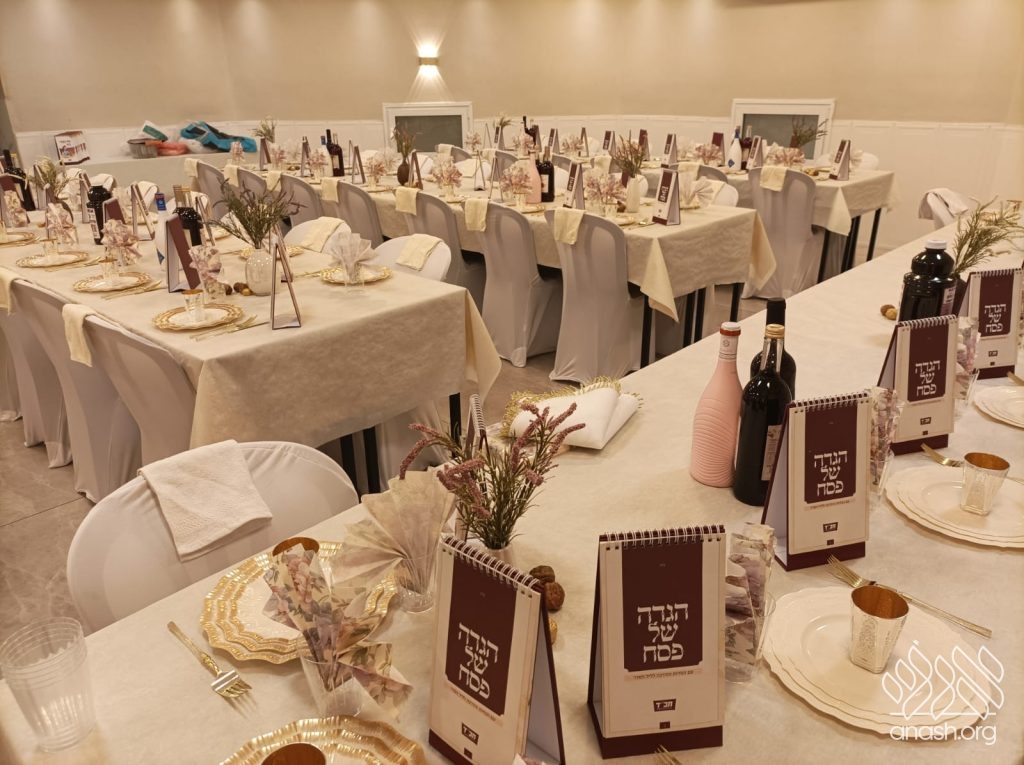
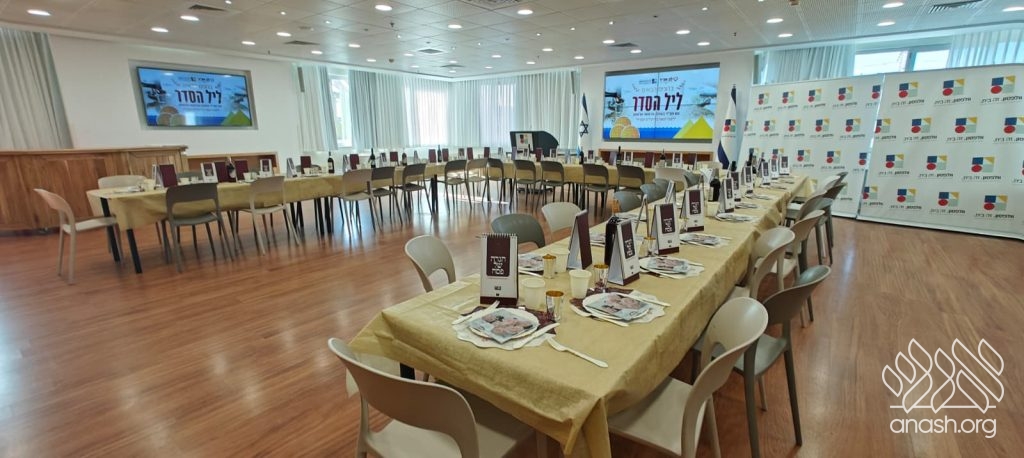
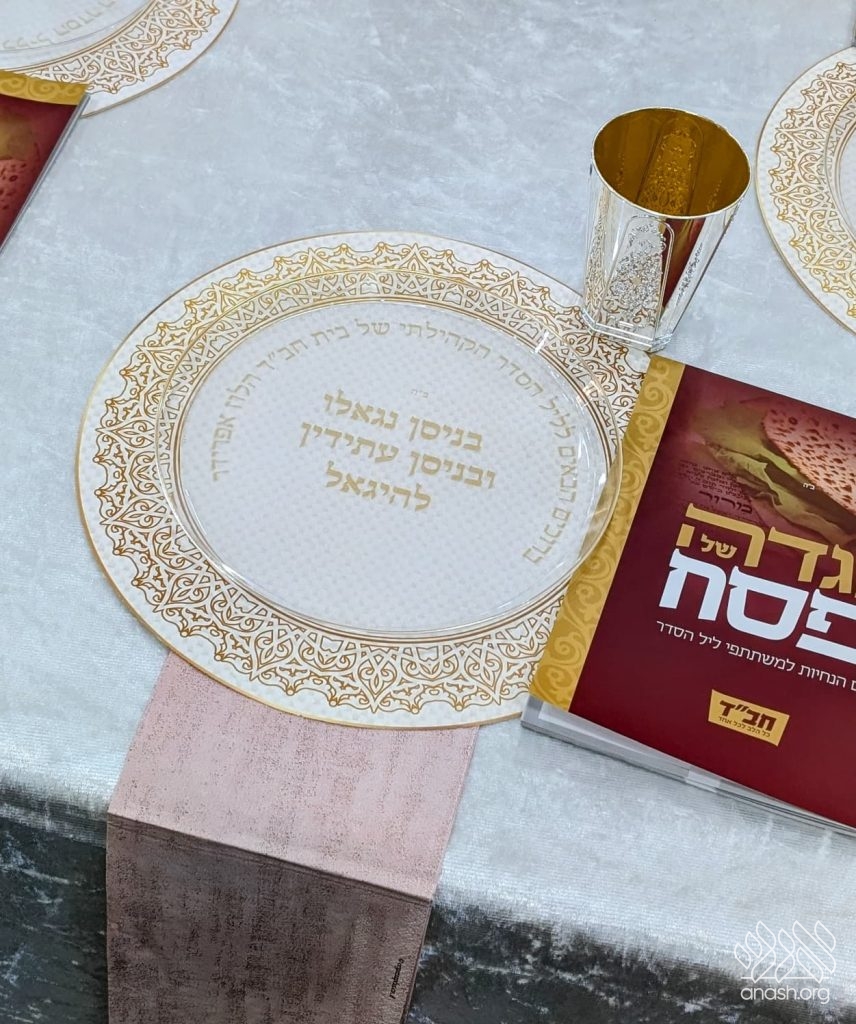
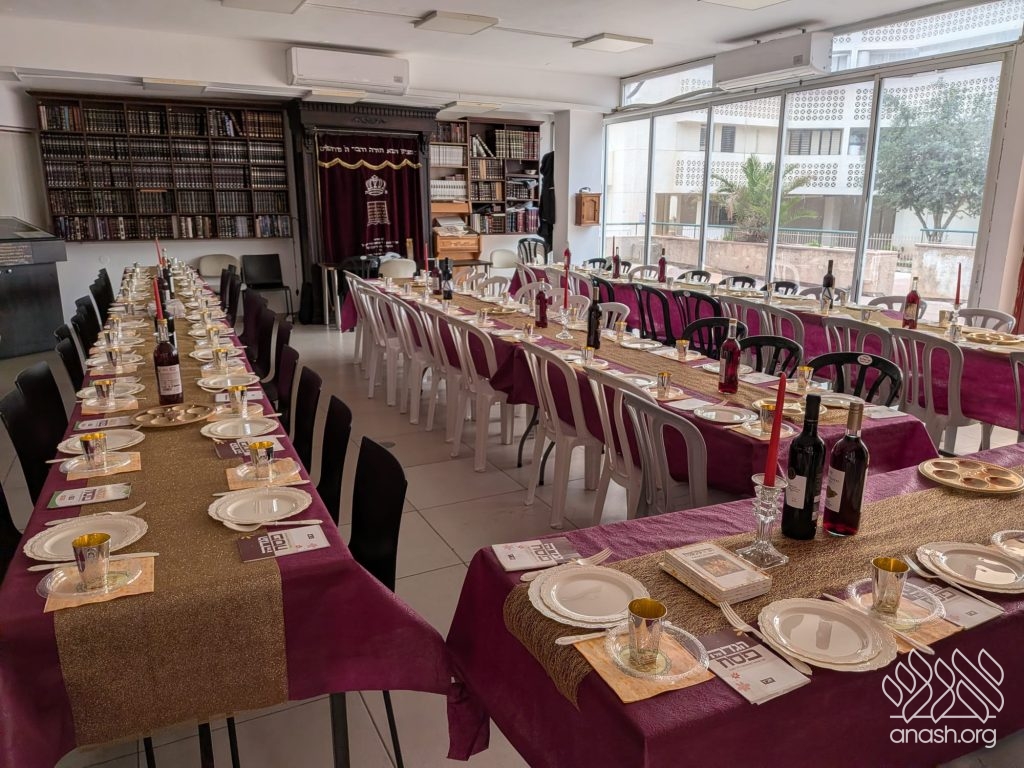
Tzeirei Agudas Chabad set a new record this past month, against the backdrop of the war that continued through the end of Pesach. More than 50,000 Yidden participated in over 1,300 public Pesach sedarim held from north to south, while simultaneously, more than half a million shmurah matzah kits were distributed to families across the country. Behind this monumental spiritual and logistical operation stood approximately 2,000 of the Rebbe’s shluchim, Chabad House directors, and Chabad volunteers, who ensured that hundreds of thousands of Yidden would celebrate Pesach, Chag HaCheirus, properly – even amid the challenging security reality.
Preparations for Yom Tov began as far back as last summer, when Tzeirei Agudas Chabad launched the logistical operation to distribute more than half a million shmurah matzah kits to hundreds of thousands of Yidden. From the baking at the Kfar Chabad matzah bakery, through the logistics center in Sderot, to personalized distribution by local shluchim – who devoted themselves to bringing matzos directly to the public, following the directive of the Rebbe.
The results exceeded all expectations. In many cities, volunteers arrived at the door of every household, delivering the matzah kits together with informational pamphlets and Haggados. Tzeirei Agudas Chabad Chairman Rabbi Yosef Yitzchak Aharonov noted that this year saw an extraordinary surge in demand: “We saw growing demand to receive shmurah matzah. Matzah is called the ‘ma’achal ha’emunah‘ – and specifically now, when the Jewish people are strengthened in emunah through the open miracles we see every day before our eyes, the heart of Yisrael is awake and demand has grown.”
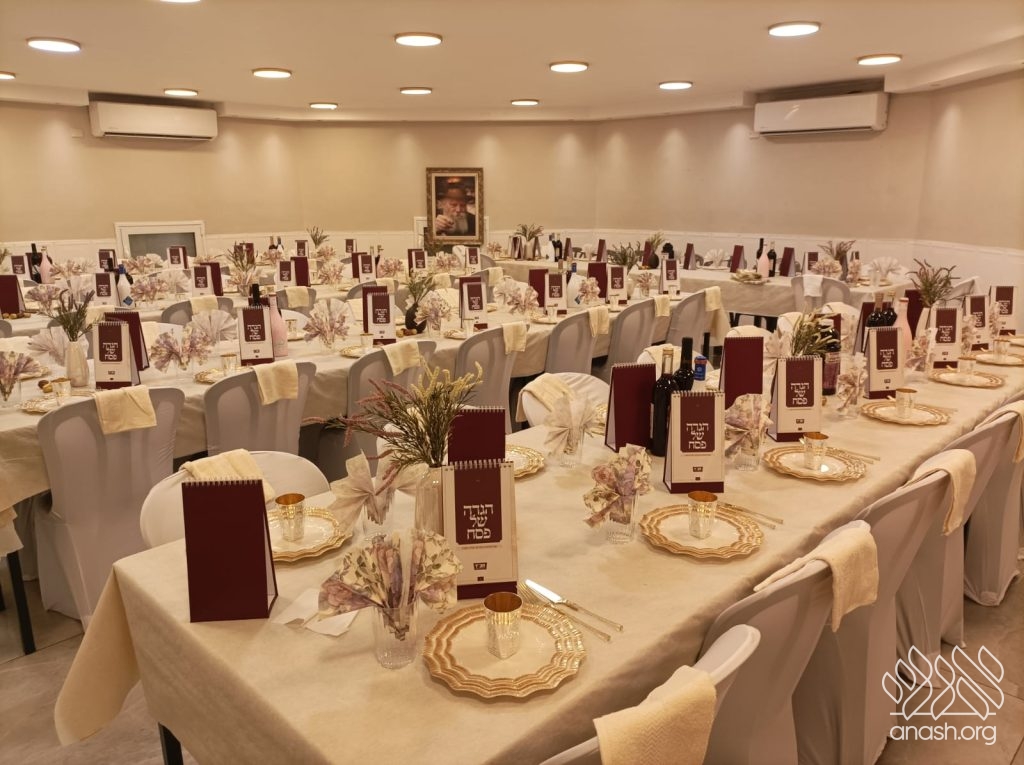
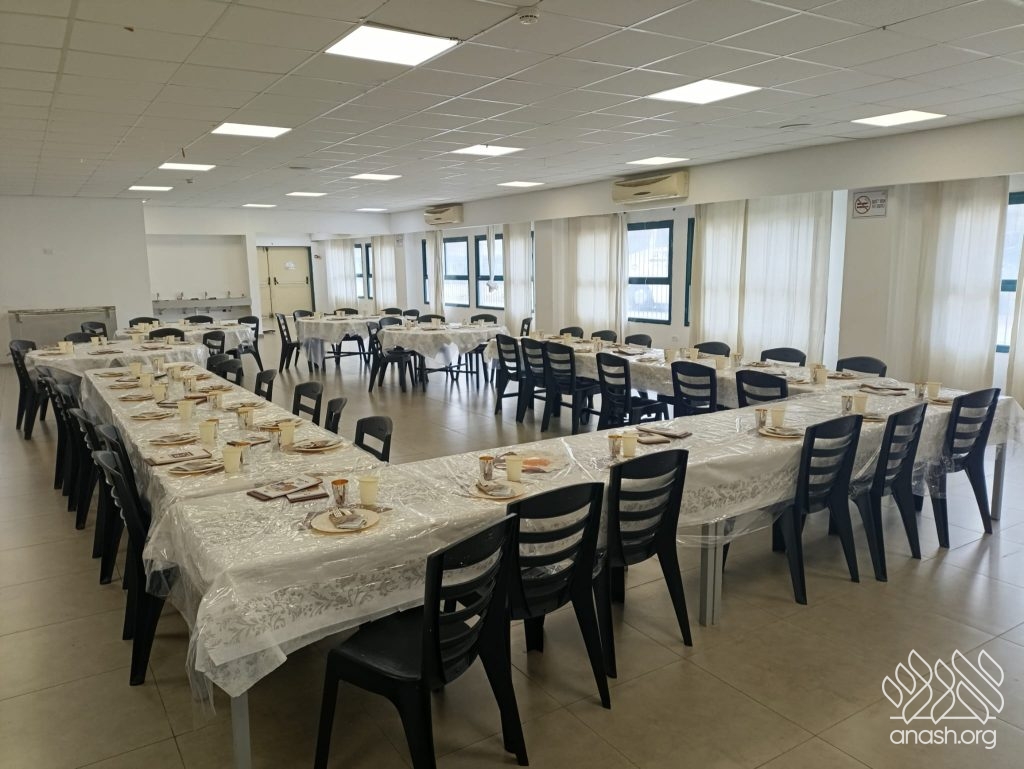
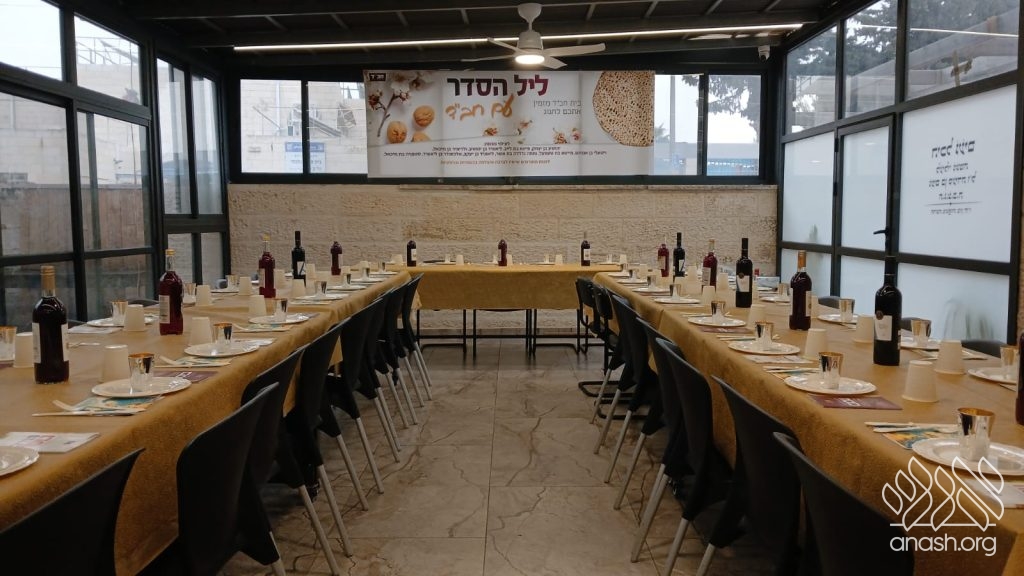
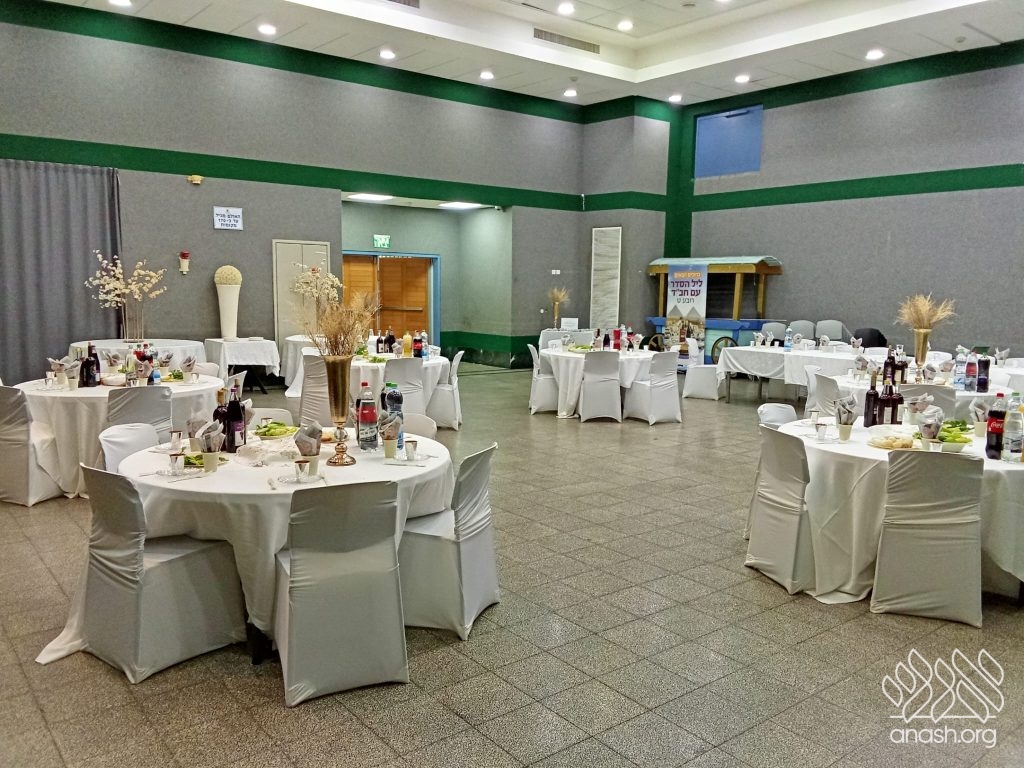
In addition to the matzah distribution, thousands of public sedarim were held across the country. To make all 1,300 sedarim possible, enormous quantities of food were prepared: approximately 15 tons of meat and more than 10 tons of matzah, along with approximately 6 tons of gefilte fish, more than a ton and a half of chrain for maror, close to 3 tons of charoses, and approximately 4 tons of potatoes and vegetables for karpas.
The sedarim were tailored to a wide range of communities: traditional families and those not yet shomrei Torah umitzvos, young people, singles, the elderly, and soldiers. The goal was to ensure that each and every person could feel at home and celebrate the yom tov of Pesach, Chag HaCheirus, in an uplifting atmosphere, even amid the complex reality of wartime.
One of the most moving and unusual chapters of this Pesach unfolded in hospitals across Eretz Yisrael. Shluchim operating through the Lev Chabad project, under the direction of Rabbi Levi Mendelson, faced an extraordinary challenge at medical centers throughout the country: in the wake of ‘Operation Roar of the Lion’ and the transfer of patients to protected spaces, the sedarim were held in underground shelters and parking garages.
Despite the difficult conditions, the shluchim succeeded in conducting large-scale sedarim in a festive and uplifting atmosphere. Thousands of patients and their families ate matzah and the other Yom Tov foods, read the Haggadah together, and listened to niggunim and stories of Yetzias Mitzrayim and geulah.
In total, approximately 50,000 shmurah matzos were distributed to patients, their families, and medical staff. The activities were fully coordinated with hospital administrations, who viewed them as an important contribution to the patients’ emotional resilience.
The Security Forces Division of Tzeirei Agudas Chabad, under the direction of Rabbi Menachem Ofen, worked in close cooperation with the Military Rabbinate and IDF commanders. Tens of thousands of shmurah matzah kits were delivered to soldiers at bases, outposts, and active operational zones. Many soldiers reported that the kits helped them celebrate the night of the Seder “just like home,” despite being far from their families.
At the same time, the Terror Victims Division of Tzeirei Agudas Chabad provided personal care and support to more than 4,000 bereaved families, wounded individuals, and terror victims. Each family received a special matzah kit for Yom Tov, along with personal visits and ongoing spiritual and emotional support, as part of the division’s year-round care.
The Chabad B’Aliyah division of Tzeirei Agudas Chabad, under the direction of Rabbi Yitzchak Wagner, which serves Russian and French-speaking communities, doubled its activity this year and held more than 70 Pesach Seders from the far north to Eilat, attended by over 5,000 olim. The sedarim were conducted in multiple languages – Russian, English, French, and Spanish – to make the experience fully accessible to new immigrants. Despite the security situation, shluchim reported unusually high registration.
Tzeirei Agudas Chabad Chairman Rabbi Aharonov concluded: “We saw this year how, despite the security situation – and perhaps because of it – a renewed Jewish awakening is taking place. The significant rise in the number of people seeking to receive shmurah matzah and participate in public sedarim represents for us a starting point, with the goal of once again expanding the scope of our activities in the coming year.”
In addition, Tzeirei Agudas Chabad produced a special broadcast that reached approximately half a million children, in collaboration with Israel’s leading children’s performers. The goal was to bring the joy of Pesach to every child, in keeping with the directive of the Rebbe, even under the Home Front Command restrictions imposed during the war.
 COMMENTS


We appreciate your feedback. If you have any additional information to contribute to this article, it will be added below.