




ה׳ כסלו ה׳תשפ״ו | November 24, 2025
German Rabbi Lands in South Africa Instead of Auschwitz
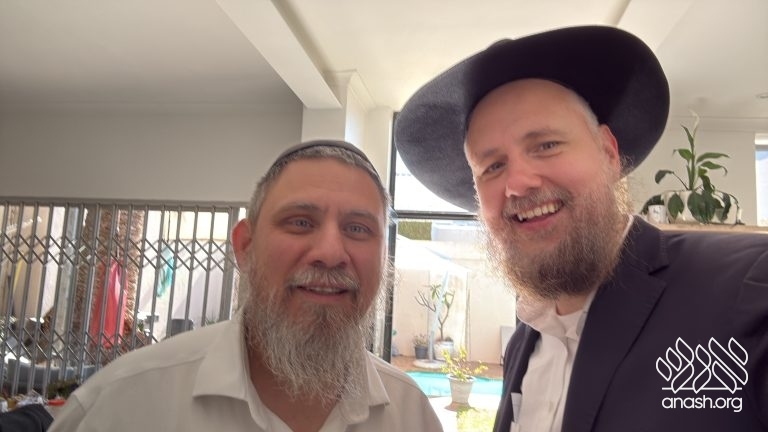
When a mistaken flight booking kept Krefeld shliach Rabbi Yitzchak Mendel Wagner from joining the RCE visit to Auschwitz, he knew it was not for naught. An unexpected meeting with Rabbi Levi Garelik in the hotel lobby led to a South Africa lecture tour, where he spent Kristallnacht speaking about Jewish resilience and the Rebbe’s impact.
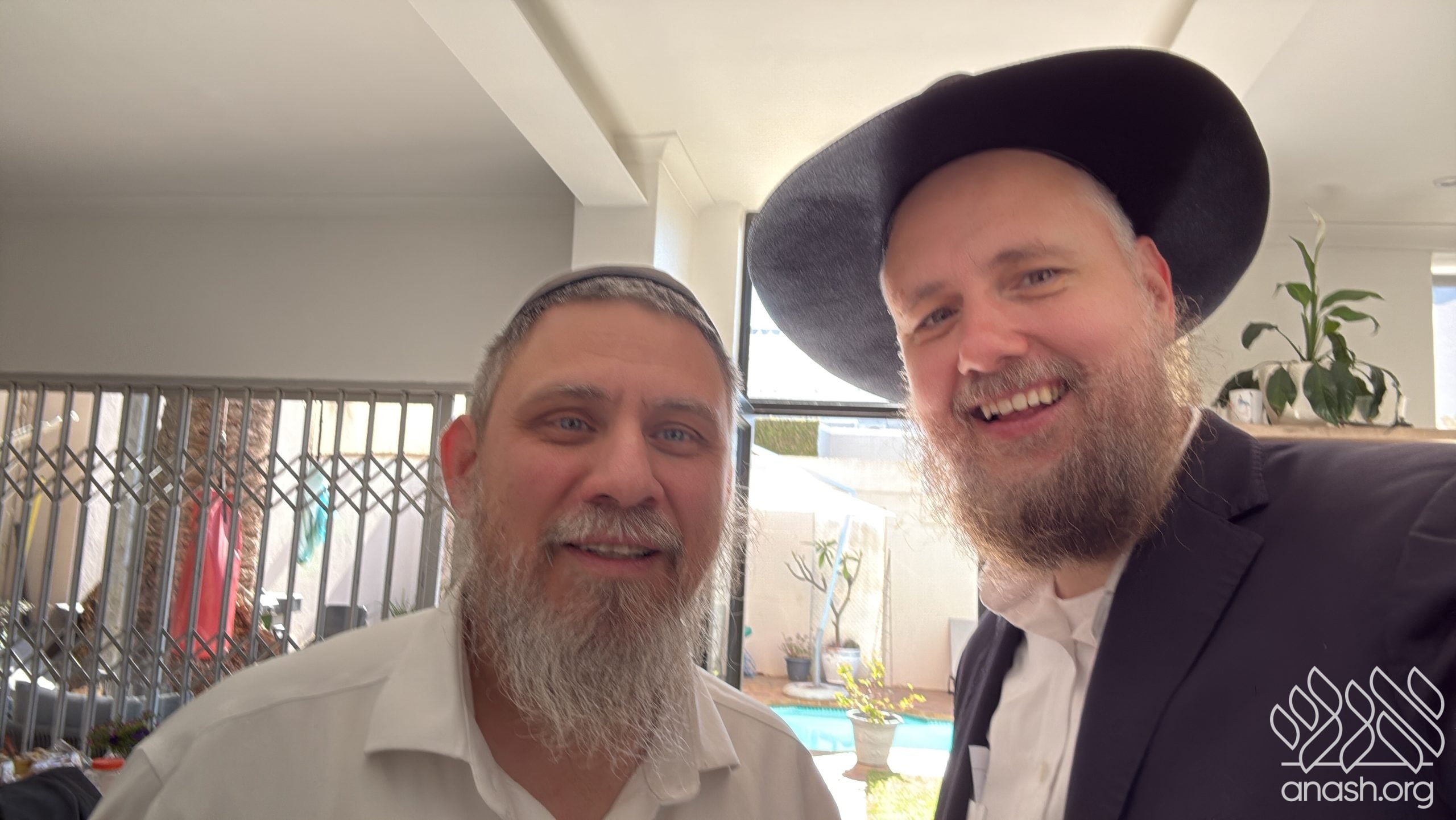
Rabbi Yitzchak Mendel Wagner, the Shliach of Krefeld, Germany, is “made in Germany”- born and raised there, and known for his characteristic punctuality and precision. All the more surprising, then, was the discovery he made on the final day of the Rabbinical Centre of Europe (RCE) conference this past May: he had mistakenly booked the wrong return-flight time.
Because of this error, he was unable to join the hundreds of rabbis—among them both Chief Rabbis of Israel—on their visit to the Auschwitz concentration camp. For a German rabbi, participating in such a visit carries profound historical and personal significance. It is, in many ways, a march of triumph and remembrance.
But as a chossid, Rabbi Wagner believes that nothing happens by accident. If even the fall of a leaf carries divine intention, then surely so does an incorrectly booked flight.
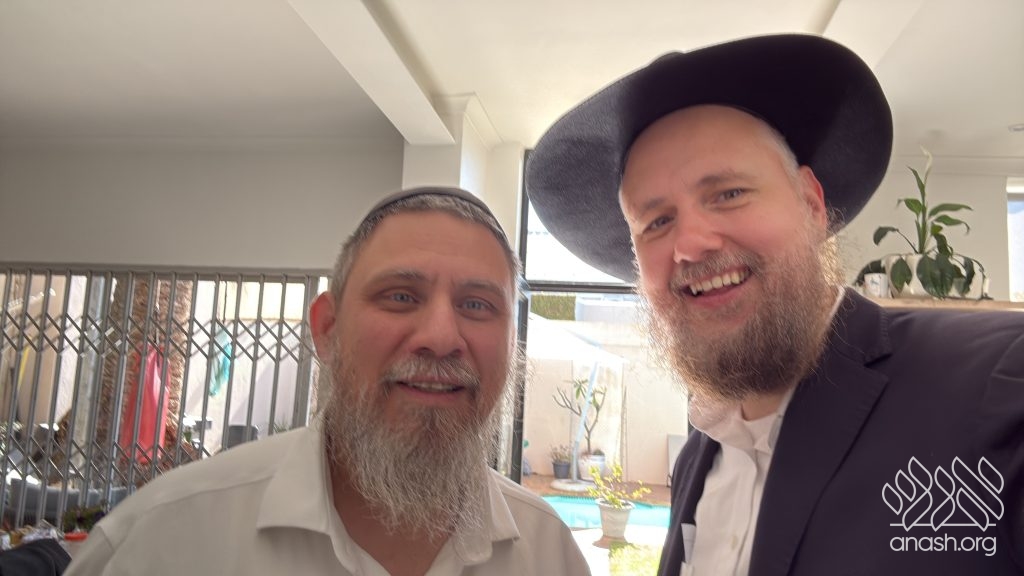
The hashgacha pratis revealed itself quickly. Waiting in the hotel lobby for an Uber was Rabbi Levi Garelik. The two decided to share the ride to the airport, giving them an unexpected hour together.
During the drive, Rabbi Garelik learned that for over a decade, Rabbi Wagner has inspired nearly 300 Chabad Houses worldwide with his lecture “The Jews Are Back!”—yet he had never visited Africa.
“Africa?” Rabbi Garelik said. “You must speak with Rabbi David Masinter in Johannesburg.” Before they even reached the airport, a WhatsApp message had already been sent.
Six months later—fittingly on November 9, the date on which more than 1,000 synagogues were burned across Germany during Kristallnacht in 1938—Rabbi Wagner arrived in South Africa.
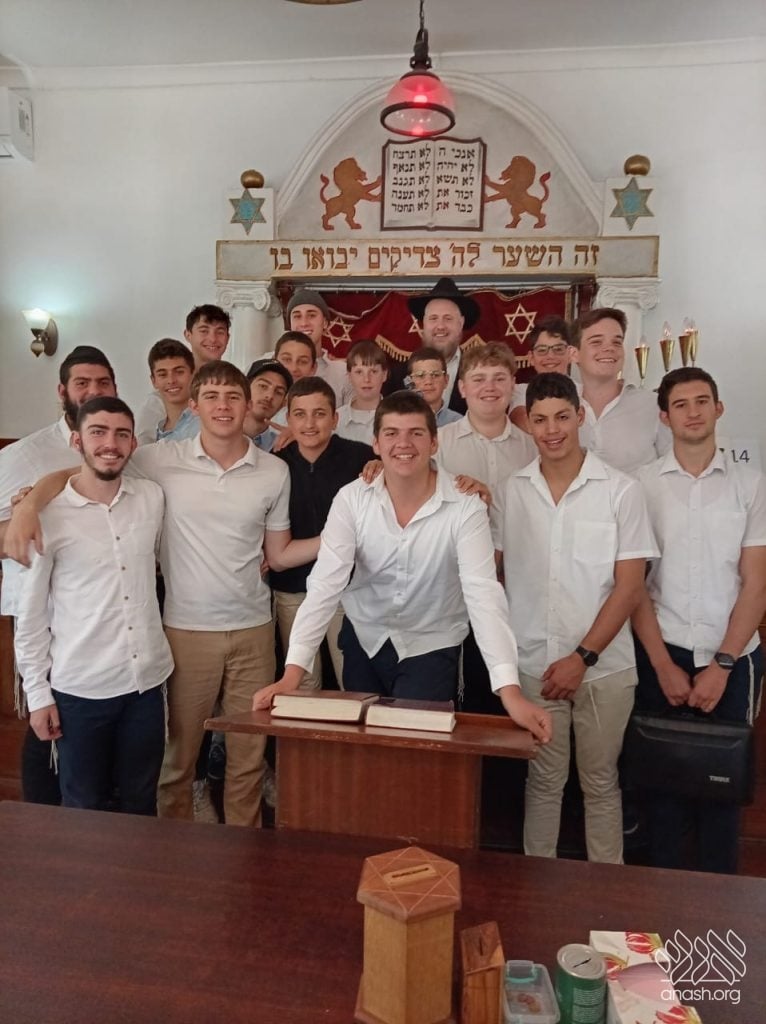
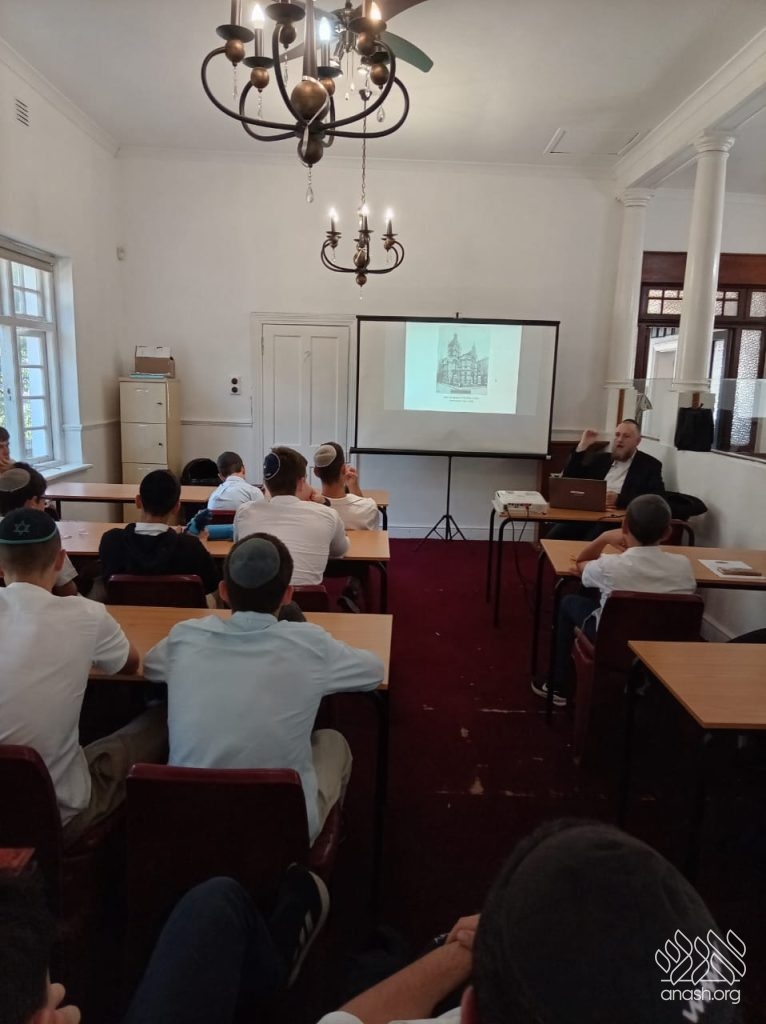
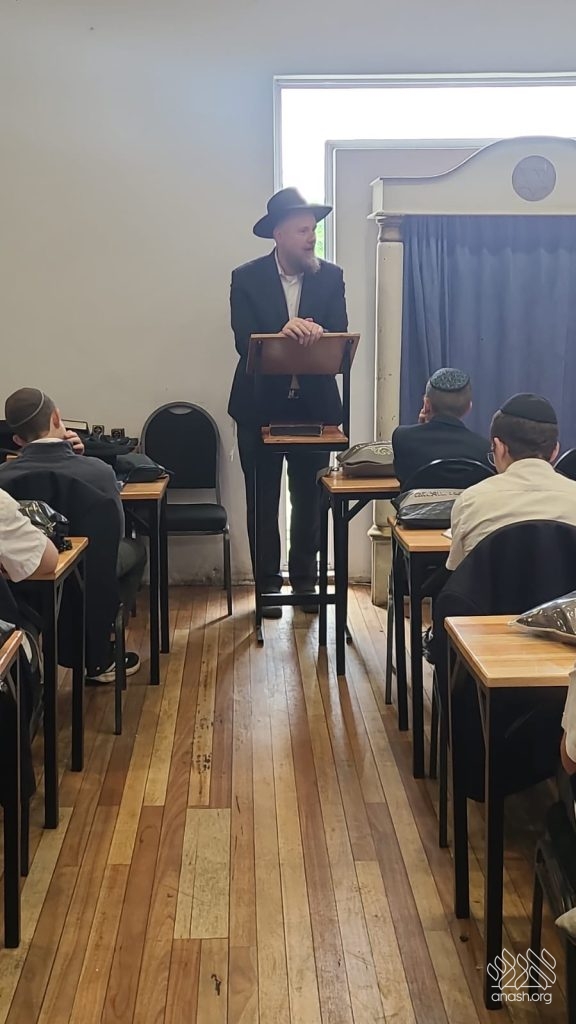
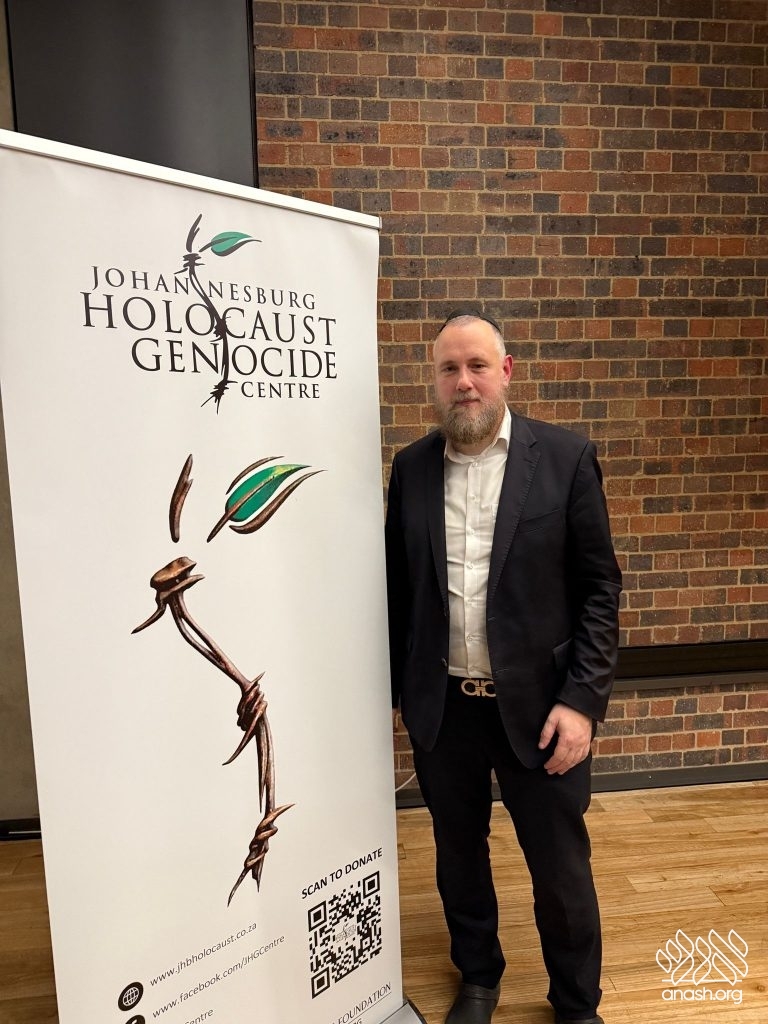
He lectured at Johannesburg’s renowned Holocaust and Genocide Centre, as well as in several Chabad communities. In connection with the international Shabbos Project, initiated by South Africa’s Chief Rabbi Warren Goldstein, Rabbi Wagner presented to hundreds of attendees, including the Chief Rabbi himself, sharing the story of the Rebbe’s transformative impact on post-Holocaust Jewish life in Germany.
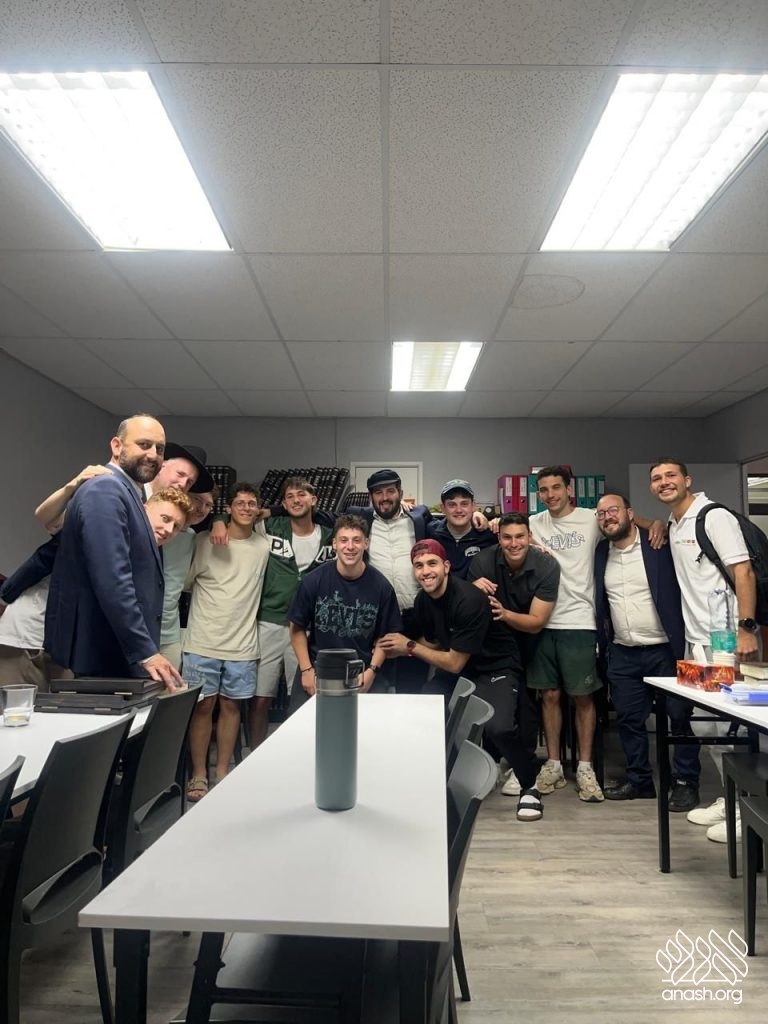
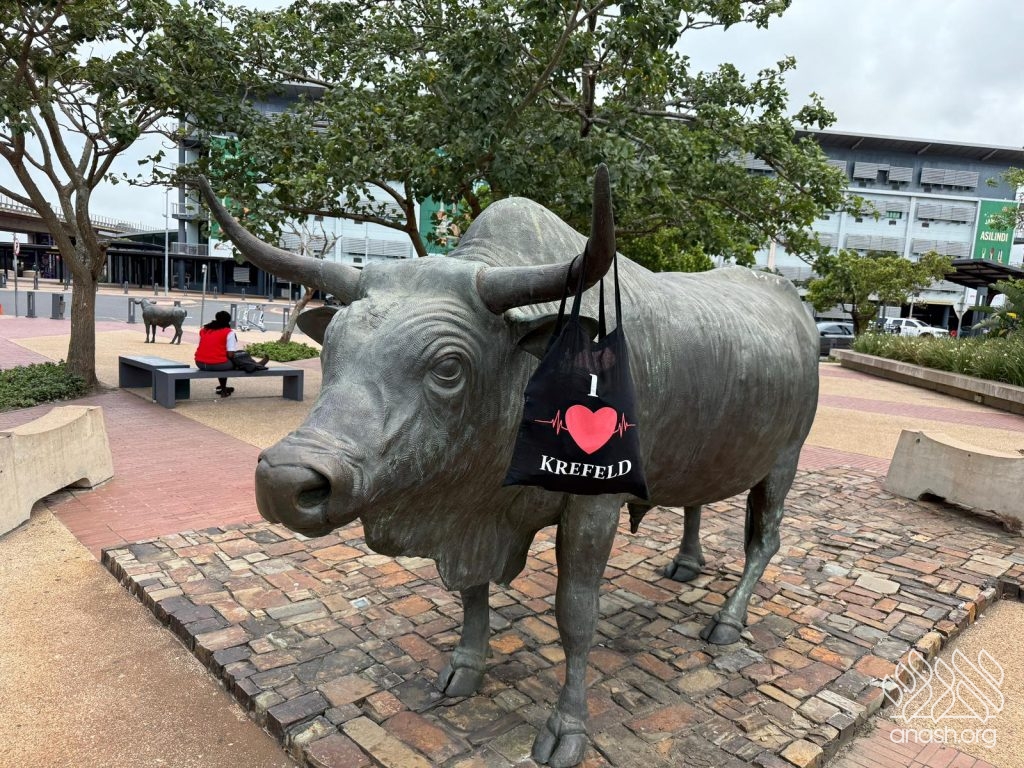
Rabbi Wagner also visited the Jewish communities of Cape Town, hosted by Shliach Rabbi Dovid Wineberg, and Durban, hosted by Shliach Rabbi Shlomo Wainer.
During his visit, Rabbi Wagner was deeply impressed by the remarkable structure, professionalism, and unity of South Africa’s Jewish communities. From Johannesburg to Cape Town and Durban, he encountered vibrant congregations, highly organized communal institutions, and a level of coordination that reflects both strength and vision.
A special highlight was discovering Chai FM, South Africa’s Jewish radio station, which plays a central role in connecting and energizing Jewish life across the country. There he met Rabbi Akiva Kirvman, who runs his own show—using the airwaves to inspire, educate, and strengthen Jewish identity for thousands of listeners.
And so, what began as a missed opportunity to stand among fellow rabbis at Auschwitz became something far larger than a single visit. By speaking in South Africa—on the very date synagogues once burned in Germany—Rabbi Wagner carried the memory of Auschwitz with him across continents.
Instead of walking through the ruins of the camp that day, he brought its lessons, its warnings, and its enduring call for Jewish life to flourish to a new audience, thousands of miles away.
In a profound way, the journey that was meant to end at Auschwitz became a journey that extended its message. What he could not witness in Poland, he transmitted in Johannesburg, Cape Town, and Durban: that Jewish life not only survives—it returns, rebuilds, and inspires.
Auschwitz remains the symbol of what our enemies tried to erase. Rabbi Wagner’s unexpected detour to Africa became another symbol: that the Jewish story continues to unfold with strength, dignity, and purpose—precisely in the places no one would have imagined.
A missed flight became a mission.

 COMMENTS


We appreciate your feedback. If you have any additional information to contribute to this article, it will be added below.