




כ״ה מרחשון ה׳תשפ״ו | November 16, 2025
From War Zones to Disaster Areas, Shluchim Journeyed to the Kinus
From war-torn Sumy, Ukraine, to fire-scarred Pasadena, shluchim have come to join the Kinus Hashluchim. Their stories reveal the hidden battles behind shlichus, and why the annual kinus has become a lifeline for shluchim on the front lines.

The phone reception isn’t great. It’s no surprise as the call is connecting with Ukraine, a country racked by almost four years of war. Rabbi Yechiel Shlomo Levitansky’s voice crackles over the line as he navigates the dark Ukrainian roads, his wife beside him and two young children in the back seat. It’s Tuesday night, and they’ve just begun a journey that will take them 15 hours to the Polish border, another three or four hours waiting to cross, and then four hours onward to Krakow. From there, flights and more travel await before they arrive in Brooklyn, N.Y., on Thursday night for the 42nd International Conference of Chabad-Lubavitch Emissaries, otherwise known as the Kinus Hashluchim.
Back home in Sumy, Ukraine—just 15 miles from the Russian border and one of the literal frontlines of the war—the dark skies tell a different story than the slightly calmer one visible from his car window. “At night when I walk out of my house, I hear the sound of literal gunshots and drones flying over,” Levitansky explains. The Chabad center that he and his wife Rochi have run for the past 18 years sits just a block from city hall, the mayor’s office, and the governor’s residence, buildings that have been targeted seven or eight times by Russian drones over the past few years.
For Levitansky, leaving Sumy is never a simple decision, especially since the war began. “In general, people believe very strongly in Sumy that if I, the rabbi, am in town, then things are OK,” he tells Chabad.org. “It’s like a security blanket for them. They see us shluchim [emissaries] as ‘if they’re here, nothing is going to happen.’ ”
The events of the past few years have only solidified people’s theory in this regard. Last year, when the rabbi traveled 200 miles to Dnipro to bake matzah before Passover, a rocket hit Sumy the very same day he was away.
“Leaving is a decision that I have to think about each time and weigh the pros and the cons,” he says.
‘The Kinus Is a Necessity’
Despite these challenges—or perhaps because of them—the annual gathering in New York has become not just important but essential for Chabad emissaries like Rabbi Levitansky.
This year, as in years past, thousands of Chabad emissaries from more than 100 countries will gather in Brooklyn’s Crown Heights for the Kinus. The weekend brings them together for workshops, networking, and inspiration, as well as for the natural opportunities for brainstorming and camaraderie that take place when you put thousands of rabbis with similar missions in the same room.
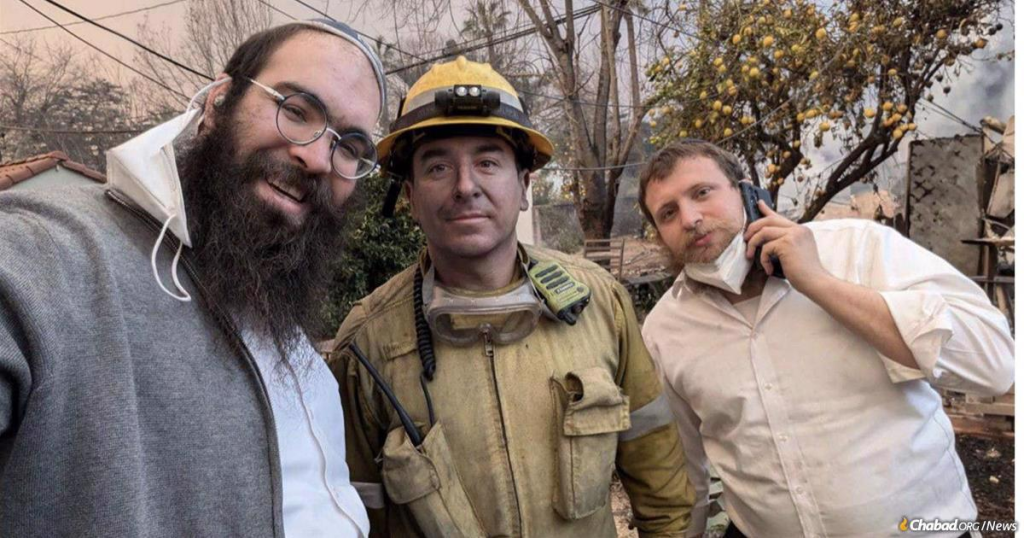
Rabbi Chaim Hanoka of Chabad of Pasadena, Calif., is also preparing for the Kinus. His community, too, has endured a crisis, though of a different nature.
In January, the Eaton Fire tore through the Pasadena area, devastating the community. Homes burned down or suffered extensive smoke damage. Months were spent just clearing the toxic debris, with large dump trucks hauling away the remnants of people’s lives. “It’s been an uphill battle for the vast majority of the people I know,” the rabbi says. “Most have not even started rebuilding. Red tape and insurance—many were promised the world.”

“For weeks after the fire, our Chabad center was like a refugee center,” Hanoka recalls. “Meals, clothes, water, people coming in and out from hotels and motels.”
Although many community members didn’t have a home to come back to, the crisis opened unexpected doors. “We’ve met many new people and families and people we didn’t have much to do with. They’ve become part of the fabric of Chabad of Pasadena.” Many of these newcomers have stayed, even as others have moved away, some temporarily, some permanently. “Most of the community is back,” Rabbi Hanoka notes, though the landscape has shifted.
For Hanoka, the conference represents both a chance for personal renewal and communal representation. “The community knows we’re going, and we told them we’re representing them,” he says. The rabbi also encourages community members to write panim, which he brings with him and places at the Ohel, the resting place of the Rebbe.
According to Levitansky, some 90% of Ukraine’s emissaries make the journey to Crown Heights each year. “The conference is a necessity for us in Ukraine. It gives us strength and the rejuvenation to rededicate ourselves to our mission,” he says. But he knows that his absence from Sumy carries weight: “If I’m not there, Jewish life in Sumy isn’t happening in the same way.”
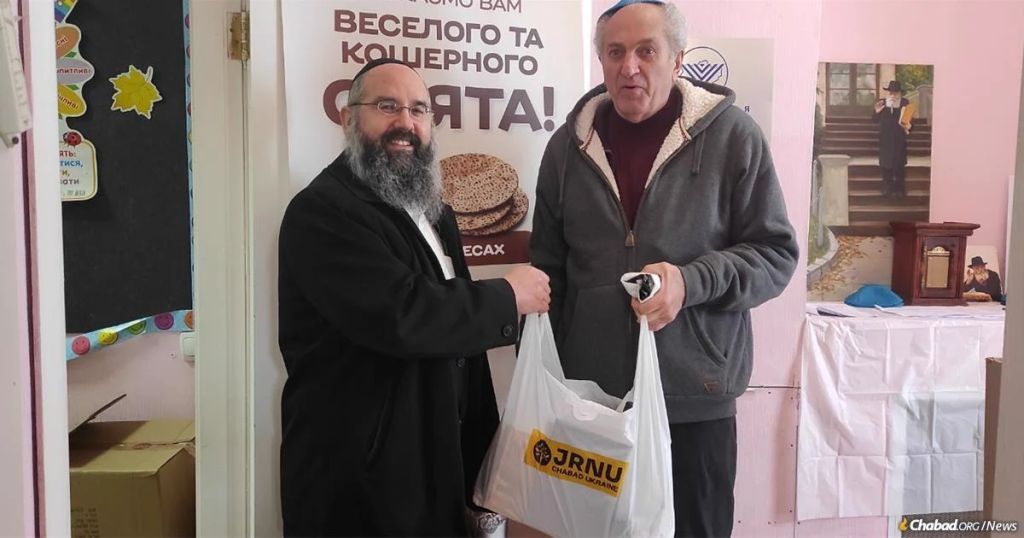
But he doesn’t see it as leaving them behind: as their representative, he’s taking them with him. But Levitansky’s attendance fills them with pride, he says. In 2022, when Rabbi Levitansky spoke at the conference, the community shared the video widely, proud that their rabbi was addressing such a massive gathering.
Levitansky too, is traveling with panim (letters) from community members, carrying their hopes and prayers to the Rebbe’s resting place.
‘Gathering Together As One’
In addition to the communal business, the conference is also a chance for emissaries to see peers, and spend time at Chabad-Lubavitch headquarters, where many of them spent their formative years studying.
“I think it means to be rejuvenated,” Hanoka reflects. “It’s not often I get the chance to sit with my peers, many of whom I haven’t seen in a long time. Once a year, we get together and many share similar challenges, and it’s always comforting to speak to someone else who understands the dynamic better than any other person. That shevet achim, that brotherhood.”
Hanoka has also been asked to present on a panel at a conference workshop about hard-earned wisdom, sharing lessons learned over 30 years of shlichut with younger emissaries. He’ll also take the time to speak to schools while in New York. This is not the first time he’s done such a thing, but this year he will share insights he’s learned from the fires, insights he feels are worth sharing.

Being among peers cannot be overstated.
For emissaries serving in beleaguered communities—whether facing war, natural disaster, or any of the countless other challenges that come with being emissaries in far-flung places—the annual gathering provides rejuvenation, inspiration, practical guidance, and the irreplaceable comfort of being among those who truly understand.
“When we’re in that kind of environment, to leave it and be amongst other shluchim and breathe is very therapeutic,” Levitansky says.
When they return to their homes, their communities—Levitansky racing to make it back to Sumy before Shabbat, and Hanoka bringing fresh energy and ideas to a community still in recovery—they’ll be bringing back something their communities desperately need: the knowledge that they’re not alone, that they’re part of something vast and enduring, and that their struggles and triumphs matter to Jews around the world.
 COMMENTS



We appreciate your feedback. If you have any additional information to contribute to this article, it will be added below.