




ד׳ כסלו ה׳תשפ״ו | November 23, 2025
Four Hostages Visit the Rebbe’s Ohel to Say Thank You
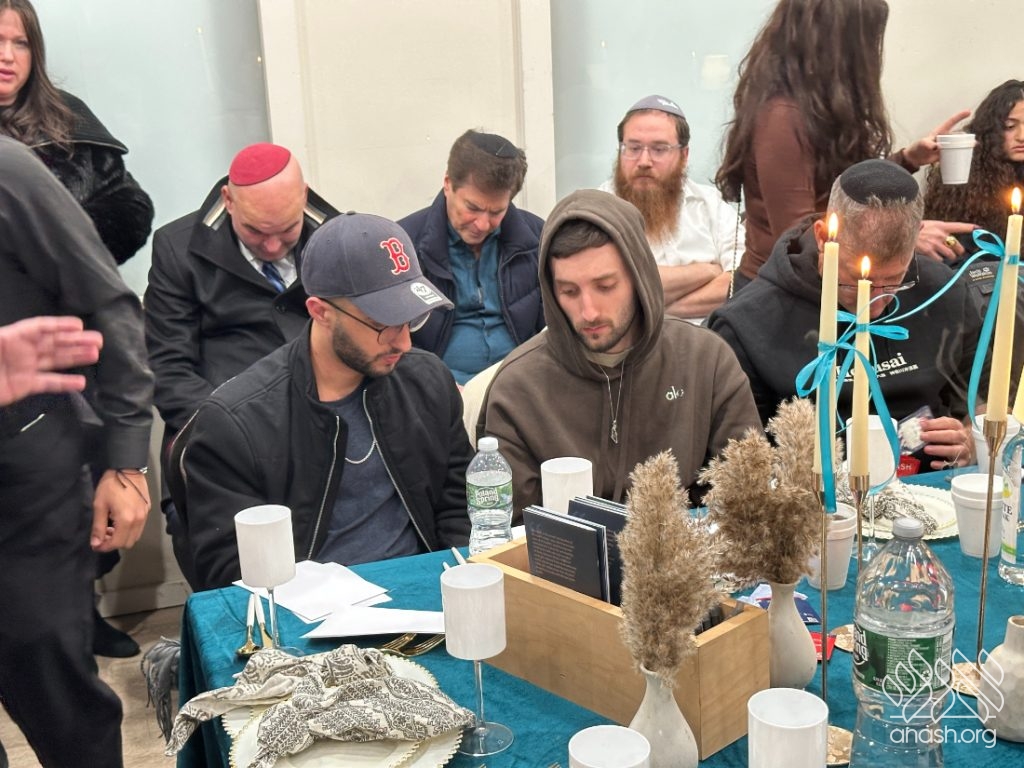
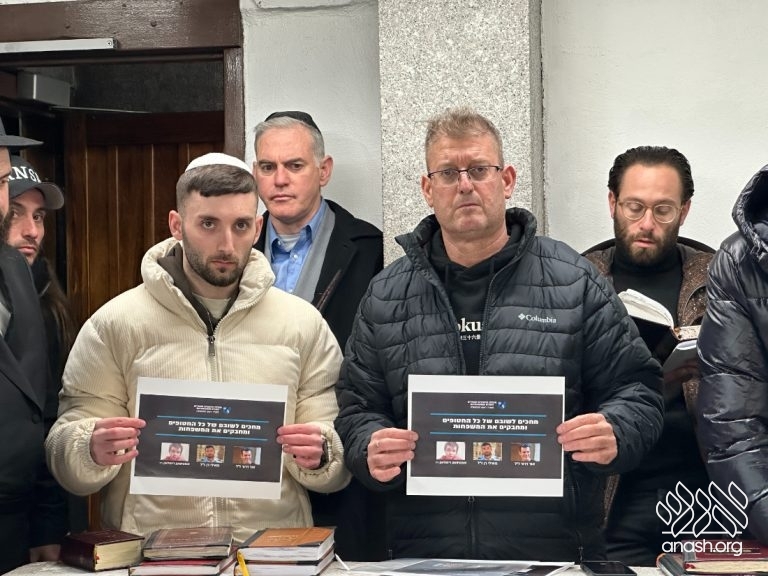
Two years after their families first sought the Rebbe’s brachos, four freed hostages – Segev Kalfon, Matan Angrest, Nimrod Cohen, and Bar Kuperstein – returned to give thanks after 738 days in captivity.
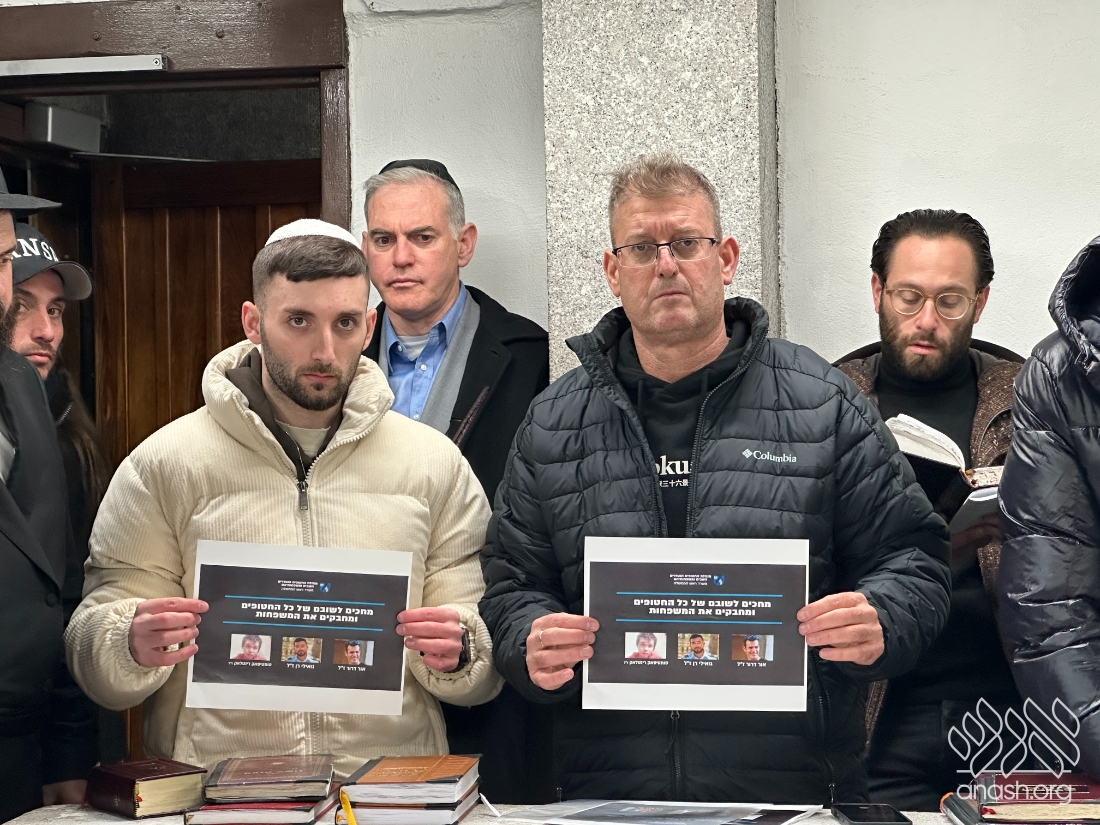
Two years ago, their families first came to pray at the Ohel. Throughout the 738 agonizing days, they returned, again and again, seeking a miracle. Last night, they came to say thank you.
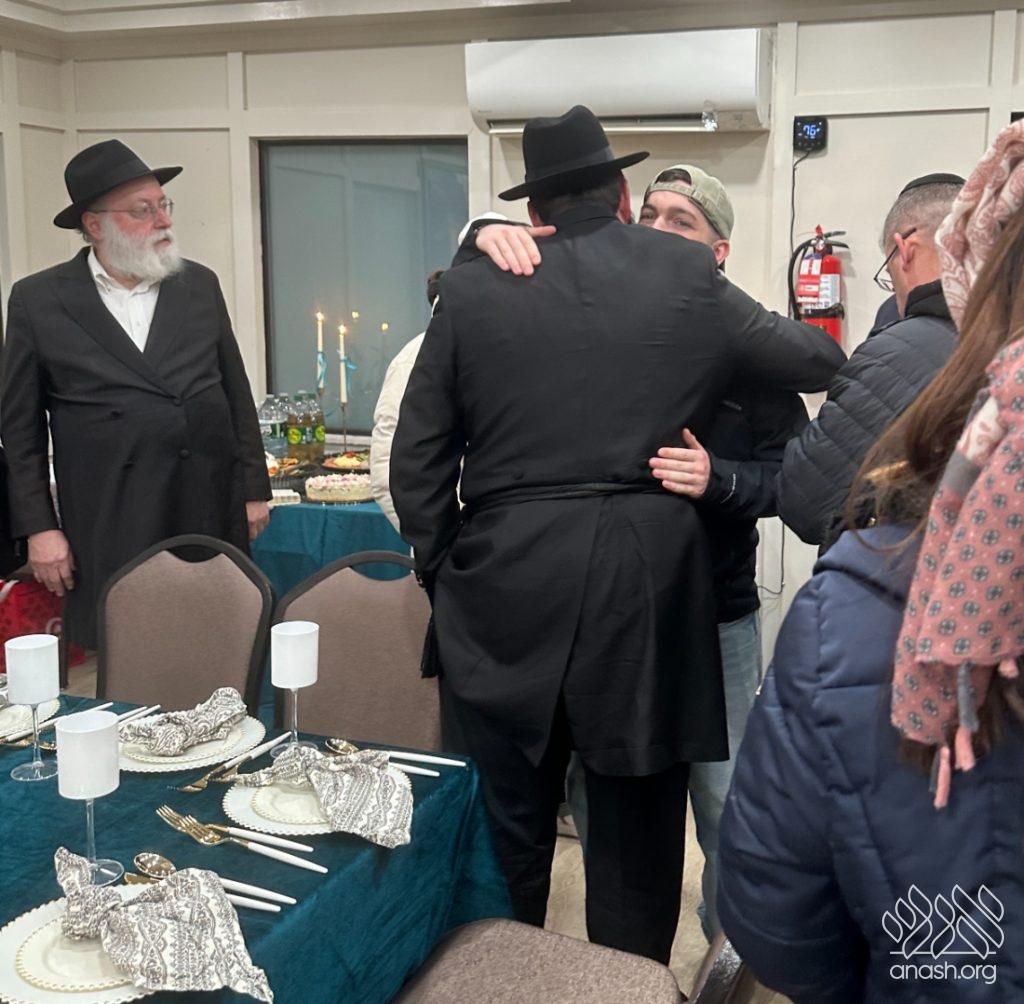
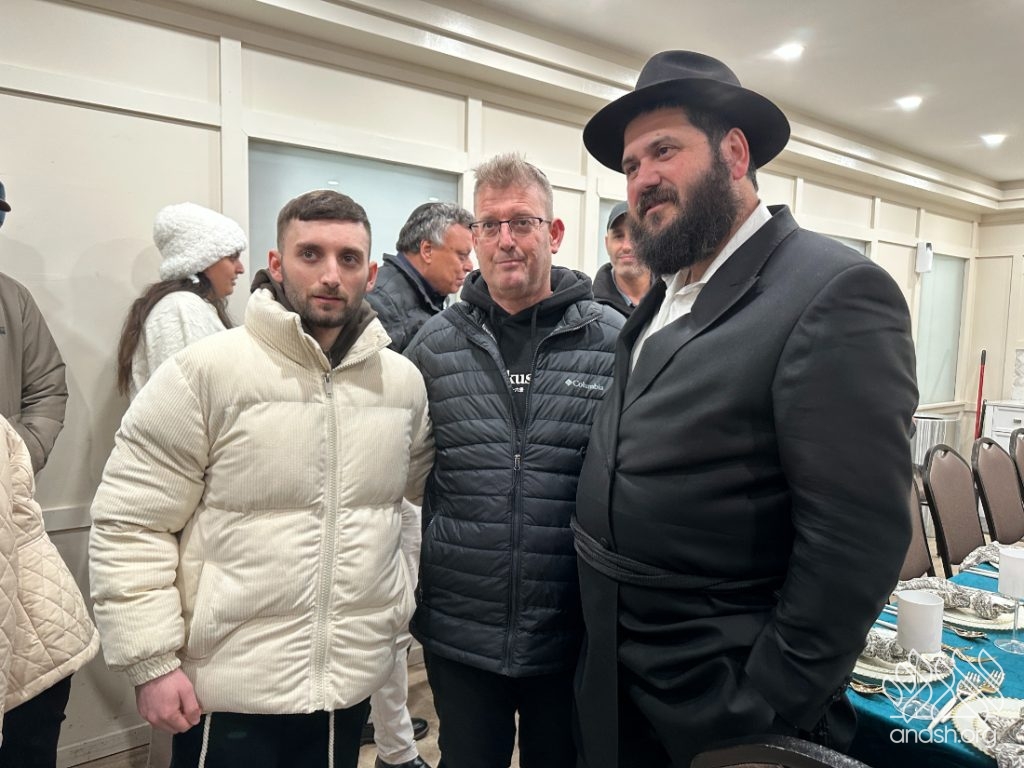
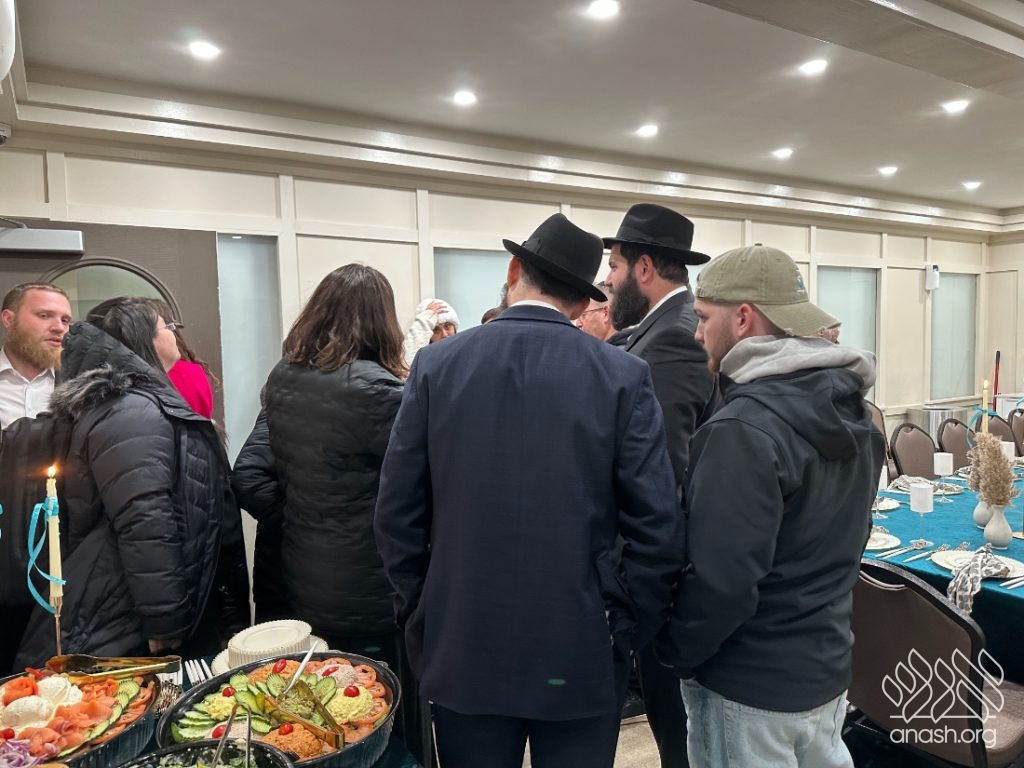
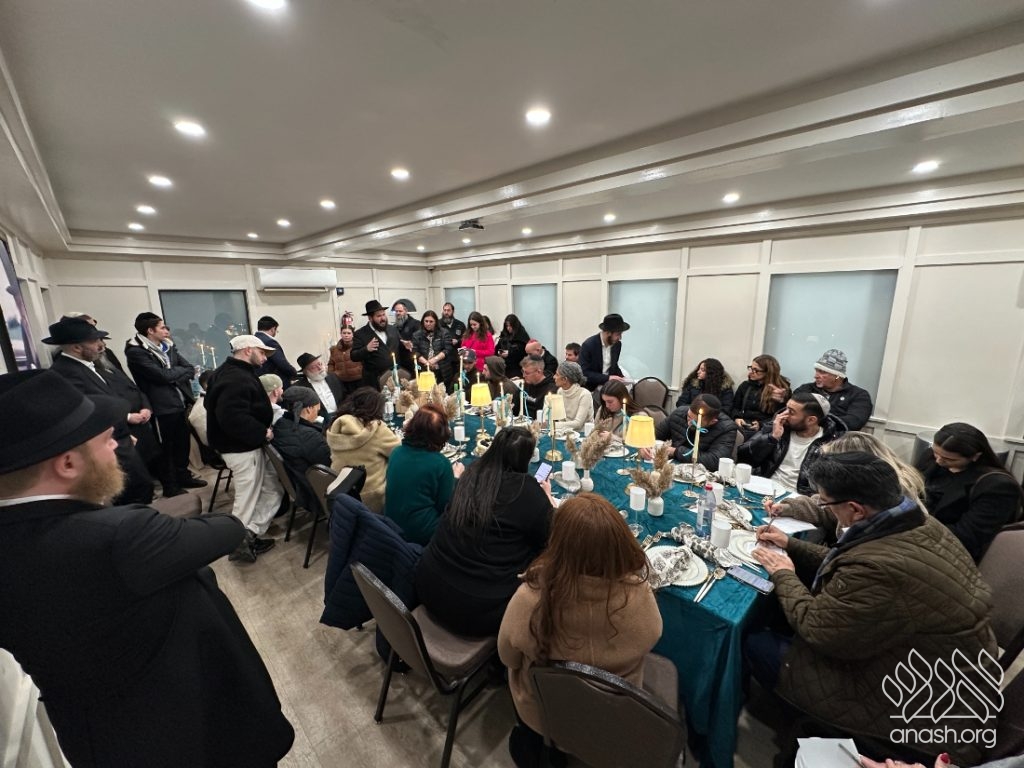
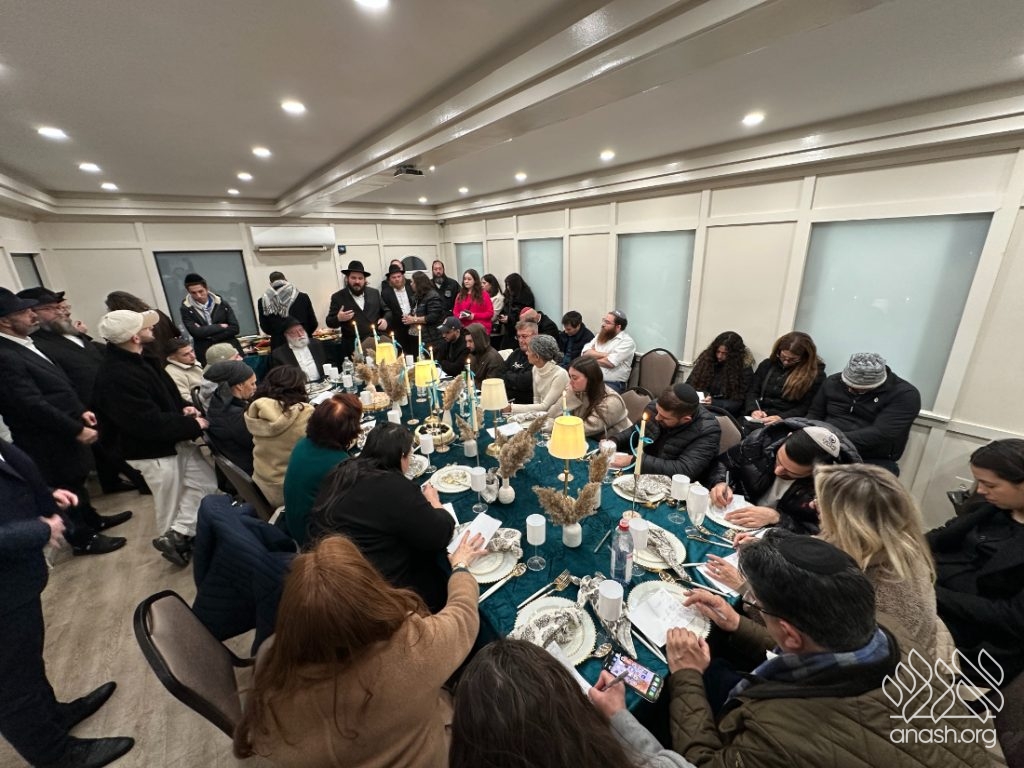
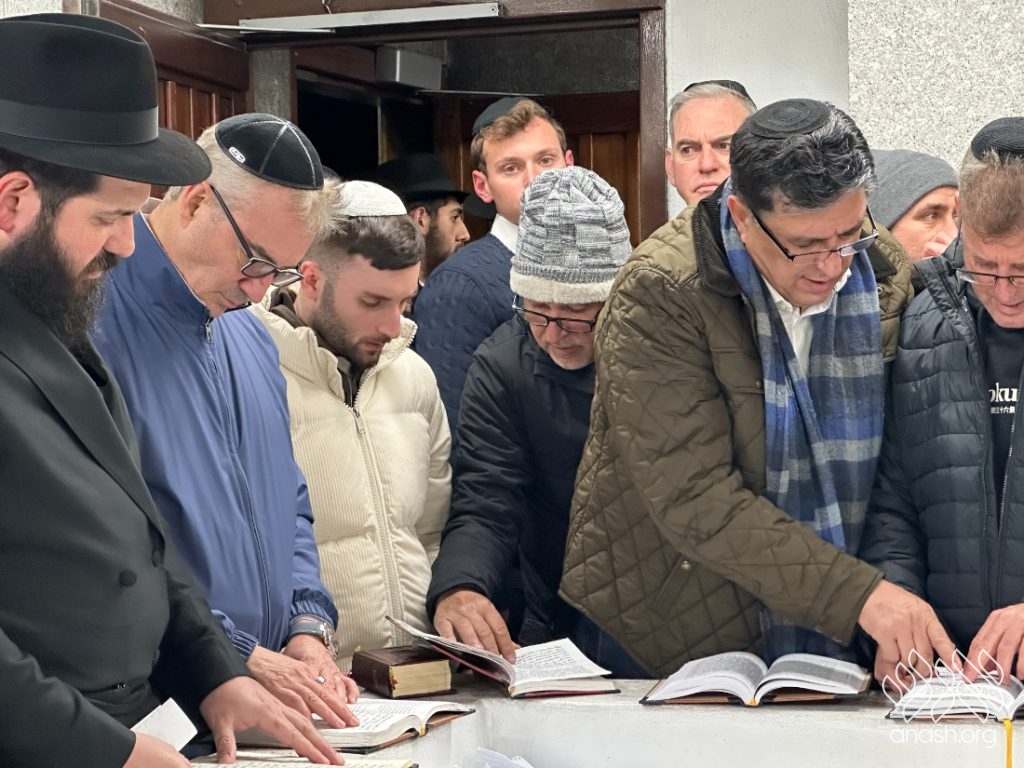
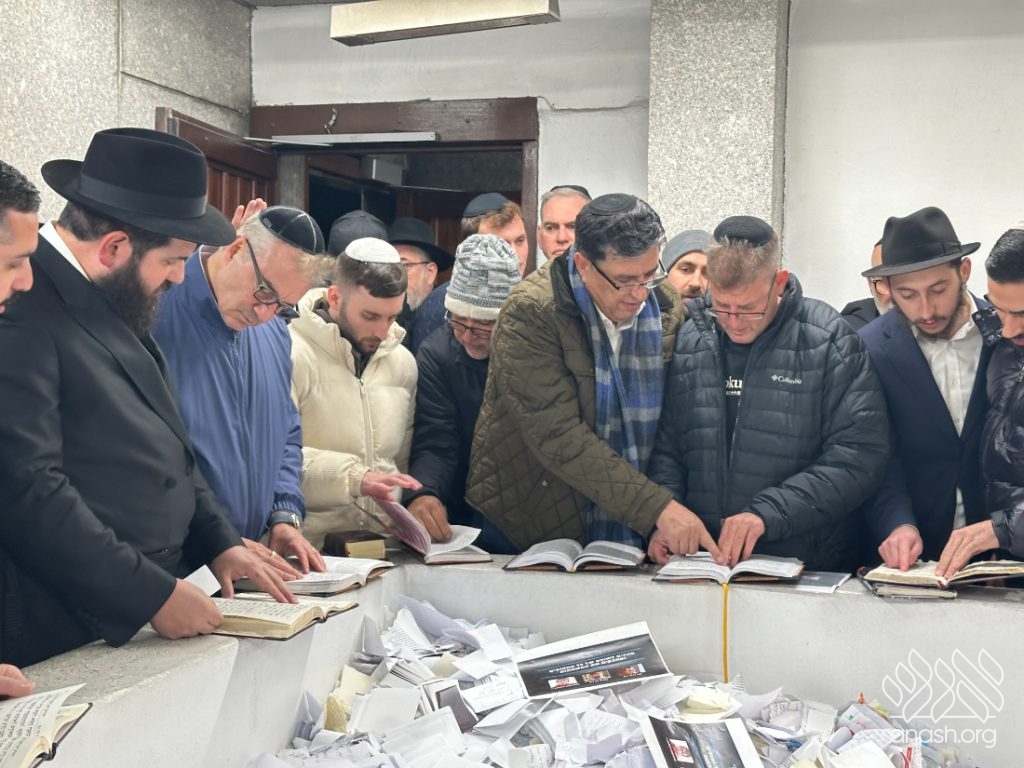
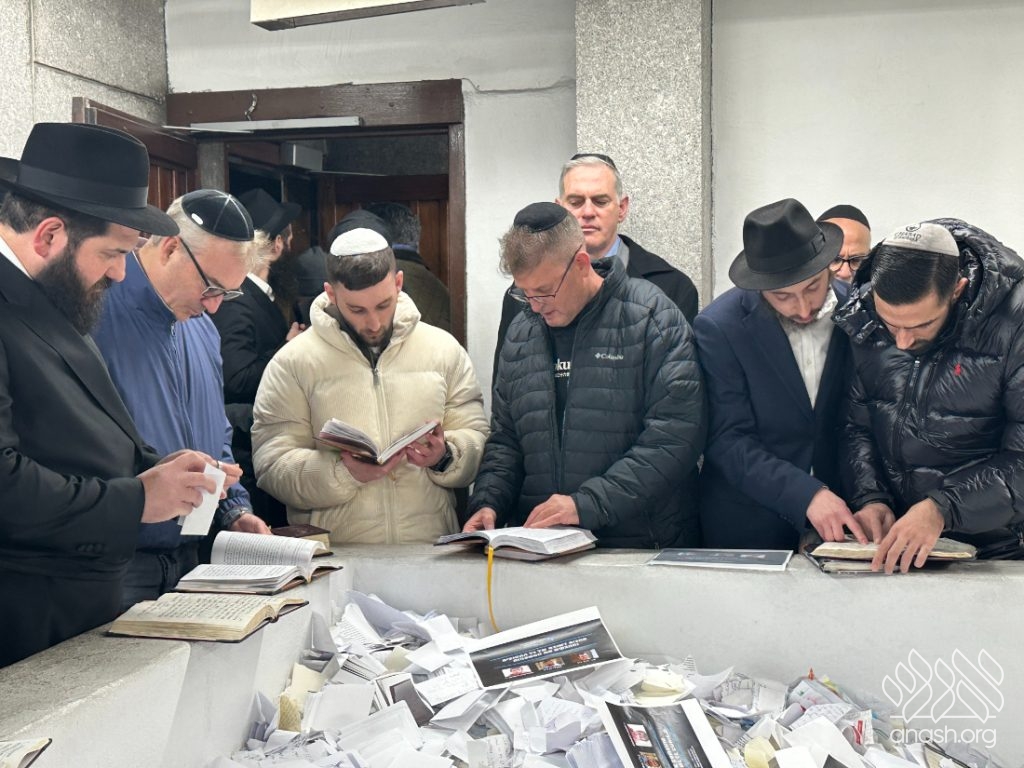
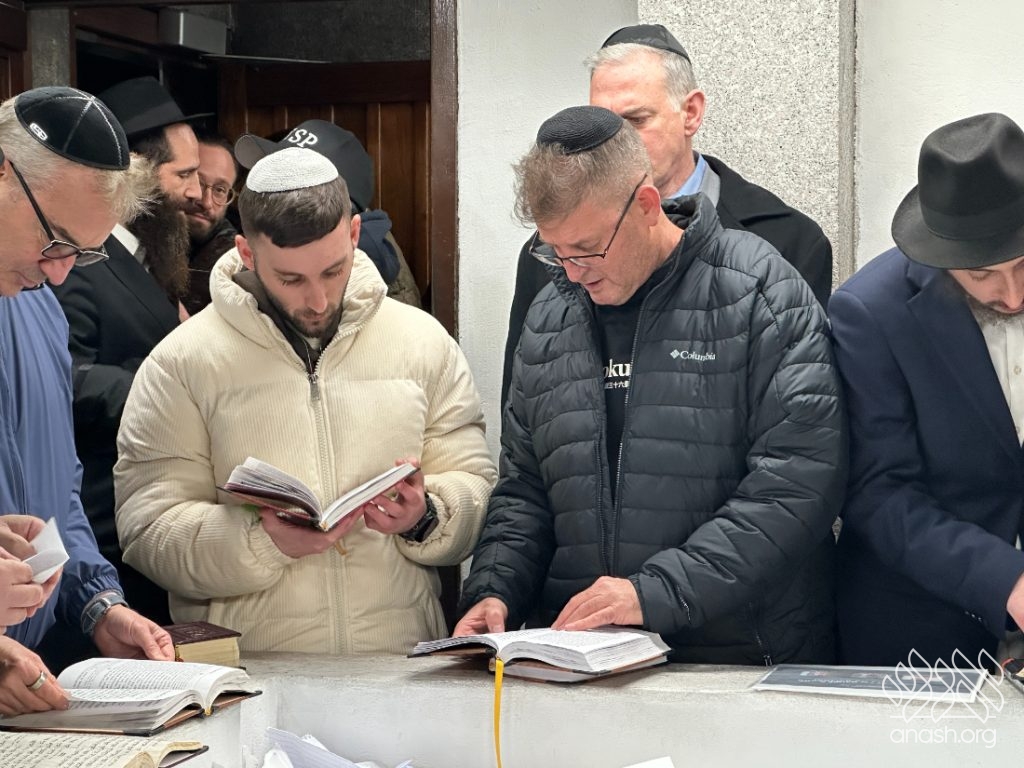
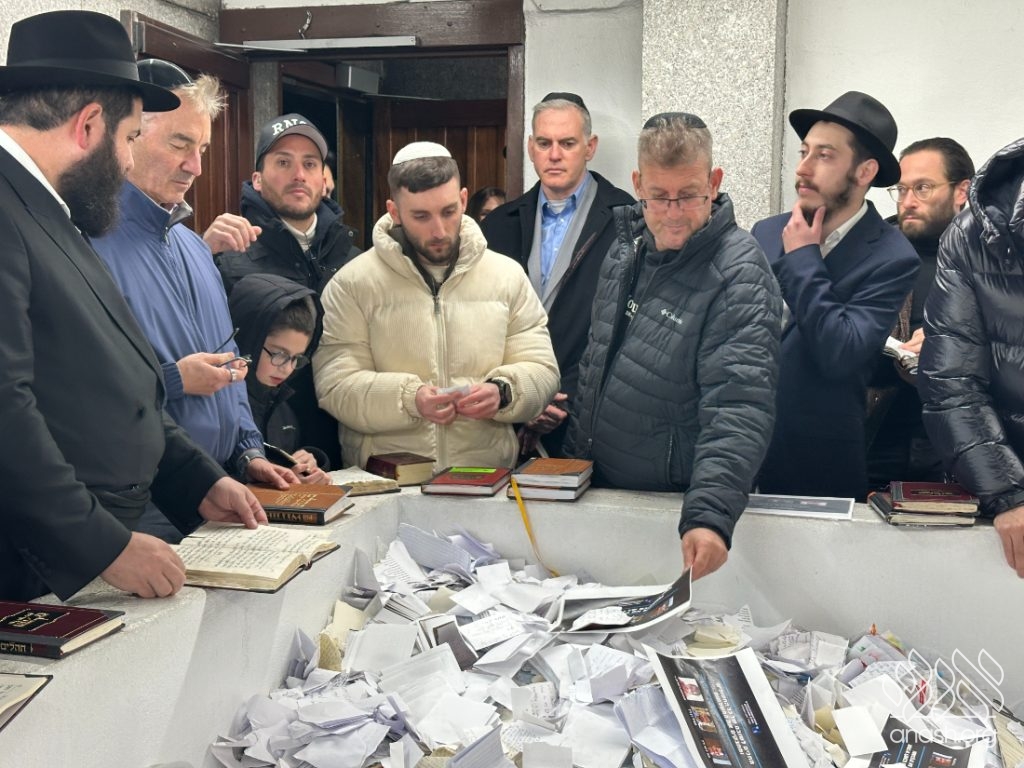
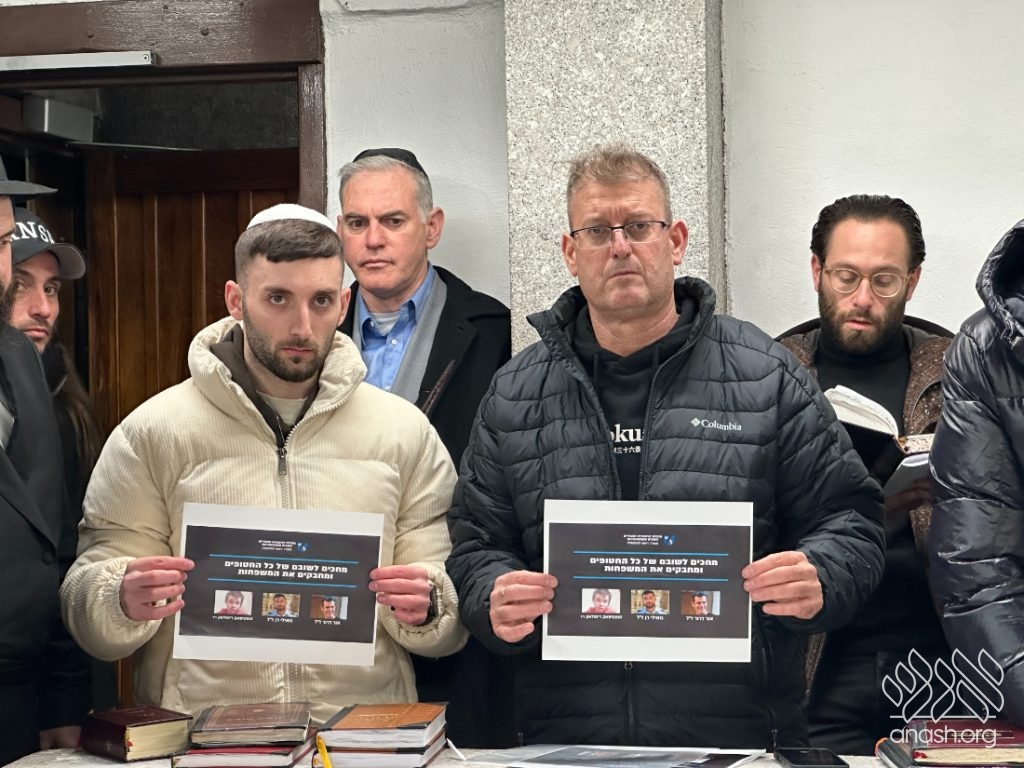
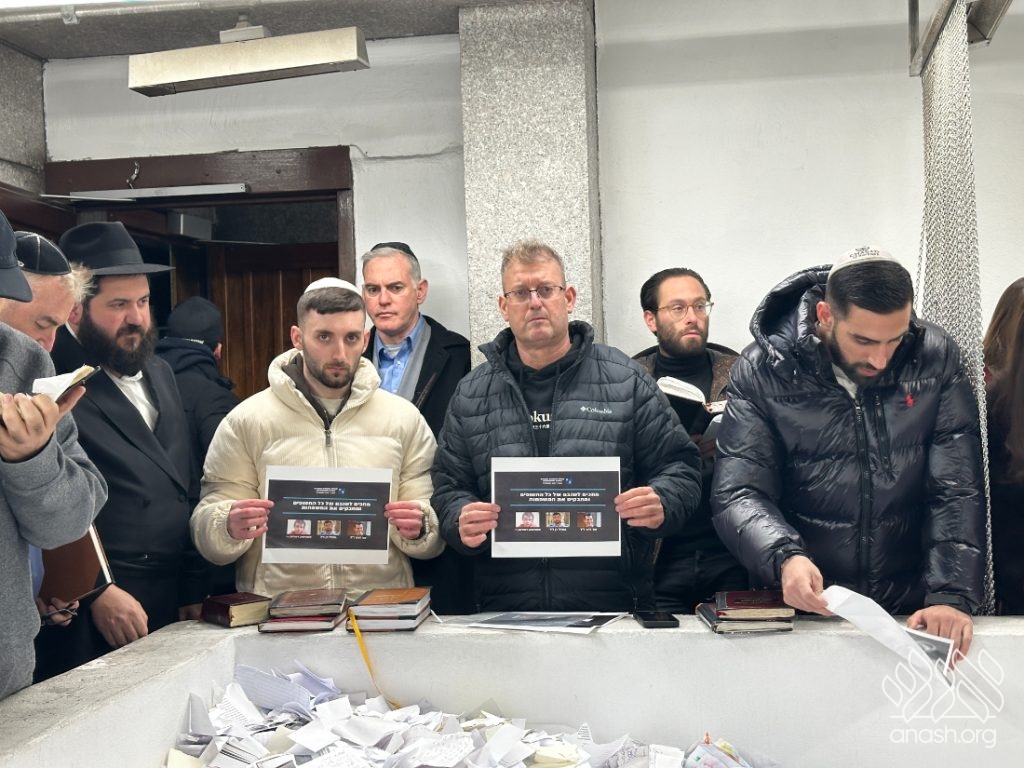
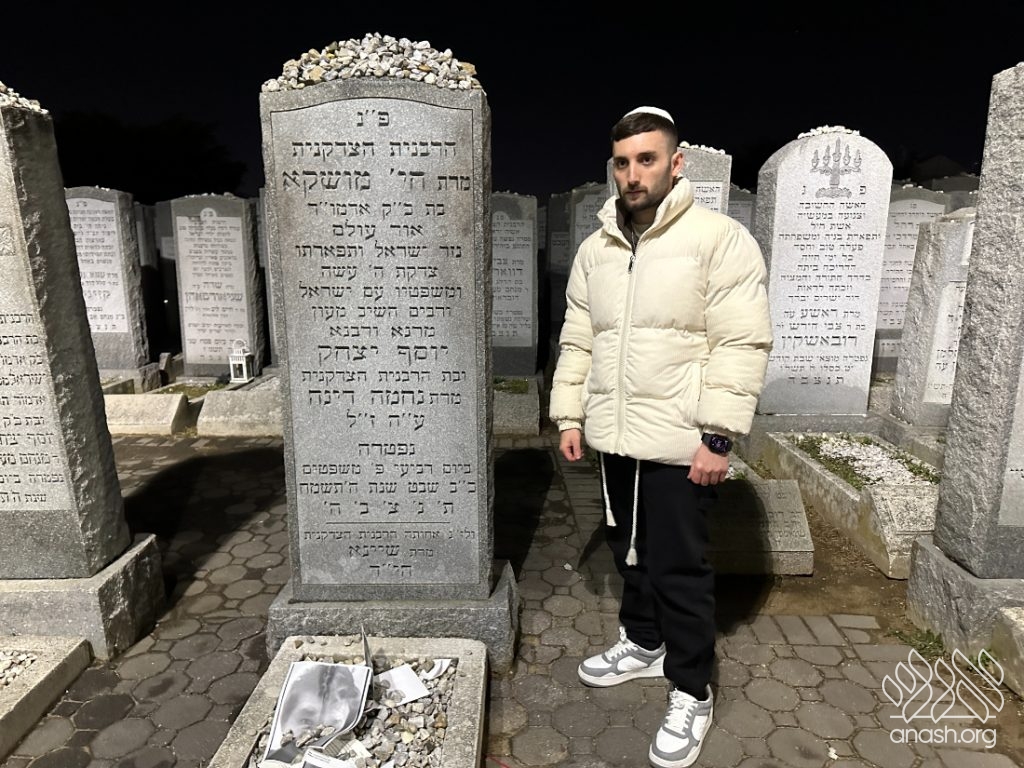
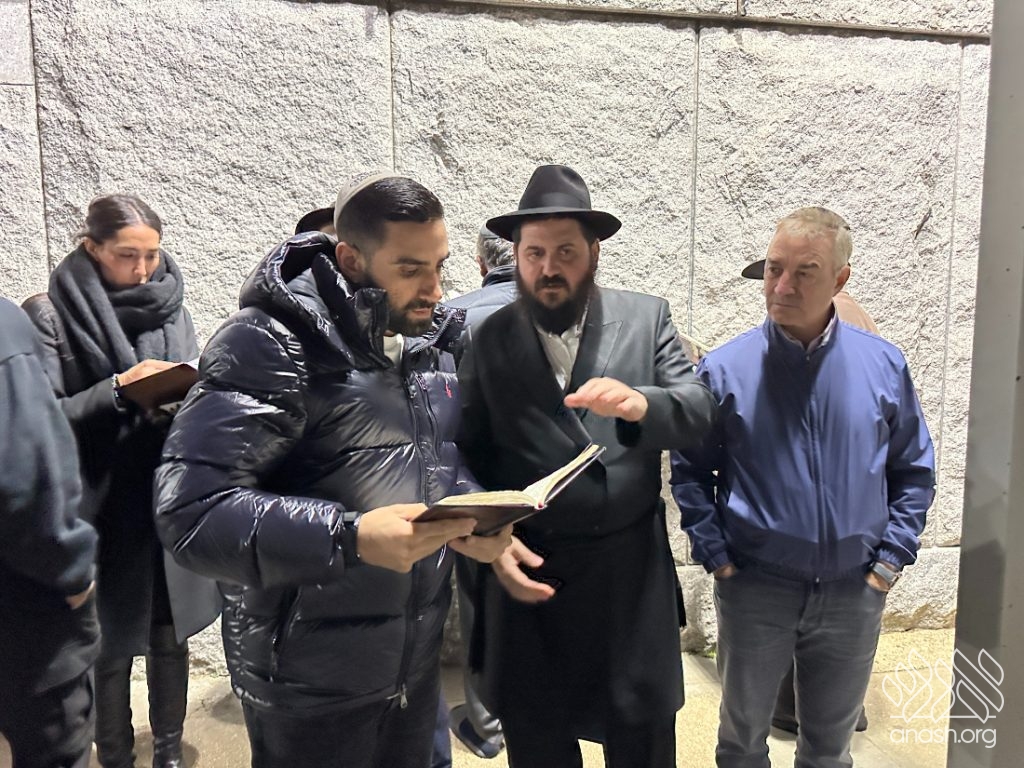
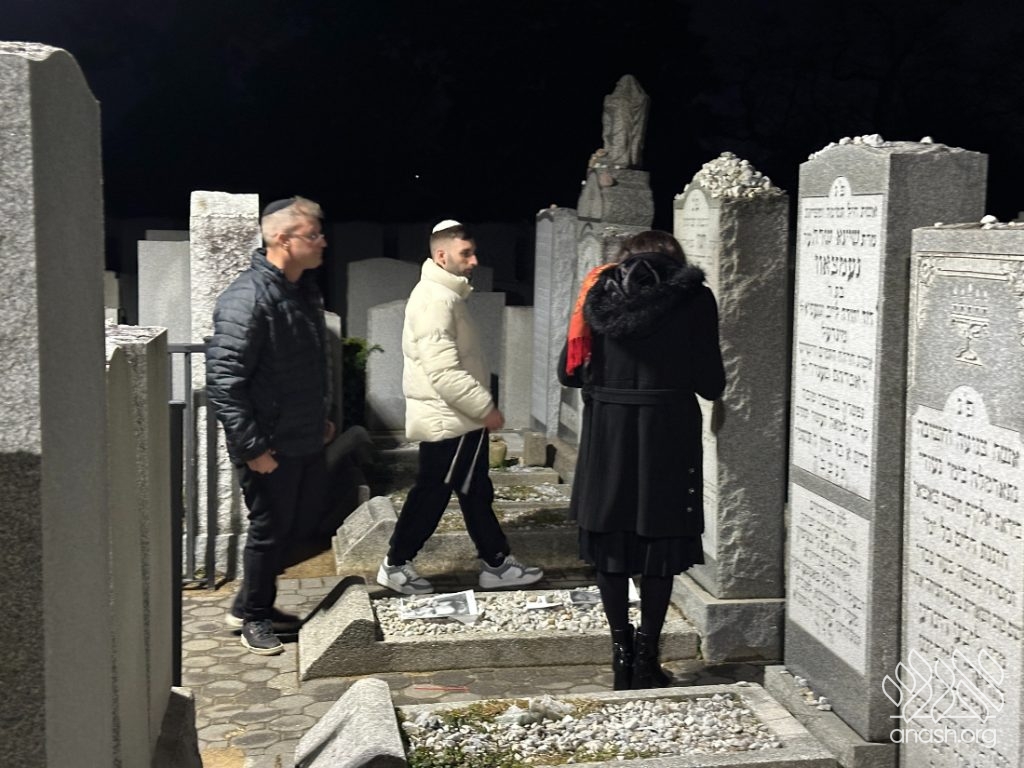
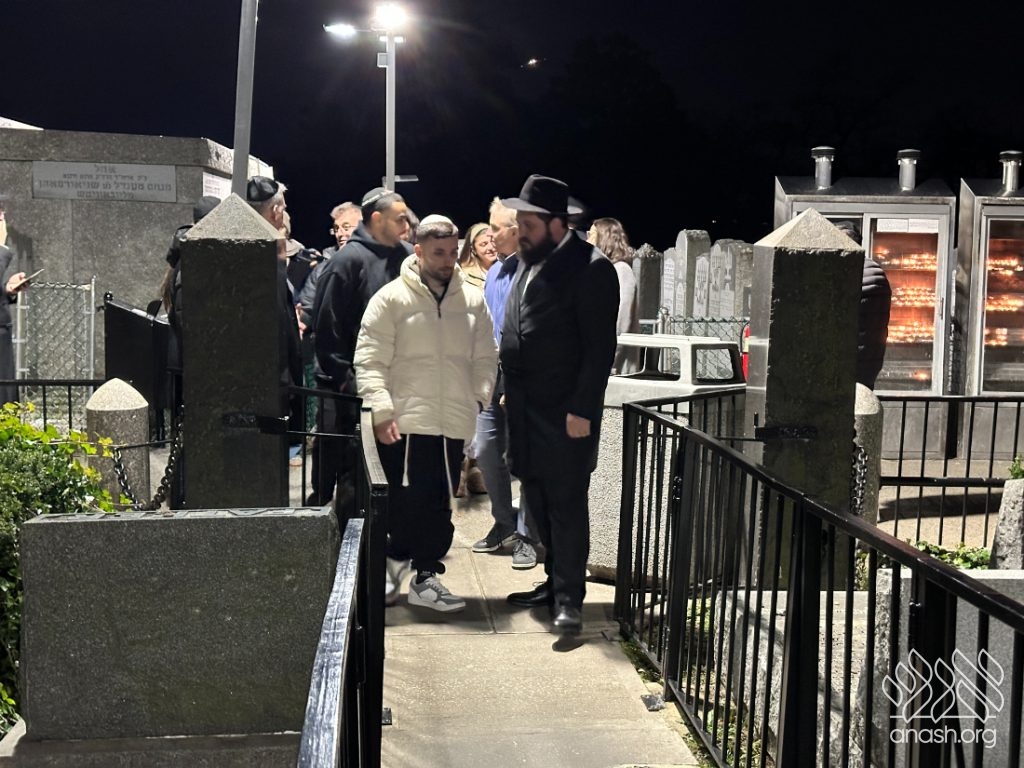
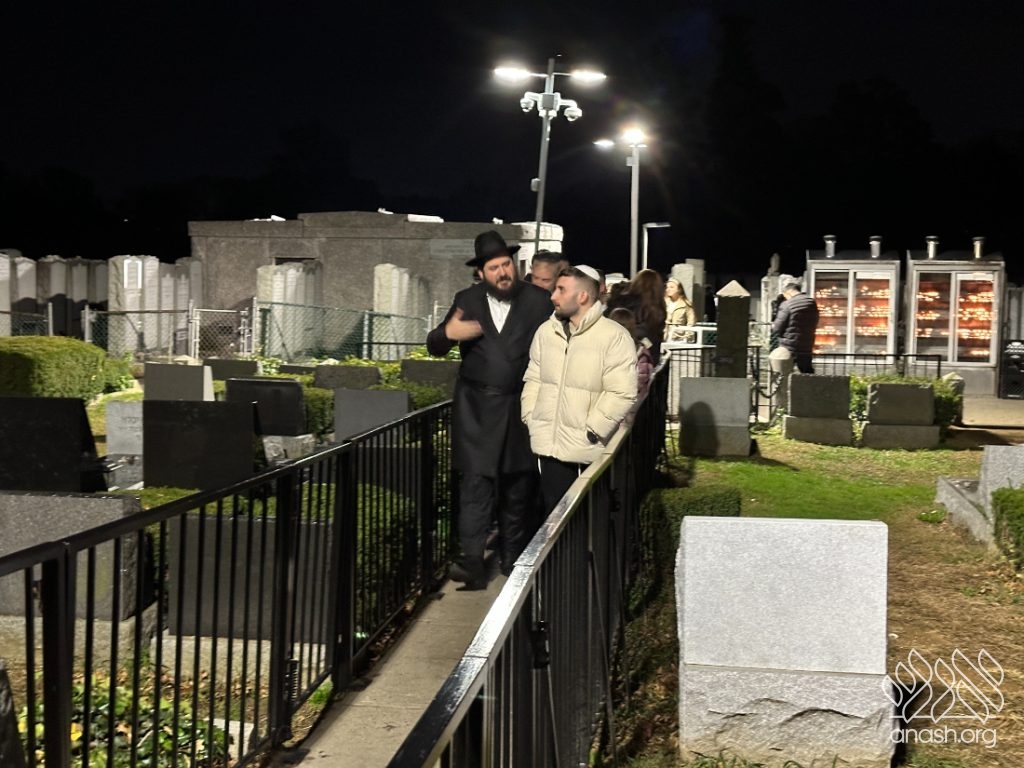
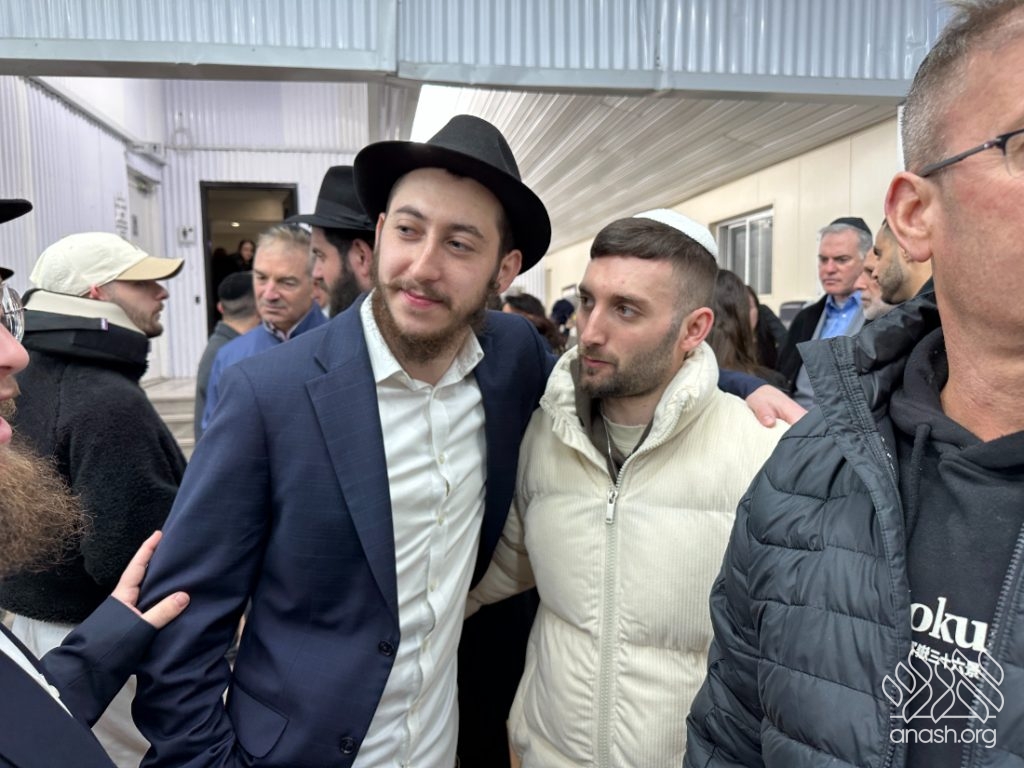
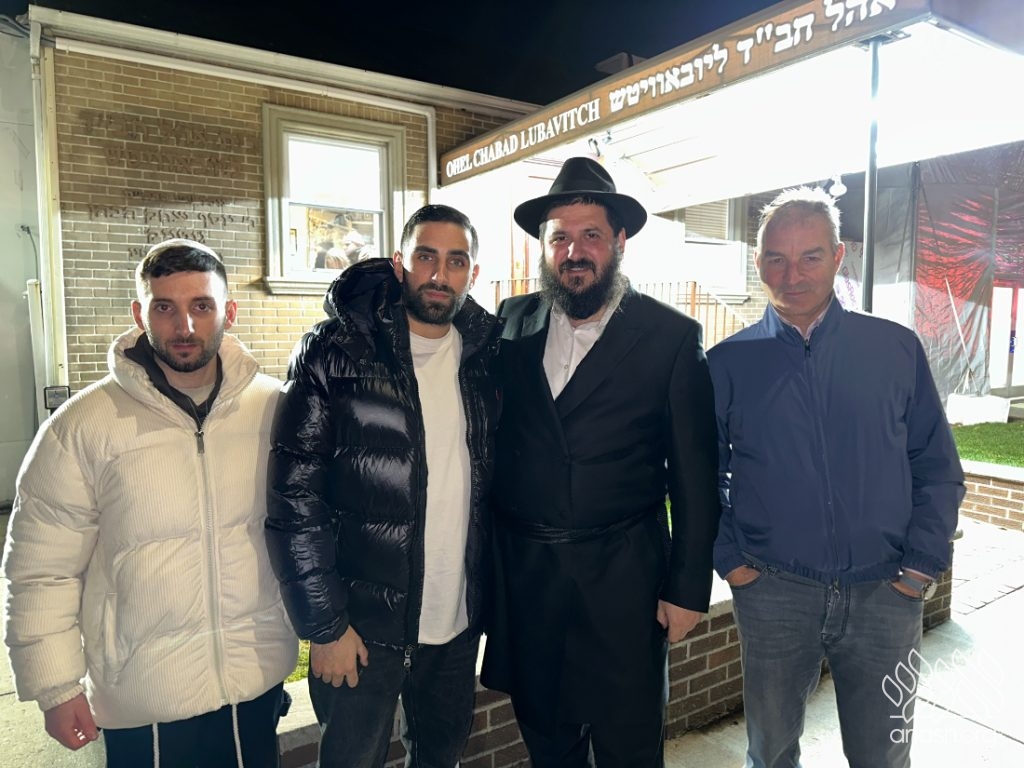
Four Israeli hostages freed from Hamas captivity visited the Rebbe’s Ohel in Queens, New York, to thank G-d for their miraculous return and recognize the Rebbe’s blessings. Together with their families, they also expressed profound gratitude to the Chabad movement for standing with them throughout their 738-day nightmare.
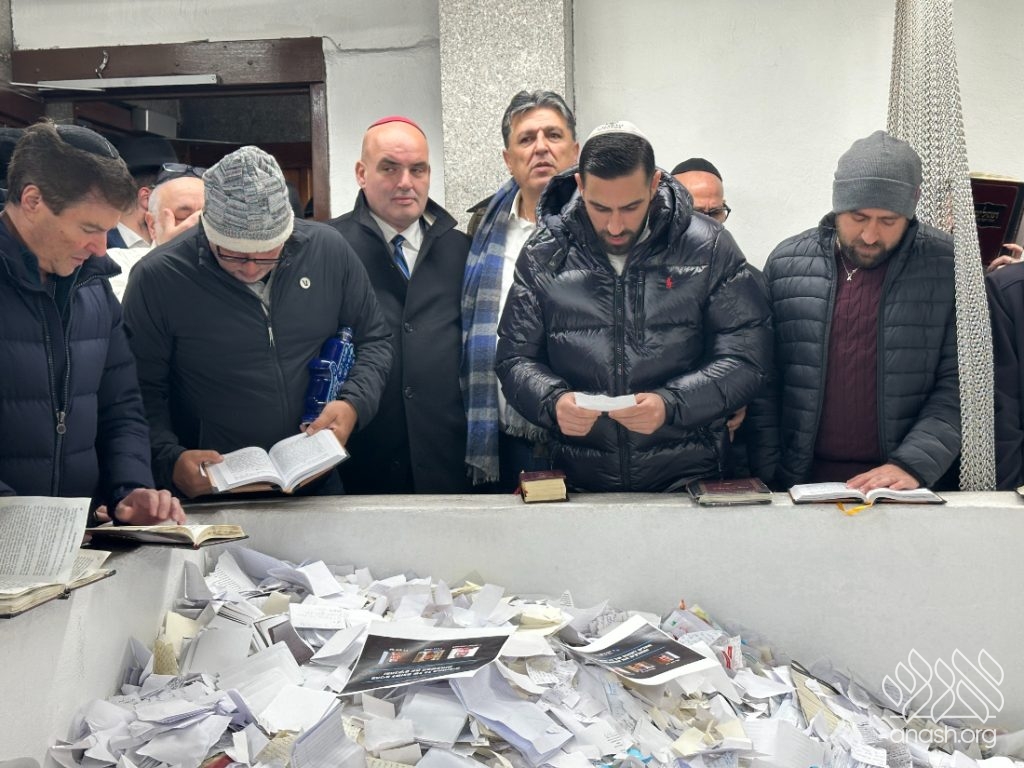
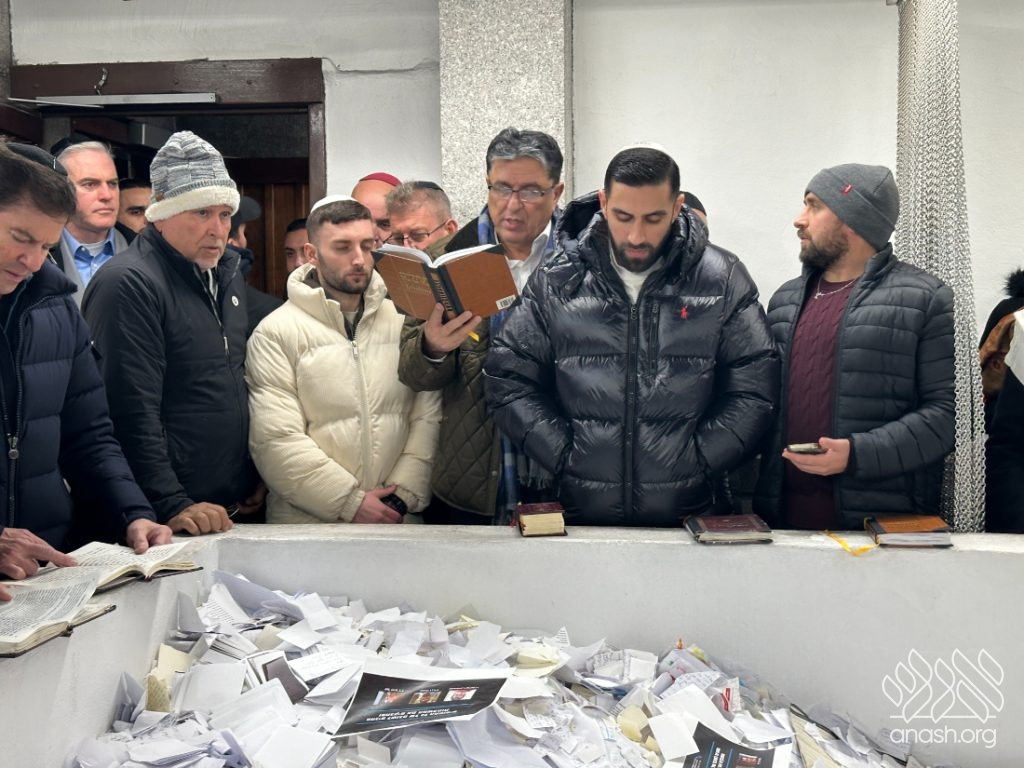
Segev Kalfon, Matan Angrest, Nimrod Cohen, and Bar Kuperstein made the pilgrimage with their families to the resting place of the Rebbe, an emotional moment after so many heartfelt visits to the site over the past two years.
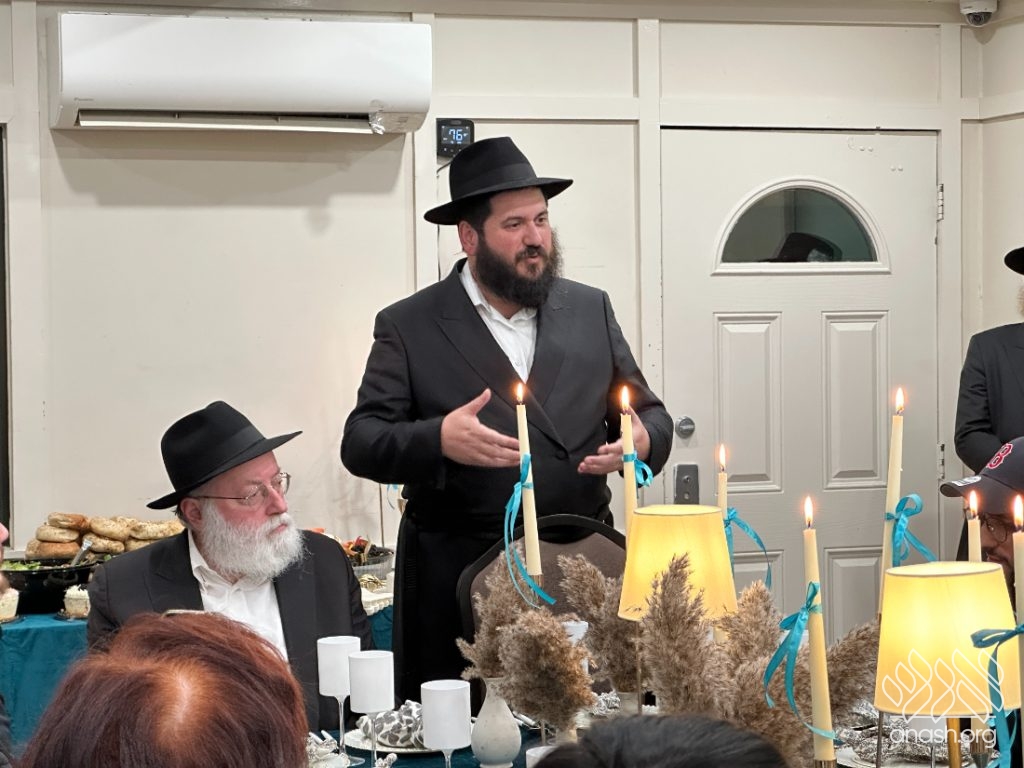
“Here, we cried, we prayed, and we strengthened each other,” shared Rabbi Mendy Kotlarsky, who welcomed the families and hosted the visit on behalf of Chabad World Headquarters. “To be able to return with you all is so moving; we are closing the circle.”
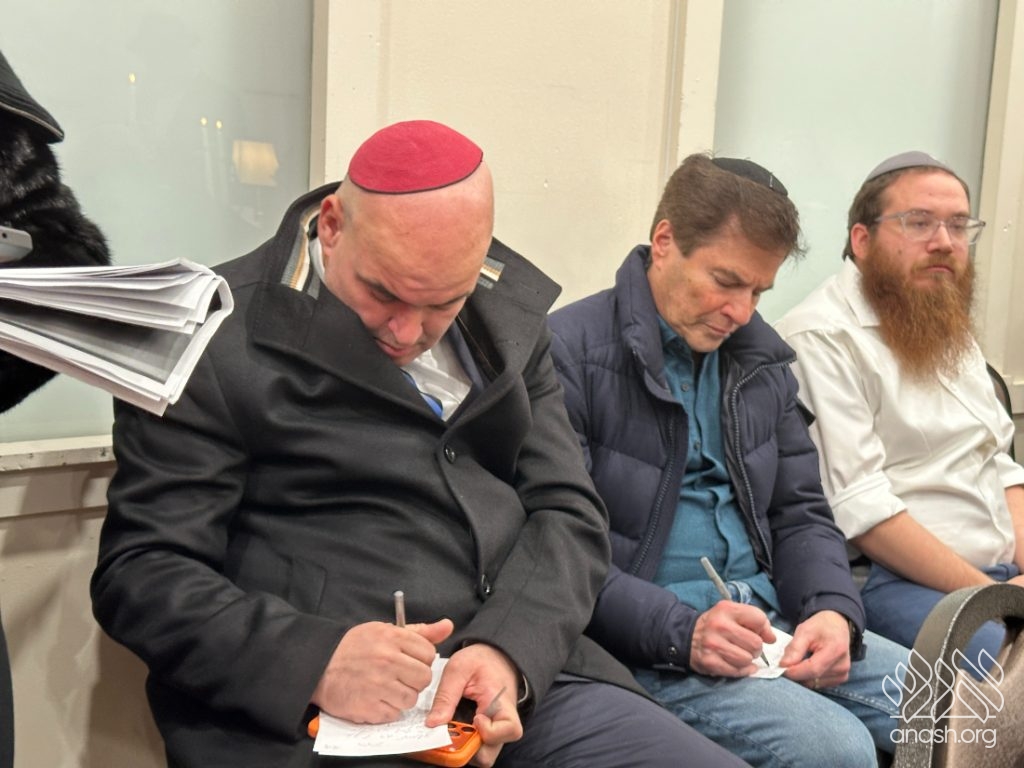
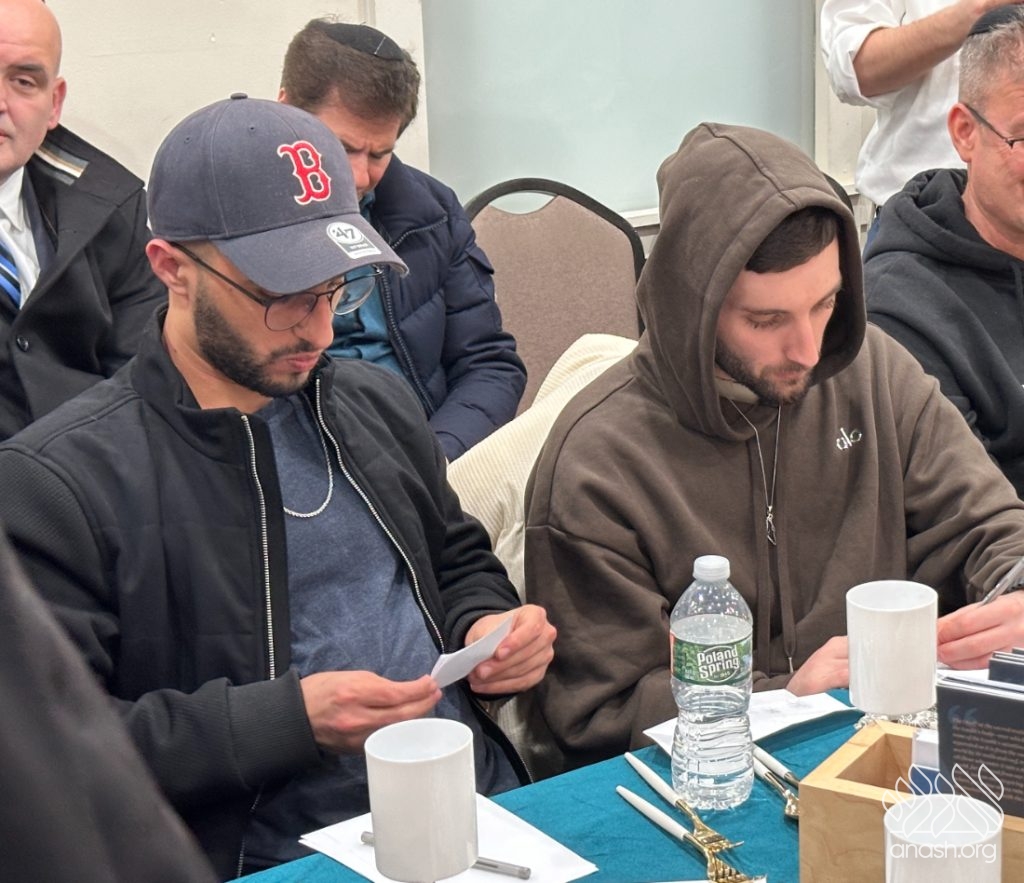
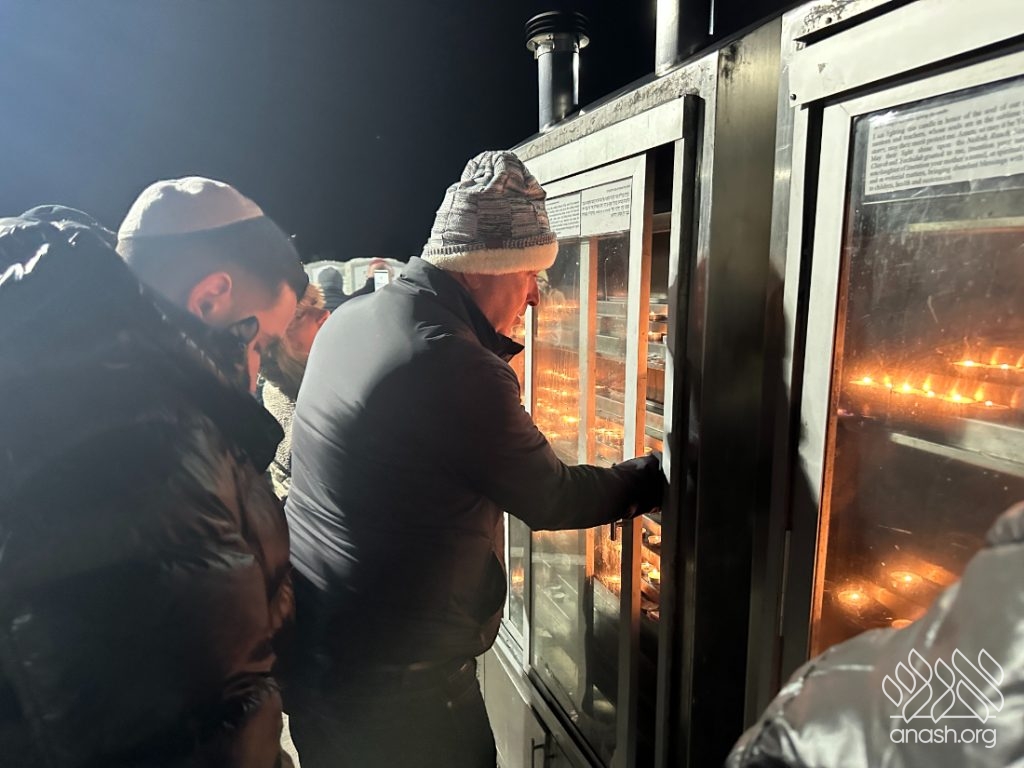
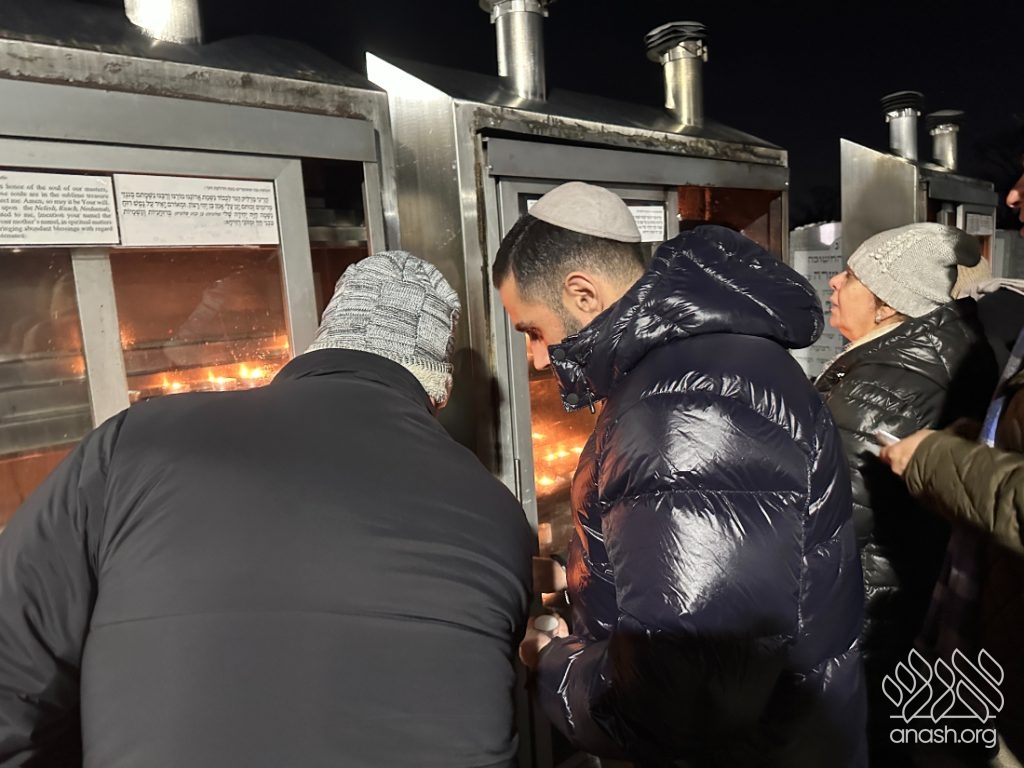
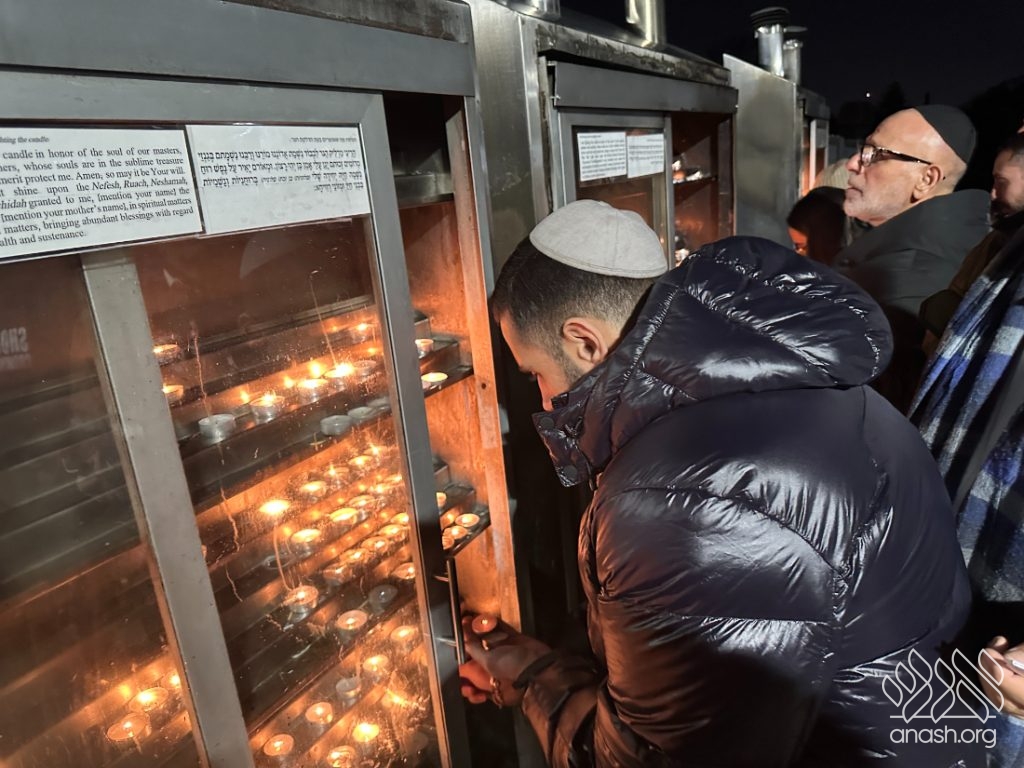
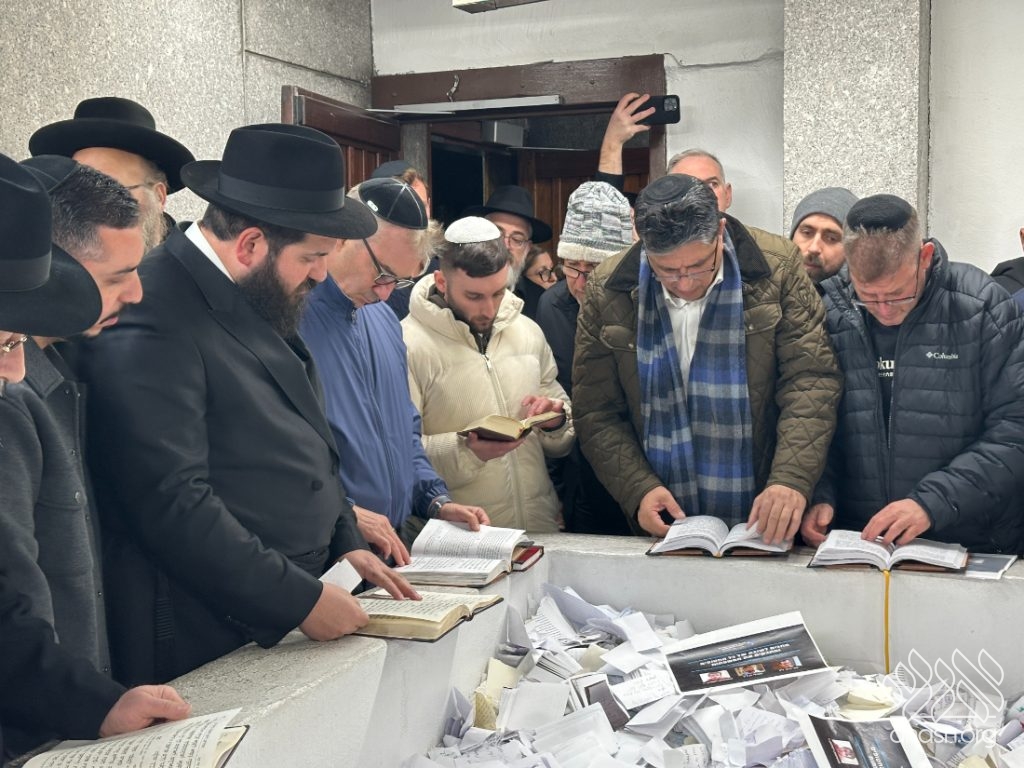
At the Ohel, as customary, the freed hostages and their families gave charity, lit candles, and wrote petitions for blessing. Upon entering the mausoleum, they recited Psalm 100, the Psalm of Thanksgiving, thanking G-d for their miraculous return.
“Until now, our families prayed here for us to come home,” said former hostage Matan Angrest. “Today, I came only to say thank you.”
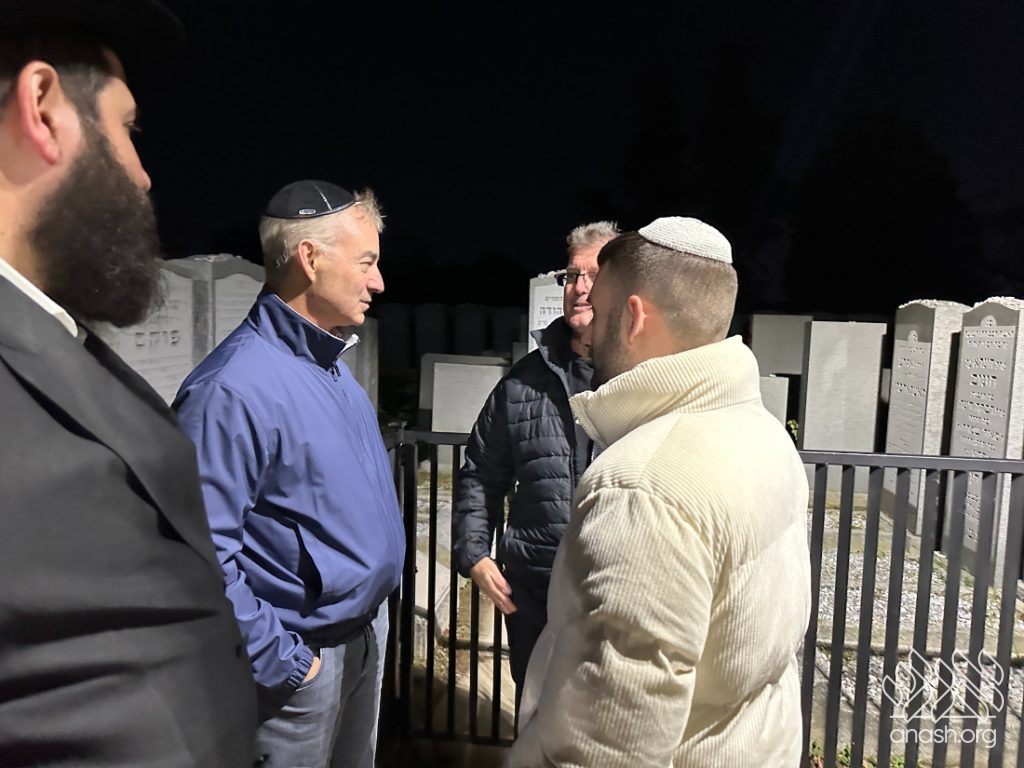
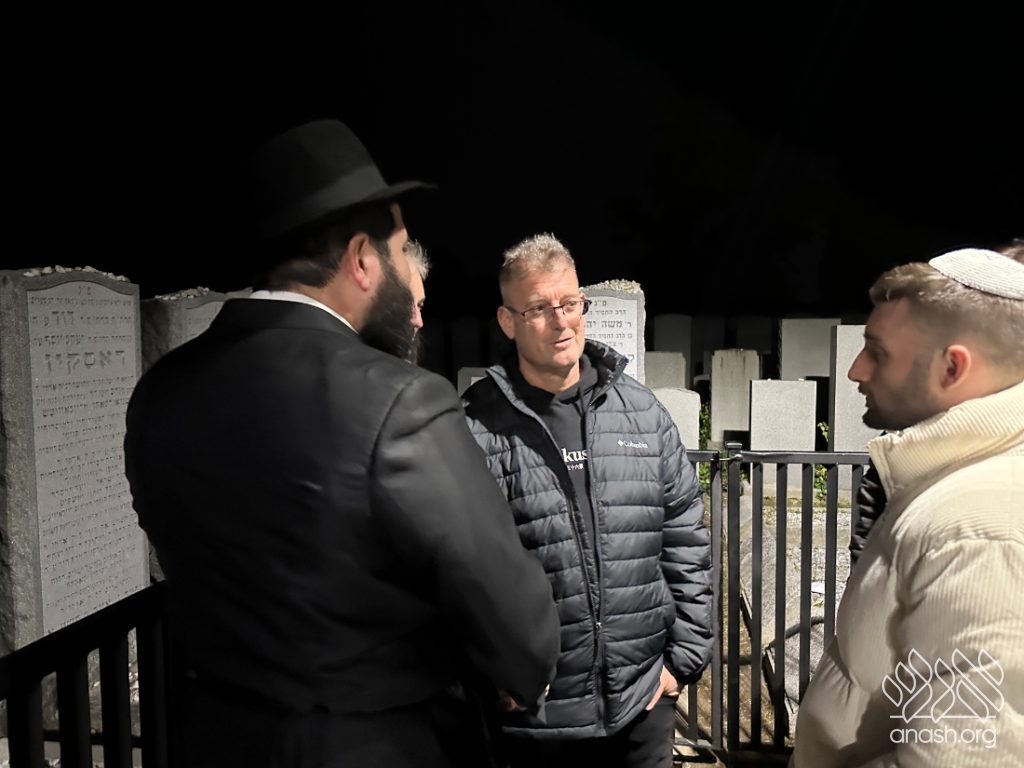
The group discussed the Rebbe’s teachings and vision for humanity, the holiness of the site, and the opportunity not only to pray for themselves personally but to pray for the strength to use their experience to inspire others.
In an emotional moment, the families also prayed for the return of the remaining hostages still held in Gaza.
“I was here exactly two years ago and many times throughout the last two difficult years, we went to pray at the Ohel, and every time we would come back strengthened to continue our efforts,” said Kobi Kalfon, father of freed hostage Segev. “Now, that we were successful, we came to the Rebbe to say thank you and reflect on the power of all the mitzvot that were done in their merit.”
“I’m so grateful to Chabad, Rabbi Kotlarsky, Rabbi Naftalin, and everyone here.” he added.
The evening was coordinated by Rabbi Mendy Naftalin, who maintained close contact with the families throughout the past two years. He worked alongside Yaron Cohen from the Prime Minister’s office and Yael Goren-Hezkiya, head of the Government Policy and Foreign Relations Division in the Kidnapped, Missing, and Returnees administration, to coordinate the visit.
Jewish investor and philanthropist Dan Loeb was also present, offering words of encouragement and support to the former hostages and their families.
“We are only here because of our forefathers, who gave us this strength to withstand all challenges,” said Rabbi Simon Jacobson, who joined the group as well. “The Ohel connects us to our roots. You all are living proof of that resilience and eternality of the Jewish people.”
The hostages’ unwavering faith during captivity sparked a global awakening of Jewish involvement. Matan Angrest, 22, was kidnapped from his tank near Nahal Oz after a fierce battle that left his crew dead. Despite severe injuries and torture, he demanded his captors provide him with a siddur, Chumash, and tefillin, and shockingly, they complied. “I prayed three times a day, morning, afternoon, and night,” Matan recalled. “It protected me; it gave me hope.”
While Bar Kuperstein was held captive, his mother lent his tefillin to thousands worldwide, urging Jews to lay tefillin in his merit. His tefillin traveled the globe, visiting dozens of Chabad Houses. During captivity, Bar recited Shema Yisrael often and prayed using Psalms he knew by heart.
The evening served as a powerful reminder that those prayers had been answered.
As the most visited Jewish holy site outside Israel, the Ohel draws approximately one million visitors annually.
The Ohel has served as a spiritual anchor for hostage families since October 7. In November 2023, 170 relatives of hostages chartered a flight to New York specifically to pray at the Rebbe’s Ohel. For these families, their prayers were answered when the final living hostages were freed in October 2025.
In recent months, other freed hostages, including Omer Shem Tov, Agam Berger, Sasha Troufanov, Eli Sharabi, Edan Alexander, and Noa Argaman, have also visited the Ohel to express their appreciation and pray for their brethren.
President Trump, in his letter marking the anniversary of the Rebbe’s passing, wrote: “When Edan Alexander was returned earlier this year, the entire country felt the power of the Ohel and the Rebbe’s enduring example.”
Photos: Tzvi Levenhartz
 COMMENTS


https://www.israelnationalnews.com/news/418186
I’m starting to wonder if the picture taking at the ohel is getting a bit out of hand. Shouldn’t a visit to the ohel be something personal between the chosid and the Rebbe, and nobody else’s business?
זו דעתי. מה דעתכם
the picture taking in the Ohel is most definitely out of hand, most definitely when it comes to simchos, especially engagements. i hope that when most people imagine themselves passing by the Rebbe at dollars, they think it would be unquestionable to take out a phone and photograph or selfie or videocall etc. and our Rebbe today is the same Rebbe as then, and our yirah and hadras kovod should be no less.
imho, the one exception to the rule is when important and respected individuals come to the Rebbe, where its an opportunity to be mekadesh the Rebbe’s name and help in pirsum etc. (like in happier days, when press and photographers were present by these events). HOWEVER, there are ways of doing it, some more correct than others. for example, when bibi came in 5757, only one photographer was allowed in the Ohel. my personal thoughts on this issue (in your words זו דעתי) are that a real camera should be used, it gives it a more official and respectful touch (not smartphones, which are much more casual and not at all malchusdik. ואולי י”ל that even those who have smartphones dont need to boast it to the Rebbe vdal), as well as no posing. and however possible, the pictures should be with the approach that the Rebbe is the center of the picture/attention, not the person/delegation visiting. certain mosdos adopt a policy that whenever pictures/videos are necessary, they have the photographer/videographer stand outside the Ohel itself and footage from there
ויה”ר שכ”ז לא יהי’ נוגע כלל, כי ברגע שלאח”ז נזכה לחזות בפניו הקדושות בגאולה האמיתית והשלימה