




ח׳ אלול ה׳תשפ״ה | August 31, 2025
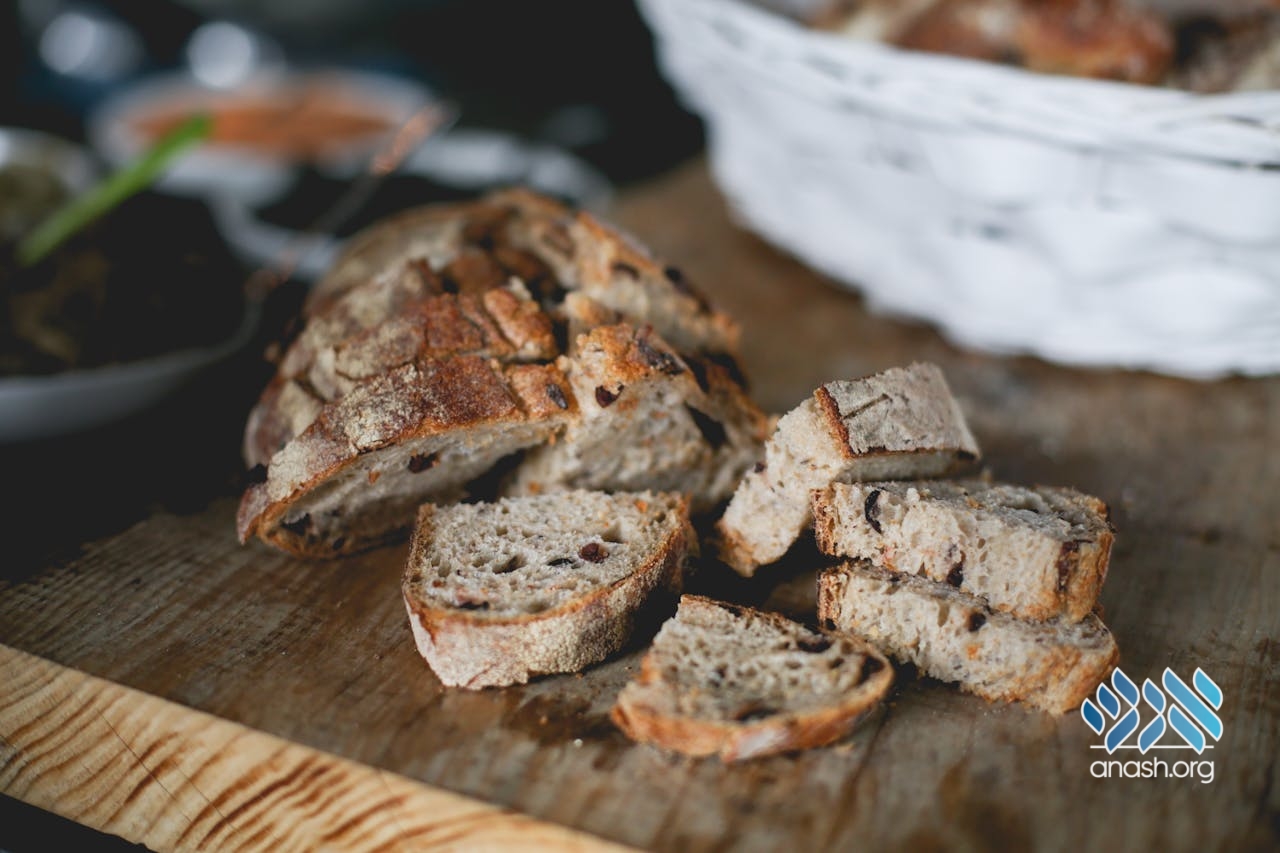
Eating the End of a Loaf of Bread?
Anash.org feature: Dayan Levi Yitzchok Raskin, Rov of Anash in London, explores interesting Torah questions and halachic dilemmas, including Shofar in Elul after shkiah, Selichos on Motzei Shabbos before chatzos, eating the edge of a loaf, and how many sounds to blow for people on mivtzoim.
Anash.org feature: Dayan Levi Yitzchok Raskin, Rov of Anash in London, explores interesting Torah questions and halachic dilemmas, including Shofar in Elul after shkiah, Selichos on Motzei Shabbos before chatzos, eating the edge of a loaf, and how many sounds to blow for people on mivtzoim.
The following issues are discussed by Rabbi Raskin in this week’s episode:

[1] בקובץ בית אהרן וישראל גליון מט כותב ר’ אלעזר ווייספיש שבפ”א נפעל שהוא ית’ קם כביכול מכסא דין ויושב על כסא רחמים.
[2] אין לומר סליחות קודם חצות (מג”א סי’ תקסה סק”ה). אבל לפי סדור אדה”ז בתיקון חצות, יש להתיר באשמורה אמצעית. כ”כ בס’ משמרת שלום. ומ”מ אין להקל בזה לענין מוצאי שבת, שהארתו נמשכת עד חצות, כמובא בשערי תשובה סי’ ש.
[3] בטור או”ח סי’ תקפא כתב מנהג אשכנז לתקוע בבוקר ובערב אחר התפלה. אבל בדרכי משה שם כתב שתוקעים רק בשחרית.
ונלע”ד דשופר שייך לגבורות, כי מעורר חרדה. מנהג אשכנז הקדום הי’ ע”פ מנהגם להתפלל ערבית מבעוד יום. [ולכן גם המזמור “לדוד ה’ אורי” נוהגים לומר באשכנז בערבית. וה”ה ומזמור מ”ט בבית האבל ר”ל. מה גם שנוהגים להצמיד מעריב אחר מנחה]. מנהג אשכנז המאוחר, אולי לפי שכבר עשיתו לילה בתפלה. אולם בספק לילה יש מקום להקל, כדלקמן.
[4] בשוע”ר סי’ קלא ס”ד מביא שיש נמנעים מנפילת אפים בסליחות “עד נכון היום”. והוא היסוד של מנהגנו שלא לעשות נפילת אפים בסליחות כלל! וא”כ כ”ש במנחה לאחר השקיעה. הארכתי בזה בס’ נתיבים בהלכה ומנהג סימן י
[5] לכאורה מטרת התהלים (מזמור כג) הוא בכדי לומר קדיש ו’ברכו’. אבל מכיון שכבר אמרו ‘ברכו’, אין עוד מה לעשות.
[6] עניתי שלא ישתף פעולה. והתבססתי על על שו”ת אדה”ז סימן לט.
[7] ראה פסקי תשובות סי’ טו אות ה.
[8] ראה פסקי תשובות סי’ קסז:ג בשם מנחת יצחק מנחת יצחק ח”ט סי’ ח שתמה על המקור למנהג זה.
[9] ראה דברינו בס’ נתיבים בשדה השליחות ח”ב ע’ 106. וכ”כ הרי”ל נחמסון בשו”ת השלוחים סי’ מז.
 COMMENTS


We appreciate your feedback. If you have any additional information to contribute to this article, it will be added below.