




כ״ב אלול ה׳תשפ״ה | September 14, 2025
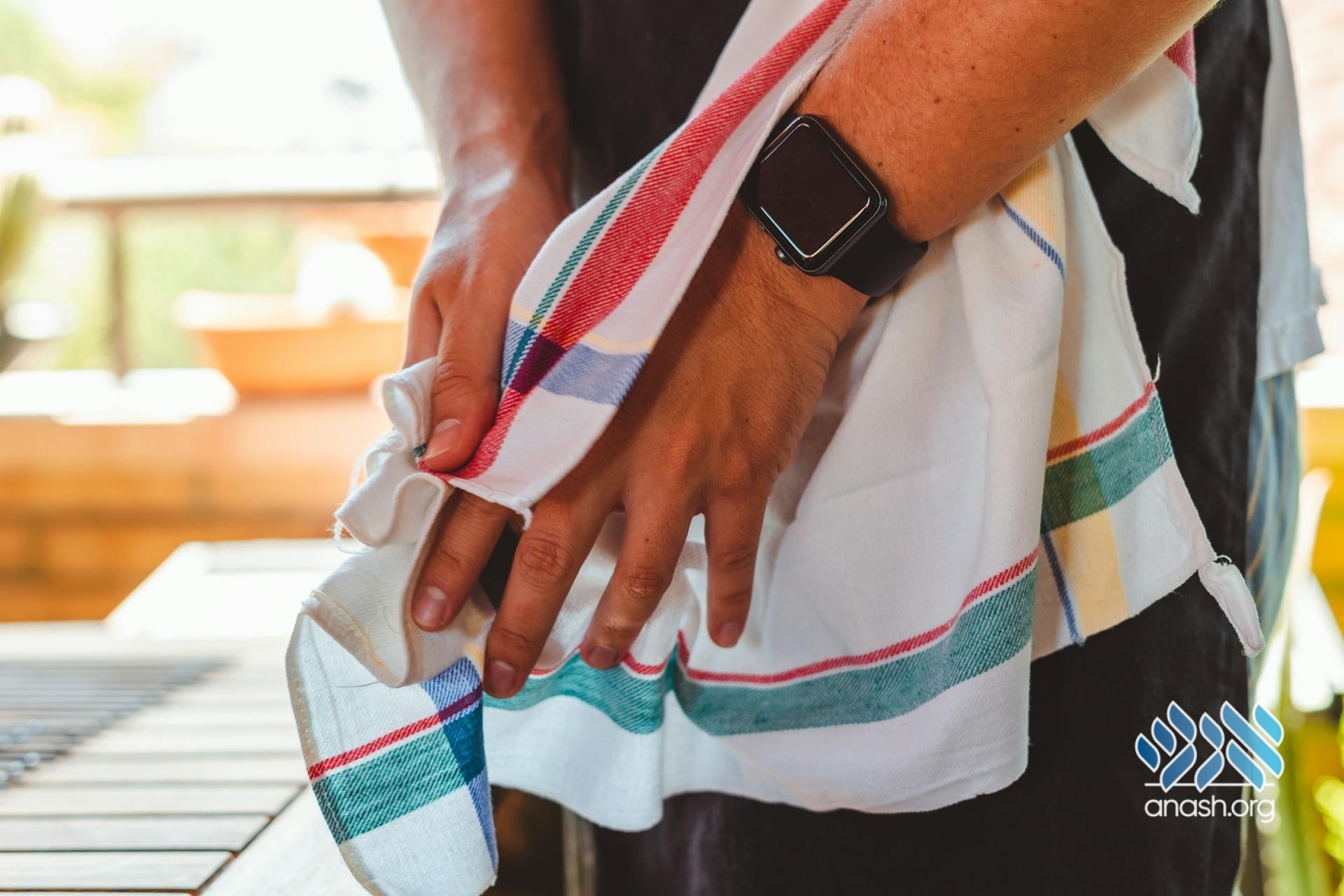
Drying Hands on Clothing You’re Not Wearing?
Anash.org feature: Dayan Levi Yitzchok Raskin, Rov of Anash in London, explores interesting Torah questions and halachic dilemmas, including drying hands on clothing, debate about mezonos bread, challah from large batches of cake, and the origin of inspirational notes in the machzor.
Anash.org feature: Dayan Levi Yitzchok Raskin, Rov of Anash in London, explores interesting Torah questions and halachic dilemmas, including drying hands on clothing, debate about mezonos bread, challah from large batches of cake, and the origin of inspirational notes in the machzor.
The following issues are discussed by Rabbi Raskin in this week’s episode:

[1] שאילות יעב”ץ ח”א סי’ ע – הבאתיו בנתיבים בשדה השליחות ח”א פי”ז הע’ 1.
[2] ראה שוע”ר סי’ קנח סי”ח; ס’ שמירת הגוף והנפש סי’ נו הע’ ז.
[3] לדעת המחבר (או”ח סי’ קסח ס”ז) די בזה שטעם מי הפירות ניכר בעיסה. לרמ”א שם, דוקא בהרבה דבש “שכמעט הדבש עיקר”. הט”ז (שם) מתיר גם בנילוש עם חלב ומיעוט מים, ואילו “טעם נרגש” אינו מהווה פהב”כ. וכן כתב אדה”ז בשו”ע שלו שם ובסדר ברכת הנהנין פ”ב ה”ז.
[4] דבר זה מפורש להיתר בשו”ת הרשב”א (ח”א סי’ תקלז), הובא בבדק הבית יו”ד סו”ס שסד. בחכמת אדם (כלל קנח סי”ב) הביא שיש אוסרים הדבר. בהגהות רעק”א ליו”ד שם ס”ז נוטה להקל.
[5] לימוד זכות על המקילים – בשו”ת צמח צדק יו”ד סי’ רלו. הוראות למעשה בס’ חלה כהלכתה (בראך ב”ב תשס”ז) פ”ד ס”ה. וראה דברינו בס’ נתיבים בשדה השליחות ח”א פי”ט הערה 2.
[6] מחזור חב”די הופיע לראשונה בשנת תער”ג ע”י רח”א ביחובסקי. איזכור “מחזורים” – בעלטה. “מצאתי בשל”ה” – מופיע במחזור אחר שקדמו.
[7] תורת מנחם תנש”א ח”ב ע’ 314.
 COMMENTS


We appreciate your feedback. If you have any additional information to contribute to this article, it will be added below.