




ט״ז שבט ה׳תשפ״ו | February 2, 2026
Behind the Most Ambitious Rambam Project of Our Time
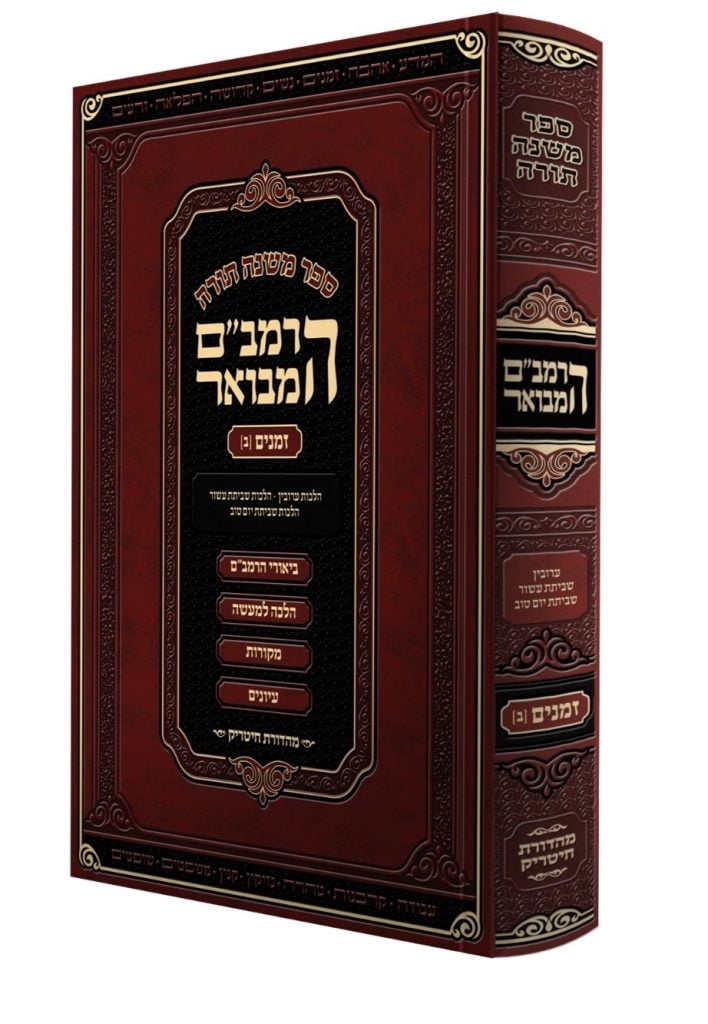
The Rambam HaMevuar (“Chitrik Rambam”), a dream Rambam spearheaded by Netanya shliach Rabbi Tzvi Wilhelm, has become a reality as the most comprehensive, invested, and meaningful explanatory work on the Rambam ever to appear in print. What is the story behind this monumental project?

By Menachem Mendel Bronfman – Kfar Chabad Magazine
The grand idea that took shape in the mind of Netanya shliach Rabbi Tzvi Wilhelm, has become a reality. The Rambam HaMevuar (“Chitrik Rambam”) is poised to claim its rightful place on the bookshelf of Torah literature, as the most comprehensive, invested, and meaningful explanatory work on the Rambam ever to appear in print.
What is this new commentary? What sets it apart entirely from every other Rambam commentary? And how does it speak to every Jew, across the spectrum?
*
It’s not every day that I’m granted the opportunity to see behind the scenes of the writing of a significant chapter in the history of Torah publishing.
I sat with the heads of the editorial team of the great Rambam HaMevuar project: Rabbi Tzvi Wilhelm, Rabbi Avraham Wilhelm, and Rabbi Shimon Mann.
As the conversation continued and evolved, and as examples from across the Rambam piled on the table, it became increasingly clear to me that this project is destined to take a place of honor in the world of Torah literature, as the most invested and significant explanatory work on the Rambam ever produced.
Rabbi Tzvi Wilhelm, the Rebbe’s shliach to Netanya, is the initiator, chairman of the editorial board, and the driving spirit behind this vast project. With persistence and fiery faith, he approached this huge undertaking, transforming a dream into concrete reality.
“When the Rebbe instituted the takanah of daily Rambam,” Rabbi Wilhelm explains, outlining the vision and rationale behind the project and its structure, “the Rebbe was making a fundamental statement: the Mishneh Torah of the Rambam isn’t just a work to be learned for pilpul and in-depth sugya analysis. The Rambam is not only a tool for the elite lamdan. Rather, the Mishneh Torah was written to be learned in order, and it is intended for every Jew, young and old alike. Through it, every Yid can learn and encompass the entire Torah.”
Indeed, the Rambam himself writes in his introduction that the book is intended for both small and great. For that reason, he made a stylistic choice: he wrote it in Mishnah language rather than Gemara language, a monumental feat requiring extraordinary genius. The Mishneh Torah is thus written in clear and concise Mishnaic Hebrew.
What, then, is the issue? Just open the Rambam and learn it!
Rabbi Tzvi Wilhelm explains: “Precisely because the Rambam wrote in Mishnaic language, there is a greater need for a commentary. Just as you can’t understand Mishnah without Rashi and Bartenura, because of its brevity and concision, so too with the Rambam. He compresses a wealth of detail into very few words. Without familiarity with the sugya, the learner simply will not grasp what is being said.
“Moreover, even a learner who thinks he understands, because the language appears clear, may have missed the main point or at least a critical detail. Sometimes a few added words make all the difference. Without them, the learner is left lacking.
“There is therefore a genuine need for a work that provides systematic, complementary explanation of the Rambam, enabling the broadest possible audience of learners, from across the spectrum, to study the Rambam properly, according to his sources and commentators, in the shortest and most accessible way possible. That need stood before me when we began, with siyata d’Shmaya, the Rambam HaMevuar project.”
How the Idea Was Born
You might be thinking: The Rambam is a classic text with many commentaries of all kinds. What more can be added? Is there really a need for another peirush? In other words, what makes the Rambam HaMevuar unique?
Rabbi Wilhelm explains: “Several years ago, I began delivering a daily Rambam shiur. Naturally, before teaching, I prepared the material thoroughly. I was astonished to discover how much time I needed to invest simply to explain the straightforward meaning of the Rambam, and to answer questions properly. Even more surprising was the realization that I could not find a single work that provided a clear, comprehensive explanatory framework for this purpose.
“That is when we rolled up our sleeves. We decided to create a layered commentary, one in which the learner can choose how deep to go at any given moment.
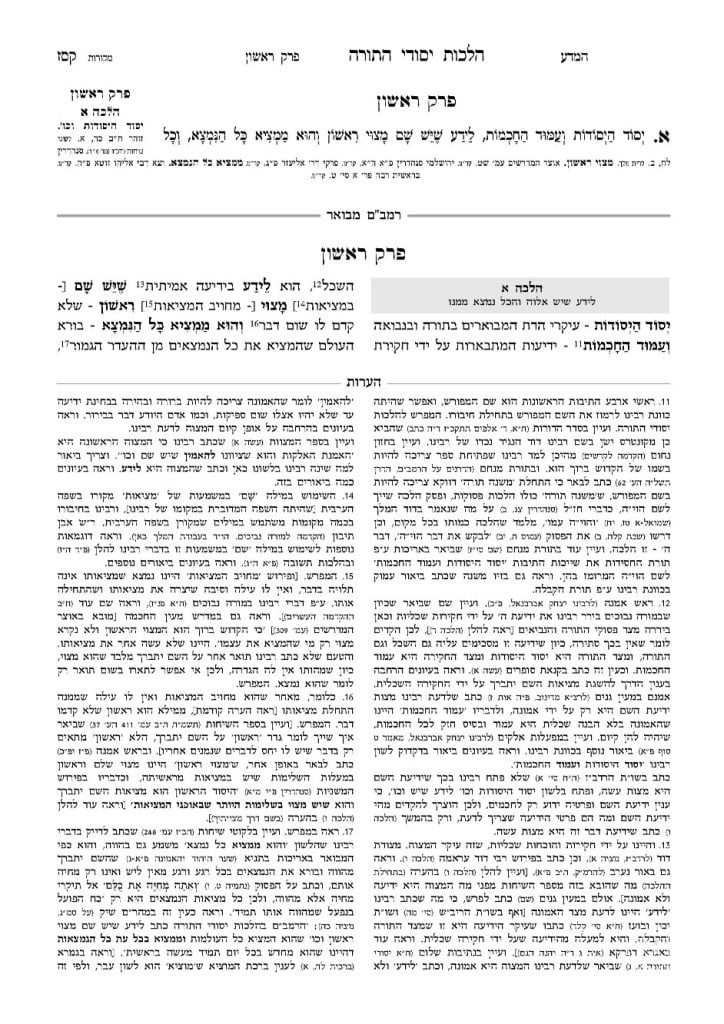
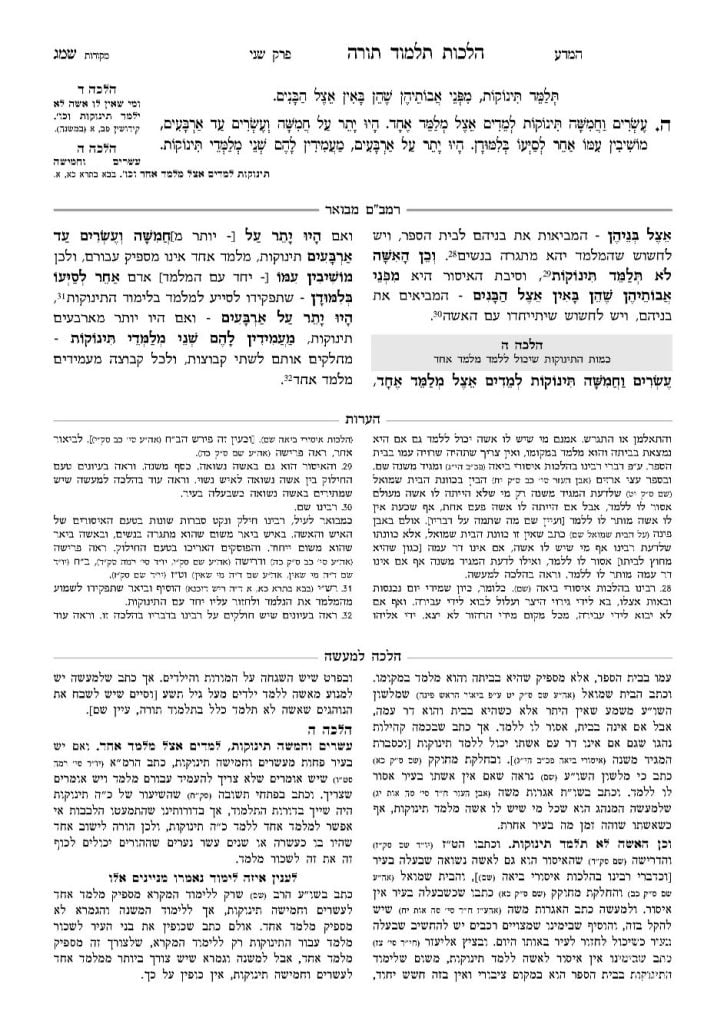
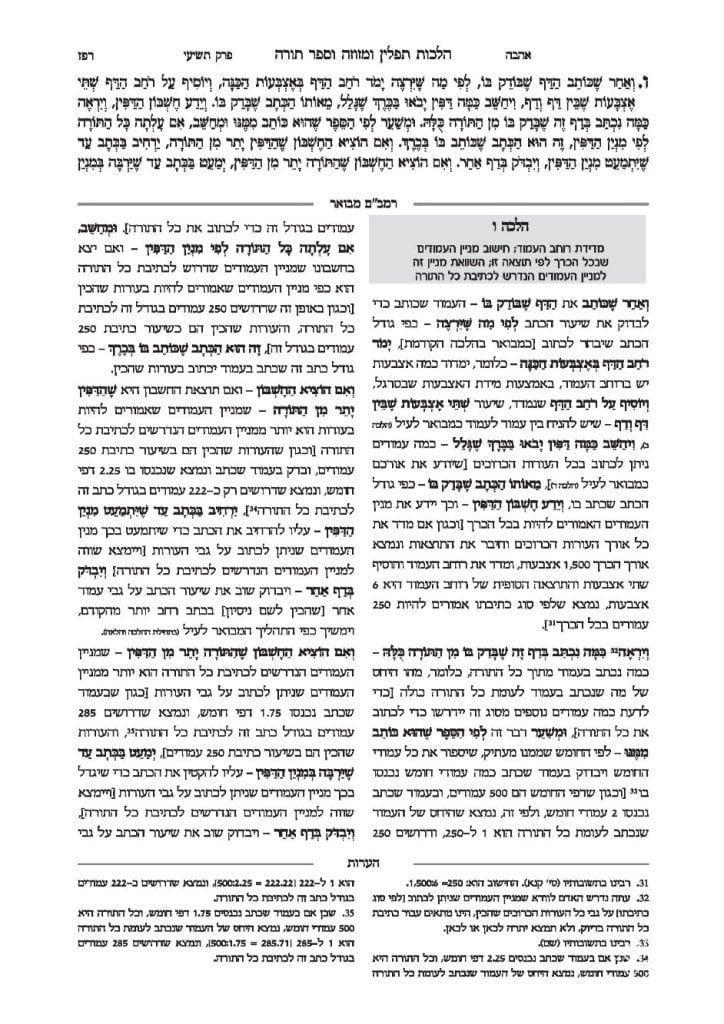
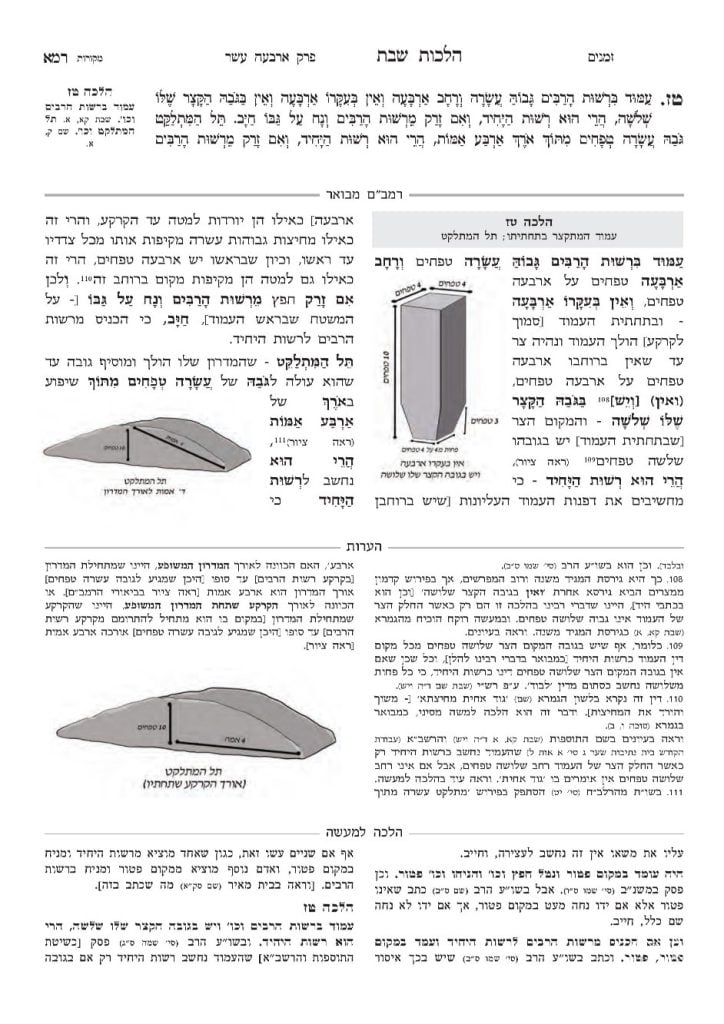
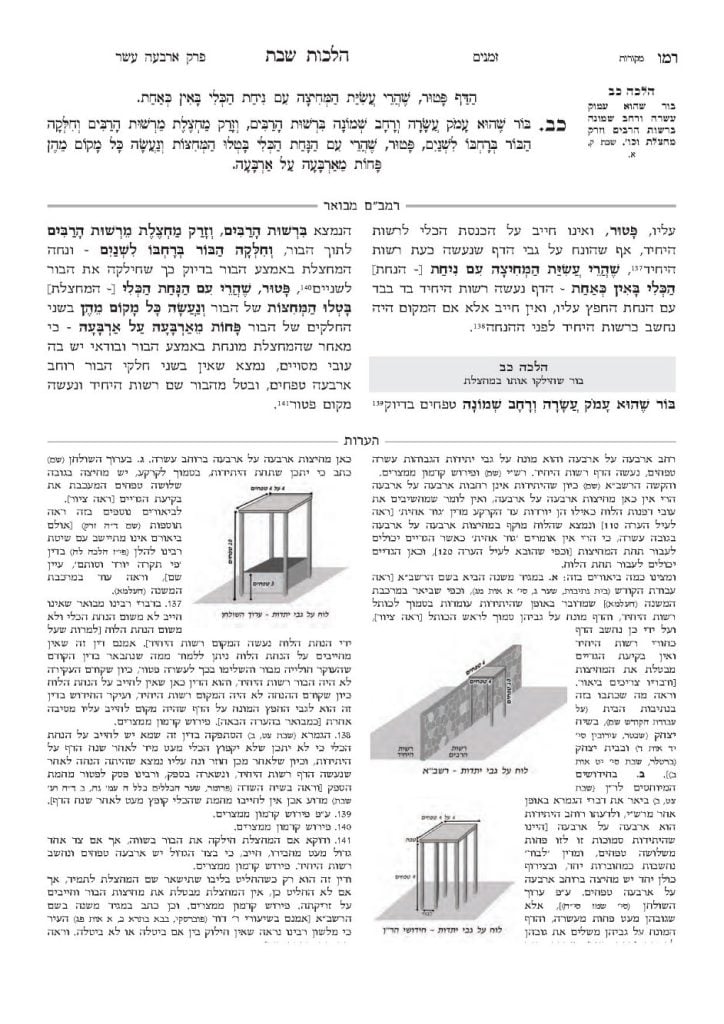
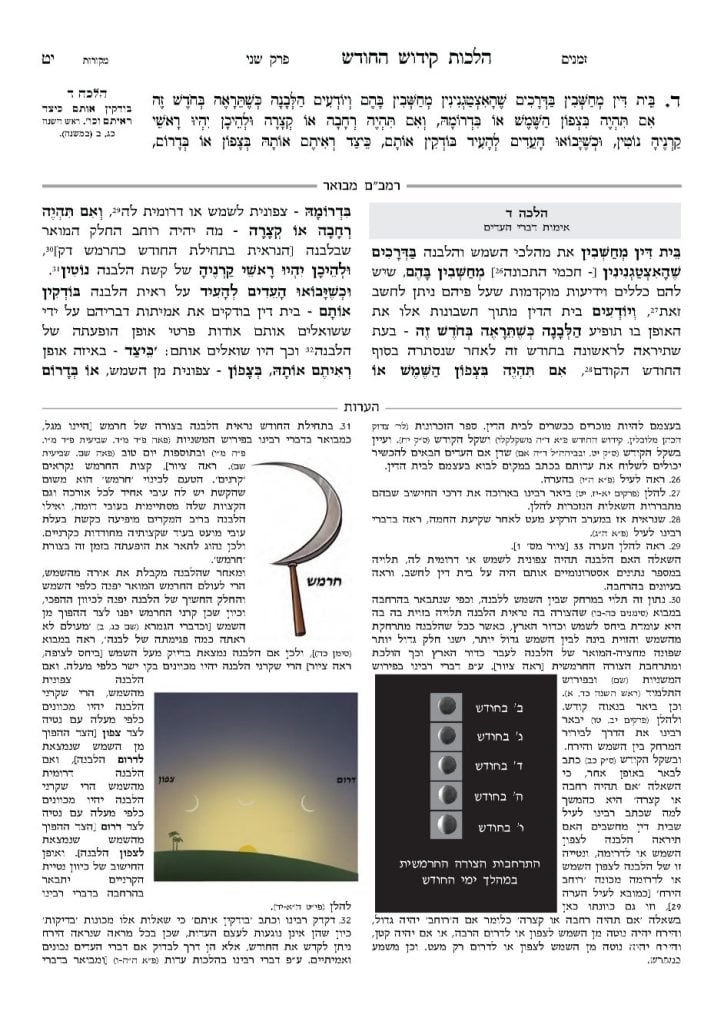
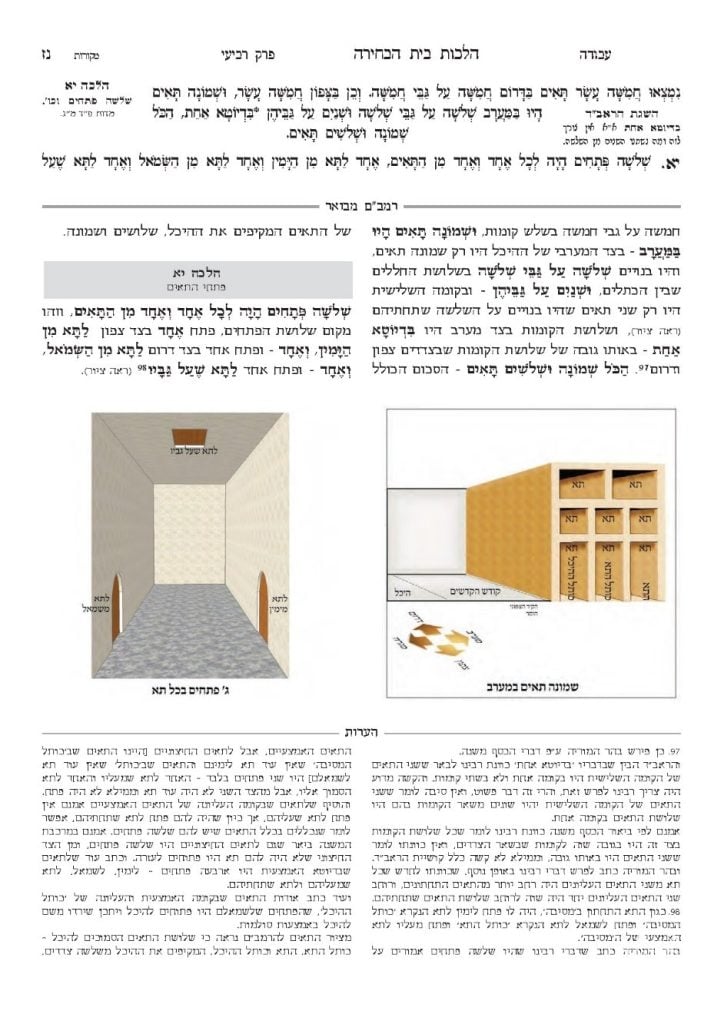
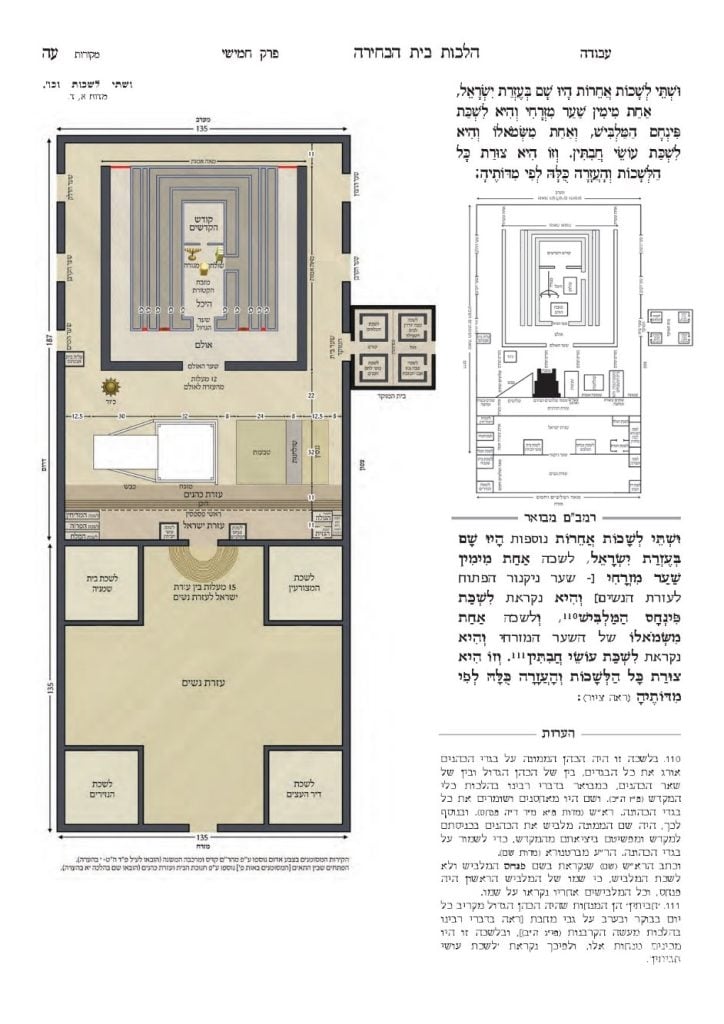
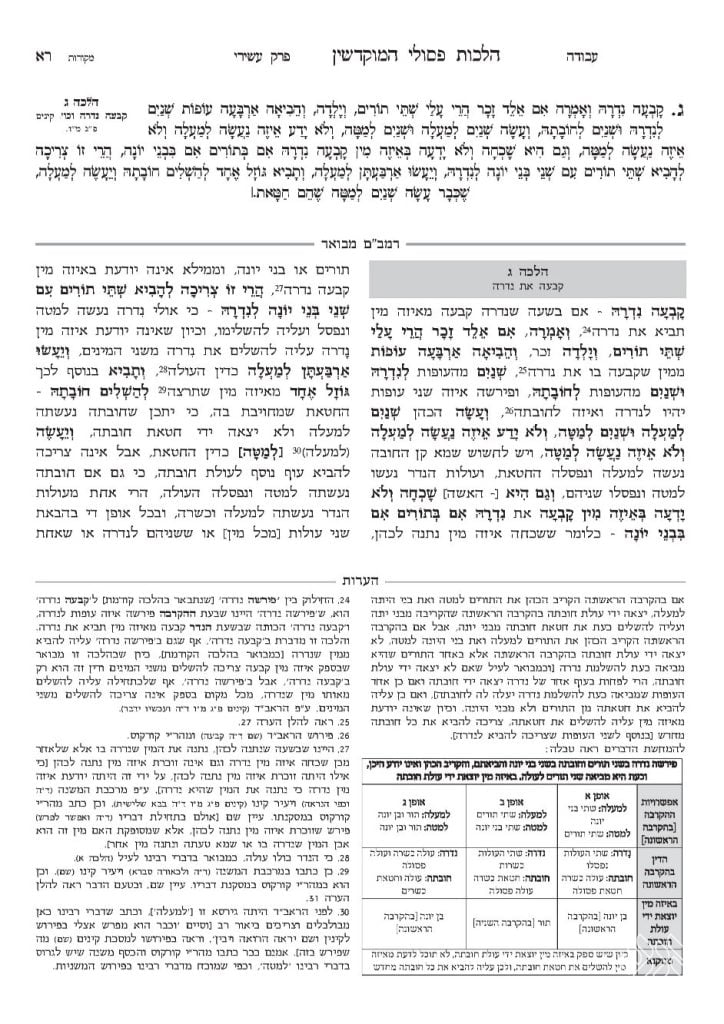
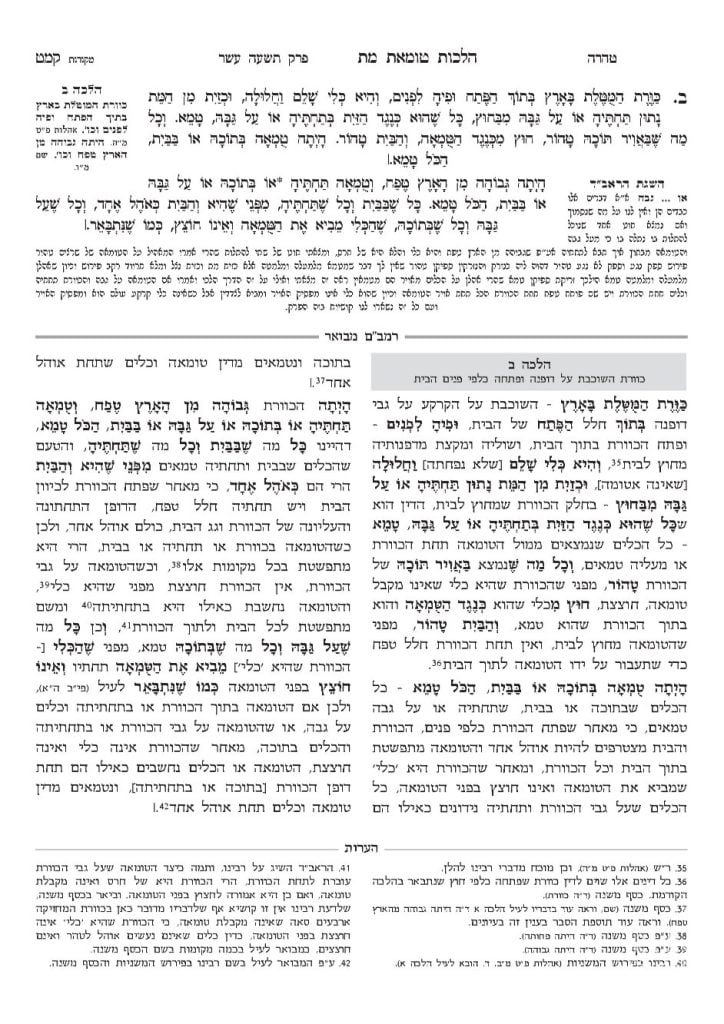
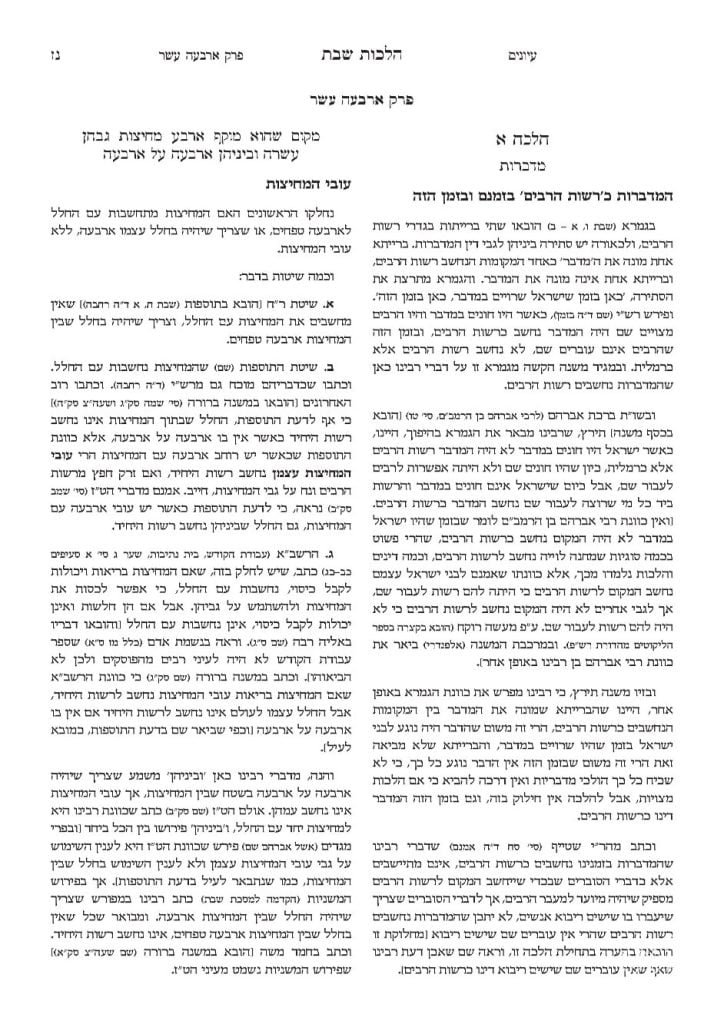
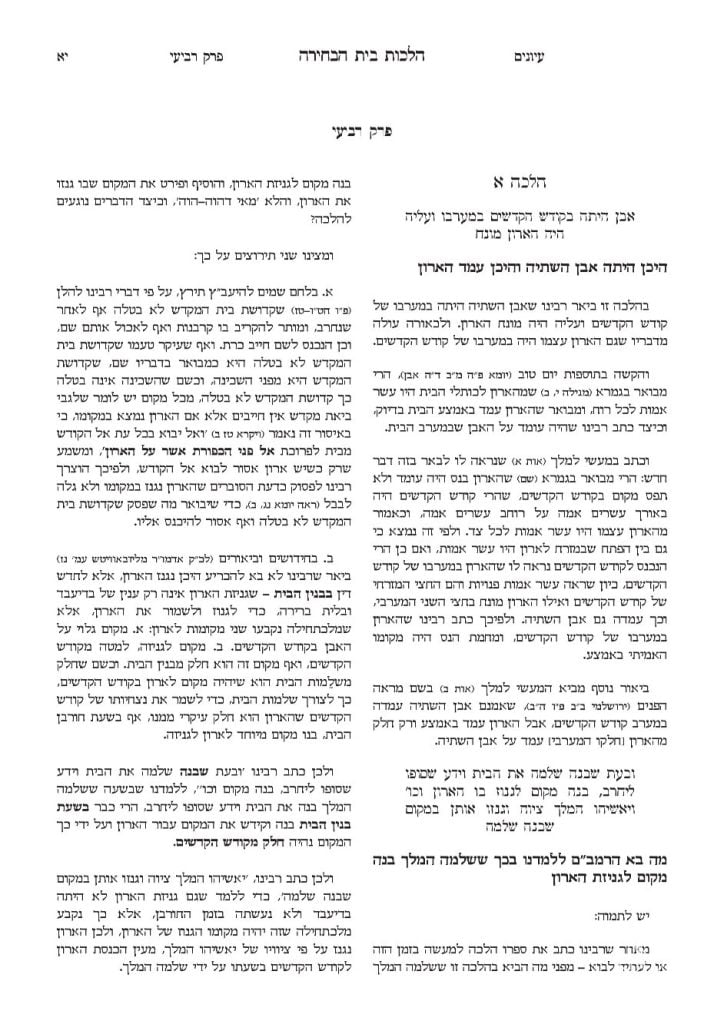
“In practice, the Rambam HaMevuar consists of five components:
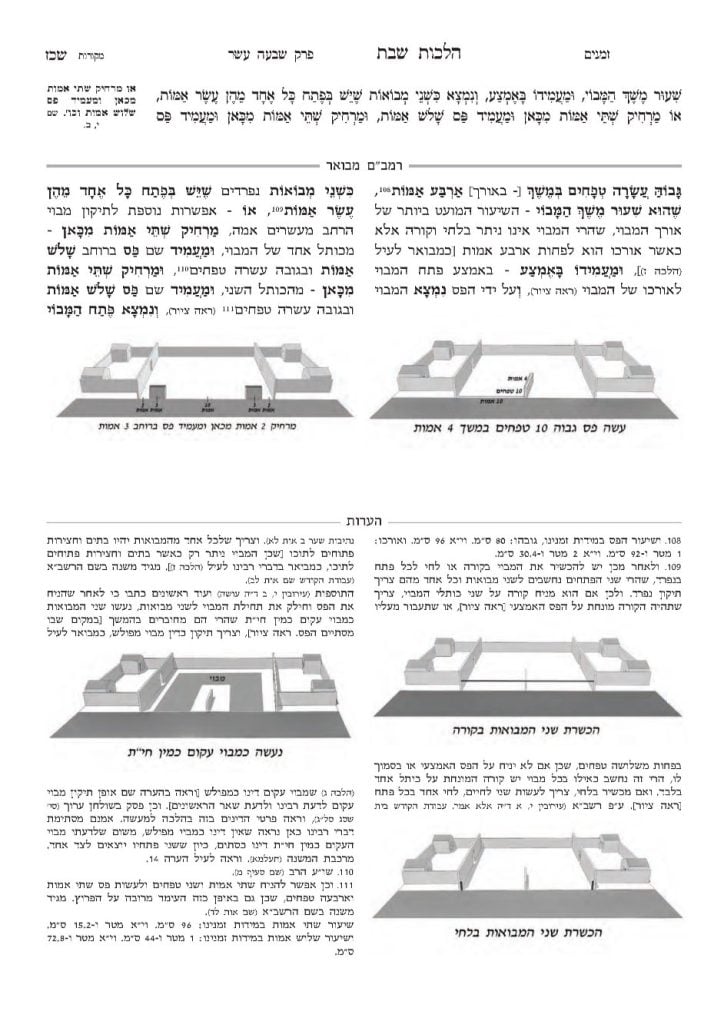
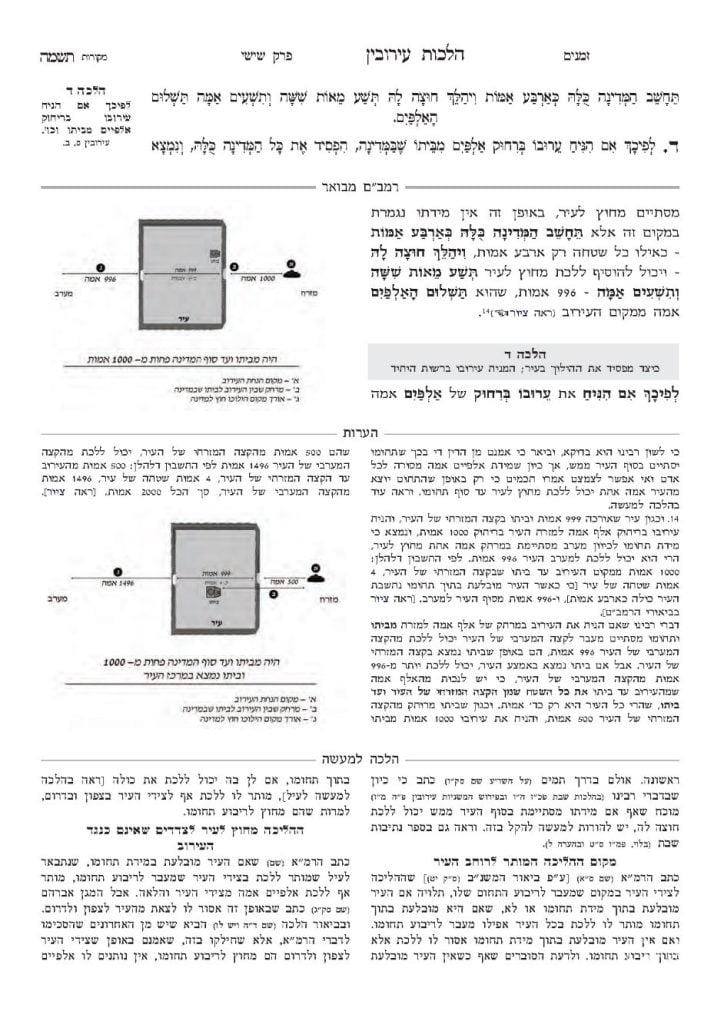
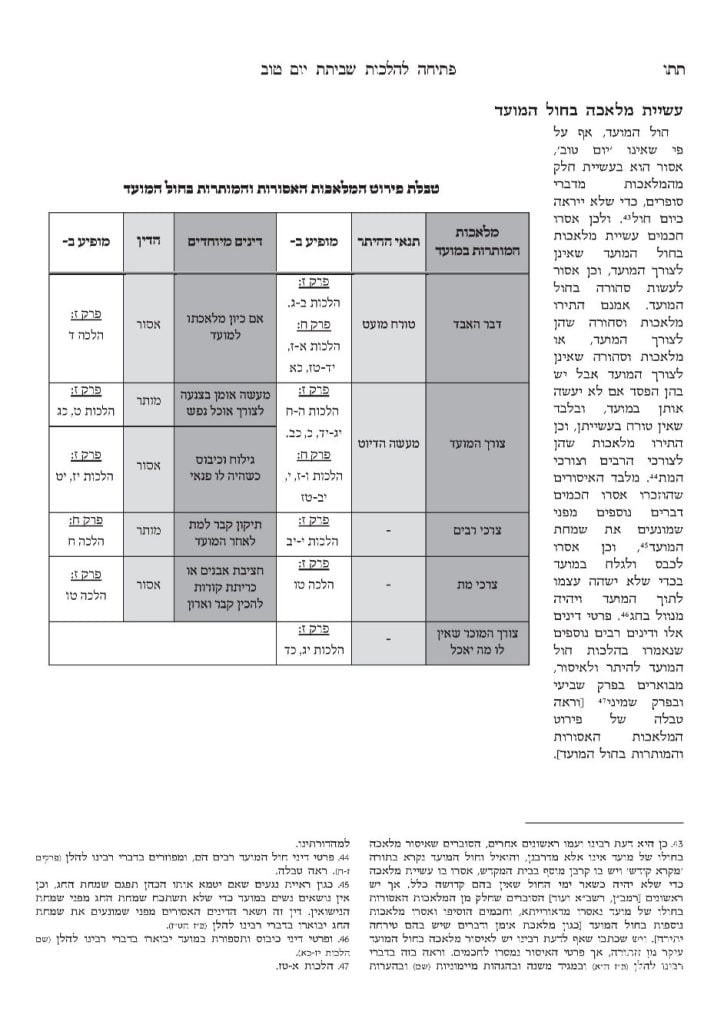
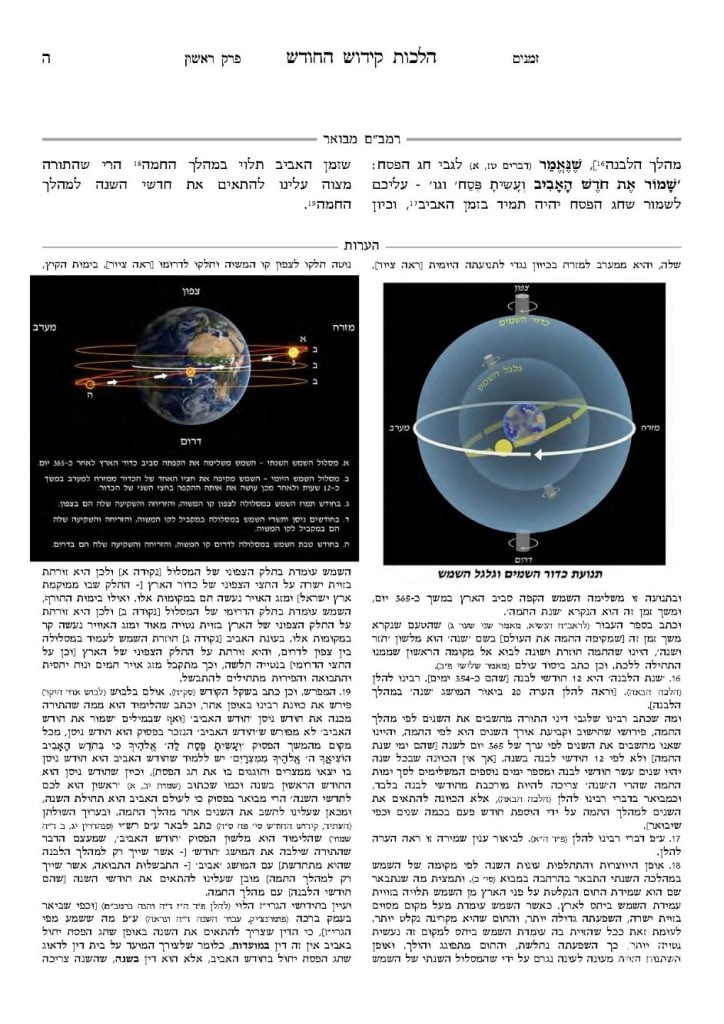
First – a clear explanation of the plain meaning, integrated into the text.
Second – brief analytical notes in the margins, expanding somewhat beyond the pshat, based on the Rambam’s commentators.
Third – a concise presentation of practical halacha, noting differing opinions where relevant.
Fourth – sources, for those learning in depth who wish to trace the Rambam’s foundations. The Rebbe greatly valued this area and encouraged the identification of sources for the Rambam’s rulings.
Fifth – expanded analyses and in-depth discussions for those wishing to fulfill the Rebbe’s directive to learn Rambam daily in its fullest sense, including at least one halacha with proper iyun.
A further element that stands on its own is the illustration section. Professional experts create visual diagrams wherever clarification is aided by illustration. Immense effort is invested to ensure absolute precision in every detail.
The Integrated Commentary
How does one actually implement such an integrated commentary? How do you decide what to include and what to leave out?
Rabbi Avraham Wilhelm, one of the chief editors, explains:
“First, one must understand the scope. Dozens of accomplished yungeleit are involved in writing the commentary. The workflow is highly structured and closely supervised. Each section passes through multiple stages: author, supervisor, content editor, chief editorial review, language editing, further review, and final proofreading. The investment of effort and precision is on an entirely different scale.”
Rabbi Mann adds: “The refinement process is extraordinary, both in content and in style. Texts are often rewritten multiple times until everyone agrees that the formulation is the clearest and most fitting possible.”
Rabbi Avraham Wilhelm continues: “In terms of content, our guiding principle is fidelity to pshat. We strive to explain the Rambam in the most straightforward way, consistent with his language and common sense, grounded in his own explanations elsewhere and in the classic commentators. This approach follows the Rambam’s own stated intent: to present Torah in a manner accessible to intuitive understanding.”
He illustrates this with a striking example from Hilchos Chametz u’Matzah, showing how the Rambam deliberately chooses the more intuitive explanation over the more complex Talmudic formulation, in order to make the law accessible to all.
“We followed the Rambam’s path,” he concludes, “presenting explanations in the way closest to simple understanding. Another key point was to incorporate, in concise form, the Rebbe’s explanations of the Rambam, giving this work particular significance for Chabad chassidim.”
Rabbi Mann notes that editorial decisions often involve weighing internal consistency across the Rambam’s writings, sometimes favoring one explanation over another to preserve harmony throughout the work.
As an example of how subtle clarification can transform understanding, Rabbi Avraham Wilhelm cites the Rambam’s phrase “derech hashchasah.” Intuitively, one might understand it as destructive intent. Yet based on the Pri Megadim, it refers more broadly to any action done not for the sake of the mizbei’ach itself. Without explanation, the learner would easily misunderstand the halacha.
Rabbi Mann adds examples from complex areas such as Hilchos Pesulei HaMukdashin and even basic terms like soles, demonstrating how careful explanation brings clarity where confusion would otherwise reign.
This is clearly an undertaking far beyond standard publishing. How is it sustained?
Rabbi Tzvi Wilhelm answers candidly: “Had I known from the outset what this would entail, I might have hesitated. Baruch Hashem, I didn’t know. The initial funding was generously provided by the Chitrik family, in memory of their father, the esteemed chassid Rabbi Tzvi Hirsh Chitrik, a”h. Hashem will help us bring this great project to completion very soon.”
*
To date, 24 volumes of the total 30 have been published. The Rambam is available in large and medium sizes.
The Rambam HaMevuar (“Chitrik Rambam”) can be purchased here (medium size).




 COMMENTS


If — “without familiarity with the sugya, the learner simply will not grasp what is being said. Moreover, even a learner who thinks he understands, because the language appears clear, may have missed the main point or at least a critical detail. Sometimes a few added words make all the difference. Without them, the learner is left lacking” — How are we to understand what the Rebbe intended with the Takanah?
This is by far the best Rambam for daily learning. I’ve been using it for five years now and am constantly checking for when the next one comes out. Kol Hakavod.
I’ve been learning Rambam for 25 years
This Rambam is just באין ערוך to any Rambam I saw
Thank you soon much Rabbi Wilhelm
May we be zoche to מלאה הארץ דעה
יחי המלך