



ו׳ אב ה׳תשפ״ה | July 31, 2025
Australia Bans Social Media, YouTube for Kids Under 16
Starting December 10, children in Australia under the age of 16 will no longer be permitted to hold accounts on major social media platforms—including YouTube—under a new government mandate designed to protect young users from addictive use.
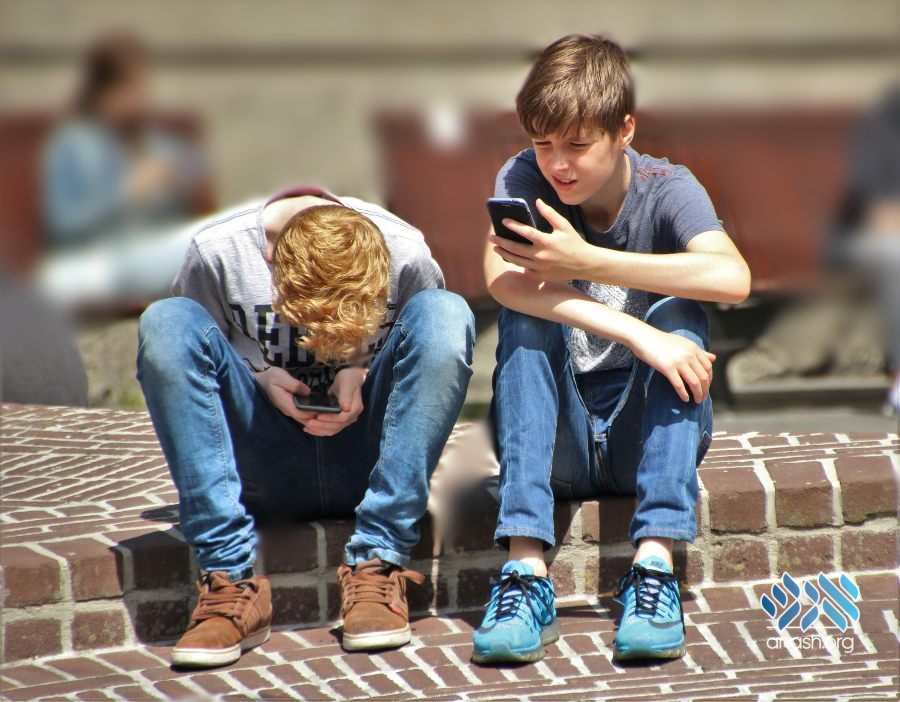
Starting December 10, children in Australia under the age of 16 will no longer be permitted to hold accounts on major social media platforms—including YouTube—under a new government mandate designed to protect young users from addictive use.
Starting December 10, children in Australia under the age of 16 will no longer be permitted to hold accounts on major social media platforms—including YouTube—under a new government mandate designed to protect young users from addictive use.
This update reverses the government’s earlier decision to leave YouTube off the list when the law was first passed in November. The regulations already covered Facebook, Instagram, TikTok, Snapchat, and X (formerly Twitter), and now YouTube has officially been added to the list of platforms that must restrict account access by age.
Communications Minister Anika Wells released the updated classification rules on Wednesday, which determine which digital services fall under the category of “age-restricted social media platforms.” Those platforms that don’t take what the government considers “responsible steps” to block underage users will be subject to fines of up to 50 million Australian dollars (approximately $33 million USD). The government did not specify what steps they mus take.
Wells stood by the decision to include YouTube, despite pushback from its U.S.-based parent company, Alphabet Inc. “The evidence cannot be ignored that four out of 10 Australian kids report that their most recent harm was on YouTube,” she said. “We will not be intimidated by legal threats when this is a genuine fight for the wellbeing of Australian kids.”
Children will still be able to watch YouTube videos, but they won’t be able to sign up for their own channels or use other account-based features.
In response, YouTube released a statement criticizing the shift. “This reverses a clear, public commitment to exclude YouTube from this ban,” the company said, while maintaining that it shares the government’s concern about online safety. YouTube defended its platform as a video library, not a social media site, and said it would review the decision and continue its discussions with Australian officials.
Prime Minister Anthony Albanese added that Australia plans to raise the issue at the United Nations in September, hoping to encourage other countries to consider similar measures. “I know from the discussions I’ve had with other leaders that they are looking at this and they are considering what impact social media is having on young people in their respective nations,” he said. “It is a common experience. This is not an Australian experience.”
Meanwhile, the government is still waiting on a full report from a study it commissioned on age-verification tools, which was supposed to be completed last month. Nevertheless, Wells said users will not need to provide official IDs like passports or driver’s licenses to confirm their age.
Apps focused on messaging, health, education, and gaming are not subject to the new rules, as they are not categorized as social media and are seen as posing less risk to children.
According to government materials, the goal is to shield children from negative effects linked to social media use—including addictive habits, sleep disruption, loneliness, anxiety, and exposure to disturbing or harmful material—by limiting access during their formative years.
 COMMENTS


We appreciate your feedback. If you have any additional information to contribute to this article, it will be added below.