



ח׳ סיון ה׳תשפ״ה | June 3, 2025
Ancient Jewish Roots Discovered Beside Future Chabad Town
Just steps from the upcoming ‘Ohr Chabad’ community in the South of Eretz Yisroel, archaeologists have uncovered an ancient city of Leviim dating back to the time of Yehoshua. Beneath Byzantine ruins lie remnants of shuls and homes, revealing a rich Jewish presence in the area.
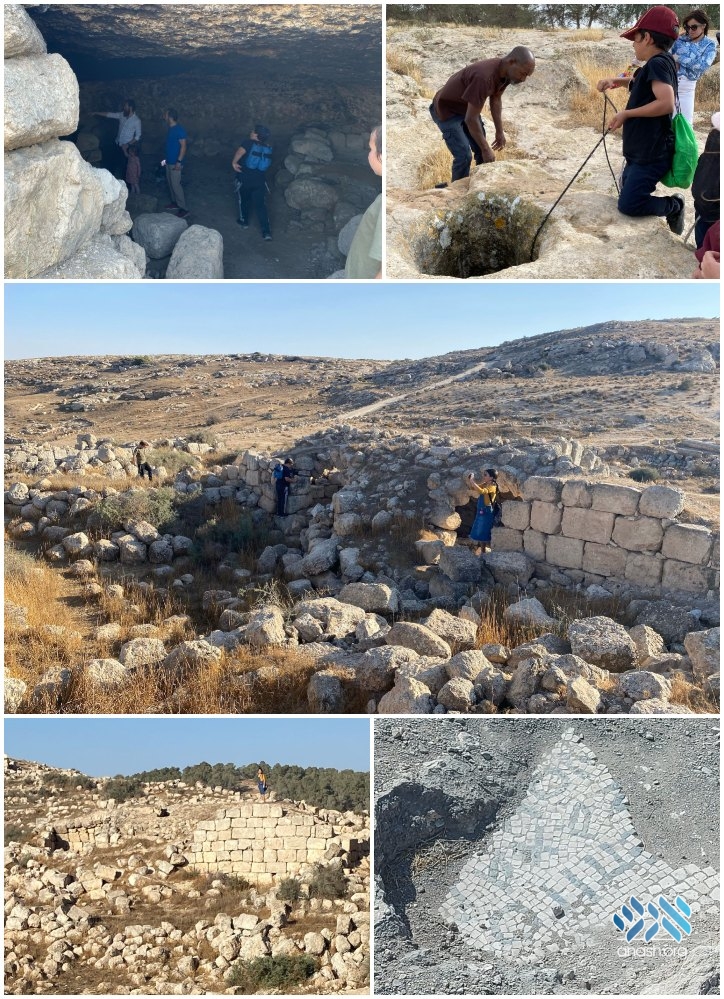
Just steps from the upcoming ‘Ohr Chabad’ community in the South of Eretz Yisroel, archaeologists have uncovered an ancient city of Leviim dating back to the time of Yehoshua. Beneath Byzantine ruins lie remnants of shuls and homes, revealing a rich Jewish presence in the area.
By Anash.org reporter
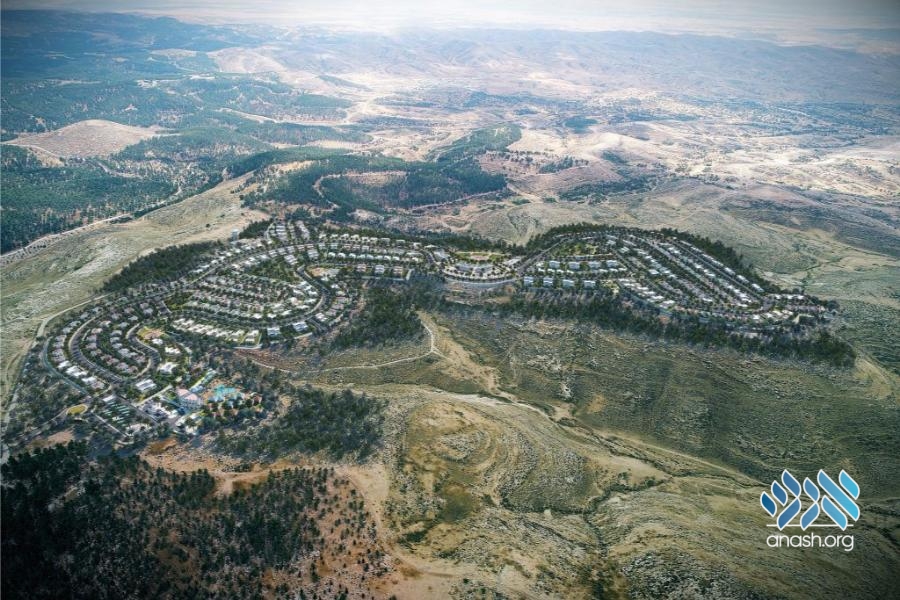
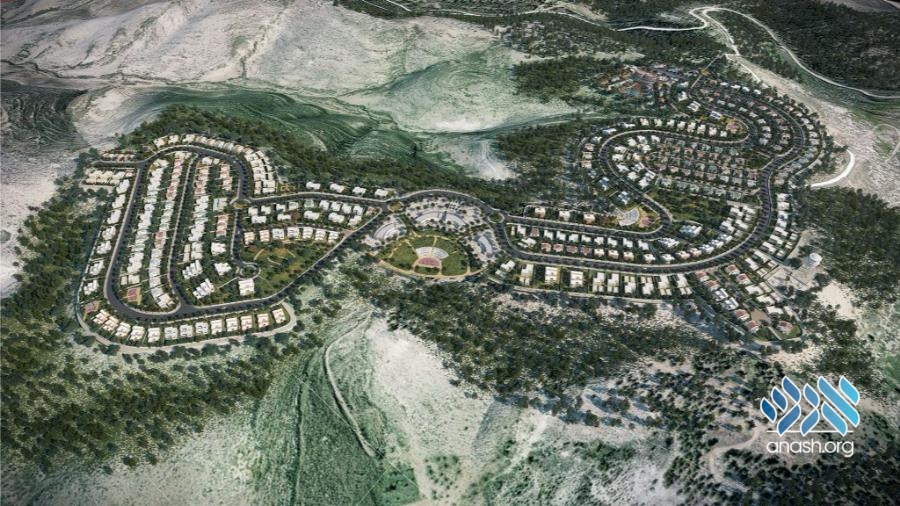
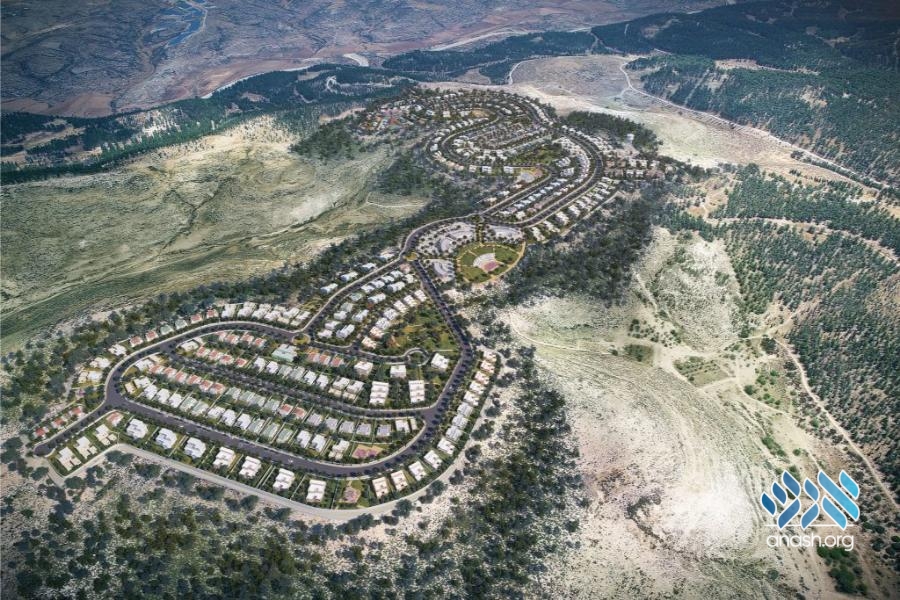
The vision of the 30-family community behind the forthcoming Ohr Chabad town is finally becoming a reality, with bulldozers breaking ground on the long-anticipated Chabad-Lubavitch yishuv in southern Eretz Yisroel. But just a short walk from the developing site, another story is quietly being unearthed – one buried beneath layers of soil and centuries.
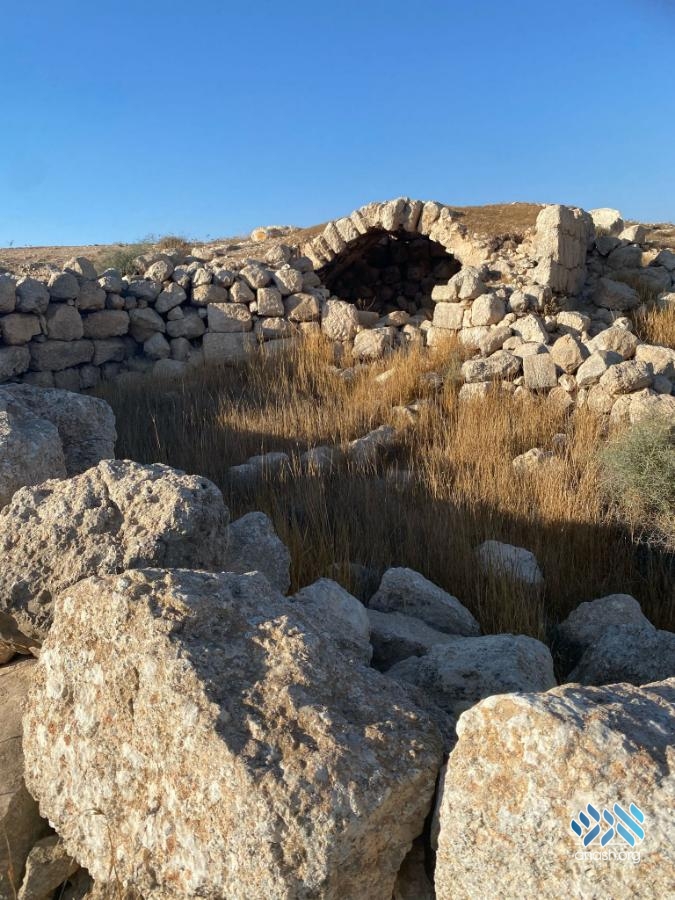
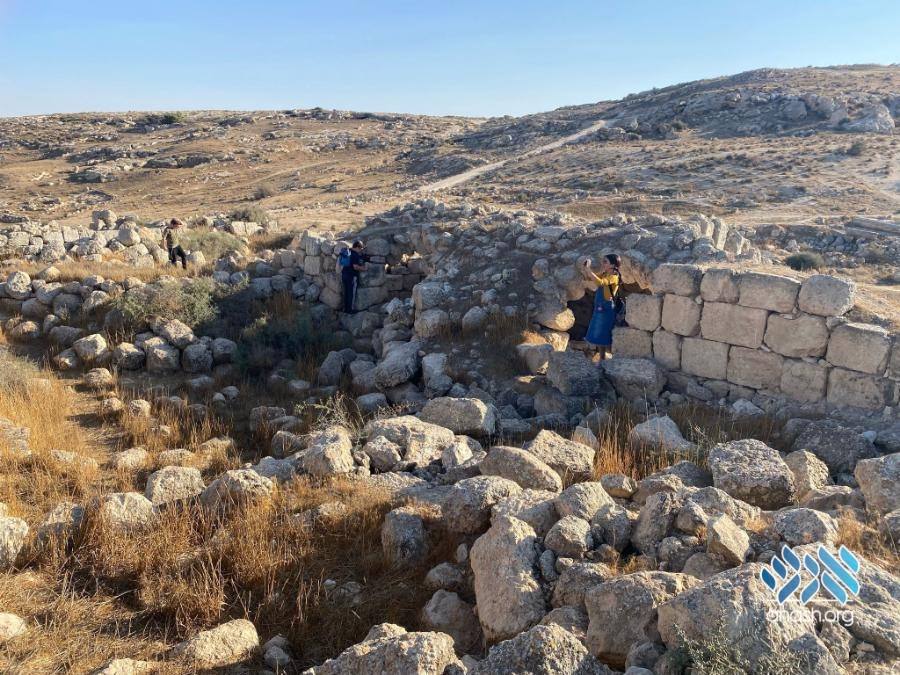
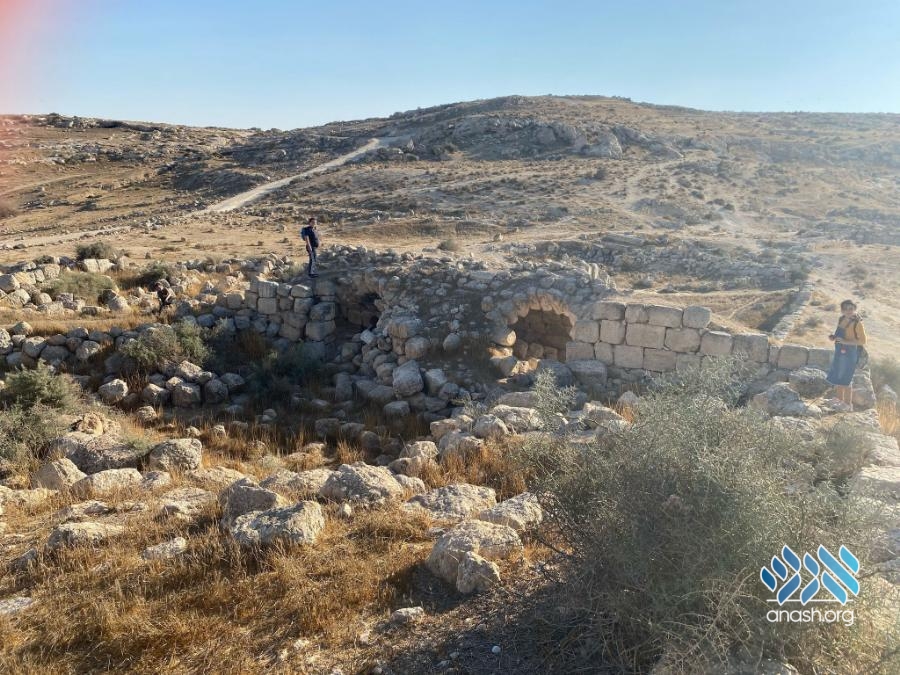
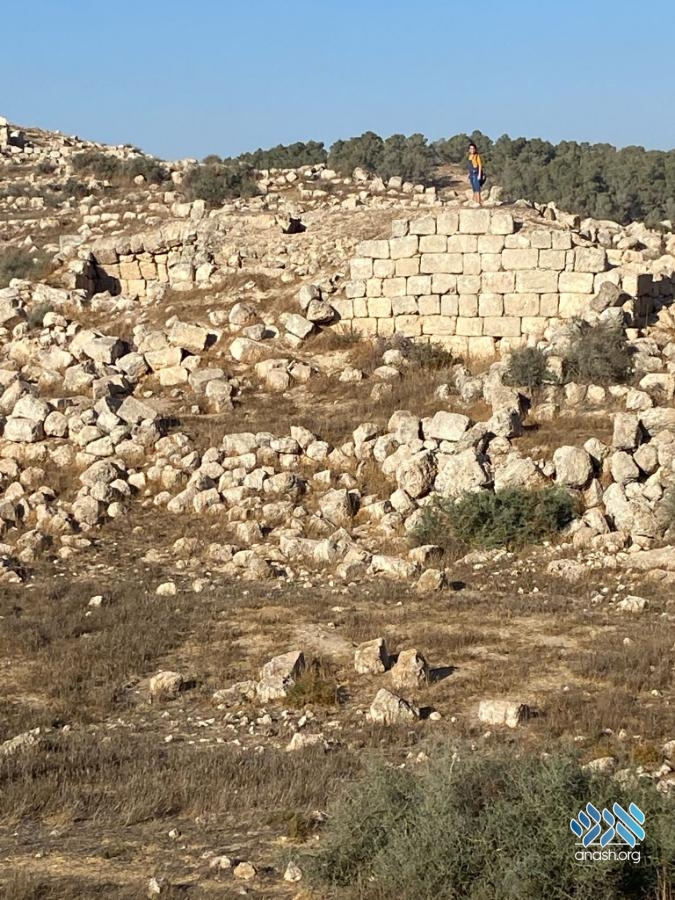
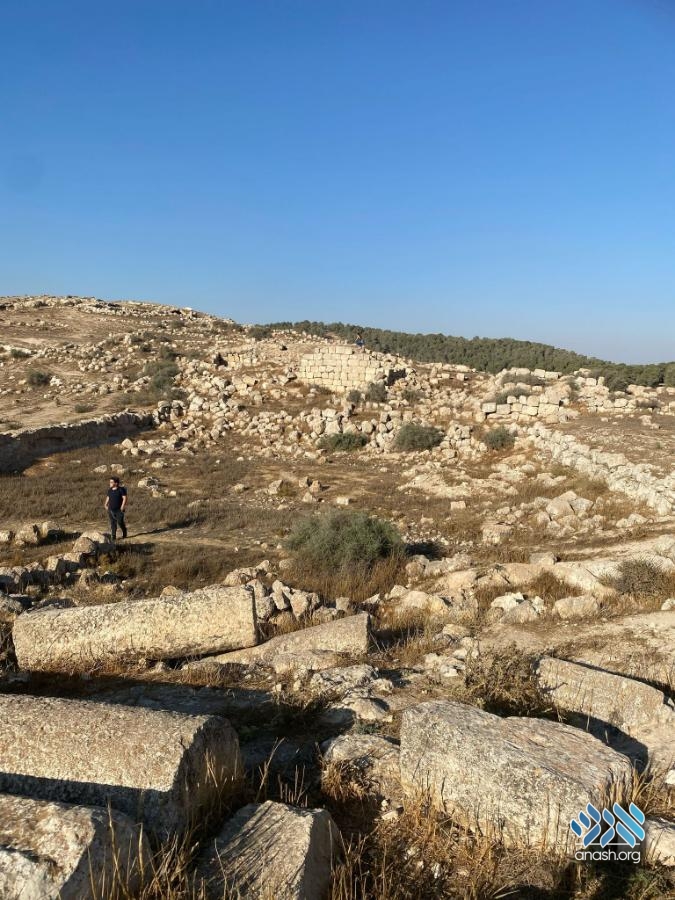
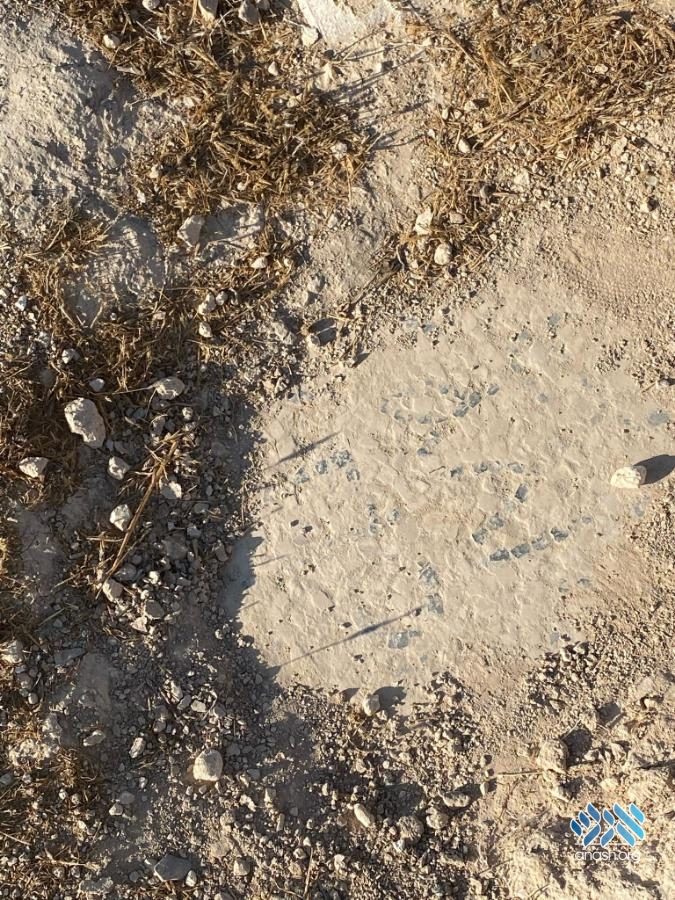
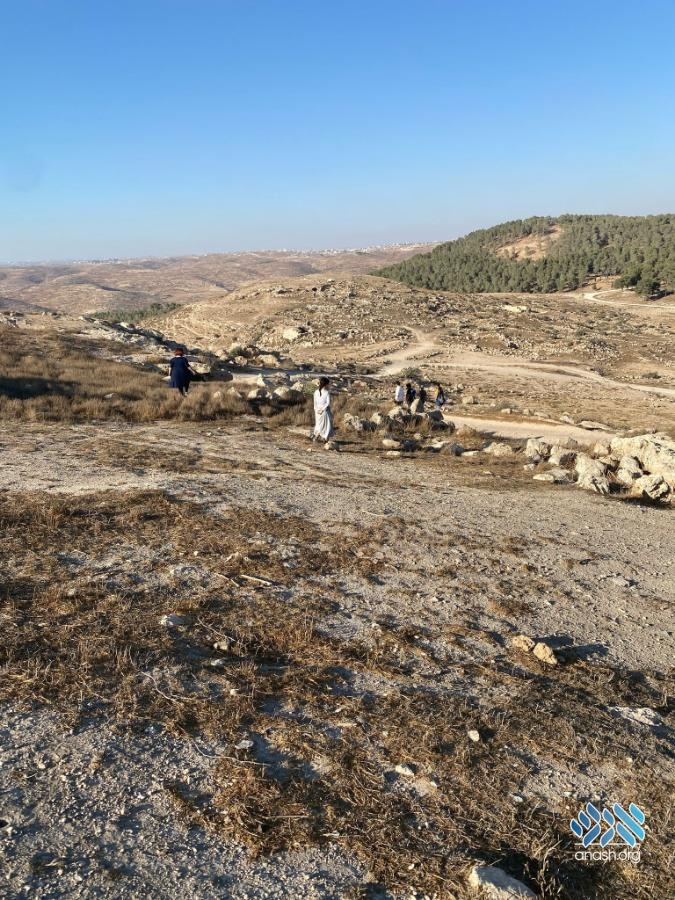
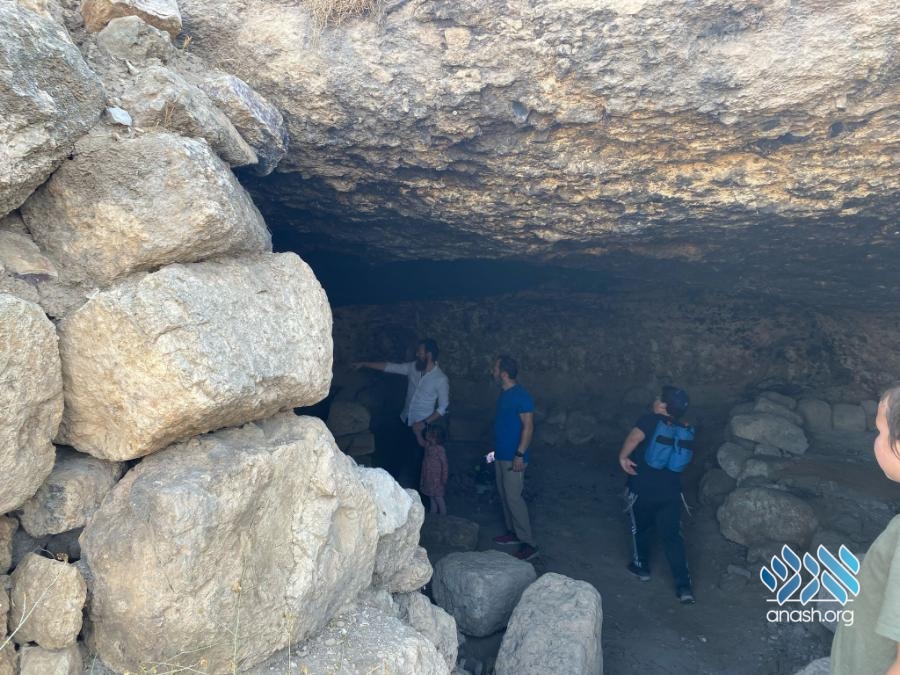
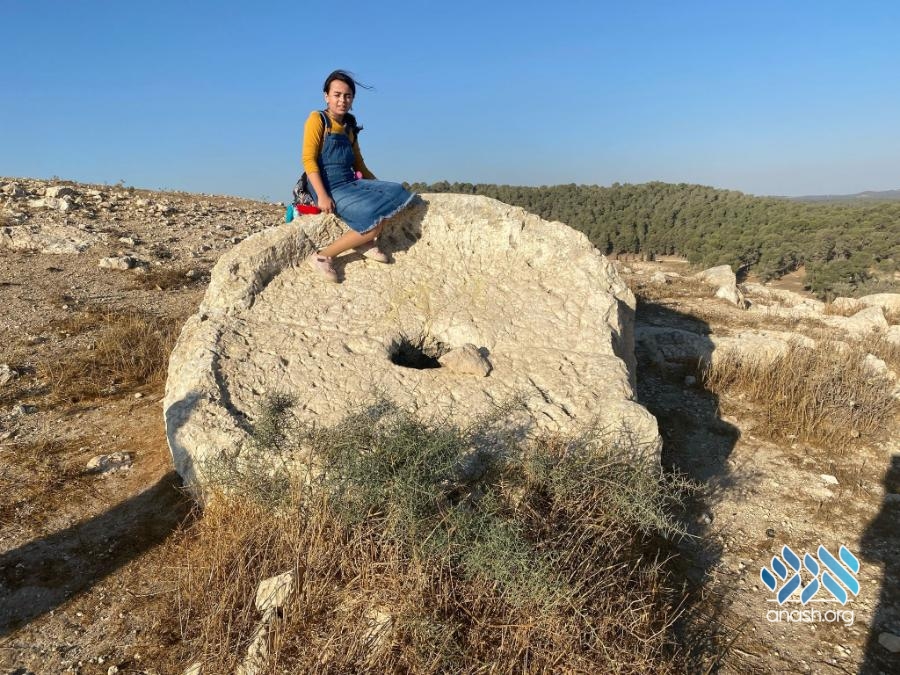
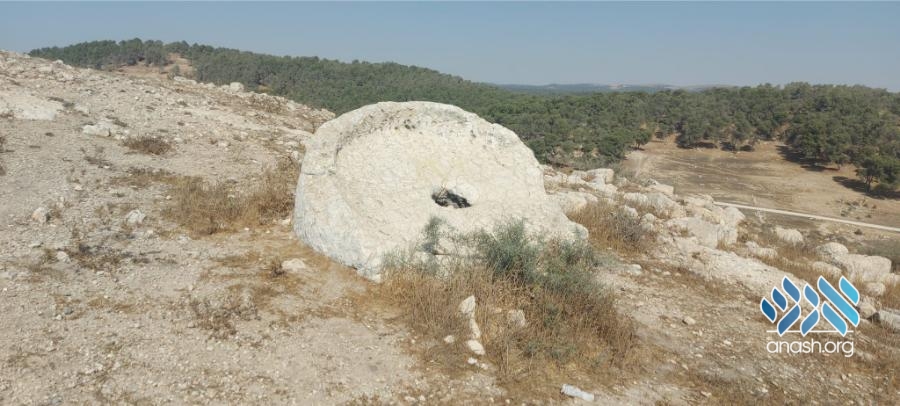
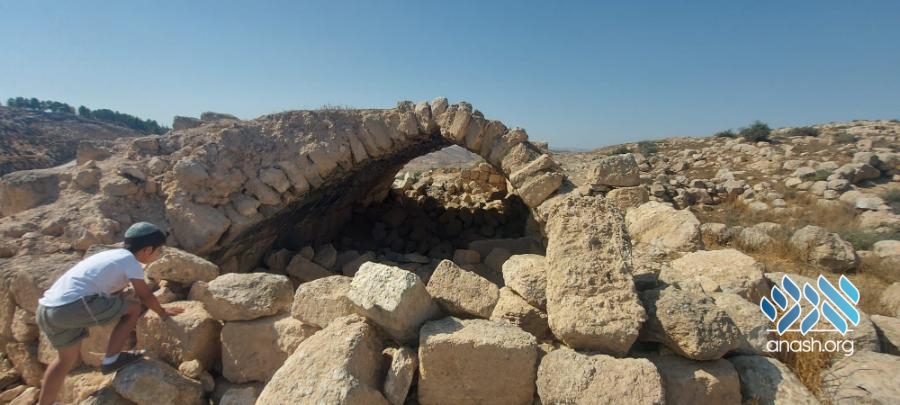
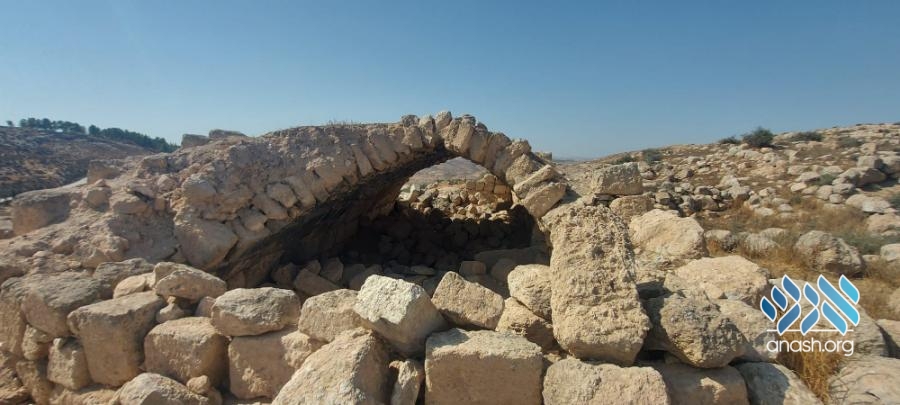
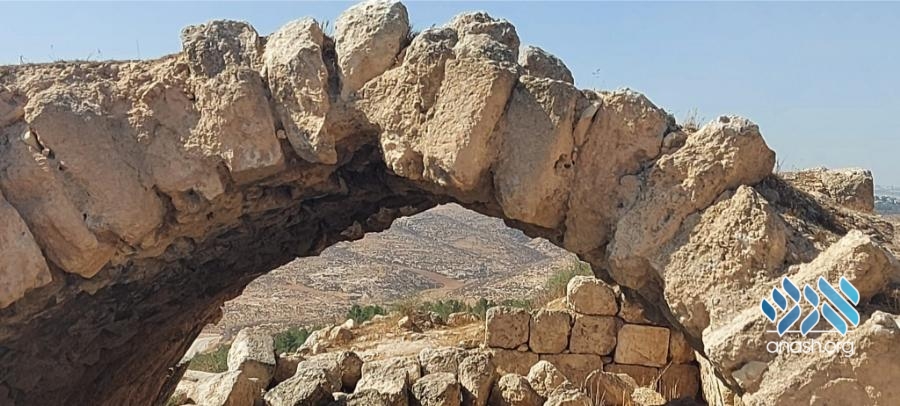
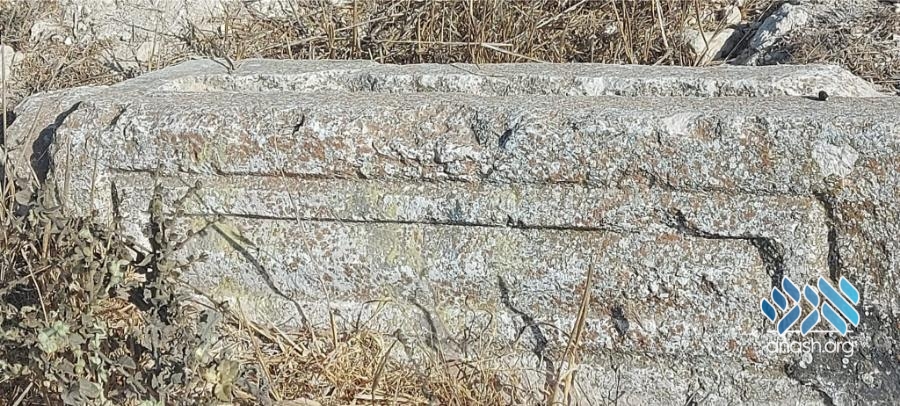
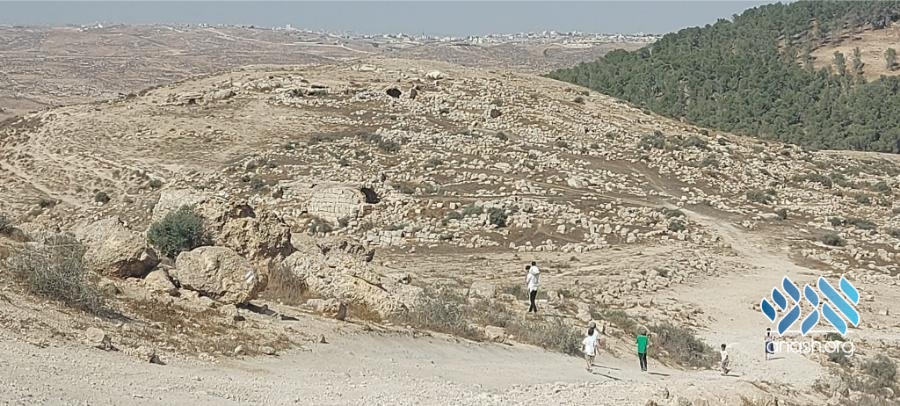
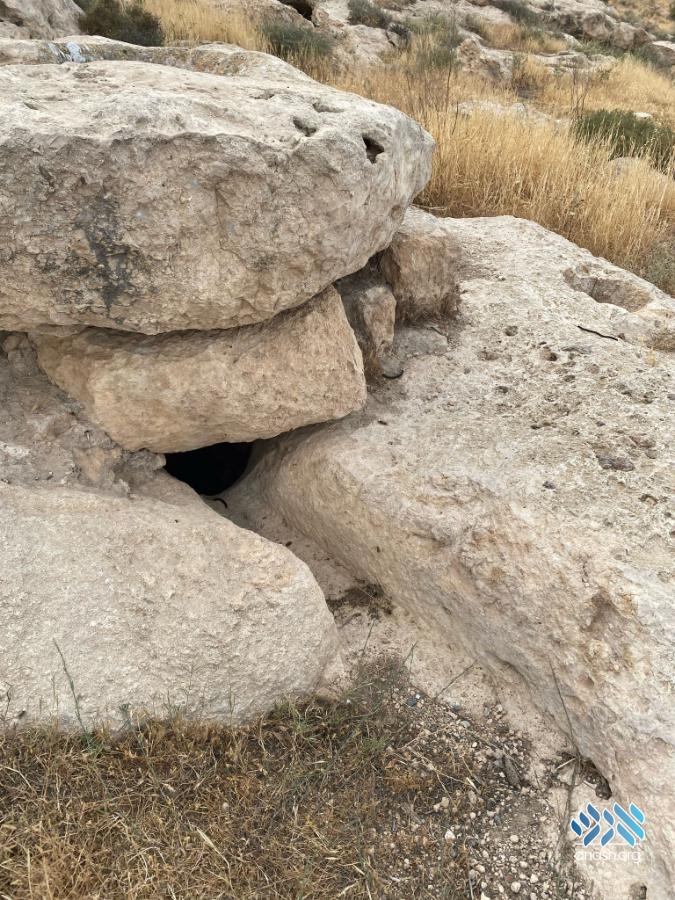
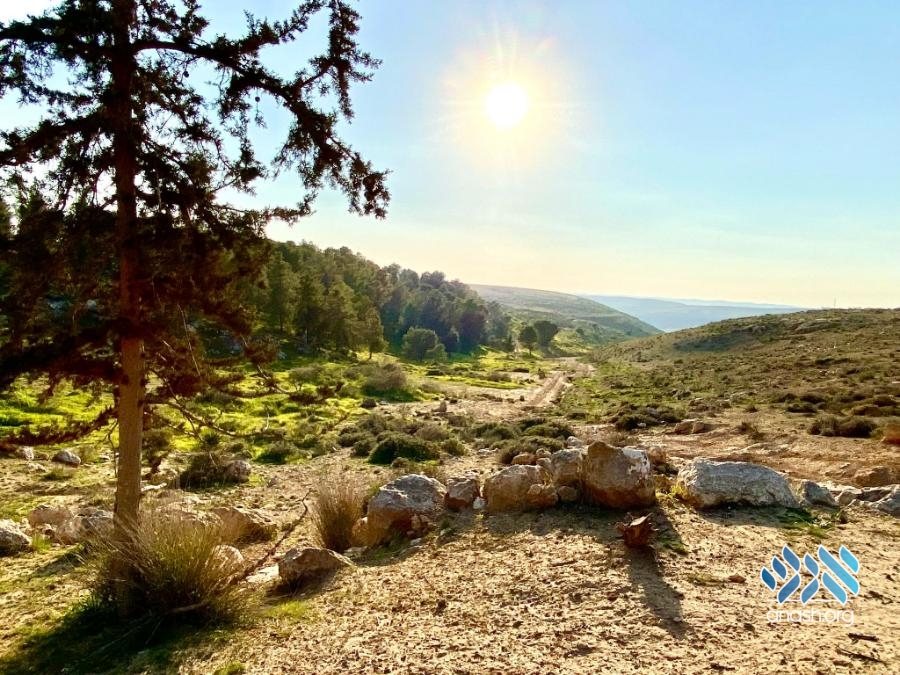
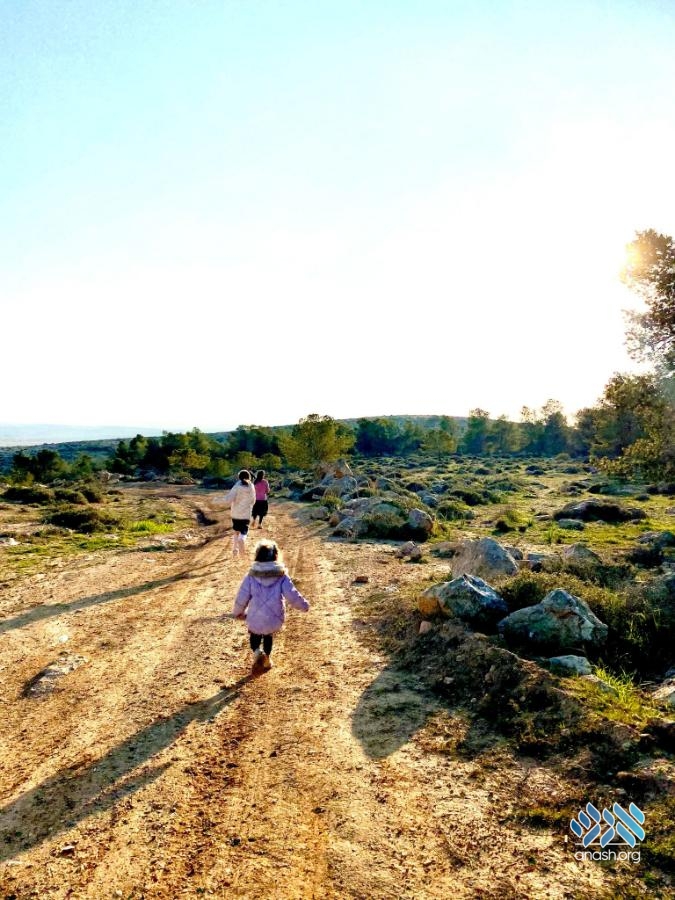
Nestled into a hillside bordering the Ohr Chabad land lies Churvat Yatir (חורבת יתיר), a sprawling archaeological site dotted with caves, crumbling walls, olive presses, ancient cisterns, and the echoes of Jewish life from thousands of years ago.
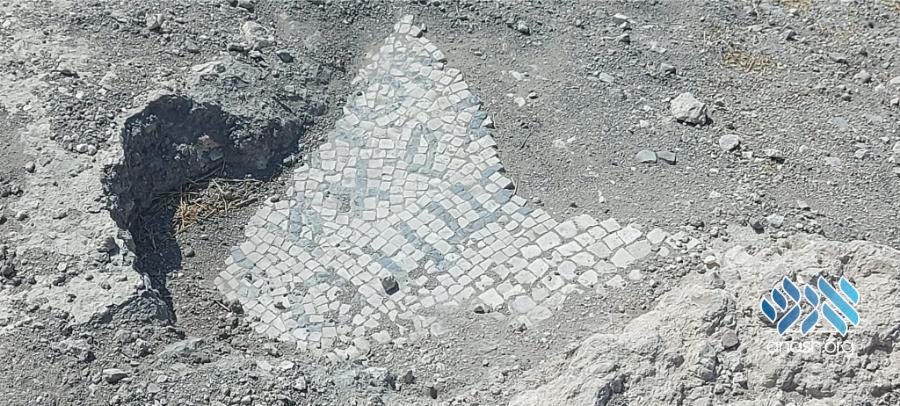
On the surface, it appears like a typical Byzantine-era ruin: remnants of a church, columbarium caves, cisterns, and dwellings. But dig deeper – literally and historically – and the picture changes. Beneath the later structures, archaeologists discovered evidence of a Jewish settlement, likely established by Leviim, as one of the official arei haLevi’im.
Yatir is identified with the biblical town of Yatir, mentioned in Sefer Yehoshua (21:14) as one of the Levitical cities given to the Kohanim in the territory of Yehudah. The posuk states that Shevet Yehudah gave them “Kiryat Arba, which is Chevron, with its surrounding pasturelands… and Yatir with its pasturelands, and Eshtemoa with its pasturelands.” Yatir is also listed earlier in Yehoshua (15:48) among the towns in the hill country of Yehudah.
The Yatir ruins are remarkably extensive, covering an area of about 250 acres. The site even appears on the Madaba Map, a 6th-century CE Byzantine mosaic map of the Holy Land, marking it as a recognized town in that period. But the roots stretch back far earlier to when the Yidden entered Eretz Yisroel, and it was designated for the Leviim.
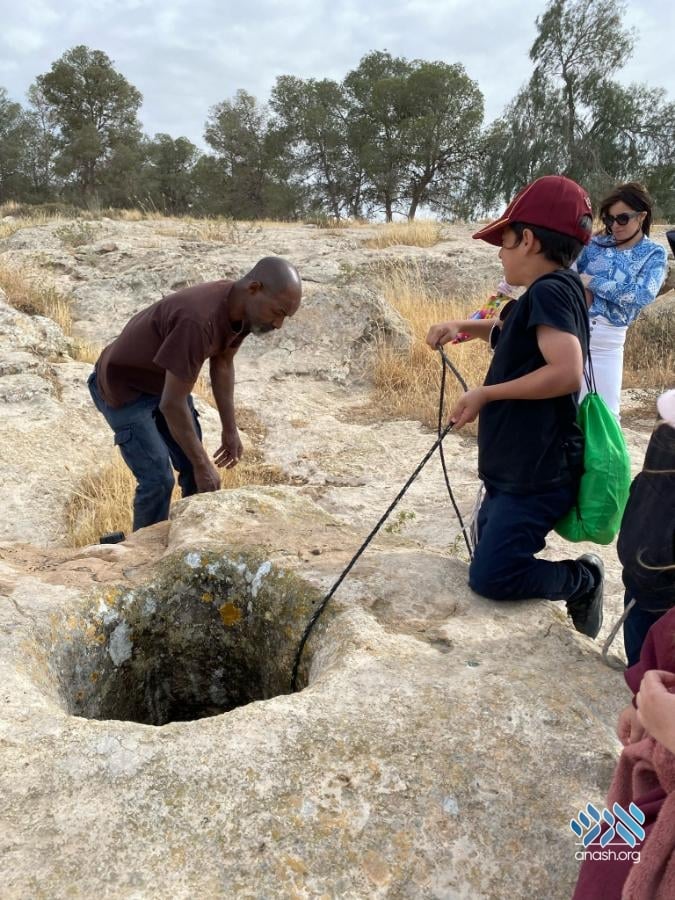
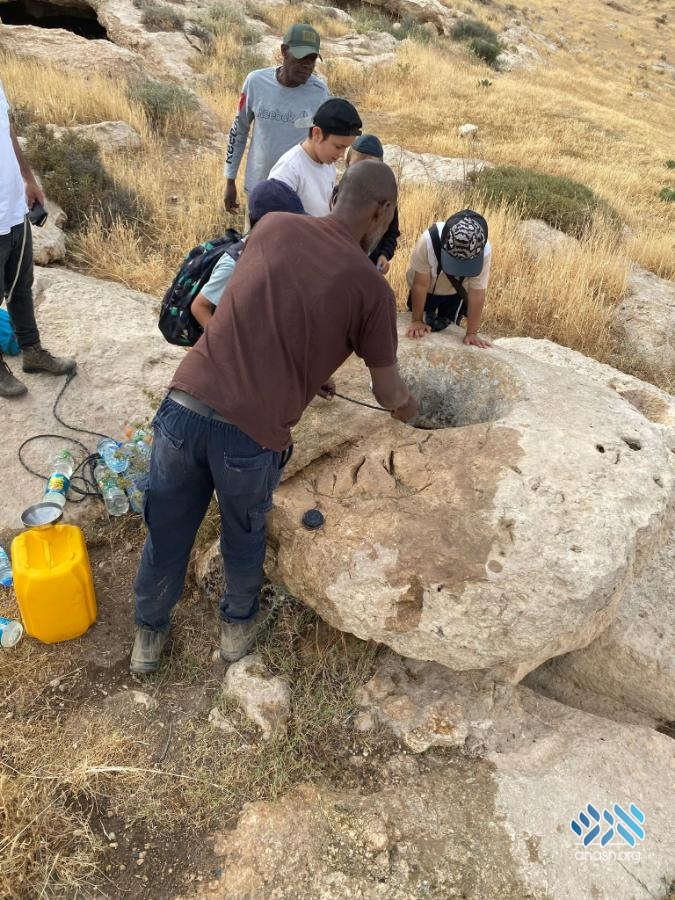
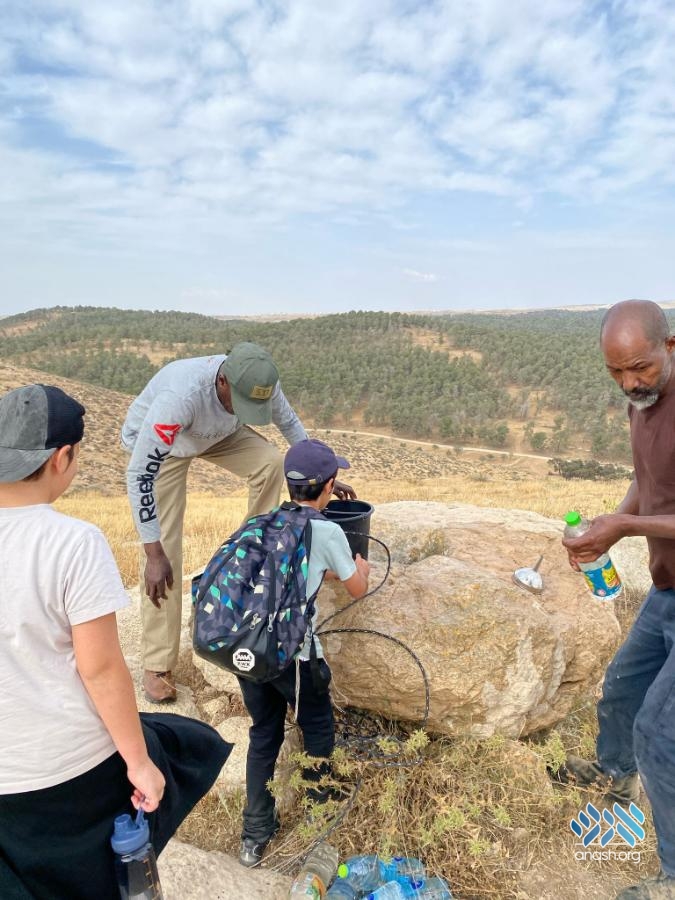
The evidence uncovered in the ruins includes the remains of two Shuls, both facing east toward Yerushalayim, as is traditional. One of them was later modified and used by the Byzantine settlers as a church. The location is also rich in agricultural infrastructure, including wine and olive presses, a collection pool, and a clever rainwater trap system that funnels seasonal rainfall downhill into a massive stone-lined well. This water system still functions, and Bedouins from a village 30 minutes away come to fill their jugs from it.
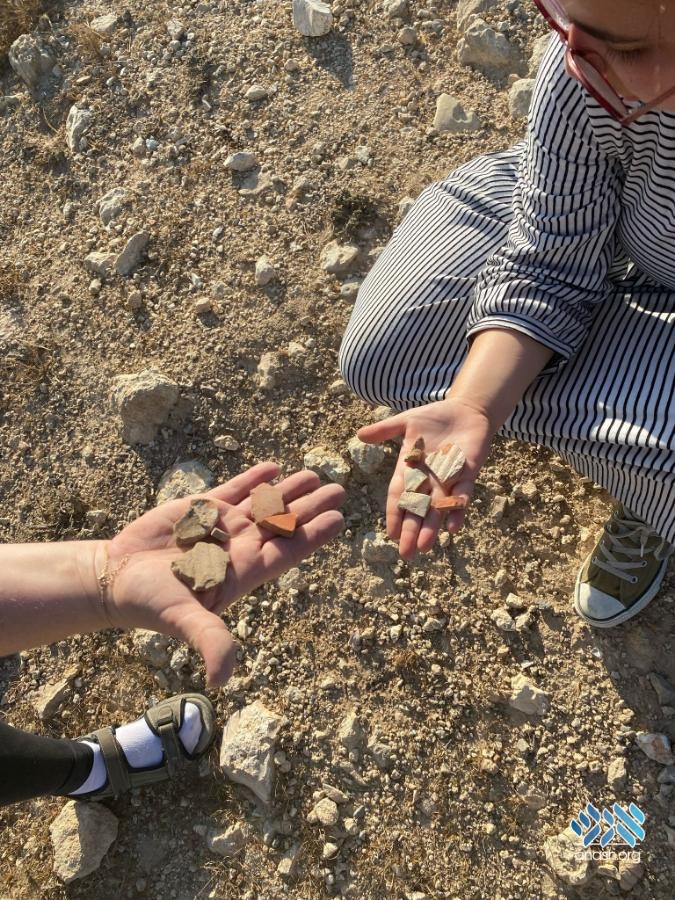
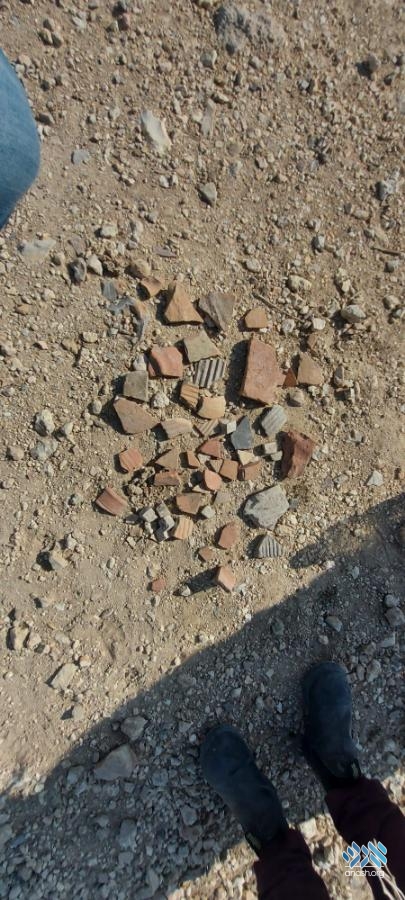
While most of what’s visible above ground dates to the Byzantine and early Arab periods, archaeologists believe the site’s earliest layers point to a Jewish presence from the Second Beis HaMikdash era, if not earlier. Artifacts such as pottery shards and foundations of older buildings indicate that this area once held a vibrant Jewish community, possibly one that continued living in these hills after the Roman destruction of Yerushalayim.
“This isn’t just a hill of old stones,” says Bruria Efune, who together with her husband, Rabbi Mendy Efune, is leading the Ohr Chabad initiative. “This is part of our heritage – Jewish families, possibly Leviim, who lived here. It’s amazing to think that right next to our future community is a place where Jews may have lived during the times of the Beis Hamikdosh and kept Yiddishkeit alive.”
Unfortunately, much of the deeper archaeology remains unexplored. A preliminary dig was launched, but funding ran out shortly after. As a result, much of Churvat Yatir’s Jewish past is still hidden beneath the soil, waiting for future excavations.
For the Ohr Chabad pioneers, the ancient stones scattered near their new homes are more than just historical interest. They are a living reminder that this land has always been tied to Am Yisrael – and that their project is a continuation of something much older than themselves. The new town, including 500 family homes, schools, a hotel, and community centers, will overlook the breathtaking Yatir Forest and biblical terrain.
The cities designated for the Leviim were also used as orei miklat, cities of refuge. While not one of the six designated cities of refuge, people who accidentally committed murder could also safely stay in the cities of Leviim. While taking refuge, the accidental killers would learn Torah from the Leviim.
“The Rebbe pointed out that there won’t be accidental murderers when Moshiach comes, but we will still have cities of refuge”, Efune says. “Instead of running from mistakes, people will go to these cities to escape the weight of the world, and take refuge in the Torah.”
“In Ohr Chabad, we hope to bring the city of Leviim back to life by creating a place where visitors of all backgrounds can rejuvenate with inspirational Torah classes and hands-on lessons.”
In the shadow of ancient ruins and beneath the same sky that once saw Leviim raise families, teach Torah, and collect rainwater for the year, Ohr Chabad is rising. And it’s bringing new life to a place that will never be forgotten.

 COMMENTS


We appreciate your feedback. If you have any additional information to contribute to this article, it will be added below.