



כ״ט מרחשון ה׳תשפ״ו | November 20, 2025
Americans Suprised by Items Excluded from Trump’s Tariffs
On Friday, many people raised their eyebrows when President Donald Trump signed an Executive Order unexpectedly excluding several items from his new reciprocal tariff program – and the items were not what anyone expected. However, for millions of Jews preparing each year for Sukkos and Pesach, these items are essential.
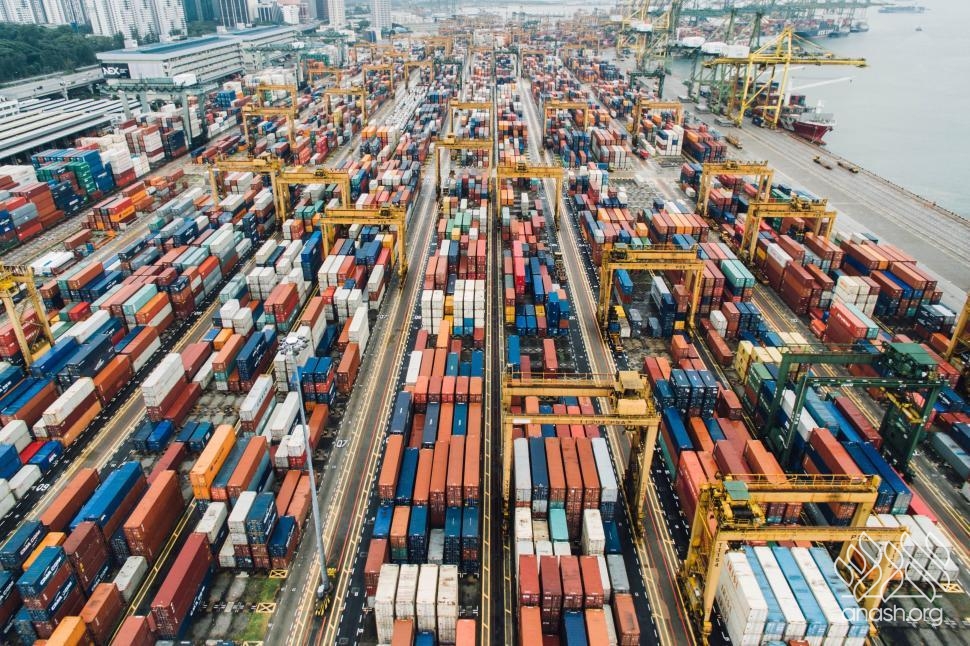
On Friday, many people raised their eyebrows when President Donald Trump signed an Executive Order unexpectedly excluding several items from his new reciprocal tariff program – and the items were not what anyone expected.
Among the products shielded from the additional duties are “Etrogs,” “Date palm branches, Myrtus branches … bread, pastry, cakes, biscuits and similar baked products… for religious purposes only.”
However, for millions of Jews preparing each year for Sukkos and Pesach, these items are essential – esrogim, arba minim, matzos and other Pesach baked goods. Without this exemption, the new tariff structure would have driven up costs significantly for millions of US Jews relying on these imports for Yomim Tovim.
This outcome follows months of advocacy from organizations concerned about the impact of the reciprocal tariff system on religious items. Earlier this year, the Rabbinical Alliance of America – Igud HaRabbonim, representing over 950 rabbis across the United States, issued a public call to the administration to protect matzah and other key religious items from the new duties.
In its statement, the Iggud emphasized the centrality of matzah for Pesach and the reliance of many families on imports from Eretz Yisroel. It warned that “New tariffs on Israeli goods will significantly increase the cost of matzah, placing a financial burden on families and religious institutions that strive to uphold their traditions.” The Alliance urged the administration “to recognize the unique religious significance of matzah, tefillin, mezuzah scrolls and other essential religious items … ensuring that Jewish communities across the nation can properly fulfill their religious obligations without undue hardship.”
“We deeply appreciate President Trump’s longstanding friendship with the Jewish community, his unequivocal support for Israel, and his unwavering commitment to religious freedom”, Rabbi Mendy Mirocznik, executive vice president of the Iggud HarRabbonim stated. “As Passover approaches, we appeal to his administration to grant an exemption for matzah and other religious articles so that Jewish families can observe this sacred holiday and all their religious practices in accordance with their faith.”
Agudath Israel of America welcomed Friday’s decision. “Thank you to the Trump administration for once again accommodating religious practices … and making it easier for Jewish families to celebrate their holidays,” said Rabbi A.D. Motzen, Agudath Israel’s national director of government affairs. “We appreciate that the White House took the matter seriously when we and others brought up these issues and worked with the relevant agencies to find a solution.”
The new exemption comes against the backdrop of a far-reaching reciprocal tariff policy launched earlier this year. The program imposed a 10 percent baseline tariff on all foreign goods, plus additional country-specific rates, framed as a response to what the administration called persistent U.S. trade deficits. Israel, with a notable trade surplus, received an added rate that pushed duties on many imports well above the baseline.
Although the policy was global in scope and not aimed specifically at Israel, its broad structure meant that items used by the frum community for Yomim Tovim were initially swept in as well.
The religious-item exemption also fits into a broader pattern of steps taken by the administration in the area of religious accommodation. Earlier this year, a memo from the U.S. Office of Personnel Management encouraged federal agencies to adopt “a generous approach to approving religious accommodations,” including flexibility around work arrangements connected with days of religious significance.
With the tariff exemption now in place, families preparing for Sukkos and Pesach will be spared a new layer of added costs on items that are basic to their Yomim Tovim.
 COMMENTS


We appreciate your feedback. If you have any additional information to contribute to this article, it will be added below.