



י״ט תמוז ה׳תשפ״ה | July 15, 2025
Ambassador Recalls Persuading Carter to Light D.C. Menorah
During a visit to Berlin’s Jewish campus, Ambassador Stuart E. Eizenstat shared the story of how he persuaded President Jimmy Carter to publicly light the Chabad menorah near the White House in 1979, marking a historic moment for Jewish recognition in the United States.
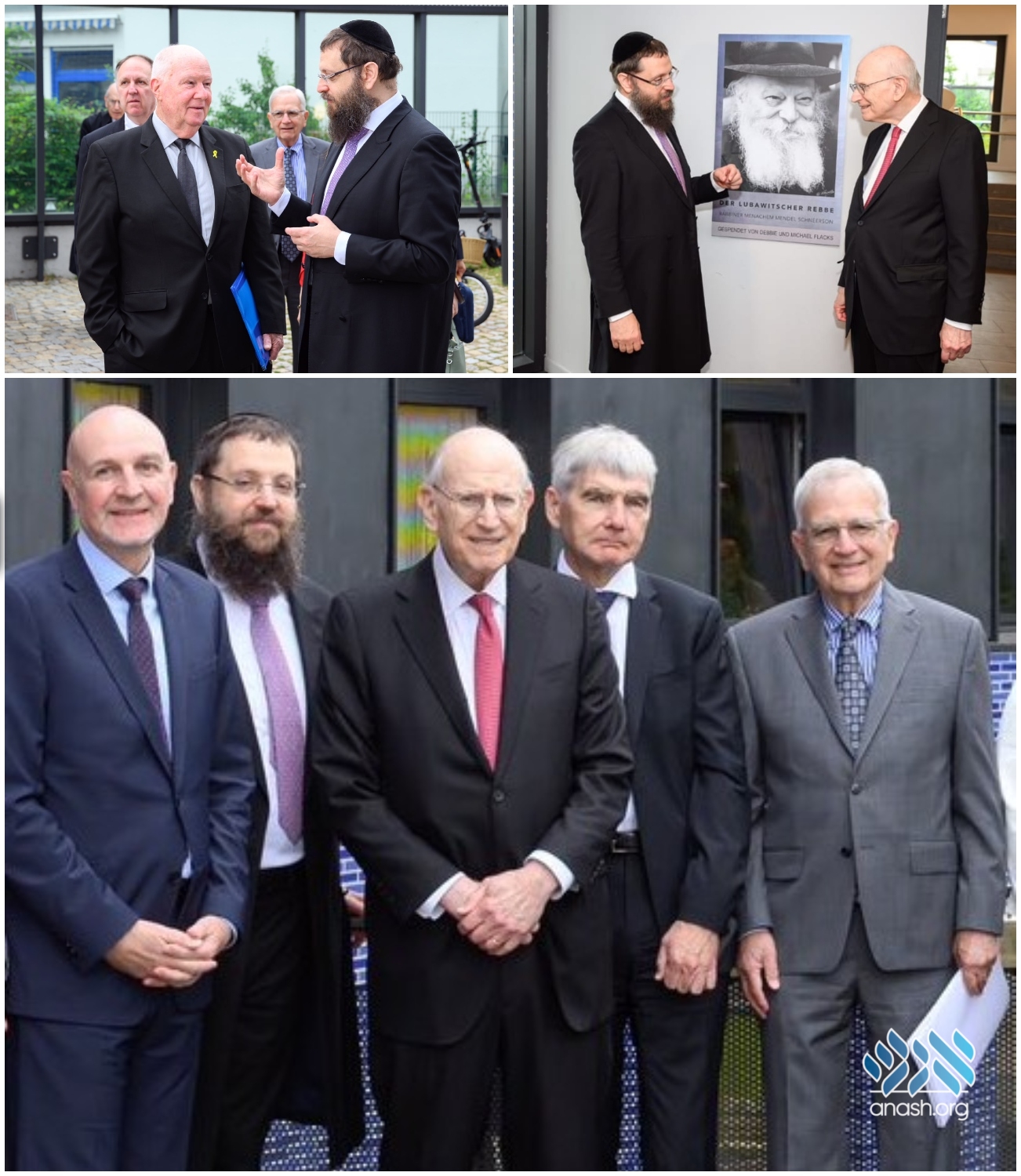
During a visit to Berlin’s Jewish campus, Ambassador Stuart E. Eizenstat shared the story of how he persuaded President Jimmy Carter to publicly light the Chabad menorah near the White House in 1979, marking a historic moment for Jewish recognition in the United States.
By Anash.org reporter
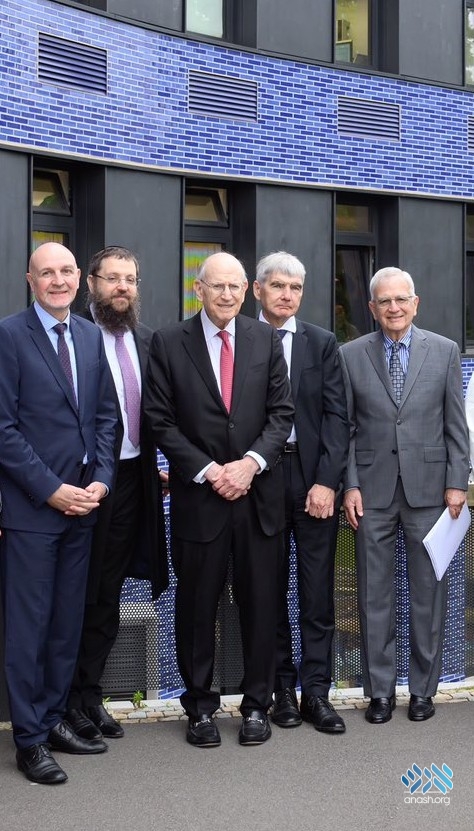
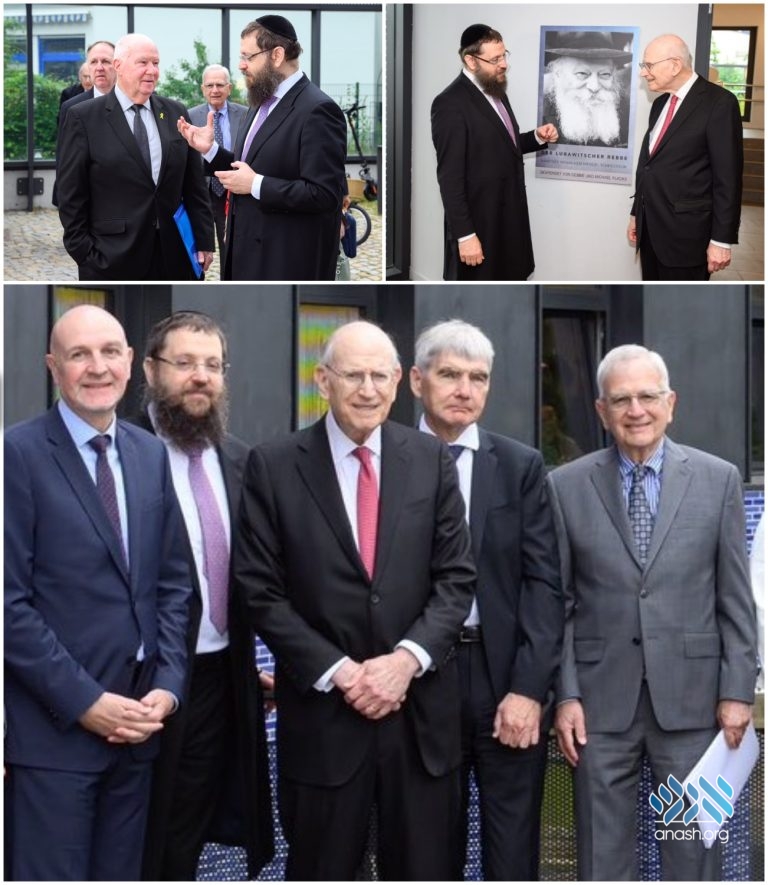
Just before the summer break, a delegation of senior officials from the German federal government and the leadership of the Claims Conference visited the Jewish campus in Berlin.
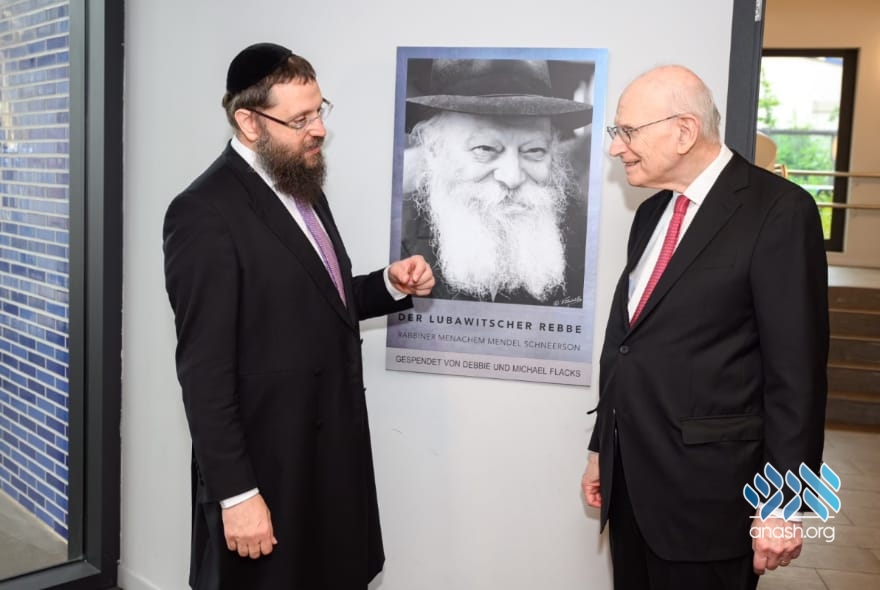
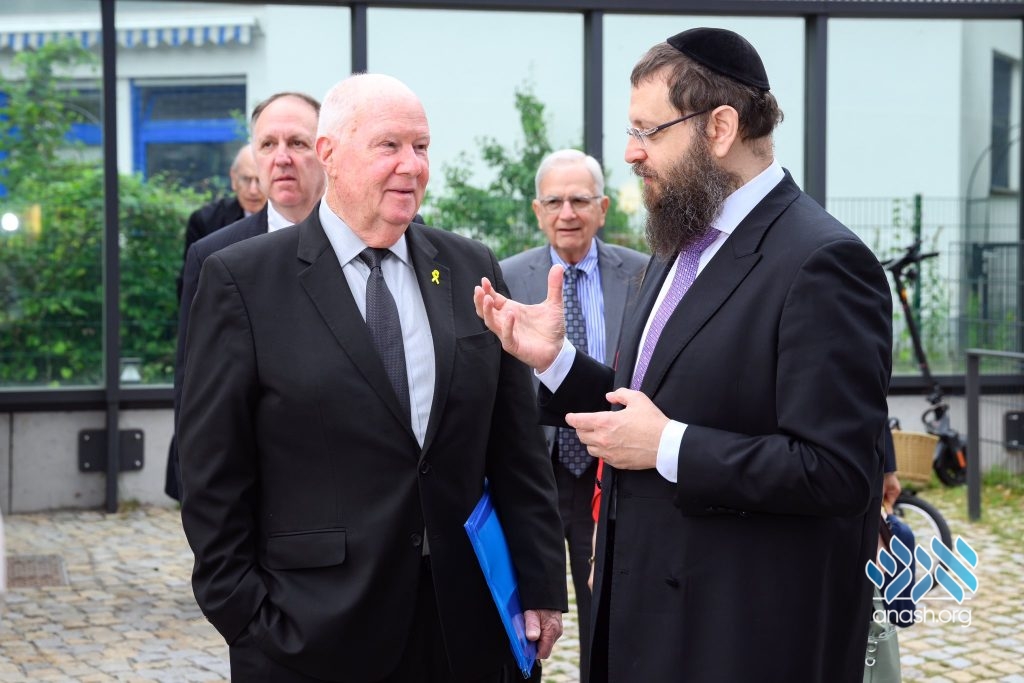
The group was welcomed by the Chief Rabbi of Berlin, shliach Rabbi Yehuda Teichtal, who led them on a guided tour of the campus and held a discussion with them about the development of Jewish life in the city.
Among the visiting officials was Stuart E. Eizenstat, former U.S. Special Envoy for Holocaust Issues and current chairman of the United States Holocaust Memorial Museum. Eizenstat has held senior positions under multiple U.S. administrations and played a key role in Holocaust restitution negotiations.
At the entrance to the campus, Eizenstat spoke about how, during his time as an advisor to President Jimmy Carter, he was involved in arranging the lighting of the first public menorah outside the White House in December 1979. The 30-foot electric menorah was placed in Lafayette Park, across from the White House. President Carter lit the shamash, and the rest of the lights were kindled by Eizenstat, who also recited the blessings. He described the event as a major milestone in public recognition of Judaism in the United States
Eizenstat also recalled attending a farbrengen with the Rebbe in 5740, during the event marking thirty years of the Rebbe’s leadership. He noted the broad impact of the Rebbe’s shluchim and spoke about the growth of Jewish infrastructure in Berlin.
During the visit, a student named Miri described the development of the school, stating that twenty years earlier, it had opened with one class of four students. Today, it serves more than 400 children.
The visit concluded with a musical presentation by children from the kindergarten, whose songs reflected the strong and growing presence of Jewish education and life in Berlin.
 COMMENTS


We appreciate your feedback. If you have any additional information to contribute to this article, it will be added below.