




כ׳ אלול ה׳תשפ״ה | September 12, 2025
Alternative Selichos Times: Before Midnight or in the Morning?
Ask the Rov: I have difficulty going to selichos at midnight. Can I say it at a different time? Rabbi Chaim Hillel Raskin responds.
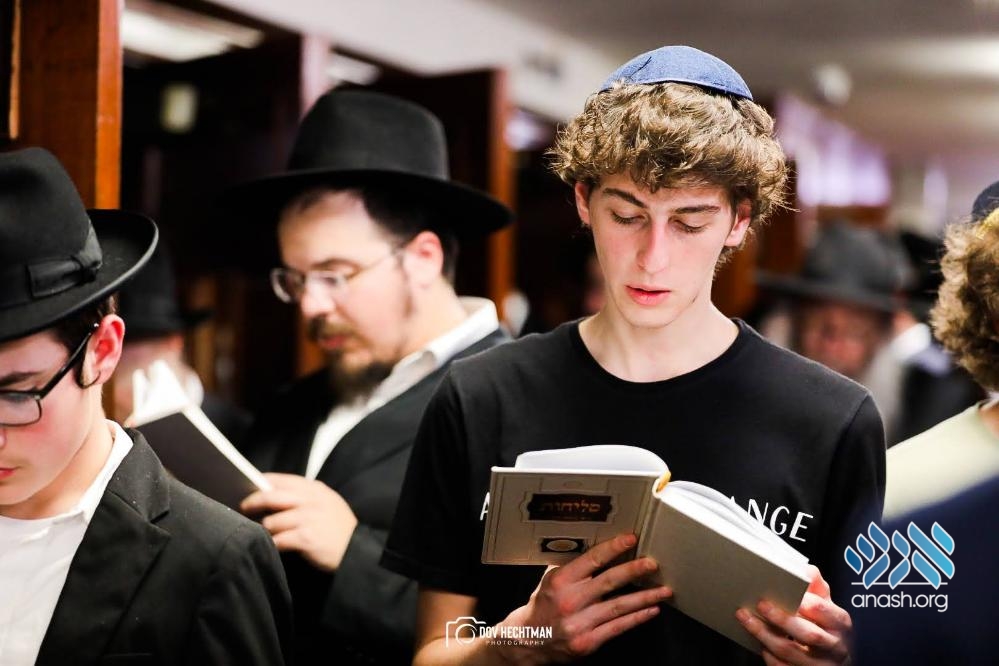
Ask the Rov: I have difficulty going to selichos at midnight. Can I say it at a different time?
By Rabbi Chaim Hillel Raskin – Rov of Anash in Petach Tikvah
According to Minhag Ashkenaz, we begin the first selichos on a motzaei Shabbos. The text of the selichos states b’motzaei menucha, “at the outgoing of the day of rest we approached You first,” so we recite it as close as possible to Shabbos, when this statement is most accurate.1
Yet, these first selichos are recited after chatzos.2 Al pi kabbalah, it’s not appropriate to recite selichos and the Yud Gimmel Midos before chatzos, except on Yom Kippur night.3 Since the first half of the night is influenced by gevurah, reciting the Yud Gimmel Midos at that time can have the wrong effect. (Even if a congregation is saying them, one should not say it along.4)
While Reb Moshe Feinstein allowed a community that could not gather at night to recite selichos earlier — arguing that there’s no prohibition, only that the Yud Gimmel Midos don’t have the desired effect, and they will at least have the tefillah5 — other contemporary acharonim showed from the above sources that it’s better not to recite them at all than to recite them before chatzos.6
In his Siddur, the Alter Rebbe allows for reciting tikun chatzos from the beginning of the “second watch” (ashmura), which begins one third into the night. Some want to argue that one can similarly recite Yud Gimmel Midos at that time when necessary.7
However, on Motzaei Shabbos, there is a further problem, since it is an extension of Shabbos, and one does not recite tachnun or selichos until after midnight.8
An alternative option would be to recite them on Sunday morning (as is done on the other days of selichos). If staying up late will cause one to sleep in, this is indeed preferable.
When reciting selichos without a minyan, one does not recite the Yud Gimmel Midos (from “Vaya’avor”)9 or the sections in Aramaic.10
See Sources (open PDF)
From The Weekly Farbrengen by Merkaz Anash
 COMMENTS


Why is 770 exactly 1 PM?
*1 am…
in ny during this time of year, chatzos is approximately 1245/50, so this is a set time, just after chatzos. same goes for tehillim on hoshana rabba which is also said after chatzos